Katin Images Travel Photography

Travel Photos, Travel Photography Tips and Software

Tag: travel

  • Understanding the Basics of Digital Travel Photography

    Understanding the Basics of Digital Travel Photography

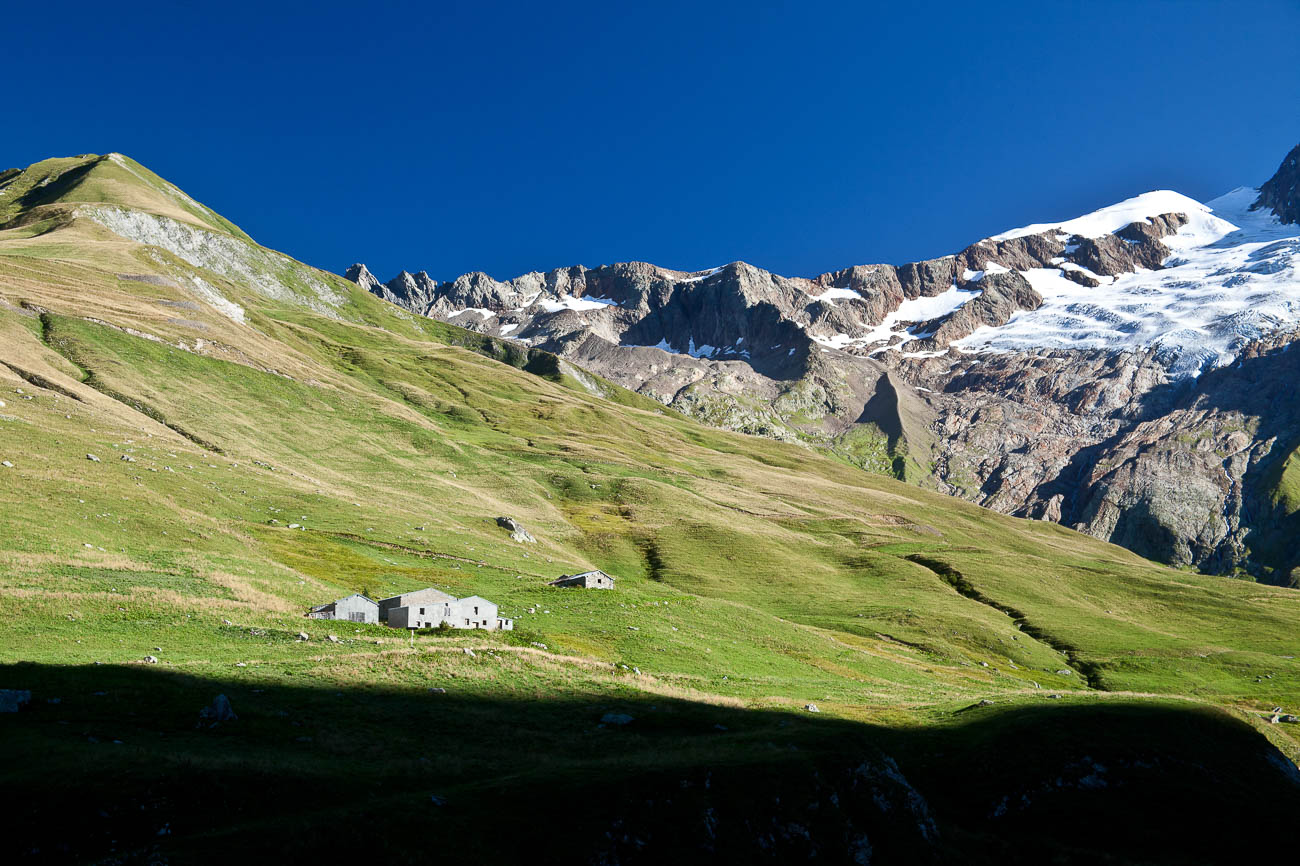
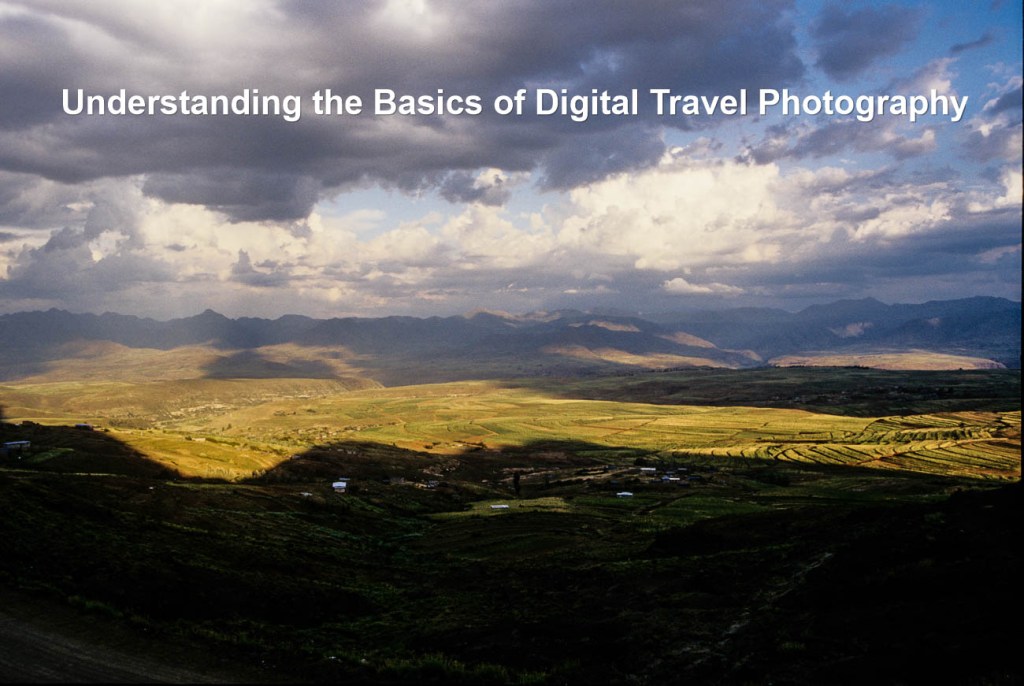
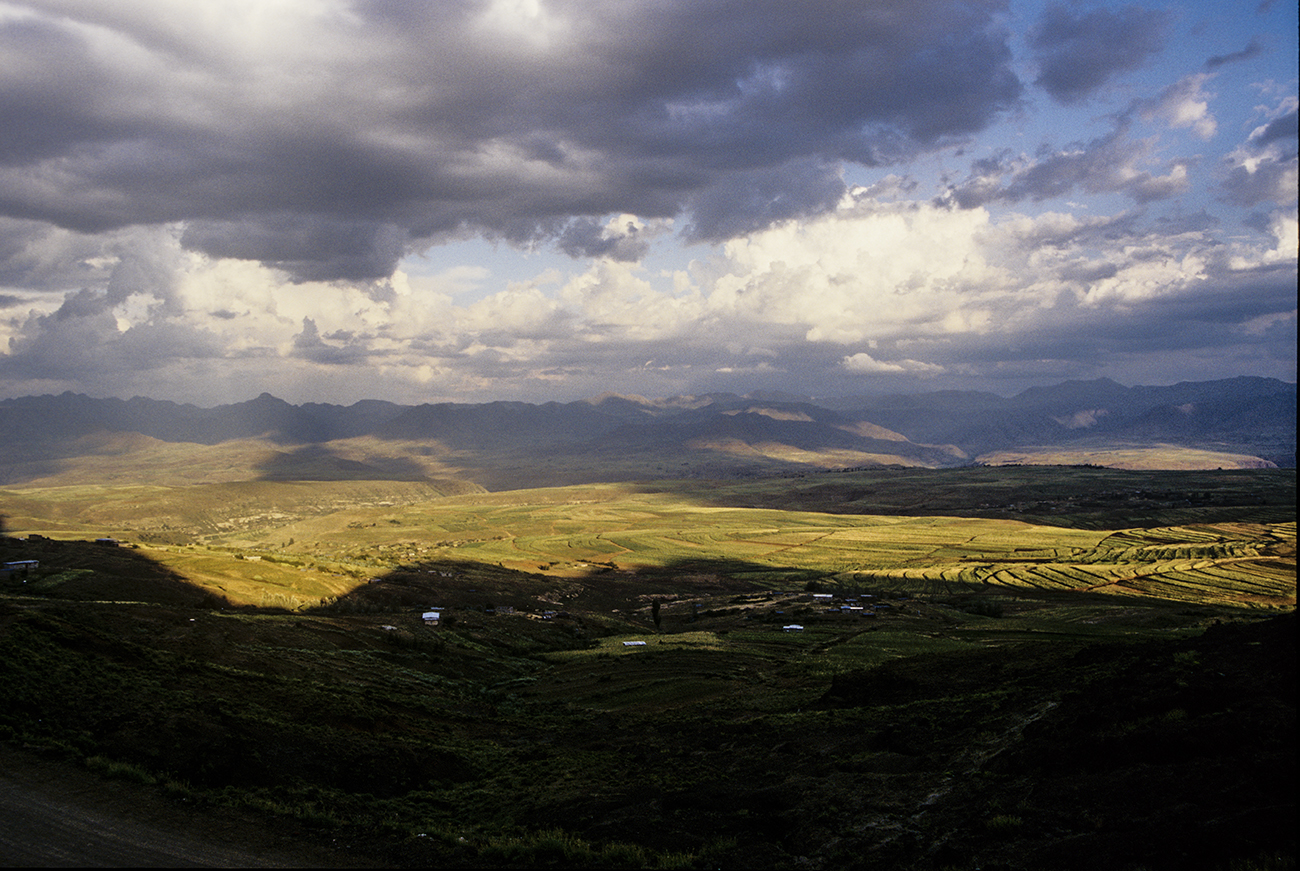
    Maloti Mountains of Lesotho in the late afternoon light.

    The majority of us use digital cameras these days for our travel photography.
    But do we really understand it?
    In this article, understanding digital travel photography, I’ll explain in simple words, some of technicalities we should all know about digital travel photography.

    Digital Travel Photography

    So, what is digital travel photography?
    Well of course we know what travel photography is, don’t we?
    If you don’t, head over to An Introduction to Travel Photography to get a better understanding.
    But what about the digital bit?
    When we push that shutter button whether it be a physical or virtual one, a complex process takes place in less than a second.
    Let’s look at the components of this process:

    Hoh river rainforest on the Olympic Peninsula, Washington, USA. Understanding the Basics of Digital Travel Photography
    Hoh river rainforest on the Olympic Peninsula, Washington, USA Click on image to see a larger view

    The Sensor

    The heart of all cameras is the sensor. It’s integral to the camera as it dictates pretty much everything.
    There are lots of different sensors manufactured, but the most common in digital cameras are the CCD (Charge Coupled Device) and the CMOS (Complementary Metal Oxide Semiconductor). Sensors are semiconductors that consist of a grid of tiny light-sensitive cells called photodiodes.
    Because photodiodes are black and white devices, a coloured filter is placed over the sensor so it can record colour.
    When you take a photo, you allow light to hit the photodiode which then generates an electrical charge.
    The individual photodiode records the brightness and colour of the light and generates a pixel that is placed in a grid.
    The number of pixels in the grid determines how much information is recorded.

    Sensor Quality

    The sensor’s quality is affected by how the following factors:

    a. The physical size of the sensor.

    b. The build quality.

    c. The quality, size and spacing of the actual pixels.

    d. The way the camera’s image processor treats the data.

    Understanding the Basics of Digital Travel Photography
    Photo by Mika Baumeister on Unsplash

    Sensor Size

    Larger sensors allow the use of larger pixels, which can process more light. Usually that results in the capture of sharper images. Sharper images have more detail, less noise, wider dynamic range and smoother tonal gradation.
    But it doesn’t stop there.
    For example, I have an Olympus OMD1 MKII and a Canon 5D MKII.
    Whilst the Canon is a lot older, it is a full frame camera which means it has a larger sensor than the Olympus which has a crop sensor of 1/2.
    The image quality on both is excellent and I would challenge anyone to tell the difference.
    In fact, my opinion is that the Olympus is slightly better.
    And I’m taking into account that it could also be because of a difference in the quality of the lens.

    Resolution

    Ah, resolution! Disturbingly misunderstood and incorrectly used as a benchmark of quality

    A camera’s resolution is the number of pixels on both the vertical and horizontal sides of the sensor. That’s called the total pixel count and is usually in the millions and is described in megapixels (MP).
    One million pixels equal a megapixel.
    For example, a camera with a sensor size of 5184 x 3456 pixels has total pixel sum of 17,915,904. Camera manufacturers round it up to 18 MP and so it is an 18 MP camera.
    You should find this number somewhere on the camera body. In the past it has been used to justify the price. I.E. More MP’s more dollars!
    Nowadays that is no longer the case. Although there are exceptions, image quality is much more important.
    The actual quality of the image file is affected by the same variables used to determine a sensor’s quality. See Sensor Quality 

    Print Size

    The other important factor is the maximum print size that the camera can be expected to produce. 
    This is based on the sensor pixel count. 

    Most printers print at the international professional standard of 300 Pixels per inch. Therefore, by going back to the above example 5184 x 3456, you divide 5184 by 300 you get 17.28”. 
    And then divide the other side 3456 by 300 you end up with a 17.28” x 11.52” (or 432mm x 288mm) paper size.
    Now it’s not my intention to get into the black art of printing. But some printers will print at 240 whilst others might print at 350.
    What does that mean? Well basically if you use the same calculation of 240 then you can be forgiven for thinking that you will get a bigger print. However, the quality is not as good because those pixels are being scattered over a bigger area. On the other hand, printing at 350 should give you a smaller picture but it actually works out that you will get a better print. There are lots of articles and charts available online if you really want to get into print sizes.
    The one takeaway is that if you want to print a A4 (8 x 10”) size print you must have at the very minimum a 7-8 MP Camera. 2400 x 3000 Pixels divided by 300 comes to 8 x 10”. 2400 x 3000 = 7200000 or 7.2MP
    A good inexpensive eBook on this whole topic is Making the Print by Martin Bailey

    Screen size

    Having said all that, most of us these days only view photos on a screen.
    And the smaller the screen the smaller the photos you need to display it without pixilation.
    Most cameras have different “image quality” settings. That’s a rather misleading way of telling you that you can adjust the size of your images.
    That is also usually only for JPEG images as RAW is fixed.
    Having smaller images has the benefit of requiring less space with both your memory card and your computer storage. But can also mean that you are restricted to a maximum size screen when you view it on a larger screen as it will drop in quality if you try to enlarge to fit.
    If you were to view it’s original size on a larger screen, you will get a border, usually white, around it taking up the space from the edges of the image to the edge of the screen.
    Conversely viewing an image that is larger than the screen means that you will not see all the image as it will fill the screen.

    In the examples below you can see an image of 4608 x 3456 on a screen of 2560 x 1440 which is on a 25” computer screen. If you look in the right-hand corner of the second image you can see a box that tells how much of the image you are looking at.

    Understanding the Basics of Digital Travel Photography
    Understanding the Basics of Digital Travel Photography

    Whatever software you are using to view will allow you to zoom in or out. But you can see how the dimensions of an image directly relate to the physical viewing medium

    Upscaling

    Of course, there are exceptions.
    When viewing images on your TV with something like a Chromecast or an Apple TV you’ll see that they will fill the screen regardless of size.
    That’s because they do a great job of sizing it according to the size of the TV.
    In fact most of the newer TV’s do the same.
    That’s called scaling the image.
    On a larger TV they usually have to upscale. Although there are limitations of what these devices and TV’s can do. A very small image of say 320 x 240 Pixels just won’t be able to be upscaled on a 65” TV and still look great. It may be just OK but more likely it will be pixelated or shown at its original size.

    Summary for understanding digital travel photography basics

    · Digital travel photography is the process that happens once you press that shutter button.

    · At the heart of all cameras is the sensor

    · A sensor is an electrical device for absorbing light and then transmitting it in a form of electrical current

    • · There are several factors that determine the quality of a sensor.
    • · Resolution is no longer an indicator of quality
    • · When considering printing always consider that quality printers print at 300 pixels per inch. So size your camera (min 8MP) and then your image accordingly
    • Viewing on electronic screens allow you the luxury of having smaller image sizes

    Thanks for reading this article

    There must have been something that piqued your interest.

    Is it that you see yourself taking some great travel photos that you can share or display?

    Or is it you can see yourself reliving your travel experience by bringing home some emotive travel photos?

    Maybe you aspire to getting your travel photos published.

    If one or all of these is YOUR goal, I can help.

    If you sign up in the box below you’ll get my free eBook “9 ways to improve your Travel Photography”. At the same time, you will also subscribe to my Travel Photo Tips Newsletter.

    Remember if you want to take great travel photos 

    • that you can share and display.
    • that help you relive your travel experience
    • give you a chance to have your travel photos published

    then sign up below and subscribe to my Travel Photo Tips Newsletter and for your trouble get my eBook “9 ways to improve your Travel Photography”

    Any questions then please write your comments below or contact me here and please say hello at these places:

    FacebookTwitterInstagramLinkedIn:

    Understanding the Basics of Digital Travel Photography
    Maloti Mountains of Lesotho in the late afternoon light.

    Feel free to share this to your social media of choice

  • Coronavirus and Travel Photography

    Coronavirus and Travel Photography

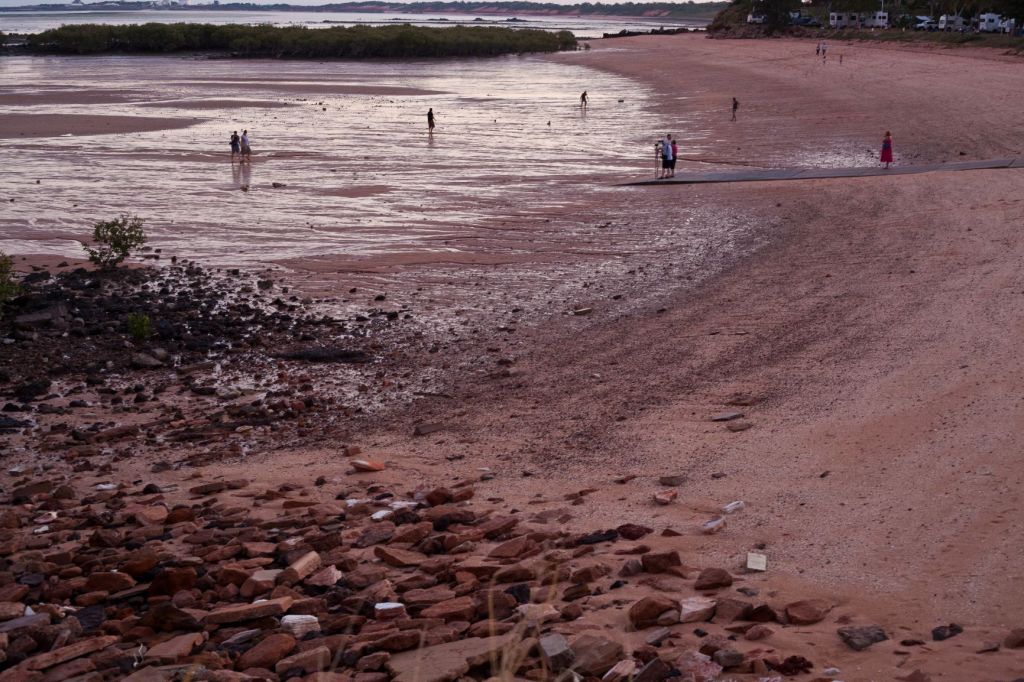
    Town Beach Broome Western Australia
    Looks like social distancing at the Town Beach, Broome, Western Australia

    I had to ask myself an important question recently.
    Should I continue to post articles on travel photography during this terrible crisis.
    After all if we can still afford to travel we can’t! And if we can’t afford to travel now due to a tragic change in our employment status, is travel going to be something we will think about?

    Well, if you are following this site then you are interested in travel photography and I imagine you have a camera.
    Even on the off chance you sold your camera because you now need the money then you will still have a mobile (cell) phone which has a camera.
    So now is a good opportunity to fine tune your travel photography skills, especially if you have a bit more time.
    It’s a hobby to most and a good way of taking your mind off the chaos around us at the moment.

    If like, most of us across the world, you can’t go far, use your home and garden as photography sets.
    There are many interesting subjects waiting for you to take imaginative shots of them.

    You’ll be amazed how much you can do in the confines of four walls or fences.

    Good luck and stay safe!

  • 13 Tips for Street Travel Photography

    13 Tips for Street Travel Photography

    Brick Lane Street Sign Poplar, East London
    Brick Lane Street Sign Poplar, East London Click on the image for a larger view and for other options

    In Tips to Photograph People while Travelling I said that some of the most interesting subjects can be people going about their normal day.
    I would also add to that the environment that surrounds them as well.
    In this article I will give you 13 Tips for street travel photography.

    Street Photography

     Before we begin , what is street photography?

    Interpretations and definitions of street travel photography abound.
    My take on it is that it’s photography that captures the moment in settings that are predominantly man made like cities, towns and villages.

    So now we have rough idea of what it is, let’s get into my 13 tips for street travel photography

    1. Being Organised

    I’ve mentioned in articles like Planning and Preparation for Travel Photos or The Travel Photographer Destination Guide Part One, about the benefit of planning and organisation. I’ll repeat it here again. Doesn’t matter what type of travel photos you wish to take, being organised is the single most important facet of travel photography.  Particularly if you want to give yourself the best opportunities to take home some great photos.

    2. Have a Plan

    By plan I mean know what sort of street travel photography you want to practice.
    Are you looking for a certain type such as people looking at their mobile (cell) phones? Maybe you want to get images of people working in café’s and the café’s themselves.
    Whatever it is, focus on that and find the right location/s.
    It’s no good wandering down a suburban street looking for cafés.

    Brick lane cafe, Poplar London, England
    Brick lane cafe, Poplar London, England. Click on the image for a larger view and for other options

    3. Have Patience

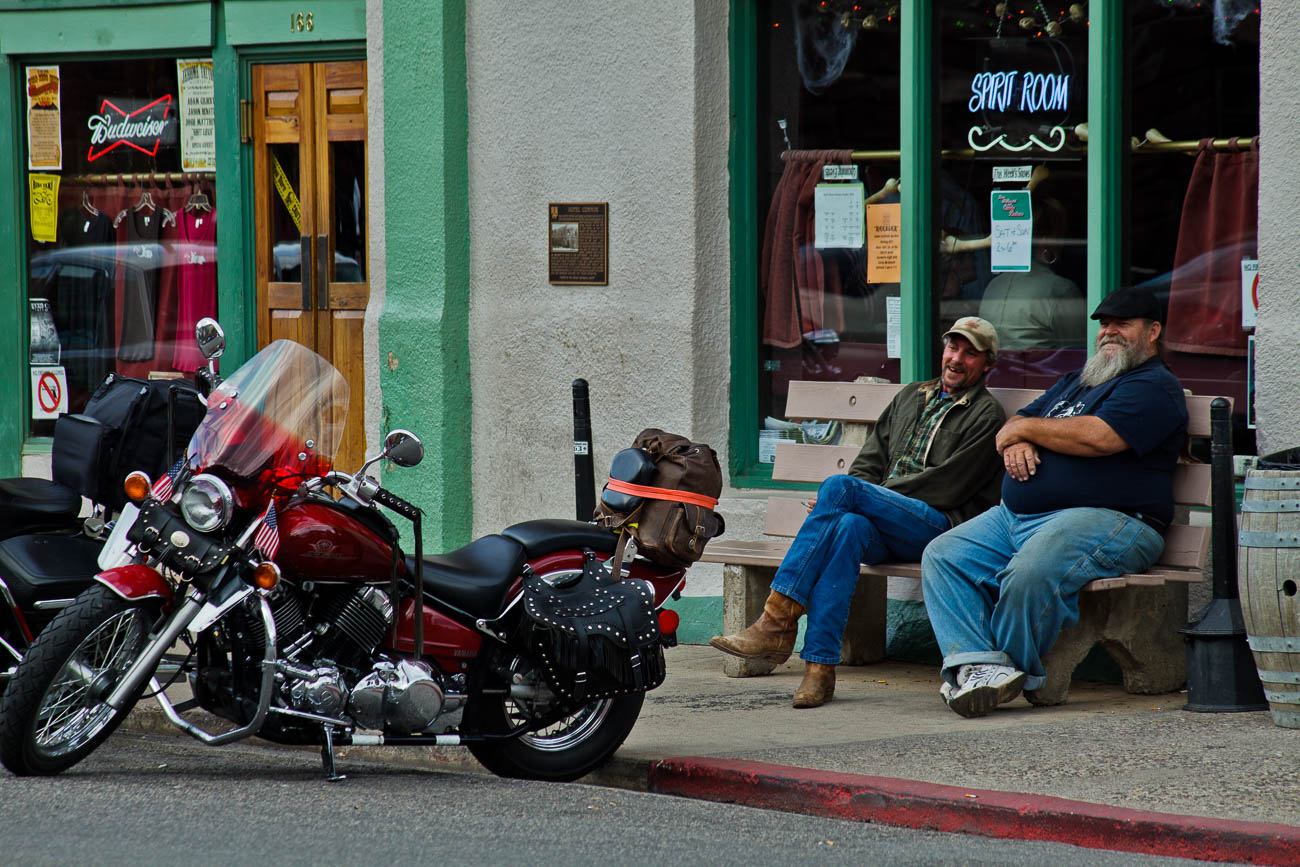
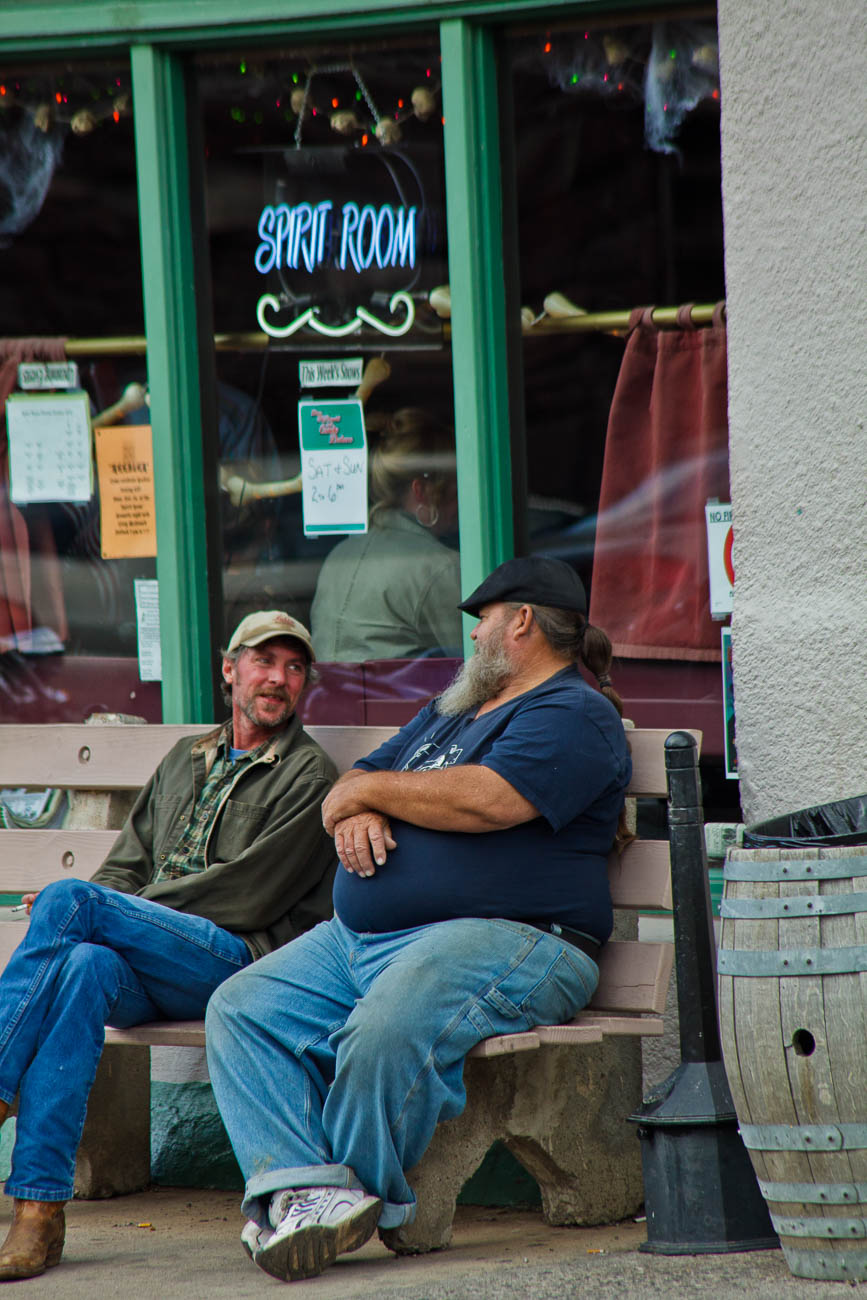
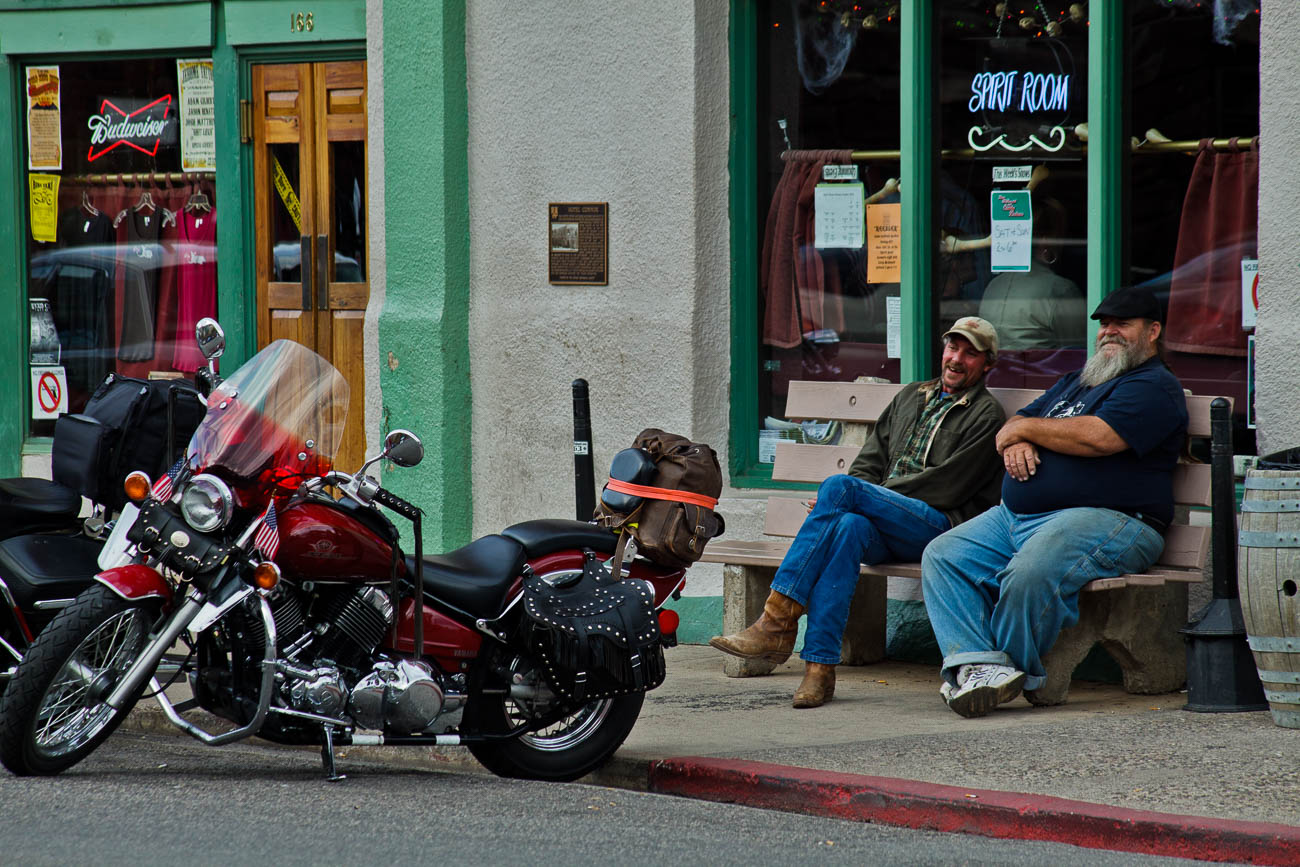
    In How I took this Travel Photography Image I took quite a good picture of 2 guys laughing outside a bar.
    I ‘camped’ in one place to take advantage of any possible photo opportunity.
    Sometimes you must be patient and keep your eyes open.
    In most areas something will turn up. It’s not much different to taking wildlife.
    Wildlife doesn’t pose or turn up when you want it to, you have to be in the right spot and wait to grab that picture.

    4. Batteries and Memory

    Ensure you have the camera battery and your spare (you have a spare don’t you?) are fully charged.
    Also make sure your memory card has plenty of capacity.
    If it’s nearly full, change it NOW for an empty one. And of course, make sure you have at least a couple of empty spares.
    32GB is a good size these days. It’s not just memory you are after. Sometimes memory cards play up or fail, so a backup or 2 is essential
    Can’t do street travel photography without battery power and spare memory cards
    In the case of smartphones, most modern smartphones don’t have the option to change batteries. But you can have a mobile power bank to keep it charged. Similarly, with memory if your phone has the option of micros SD cards or if not, flash drives, it’s worth investing in either.

    5. Have the Camera Switched On

    One reason for having plenty of battery power is that you should always have your camera on.
    If you have a smartphone then make sure the camera app is open and if possible turn off the lock or adjust the time to turn off the app.
    Street photography is very much about being ready and in the moment. If your camera is off, then you will miss opportunities that you would get with the camera on.

    Shoeshine carts, Guadalajara, Mexico
    Shoeshine carts, Guadalajara, Mexico.
    Click on the image for a larger view and for other options

    6. Have that Lens Cap Off

    Leading on from the last point. Any extra step you have to take to have your camera ready can be one step too much. Use a lens hood instead if you are worried about damaging the lens.

    7. Get Close In

    When you have a telescopic lens, there is the temptation to position yourself away from possible subjects.
    Now there are times when this is a good idea. But some of the best street photos have been taken whilst close in.
    That’s not to say you need to be in someone’s’ space with a camera up their nostril.
    No, that’s not what I mean.
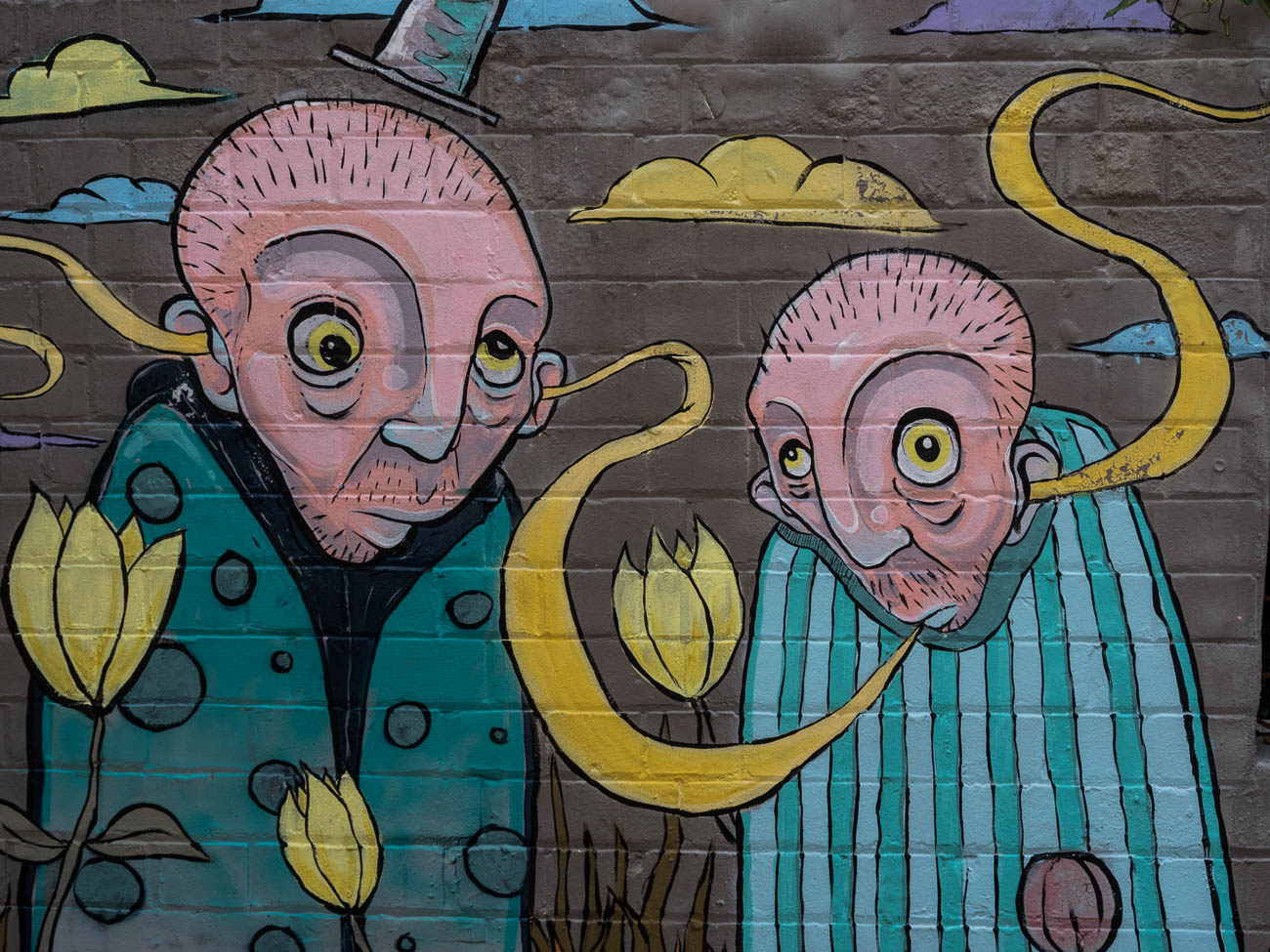
    For example, if you are taking a picture of some street art, don’t try and get it all. Pick some small parts and concentrate on that. For more on that see The One Big Creative Travel Photo Idea

    8. Be Respectful

    Taking pictures of people can be done quite close without them knowing.
    If you are going to have people as your subjects, be aware of any cultural sensitivities. Always ask when it’s a situation where it’s pretty obvious that you want to take their picture.
    For more on that go to my last article Tips to Photograph People while Travelling

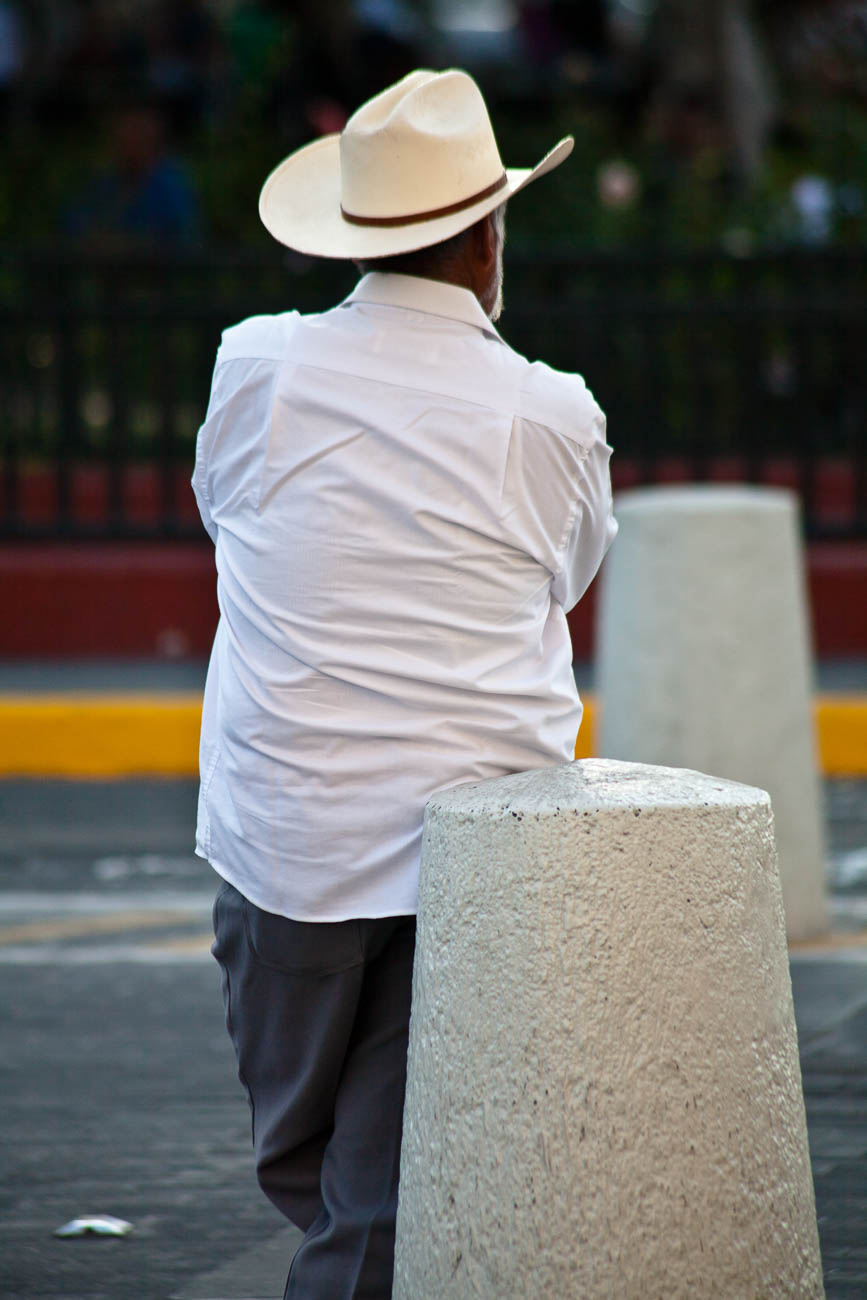
    Leaning Mexican Cowboy, Guadalajara, Mexico
    Leaning Mexican Cowboy, Guadalajara, Mexico.
    Click on the image for a larger view and for other options

    9. Use your Flash Sparingly

    If you have the on camera flash on auto – turn it off!
    On camera flash should only be used as a last resort. Much better to jack up the ISO and have some grain or noise than have that “rabbit in headlights” look.
    As you can see, I don’t use it. 

    If you do have off camera flash then use it.
    You don’t have to have an arm with a flash hanging off your camera to have off camera flash. There are lots of ways of lighting a subject without flash. Having someone shine a torch (flashlight) onto the subject can work as well.

    10. Be Imaginative

    Street photography is an open ended opportunity to take photos. You have permission to take pretty much anything. Regulatory and cultural sensitivities permitting, of course. So you have an opportunity to be creative and imaginative.
    Take something you’ve never seen before, use different angles, heights and positions. Often, we get stuck in the standard position of holding the camera at our standing height.

    11. Shoot in Shade.

    On sunny or bright days then it’s best to try and reduce contrasts.  Unless you are taking a photos that highlights light e.g. backlighting or individual light falling on a subject.  If you’re in an area with lots of reasonably high buildings that shouldn’t be too hard and makes for a more even exposure. Getting a great photo of a subject only to find some of it is badly overexposed can be disappointing.

    12. Shoot from the Hip

    There will be times when you want to grab a shot without being seen. Whilst you can do this with a telescopic lens, you may not be in the right position to use it.
    A technique, which takes a bit of practice, is to shoot from the hip.
    That is have your camera hanging down by your hip, with your finger on the shutter button. I would also suggest you have the rear LCD screen set on live view, so you can get a rough idea on what sort of photos you are taking. 

    If you have a reticulated screen on your camera, one that can be manipulated at angles away from the camera body, then that’s even better.

    13. Convert to Black and White

    Lastly, whilst not compulsory, street photography seems to lend itself to black and white. Most cameras allow you to shoot in black and white. I would suggest that you don’t do that. Instead choose and convert the photos that you think will look good in black and white with your post processing software. Whilst you can take photos in black and white, you want to have the choice about whether colour or black and white is better for a particular photo.
    Of course, there’s nothing to stop you challenging yourself and shooting everything in Black and White. In other words, don’t worry about whether it would have looked better in colour.

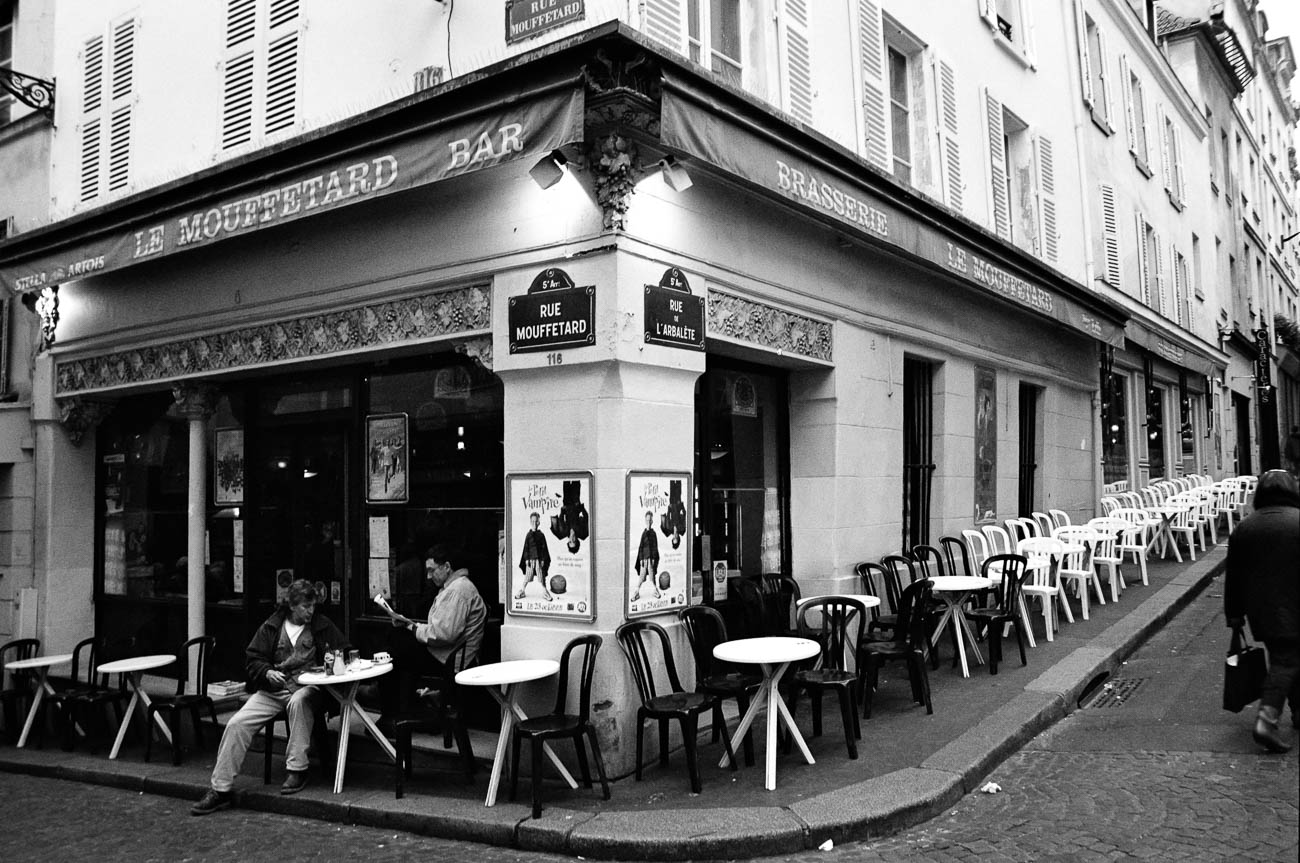
    Le mouffetard bar on Rue Mouffetard, home to one of Paris's many markets.
    Le mouffetard bar on Rue Mouffetard, home to one of Paris’s many markets.
    Click on the image for a larger view and for other options

    Summary for 13 Tips for Street Travel Photography

    1. Being organised

    2. Have a plan

    3. Have patience

    4. Batteries and memory

    5. Have the camera switched on

    6. Have that lens cap off

    7. Get close

    8. Be respectful

    9. Use your flash sparingly

    10. Be imaginative

    11. Shoot in shade.

    12. Shoot from the hip

    13. Convert to black and white

    You’ve got this far and I appreciate that.

    But there must have been something that piqued your interest.

    Is it that you see yourself taking some great travel photos that you can share or display? 

    Or is it you can see yourself reliving your travel experience by bringing home some emotive travel photos?

    Maybe you aspire to getting your travel photos published.

    If one or all of these is YOUR goal, I can help.

    If you sign up in the box below you’ll get my free eBook “9 ways to improve your Travel Photography”. At the same time, you will also subscribe to my Travel Photo Tips Newsletter.

    Remember if you want to take great travel photos 

    • that you can share and display.

    • that help you relive your travel experience

    • give you a chance to have your travel photos published

    then sign up below and subscribe to my Travel Photo Tips Newsletter and for your trouble get my eBook “9 ways to improve your Travel Photography”

    Any questions then please write your comments below or contact me here and please say hello at these places:

    FacebookTwitterInstagramLinkedIn:

    Feel free to share this to your social media of choice

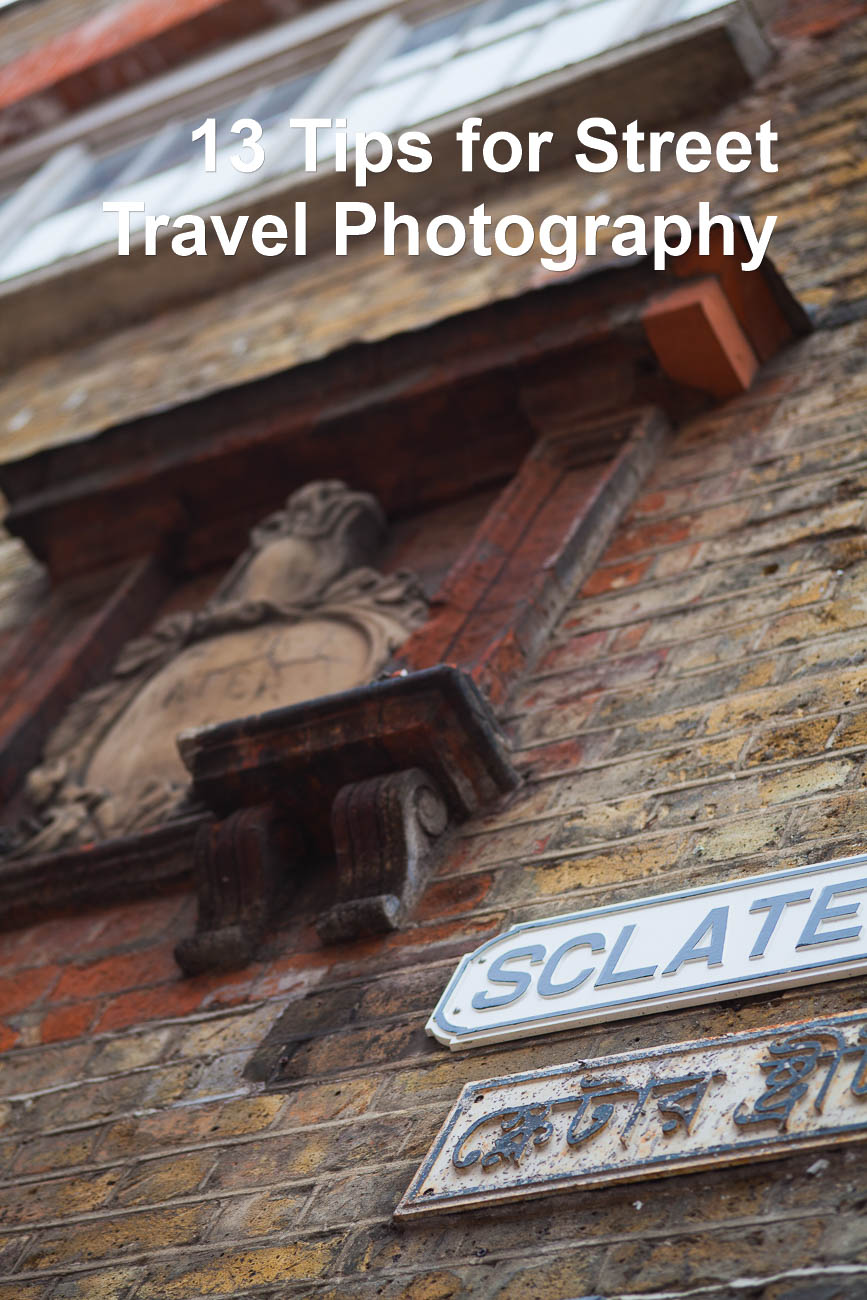
    Brick lane signs, Poplar London, England
    Brick lane signs, Poplar London, England
    Click on the image for a larger view and for other options
  • Displaying your Travel Photos

    Displaying your Travel Photos

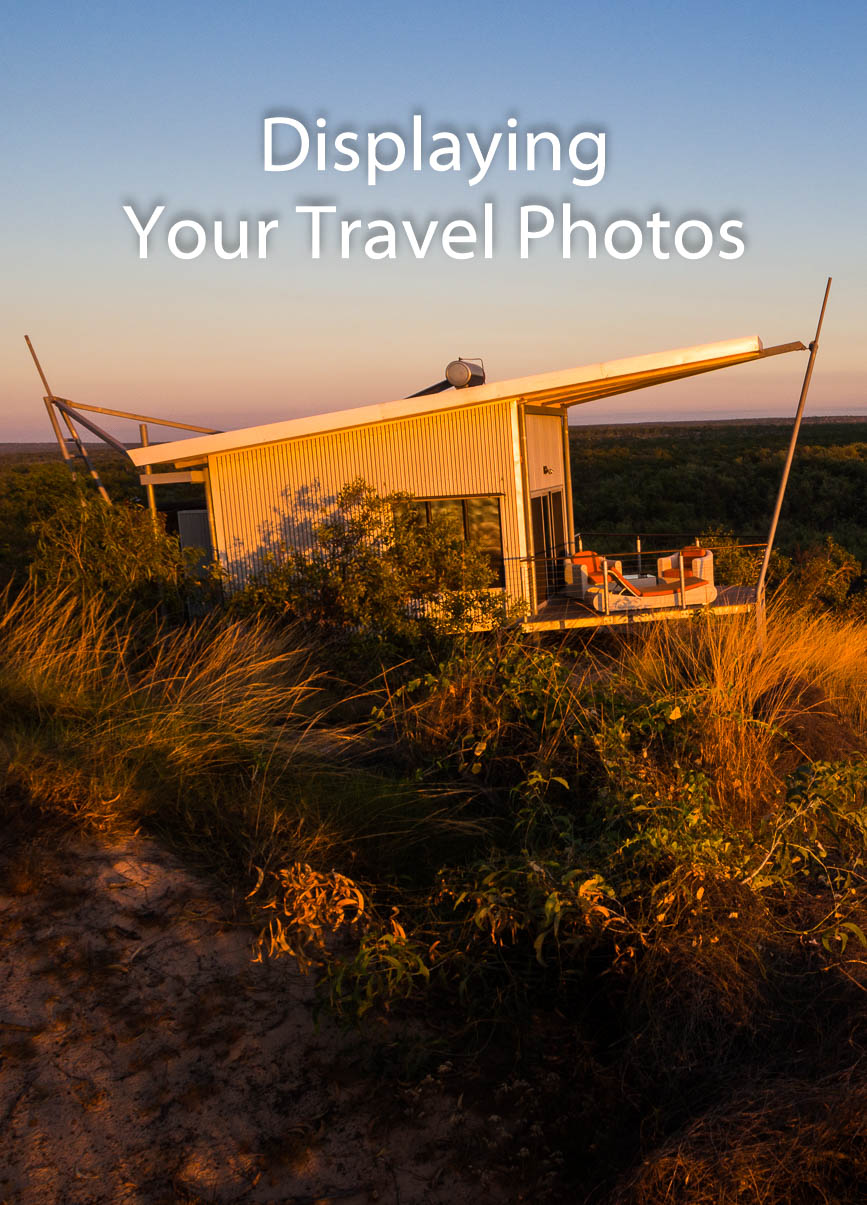
    Berkely River Lodge Cabin Western Australia

    Following on from 7 Ways to Organise Your Travel Photos and How to Back up your Travel Photos, we now move on to displaying your travel photos.
    After all it’s all very well to have them organised and backed up but what about showing them off.

    Let’s see what the best ways are for displaying your travel photos

    Physical or Hard Copies

    The most obvious one is to print them out and then display them in several different ways.

    Printing

    A word on printing. Printing is very much one of the dark arts.
    Getting the calibration correct so that what you see in print matches what you see on screen is no easy feat.

    At some later date, I will cover this and if you have never delved into printing, then I suggest you get them printed by a third party.

    Of course, that’s not that straightforward either. You will need to decide three important elements:

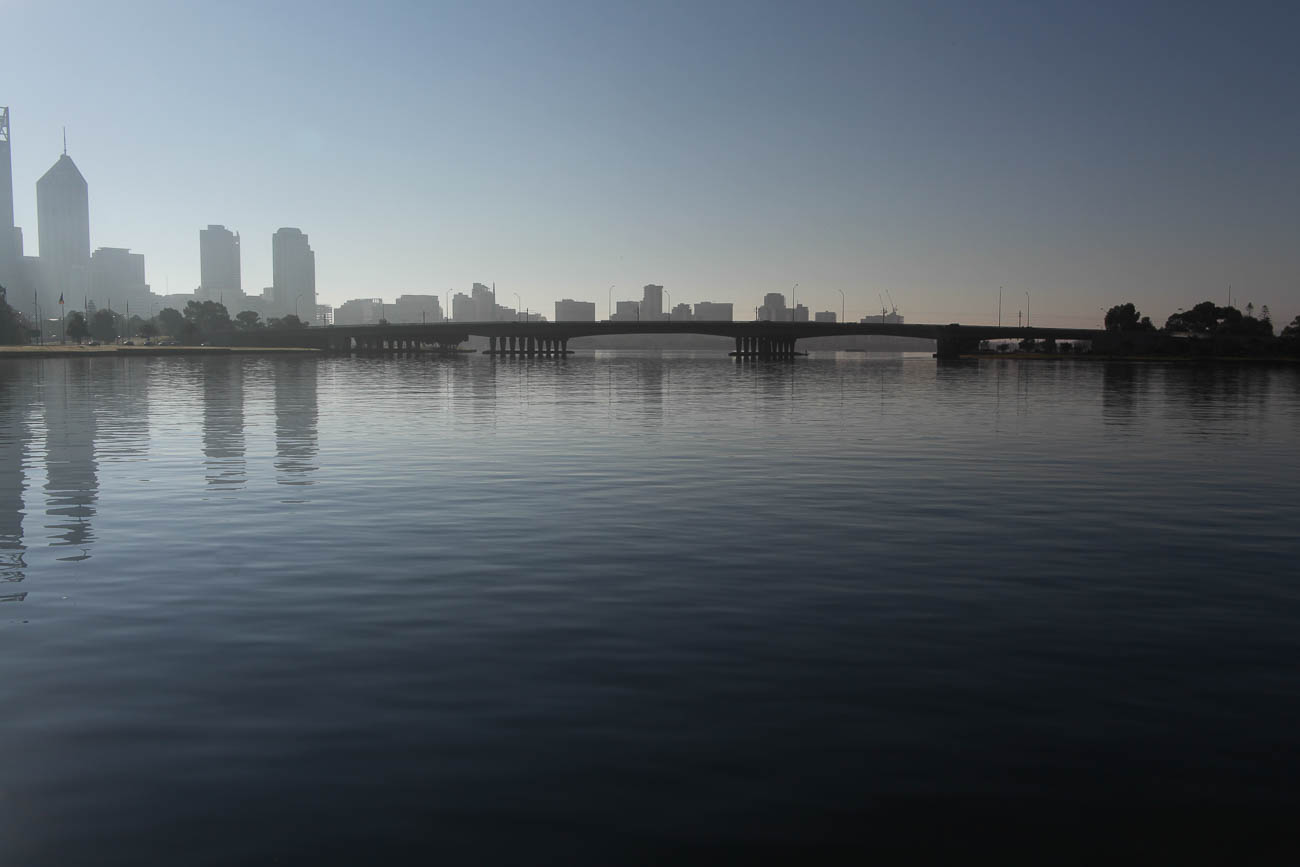
    Perth from the Old Swan Brewery on the Swan River in Western Australia
    Perth from the Old Swan Brewery on the Swan River in Western Australia. Click on the image for a larger view and for other options

    Quality

    Quality can be subjective.

    Make sure that the digital photo you want printed has had some post processing and you are happy enough with the result to want to get it printed.

    There are many different organisations that will print your beloved photo.

    This is where quality comes in. If you want to have something that you can mount on your wall (or even someone else’s) then I would recommend that you go to a specialist printing lab. They have varying degrees of quality that you can choose according to your budget and requirements.

    For example, they can colour match and also will offer different process’s that will enhance your photo.

    There are still some Shopping Mall Photo Printing Labs that will give your photo some attention before printing.

    But most stick it through their process and you get what you get.
    As in most things you get what you pay for.

    Some of these also have DIY booths or machines where you can do some of your own ’tweaking’ like contrast and brightness.

    You can also find these booths at some department stores like Walmart or K-Mart,

    Paper

    Again, depending on what you are looking to achieve, choosing the correct paper will be very important.

    There are multitudes of different papers available.

    To decide on which paper to have you will need to take into consideration things like wear and tear, framing, reflective surfaces etc.

    There are 3 main types of paper; Gloss, Lustre and Matte. Gloss is punchy, Lustre is a bit more subdued and Matte will tend to be used to evoke a moody and artistic feel to a photo.

    Size

    You will need to decide whether you are going to frame the photo and where you will display it.
    If you intend to display it you want to make sure it’s a reasonable size, at least foolscap, which is A4 or USA Letter.

    If on the other hand you just want to show and tell, then 6 x 4” is adequate.

    One tip about framing is that unless your budget is big, go for paper sizes that suit standard frames. Going to a framing company is not necessary these days.
    I like Ikea frames as they are a reasonable quality at an inexpensive price

    You want a simple frame that enhances the photo without being a distraction.

    Digital

    The more likely option of displaying your photos is digitally.

    Often, we will get our memory cards, load them on our computer and then forget about them.

    Let’s assume you are organised. That your images are all sitting in well organised folders on your computer.
    If they are not then go to 7 Ways to Organise Your Travel Photos to get some tips on how to do that.

    Private Display

    What do I mean by private display?
    The most important person to see your photos is you.
    We can all get carried away in the moment of taking photos without looking at them.
    You need to view them on a large screen and learn what worked and what didn’t.

    I would suggest you do that before you have even edited any of them, otherwise you will never look at them.
    Like most photographers, I run well behind my post processing. but I still like to view them even if they are not at their best!

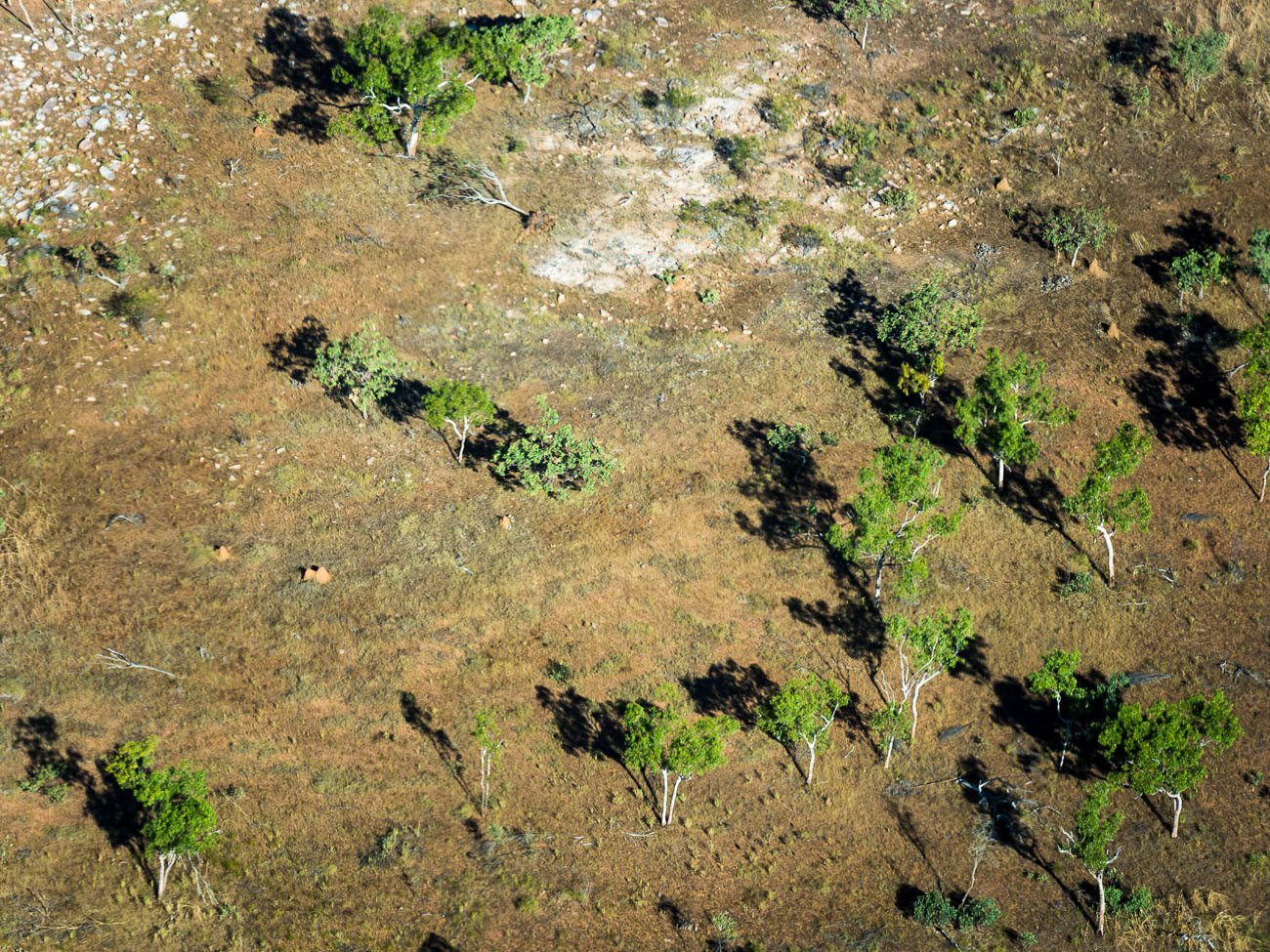
    Near Berkley River in the Kimberleys Western Australia, from the air
    Near Berkley River in the Kimberleys Western Australia, from the air

    JPEG Double Up

    If you shoot in RAW, which you should be, then a good idea is to also shoot in a small JPEG format, which is usually around 1280 × 960Px.

    Then when you take a photo you have 2 versions, the RAW untouched version and a JPEG.
    The Camera does do some minor processing on the JPEG version which is what you see on the camera rear view screen or monitor.
    That way you can dump the JPEGs into a separate folder.
    Note: If you intend printing the JPEG then it’s best to go full size.

    Display Options

    There are lots of options for displaying at home.

    From a physical point of view, you can use a computer or TV screen.
    The bigger the better, so a TV screen is usually best.

    So now how do you get them on your TV?

    There are many ways of displaying your photos on a TV. Let’s list the most common of them starting with the most basic:

    1 Plugged in Flash Drive. Load your photos onto a flash drive and plug it into your TV

    2 Plugged in Hard Drive. Load your photos onto a hard drive and plug it into your TV

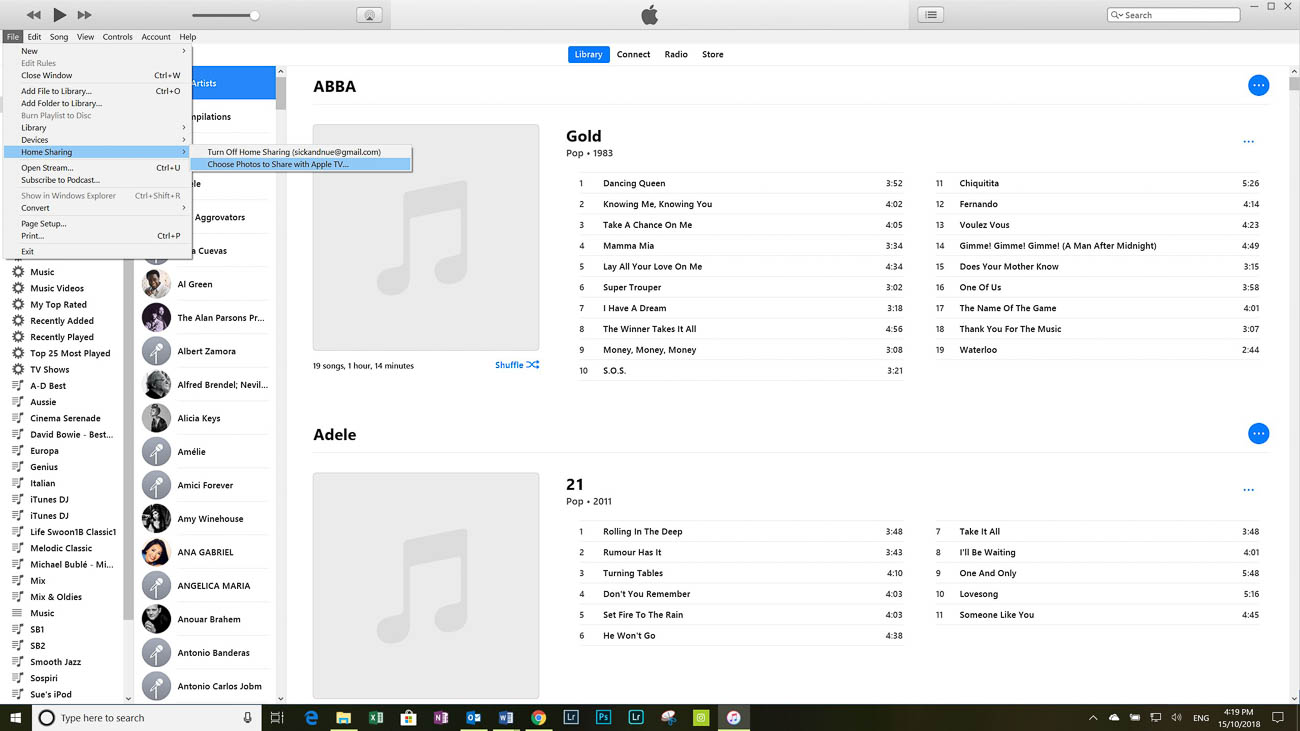
    3 Apple TV. Using iTunes select file – home sharing – select photos to share with Apple TV

    4 Google. You can cast your photos if you have a Chromecast from either your mobile device or Laptop

    5 Plex. Plex is free software that allows you to play music, video and view photos on your TV.
    There are other smart TV apps that do the same as Plex but not as well.

    6 Home Network. One of the best ways to display your photos on TV is to have them on drives or your computer on a home network.
    But you will need a smart TV or a device that makes your TV ‘Smart’.

    Depending on your TV and which of the above methods you use, the images can be set up to have continuous slide shows.
    I do that with the Apple TV. If I’m playing music via the Apple TV, the screen saver kicks in.
    Or If I’m not watching my TV I can just have the Apple TV scrolling the images in the background.

    Displaying your travel photos

    Viewing on a computer monitor

    If you have a decent size computer screen. By that I mean anything from 18” upwards then looking at your photos is a snip compared to a TV.

    If you are either a PC or Mac user, you can view them from the default photo viewers.
    Both have pretty good photo viewing apps. There are also plenty of free and paid options of course. Ones like Gimp and Ifranview have been around for a while.
    Whilst Google has Polarr (which is more of an editing suite) and Photos.

    However the market leader, Adobe, has the best options for viewing, organising and editing. Especially with it’s very popular Lightroom.

    Sharing Displaying your travel photos

    If you are using a smartphone to take your travel photos, then there are a lot of ways of sharing your photos. You can share using MMS (text messages) email, social media, Dropbox, iCloud, One Drive, Google Photos and Bluetooth.
    The list is endless

    If there is an application missing, you can change that by granting the app permission (assuming you already have it installed).

    Sharing your photos to multiple social media and photo sharing sites can be made easy by using apps like Buffer, Hootsuite and Meet Edgar

    So that’s pretty easy but what if you are using a camera that has a memory card?

    In How to Back up your Travel Photos I talked about wireless memory cards and cameras that may also have wireless built in.
    This is a big advantage as it gives you the option to share to your mobile device and then on to other places.
    With older cameras without wireless capabilities you have to remove the memory card.
    Once removed you can use an adaptor and load it onto your mobile device or Laptop and again share it from there.

    There are also wireless hard drives like WD’s My Passport Wireless Pro. You can load the contents of an SD card on to it and then stream or view its content on another device turning it into a media server.

    Photo Sharing Sites

    Another way to share is via a photo sharing site like Flickr, Smugmug or 500px.

    There are several ways of uploading your photos to one of these sites.

    With Smugmug I counted around 20 different ways.
    The most common is via Adobe Lightroom. The Smugmug Lightroom Extension will mirror your galleries and photos.

    Once you have loaded your pics you can copy and share a link for a photo or gallery.

    Go to How to Back up your Travel Photos for more on photo sharing sites.

    Click on the image below and you will be taken to one of my galleries on my Smugmug Site.

    Colourful umbrellas outside a cafe in Burano
    Colourful umbrellas outside a cafe

    Displaying your travel photos – Summary

    There are many ways of displaying your photos:

    Whilst printing is not so popular these days, with the right print, paper and frame you can enhance a really good image

    It’s best to have your own way of displaying your photos for your own personal consumption whether it be through a Smart TV or a large Monitor.
    If you don’t, you’ll never look at them again which is a shame.
    Like a good wine, age can improve them and bring back fond memories at the same time.

    Once you have selected photos for others to view, then it’s time to share them, whether it’s via Social Media, Photo sharing sites or via cloud services.
    Most sharing is via a mobile device.

    If your camera doesn’t have wireless facilities then there are several workarounds that allow you to share your travel photos on a memory card.

    So how do you display and share your travel photos?

    I’ve come clean and told you what I do. What about you? How do you display and share your travel photos? I’d love to hear from you. Leave your comments below

    Do you want to come home with great Travel Photos?

    Pop your email in the box below to learn how and for your trouble, get a free E-Book. 9 ways to improve your Travel Photography”. You’ll also get exclusive content that’s not posted here or anywhere else.

    Any questions then please contact me here and/or please say hello at these places:

    Facebook: Twitter: Instagram: LinkedIn:
    Feel free to share this to your social media of choice

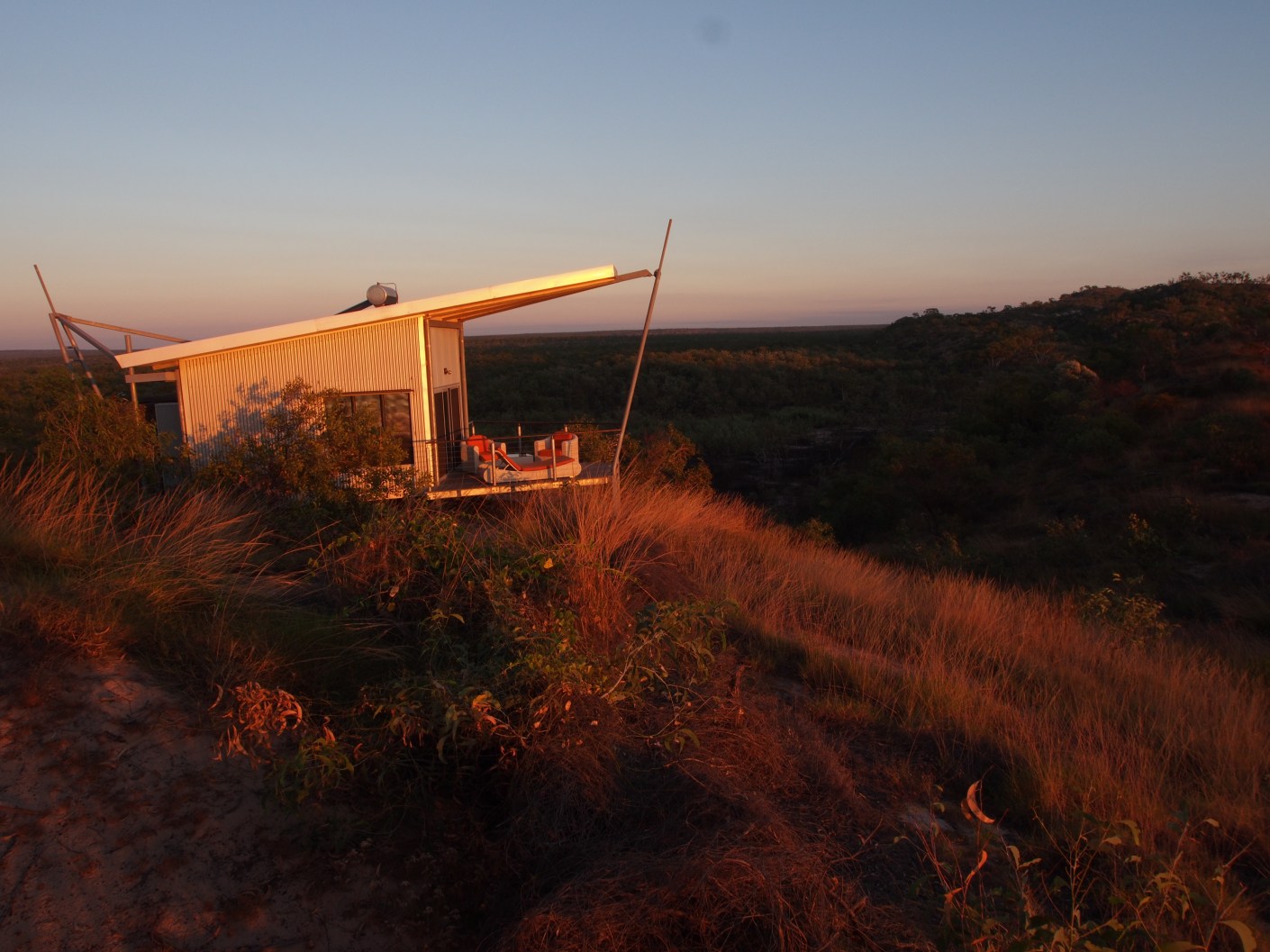
    Berkley River Lodge in the Kimberleys Western Australia
    Berkley River Lodge in the Kimberleys Western Australia
  • 7 Ways to Organise Your Travel Photos

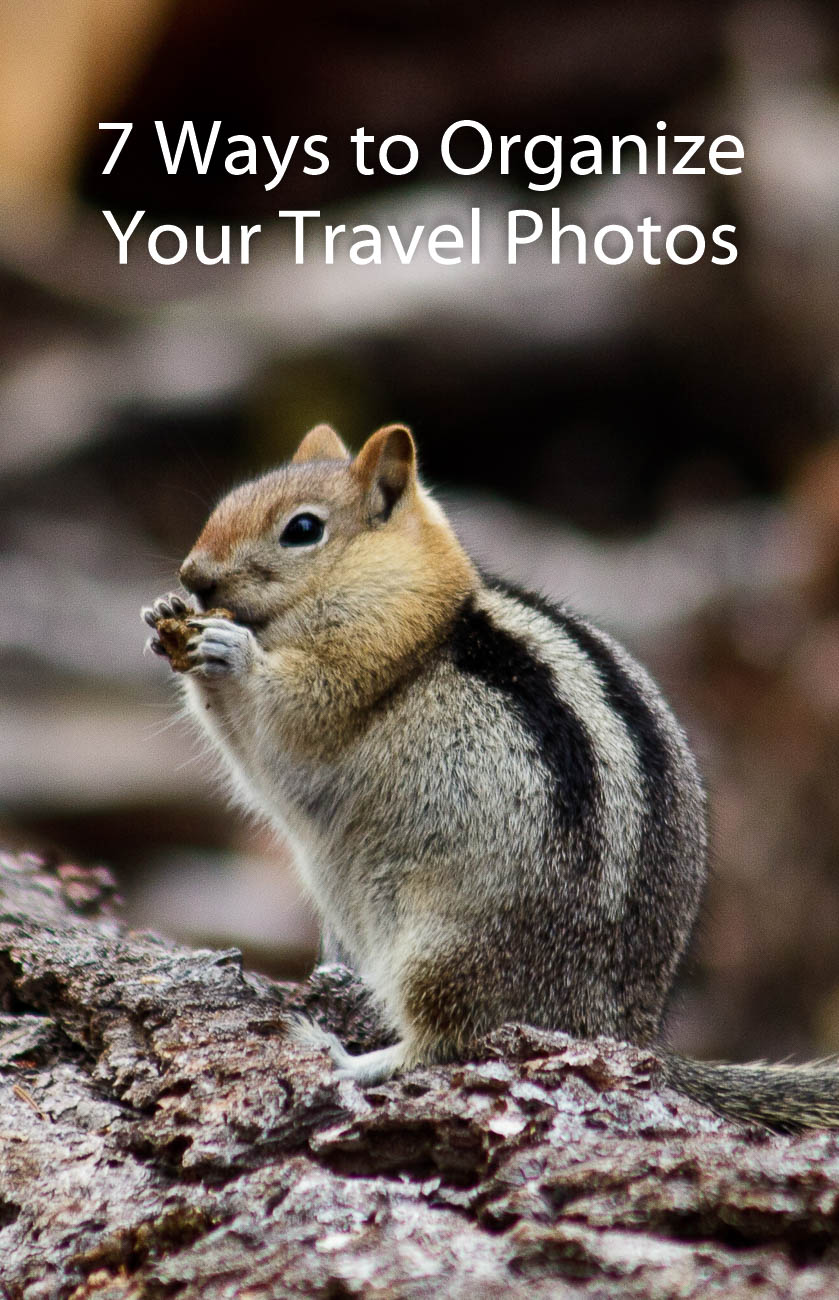
    7 Ways to Organise Your Travel Photos

    Squirrel Yosemite NP California, USA


    So now you’ve come home with a hard drive full of travel photos. You’ve followed my article 7 Travel Photography Workflow Tips to use on the road. You can’t wait to have a good look at them and show them around. But where do you start? Well, read below to find 7 ways to organise your travel photos.

    1 Back up before you get home.

    If you have been following my articles or even if you haven’t, you should have backed up everything you took whilst you were away.

    Each image should have been renamed and in some sort of order and/or folder and on a hard drive and on a computer. If you haven’t done that then it’s not too late you can do it right now. This is something you should do before you get home and usually as you go. What no back up! You might want to go to How to Back up your Travel Photos.

    There are lots of ways to achieve this of course. But the simplest is to use software that will make it easy for you. Adobe Lightroom is one option and I’ll come back to that.

    2 Rename

    You may think what’s the point. But trust me renaming your photos to something more meaningful will save you a lot of heartache. PB081477.ORF or IMG_6649.CR2 does not even start to give a you clue what it is unless you have dumped it into a suitable named folder.

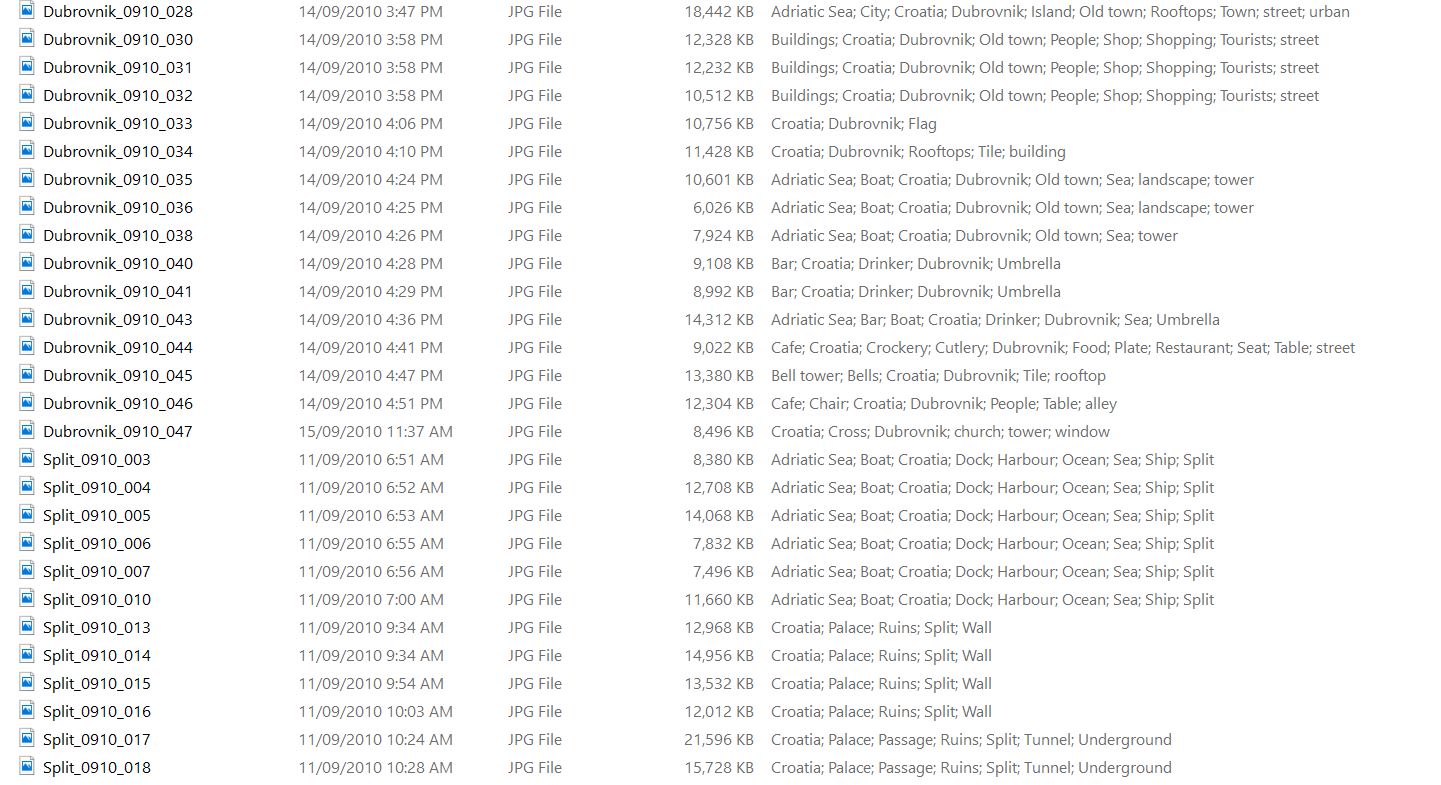
    The first thing to think about is what you will rename it to. There are various options. Some of these can be confusing, others are simple and easy to remember. You can get as simple or as complex as you like. Here are some examples: Date_Number_Place or Shoot Name. Number_Date_Place or Shoot Name. Place or Shoot Name_Date_Number. The date can 2017_08_12 or 12_08_2017. As all photos have a date in the metadata then you only really need the month and year so 08_2017. However, the object should be to keep the length to a minimum so 0817 or 1708 is fine. The number is obviously the image count and you should look to start at 001 or 0001.

    3 Optimise

    I use Place or Shoot Name_Date_Number. That is name of the place, area or country. Doesn’t sound consistent? You’re right it’s not. But the selection of the hierarchy is dependent on the number of photos. Let’s say I’m in New York and I take 30 photos of the Brooklyn Bridge, then I will probably select “Brooklyn_Bridge”. If on the other hand I take 30 photos in New York of 15-20 different subjects, then I will use “New_York”. To take that up one level. Let’s say I travel around England for a flying visit and took 30 photos in several different areas. In this case I might even use “England”. The latter is less likely for me but you get the point.

    Brooklyn Bridge walk way New York
    Brooklyn Bridge walk way New York

    I follow that up with the month and year so 0818 – August 2018 and then the number starting at 001. Putting it together you get England_0818_001. So that would be the first photo I took in England in August 2018. What you do have to be careful of is, that if you return to a place in the same month, you need to make sure that you don’t start at 001 again. Start at one number after wherever the last batch finished, e.g. England_0818_215.

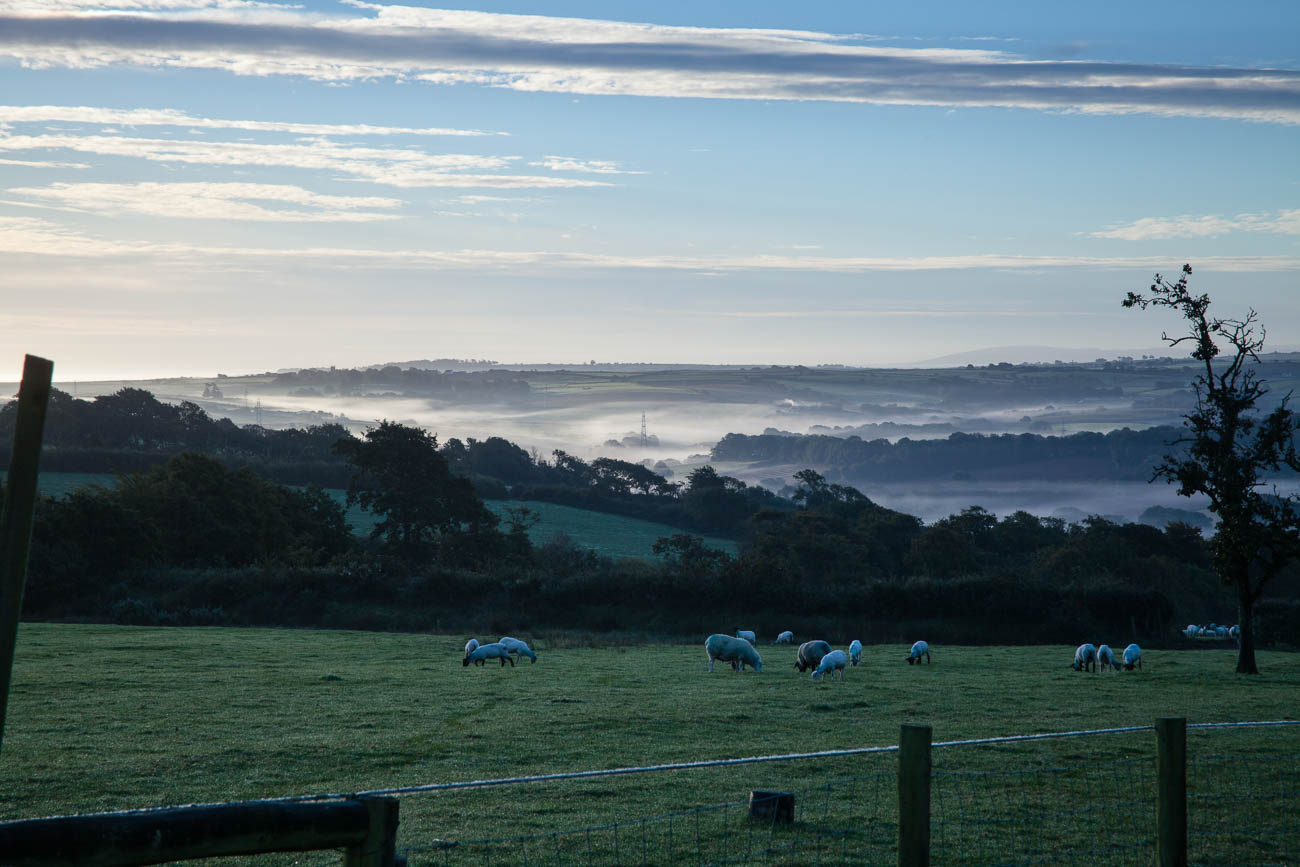
    Early morning mist at Winscott farm, nr Bideford, Nth Devon, England
    Early morning mist at Winscott farm, nr Bideford, Nth Devon, England

    4 Rename Historically

    You’ve probably looked at your existing travel photos and have promised yourself that you will get them into some sort of organisation. Part of that job is to rename them in some sort of order. Well fear not, there are some useful ways of renaming multiple files in bulk. If you have Adobe Lightroom you can do that quite easily. Alternatively, if you are a PC user Windows 10 can help you with that. Likewise, Mac users with version Yosemite or better can also get the MAC OS to do it. The links are to a couple of tutorials

    Failing all these there is specific software that is either free or inexpensive to buy. As a PC user I have used Bulk Rename Utility which I think is still free. For Mac users A Better Finder Rename comes highly recommended.

    7 Ways to Organize Your Travel Photos


    5 Use folder hierarchy

    The other challenge to organising your travel photos, is the dreaded folder hierarchy. Again, opinion is mixed on this. As with the actual file names you can create folders that have the date or name and various combinations. I usually create a folder when I’m loading through Adobe Lightroom with the Place or shoot name. This folder is a sub folder of the year. So my hierarchy looks something like ImagesRaw ImagesRaw 2017Trip_2017Zambia_17. But you can do it in date order e.g. 2017108_ZambiaRaw Images.

    It’s really about how you look for your images. Whether you look for them in batches of dates or subjects. Both Windows and Macs search options will cover either way. But they are not foolproof and nowhere as good as Adobe’s Lightroom.

    Whichever way you decide to follow you need to stick with it. Changing it later can be very time-consuming and tedious.

    6 Keyword

    A really excellent way of finding images is to enter keywords (or tags) when loading them onto their final resting place. The only thing is that it is time consuming. Once again, the easiest way is via specialist software, in particular Adobe Lightroom. You can assign keywords (or tags) via Windows 10 or the Apple OS but in comparison it’s pretty painful. Go to Native Organising, Part 2: Sorting Photos with Custom Tags in MacOS or Native Organising, Part 3: Tagging Photos with Keywords in Windows if you must.

    So what sort of keywords do you need? Well again that depends on how you are going to search. If you have some wedding photos and you want to see all the ones with Uncle Joe, then you would use “joe” or “uncle joe”. If you wanted to see all the images you took of the Eiffel Tower, then you would use “eiffel” or “eiffel Tower”. My system is usually country, locality, town, subject, type, anything else. If I took a picture of the Brooklyn bridge, then the keywords I might use would be USA, New York, Brooklyn, Brooklyn Bridge, Bridge, River, East River, Water. If there were people in it, I could add people, street, tourists. Any word that you may at some future date want to use for searching can be used.

    7 Use other tags

    If the camera you were using has face recognition and/or Geo-Tags, then that’s another form of creating searchability. You will still need to refine it depending on how you want to search. The algorithms for face recognition are good but not infallible.

    7 Ways to Organise Your Travel Photos – Summary

    It’s important for future searches to make sure that you organise your travel photos.

    First things first backup, then look at how you will rename your photos. (Don’t use the camera generated file names – you’ll never find anything!)

    Optimise the names so you understand them. Once you have a system of naming and optimising, you may want to consider renaming some of your existing photos to maintain consistency.

    Of course, naming them is one thing but you also need to be careful of how you store them. Having a logical folder hierarchy is the best way.

    There are other ways of searching for photos using keywords and tags, such as Geo-Tags.

    How does that make you feel about travel photography? Do you want some help with your travel photos? Why don’t you pop your email in box below and not only will get content that’s not always posted on this site, but you will get a free guide to get you started

    Any questions then please contact me here and/or please say hello at these places:

    Facebook: Twitter: Instagram: LinkedIn:

    Feel free to share this to your social media of choice
    7 Ways to Organise Your Travel Photos
    Chipmunk Yosemite NP California, USA

    Just click on any of the above images to view a larger version and for other options

  • 7 Travel Photography Workflow Tips to use on the road

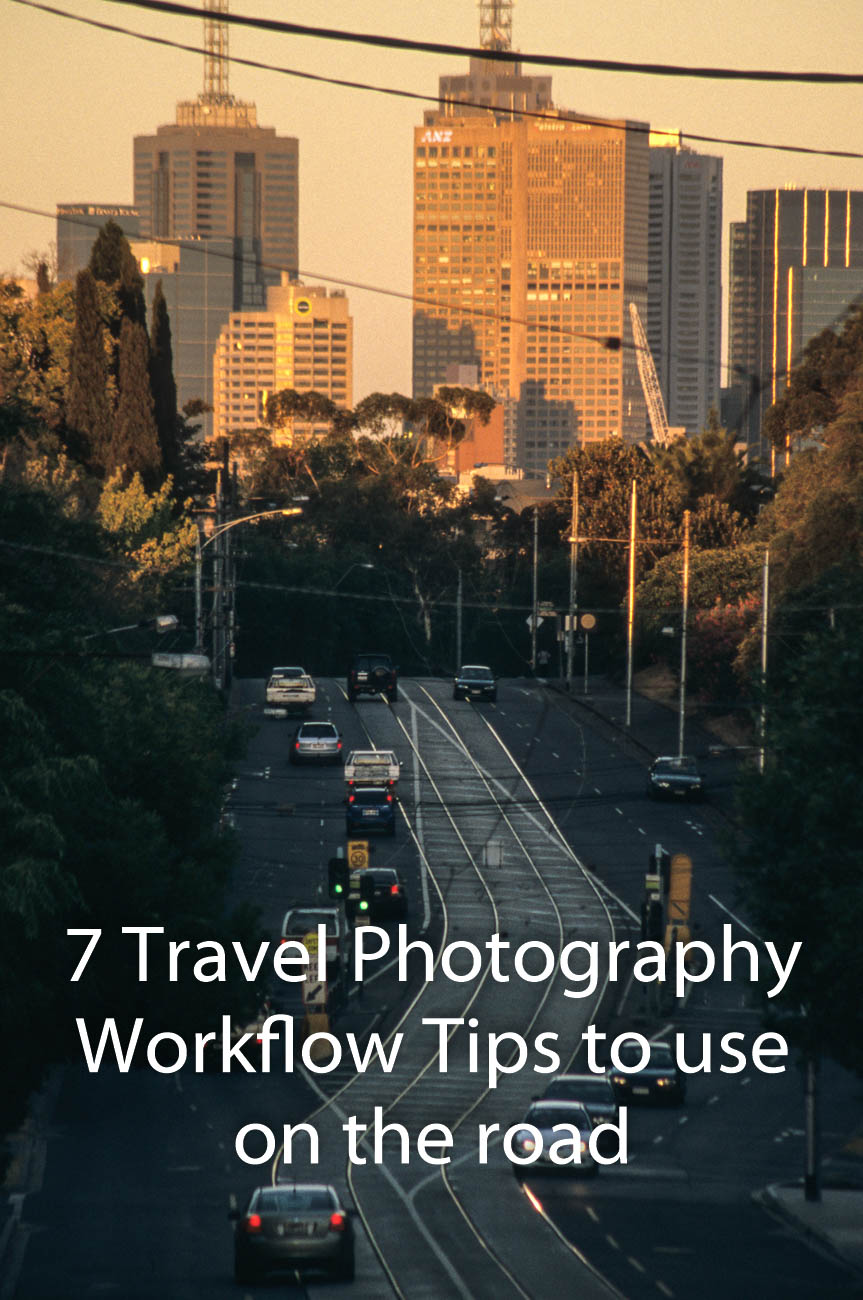
    7 Travel Photography Workflow Tips to use on the road

    Death Valley NP California, USA. Click on the image for a larger view

    In the last couple of posts the travel photographer destination part I and part II, we discussed what to do when you reach your destination. 

    But what about your travel photography workflow whilst you are on the road?

    Follow me as I give you some tips and tricks on how to handle the photos you are taking whilst you are on the road.

    A Recap

    You’ve learnt in the last few posts about being prepared and ready to take travel photos. Making sure your camera equipment is always set up correctly, clean, has the correct lens and plenty of memory and battery power.

    So now you are out there taking images, how should you go about it.

    1. Keeping tabs on what you are taking

    Newer cameras have GPS tags and dates. 

    So you could be thinking that taking down details of the photos you take is a no longer necessary

    But, if you actually want to relive the experience of when you took the image, then note taking is essential.

    It doesn’t have to be ‘war and peace’. It can be as simple as “Sydney Harbour Bridge taken from the Rocks area”. You could go into more detail like: “Sydney Harbour Bridge taken from the Overseas Passenger Terminal Quay on Circular Quay West. Time 4Pm 27/05. Weather was overcast and the sun was a few minutes from setting.”

    7 Travel Photography Workflow Tips to use on the road
    Sydney Harbour Bridge taken from the Rocks area

    Taking notes can help:

    • As a backup for the metadata that’s captured in the photos itself. Locations and even times are not always accurate
    • To add a caption to the photos if you are going to share and/or display it.
    • As a record of where you took this photo. If you ever return and that could be a few days or years later, you know where you’ve been and whether it’s worth going back to the same spot.

    2. Making sure you are secure.

    Depending on where you are in the world, security is something to pay attention to.

    There will always be someone who is keen to steal from you as a tourist.

    There are countless stories of tourists having their bags, cameras and other items ripped from them.

    However, whilst there’s never a guarantee that you won’t find yourself in that situation, you can definitely minimise the chances.

    • If you want to have your camera ready to go, make sure you have it around or across your neck.
    • Carry your bag across your body or if it’s a backpack carry it as a back pack.
    • Keep all your bag pockets and openings firmly closed.
    • And speaking of bags, it’s best to have a non-descript bag that doesn’t shout to the world “CAMERA”!
    • There will be times when you need to put your bag on the ground. A foot through one of the straps is always a good idea.
    • Beware of what and who is around you. If you see anyone suspicious move away.
    • Keep away from the kerb if you are in an area that’s known for motorbike thieves.

    3. Subjects

    Whilst strictly not part of any travel photography workflow, I’ve included it here. Without thinking about subject matter then you’re not going to create great images.

    As you roam the streets of your destination, always look for something interesting and unique.

    That can be anything from the usual famous Icons to much smaller obscure subjects like rubbish on a street, or street art, even a close up of the bark on a tree.
    The list is endless.

    7 Travel Photography Workflow Tips to use on the road
    Street art in Perth Western Australia

    Whatever subject you choose to take, play around with different settings, angles and positions.

    The goal is not to copy what everyone else is doing but to be individual.

    That’s not to say that you shouldn’t ever take a straight forward image of an icon.
    After all, you may be able to bring a different style to a subject even if from the same position as everyone else.

    Often you will think that these different experimental images didn’t work. 
    Because of that you will be tempted to delete it after looking at it through the camera viewfinder.

    Don’t do it.

    In fact, don’t look at what you have taken at all until you have moved away and are resting somewhere away from the subject.

    4. Reviewing through the viewfinder

    There are few times when you should review what you have taken.

    The most important being if you want to make sure you captured something that you may never see again.

    Even then it’s only worth looking if you have the opportunity to retake it, otherwise what’s the point.

    If you missed that multi coloured Aston Martin with a James Bond look alike standing up through the sun roof, then that’s too bad.

    The thing is that looking through the viewfinder at what you have taken, can rob you of any other photo taking opportunities. 

    Things can move quickly, light changes, people and vehicles move, and the weather can change in a instant.

    The time to review, as I said is away from the action. You are only doing it for some immediate gratification and to show others anyway.

    Of course, in the present-day social media share society, you may want to share some images that you have just taken immediately.

    That’s all down to personal choice.
    Personally, I don’t share anything publicly until I know the image is at it’s best.

    5. Back up

    The best time to review the day’s images is when you get back to your accommodation.

    Before you do anything, you need to back everything up.

    If the only copy of your image is on the memory card, then you are playing with fire.

    As a rule of thumb, it’s best to have a least 2 other copies in different locations.
    If you’ve copied all your images to both a hard drive and your laptop then store the hard drive in a different bag to your laptop.

    For more on backing up your images go to how to back up you travel photos.

    6. Reviewing correctly

    How much you can review is dependent on what other equipment you have with you.

    If you have a laptop with processing software, then you can start by picking your keepers or at least allocating stars.

    You can even begin post processing if that’s what you want to do.

    But there’s no point in starting to post process if your laptop screen is small and/or hasn’t been calibrated

    Any adjustments you make are likely to be inaccurate.

    You can of course still review and maybe go through and rate them or select the keepers.

    I’ll cover that process in another post.

    7. Deleting

    So, let’s say you have backed up the days’ shooting and have gone through them and rated them.

    What do you do with the ones that are no good?

    In general – nothing!

    Unless you have images that are totally out of focus or you’ve had a few accidental hip shots then don’t delete.

    I’ve actually had a couple of good shots that have been accidentally taken from the hip.

    My final note on this travel photography workflow is that it’s a personal choice on how much time you spend on your images when you are back at your digs.

    But I would again recommend that if you are not travelling alone then do the minimum or be prepared to suffer the consequences of being anti-social.

    Travel Photographers Workflow on the road – Summary

    The wonders of having dates and even Geo Tags on each file are great. But it’s still essential to keep a written, whether electronically or by hand, record on each image or batch of images.

    It’s essential to keep a low profile if you have an expensive (even if it’s not) looking camera.

    Pay attention to who and what is around you.

    Don’t rely on others but don’t obsess either. You are there to enjoy yourself.

    Look for individual shots that speak to the viewer and give you a sense of satisfaction.

    Only review through the view finder when you believe you really need to.

    The world keeps spinning while you are looking at the viewfinder.

    Once you are back at your accommodation back up first, then review and finally start rating.

    But make sure you have a big enough screen to give you plenty of detail.

    Don’t delete anything unless it’s obvious that you will never see the image again.

    Finally remember you can review, rate, delete and post process when you get home.

    Nothing like relaxing with a beer at the end of the day at a place you like or have never been before with friends and/or family.

    What’s your workflow?

    I’ve come clean and told you what I do. What about you? Do you have a travel photography workflow that’s totally different from what I’ve mentioned in this article?
    Leave your comments below

    And while you’re at it why don’t you pop your email in the box below. Not only will you get content that’s not always posted on this site, but you will get my free e-book “9 ways to improve your Travel Photography”.

    Any questions then please contact me here and/or please say hello at these places:

    FacebookTwitterInstagramLinkedIn:

    Feel free to share this to your social media of choice

    Melbourne skyline from Hawthorn
  • The Travel Photographer Destination Guide Part Two

    The Travel Photographer Destination Guide Part Two

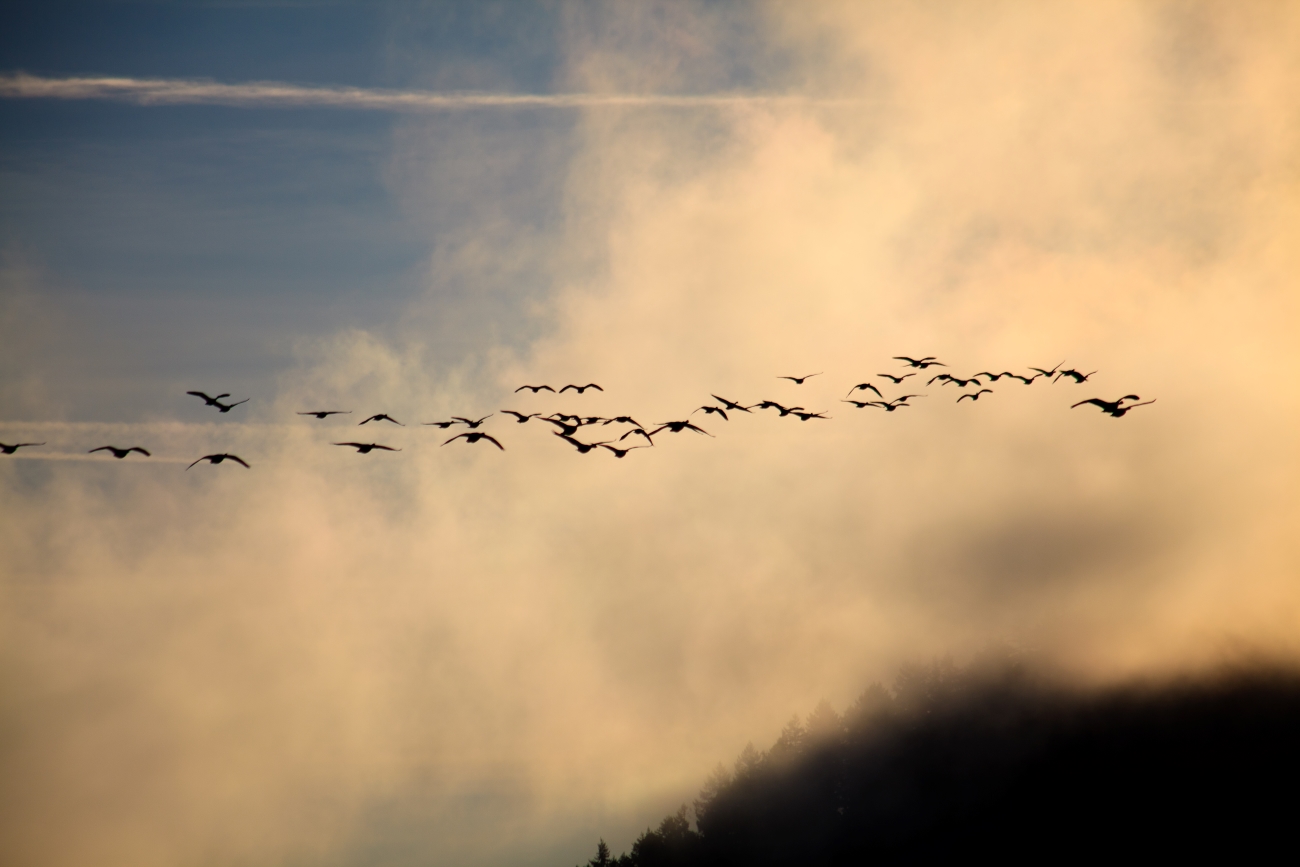
    Canadian Geese on the Umpqua river near Reedsport, Oregon, USA. Click on the image for a larger view


    In a recent post I discussed the Planning and Preparation for Travel Photos. Now we need to work out what we are going to do when we get there, hence The Travel Photographer Destination Guide Part One

    So let’s get into The Travel Photographer Destination Guide Part Two

    Reconnaissance

    As soon as you get there you should familiarise yourself with your destination. You can start this as soon as you start to travel to your accommodation or first stop.

    Talk to your driver about where you are and what areas you are passing through.

    Ask what the weather is going to be like during the time you are spending there.

    And don’t forget to work out where the sun sets and rises.

    Of course, a lot of this info is available online or via an app but there’s nothing like getting it from the horse’s mouth.

    Other information sources

    There are other important sources of information like the hotel reception or concierge.

    Then there are libraries and tourist information centres.
    Tour operators can be a huge resource of information. Even you are not going on a tour they will have flyers that details their itineraries. I’m currently planning a tour of Japan using an ad from a tour operator that has details on all the places on the tour.

    A great way of finding out where there are some great places to take photos are newsagents or souvenir shops. They almost always have postcards and calendars of the local areas
    Browse through them and take a note (it may have to be a mental one) of which places interest you and the photos taken.

    Not only are you on the lookout for places to photograph, don’t forget events like festivals, markets, shows, exhibitions etc.
    Some of these may not be advertised, so you need to ask around wherever you are.
    Places like coffee shops will have flyers or posters for what’s on.

    Some towns and cities have a free newspaper that are for events. For example, in Perth we have the X-Press that comes out once a week and has details of all the music events happening.
    And speaking of papers, most places still have community and mainstream print newspapers and magazines.
    Remember just because it’s not online doesn’t mean it doesn’t exist.

    Actors in costume in Venice.
    Actors in costume in Venice. Click on the above image to view a larger version and for other options

    Orientation

    Where practical it’s often worth doing a city walk tour or a hop on hop off bus to get you orientated.
    At the same time, you can take pictures along the way and then come back to specific spots with more time, later that day or at another time.
    Again, you are looking for opportunities to get some great shots. A tour will help you understand when’s a good time to capture some photos.
    If that’s too expensive and you’ve haven’t got wheels, then consider using public transport. There are often Bus or Subway routes that cover some of the major attractions.

    If money’s not a problem, a taxi or Uber is another option.
    Hiring a driver and a car can also be an option in some of the cheaper countries.

    Lookouts

    Another way of getting orientated is to track down vantage points like lookouts or viewpoints. Especially ones that overlook the area you are going to spend your time.
    Lookouts are usually but not always at the top of a hill.
    Some places have towers that have views.
    Often there are monuments built on high ground that offer some great views as well.

    You should be able to find out about these from your tourist literature or information office. However, sometimes they are not tourist spots and are for the locals. So, it may be worth asking, yes, you’ve guessed it, a local.

    Split, Croatia, from the Cathedral tower
    Split, Croatia, from the Cathedral tower . Click on the above image to view a larger version and other options

    Copyright

    Whilst you should have already done your homework on what icons have copyright restrictions, it’s worth double checking.
    Not everything on the internet is accurate or up to date.
    The last thing you want is a security guard or worse still, the police questioning you in public.

    Local culture

    Everywhere has its own culture. Whilst San Francisco may seem to be like Sydney on the surface, from a cultural point of view they are poles apart.

    Some cultures do not want you to take pictures of its citizens or icons. Make sure you know this well before firing away with your camera.

    Hanging festival Flags on the main street of San Miguel de Allende, Mexico
    Hanging festival Flags on the main street of San Miguel de Allende, Mexico. Click on the above image to view a larger version and other options

    Changing your plans

    This has no doubt happened to you as it has to me. You rock up to an iconic building only to find it’s draped in sheets because it’s being painted. Or it’s closed due to some restoration works.
    Last time we were in Dubai, there were four museums all closed, at the same time, due to renovations.

    Other issues can be a new road, rail, subway etc etc blocking off what you want to see.
    There’s not much you can do it about except be adaptable and flexible enough to change your plans at short notice.

    Sometimes these things can end up being a blessing in disguise. An alternative subject could end up being something much more photogenic and exciting.

    Having a routine

    In my Planning and Preparation for Travel Photos article I mentioned that you will need to take into account your fellow travellers.
    Whether they are family or friends and especially if they are not so enthusiastic about taking photos you need to involve them in your routine.
    So, having a routine is especially important with others around and is also a lot harder.
    There will be times of the day that you want to be out there snapping away. That may be late or early in the day to capture the ‘golden hour’ or to get some street shots. And that may well be the times of the day when your fellow travellers want to do something else.

    Before setting off

    Once you’ve worked out a routine, you need to ensure that you are always ready to go. Fluffing around trying to remember what you need to take with you when you go out won’t get you very far. It’s worth making a checklist of the items you need to have ready. One like this for instance:

    • Batteries charged from the day before
    • Memory cards backed up and replaced
    • Camera clean
    • Lens cleaned
    • Bag ready with all items
    • At least 16GB of memory ready to go
    • Cleaning cloth
    • Tripod
    • 24-100mm Lens
    • _ _ _ mm Lens
    • Settings on camera ready to go (more on this later)
    • Notebook and pen

    And that’s the basics. You could add in guide book, map and apps required downloaded.

    Setting off

    Having the camera ready to take advantage of any opportunity is essential.
    I will always have the lens on the camera that I think I will use.
    Additionally, I will also have the lens hood screwed on and the lens cap off with the camera turned on.

    Settings

    If you have been taking travel photos for a while you should have some standard settings for the type of photos you think you will take.
    As an example, if I were going to be walking around a city I would have my aperture set wide open e.g. F3.5 and the ISO set to auto.

    If I was going to take landscapes, then the aperture would be around f18 or above to get that long depth of field. The ISO would be set at 100 or 200 depending on the light conditions and I may even have a polarising filter fitted.

    As the Scouts say “be prepared”

    Taking care of you and your camera

    Your camera is precious but not as precious as you are. Be aware of your surroundings. Don’t step into the road to take photos without precautions.
    And stepping on people’s feet can often lead them to get pissed off.

    Trespassing is also something you need to avoid so that you are not wasting time in a police vehicle.

    And don’t forget your fellow travellers.
    Look out for them.
    Make sure you are not ignoring them.
    Get them involved even if they are not taking photos themselves. Everyone loves to see good photos so show them.
    No harm in showing off and there’s also no harm in asking for their opinion or advice either.

    But, yes, certainly take care of your camera.
    One thing I have learnt over the years is that lens scratch easily, cameras don’t like being dropped and electronics overall don’t seem to function better after getting wet.

    Back at the ‘ranch’

    So, you’ve had a good day! You reckon you’ve got some little rippers of photos and now it’s time to chill with a beer.
    Not yet!

    Just like the saying the sale isn’t finished until the moneys in the bank, the day’s photography is not finished until you’ve backed all your photos up at least every other day, if not every day.
    For this I am going to direct you to my article How to Back up your Travel Photos.

    Summary – Part two of Travel Photographer Destination Guide

    The first thing to do at your destination is a Reconnaissance, followed by getting as much information as possible.

    Orientation is also important and the best way to do that is to get up high and do some local tours either by foot or by bus

    Beware of local cultural and copyright sensitivities and restrictions

    Be prepared to change plans at a drop of a hat and don’t forget to include your fellow travellers, (especially your partner) in your plans

    It’s important to have a routine before setting off for the day. Make sure you have your camera equipment ready for use with all your settings back to your default for the type of photos you want to take.

    Out on location, be safe and be aware of your surroundings.

    Lastly, make sure you back up your photos at least every other night.

    Any questions? Please contact me here and/or please say hello at these places:
    Facebook: Twitter: Instagram: LinkedIn:

    Feel free to share this to your social media of choice
    Do you want to bring home great images from your travels? Want to stick ’em on your wall and share them?
    Sign up below
    be the first to get content that helps you with your Travel Photography

  • How to Back up your Travel Photos.

    How to Back up your Travel Photos.

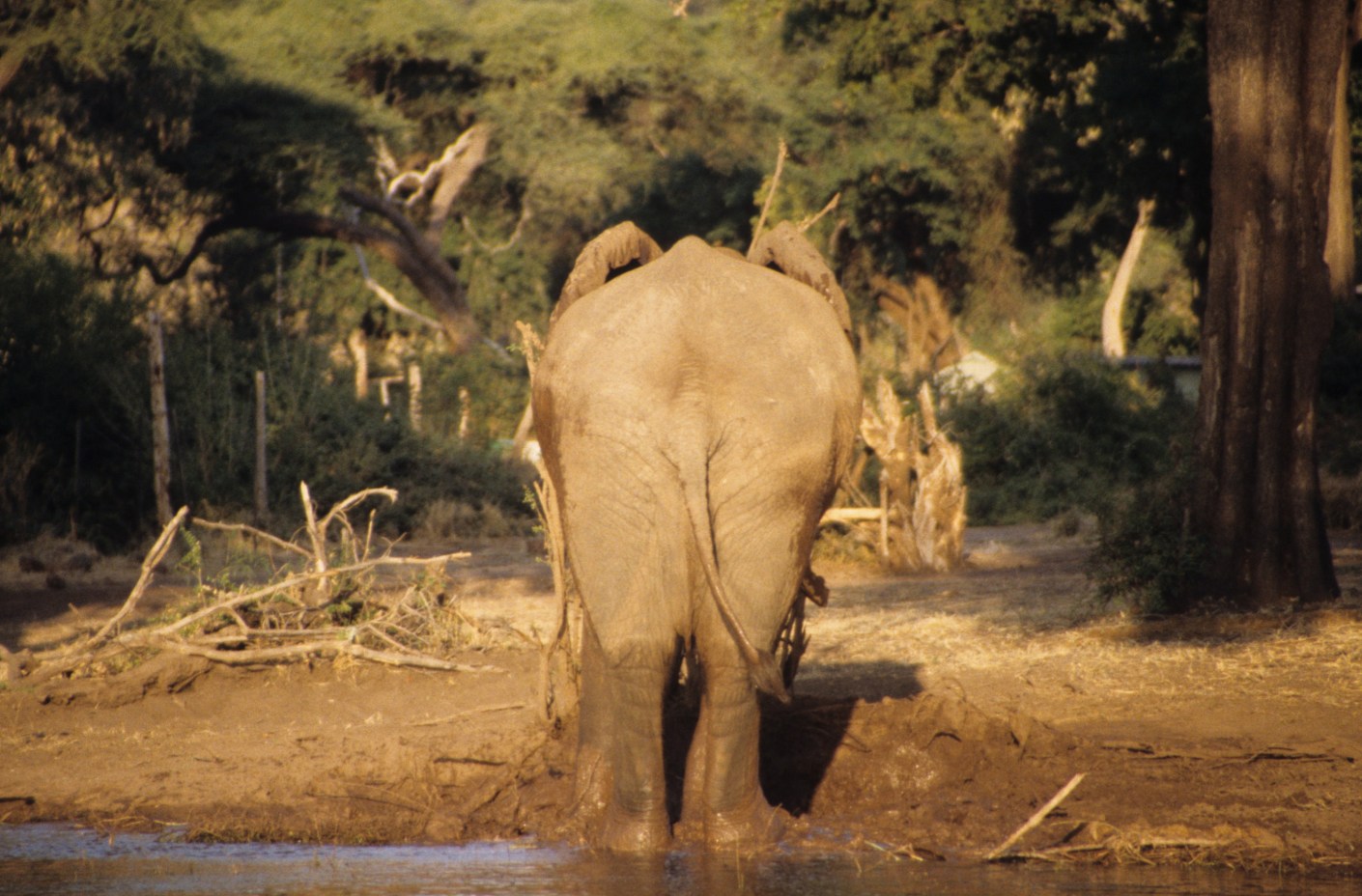
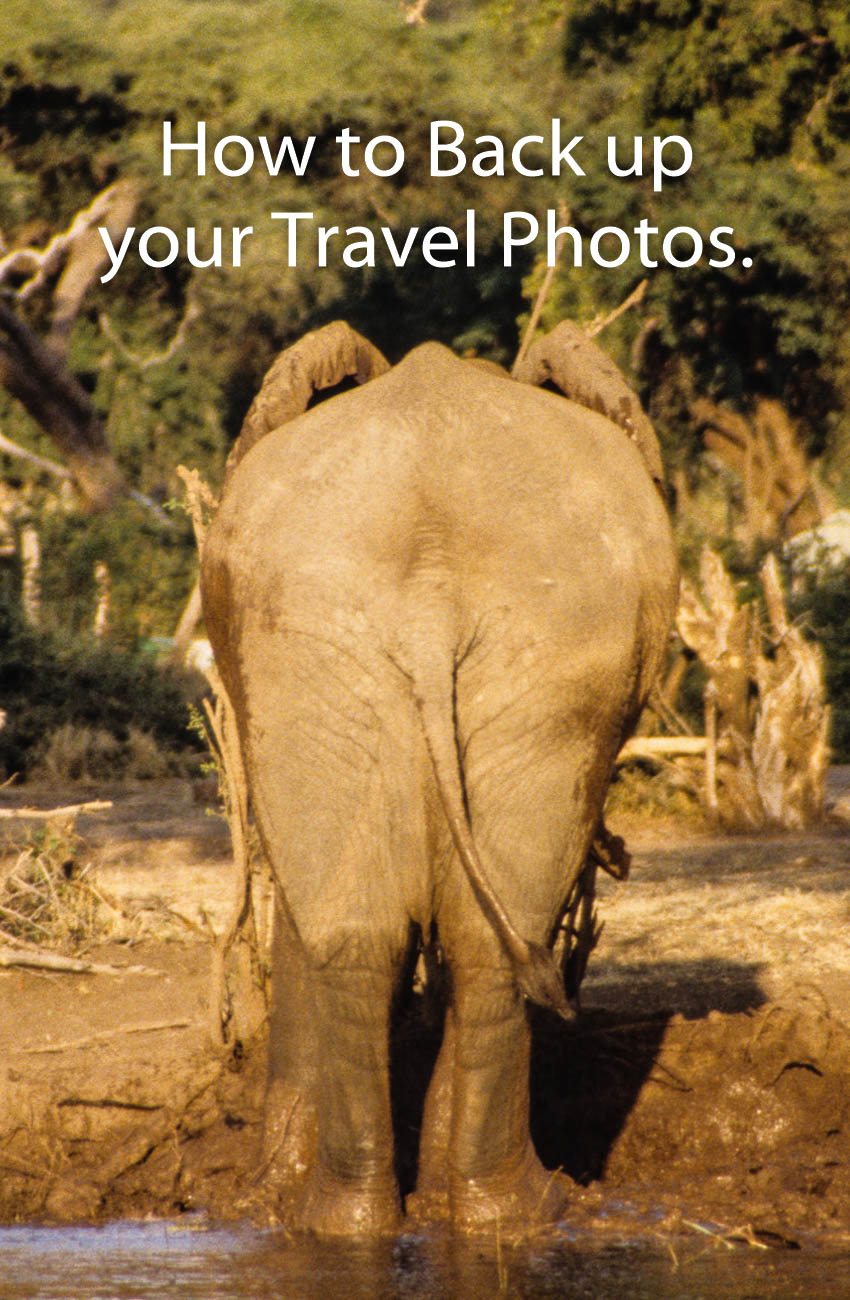
    An elephant shows us his rear end by the edge of Chobe lake in Botswana
    An elephant shows us his rear end by the edge of Chobe lake in Botswana

    In the days of film, the only form of back up was to guard your film and slides as if you’re life depended on it. Nowadays with digital imaging there are many ways of backing up your photos. I touched on this in Planning and Preparation for Travel Photos.

    So, follow me along as I give you some ideas on how to back up your travel photos.


    History of Back up

    The term back up only really became used when computers began to take over the world.

    With paper you could make copies and file them off-site.

    As we all switched from paper to digital, Business’s started to have tape, then floppy disks followed by CD’s for backups of the day’s work.

    Now you have back up servers some of which are in the cloud.

    Photography back up

    Before digital, you were able to have extra copies made of photographic prints and file them somewhere else.

    Not so with negatives and slides. Well that’s not strictly true, you could get copies, but it was expensive. It was not until digital came along that we began to realise that we had the option to back up all our precious photos.
    We could even do it retrospectively, if we had plenty of time or money, by scanning film and slides.

    In those early days the floppy disk and then later the CD or DVD were the main back up mediums.
    But as with film and slides we all ended up with boxes of DVD’s. Whilst smaller than boxes of Slides and Negatives they still took up some room.

    Let’s take a look at what options we have now.

    Direct backup to a Laptop or Computer

    The simplest and most convenient way is to connect directly to a Laptop or computer. This is done via the OEM cable that each camera manufacturer supplies to a laptop or computer. Once you have it on the computer you are free to copy it anywhere else.
    All camera manufacturers give you that option. The main disadvantage is that the cable supplied is not usually off the shelf if you lose it. Additionally, the camera port tends to be non-standard or at best not common.

    Memory Cards

    When you take an image with a digital camera it sits on the memory card that you have in the camera.
    With a smartphone that image will generally sit on the phone’s internal drive. However, you can change it to sit on a microSD, if that’s available.

    Memory cards can also be used to back up your photos either via a computer or in some camera models.

    How does that work?

    Well you remove the memory card from the camera and insert into either a computer memory card port or a card reader that plugs into the computer.
    Likewise, the same applies with a blank memory card. Once both cards are loaded you copy from one to the other.

    Backing up in camera is usually confined to some of the more high-end cameras. These now come with two memory card slots that you can use to either extend the memory or use the second slot as back up. When the latter is set, each time you take an image, it not only sits on the first memory card but also on the second.

    Another option is to transfer it in camera periodically but that can be dangerous if you forget to do it.

    The system of using memory cards as a backup medium is not used that often unless you are looking to immediately back up and that’s your only option.

    One recommendation I would make is to use something similar with a smartphone.

    Smartphone backup

    With a smartphone, the potential to lose it or drop it is much higher than a camera. I would suggest a microSD if that’s easily removable (otherwise you will lose it with the Smartphone!)

    Another option is a small flash drive that can be attached, usually through the charging port.
    Why would we need to do that when we all rely on the cloud to backup our photos on a smartphone?
    Services like Google Photos, or iCloud work well when you have connectivity. But what about when you don’t have connectivity?

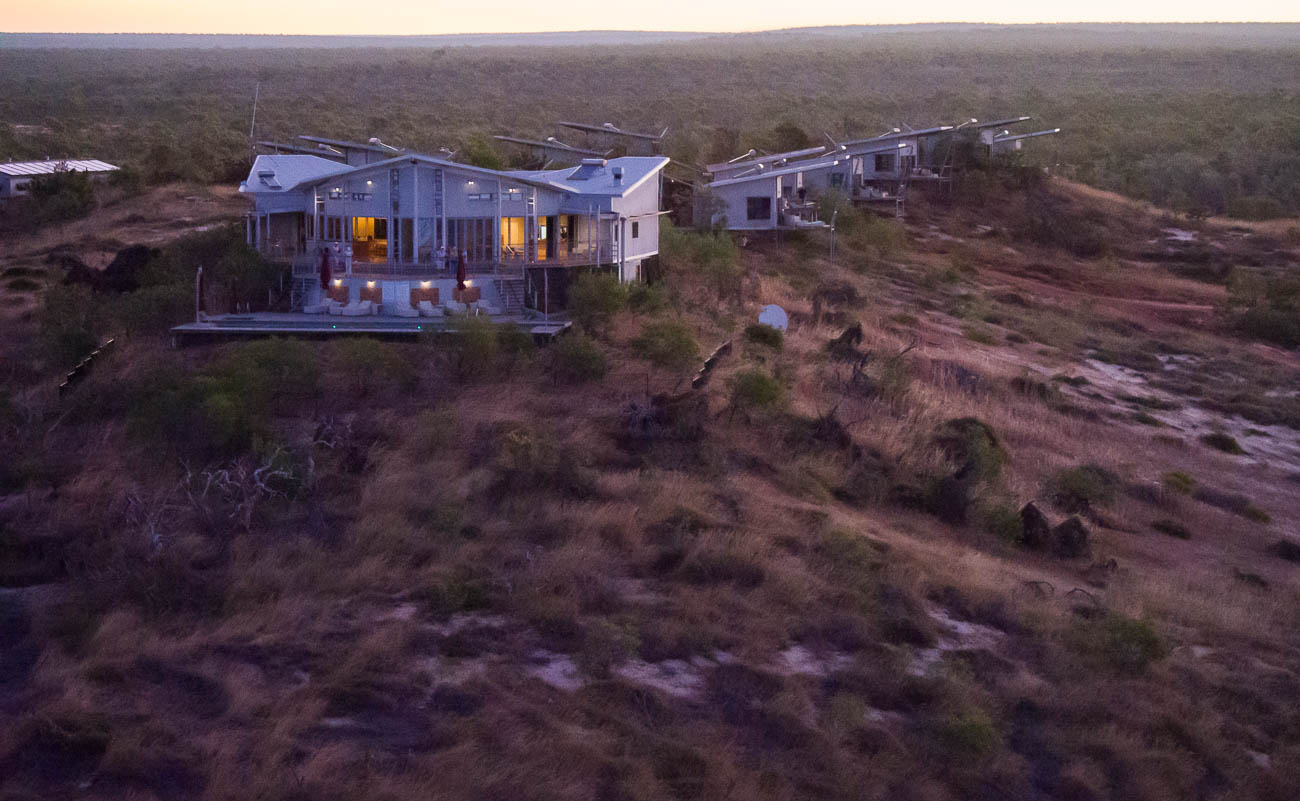
    Last year I stayed a few days in a remote resort called Berkley River Lodge in the Kimberley region of Western Australia.

    There was no phone signal at all and WIFI was limited to 50m from the reception hut. We were on a helicopter trip heading back to the resort. One of the other guests was taking pictures of the sunset with an iPhone when he lost it out of the window. I might add that the phone wasn’t his, it was his partners!
    We had also all been warned not to take your phone too close to the window during the flight as, you’ve guessed it, it could get sucked out.
    Anyway, apart from looking like a Kangaroo in headlights, he lost the phone.
    All the photos that they had taken in the last few days were only on that phone.
    And as they had no way of backing them up other than using iCloud they were lost with the phone.

    Berkley River Lodge
    Berkley River Lodge from the air

    Lesson from that is not to rely on the cloud as back up for smartphones or indeed anything else.

    If you have another device like a tablet, then you can set up a hotspot that will enable you to transfer or copy your files to the Tablet.
    But if you are likely to be without the tablet and have no connectivity, then a Mobile flash drive is a no brainer.

    WIFI SD cards

    An option to standard Memory Cards are WIFI cards. Even if your camera has Wi-Fi capability this still allows you to back up your images to another device.

    If you have a fairly new camera, then chances are it will have WIFI capability anyway, so you can backup via WIFI without a special WIFI Memory Card.

    However, in both these instances the issue is space.
    Most Smartphones or tablets are around 64GB and if you are shooting RAW over a 2-3-week period it doesn’t take long to max out. For example, last year at a African Game Park I shot around 64GB of RAW and JPEG images.

    Physical back up devices

    There are a lot of devices out there that you can use to back up your photos. Most of them are portable hard drives

    There is the basic hard drive that you plug into a laptop or some tablets. You then copy the files to the hard drive via the Laptop or Tablet

    Some hard drives have a SD Slot for your memory card. You insert the card and it automatically copies to the drive.
    So, in theory you don’t need another device. Yet, unless you plug into another device you are not going to know whether it has backed up all your photos correctly.

    Another option is the wireless Hard Drive. This is like a hybrid. They have SD slots as well as having the option to wirelessly copy images via the hotspot I mentioned before.
    This has the same disadvantage of not being able to see what images have been copied across. Although some do allow you to view the contents of the drive from a smartphone or tablet as well as a computer.

    Then there are hard drives that have a screen that lets you view the images even if they are RAW.

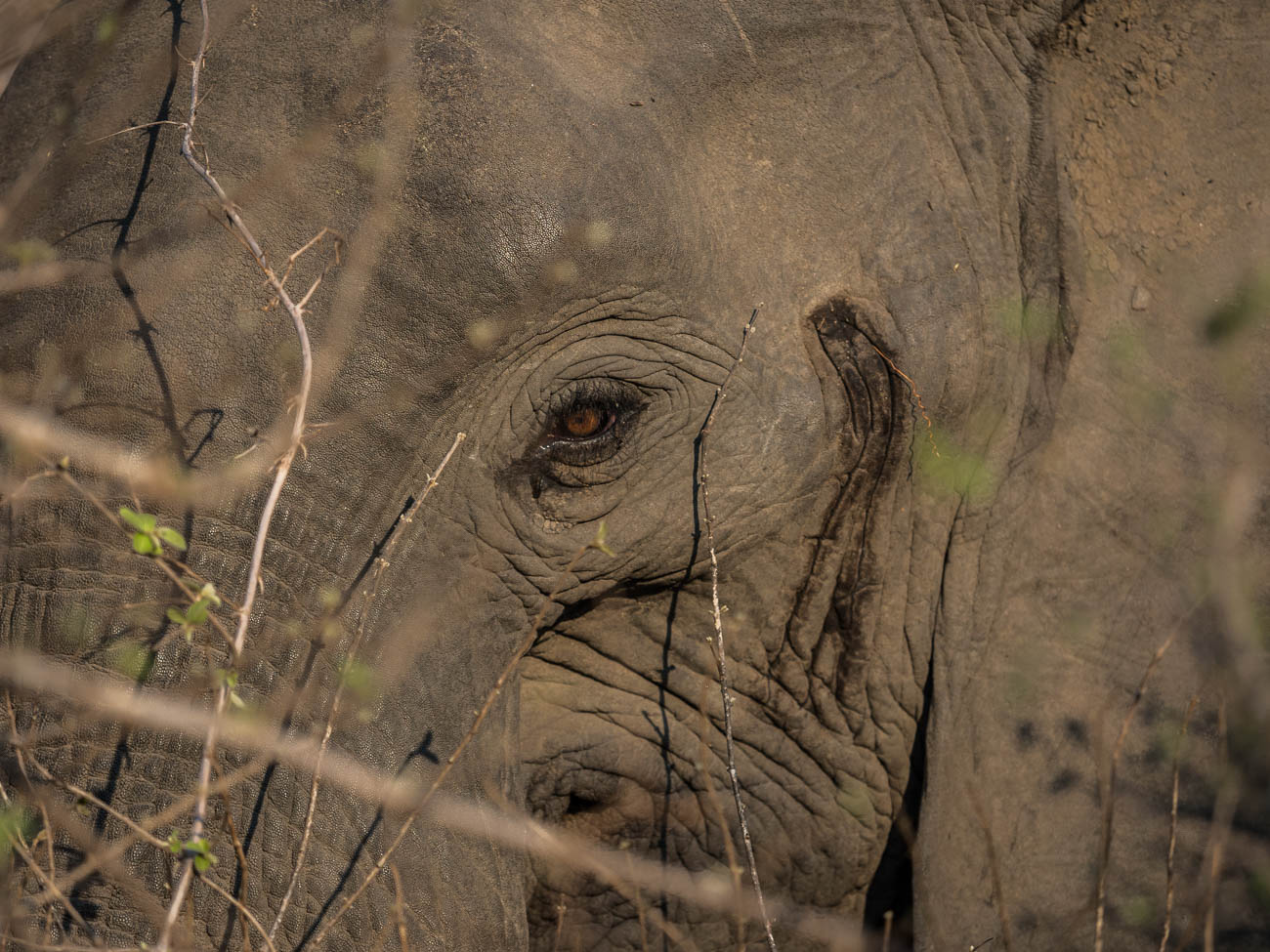
    African Elephant in South Luangwa NP,
    African Elephant in South Luangwa NP, Zambia.

    Hard drive types

    Lately hard drives come in two types, HDD mechanical Hard Disk Drives or SSD Solid State Drives.
    The differences are basically that SSD’s are faster but more expensive.
    In a computer or laptop then I would go to an SSD every time. With portable hard drives, where there is only data being stored, then it’s really a personal preference.

    For more on the difference read this article on PCMag.

    Cloud Backup

    How many cloud services are there now? There’s Apple’s iCloud, Microsoft OneDrive, Dropbox, Box, Google Drive, Crashplan, Backblaze, Carbonite and there are the Photo Sharing Sites (more on that below).

    Of course, all cloud backup services depend on the internet. So if you are travelling, you are relying upon there being an internet connection. That is often beyond your control.

    There is much better connectivity than there was 5 years ago and I’m sure that there it will improve even more.
    But as I mentioned earlier there is always somewhere that the internet is not connected.

    Even with an internet connection, the bandwidth or speed can be poor. Meaning that the time taken to upload your photos can be long and arduous, not to mention frustrating.

    Using the cloud

    Whether you use the cloud or not is dependent on a couple of things:

    One is the Camera equipment.
    For instance, a Smartphone has inbuilt cloud capability and relies heavily on there being an internet connection. That is either by the phone signal e.g. 4G or a wireless connection.
    On the other hand, unless you have a 1-2-year-old camera, then there is every chance that the camera you have will not have Wi-Fi capability. Even a lot of the new ones only allow you to upload to a phone or tablet from which you then have upload to the cloud.

    The other reason is the interface and ease of use. I haven’t tried all these services, but of the ones I’ve used, iCloud and Dropbox seem to me to have the best interface and ease of use.

    Cloud cost and security

    There is one further reason and that is price. Prices vary so much with specials and add-ons that comparing them is likely to be totally inaccurate by the time you might read this.

    The other thing to consider is security. I hesitate to say it but using the likes of the big guns like Microsoft, Apple or Google does give a sense of security, compared with the smaller players.
    That may well be false.
    But it’s worth asking a few questions. I.E. where are their servers? What happens to the data if a server goes down or heaven forbid the company disappears?

    What do I use? OneDrive. Why because Microsoft gives me 5TB with my Office 365 subscription.

    Photo Sharing Sites

    The other cloud-based storage systems are Photo Sharing sites. These are likes of Flickr, Smugmug, Google Photos, Pixbuf (a new one), Photobucket, 500PX, My Portfolio, Amazon Prime Photos plus a few others.
    These add a bit more to the concept of back up.
    Usually it’s a subscription service that allows you to view and share all your photos. Some even have their own social media interface meaning you can browse other user’s photos and comment or share.

    Flickr was the first of these and now has been gobbled up by the expanding Smugmug.
    As a user of both I have yet to establish what that will mean.

    Take a look at my site on Smugmug to get an understanding.

    Unlike the straight cloud backup services, some of these sites don’t support all file types.
    So, if you are looking for a complete solution to house and view your RAW files for example, do your due diligence.

    African Elephant in South Luangwa NP
    African Elephant in South Luangwa NP, Zambia.

    How to back up your travel photos – at home

    We’ve covered a broad summary of what there is out there to back up your travel photos whilst you are on the move.

    What about when you get home?
    All of the above apply to your home base as well.

    But you can also add in Desktop Drives

    Desktop Hard drives

    Desktop Drives used to be fixed to one certain location. But with the growth in portable hard drive storage, the fixed and portable are overlapping.

    Most of us these days have Laptops instead of desktop computers which gives us freedom to work pretty much anywhere.
    So, plugging in a portable hard drive as not only an expansion to the laptop storage, but also as a backup is easy.

    For the fixed you have three main types.

    Standard hard drives that connect via USB or Apple’s Lightning and have their own power supply.

    Cloud based drives that connect into a network also called NAS (Network Attached Storage)
    This is different to the cloud services mentioned earlier. These are hard drives that are physically in your space but can be accessed remotely via an internet connection.
    They also come with a power plug for an independent power supply

    The last type is called a RAID system (redundant array of inexpensive disks) that also have their own cloud. This is a trickier system to manage and install.
    Basically, it is several hard drives usually in multiples of 2 that back each other up. Where it can be confusing is the many different set up combinations available.
    It’s a way of ensuring that should one back up drive fail then there is always another one that has identical data, so that you can sleep easy.

    What I use

    Now I think it’s time for me to give you my system.

    On the road

    Depending on the duration and the reason for the trip, I will carry either one or two Wireless Hard Drives, my surface pro or iPad Pro. I also now carry, since seeing the guy at Berkeley River lose an iPhone, a portable flash drive that fits my Samsung S8.

    How do I use them?

    I am fortunate that my Olympus OMD1 MKII has dual memory card slots, so I use one of these memory cards as back up. Additionally, every evening or at least every couple of evenings, I back up one of the memory cards to both wireless hard drives. If I have been diligent enough to clear the hard drive on my surface before travelling, I back up to my surface as well.

    I back up my Samsung S8 to my surface if I am confident that I have good internet for the cloud back up to my OneDrive service. If I ‘m unsure of the connectivity, then I will back that up to my portable flash drive and later the surface.

    I have used the iPad Pro as back up in the past. But due to the number of apps it has, it only has a small amount of spare storage compared to the surface.

    How to back up your travel photos – Summary

    Back up is a relatively new concept in the photographic world. It has only been around since the advent of Digital photography

    There are many forms of back up for the travel photographer

    Memory cards can be used for short term back up

    Smartphone Cameras rely on cloud services, which can be unreliable when travelling.

    A flash drive or microSD is a more reliable medium

    New cameras can upload photos via different WI-FI systems to the cloud but only via another device

    There are many different hard drives that can be used as back up devices.

    They can be like small computers with their own screens and flexible connectivity.

    Speaking of Cloud back up, the number of services available is huge. So, you need to select carefully before using one of these to ensure it meets your needs and security

    Photo sharing sites like Flickr and Smugmug can also provide a level of back up for your photos

    Then we get into the heavy duty physical hard drives. These use sophisticated software and multiple drives that you can create your own cloud with.

    What do you use?

    I’ve come clean and told you what I use. What about you? Do you use something or have a system that’s totally different from what I’ve mentioned in this article? Give me your take on how to back up your travel photos
    Leave your comments below

    And while you’re at it why don’t you pop your email in the box below. Not only will you get content that’s not always posted on this site, but you will get my free e-book “9 ways to improve your Travel Photography”.

    Any questions then please contact me here and/or please say hello at these places:

    Facebook: Twitter: Instagram: LinkedIn:

    Feel free to share this to your social media of choice

    How to back up your travel photos.
    An elephant shows us his rear end by the edge of Chobe lake in Botswana
  • Planning and Preparation for Travel Photos

    Val Veni from Rifugio Elisabetta Italy on the Tour Du Mont Blanc
    Val Veni from Rifugio Elisabetta, Italy on the Tour Du Mont Blanc

    Planning and Preparation for Travel Photos

    One of the most overlooked items when preparing to go on a holiday or to travel is planning and preparing for taking travel photos.
    Usually people think about accommodation, eating and transport. But never how they are will visually document their experience.
    So read on about Planning and Preparation for Travel Photos

    Planning

    You are off to an exotic or culturally fascinating destination.
    You worked out where you are going to stay, where you will eat and how you will get there.
    But what about what you are going to photograph?
    After all, you want to come back with memories but also memories that you can share with those who you travelled with and those you’ve left behind.

    Before you go

    Your itinerary should tell you what your destinations and stops are.
    Now it’s time to do research on what you should and want to take photos of.
    The first thing you need to have clear in your mind is what do you like taking pictures of?
    Have you selected a genre? Go to Different types of Travel Photography for more on this.

    Researching the destination

    At any new destination there will always be lots of subject matter for taking photos of.
    And in today’s online world it is easy to do research.
    Check out sites like the Lonely Planet, or National Geographic. Instagram and the much-aligned Google+ have some great images as well.
    There is no end of online resources for you to get some inspiration from.

    Icons

    Start by finding out what the big ticket items are. 

    These are the icons that make any travel destination famous.
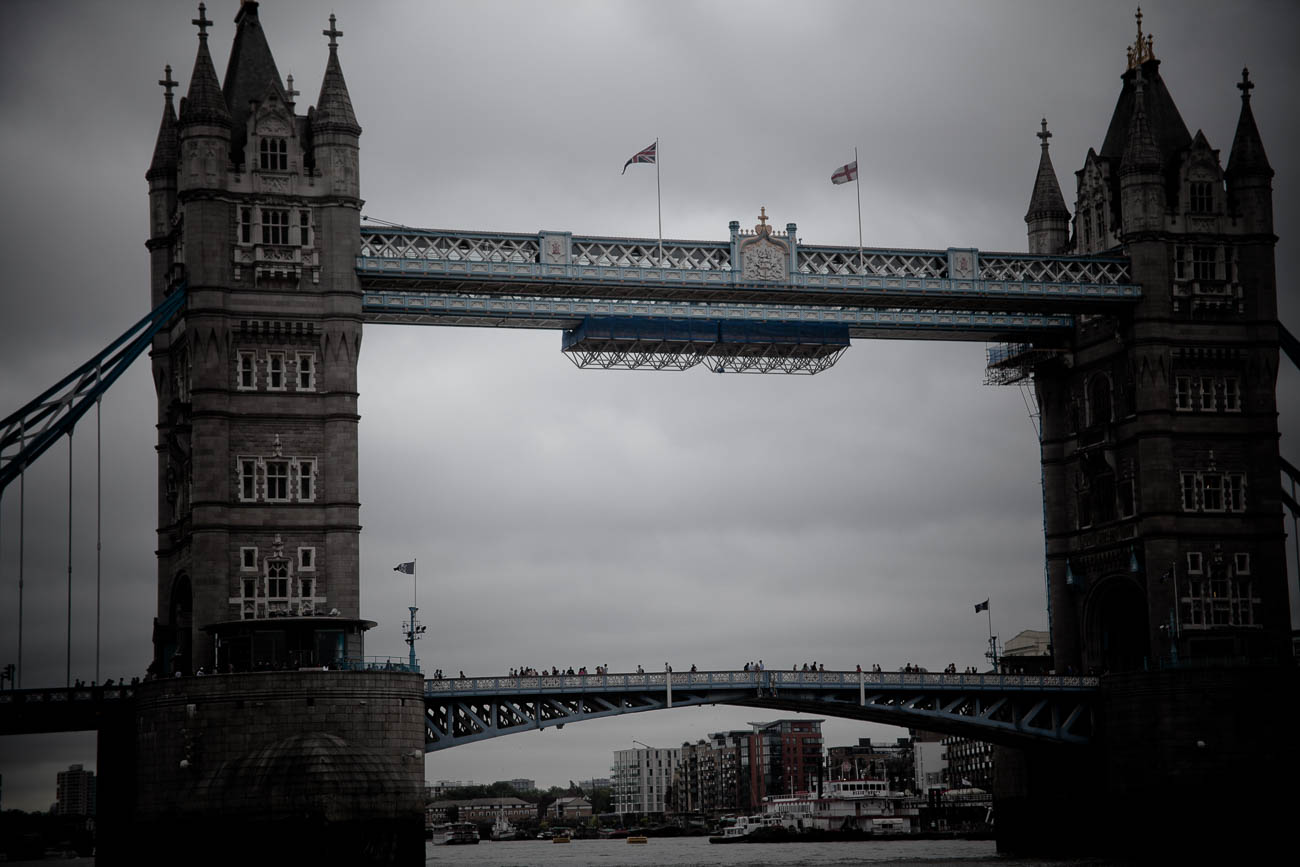
    You are looking for Icon’s like London’s Tower Bridge, Paris’s Eiffel Tower or Sydney’s Harbour Bridge.
    Find out what access there is. Are there restrictions on taking photos? Can you use flash or a tripod? Have a look at some of the pictures online and make a note of the angles you like.
    You will want to find different angles as well, which may not be so easy to see until you are physically there.

    The famous tower bridge in East London, England
    The famous tower bridge in East London, England. Click on the image to view a larger version and for other options

    Culture

    Some of the most emotive photos are of people and culture. Look for photos online of the culture of the place and again make note of how, when and where they were taken

    Landscapes and Architecture

    Whether you are going on a safari, hiking the Tour Du Mont Blanc or discovering San Francisco for the first time, you will want to take photos of Landscapes and Buildings.
    They could be anything from Mud Huts to skyscrapers, so again see what photos there are and take notes.

    Refuge des Monttes, Vallee des Glaciers, near Les chapieux, France
    Refuge des Monttes, Vallee des Glaciers, near Les chapieux, France. Click on the image to view a larger version and for other options

    Transport

    So now you know what travel photos you are likely to take, you must now decide what equipment will travel with you.
    Now if you are just taking a smartphone, then this really doesn’t apply so I would suggest you skip this section.
    For the rest, a lot will depend on what equipment you have and how you are travelling.
    If you are travelling using your own car then you would think you can take almost anything.
    But if you are hiking or doing a lot of walking whilst away do you really want to carry ‘everything’? And if the answer is no, then where will you leave what you don’t take with you?
    You don’t want to travel on public transport, and that can be anything from a bus to a plane, with a lot of equipment.
    Consider reducing what you take to what you think you will need based on what you are likely to be shooting.

    Climate

    One thing easily forgotten is that there’s a good chance you may be travelling to a different climate. If you are going to the tropics, then there’s a good chance it’s going to rain.
    If travelling to Australia in summer it’s going to be hot, travelling to Canada in winter then it’s going to be really cold.
    This topic is big enough to justify an article on its own but let’s just say make sure you take enough protection for your equipment.

    Practising

    If you have recently purchased a new camera or you haven’t used yours for a month or 2, it’s worth getting out and practising.
    I would suggest you practice the type of shots you are likely to encounter on your travels.
    It doesn’t take much to look for opportunities.
    Wherever you live there’s always landscapes.
    If you live near or in a city, town or even a village, there will be plenty of street, architectural and people shots to be had.

    Getting your equipment ready

    The Basics

    Whether you are taking a compact or a DSLR, you will still need some basic auxiliary equipment like extra memory cards.
    Consider taking more than one battery, a lens cloth, filters if you use them and a tripod.
    I take a couple of Bags – one for travelling and one smaller one for around town.
    Make sure your bag is clean and ready to use.
    I always put everything I’m going to take in the bag at least a couple of days before I’m about to leave, so it’s done.

    A good idea is to go through your memory cards and make sure that they are empty.
    You never know how many photos you will take, so you can never have enough memory.
    Don’t think that you don’t need to worry if you are using a smartphone camera.
    You need to ensure that the smartphone memory is big enough.
    If it’s not, then you will need to add space either by a plug-in memory stick and/or a microSD.
    Batteries need to be charged. 

    Camera and Lens


    If it’s going to be a big trip, it’s worthwhile checking to see if the sensor needs cleaning.

    You can do this by shooting a white piece of paper with the focus set at infinity and over expose to get it really white. Then look at it on a computer screen and look for marks.

    Select the lens you are taking and make sure you clean it with a lens cloth and then ensure it’s packed for travel.

    One essential thing to take is your charger. And if going overseas a plug adaptor for your destination.
    You will be surprised at how many people forget these 2 essential items.
    You can’t take pictures with a flat battery!

    Back Up

    If you are anything like me you’ve become obsessive about backing up your travel photos. After all, often you are only there (your destination) once!
    Look if you are only away for a weekend, then you could take the risk of not backing up.
    But I wouldn’t recommend it.
    This is a topic on its own which I will tackle in a future article.
    But I do recommend that you don’t rely on cloud storage. At least take a hard drive preferably with a tablet or laptop.

    Family and Friends

    Most of us travel with family and/or friends. If you are travelling alone then move on.
    For the rest of us though, it’s important that you set expectations.
    If you are starting to get serious about your travel photography, then you will need to make sure that your fellow travellers are onboard.
    Ideally speaking it is better to travel alone if you intend spending a lot of time taking photos.
    Yet, for most of us that’s not usually an option and let’s face it you don’t really want to travel by yourself.
    One of the great joys of traveling is sharing moments on the road with whoever you are travelling with. And I emphasise that sharing moments is pretty important.

    Get out from behind the camera

    Don’t let the urge to shoot away at a romantic or special monument blind you to how you should be enjoying the moment with your loved one.
    If you are at the Taj Mahal for example, make sure you get out from behind the camera.
    Enjoy being there with your fellow traveller/s, especially if your partner is there with you or be prepared for the consequences! (I’ve learnt that the hard way).
    The next rule is to negotiate when you take photos.
    That can be almost any time but there may be some special times that you want to concentrate on getting some good shots. The golden hour (just before sunset or just after sunrise) is one example. So, give some advance warning and you may actually get an assistant as well.
    Another way of sharing the experience can also be by taking photos together.
    But lay out what you want to do before you set off and then negotiate along the way.

    El Castillo the pyramid, at Chichen Itza the most famous Maya ruin in the Yucatan, Mexico
    El Castillo the pyramid, at Chichen Itza the most famous Maya ruin in the Yucatan, Mexico. Click on the image to view a larger version and for other options

    Insurance

    Most of us get travel insurance to cover medical and cancellation.
    But it’s just as important if you have some expensive kit, that it is also insured for loss or damage. Nothing worse than having a camera stolen or damaged and realising you weren’t insured.
    Now don’t get me wrong, the likelihood of that happening is remote, especially if you are careful and take the obvious precautions.
    But you never know.

    Hire

    Whilst you are not likely to hire lens on every trip. It’s a good idea to make sure you’ve got that set up when you do.
    I’ve done it several times, the last time in Canada for taking photos of Polar Bears with a large pro lens. The company had a lens waiting for me at the destination.
    It was a simple process to send it back from the same place once I had finished with it. That meant I didn’t have to carry it to my next destination where I didn’t need it.

    Timing

    When we plan travel it’s essential that we maximise the time there.
    One way to do that is to research what special events or festivals are on.
    And don’t forget to find out what the weather is going to be like at the time you will be there. Special events and weather conditions can be double-edged swords. Depending on the event you may not want to be there at the same time.
    For example, with weather, the wet season in Northern Australia can be a challenge.
    But during most wet seasons you get some great scenes of flooded landscapes and interesting cloud formations and thunderstorms.

    Summary – Planning and Preparation for Travel Photos

    As you can see whether you are going travelling or just holidaying, with travel photography, there’s a lot to think about before you have even left.
    Do your research and make sure you know what you are going to take photos of.
    Find out what Icons, Culture, Landscapes and architecture there are to take.
    From there you can work out what equipment to take.
    Protect your equipment from the elements.
    Practice before you go.
    Make sure you take the essentials; spare battery, charger and adaptor, memory cards.
    Clean your equipment and make sure it’s insured.
    Take some sort of back up for you to back up on the go.
    It’s vitally important that you have an understanding with your fellow travellers and family about when you will want to take photos.
    Above all don’t forget to have fun and enjoy yourself!

    Need some help with your travel photos?

    Why don’t you pop your email in the box below and not only will you get content that’s not always posted on this site but you will get my free e-book “9 ways to improve your Travel Photography” to get you started

    Any questions then please contact me here and/or please say hello at these places:

    Facebook: Twitter: Instagram: LinkedIn:

    Feel free to share this to your social media of choice

    Just click on any of the above images to view a larger version and for other options

  • The One Big Creative Travel Photo Idea

    Sand trails near Roebuck bay, Broome, Western Australia
    Sand trails near Roebuck bay, Broome, Western Australia

    The One Big Creative Travel Photo Idea

    In this article I’ll be giving you some tips on the best way to give your travel photography some punch.
    Let me introduce you to the one big creative travel photo idea that many journalist photographers use. And you can use it for your travel photos too.
    So, what is this creative travel photo idea – GETTING IN CLOSE

    What does getting in close mean?

    Depending on your lens and camera, getting in close may be different for different equipment.
    But it can be anything from zooming in on a landscape to a good strong portrait to a macro picture of a flower.

    What equipment?

    It doesn’t matter what equipment you have.
    To take macro images i.e. subjects that are 60 – 70cm away, it’s best you have a macro lens.
    But more on that below.
    As I stated in previous posts and in the e-book, that’s available when you subscribe in the form at the bottom, you have to do the best you can with whatever you have.

    Types of “getting in close” images

    Landscape

    Getting in close on a landscape photo seems almost contradictory. After all it’s the big wide-open spaces that you are after.
    But you can get some great shots by getting in close either with a zoom lens or by, if practical, zooming in with your lens.
    Let’s say you are taking some pictures of a mountainous landscape. Sometimes getting in close will give you different perspective.

    Hills near Wanaka in New Zealands South Island
    Hills near Wanaka in New Zealands South Island. Click on the above image to view a larger version and for other options

    In the above shot I zoomed in to compress the hills. Now they look closer to each other than they would appear if I had taken them with a wide-angle lens.
    Other ideas would be to zoom into a particular subject, a tree, a farmhouse or even a Glacier.
    If you are using a zoom lens, then usually you will need to zoom right in depending on your position.

    People

    There’s also a saying in photography, ‘fill the frame’.
    Often when we take people shots they can be too far out.
    I know in travel photography the idea is to get people in the picture, as well as a sense of where they and you are.
    But you can go too far and try to get everything in.
    By filling the frame with people, you cut unnecessary distractions that can leap out to the viewer and spoil that whole photo.
    Often the subjects e.g. people, usually look as if they are from the destination you are in, so you don’t need to have think too much about a sense of place.
    Taking photos of fellow travellers or family can vary in quality. If you think it’s a good picture then does it matter that your photo doesn’t reflect the place you are visiting? I think not.

    Portraits

    Undoubtably portraits lend themselves to getting in close.
    We’ve all seen some of those great photos taken by Nat Geo journalists and other travel photographers.
    If you have permission from the subject, then get in as close as you dare.
    Human faces are some of the most interesting subject matter in travel photography.
    Sometimes it is best to experiment by taking different angles even when you are in close.

    Street

    Street photography is very much its own genre these days.
    When travelling, street photography is an essential skill to develop to get some great shots.
    One way is to get in close.
    If you are in a famous city like New York or Paris, there are so many opportunities to fill the frame. People are the most obvious, which I mentioned earlier. But by also getting in close to activities like festivals or street entertainment, you can create some great angles that can hold the viewers interest.

    Markets

    I love taking photos in markets. And zooming in and filling the frame can capture the feel of a market.
    Whether it be the produce, signs, or people, getting in close is a great way of producing some interesting and varied photos. Some examples are below

    Pumpkin. Portland farmers market, Portland, Oregon, USA
    Pumpkin. Portland farmers market, Portland, Oregon, USA. Click on the above image to view a larger version and for other options
    Pork Pies at one of London's famous markets Borough Markets that is devoted entirely to food.
    Pork Pies at one of London’s famous markets Borough Markets that is devoted entirely to food. Click on the above image to view a larger version and for other options

    Buildings

    How many times do you see a photographer try to capture the outside of a beautiful building with little or no success.
    Sometimes you have to let go of trying to get that great shot of a building and leave it as a record shot.
    Concentrate on the small stuff. A sculpture inset into a wall, a sign, an intricate stained-glass window or a sculpted angle on a building.
    What about shooting the reflection on the building in the one opposite.
    There are plenty of opportunities for getting in close with buildings of all shapes and sizes

    Food and Drink

    I mentioned in Different types of Travel Photography that you can really go to town on food. Individual food items, a mouth-watering artistic dish or getting a close-in angle of a wine bottle label are some examples that come to mind.

    Technique

    So, is there a technique for getting in close? Well sometimes is the answer.
    It does depend on your equipment, position and the position of the subject.
    If you don’t have a zoom, then it means you must move closer to the subject.
    If you do have a zoom, then how far you have to extend your telephoto lens will again depend on its capability and your position relative to the subject.
    But a good technique can be to get in low or get above the subject. Subjects can look a lot different from low or high angles.
    Shooting at your height in close doesn’t guarantee you a point of difference. Another technique can be to take a close in shot, side on. A plate of food for instance looks different close up and side on.

    Sand trails near Roebuck bay, Broome, Western Australia
    Sand trails near Roebuck bay, Broome, Western Australia. Click on the above image to view a larger version and for other options

    Summary

    So, as you can see the one big creative travel photo idea is taking some great shots by getting in close and filling the frame.
    There are several different types of subject matter that can lend themselves to close in shooting. Landscapes, People, Portraits, Markets, Buildings and Food and Drink are ones that come to mind. Try to get different angles as well.
    Getting in low or getting above can produce some satisfying and interesting photos.

    Thanks for reading and getting down this far.

    I have a free e-book that you may be interested in. There’s a form below that you can fill out and send to me and it’ll arrive in your inbox

    Please feel free to make any comment in the comments section below. Or, you can contact me here.

  • How I took this Travel Photography Image

    How I took this Travel Photography Image

    In the historic copper mining town of Jerome, Arizona, USA
    In the historic copper mining town of Jerome, Arizona, USA

    This is the second of a series of articles that uses travel photography to show how you can get a particular type of shot.
    Some of the examples won’t be stock, product or marketing photos, although any image can be used to market anything. 
    Nearly all of them will be travel photography images

    But this is a good starting point for taking similar photos for any reason whether it’s travel photography or for your business. 

    And I hope that this inspires you to go and emulate and even improve on the method I give you here. 

    So, let me clarify that this article is not some much about technique but opportunism.

    Let’s set the scene

    I was travelling through the South West of the USA and stopped off at a little town of Jerome.
    Smack bang in the middle of Arizona and north of Phoenix, its claim to fame is that it was a copper mining town.
    Nowadays it’s a tourist hot-spot. Being at a higher altitude, Jerome is attractive to residents of Phoenix, the big smoke, during their ugly summer months of high temperatures.
    And so, I discovered how attractive it was as I roamed the streets of Jerome taking shots of the interesting sights as well as the landscape beyond.

    Human Interest

    However, what I really became interested in was the locals.
    There’s only around 450 of them and they all seemed to be happy, friendly and smiling.
    Whilst I have done some portrait photography, I’m not a big lover of it.
    I find that taking impromptu spontaneous images tend to bring out much more of the subject’s character.

    Positioning for Street Photography

    When you take any street scene sometimes you get lucky and fire off a few shots straight away.
    Other times you have to kind of go with the flow and watch and see how the street life unfolds.
    That day was one of the latter.
    I wondered around until I found a spot diagonally opposite a bar, a hotel and a winery cellar door, yes, they do have wine in Arizona and good wine it is too.
    The spot I found was a corner or rather a T-junction.
    Normally I would find a café to sit and watch but there wasn’t one where I wanted to be.
    But there was, at that time, enough people around to make me feel inconspicuous.


    The Wait

    So, I waited.
    As it was mid-afternoon and wasn’t a Sunday I figured that there would be a bit of coming and going from the bar.
    There was but not as much as I wanted.
    But I did shoot a few images as I hung around.
    After about 10 minutes some motorbike riders turned up and went into the bar.
    I shot off a few shots of them.
    But being mindful that I didn’t know these guys I was fairly conservative and kept a low profile. 

    Travel Photography
    Harleys in the street in Jerome, Arizona, USA

    The Subject

    After about 5 minutes these couple of guys came out and sat outside chatting and looking at the bikes.

    Travel Image
    Two men talking in the historic copper mining town of Jerome, Arizona, USA

    Now neither of these guys are oil paintings but they were perfect for me. 
    So, I was off a running – not literally, of course.
    This one is the best of the shots I took.

    Travel Photo
    Two men and motorbikes

    One is smiling and the other is laughing and both are looking at the bikes.
    I have no idea whether they were laughing at the bikes or something completely different.

    Technical

    So, let’s get technical.
    My gear was a Canon 5D MKII with a 75-300mm telescopic lens, which is a full frame DSLR
    I usually use aperture priority and had that set at F/8.
    F/8 is the sweet spot for this and most other cameras for subjects that are a short to medium distance away. Ideal if shooting travel photography.
    You should get everything in focus regardless of the focal length you use, which in this case was 180mm.
    It also means that unless the light is low, you should get a fast-enough shutter speed which at 1/200 sec, I did.

    Even though the light was quite good, it was overcast. Having said that, I had the ISO set to auto and it selected 320 ISO, so the light was not as bright as you may think for somewhere like Arizona.
    In this camera you have to get up to about 1000 ISO before there is any noticeable difference to the picture quality i.e. noise or grain.
    I could have set the ISO even lower as I had a lens that had IS, Image Stabilisation but I didn’t feel that I needed to use it.

    Conclusion

    To get a good photo of anything, you need a bit of luck but at the same time you can make your own luck. If you used this example for instance, you would do that by:

    1 Scouting the location
    2 Working out the best position
    3 Being patient
    4 Ensuring you have the correct equipment, which can be the best you have with you.
    But be realistic. For example, using a smartphone is not the best camera to use for all situations.
    5 Setting your camera correctly.

    6 Make sure if you are taking street photos, you are in a location that will allow you to quickly move into a better position.

    One last tip: If you are holidaying make sure you actually make time to enjoy the location. Forget Travel Photography occasionally and move in front of the camera and have a good time!

    Need some help with your photos?
    Why don’t you pop your email in the box below and not only will get content that not always posted on this site but you will get a free guide to get you started

    Any questions then please contact me here and please say hello at these places:

    FacebookTwitterInstagramLinkedIn:

    And feel free to share this to your social media of choice

  • Different types of Travel Photography

    Different types of Travel Photography

    In the previous post, “Introduction to Travel Photography,”
    I touched on the fact that there are several different types of travel photography.
    In this article we cover the different types and genres and how they apply to your future travels

    So, let’s go into more detail.

    The best way I find, is to break it down into destinations. By doing that you are preplanning what skills you need to learn or refresh for your upcoming or future trip.

    Let’s take an easy one. Europe

    What do we travel to Europe for?

    These are a few reasons:

    • History
    • Food
    • Landmarks
    • Landscapes
    • Activities
    • Sporting Activities
    • Language
    • Drink

    So each of these reasons will correlate to a different type of travel photography.

    Let’s take history:

    Interior shots of museums, Churches, Palaces and galleries are a few examples.
    To get some good shots you would need to get comfortable shooting in low light. By learning how to do this and how your equipment will perform will enhance your photography.

    Another genre for History would be architectural.
    Shooting some of the worlds’ most impressive buildings like Saint Peter’s at the Vatican are a must if you are travelling to Rome.

    Then of course there are battlefields from different wars over the ages.
    From Gallipoli to the Battle of Hastings to the trenches of World War I in Belgium. Most of these would be landscapes.

    We now have the theory behind using destinations to think about different types of travel photography.

    Destinations and different types of Travel Photography:

    Europe

    Landscapes, Architectural, Interior, Festivals, Lifestyle, Food and Drink, Street

    North America

    Landscapes, Architectural, Lifestyle, Nature, Wildlife, Street, Food and Drink, Wilderness

    Cowboy on bench In Santa Fe's plaza, New Mexico, USA
    Cowboy on bench In Santa Fe’s plaza, New Mexico, USA

    Asia

    Street, Food and Drink, History, Landscapes

    South America

    Landscapes, Architectural, Lifestyle, Nature, Wildlife, Street, Food and Drink, Wilderness

    Antarctica

    Wilderness, Landscapes

    Africa

    Wildlife, Landscapes, Street, Food and Drink, Wilderness

    Australia and New Zealand

    Nature, Landscapes, Street, Food and Drink, Lifestyle, Wilderness. Wilderness could be considered a part of Landscape. Yet there are some specific challenges that need to be considered when you are out in the remote areas.

    Lake Wanaka New Zealand
    Lake Wanaka New Zealand

    I’ll go into more detail in future posts.

    But the trick is to look at the destination and then decide what sort of images are available and what you would like to take.

    For instance, if you were travelling to France, you may decide that you don’t want to take photos of the landscape as you are only going to be in a couple of cities like Paris and Lyon.
    But even in cities there can be opportunities to take landscape photos e.g. Jardin des plantes des Paris – the Botanical Gardens of Paris

    Choosing what to shoot

    As you can see there are many different types of travel photography.
    But what if you want to choose a few main ones? Which ones should you choose?

    Well if you go back to the list you can see a few that reoccur. Landscape, Architectural and Street are three that would set up any budding travel photographer with the building blocks to improve and learn new skills.

    It also depends on interests.
    If you are an outdoors sort of person and you intend spending time at travel destinations with wild open spaces then you may wish to concentrate on Landscape, Wildlife and Wilderness.

    Genres

    Breaking down these different types of travel photography into subjects is also useful:

    Landscape
    Mountains, Snow, Ice and Glaciers, Deserts, Coastal, Forests, Water,

    Wilderness
    Similar subjects to Landscapes. As I mentioned before, it’s not so much about the subjects but more about the logistics and specific challenges i.e. Extreme temperatures, Remoteness etc.

    Street
    Portraits, Daily Life, Streetscapes, Local Interactions, Traffic and Transport, Street Art

    Architectural
    Interiors, Building detail, Urban Landmarks, Skylines

    Nature
    Flowers, Forests, Lakes, Rivers, Weather, Sun and Moon

    Wildlife
    Animals, Insects, Birds, Reptiles, Marine Life, Habitat

    I could break down these genres and destinations even more but I don’t want your eyes glazing over.
    Just as you would plan your travel or holiday experience you also need to plan your photography beforehand.
    Working out what photos you will have the opportunity to take and which ones you want to take, will not only help you enjoy your experience but also bring home some ‘awesome’ photos.

    Summary

    So you can see that there are lots of different types of travel photography. These can be classified as genres but also working out what types of photos you will be taking at your destination plays a big part.
    Some of these genres e.g. Wilderness also have other challenges not necessarily related to the act of taking a photo.

    Research and Planning is essential

    But remember, if this feels too overpowering you can always just select some or one area to specialise in to begin with.

    Need some help with your travel photos?
    Enter your email in the box below and get content that’s not always posted on this site and a free guide to get you started

    Any questions then please contact me here 

    Feel free to share this to your social media of choice
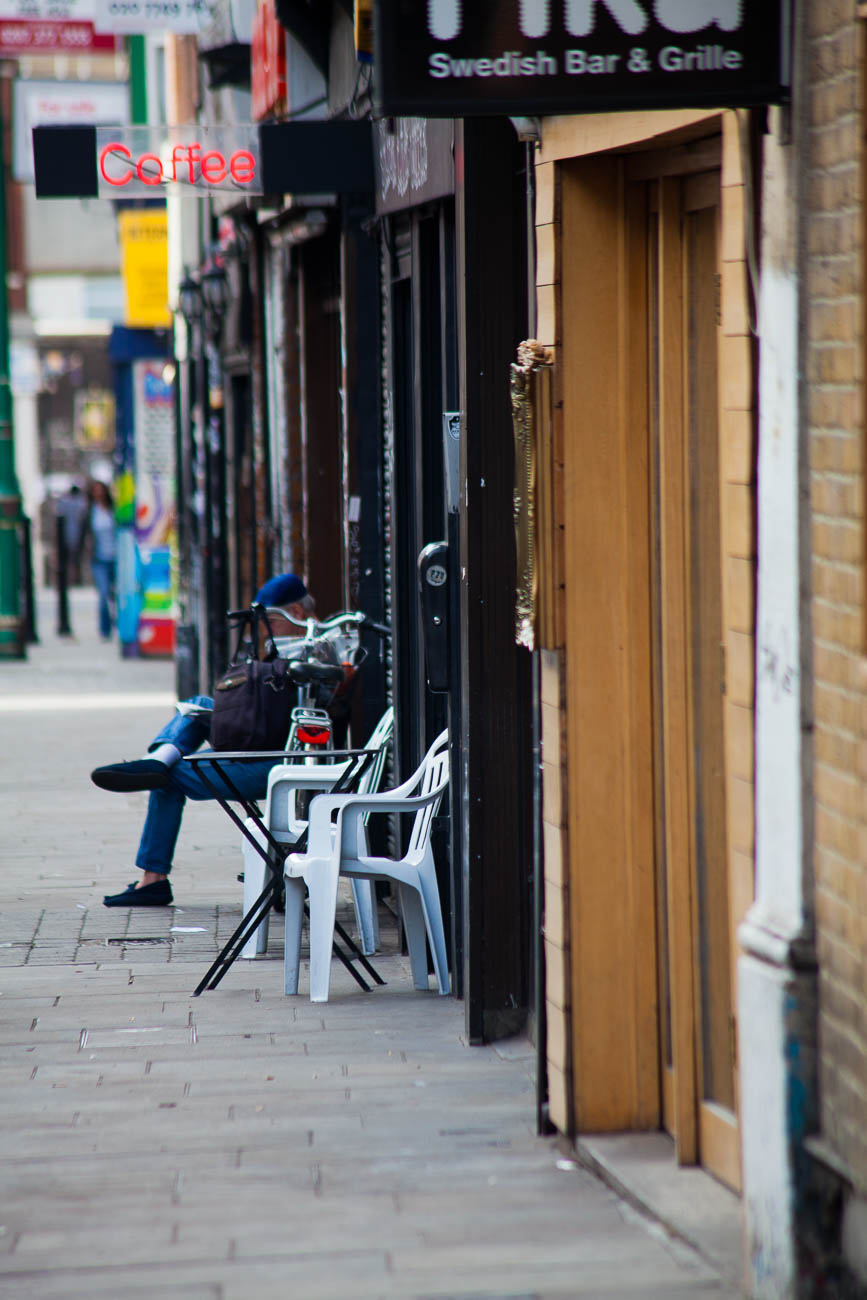
  • An Introduction to Travel Photography

    An Introduction to Travel Photography

    Table on the beach. Kefalonia. Greece

    An Introduction to Travel Photography

    Travel Photography is something we all do from time to time whether on vacation or when travelling for any reason. In this well written and researched article “An Introduction to Travel Photography” I will attempt to ‘introduce’ you to the world of Travel Photography

    Definition

    According to Wikipedia the definition of Travel Photography “is a genre of photography that may involve the documentation of an area’s landscape, people, cultures, customs and history.
    The Photographic Society of America defines a travel photo as an image that expresses the feeling of a time and place, portrays a land, its people, or a culture in its natural state, and has no geographical limitations.
    There are other definitions but those two pretty much nail it.

    History

    Travel Photography, unlike most other genres is a later addition to Photography.
    When Photography was first invented in the early 1800’s few people travelled and for the next few generations any who did were only the wealthy ones.
    The major pioneers in travel photography were explorers who wanted to visually document their experiences whilst exploring.
    But you had to be keen as they had to carry the bulky equipment.
    Not only was the camera equipment itself heavy but, as the frames needed to be developed almost immediately, the photographer needed to have a darkroom and enough chemicals for a small laboratory.
    Of course that all changed when Kodak invented a camera that used a roll of film and then introduced the Kodak Brownie.
    Almost immediately photography was a lot more accessible and therefore popular with explorers and traveller alike.
    But it wasn’t until colour film was introduced that travel Photography became a mass media.
    Even then not everyone had a camera or if they did they didn’t use it whilst travelling.
    Digital photography changed all that. And then Smartphones come along.
    Now anyone who steps outside their door takes pictures. 

    We have millions of images of exotic and not so exotic locations being circulated by social media and other forms of communication.

    The Travel Experience.

    It wasn’t until I went travelling that I took an interest in Photography.
    It was to be a 7-month trip around the world and I felt that we needed to document, as well as we could, our experiences.
    So it was I had 2 very different skills to learn, how to travel and how to take photos of my experiences. It was a challenge, but it was one that I learnt so much from.
    That’s the beauty of Travel Photography. Yet, there are times when you must forget all the techniques and the technical stuff and be in the moment of the experience.
    Knowing when to take that shot or not is a skill in itself.

    That too me is what Travel photography is all about. 

    Genres

    Of course, when you travel there are lots of subjects that you will want to take photos of:

    Landscapes, People, Festivals, Entertainment, Urban, Food and Drink and Wildlife are the most popular.

    Landscape

    Landscape Photography is taking images of usually the area in front of you.
    That can be a mountain range, a field of flowers, the desert, pretty much anything that is of a natural beauty.
    Some manmade objects e.g. a lakeside house or a sailing boat can help with context.

    Reservoir close to Yosemite NP, California, USA is an area of lakes and reservoirs.
    Reservoir close to Yosemite NP, California, USA in an area of lakes and reservoirs.

    People

    Always a difficult one to get right. People move, blink, frown and often, whether posed or not, can assume unflattering positions.
    Taking portraits in different cultures are a great way to get to know locals and customs.
    We are all fascinated by the daily life of those in other countries. Travel Photography gives you the option to capture that.
    As an example of this check out How I took this Travel Photography Image

    Festivals

    The Colour and movement of some of the world’s most famous and not so famous festivals can make great photos.
    Even the local fete can offer some interesting character or scene shots

    Entertainment

    Shopping in the market, Music and Theatre performances are two events that come to mind when taking photos in the field of entertainment.
    But there is also sporting events like a game of footy or nightlife. The latter being particular challenging due to the lack of light.

    Urban

    What is urban? Good question!  I guess it’s Street Scenes, Street Art, Sky Lines, Architecture, both inside and outside and even Light Shows.

    Food and Drink

    There are many food and drink situations. You may want to take some photos of where you are, what you are doing, eating or drinking.  
    In a restaurant, a winery, in a field or at the market.
    Food and Drink is quite a diverse genre. But it can also be the most creative and satisfying, especially if you are having a great experience at the same time.

    Wildlife

    Who doesn’t want to capture that great shot of a Lion or Leopard in the wild somewhere in Africa.
    But there is more to it than the big 5 (the big 5 is Lion, Leopards, Rhino, Hippo and Elephant).
    Even going to a Zoo or Sanctuary can provide some great photographic opportunities.
    There are various types of environment for grabbing a shot or 2 of wildlife. Marine, Forests, National Parks even the Urban Environment can have wildlife.
    But be wary of two things, firstly your safety is paramount, don’t be that person who steps outside the car in a Lion park.
    Secondly, wildlife photography is challenging.
    There are photographers who have devoted their lives to taking great wildlife shots. They will spend days even weeks waiting for that ‘one’ shot.

    Mother Nature

    Travelling over time means you will experience all types of weather which can make it difficult to use your camera equipment.
    Rain, Heat, Cold, Snow, Dust they are a few extreme weather extremes that we all will experience in our travels.
    But even though taking photos in such conditions will take you out of your comfort conditions, often it will be well worth it.
    So, don’t run for cover (unless of course your life is in danger) embrace the challenge.

    Copyright

    By copyright I don’t mean your copyright. More and more their famous landmarks (and People) want to control their image.
    For example, under French law it is illegal to take photos of the Eiffel Tower’s light show at night.
    Of course, we’re not all going to check on every possible landmark but it’s worth a quick google on a big-ticket item. 

    Photography Techniques

    So you now you know the sort of experiences that you will want to document visually, how do you do it successfully?
    Well firstly, you will never stop learning! I’ve been shooting for 22 years and I’m still learning.
    That’s not to say you can’t learn to take good even great pictures straight away on your travels.
    It takes time to know what to do in certain situations and as you have seen there are many genres that make up Travel Photography.
    I hope that this will motivate you to read more from this site and support some of the manufacturers or service providers that I recommend to help you.

    Additional skills

    Of course, it’s not all about techniques and composition.
    If you want to take Travel Photography seriously you need to also be prepared some of the time to:
    Plan but be flexible
    Be reasonable fit, so that you have the energy to walk for hours at a time
    Be Patient enough to wait for the right moment to get that shot.
    Develop good social skills so that you can converse with many people, often in a language which you can’t speak
    Be creative
    Be open to sharing. After all it’s no good taking photos if no one is going to see them!

    In Summary

    This introduction to Travel Photography should give you a taste of what’s involved in improving your travel or holiday experiences. 
    You can see that gaining the skills that allow you to take good or, indeed, great photos will help expand your travels and give other people pleasure.
    Travel Photography is about the gear, the composition and being creative
    But it’s also about being in a place that’s not your home, adding depth to your experience and bringing home great photos that will live with your memories for a very long time!

    Need some help with your photos?
    Why don’t you pop your email in the box below and not only will get content that’s not always posted on this site but you will get a free guide to get you started

    Any questions then please contact me here and/or please say hello at these places:

    FacebookTwitterInstagramLinkedIn:

    Feel free to share this to your social media of choice
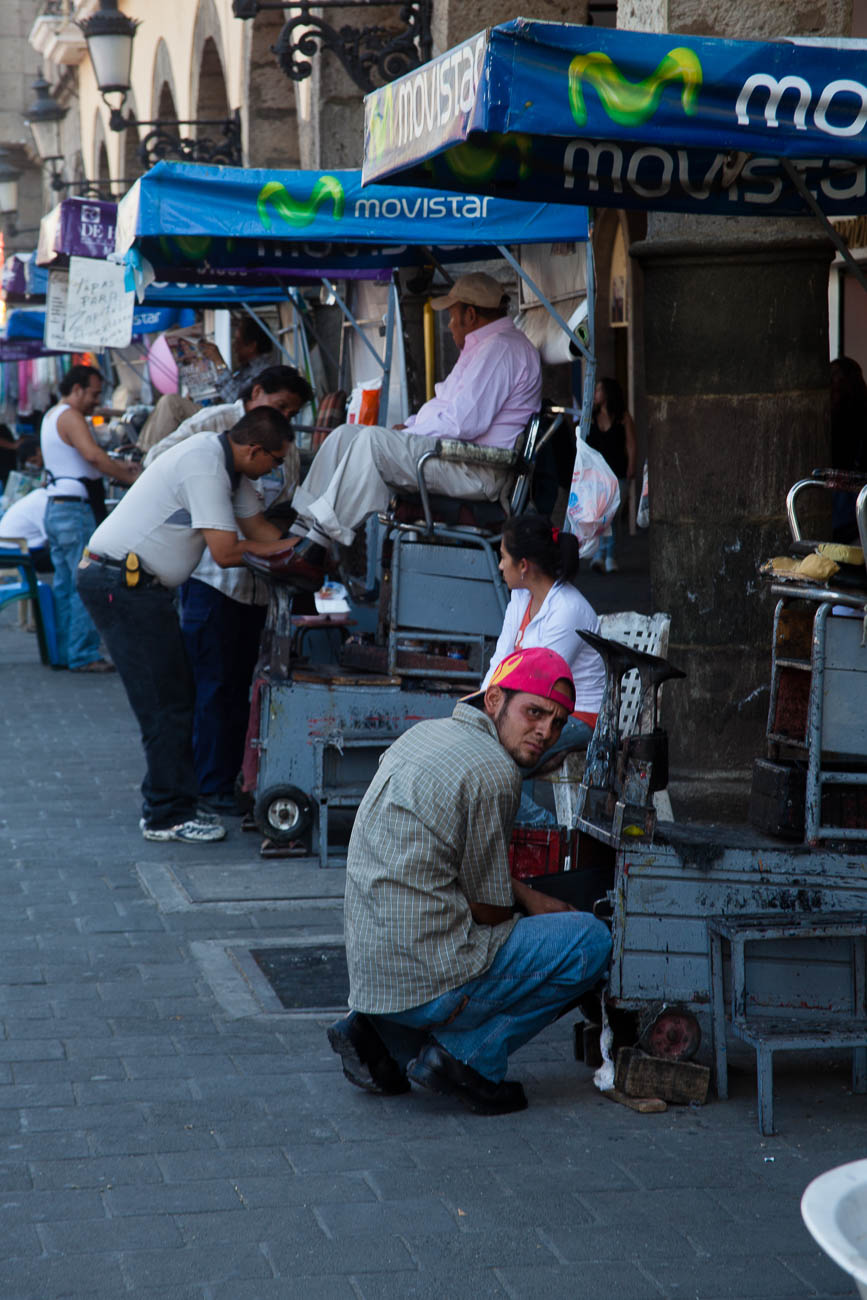
  • 8 reasons to post your Travel Images online

    8 reasons to post your Travel Images online

    8 reasons to post Travel Images online

    *Imagine no internet, I wonder if you can.

    I wonder if John Lennon was to write Imagine today whether this wouldn’t be an extra verse.

    When I first started photography the only Travel images in the public domain was either in print or as part of a TV or Movie.

    Photographers like me lugged around a portfolio of printed travel images to various companies and people hoping that they would like our images.

    Nowadays there are so many places that you can post travel images online, that it’s almost mind boggling!

    And there’s lies the problem.

    The real consumption of travel images is happening on line.

    So why post your Travel Images online?

    Well let me give you 8 reasons on why you need to post your Travel Images online.

    1. Huge Market

    Last year there were 3.2 Billion Internet users.

    Let me say that again, 3.2 Billion.

    That means 40% of the world’s population have an internet connection!

    Over 80% of the population of developed countries have an internet connection.

    So if you are looking to get some exposure for your travel images to any of those countries then you have to be online.

    2. With the right strategies you can get in front of potential admirers using various electronic forms such as email or social media.

    As much as doomsayers tell us that Facebook or twitter or any other form of social media is dead.

    It’s not.

    It’s never been more popular. Sure the up take has slowed which is normal.

    Social media uptake is dwindling not because of unpopularity but because they are running out of people who aren’t already on it.

    8 reasons to post Images and Visual Content online
    Man looking at Smartphone, in Central Perth, Western Australia.


    Social media is here to stay in its different forms

    3. 85% of customers expect business’s and everyone else to be active on line.

    Everyone jumps on facebook or a website to see the latest posts.
    And there’s nothing like a great travel image to attract their attention.

    4. With smartphones users can look up destinations and search for images whilst walking past  a travel agent.

    So if you’ve got some great travel photos and you’re not posting your Travel Images online you’re missing out?

    Of course you still need to have some great travel images.

    You also need to ensure that you update regularly, otherwise people looking at your site will get bored and move on.

    And it goes without saying that your site should also be mobile friendly.

    5. 46% of people say a business website’s design is number one for gauging the credibility of a company.

    By that I mean not fancy but just easy!

    This is BIG!.

    Why not approach a business that needs travel images of the destinations you’ve been to.
    You never know where it may lead.

    If you have your own site make sure it’s quick and easy to load.
    And make sure your site is easy to navigate and works well on Apple, Windows and Android operating systems.

    I’m sure you’ve come across a site that is not easy to navigate on your iPad but easy on a PC or Windows laptop or vice versa.
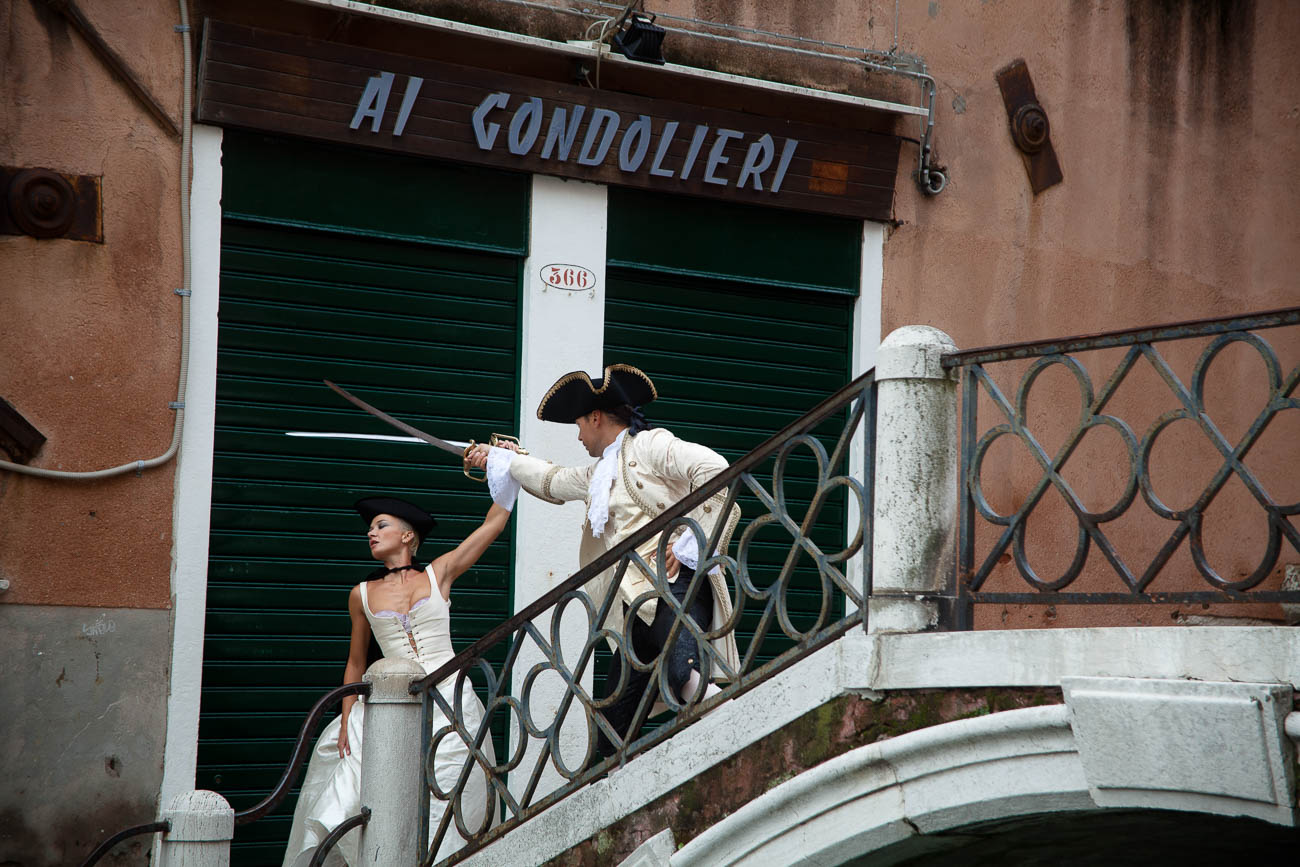
    6. 90% of information transmitted to the brain is visual. We humans process visuals 60,000 times faster than text.

    Thanks to our evolution over millions of years of, we are genetically wired to respond differently to visuals than we are to text.

    It’s important that words, concepts and ideas are hooked onto an image, otherwise they will go in one ear, and go out the other.

    Words are processed by our short-term memory where we can only retain small bits of information.

    Images, on the other hand, go directly into long-term memory where they are indelibly etched.

    7. Good visual content is often shared around amongst friends and acquaintances.

    Like a visual word of mouth. Take a look at Instagram and see how many followers some travel photographers have.

    Whilst there’s no guarantee that these images will be have been shared, you’ve got to be in it to win it, as they say.

    8. Creates engagement with others especially through groups and forums.

    8 reasons to post Images and Visual Content online

    Some of the best ways to grab people’s attention is by posting an image on a forum such as Reddit (via a link) or Quora.

    The travel industry has lots of other forums some created by travellers othere by magazines and travel companies.


    So what about your experience in the online world? Do you post your Travel Images online?
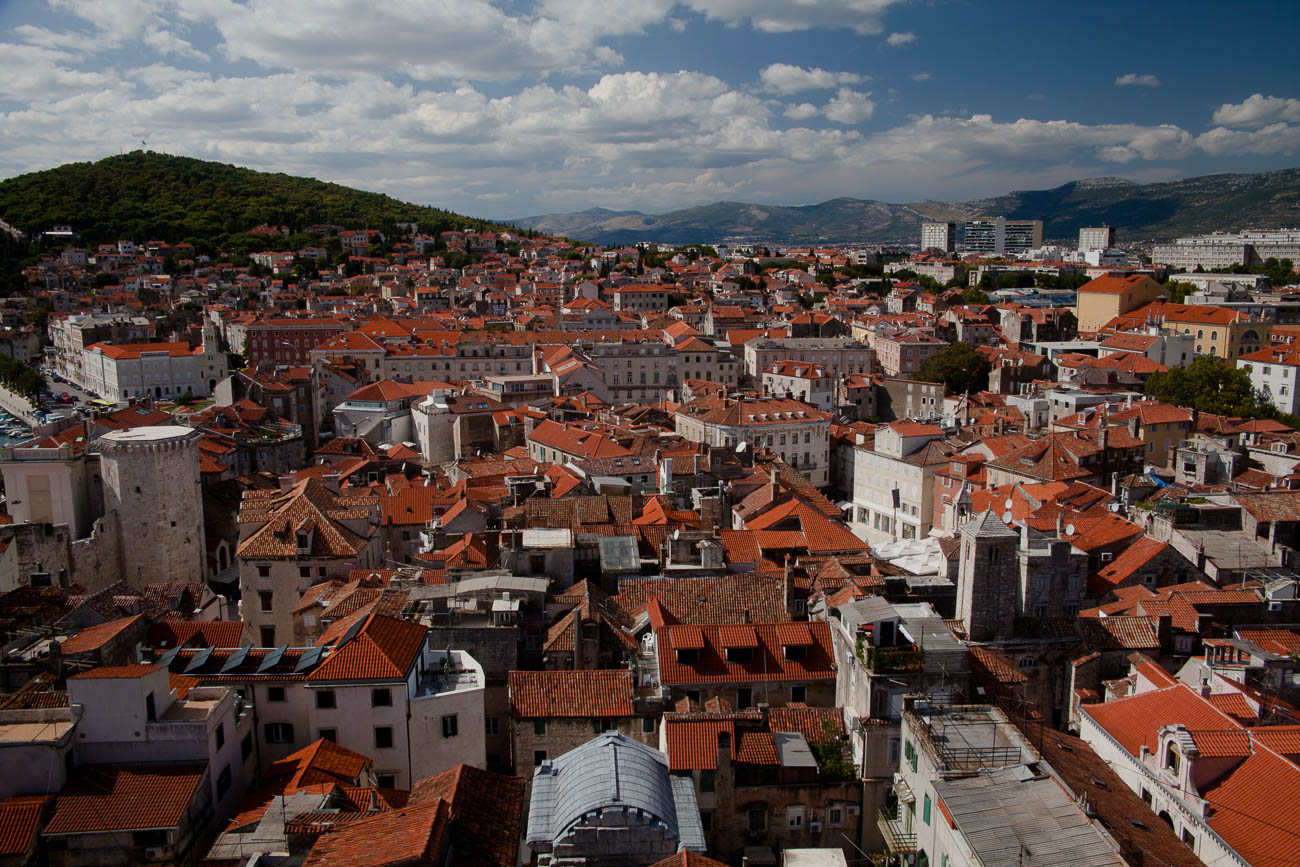
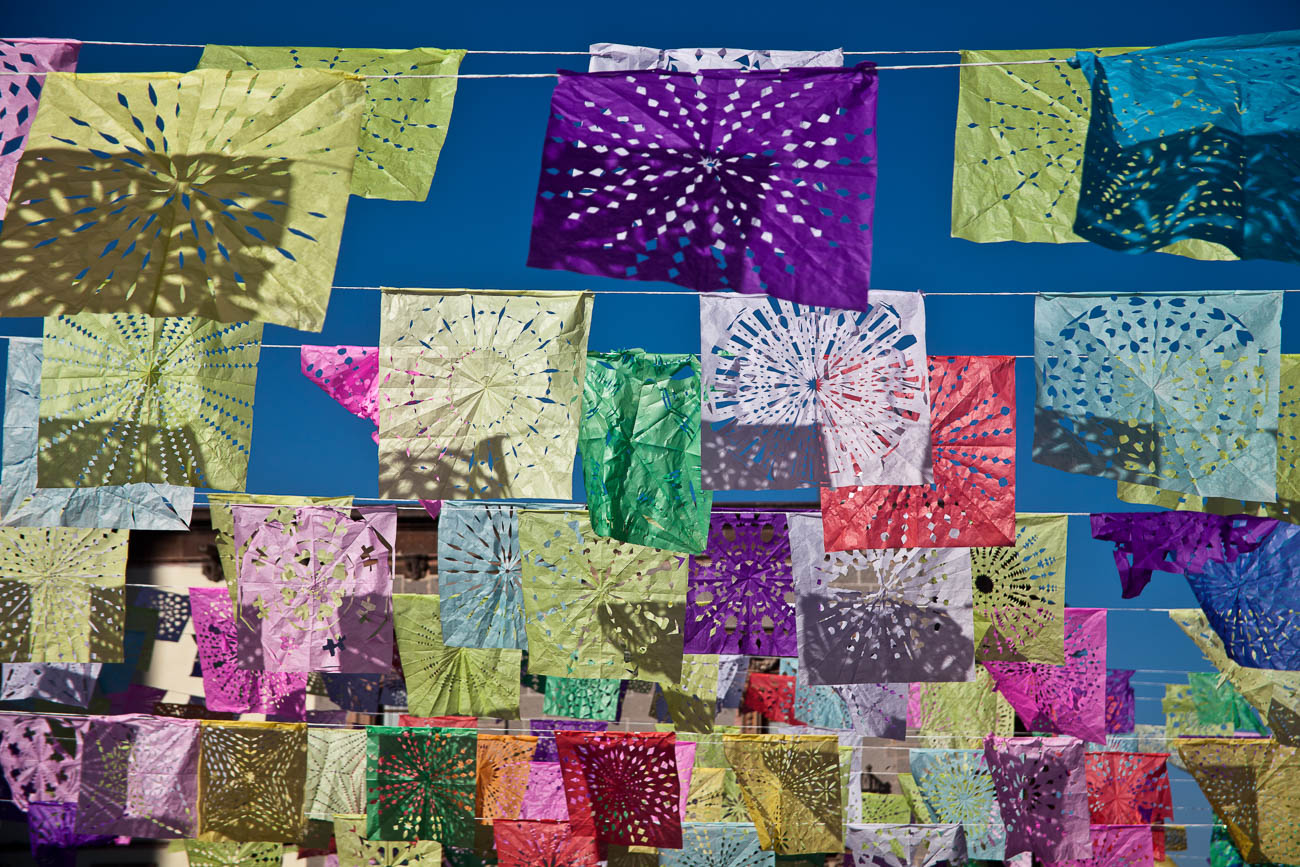
    If not what’s the number one obstacle stopping you posting travel images online.

    I’d really like to know. So please leave your answers in the comments below.

    For more on travel photography you may like to go to: 

    Displaying your Travel Photos

    Or

    Travel Photography

    If you liked this article then you may want to drop your name and email in the box below to get updates and for your trouble you’ll get a free e-book.

    [mailerlite_form form_id=7]

    PS: *John Lennon actually wrote “Imagine no possessions, I wonder if you can” and then goes on to say “No need for greed or hunger, a brotherhood of man”

    Those words are as relevant today as they were in 1971


     “8 reasons to post your Travel Images online” is locked 8 reasons to post your Travel Images online

  • African shoestrings – South Africa Day one

    Last time we flew to South Africa via Qantas we were upgraded to business class. No such luck this time! We were once again mere mortals packed in with our fellow passengers into the Airline industry’s version of the mini.

    Now that’s not to say that travelling economy with Qantas is a hardship. It’s not. In fact I think that they’re terrific. Good service, facilities, food and most importantly an unparalleled safety record makes any long haul flight reasonably comfortable. If that doesn’t get me a free flight nothing will!

    But a long flight is a long flight and quite tiring.

    Some eleven hours and two movies later we arrived at J’burg airport. Once ‘processed’ by the authorities we claimed our bags and moved out into the arrival lounge. We had been to J’burg before and sort of knew what to expect but nonetheless J’burg’s reputation as violent crime capital of the world makes you view everyone with a great deal of suspicion. In fact the biggest danger seemed to be the frustration caused by the ceaseless touting by reps of J’burgs many backpacker hostels. These guys hone in on anyone who looks even faintly potential. I think we got picked because it was such a quiet night and they were getting desperate.

    We managed to eventually find our hotel shuttle, which was driven by a young white guy. I make a point of this because several years ago these ‘menial’ jobs were done by black or coloured people, never by a white person especially a young white person.

    A lioness enjoys the late afternoon sun in Chobe National Park, Botswana
    A lioness enjoys the late afternoon sun in Chobe National Park, Botswana