Katin Images Travel Photography

Travel Photos, Travel Photography Tips and Software

Blog

  • African shoestrings – South Africa Day four

    At Rustlers Valley Guest Lodge, we met the occupants, neighbours and anyone else who seemed to materialise from time to time (we were the only guests) at dinner that night.
    There was Dale the local naturalist and loved snakes.
    Birthday boy Carl couldn’t believe that I hadn’t heard of some permaculture guru from Australia. I didn’t like to admit that I didn’t even know what permaculture was, let alone have any idea of its personalities!
    Then there was Bill who either had a hard life or he was old enough to have been dancing to Glenn Miller let alone Janis Joplin.
    There were other refugees of the sixties as well but none as dominant as Frick.
    Hippies have always maintained that everyone’s equal and there are no leaders in their ‘gangs’.
    Well in this case Frick was without doubt the leader. He just had that look; I would call it the Charles Manson look but that sounds rather sinister. He had the long ponytail and beard and had a sort of holier than thou sort of presence.
    When he looked at me I wasn’t sure whether he was going to bless me or offer me a joint! In fact he was actually the owner of Rustlers, so I guess he had some sort of commercial seniority.
    Apparently he was a farmer going broke when he decided to build the lodge and change direction. How he became an aging hippie was not explained.
    Rustlers are famous, amongst those that care, for their music festivals. We know this because, after the initial polite conversation, the sole topic was the upcoming Easter festival, apparently a sort of South African mini Woodstock.
    By the time our beds beckoned we knew all about running festivals and have since mercifully forgotten it all.

    An Umbrella Thorn Acacia at sunset on the savannah of South Africa. It's a native to Africa.
    An Umbrella Thorn Acacia at sunset on the savannah of South Africa. It’s a native to Africa.
  • African shoestrings – South Africa Day three

    The women at the tourist information place in Ficksburg told us that this place was considered weird by the locals but she herself thought it was “quite nice”. The Lonely Planet described it as a “dare to be different” sort of a place and gave it such a rap that we had to see it for ourselves
    Rustlers Valley Guest Lodge is not a place that we will ever forget in a hurry. The 15 kilometre potholed dirt track to its door is not easily forgotten, especially the bone jarring last five kilometres or so.
    Now we’re deep in the heart of Free State, formerly Orange Free State. This is Boer country, about as god fearing and conservative as you get. So to find a hippie commune smack bang in the middle is absolutely amazing!
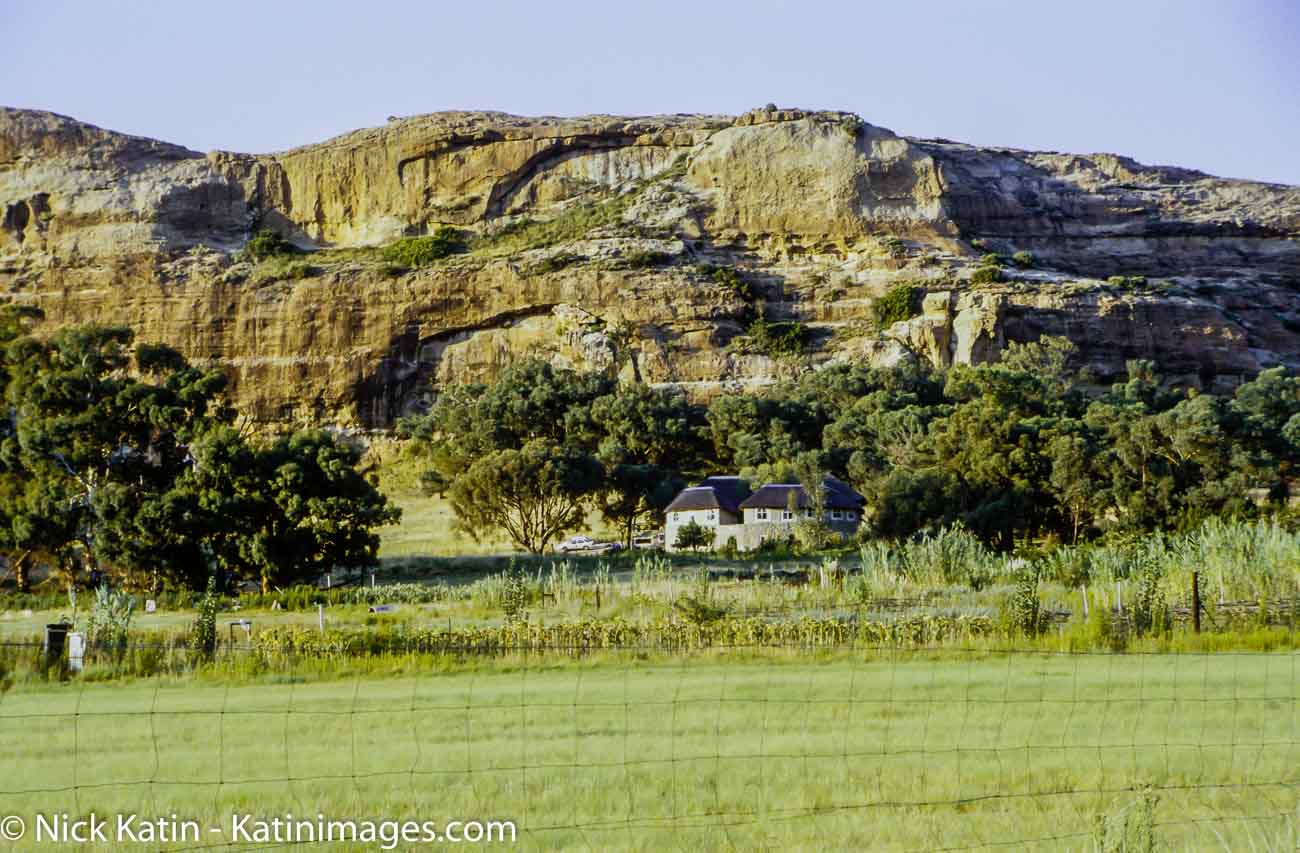
    VW Kombi’s, teepees, suspicious looking patches of vegetation and escapees from the sixties dotted the place. But it was comfortable. The scenery was pretty good too. The Maloti range overlooked us in the west and the plains stretched out to the east with odd line of sandstone hills and grassy slopes here and there. Mostly there actually, because we made the mistake of following the “extensive network of tracks” up and around them until the tracks petered out or were so overgrown that only a machete and a chain saw would have got us further. to be continued………

    Rustlers Valley Lodge in the shadow of the malotti Hills in Free State, South Africa
    Rustlers Valley Lodge in the shadow of the malotti Hills in Free State, South Africa
  • African shoestrings – South Africa Day two

    After overnighting in the Road Lodge Johannesburg Airport, we collected our wheels the next day and drove away from J’burg as quickly as we could.
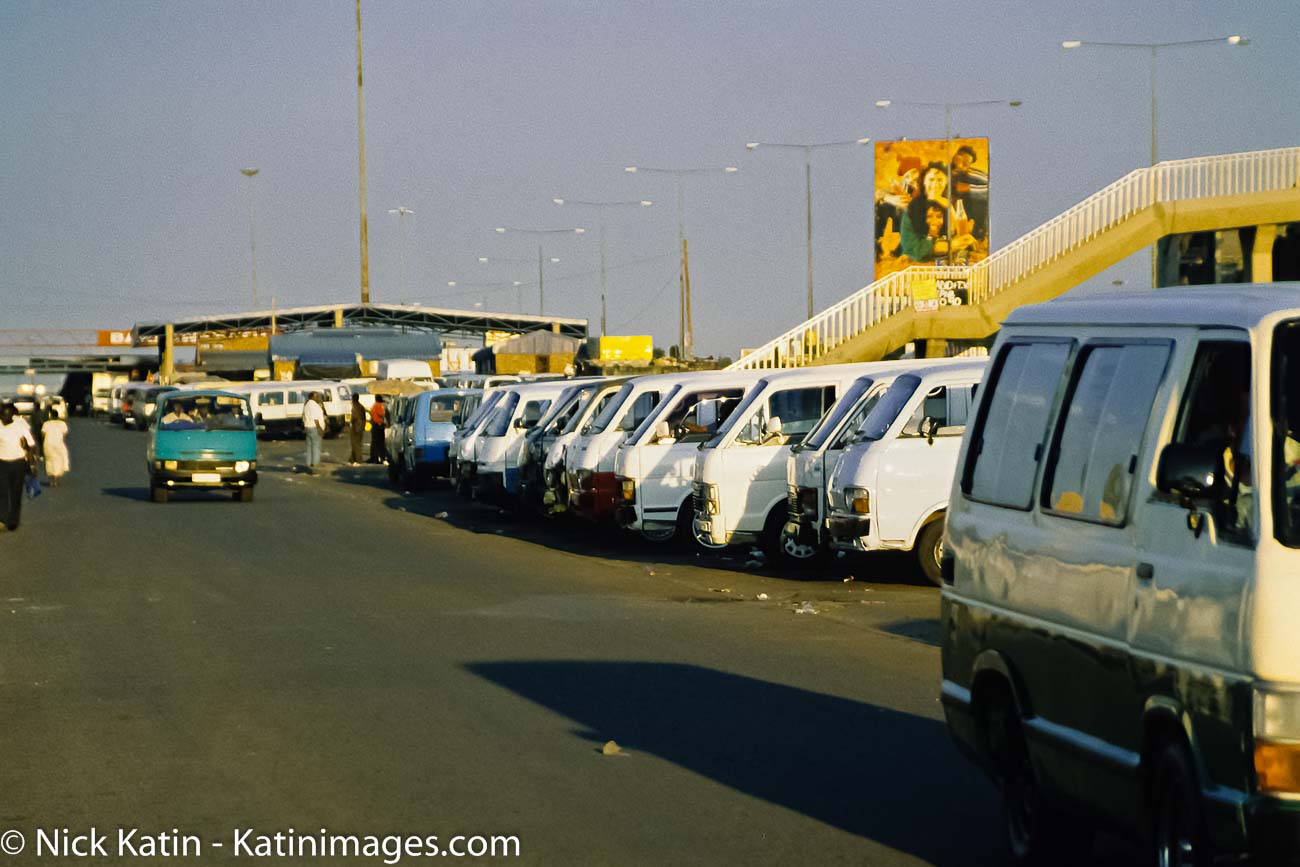
    One of the two most striking things about the roads in South Africa is the number of lunatics that drive on them! These lunatics in Mercs and BMWs and in dangerously overcrowded mini vans seem determined to run any one, who’s not as mad as they are, off the road. Literally as it happens.
    The unwritten law in SA is for slower drivers to drive on the hard shoulder when being overtaken which on some roads is pretty scary as the other striking things are pedestrians that seem to want to share the hard shoulder as well! Almost every road no matter how far away from any town village or city seems to have a continuous stream of pedestrians walking along the hard shoulder and worse still some are on the road where there’s no hard shoulder.
    So driving in SA is an ongoing series of choices. Do you knock over the pedestrian coming towards you or keep on the road and get terrorised by a potentially unstable BMW driver. Once they pass you, the hazard lights politely flash if you moved over or a hand waves a one or two finger salute at you if you didn’t!
    We were actually heading for Lesotho and it’s about a day’s drive away from J’burg just to the border, so we thought we’d overnight somewhere within striking distance. Well we found somewhere all right. More about that next time.

    A Mini Van 'depot' in Johannesburg in South Africa. Mini Vans are the most popular form of public transport in the urban areas of South Africa.
    A Mini Van ‘depot’ in Johannesburg in South Africa. Mini Vans are the most popular form of public transport in the urban areas of South Africa.
  • African shoestrings – South Africa Day one

    Last time we flew to South Africa via Qantas we were upgraded to business class. No such luck this time! We were once again mere mortals packed in with our fellow passengers into the Airline industry’s version of the mini.

    Now that’s not to say that travelling economy with Qantas is a hardship. It’s not. In fact I think that they’re terrific. Good service, facilities, food and most importantly an unparalleled safety record makes any long haul flight reasonably comfortable. If that doesn’t get me a free flight nothing will!

    But a long flight is a long flight and quite tiring.

    Some eleven hours and two movies later we arrived at J’burg airport. Once ‘processed’ by the authorities we claimed our bags and moved out into the arrival lounge. We had been to J’burg before and sort of knew what to expect but nonetheless J’burg’s reputation as violent crime capital of the world makes you view everyone with a great deal of suspicion. In fact the biggest danger seemed to be the frustration caused by the ceaseless touting by reps of J’burgs many backpacker hostels. These guys hone in on anyone who looks even faintly potential. I think we got picked because it was such a quiet night and they were getting desperate.

    We managed to eventually find our hotel shuttle, which was driven by a young white guy. I make a point of this because several years ago these ‘menial’ jobs were done by black or coloured people, never by a white person especially a young white person.

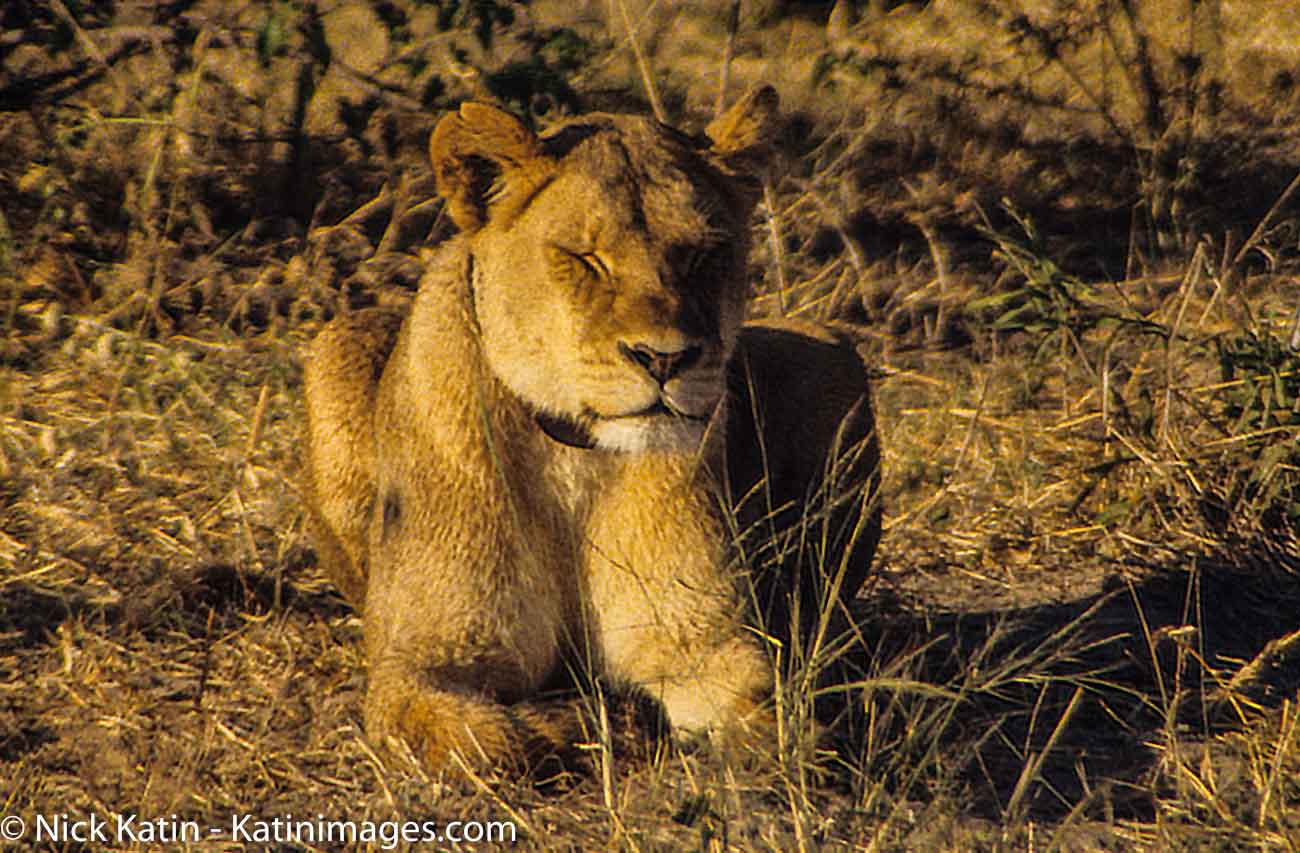
    A lioness enjoys the late afternoon sun in Chobe National Park, Botswana
    A lioness enjoys the late afternoon sun in Chobe National Park, Botswana
  • African shoestrings the plan part two

    So with the flights books and with the aid of countless travel guides borrowed from the library, the internet and the scantiest of information from the few African countries tourist offices in Australia we plotted our route.

    We gave ourselves 111 days to travel overland from J’burg to Dar es Salaam, see what we wanted to see and spend only an average US$100 a day, not each, but in total! We would stay in backpackers, youth hostels, cheap hotels and where possible camp. The latter was made a little difficult on account of the fact that we weren’t taking any camping equipment but as they say, there’s more than one way to skin a cat!

    The only things we booked here in Perth were our first nights’ accommodation and ten days car hire in J’burg. There was a very important reason for pre booking both of these. Safety! J’burg is infamous for violent crime; the last thing we wanted to be doing when we arrived was wondering the streets looking for somewhere to stay or looking for a hire car. No, we just wanted to stay one night near the airport, pick up a car and get the hell out of there!

    We booked the car through our travel agent and the accommodation through the Internet. Maybe it’s because of time constraints, security or lack of knowledge but it’s interesting that so many people still use travel agents. We found a cheap motel in the right location for half the cost of what our travel agent quoted.

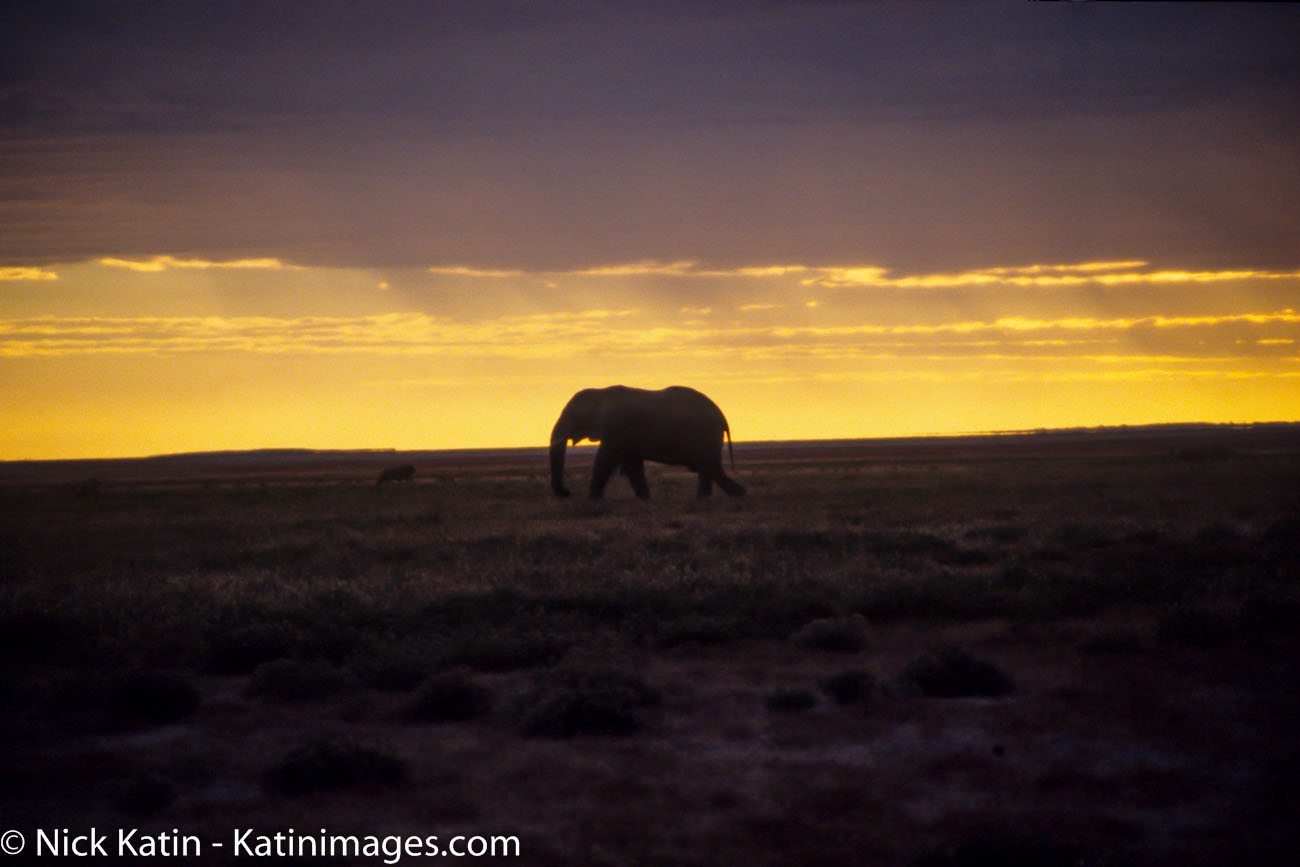
    An elephant strolling through the scurb at sunset in Etosha national Park, Namibia
    An elephant strolling through the scurb at sunset in Etosha national Park, Namibia
  • African shoestrings the plan part one

    Early this century at the ripe old age of just over 45 we backpacked around South and East Africa on our way to an extended stay in Europe.

    The ‘plan’ was to travel from Johannesburg (J’burg) by land as far as maybe Kenya or Tanzania and fly on to London from there, allowing time for the TAB factor. TAB stands for “That’s Africa Baby” a common shrug used in times when a plan falls apart due to the many variables that are lacking in the African infrastructure or bureaucracy. For example a bus or even a plane failing to turn up (we had experienced an Air Zimbabwe flight being cancelled at the last minute on our previous visit due to one politician that needed to go shopping in London) or even a hotel being closed, you know the type of thing. So we were well aware of the potential for this factor to change our timing from time to time.

    After several visits later to see Tina our travel agent we finally came up with the ideal flight. We could fly Perth to J’burg and then Dar-es-Salaam in Tanzania to London via Paris by Air France. Wow! Paris was high up on the list of places to visit and the ideal place to start our proposed exploration of Europe. However we made one vital mistake, we didn’t book it there and then. When we went to book a few months later that flight had been stopped and we ended up booking the equivalent Qantas/British Airways flights that didn’t stop in Paris. But we did get a free internal flight in South Africa so the gods hadn’t completely deserted us.

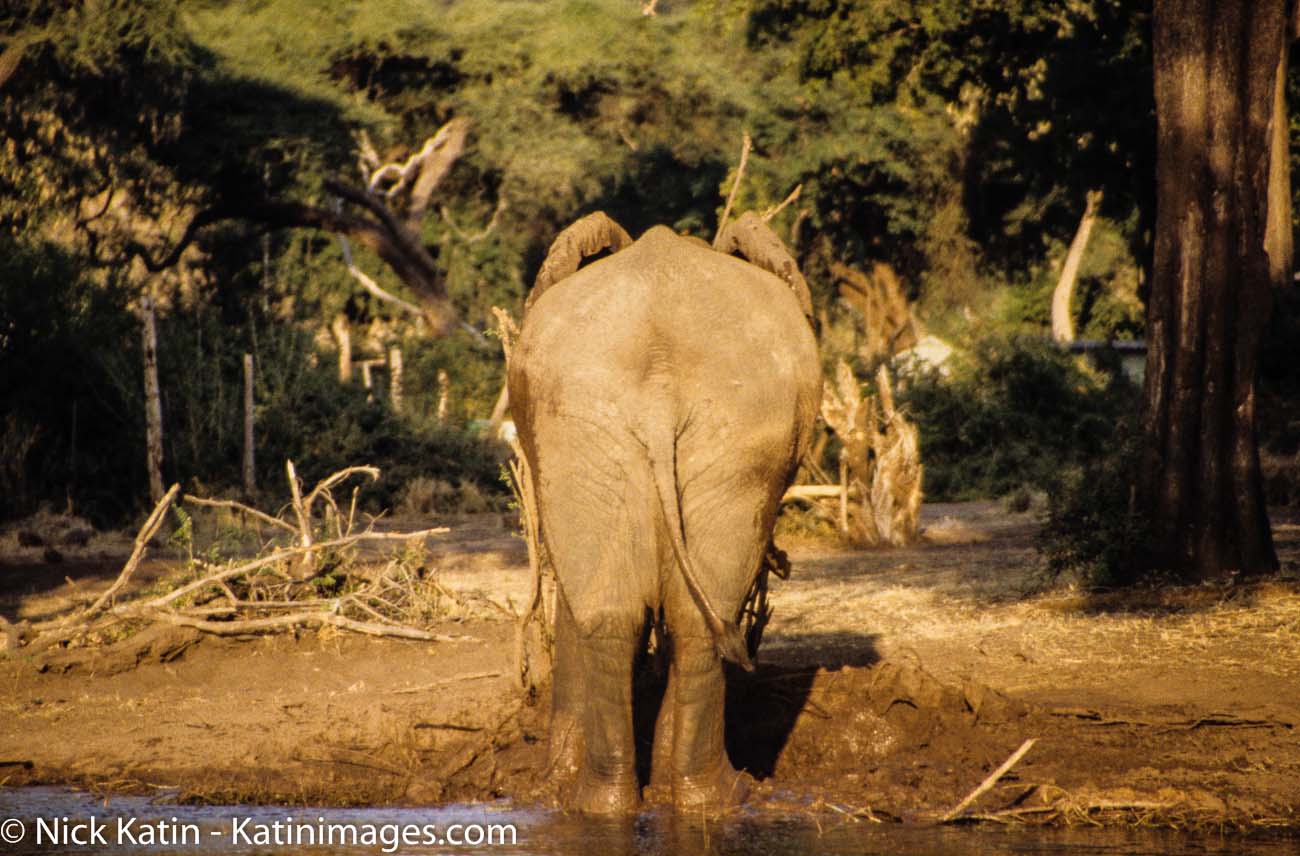
    An elephant shows us his rear end by the edge of Chobe lake in Botswana
    An elephant shows us his rear end by the edge of Chobe lake in Botswana
  • London’s food and cafe’s

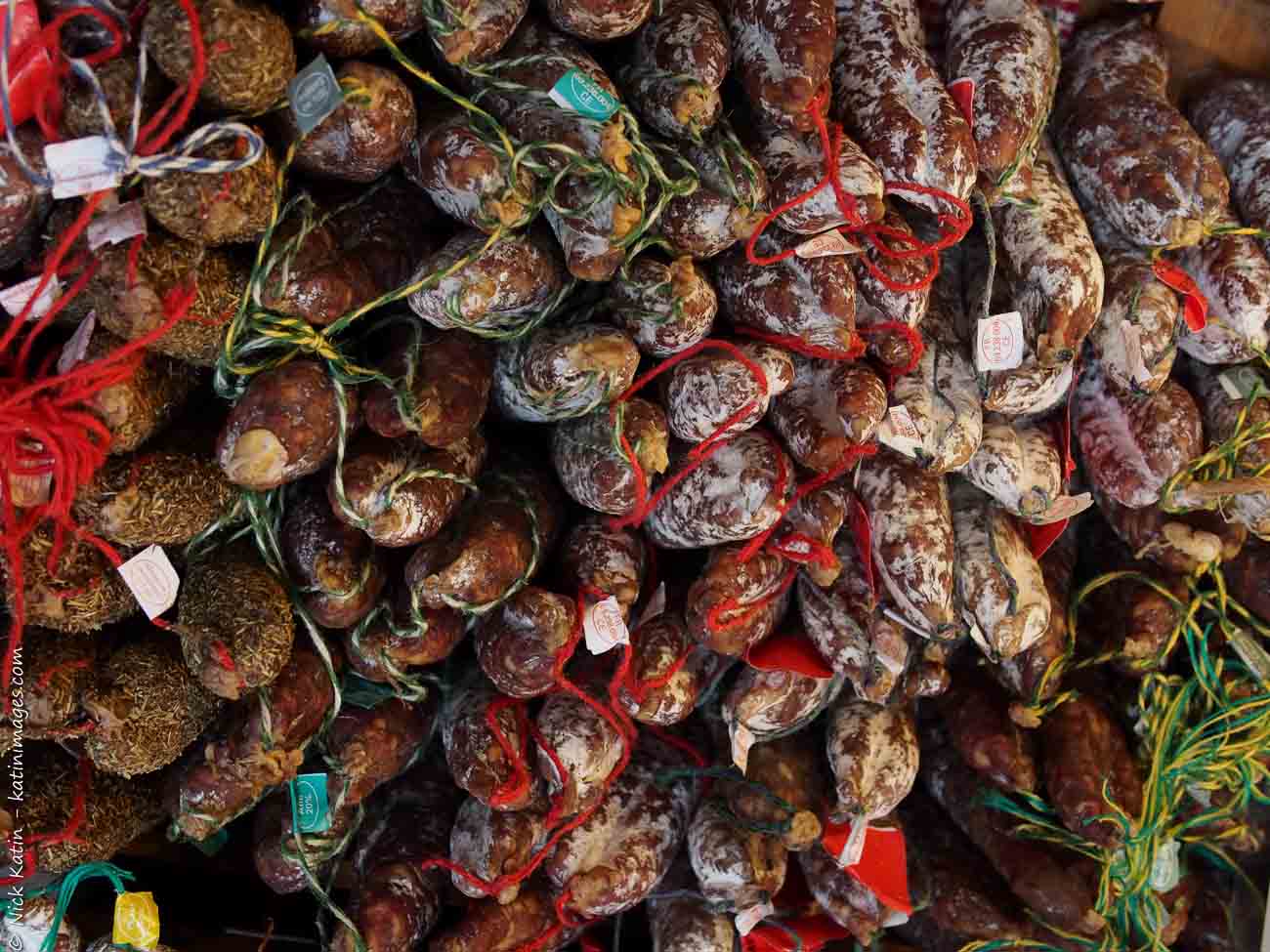
    Cured meats at one of London's famous markets, Borough Markets
    Cured meats at one of London’s famous markets, Borough Markets
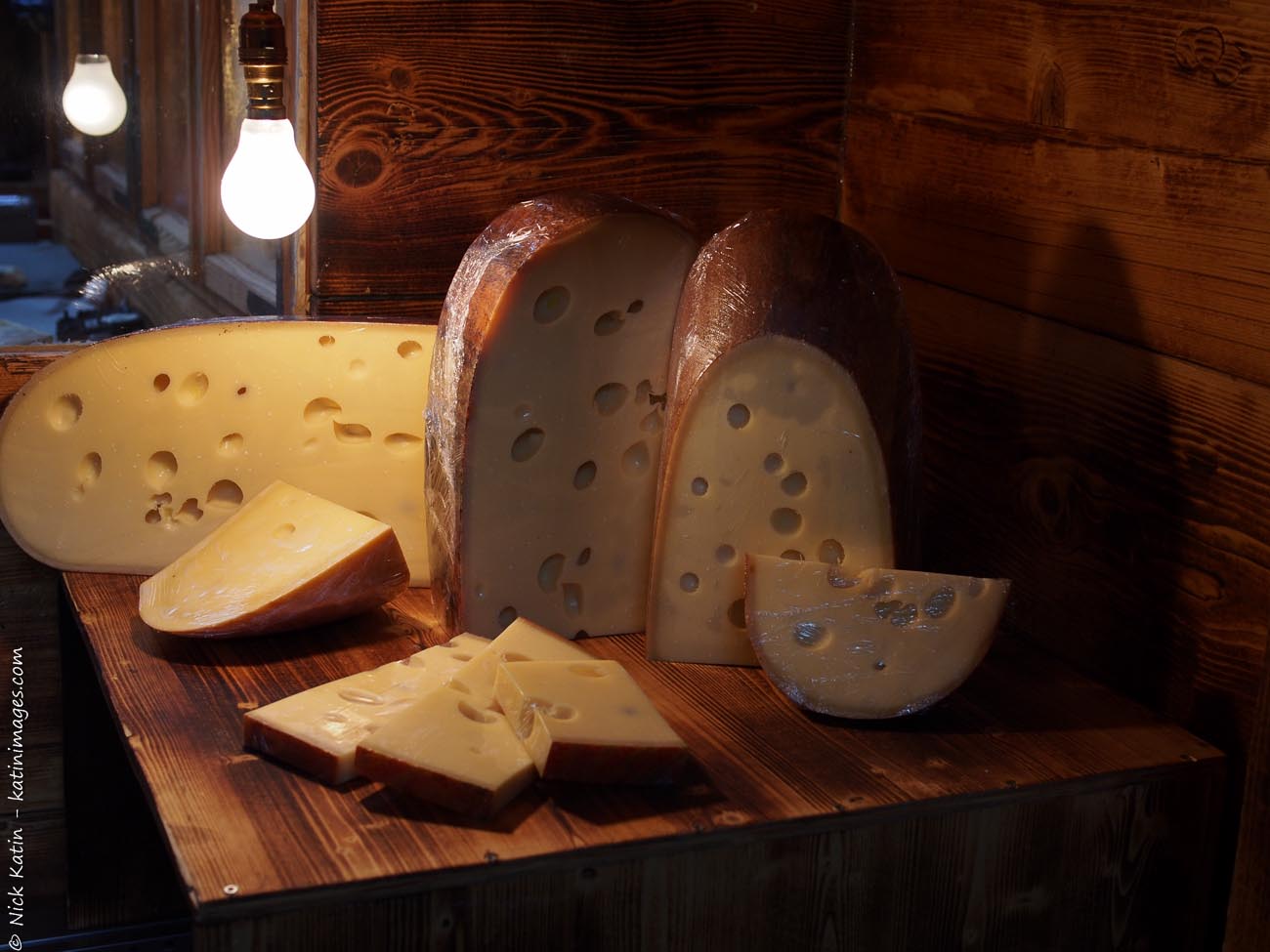
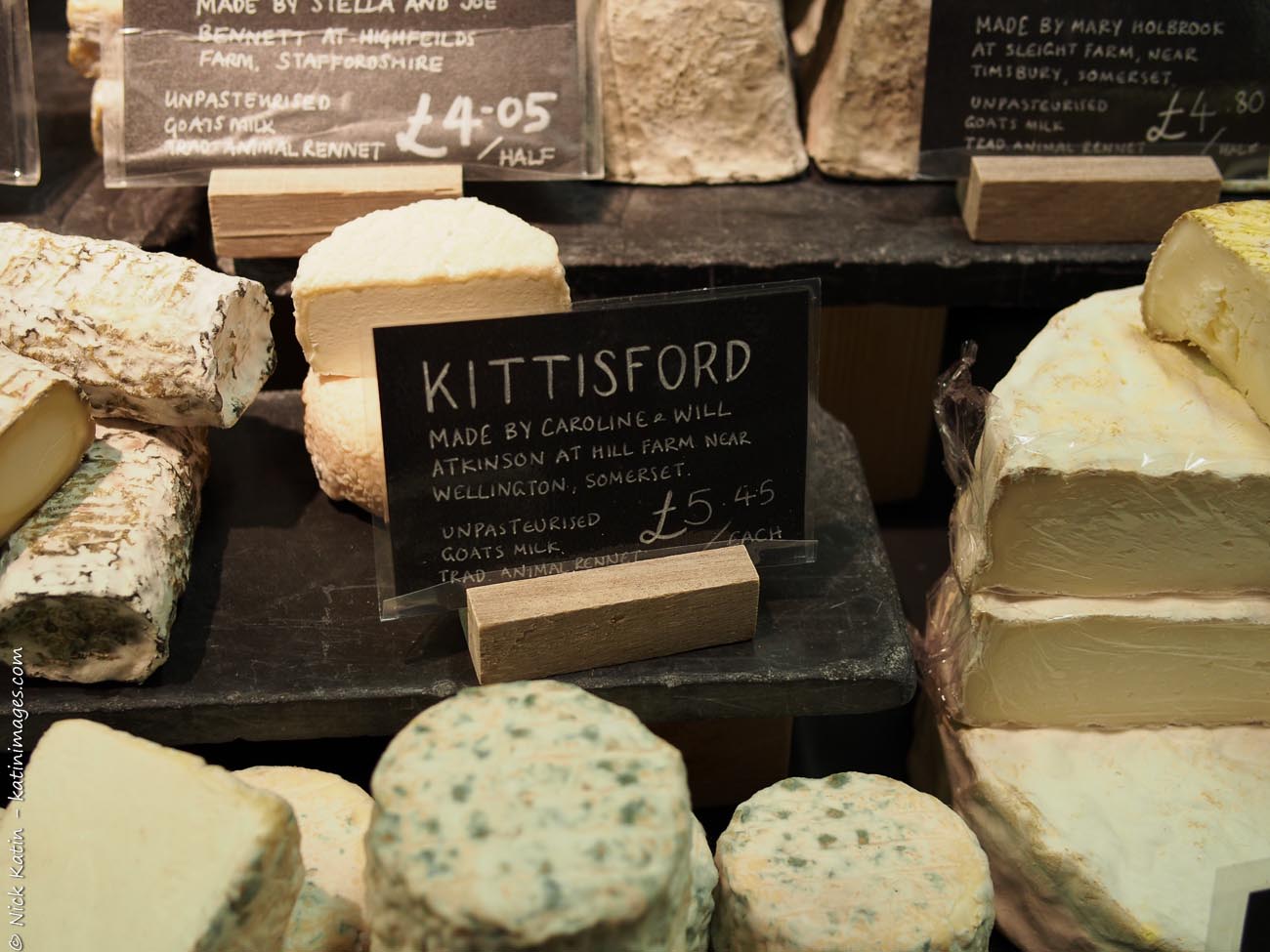
    Slabs of cheese at one of London's famous markets, Borough Markets
    Slabs of cheese at one of London’s famous markets, Borough Markets
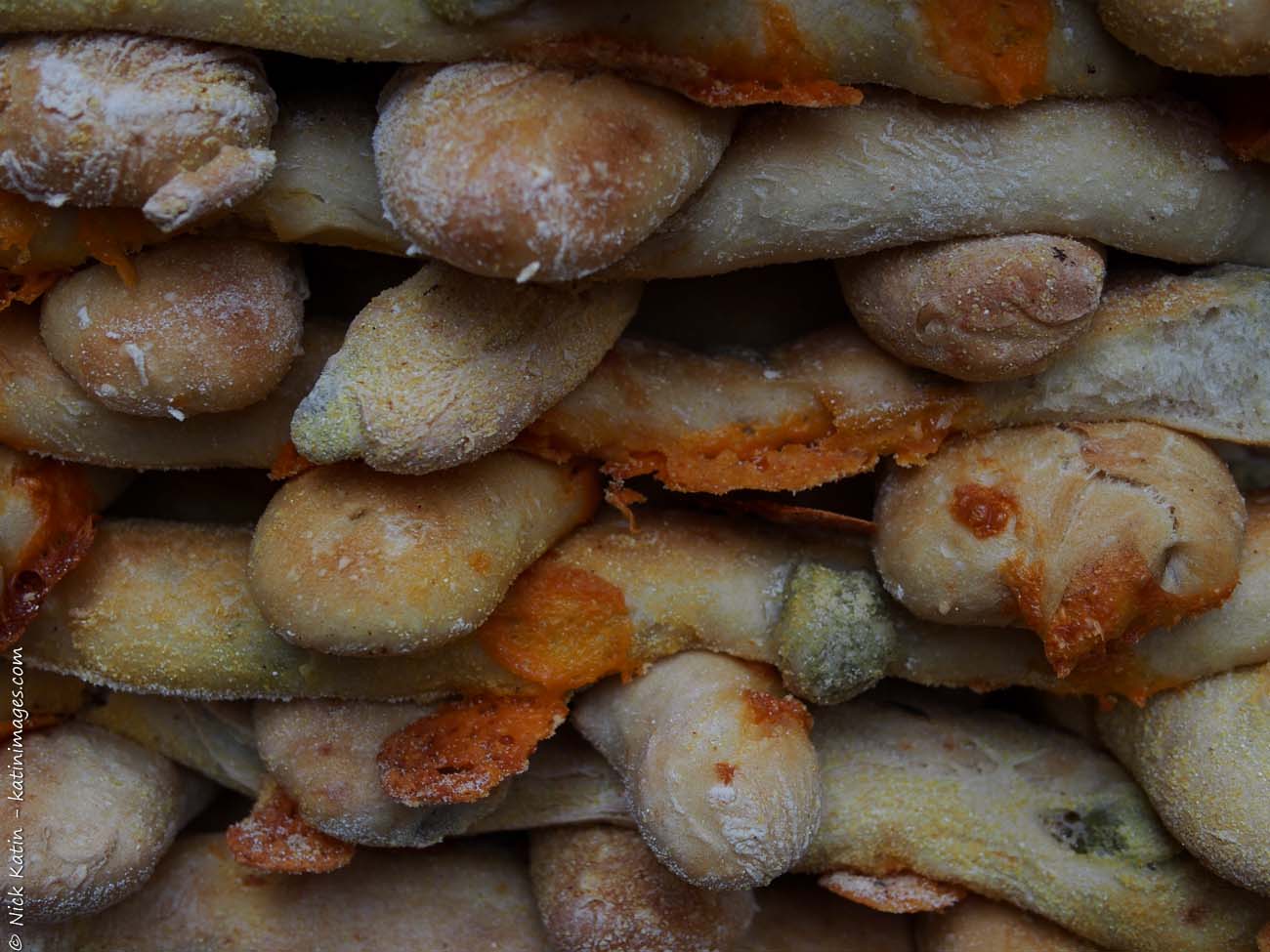
    Bread Sticks at one of London's famous markets, Borough Markets
    Bread Sticks at one of London’s famous markets, Borough Markets
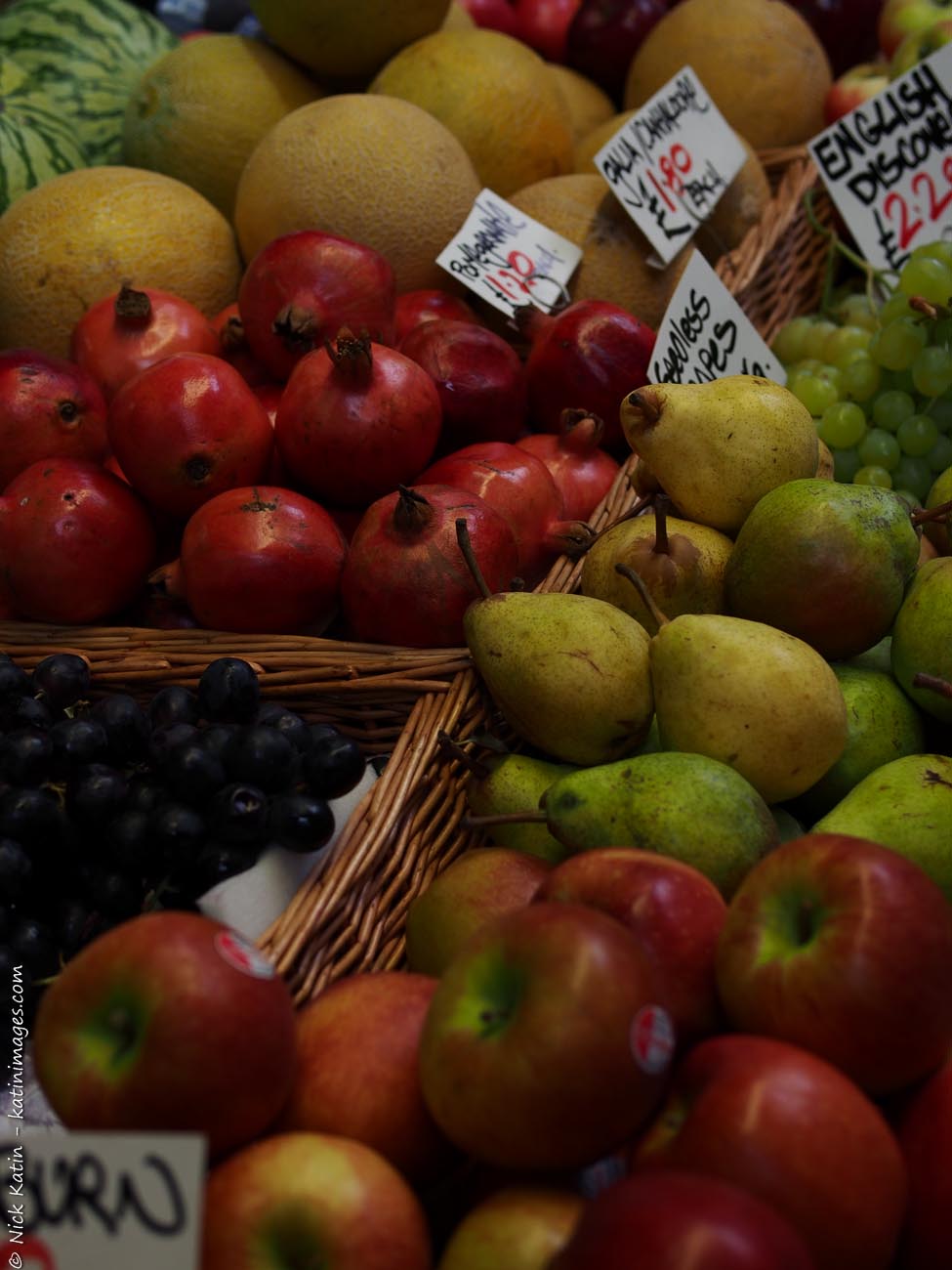
    Fruit at one of London's famous markets, Borough Markets
    Fruit at one of London’s famous markets, Borough Markets
    Cheese at one of London's famous markets, Borough Markets
    Slabs of cheese at one of London’s famous markets, Borough Markets
    Slabs of cheese at one of London's famous markets, Borough Markets
    Slabs of cheese at one of London’s famous markets, Borough Markets
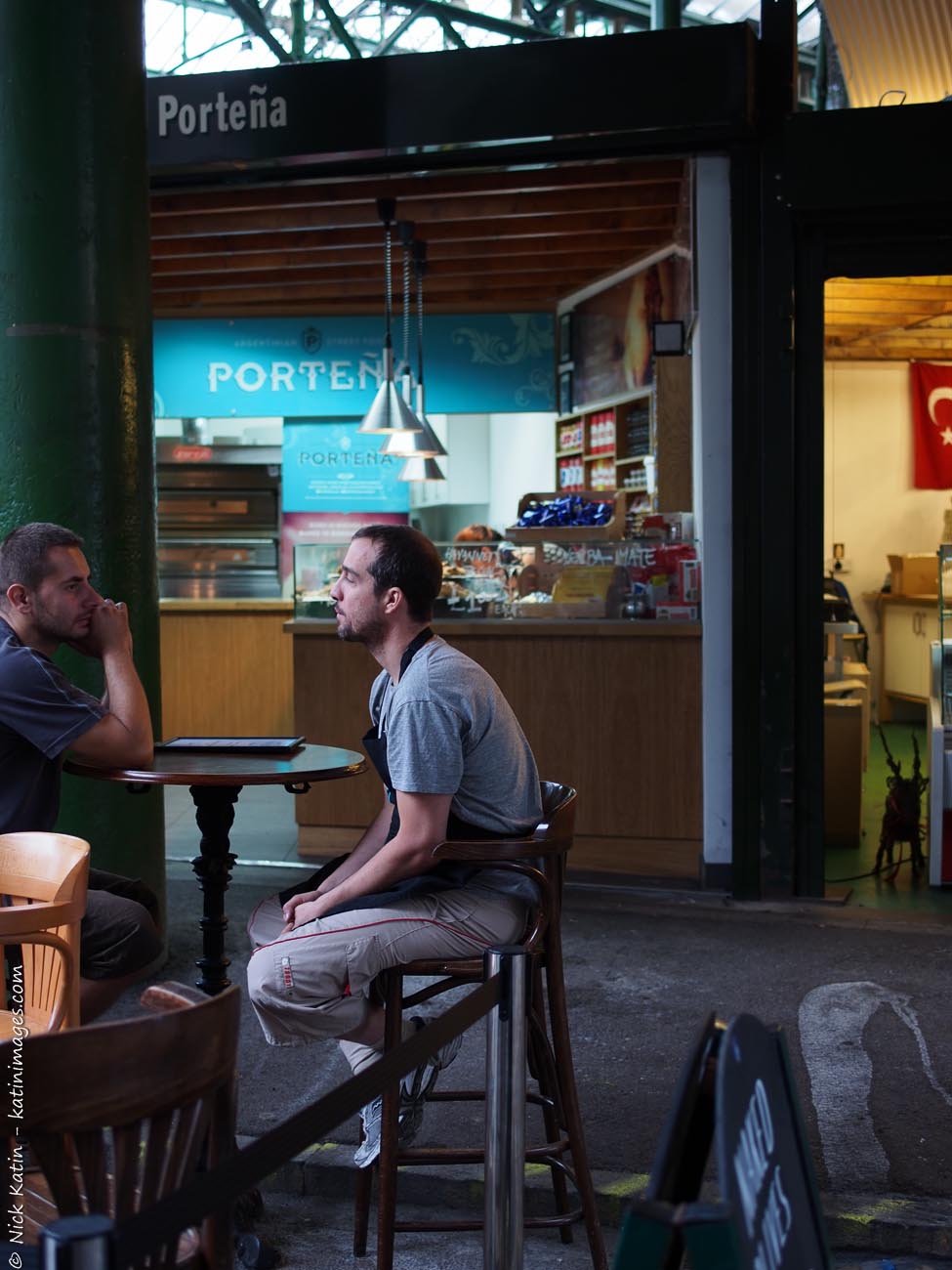
    Cafe at one of London's famous markets, Borough Markets which is devoted entirely to food.
    Cafe at one of London’s famous markets, Borough Markets
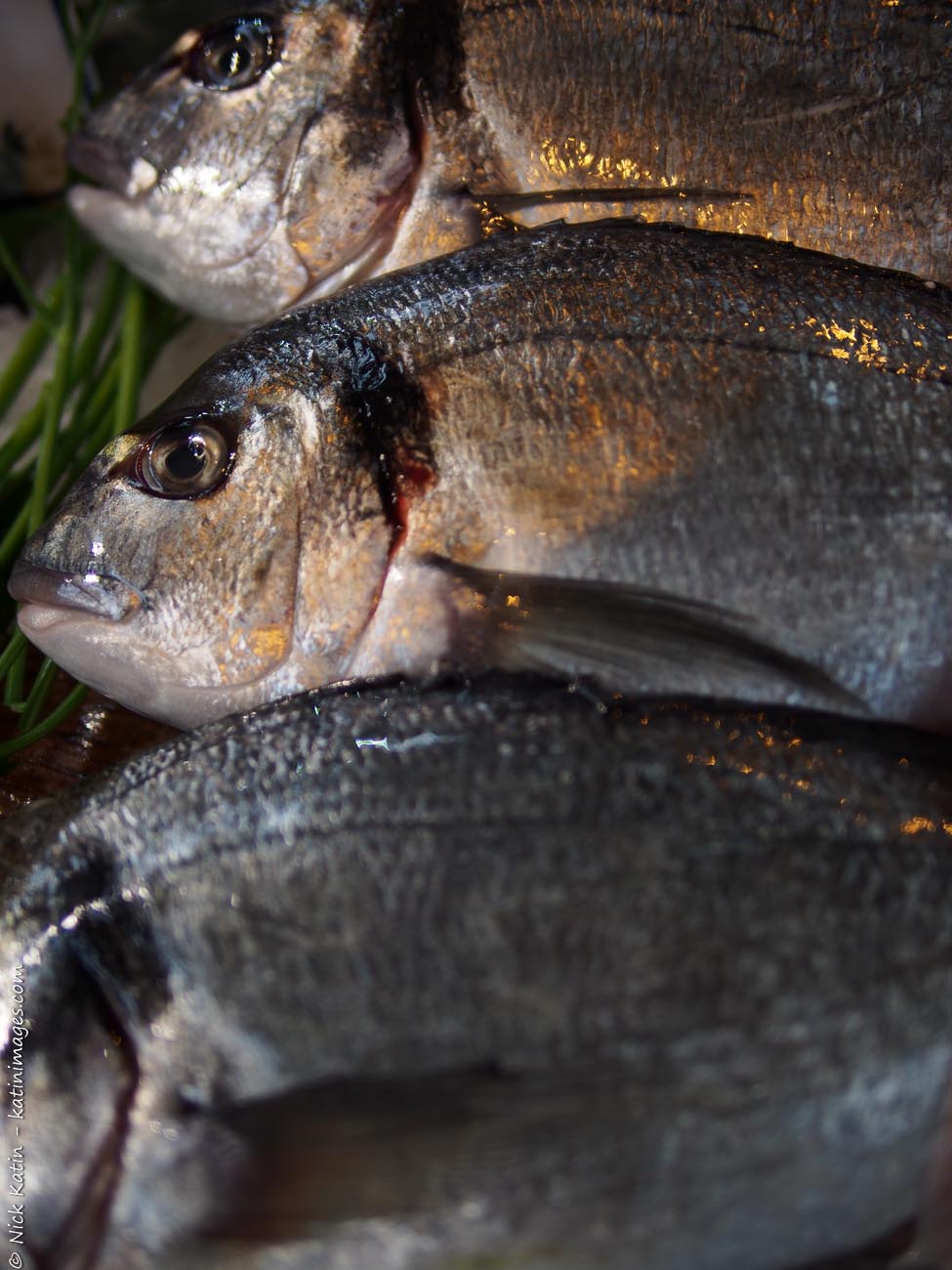
    Fish at one of London's famous markets, Borough Markets which is devoted entirely to food.
    Fish at one of London’s famous markets, Borough Markets
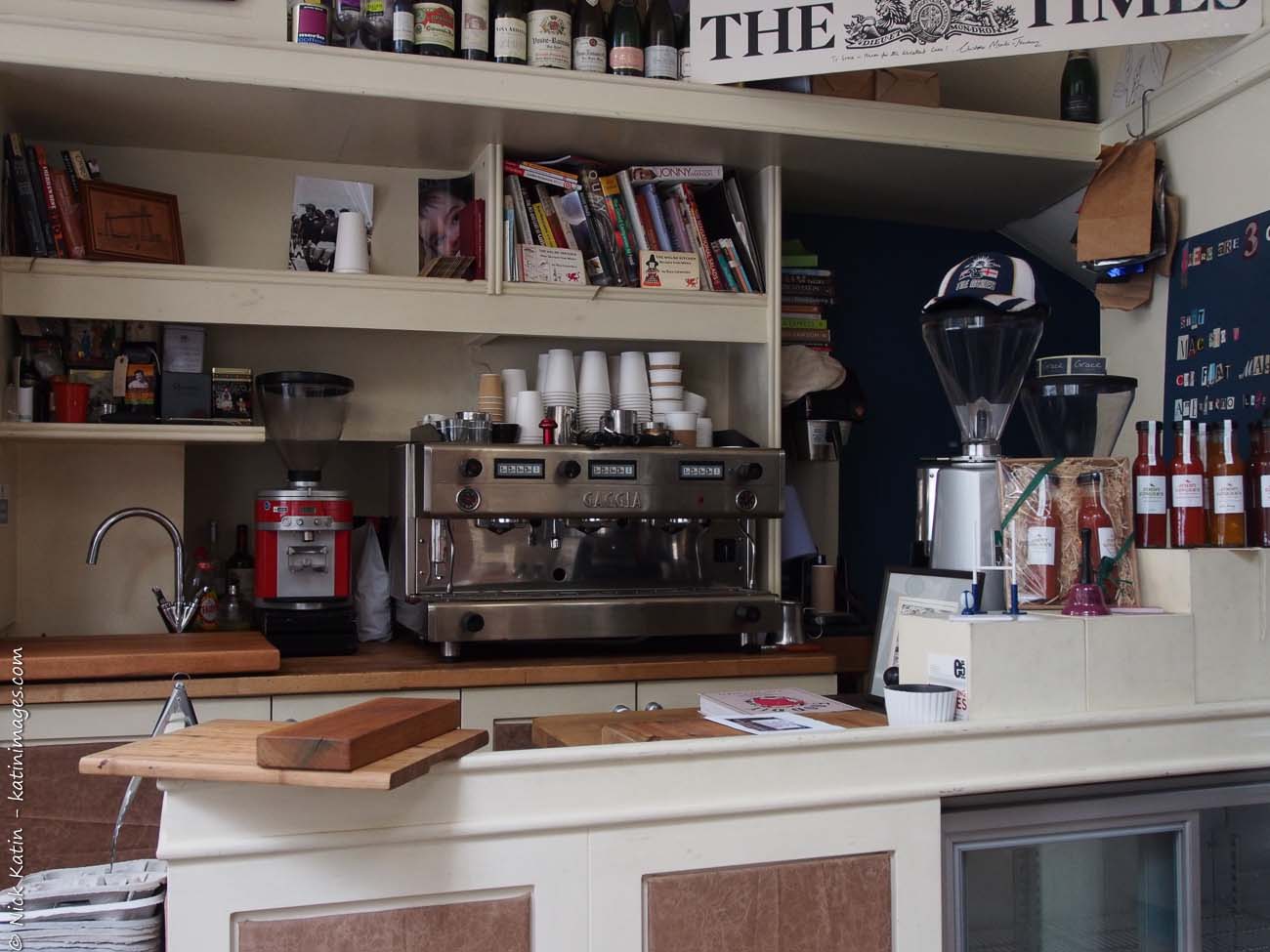
    Coffee shop near St Paul's Cathedral in London's CBD
    Coffee shop near St Paul’s Cathedral in London’s CBD
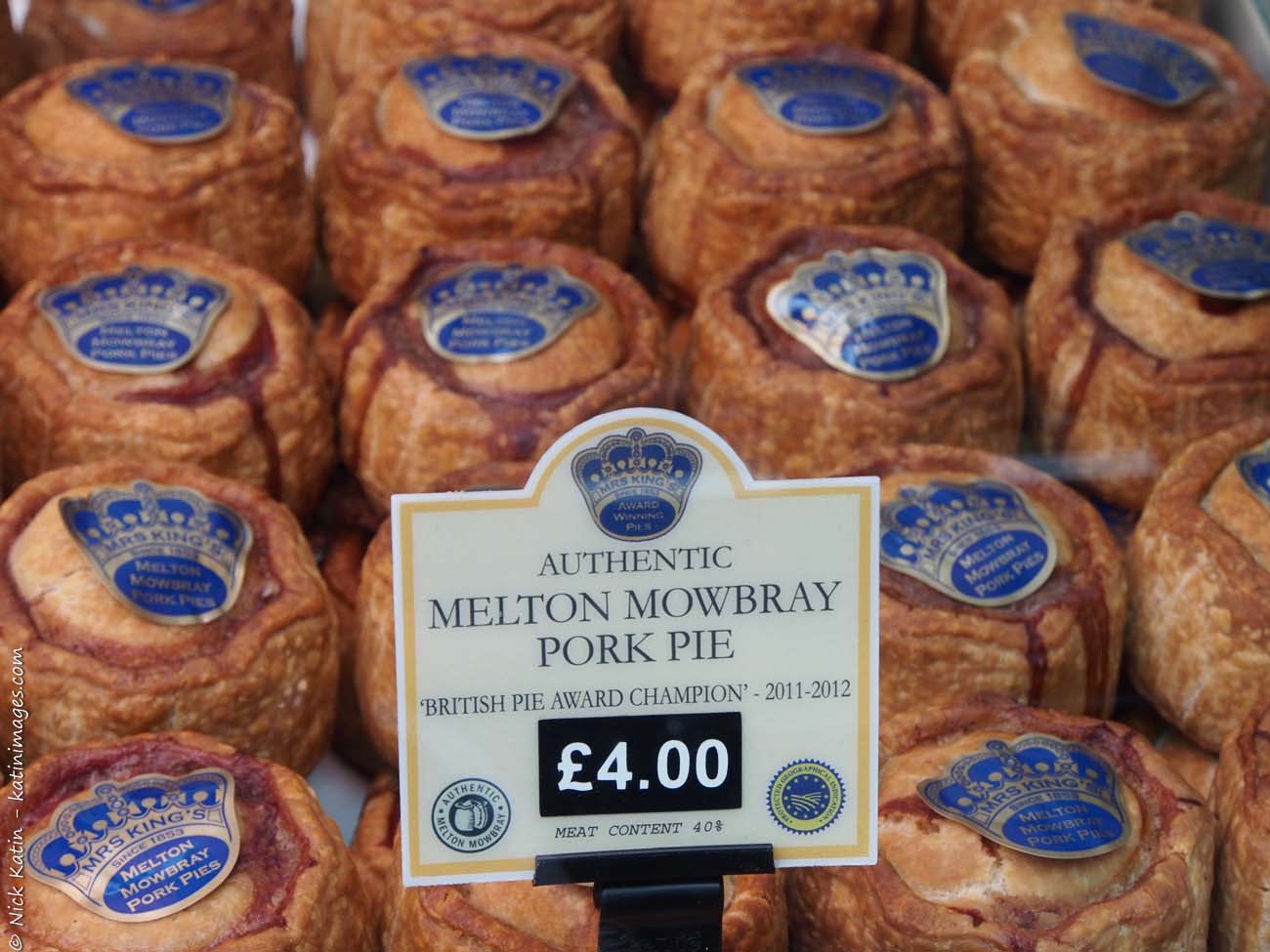
    Pork Pies at one of London's famous markets, Borough Markets which is devoted entirely to food.
    Pork Pies at one of London’s famous markets, Borough Markets
    Monmouth Coffee Shop Near one of London's famous markets, Borough Markets which is devoted entirely to food.
    Monmouth Coffee Shop Near one of London’s famous markets, Borough Markets
    Paella in London's famous markets, Borough Markets which is devoted entirely to food.
    Paella in London’s famous markets, Borough Markets
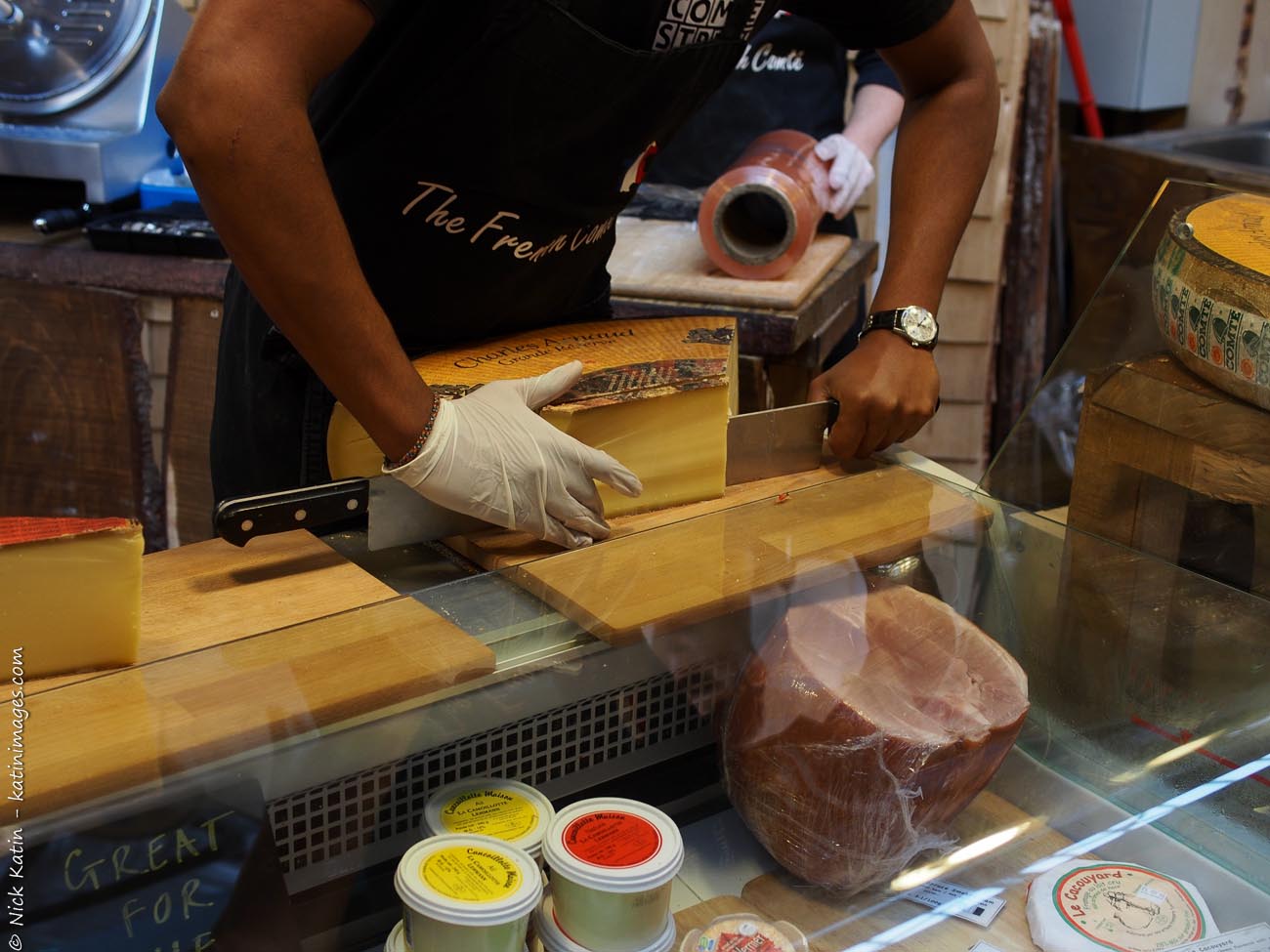
    Cutting cheese at one of London's famous markets, Borough Markets which is devoted entirely to food.
    Cutting cheese at one of London’s famous markets, Borough Markets
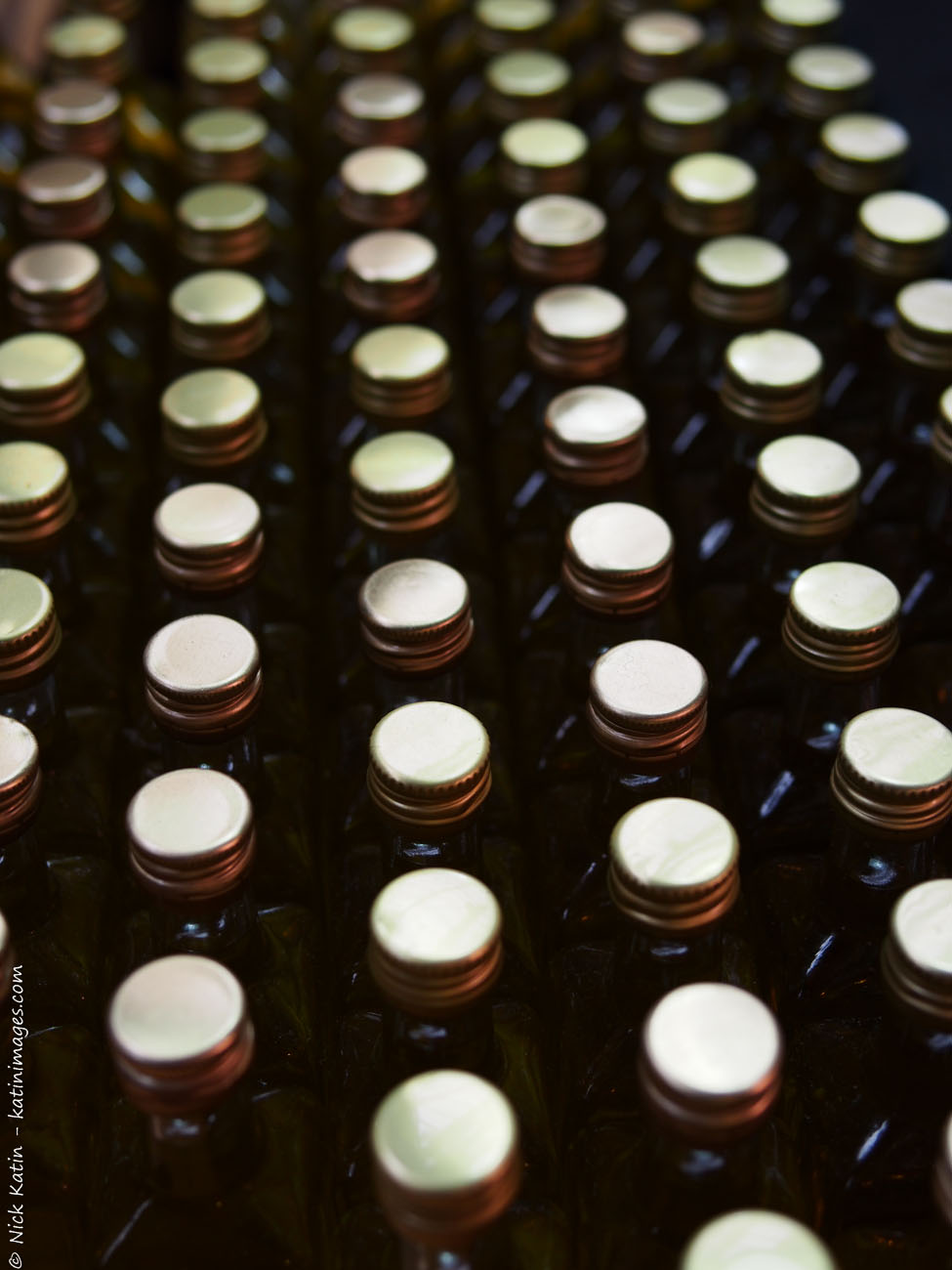
    Olive Oil Bottles at one of London's famous markets, Borough Markets which is devoted entirely to food.
    Olive Oil Bottles at one of London’s famous markets, Borough Markets

    Nick Katin Global Eye

  • Mexican Cowboys In Guadalajara photo

    Continuing on with my Mexican Cowboy images. Another name for Mexican Cowboys is vaquero (pronounced baˈkeɾo) which means herder of cattle. These horse-mounted livestock herders come from a tradition that originated on the Iberian Peninsula. Today the vaquero is still a part of the doma vaquera, the Spanish tradition of working riding. The vaquero traditions developed in Mexico from methodology brought to  North America from Spain became the foundation for the North American cowboy.
    The vaqueros of the Americas were the horsemen and cattle herders of Spanish Mexico, and first came to California in 1687, and later with expeditions in 1769 and 1774.
    They were actually the first cowboys in the region.
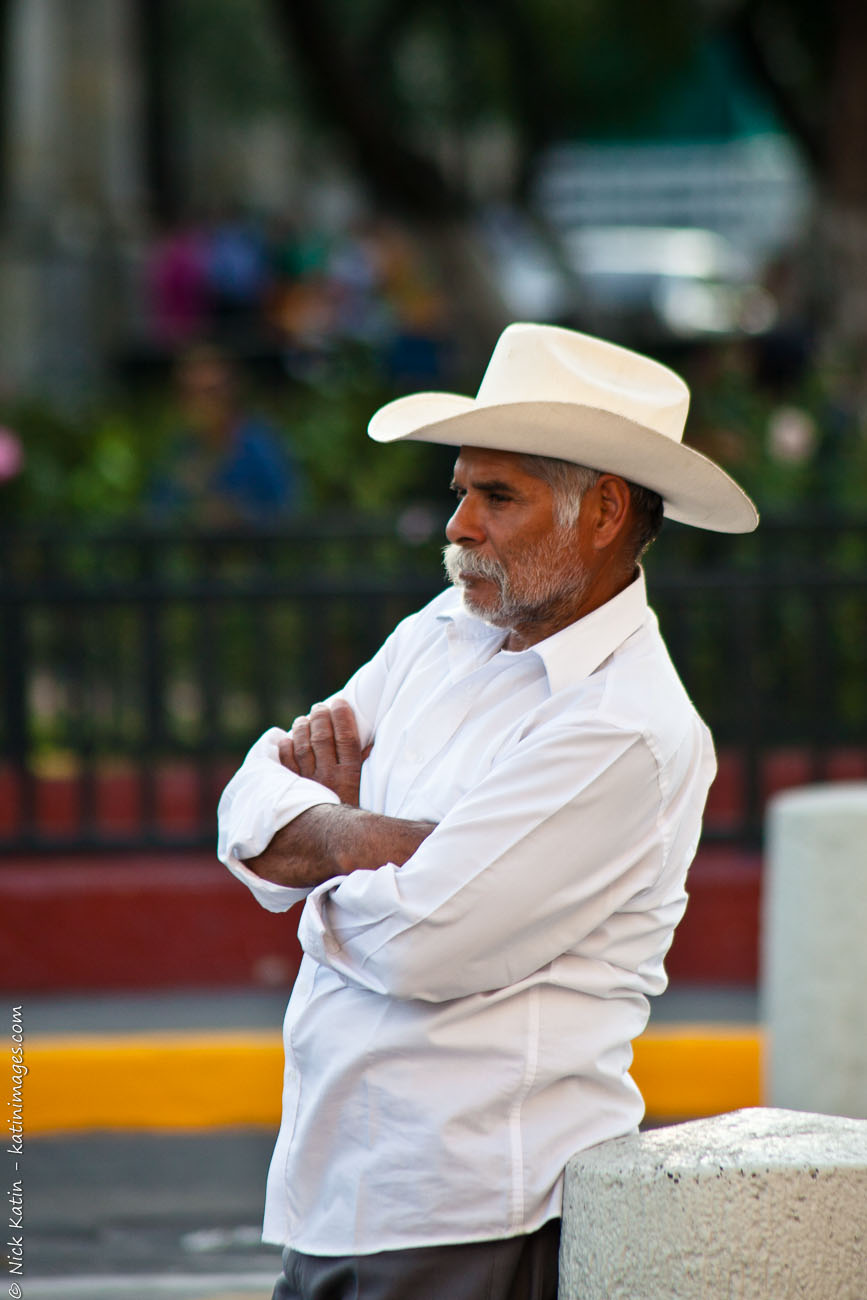
    As you can see there still plenty in Mexico that may not necessarily be ‘real’ cowboys but that hat is still pretty popular especially in Guadalajara.

    Leaning Mexican Cowboy in Guadalajara, Mexico
    Leaning Mexican Cowboy in Guadalajara, Mexico
    To see a larger image or to see purchase options click on the image
  • Mexican Cowboys In Guadalajura

    One thing I noticed In Mexico was the number of “Mexican Cowboys”. Older guys wearing the Stetson. In fact Stetson is actually a brand of Cowboy Hat and the founder of the company, John Batterson Stetson, is created with its creation. So the term “Cowboy Hat” is the proper generic description but I digress. A Mexican cowboy is normally referred to as a Caballero, which is literally translated as’ gentleman and in the mixed history of North and Central America, The Spanish brought the concept with them. More in the next post.
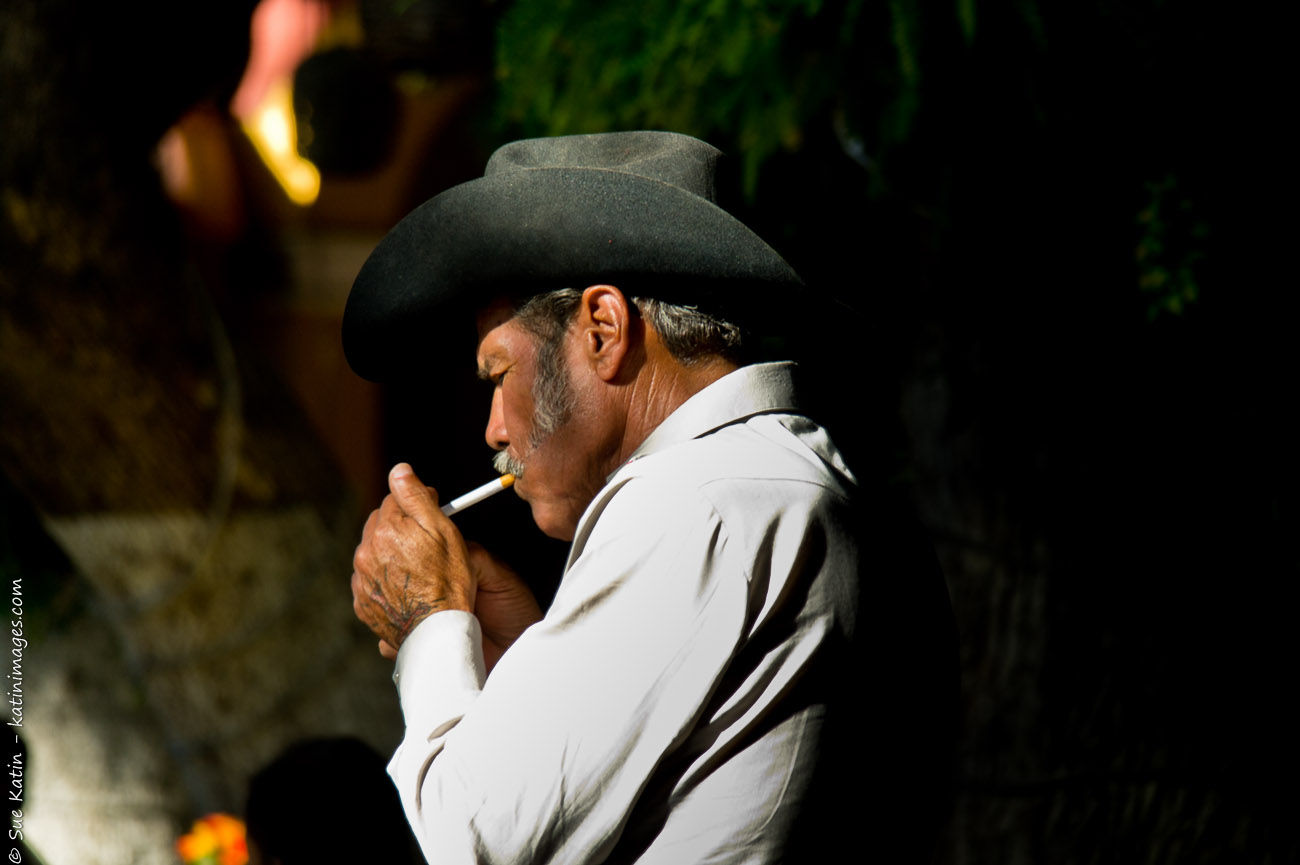
    I love the look of this guy, cigarette and all.

    Mexican cowboy at El Parian, Tlaquepaque, Guadalajara, Mexico
    Mexican cowboy at El Parian, Tlaquepaque, Guadalajara, Mexico
    To see a larger image or to see purchase options click on the image


  • American classic cars in Havana

    In Monday’s post I posted a picture of Red Buick in Havana as an example of the good condition most of these cars were in.
    The question is why are there so many vintage cars in Havana?
    Well to answer that you have to go back to two years after the Cuban revolution – 1962.
    The new Cuban government nationalised all property owned by the USA, USA business’s and citizens. In retaliation the USA strengthened its existing commercial, economic, and financial embargo that was imposed two years before to be almost total. That meant no spare parts! So the Cubans somehow managed, with a great deal of innovation and opportunity, to keep most (at least 60,000) of these on the road. The opportunity came when some cars become unrepairable or written off and were stripped for it’s parts to create a huge second hand car parts market.
    Interestingly the Soviet imported cars (the only ones allowed in the country) are not so well looked after. The Ladas taxi I got from the airport lacked a huge amount of love and care!

    The front of a Red Buick, one of Havana's old classic cars
    The front of a Red Buick, one of Havana’s old classic cars

    To see a larger image or to see purchase options click on the image

  • Yank tanks in Havana

    You know before I went to Havana, I had heard that the place was full of American vintage cars but until I saw it with my own eyes I didn’t realise how many!
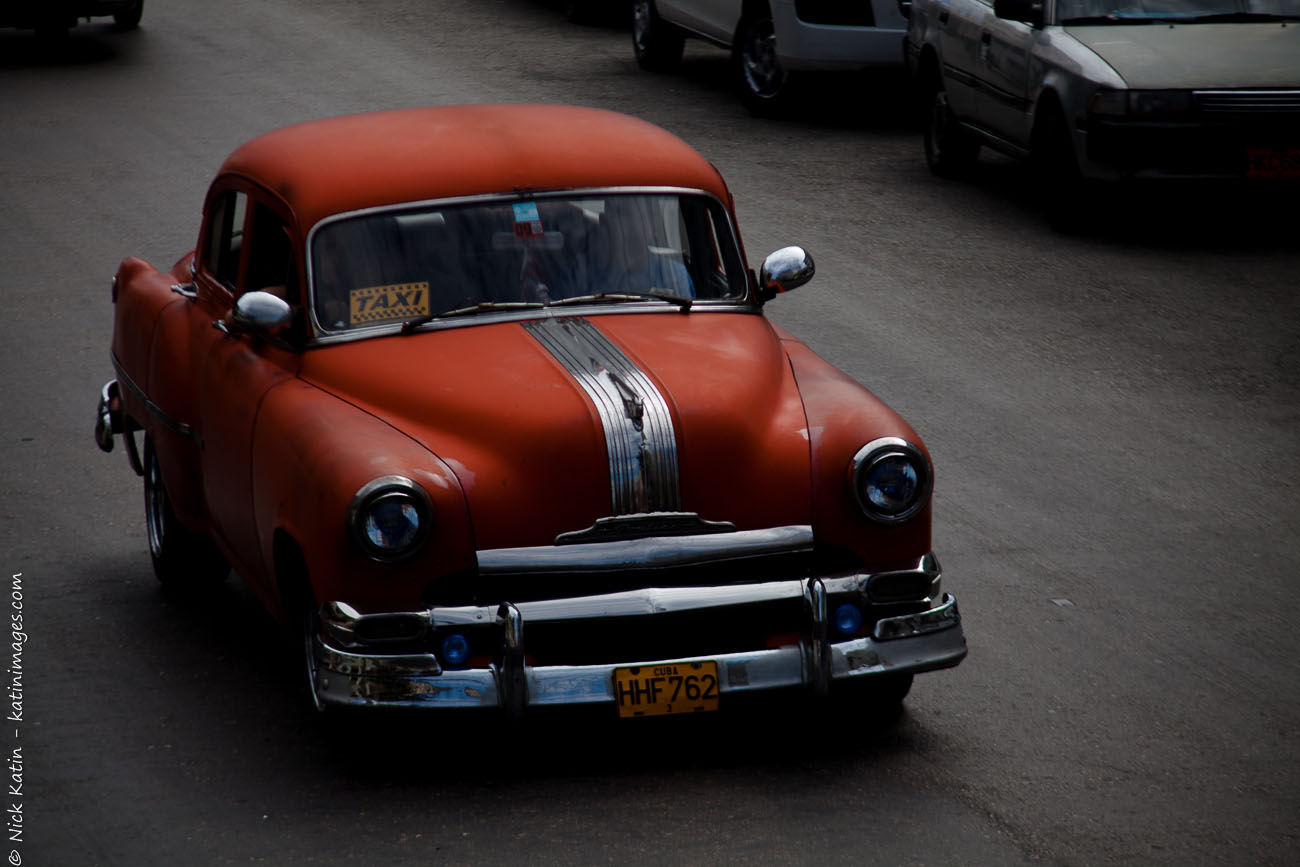
    Almost every car was a ‘yank tank”. What I also didn’t expect was the condition of them. A collector of vintage cars would be in their element. Most were in superb condition like this taxi below. Polished and shining they obviously were well cared for and in the ones I travelled in, literally ‘purred’ along.
    More on this on in the next post.

    A Red Buick, one of Havana's many classic cars
    A Red Buick, one of Havana’s many classic cars

    To see a larger image or to see purchase options click on the image

  • A wet Piazza San Marco in Venice

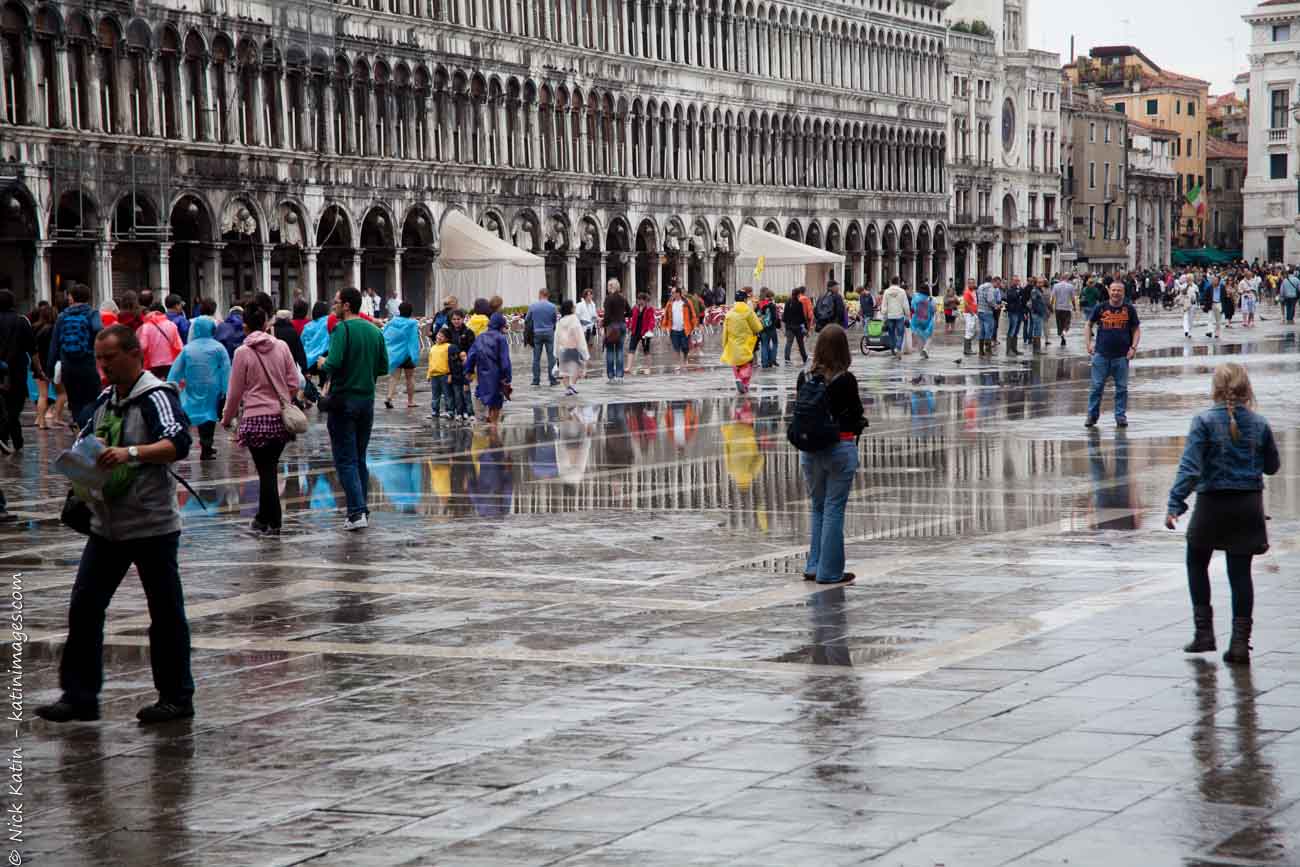
    Following on from my post earlier this week, I’d thought I’d drop in another piccie of a rather wet Piazza San Marco.
    Apart from the many tourists you can also see located alongside the square, the 12th century Procuratie Vecchie, buildings that housed the apartments and offices of the procurators, the equivalent of the modern day public servants, and now house some of the restaurants I mentioned before. They are hidden under the marque’s (you can see the rather wet chairs in front).

    A wet Piazza San Marco in Venice, Italy
    A wet Piazza San Marco in Venice, Italy

    To see a larger image or to see purchase options click on the image

  • Reflections of Piazza San Marco in Venice

    The main piazza (square) of Venice is undoubtedly Piazza San Marco. It’s a large square ringed on two sides by tourist restaurants with classical music playing and dominated by  St Mark’s Basilica.
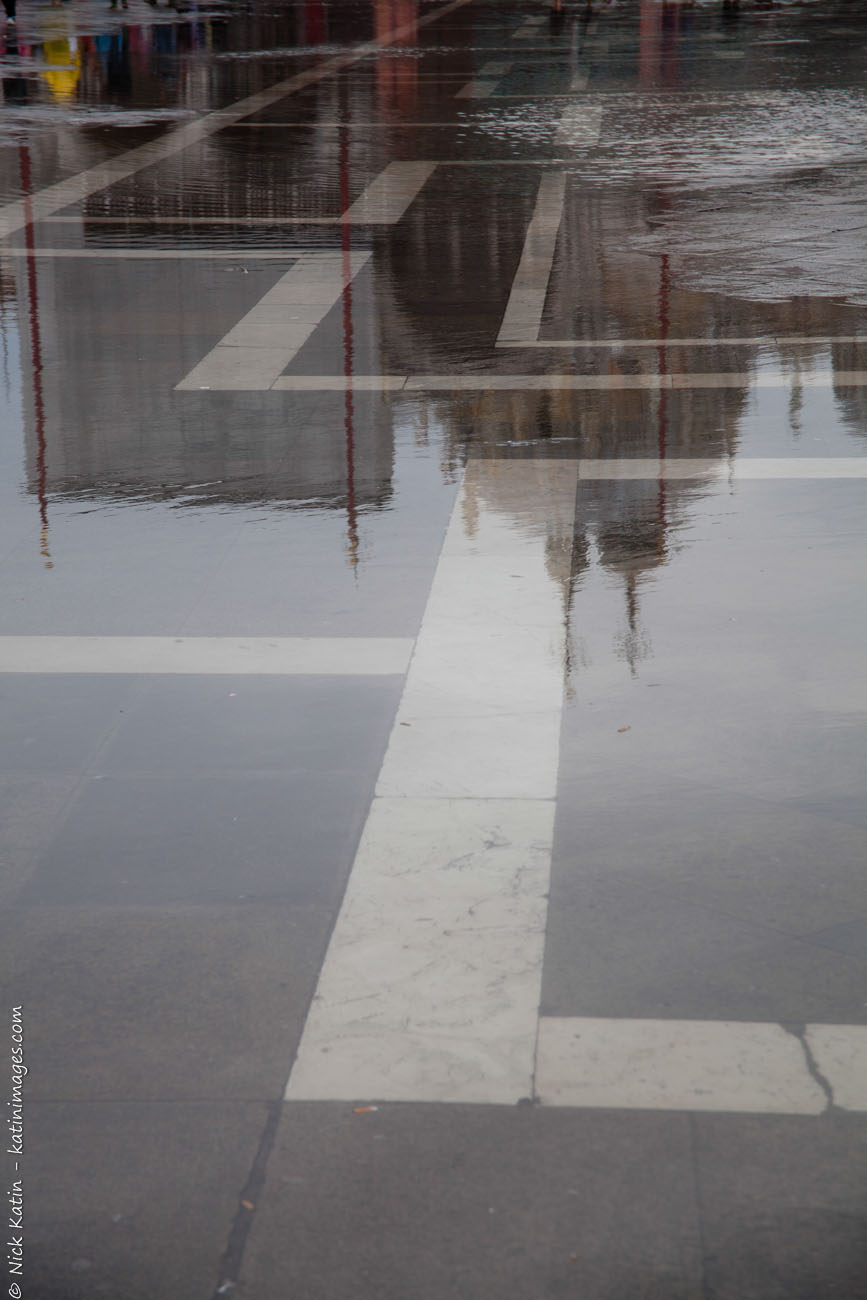
    On the day I was there it had been raining and the image below is a wet refection of the Basilica on the paved Piazza surface.
    It’s design originally marked the location where merchants could set up their stalls.
    Its a well known fact that Venice floods regularly and the Piazza is usually under water when it does. In this case I can assure you it was just rain!

    Reflections on a wet Piazza San Marco in Venice, Italy
    Reflections on a wet Piazza San Marco in Venice, Italy


    To see a larger image or to see purchase options click on the image

  • Restaurant widow in Matilda Bay Perth

    I guess we all complain about where we live at one time or another. As some of you know i live in Perth Western Australia and like everyone else you become blasé about your surroundings. Matilda Bay is a small bay that is a part of the Swan River and from there you get a great view of the City and river.
    Near the water’s edge is a restaurant, café and a couple of Yacht clubs. In fact, for those yachting aficionados, the famous Royal Perth Yacht Club is one of these. RPYC was the Club that won the America’s cup in 1983 after the New York Yacht club had successfully defended it for 132 years, the longest winning streak in sporting history.
    This image is a bit abstract but you can see the yachts in the reflection.

    Reflections from the restaurant at Matilda Bay part of Perth's Swan River in Western Australia
    Reflections from the restaurant at Matilda Bay part of Perth’s Swan River in Western Australia


    To see a larger image or to see purchase options click on the image

  • Che Guevara in Cuba

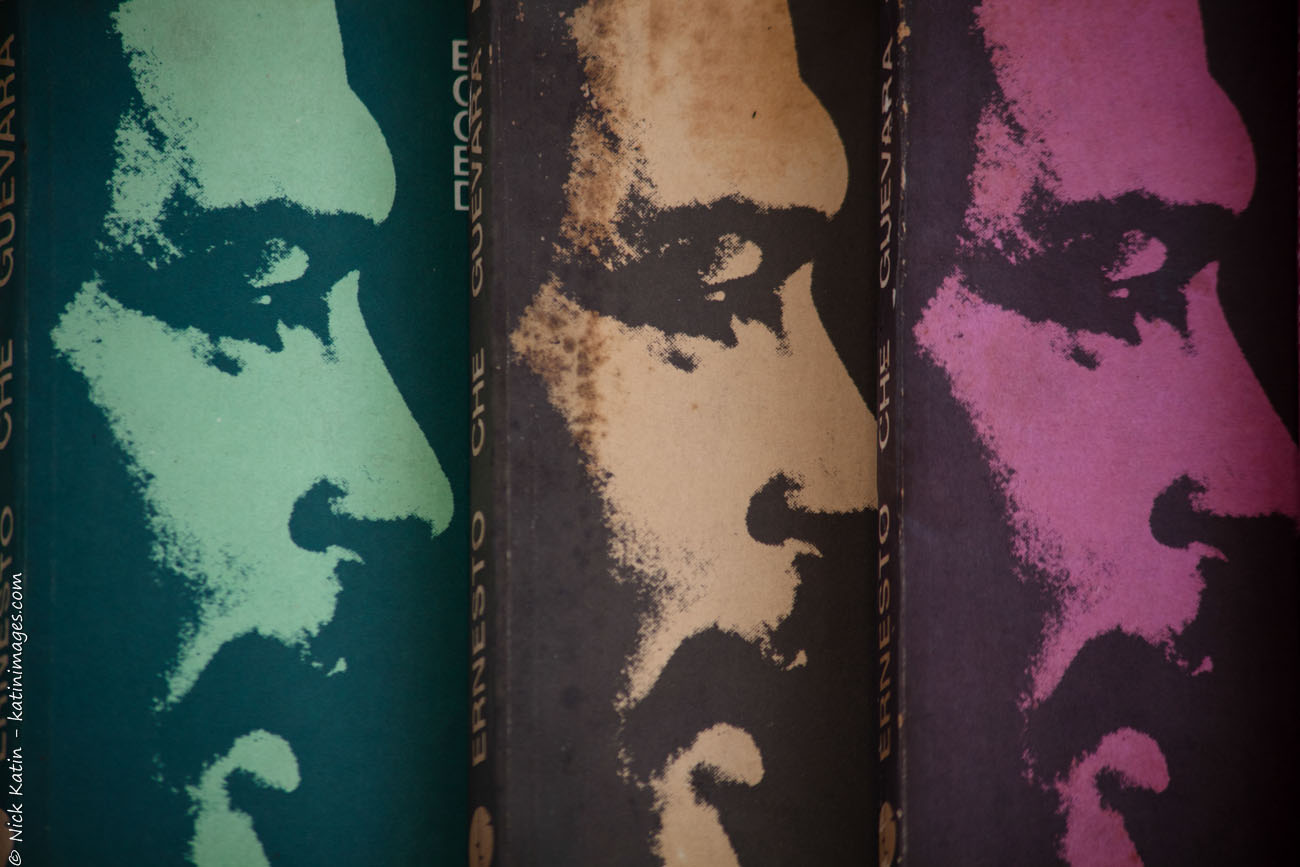
    In Cuba the late Che Guevara is everywhere. On buildings, T shirts, posters and books to name just a few. His popularity seems from an outsiders point of view to be bigger than Fidel Castro’s. Maybe dying young in pursuit of another cause creates martyrdom or maybe the many years of Castro’s dictatorship has made the Cuban population blasé about their leader.
    I’ve been away for a few weeks to watch this spot fro some images from Morocco, France and England.

    Che Guevara in colour on the front of books on Che Guevara
    Che Guevara in colour on the front of books on Che Guevara

    To see a larger image or to see purchase options click on the image