Katin Images Travel Photography

Travel Photos, Travel Photography Tips and Software

Category: Marketing and Photography

  • How to Take a Great Photograph – 9 Essential Elements

    How to Take a Great Photograph – 9 Essential Elements

    In life, everything can be broken down to essential ingredients. In other words, you can simplify
    anything as long as you understand your audience or student/s.


    In this post, I will endeavour to answer the question “how to take a great photograph”.


    Of course, to some photography is art and great art is very much in the eyes of the beholder.


    So, let’s clarify what I think a great photograph is. Again, I am going to simplify because I think there
    are only two elements:


    Does it evoke a response from the viewer?


    Does it capture the subject matter in a way you intended?


    So, without further ado, let’s look at the 9 essential elements required to take a great photograph:

    1 Composition


    Composition is everything! You can have a great subject and a great camera and take a pretty awful photograph.


    There are two basic rules of composition.


    Make sure the subject matter is properly composed and make sure there is nothing in the frame
    that will distract the viewer’s eyes.

    2 Focus


    Making sure your subject is in focus is vital.


    Get this wrong and there is no turning back. Whilst there are some tools that will allow you to
    correct focusing after the fact, they are not perfect.


    Of course, correct focusing may be out of focus for effect.


    But either way it’s up to the person behind the camera to control this essential element

    3 Depth of Field (DOF)


    DOF is by far the most misunderstood element of the these 9. Like focus, it’s essential that
    you decide and control what you want in focus and what you want out of focus.


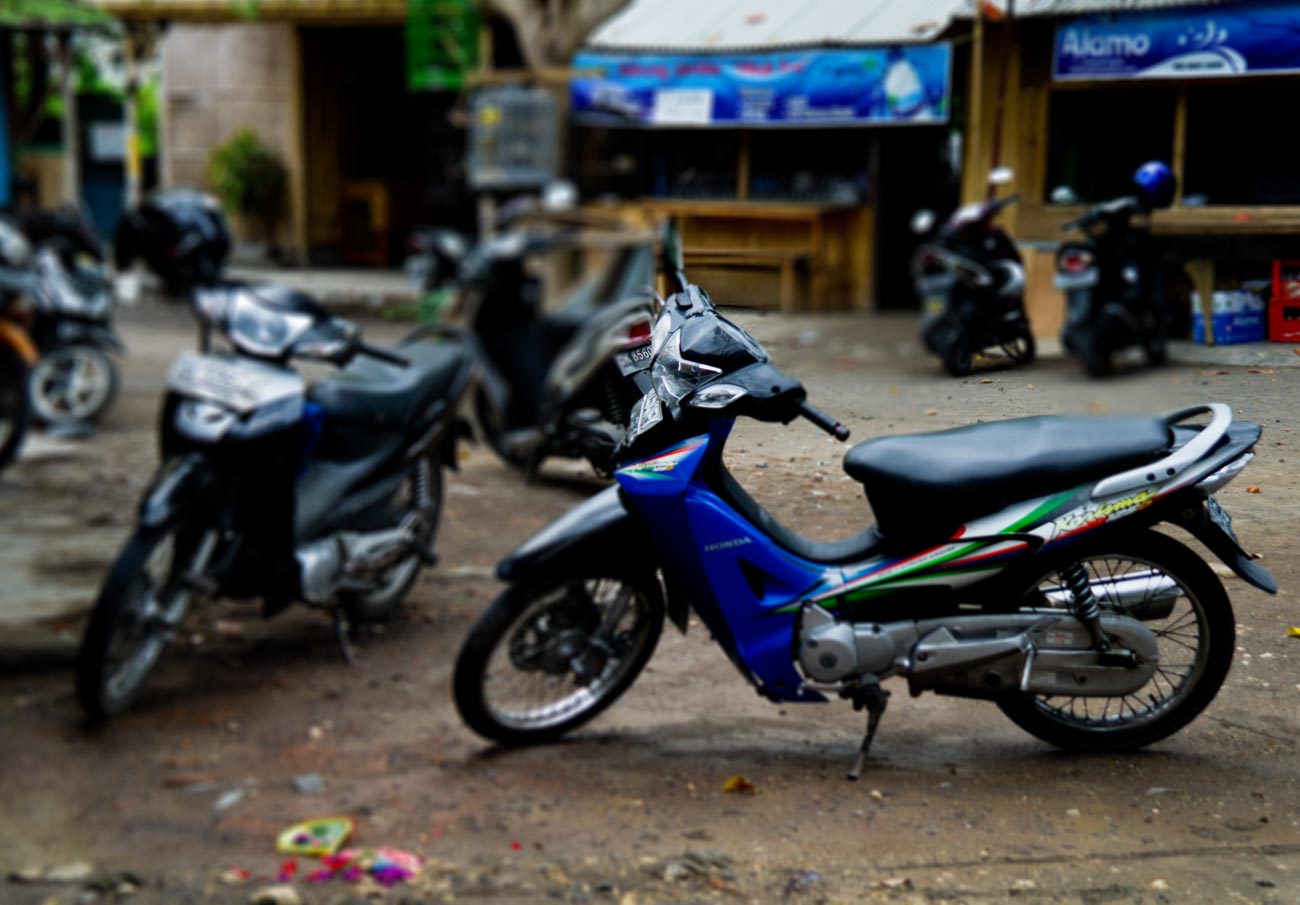
    The example below shows 2 different DOF. DOF is controlled by the aperture.


    For more on aperture I wrote a post 10 Vital Facts about Camera Aperture
     

    How to Take a Great Photograph - 9 Essential Elements

    How to Take a Great Photograph - 9 Essential Elements

    4 Light


    Light is to Photography as a kitchen is to cooking. Very hard to create a dish without somewhere to cook.

    Very hard to create a great photograph without light.


    It’s pretty important you pay attention to the light.


    Also pay attention to where the darks or highlights are falling so you get the right balance.


    Avoid extreme contrast if it doesn’t enhance the image.


    Over exposure can spoil an otherwise great image.

     

    How to Take a Great Photograph - 9 Essential Elements

    5 Stability


    The biggest enemy of a great photograph is blur commonly caused by camera shake.


    The use of a tripod is the best way to ensure crisp great photographs but there are other techniques.


    See this post 5 Ways to Eliminate Camera Shake for more on that.

    6 Subject


    It should go without saying but I’ll say it anyway, a great photograph needs a great subject. Whether it’s a
    product, person or landscape. Street scene or sports competition.

    The subject should always be the most important component in the frame. Otherwise what’s the point!


    The subject is the story and the most likely the one thing that will invoke a response from the viewer
    (and that could be your customer)

    7 Position


    As with composition and subject it’s a great idea to put yourself in the right position so that both of
    these elements are as good as you are going to get them.


    It’s always a good idea to try out different positions if there is time, to make a point of difference.


    Try lying on the floor or siting or standing on a chair, you know, experiment.

    8 Moment


    Now you could be forgiven into thinking that if you are taking a product picture that’s stationary, the
    moment doesn’t matter.


    But it could.


    Maybe the light is changing.
    Maybe your props are precariously balanced and could fall over any minute.


    Maybe you or your subject are getting tired.


    There are lots of factors that can dictate the right moment to press the shutter. If it’s action or
    a portrait every second is different.

    9 Pressing the shutter


    Can’t take a great photograph if you don’t take the photo!


    That shutter is the only thing between you and greatness!


    That’s “how to take a great photograph” using these 9 essential elements.

    Are there other factors? Of course, but most of these are technical and that’s not what
    I wanted to discuss today.


    If you have comments or questions, chuck them in the comments box below


    If you liked this then sign up below and you’ll get a free guide which expands on some of these elements.

    Plus, you’ll get future updates straight into your inbox.


    If you know anyone who would be interested or enjoy this newsletter,
    please encourage them to sign up here


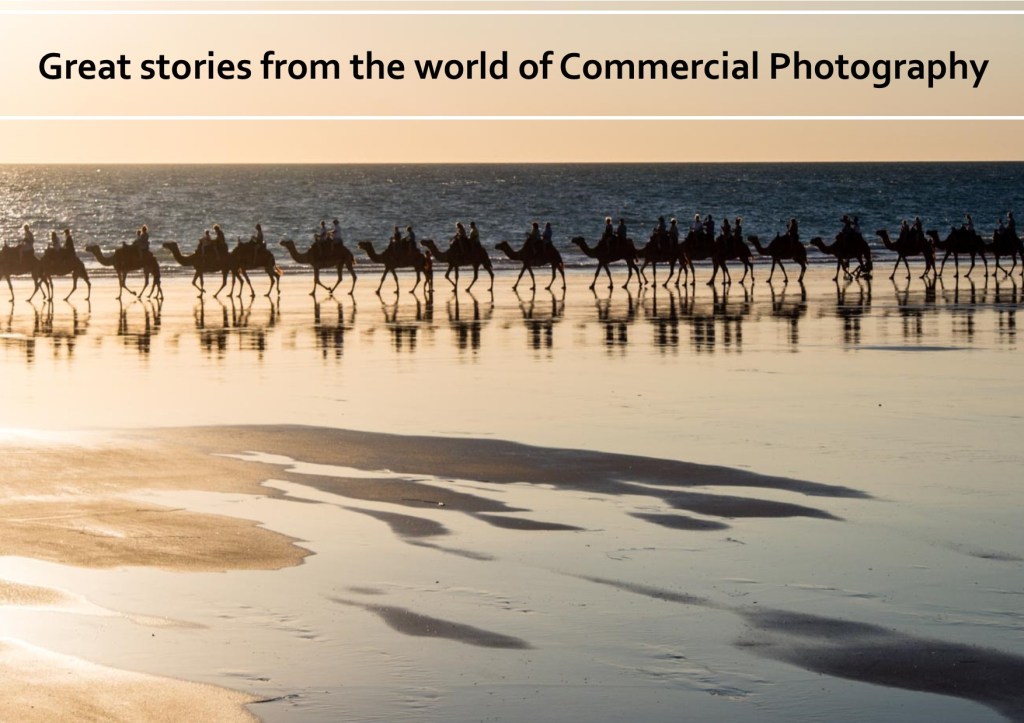
  • Great stories from the world of Commercial Photography

    Great stories from the world of Commercial Photography

    This is the first of an occasional series of interesting Photography stories from around the web. 


    My hope is that they will inspire, interest, educate or at the least amuse.


    Of course, we are all different but I’ve grouped these stories into how they got my attention:

    Educate


    DIY Photography have a great short explanation on the full frame v crop sensor comparison. 


    They use portrait photography as an example but you could easily apply this to other genres
    such as product photography.


    Great stories from the world of Commercial Photography


    Full Frame Sony a7ii Vs. Crop Sony A6000, Which Is Better for Portraits?


    Ever looked at your holiday snaps and wondered how you could make them better?
    The suggestions in this article this could be your answer.


    How to make a boring vacation photo something AMAZING!


    Inspire

    This article on Digital Rev caught my eye. It shows what’s possible with some imagination and
    I think, lots of time!


    Great stories from the world of Commercial Photography


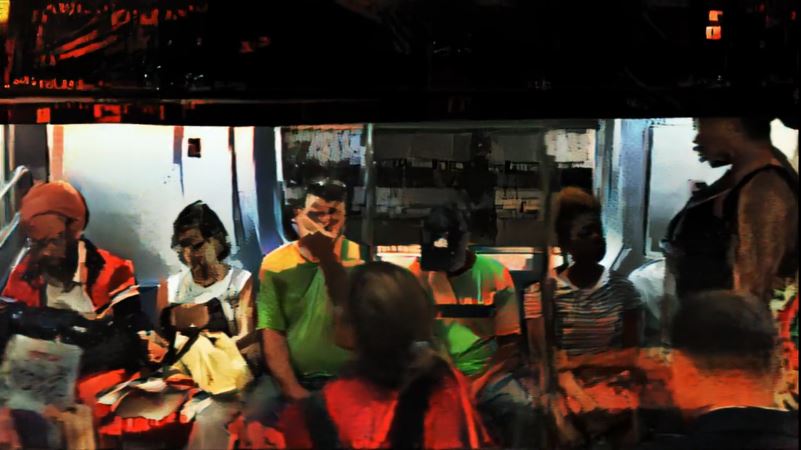
    Watch as New York City is Transformed into a Moving Picasso Painting


    While most of us will never use a photo editor, this article on Peta Pixel explains the value of
    using one if you have the money.


    The Olympics Prove the Value of a Photo Editor


    Never got into Hip-Hop much but I don’t need to with this inspirational idea of how you can
    utilise your images and get an edge.


    Great stories from the world of Commercial Photography


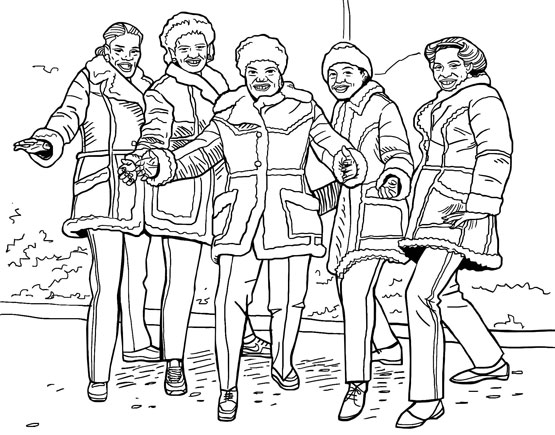
    Your Favorite Hip Hop Photo Book is Now a Coloring Book


    If you need any ideas on marketing yourself or your business, then Clint Nolan has an amazing prom mailer


    Photographer’s Handmade Promo Mailer is Beyond Impressive


    Interest Frighten


    These 2 are more than interesting, they are downright scary.


    The first is one selfies on the go. 


    I wish I could say that as an Aussie it doesn’t happen in Australia but I have no doubt the numbers
    per capita would be the same here.


    #Driving Danger: Instagram Posts Shed Light on a Distracted Driving Trend 


    Not quite so scary but quite revealing is the care taken by some of Amazon’s delivery contractors. 


    Let’s be fair though, this issue is not unique to Amazon.


    Watch How Amazon Delivered a $500 Camera Lens


    Humour


    And now for something cute:


    Great stories from the world of Commercial Photography


    Ten-Month-Old and Rescued Pup Make for an Adorable Portrait Duo


    And funny:


    Doctor Hilariously Recreates Celebrity Photos to Raise Money for Cancer


    With that I will leave you with Oscar Wilde who is meant to have said life is much too important to be
    taken seriously.


    What he actually said was “Life is much too important a thing ever to talk seriously
    about it.”


    Either way he was right.


    If you liked this, please let me know in the comments section below. 


    Or if you want to contact me directly, you can sign up to be notified of any updates or new articles in
    the sign-up section below. 


    You’ll get a handy free guide on how you can improve your marketing images.

  • Make sure your Product Image speaks for itself with this Photography Checklist

    Make sure your Product Image speaks for itself with this Photography Checklist

    So, you think that you’ve taken some great photos of your product. 

    Who wouldn’t want to buy your products with them looking like that.
     
    You’ve looked at your competitor’s best photos. Worked out how you can improve on those with some great composition and processing.
     
    The lighting was perfect, the colour is great and you’ve got that sort of blur going on in the background.
     
    You’ve posted them onto your website, facebook and Instagram and sent a link to Twitter.
     
    You’ve nailed it!
     
    All you have to do now is wait for the orders to come.
     
    But will they?
     
    You see we live in a world of images and instant gratification.
     
    And the problem is that you can never completely get it right.
    Not for everyone, not for your potential customers and not even for you, if you’re honest.
     
    The old saying “you can please some of the people some of the time but you can please all the people all the time” rings true in this case.
     
    The trouble is if you don’t please some of the people then you don’t make sales.
     
    So, you must aim to please as many as you can.

    Make sure your product image speaks for itself with this photography checklist

    But first things first let’s go back to those great photos and check again;
     
    This is a check list of what to look for in a product image:
     
    1 Composition
     
    How many times have you seen a photo and thought that there is something not quite right?
     
    Usually it’s the composition.
     
    The photos that have moved you will be because of their great composition.
     
    Look and study the photos that you have hanging up in your workplace or home. You choose them because you like them and because they have a strong composition.
     
    By using angles and lines, foreground subjects and colour where they exist, you can create a strong and imaginative composition of a photo.
     
    Have you got the right angle?
     
    If applicable, can you see the label?
     
    Does it show what the product does?
     
    2 Story
     
    Do your images tell a story?
     
    A story could be, as an example, showing how a piece of jewellery is worn or giving a sense of scale.
    I recently looked online for some earrings for my wife and I choose the ones that had images of them on a model.
    And that’s because I could see the size and the way they look when hanging.
     
    3 What’s in the frame?
     
    Are there unwanted elements in the photo?
     
    What about the product positioning against the background?
     
    We’ve all seen (and taken) those holiday snaps with the leaning tower of Pisa appearing to grow out the subject’s head.
     
    Can you see anything in the background or foreground that might be distracting?

    Make sure your product image speaks for itself with this photography checklist

    4 Light
     
    Is the light on the product side lit or front lit? Either way is it lighting the part of the product that reflects the ‘best side’.
     
    Have you looked at the image on different monitors, tablets and mobiles?
    You will be surprised at how the brightness and contrast vary depending on the medium you are viewing.
     
    5 Clarity
     
    Does the image look crisp and clear?
     
    Blow up the image on the largest screen you have. See if there is any sign of unintended blur.
     
    It may be around the edges of your subject.
    Or is it at the front of your subject? e.g. If it were a portrait would the nose be ever so slightly out of focus.
     
    6 Post processing
     
    Does the colour look real or is it over or under saturated?
     
    Has it got the “WOW’ factor?
     
    Nothing wrong with either but it’s what lends itself to the product.
    If it doesn’t look real it may not convey the right message.

    Make sure your product image speaks for itself with this photography checklist
     
    That’s just for starters! You could go deep in reviewing your images.
     
    Remember that you have to put yourself in your customers shoes. Ask yourself “based on the image and the copy with it would I buy that?”
    If you feel you can not answer this without bias then ask someone else to review it and answer that question.
     
    Post links to your images in the comments below if you want some feedback from me or other readers.
    Want to keep this article? You can get an accompanying checklist from here or the box below.
    While you are at it why not share this article with someone who could benefit.
    And don’t to forget to subscribe in the top bar for more ways in which I can help you sell more.


  • How to create great Infographics using Microsoft Publisher

    How to create great Infographics using Microsoft Publisher

    As great as online creators such as Canva and Piktochart are, there are times that you need or want to create something without being Online.

    Plus, if you are only using the free versions then you can be limited in what templates and other images you can use.

    So, here’s an off the radar alternative called Microsoft Publisher.

    I must confess that I have being using publisher for many years now and have used it in the past for brochures, flyers, and books so I’m a bit biased.

    Now there are number of ways you can get publisher the most popular way being through an Office 365 subscription service which cost around $70 a year for the complete suite of offices software such as Word, Excel, PowerPoint, Outlook, OneNote and Publisher and a couple of others. But you can buy it outright for around $110.00 if you don’t wish to subscribe.
    So how to use it:

    1. Open the program (that’s a big step)
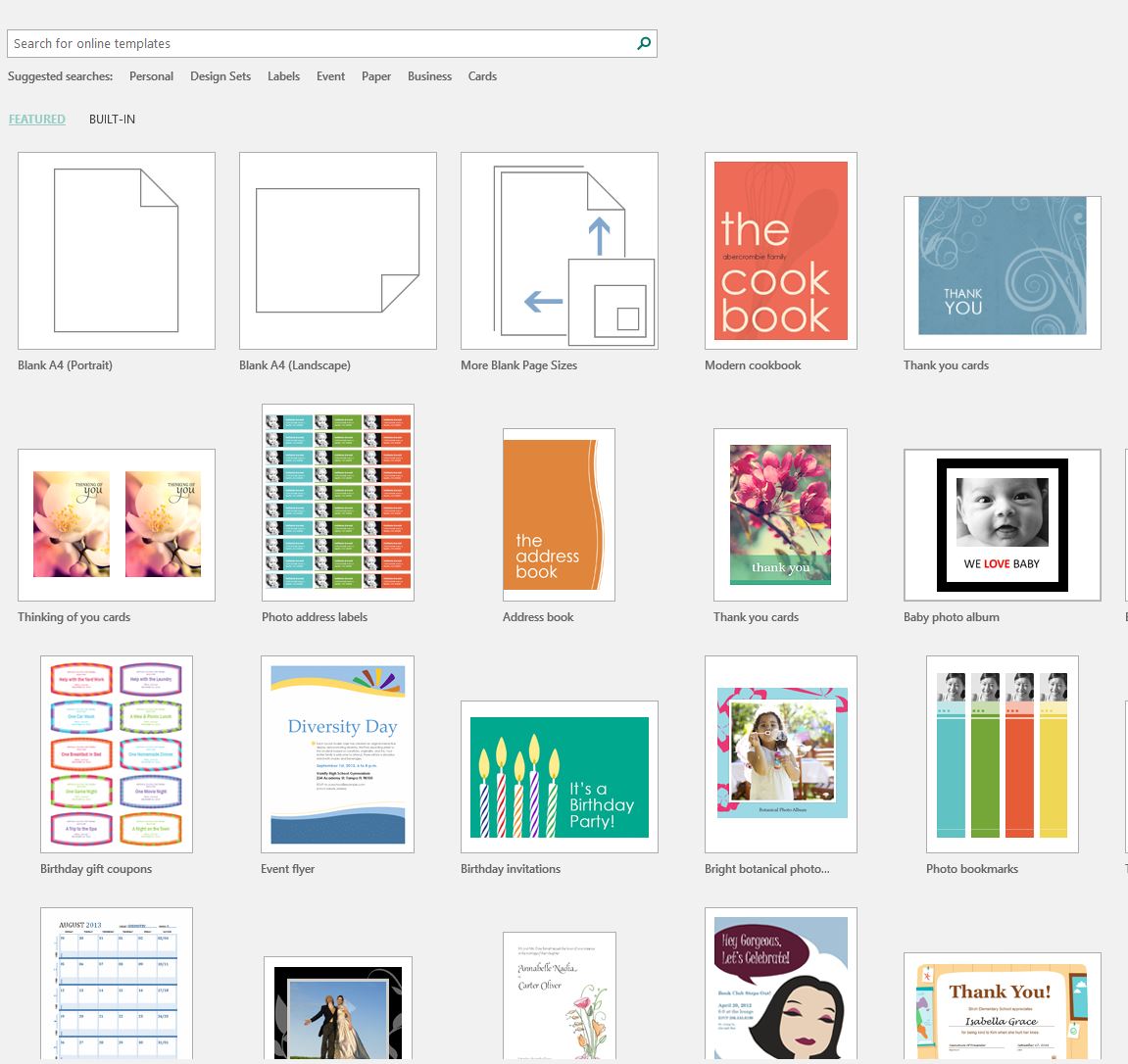
    2. On the first page, you will get many choices of pages with templates etc. for the example I have used here I created a blank publication of A4

    How to create great infographics using Microsoft publisher

    Now the fun begins.

    1. You can easily change the size of the publication by the drop down menu under page design. You have choice of selecting a standard size or creating a new page size

    How to create great infographics using Microsoft publisher


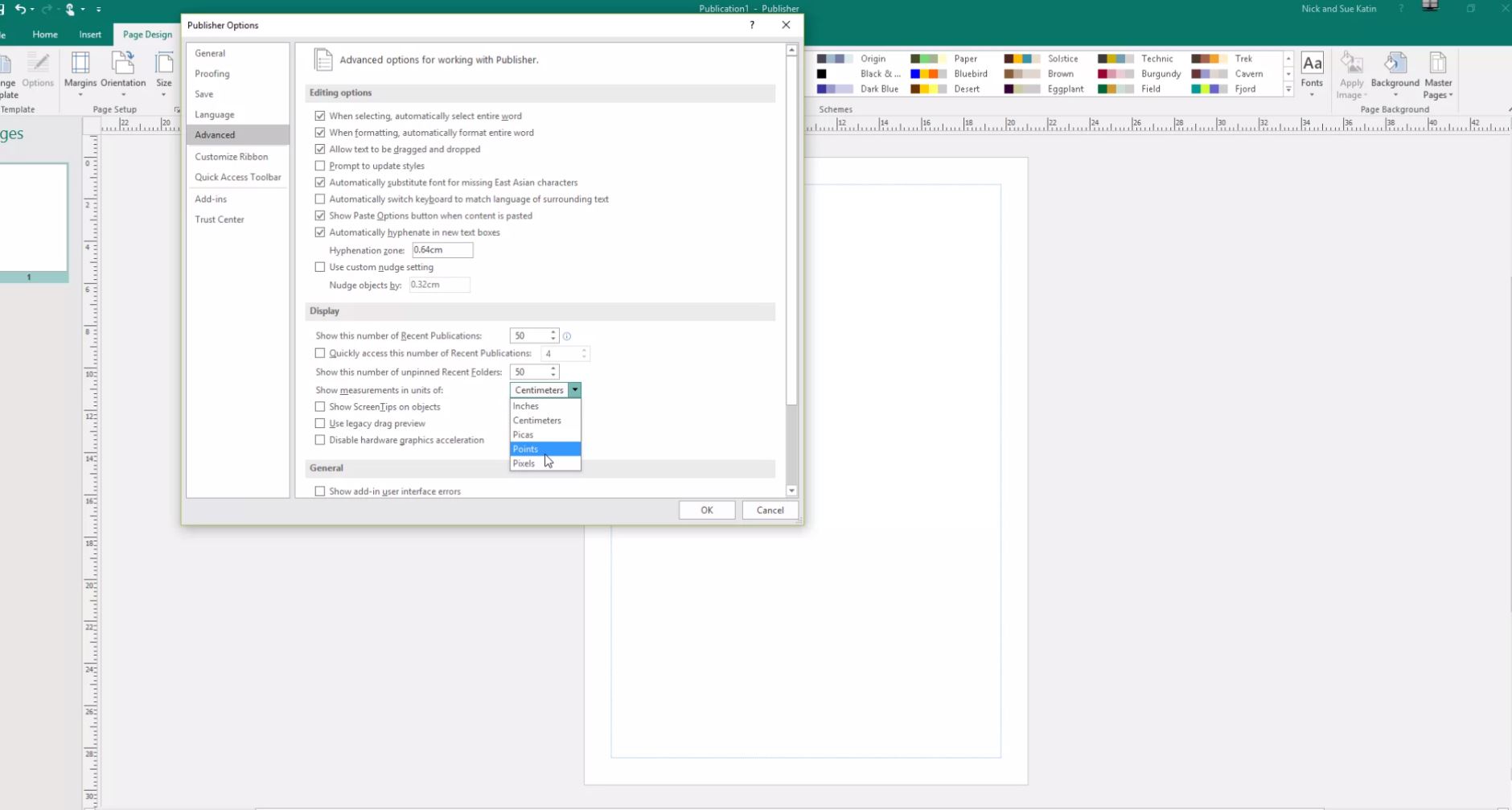
    If you prefer to change to unit of measurement e.g. pixels then go to the options menu under file and find advanced. Display is the second area

    How to create great infographics using Microsoft publisher

    1. Now that you have created a blank page of whatever size you want, let’s do some creating
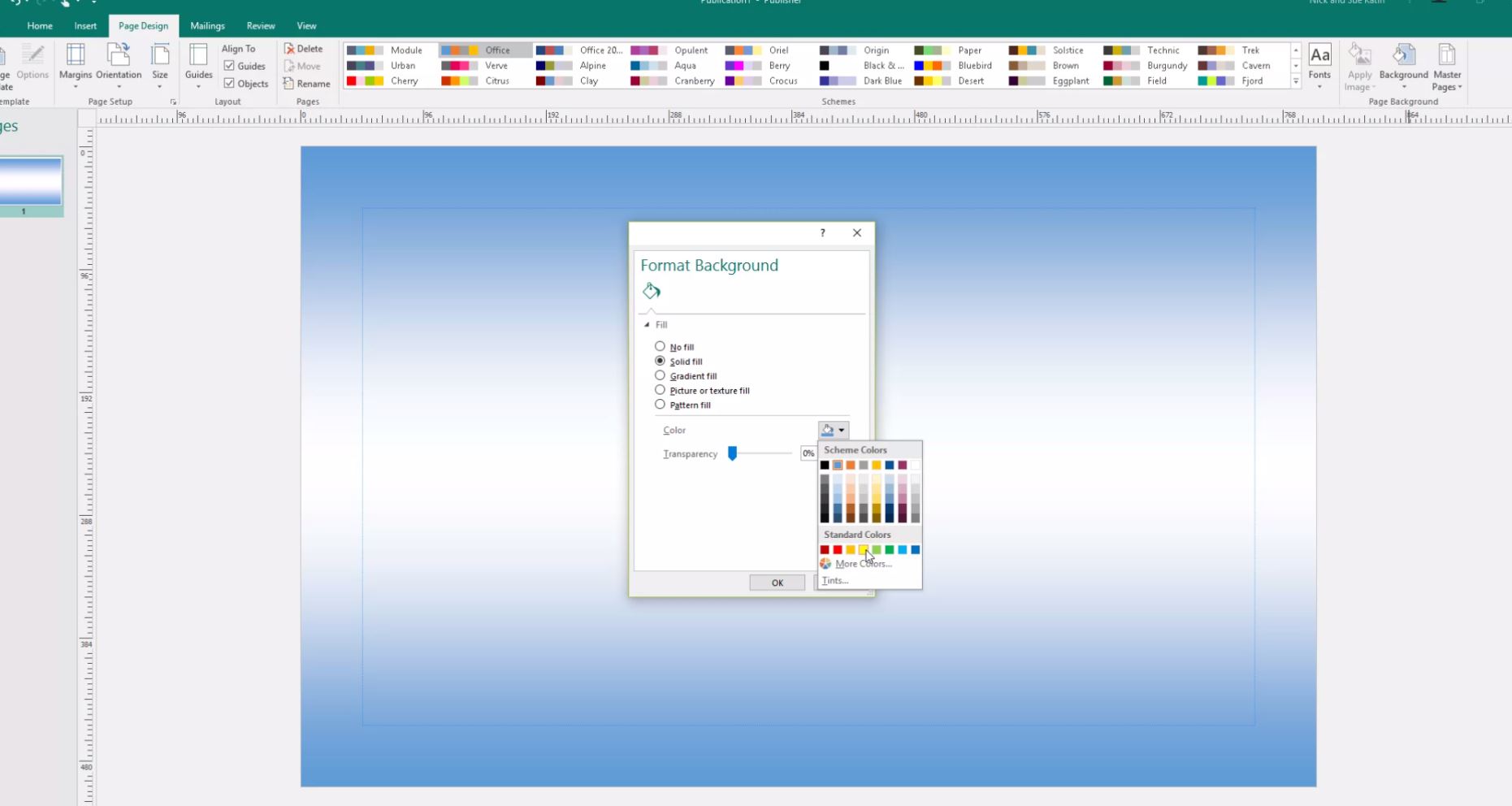
    2. I usually select the background colour by going to the background drop down menu under page design. You can select some standard variations or make your own

    How to create great infographics using Microsoft publisher

    How to create great infographics using Microsoft publisher

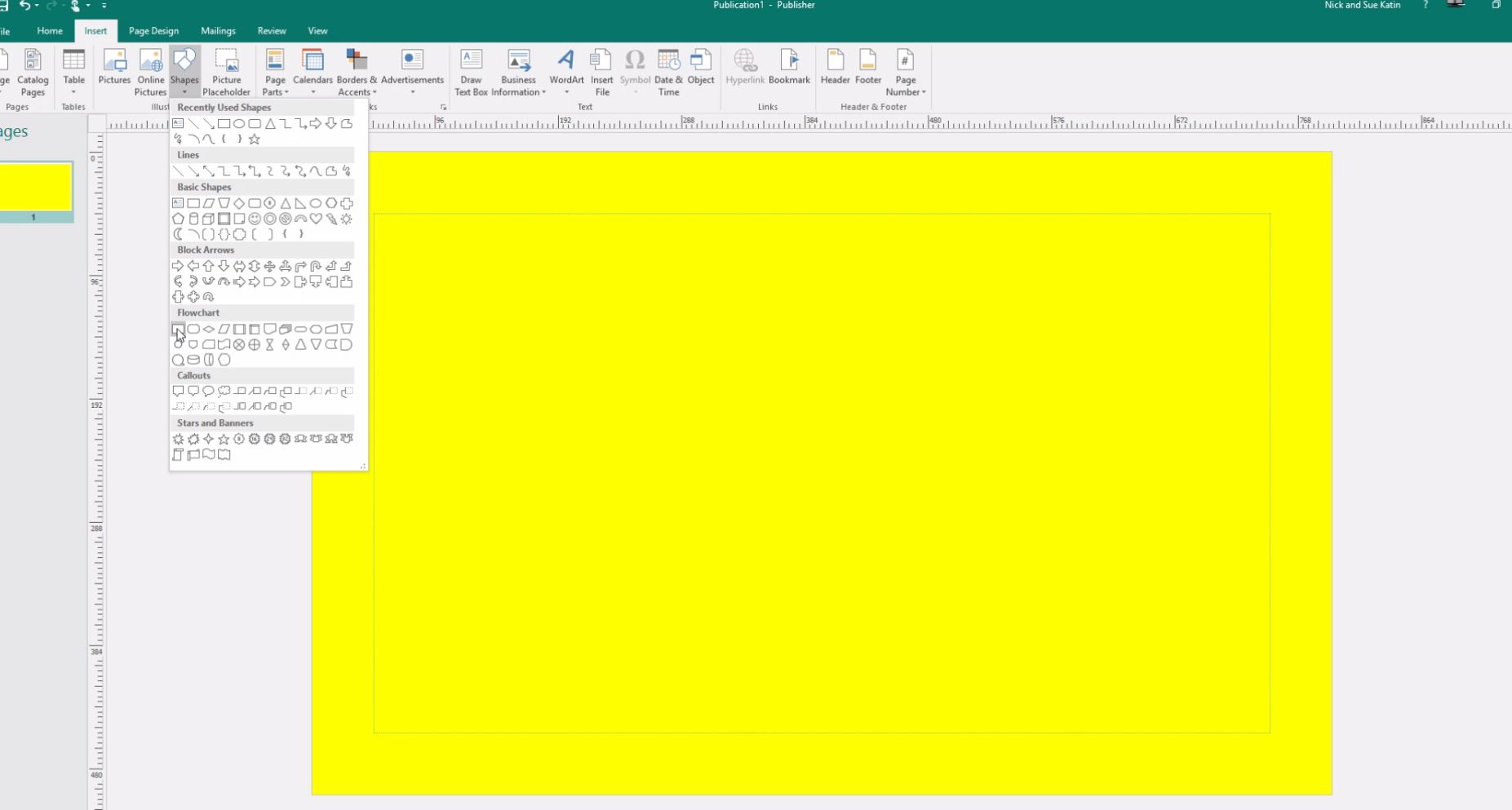
    1. Ok let’s stick some shapes in. From the insert tab there’s a drop down menu under shapes and you can knock yourself out inserting all sort of different shapes.

    How to create great infographics using Microsoft publisher

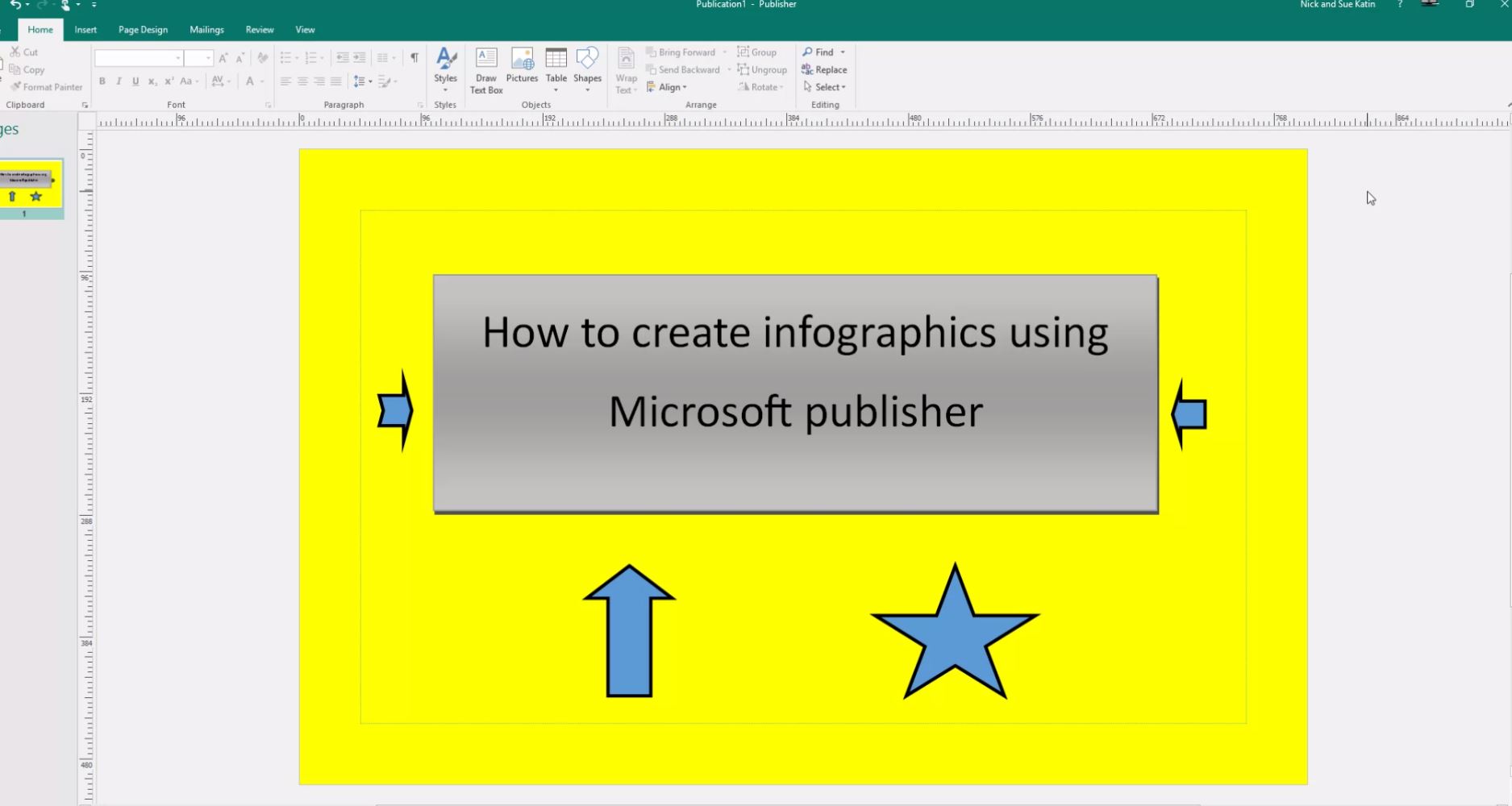
    1. For text go to the text section under insert and you can insert text with different fonts etc.

    How to create great infographics using Microsoft publisher

    And that is really all there is to it.

    How to create great infographics using Microsoft publisher

    The added benefit of publisher is that you can also insert photos add some texts and shapes etc. and then save just that page as JPEG. I use it like that for my Instagram posts.

    If you have any queries on this just post them in the comments below.


  • Could you be a Sales Rep?

    Could you be a Sales Rep?

    You are in sales!

    Yes, that’s right you are in sales.

    We are all in sales.

    Not a day goes past when you are not selling something – unless you are a hermit living in a cave in which case it’s unlikely you would be reading this anyway.

    We are often selling ideas, ourselves, actions, facts, arguments etc.

    But of course, sales to most people means selling something to someone who may or may not need or want it.

    I often hear from some of the most surprising people say that “I could never be in sales” or “that’s much to salesy for me”.

    Often these people are already in sales but just don’t consider themselves as sales people.

    But could they be a sales rep?

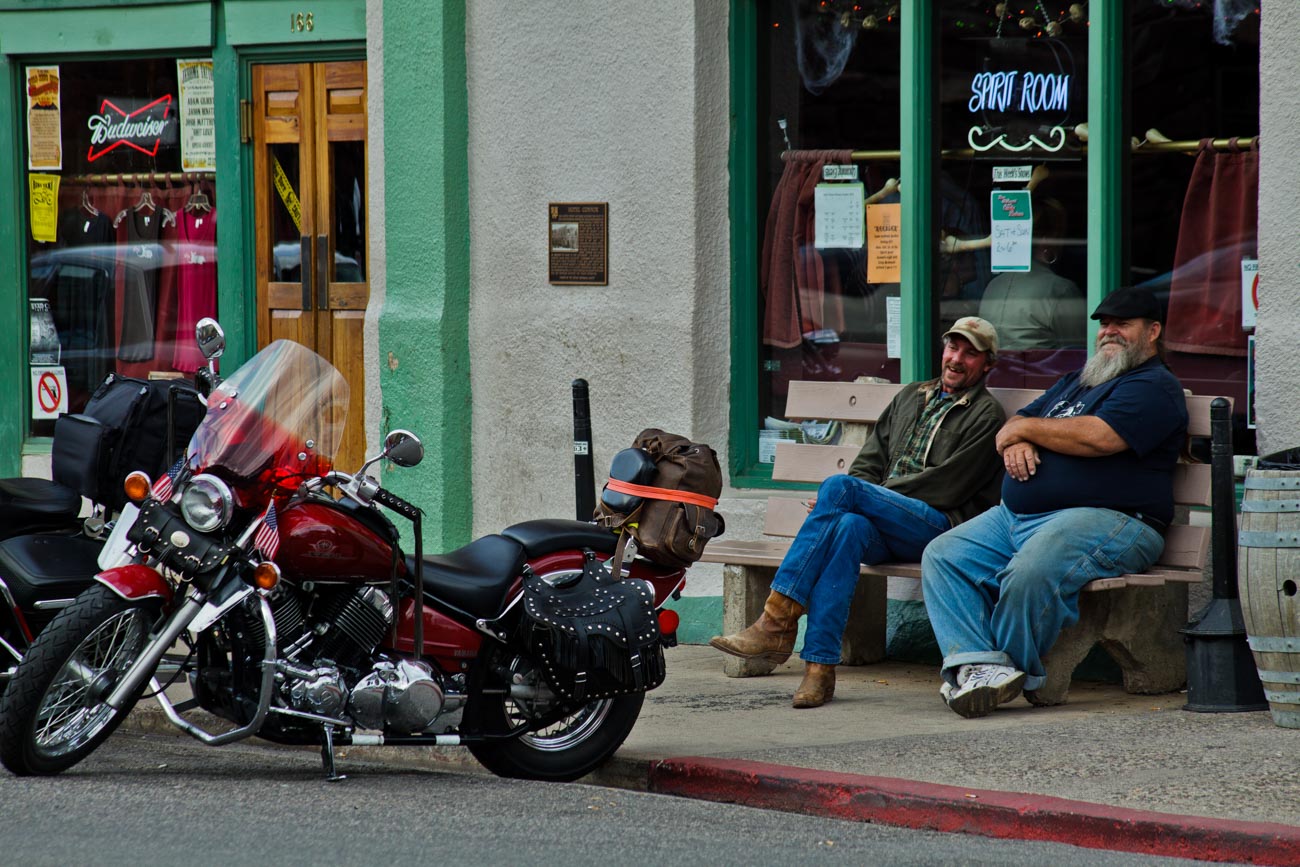
    Sales Meeting in Jerome, Arizona, USA

    Of course, we have some fancy titles for Sales representatives these days, Sales managers, Business development manager, Account managers, Sales engineer, Sales executive but in the main they are all sales reps with some specialties or a particular market niche.

    But to answer that, let me tell you my story.

    My career in sales started as a young National Service Manager Part of my job description was to go out and talk to some of customers about maintenance programs for our products. It was easy!
    After all we manufactured heating and hot water systems and most customers wouldn’t want it serviced by anyone else especially, as at that time, there really wasn’t anybody else.

    As I progressed up the food chain I employed sales people to do that job for me as I was too busy pushing paper around my desk.
    As these reps sold product as well, they were well rewarded and even though I was at that time one of the executive team they were earning much more than I was and they were getting pats on the back from the MD as well.

    It was at that time that I decided if I ever got the chance I would go into sales full time.

    That chance came quicker than I thought when I left the company to go travelling for a few months.
    On my return, I soon found out that specialist service managers were few and far between so I elected to go into sales as there appeared to be quite a few sales reps jobs around.

    In took 6 months to get a job as a sales rep.

    I applied for 100’s.

    I was either overqualified or lacked sales experience and networks or a combination of all three.

    When finally I cracked it, the reason was because of my experience in the construction industry not my individual sales potential.

    And it didn’t take long before I realised that being a sales rep was hard, really hard.

    You see the thing is that you are trying to get meetings with people who really don’t want to talk to you. Usually about products or services that they are not that interested in unless there is a big benefit to them.

    The one thing I learned is to leave your ego at home otherwise you wouldn’t last too long.

    Going to see people you didn’t know and present your case can be scary for a lot of people.

    I’ve heard of some reps who will sit in the customers car park for a few minutes and then decide to drive 20 k’s to see someone else rather than have to face that particular customer.

    As an example, I left this company after 18 months of building up the business to exceed budget (thought I’d bang my own gong) and went travelling for couple of years.

    On my return, the guy who took it over, had let it go.

    Why had he let it go and why wasn’t he fired?

    Well he got stage fright!

    He had worked in internal sales where everything is reactive and the only real customer contact was by phone, fax and email which came to him.

    So, when he had to go out and actually visit people face to face he couldn’t do it.

    Add the fact that he had to be proactive and he was well out of his comfort zone.

    Why wasn’t he sacked? Well the company I left was merging with another and he pretty much went under the radar.

    And that’s another thing that fazes people being proactive. We are naturally wired to be reactive and being proactive is not natural to most.

    Yet when as a sales rep you do get times when you have to be reactive. When orders come through, when you have to answer the phone, do quotes, answer email, chase up deliveries, etc. etc. It becomes almost a welcome break.

    But it’s also a trap!

    You see the most successful sales reps have schedules and rituals that they stick to.

    That might be making 10 client phone calls before 10 in the morning, visiting 3 clients per day, following up quotes, making appointments or writing reports (a big pain for most salespeople).

    I heard of stockbroker (yes, they are sales reps as well) in Vancouver who would make 120 calls a day religiously and measured that every morning by starting with 120 paper clips in one jar and would keep calling until he had moved them all to a second jar.

    That’s the sort of single mildness you need to be a successful sales rep.

    So, when these reactive events come along and they can often continue for days, focus is lost, the rituals go out of the window and then you have to refocus and get back into some sort of momentum.

    I can tell you that’s hard not just for me but for most other sales reps.

    So why is that?

    Well as I said earlier we are naturally wired to be reactive. 1000’s of years being reactive to our environment is how we have survived as a species.

    Being reactive is much more comfortable than being proactive (I’m being general here as there is the odd individual who is naturally proactive).

    The conundrum in sales is that these reactive events don’t happen unless you as the sales rep make them happen and that involves being proactive and being out there talking to people.

    So, when I get the odd comment from desk bound colleagues, friends or acquaintances that I have it easy. That all I have to do is drive around and talk to me over coffee, I reply, when you go to work your work comes to you.

    Another Sales rep waiting for coffee near one of London’s famous markets, Borough Markets.

    When I go to work I have to go and find it and if I don’t over a period of time, I’m out of a job.

    Of course, the other comment I get is about money.

    Just as I thought, before becoming a sales rep, that it’s not fair that salespeople earn too much, so I now get the odd similar comment.

    Yes, good sales rep earn more than nurses, teachers, emergency response personal and other worthy occupations and really successful salespeople will get paid more than Doctors and some Politicians (what’s the old saying? – pay peanuts and get monkeys).

    The fact is as I have learned a successful sales rep will always get a job and will always get paid well.

    I could never be nurse or paramedic but I imagine there are many nurses and paramedics who could never be a sales rep either.

    So could you be a Sales Rep? Or are you one? In which case do you agree?

    Write your comments below. I’d like to hear them.

    This is slight off topic from my normal marketing and image making posts but what the heck!

  • Why the use of Still and Video images is the most Valuable Marketing Strategy of 2018

    Why the use of Still and Video images is the most Valuable Marketing Strategy of 2018

    Once upon a time there was a world without colour.

    This world, which we will call Blanc Noir only had black and white.
    The population saw everything in black and white and hence everything they had was either black or white (pretty obvious, really what sort of story is this anyway??).

    One day a visitor from another world called Couleur (I’ve a bit of a soft spot for French) came along and wore clothes that were red and yellow. 

    The visitor couldn’t understand why the inhabitants of Blanc Noir didn’t wear anything but black and white when all about them was colour.

    The trees the sky, grass, only man made objects were in black and white.

    The inhabitants on the other hand saw his clothes as black (red) and White (yellow).

    One day something strange happened this stranger had a camera that took pictures in colour. 

    As he took more pictures and showed everyone what he took in the rear screen of the camera, they noticed that there was something strange going on, everything in the camera was in colour!

    As they looked around they realised that in fact that all natural world was in colour, it was only themselves and the buildings and vehicles that were in black and white.

    Imagine seeing this for the first time how did you think they reacted?

    How would you react?

    Of course they immediately took steps to colourise everything.


    Why the use of Still and Video images are the most valuable marketing strategy of 2017

    Which was great for all the business’s on Couleur as they had plenty of colour products. 

    But not so good for the business’s on Blanc Noir as everything they had was black and white.

    This year 2016 has been the start of something special. It’s been a year when some clever small businesses like the businesses on Couleur have realised that their strongest ally in their marketing is images and video.

    Our world is changing and the growth of technology to help create visual content is now easier than ever and will continue to get even easier for the foreseeable future.

    Of course those that don’t take steps to take advantage of this will be like those businesses on Blanc Noir.

    The world of visual content is about to take over from world of words.

    Why is this?

    Well for one thing our lives are so busy that we only give marketing material a nano-second to get our attention and images are our first impression of the message.

    If we like it, we will hang around and read the written content and even look to buy the product or service.

    Or, if we don’t like it then we move on.

    That’s why Facebook has been ramping up its image and video posting platform, why Instagram and Snapchat are so popular and why Twitter has also beefed up its image posting platform. 

    They all realise that if content is king then it’s visuals are all powerful.

    You know, it’s no wonder that this has happened.
    Our TV screens have become bigger. I bought one a few months ago which is 60”! 60” is huge! The TV we had before was 42” and probably the one before that was 30”.

    Movie screen sizes have increased almost to the point that we have to exercise our peripheral vision to see the whole screen.

    Our mobile phones have got bigger, so much so that they’ve almost taken over from tablets.

    We have screens on cameras, watches, fridges, printers, security equipment, automobiles, cooking appliances and much more.

    Giant LED screens in public places assault our visual senses.

    So visual content is everywhere and that’s what we as consumers look for.

    Now, don’t get me wrong here! Written content is still important.
    As the saying goes a picture may paint a thousand words but you may need another thousand words to tell the whole story.

    Today visual content is a no-brainer for any business looking to market their product or service.

    Why the use of Still and Video images are the most valuable marketing strategy of 2017

    Not just visual content but good visual content.

    So what about your experience with visual content?

    What’s the number one obstacle stopping you from creating images or video for your marketing?

    I’d really like to know. So please leave your answers in the comments below. 

    For more like this subscribe to my newsletter below and get a free guide “Eleven Easy Ways to Improve your Marketing Photography”.

  • 7 Ways Good Photography Equipment Can Help You Create Great Marketing Images

    7 Ways Good Photography Equipment Can Help You Create Great Marketing Images

    7 ways good photography equipment can help you create great marketing images


    I’ve said in a “Why selecting a new camera is like selecting a new date (or TV)” that it’s not the camera but the person with their finger on the shutter button that makes or breaks a great photo.

    Well just to contradict myself, sometimes it is the gear.

    Having certain equipment can give you shots that you may not be able to get without it.

    A sports action photographer won’t get some of the shots he would like if the auto focus in his camera is slow.

    Fashion photography requires excellent lighting.

    Top quality landscape photographers usually use a tripod and high resolution cameras.

    Cameras with more settings will generally have more flexibility and therefore give the photographer choices.


    Let’s look at what equipment can give you:


    1 Artistic opportunities.


    It gives opportunities to create something imaginative.

    For instance, with some of the filters that are part of almost every camera today, including smartphones, you have options to give your image a Grainy Film, Pop Art or Sepia old worlde tone look.

    The image below is a combination of a couple of filters.


    7 ways good photography equipment can help you create great marketing images


    2 Freeze motion


    When you are taking images of an event that has motion you generally need a high number of frames per second (FPS) to capture several images at a time.

    Some cameras have high FPS and some lower and that can make a big difference.


    3 Blurring motion


    Conversely if you wish to blur motion then you need a camera that will allow a slow enough shutter speed.

    That may not always be possible especially in bright light. So, a ND (neutral density) filter can be added so that the amount of light entering the camera is reduced.


    4 The ability to take images in low light part 1


    There’s no doubt that modern cameras can almost see in the dark.

    However not all cameras are created equal. Even though there are cameras that have ISO rating in the 100’s of thousands they may not give the crisp clear images you want.

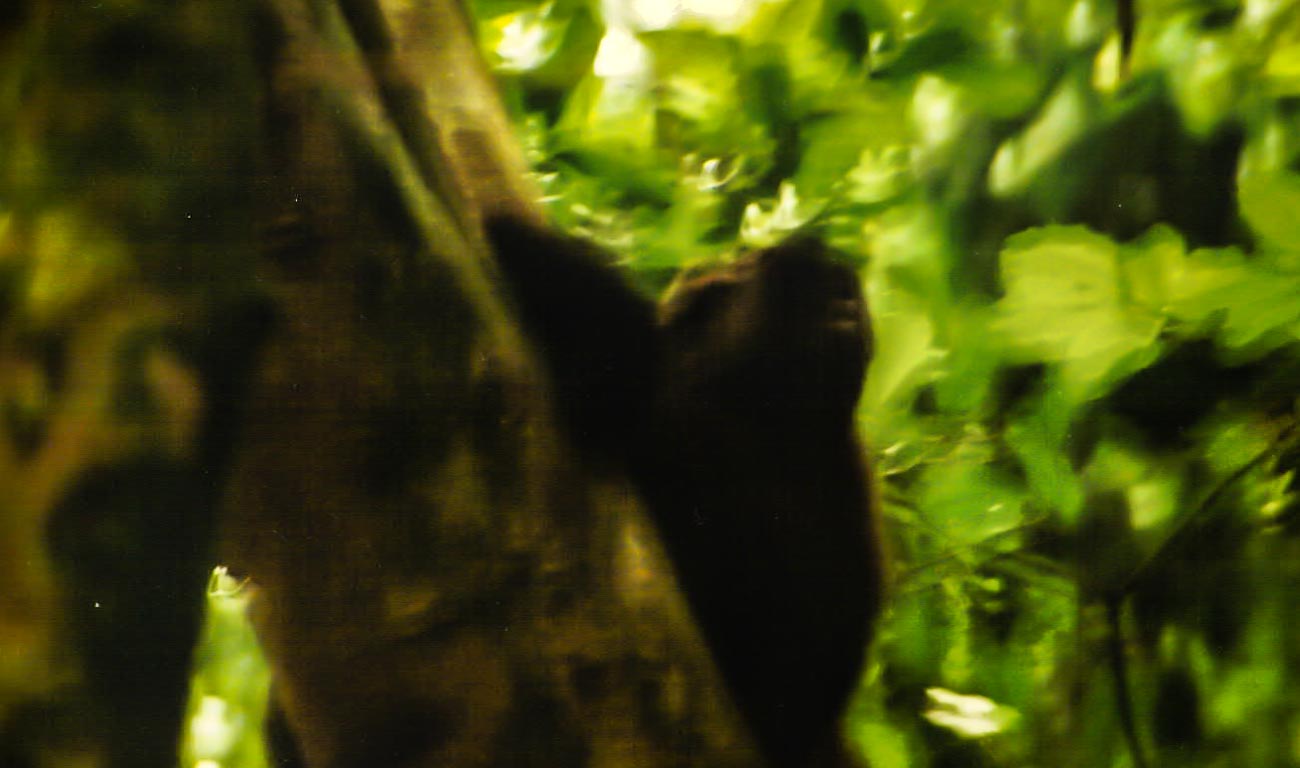
    Why is ISO that important? Well to give you a personal example; when I was first learning photography, back in the film days, I was on a gorilla safari in Uganda.

    The forest we were in was dark and as we got a view of the gorillas I snapped away not understanding that I should have had a film with a much higher ISO. 

    The images were developed some time later and were so disappointing.


    7 ways good photography equipment can help you create great marketing images


    Blurred because the camera had a slow shutter speed due to the lack of light.

    A priceless experience that was never properly recorded!

    Before digital, the ISO rating you had on the film meant that you were locked in for however many frames there were e.g. 36. Now you can change the setting per frame.

    Film also only went up to around 1600 and even then, you got a grainy image which is OK if you want to depict a moody grainy photo but not so good if you wanted something crisp and clean.

    So, yes, some cameras will give you some great images and high ISO negating the need for tripods or other ways of holding the camera still but not all.

    My wife’s camera (granted it’s a few years old now) is ok up to 1600 after that the grain is quite noticeable.

    On the other hand, the Olympus OMD5 I have is great up to about 6400.


    5 The ability to take images in low light part 2


    Image stabilisation can really help if you need to take images in low light or with slow shutter speeds. In some cases, that can eliminate the need for a tripod.

    I first saw image stabilisation in Namibia on safari. A photographer had a lens with image stabilisation and he could take images without the need for a tripod in fairly low light. This was 20 years ago when I was first learning photography and that blew my mind!


    6 The ability to take images in low light part 3


    I’ve always hated carrying and using a tripod but now with these lightweight models and the fact that the cameras are now a lot smaller and weigh less it’s not so much of a burden to carry one. Using it – well that’s still another matter but I will say if you are taking images of products especially in low or artificial light then it’s a valuable tool.

    With a tripod, you can take yourself out of the equation and with a wireless (or wired) remote you can take images of subjects reasonably stress free and creatively.


    7 Bokeh


    Bokeh is the term used for making the subject stand out from its background by ensuring that the subject is in sharp focus and that the back ground is blurred.

    The right equipment can allow you to create an image with great Bokeh.

    The equipment for this is a little more complex. If you have a full frame camera, then it’s relatively easy with even the package lens to get a reasonable bokeh.

    Where it gets tricky is with mirrorless (there is the odd full frame mirrorless but for this purpose, we’ll cater to the majority).

    Any none full frame camera is very much dependent on the lens and couple of other factors like distance and zoom.


    So, that was my alternative view on the importance of equipment.


    Do you agree?


    Let me know in the comments section below

  • How to take an ‘awesome’ selfie

    How to take an ‘awesome’ selfie

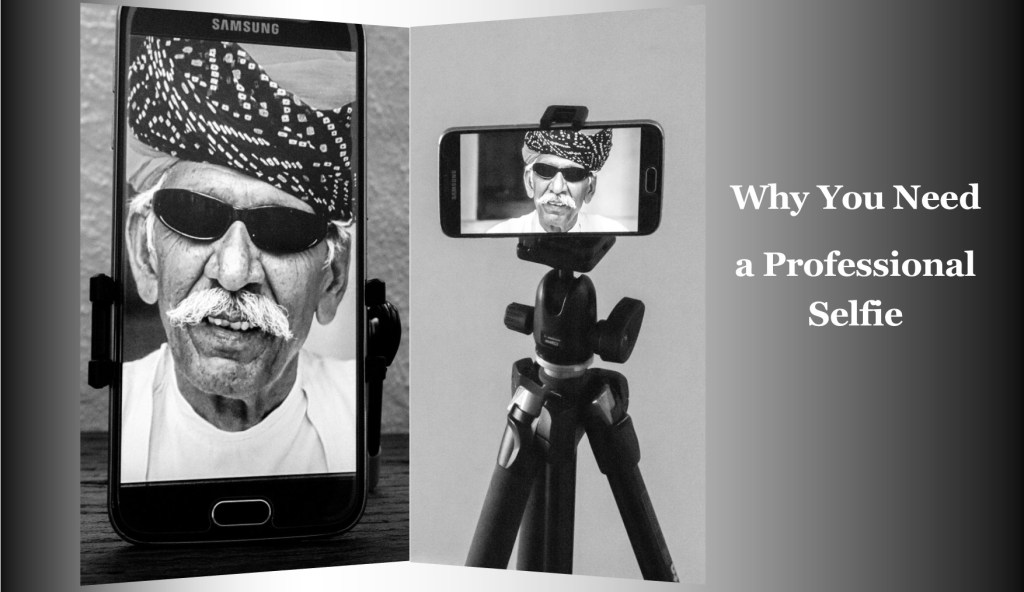
    In Why You Need a Professional Selfie I talked about having the need to have a decent self-portrait or ‘selfie’ on your website, social media or publication to show the human face.

    Maybe you’ve decided to get this done but don’t want to use a professional photographer or Uncle Eric who has a good camera.

    In which case read on.

    So just to refresh. In Why You Need a Professional Selfie I suggested that you need to

    Decide what sort of self-portrait you think represents your brand best

    A financial adviser or lawyer may want a more conservative head shot.

    Or they may want a full-length portrait with business like clothes like jacket and trousers.

    A social media site may wish to convey a trendy relaxed image. So, it may decide that, rather than have a headshot, an image of its employees being active may be better.

    Whilst I have concentrated on websites and maybe social media you may also wish to use it for some printed marketing material or even billboards.

    And that’s when the capability of the camera and printing become important

    The four most crucial factors to getting a professional self portrait

    1. Equipment

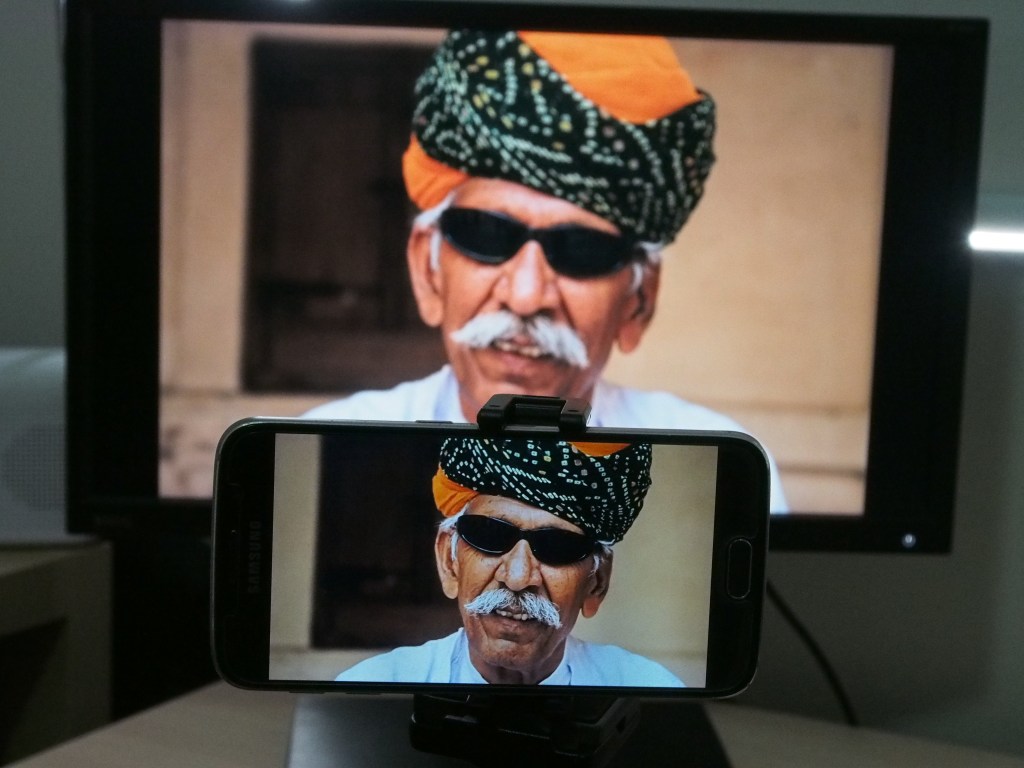
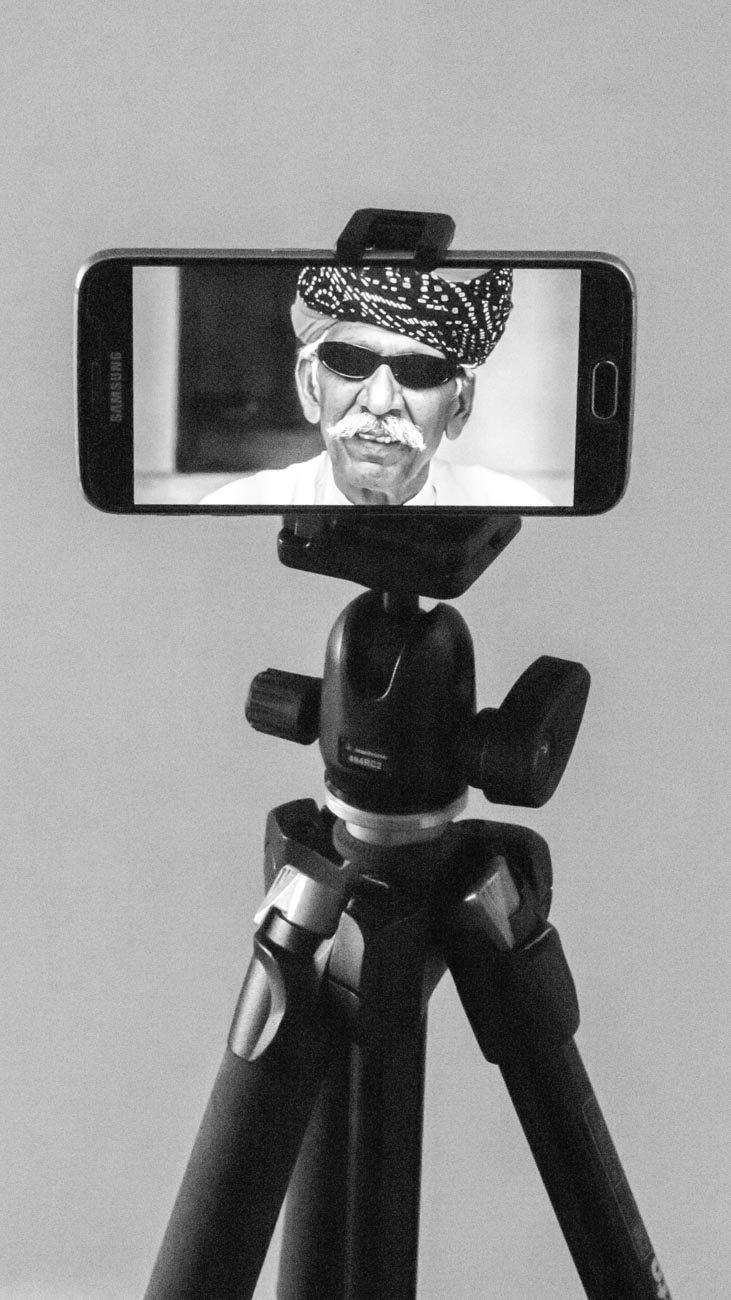
    I’m going to show you on a smartphone but any camera should do the job provided it works 🙂

    1. Light

    Light is everything. If the light is dull or too bright the image can be too dark or ‘blown out’

    (a term for images that have the highlights way too bright).

    1. A way of mounting the camera.

    How to take a selfie

    A tripod is undoubtable the best way if someone e.g. an employee, is not taking it for you

    1. Staging

    Make sure you select the correct pose. You may have to take several different images at different angles to get one you want to use.

    Incidentally there is no rule that says you must use the same image across the all platforms and marketing material.

    Set the camera up;

    1. Regardless of what the use is, make sure you have the biggest resolution. Much better to size down that attempt to upsize.

    On the Samsung S series smartphone cameras for example you will find picture size next to the settings icon.

    Select 16M or 12M or whatever the largest number is.

    The resolution on the IPhone is set to maximum and has no adjustment from that except with the use of a third-party app.

    Some other brands only give you the option to select large or high

    Note: The front camera usually has a much smaller resolution than the main camera so avoid using it for this application

    1. Find the timer and set it to 10 seconds
    1. You can usually just leave the camera on auto if the light is pretty good. But you can change the settings on some smartphones. The only ones I recommend is possibly the ISO or exposure compensation.
    1. Mount the camera on a tripod or any other way you can find to mount.

    I use the Joby Grip Tight Micro Stand a great little find that has a mini stand. It can also be fitted to a standard tripod head.

    Set the scene

    1. Find a well-lit position. You can be creative by sitting or standing near a window and allow the light to be strongest on one side.

    Alternatively, if you want to light up both sides, use a whiteboard on the side away from the light.

    1. Think about the background. Make sure it’s not cluttered and distracting to the eye.

    Again, a whiteboard is handy. White (or off white) backgrounds are always the best way.

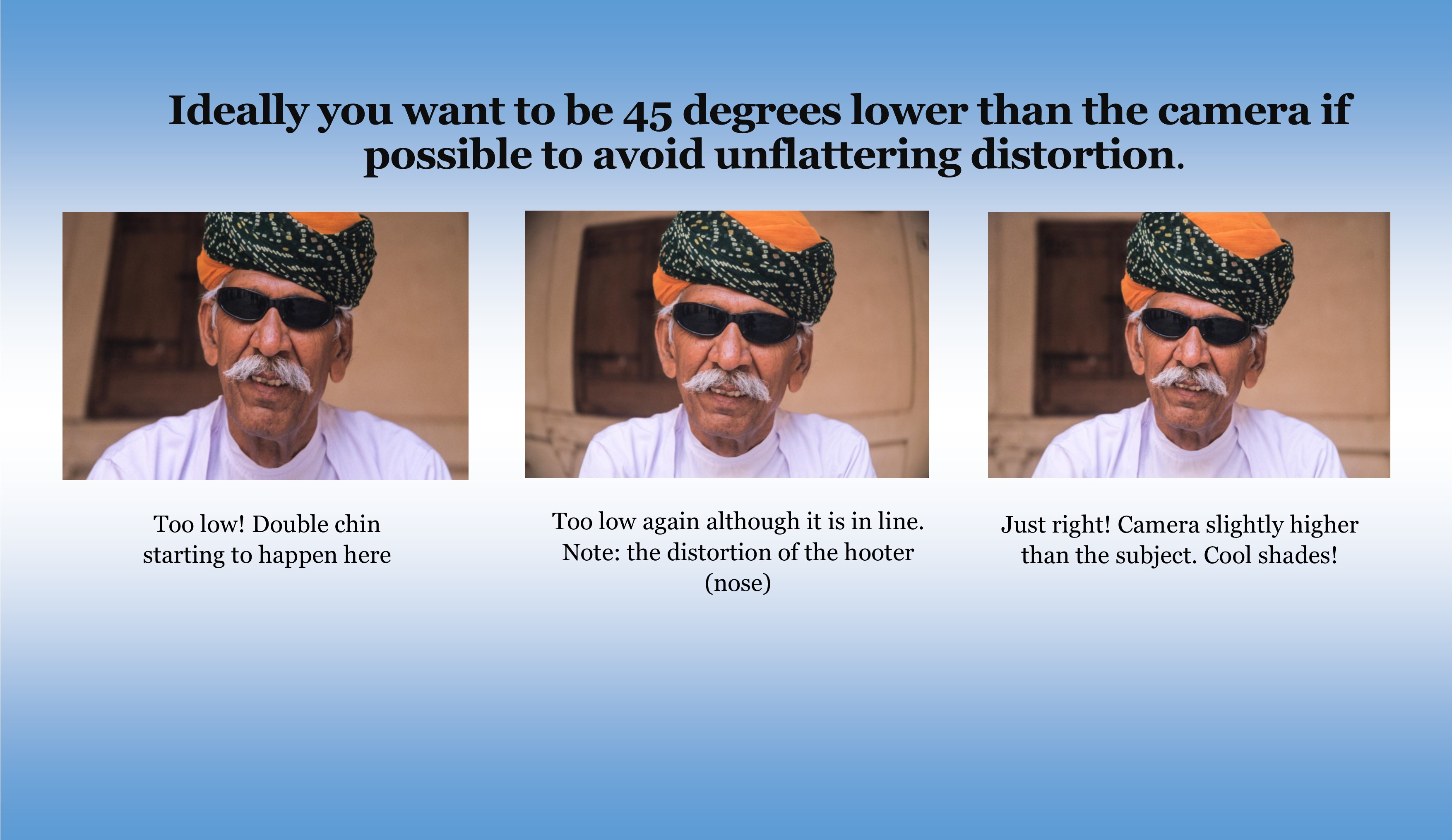
    1. Think about your position. Ideally you want to be slightly lower than the camera if possible to avoid unflattering distortion.
    1. Now comes the tricky bit. Unless you have someone else helping, you are going to have to focus the camera on your final position, be it a full length or head shot.

    The easiest way to do this is to put something in that position and then focus on it.

    1. Just press the shutter button and then get into position.
    1. Take plenty of images trying different poses and maybe different locations. You can’t take too many!

    How to take a good selfie


    Review

    1. Review on your phone and add a filter if you wish. There’s plenty of them out there.
    1. Load the images onto your computer.
    1. Look for softness (slightly blurry), unwanted distractions or items and light
    1. Crop if required. You may need to crop for different applications.
    1. Upload to your website, social media or another platform.
    1. Discuss requirements with your printer if you are using hard copy marketing material.

    Finally

    Rinse and repeat if need be.

    You may think you’ve got it right but there’s always room to improve.


    Is there anything else you want to know? Did you give it a go?

    I’d be really interested in any results that you wish to share.

    Let me know in the comments below.


  • How to get ahead of your competition? Get good images

    How to get ahead of your competition? Get good images

    As a photographer and someone who has been involved in sales and marketing as a profession, I shake my head at the way some business’s view the use of images in marketing.

    Because image is everything!!

    I’ll say that again; “image is everything!!”

    It’s no longer about what your product is, it’s now about what the product looks like and represents, and that means image.

    To be fair I have seen some amazing imagery from some companies but in there are a lot that are pretty average.

    Let’s take the wine industry (I’m a pretty sad wine enthusiast)
    An out of focus, dimly lit picture of a bottle plonked on a dining table is just not going to encourage anyone to buy.
    With some care given to background, lighting and props, the final image can reflect a sense of place, lifestyle and even culture and give a much needed professional feel to a website, for example, which all helps to sell wine.Card Farm Pinot Noir

    Recently I attended a wine tasting that had little or no imagery available for the wines on tasting. The tasting was at a liquor store and was run by a distributor and the winemaker for this particular winery, yet amazingly the bottles were only seen when poured from.
    Nowhere on the literature were there photographs of the winery, wines or anything else that may leave a lasting impression.
    Unless I have my tasting notes or price list with me I wouldn’t recognise these wines were I to go into any other liquor store today.

    Sadly, I find that this is the norm

    There are 4 reasons why a business doesn’t invest in their marketing images

    1. Cost
    2. Time
    3. Lack of knowledge.
    4. Attitude that it ‘doesn’t matter’.

    The first two, cost and time are understandable but lack of knowledge, with some motivation, is easily remedied.
    There are plenty of resources both online and off line that can help the budget conscious business learn how to take good photographs.

    However for anyone who thinks it doesn’t matter then think again!
    Images are the new language. As at May 2014 (the last accurate report) 1.8 billion images were uploaded every day which is 30% higher than 2013!
    It is now estimated that we will have exceeded the 2 billion per day by the beginning of this year.
    In fact some estimators are saying that the number of images uploaded this year alone is more than the total of all previous years.

    No longer are purchasing decisions based on sales copy alone.

    Images are attracting attention and it’s never going to change back.

    So you’ve got to get your potential customers attention and that’s where striking images that grab comes in.

    What you shouldn’t do

    If I produced wine, (I did think about it once but it seemed much less enjoyable than drinking it) I would want to control the image of all facets of my operation from the product to the winery to the location.
    I hear of wineries having competitions to find the best image, usually on Facebook or Flickr, so that they can use it for marketing. Some may say that is a certain degree of control.
    However I would challenge that view as the vast majority of photos generated won’t provide the image that is best suited to that particular winery, even if it’s a good image.
    When you consider the effort and time to organise the competition and the cost of providing the prize, usually a case of wine, surely that energy would be better spent producing an image that conveys what the winery would like to show the world, rather settle for possibly the best of a bad bunch!

    Celebrities now days are going to great lengths to protect and control their image, some of it a bit too zealously see An Open Response to Taylor Swift’s Rant Against Apple. They understand the power that the image now has and its potential to affect either positively or negatively their business and consequently their earnings.

    What you should you do

    Well in the above wine tasting example, some great images of the winery and its location.
    At the beginning of the tasting they showed a YouTube video of the winemaker being interviewed and part of the footage was some amazing scenery next to the winery.
    Images of that scenery (a desert landscape next to the Pyrenees in Spain) could have been on a cover for the tasting notes or large prints on pull up banners or posters could have been placed or hung around the room.
    Then they could also have had some inventive and colourful images of the bottle and its label on the tasting notes.
    And that’s just to start with.

    Here’s 5 things to look for in your marketing images right now

    1. The biggest one is do they represent how you think your business should appear to others.
    2. Are they sharp i.e. no sign of unintended blurriness?
    3. Do they blow up to a reasonable size?
    4. Does it have impact?
    5. Is it memorable?
    6. Is your product clear and concise?

    Conclusion

    It’s your business and your product that are being represented.

    No amount of text will compensate for a poor first impression

    So just start by critiquing your images regardless of who created them.

    So if I could leave you one simple message it’s this:

    “A photograph shouldn’t be just a picture, it should be a philosophy”

    So what do you think? Anything I’ve missed?

    Please leave your comments below


  • Why You Need a Professional Selfie.

    Why You Need a Professional Selfie.

    Why You Need a Professional Selfie.

    We all know that a picture paints a thousand words.
    And we know that images are important to our marketing, particularly our online presence.

    Why is it then that often the one image that we should have, is missing or at best average?

    Which image is that? The SELFIE or as it used to be known as, the self-portrait.

    So why do you need a professional Selfie?

    When I visit a website I usually go straight to the about or start here page.
    It often surprises me how many about pages make no mention of the people behind them.
    For whatever reason they have no human images.

    In my many years of sales and marking there has been one truism: “People buy from People”.
    Usually people they like but most certainly people they trust and know something about.

    The human face

    There has been a lot of testing and research that confirms a human face on about page increases trust.

    When you have trust, the more likely visitors are to stick around and consume your content and/or buy your stuff!

    The about (or start here) and contact pages are the usually the most visited pages on a website.

    So if you don’t have a picture and some sort of bio you are telling visitors to your site that you are anonymous.


    why you need a professional selfie

    We as human beings tend not trust anonymous.

    Sure sites like Amazon or Microsoft are anonymous but they have multimillion marketing budgets that go a long way to overcoming their anonymous disadvantage.

    So make sure you have a professional selfie of yourself and your key personnel on your website.

    So the first 2 steps to think when taking a professional selfie are:

    1. What sort of self-portrait do you think represents your brand?

    A financial adviser or lawyer may want a more conservative head shot. Or they may want a full length portrait with business like clothes like a jacket and trousers.

    A social media site may wish to convey a trendy relaxed image.
    So it may decide that, rather than have a headshot, an image of its employees being active may be better.

    A tradesperson my want to have an image of themselves in working gear with a tool as a prop.

    Real estate agents tend to want half body (torso and head) shots.

    why you need a professional selfie

    Maybe you want black and white or sepia (a reddish brown hue that resembles the effect of aging in old photographs, the photograph not the subject!) as a point of difference.

    2. What are you using it for?

    Well as I said earlier the priority should be the about page of your website.
    If you have a team then make sure they too are on that page which could easily be a separate page underneath the main about page.

    Social media profiles are also pretty important. They show the human touch and are more likely to attract engagement

    You may also wish to use it for some printed marketing material like flyers and business cards.

    If you have been featured in publications, then a great head shot.
    Most publications, primarily due to the cost, are moving away from using a photographer.
    So having your own portfolio of self-portraits can be very useful

    Maybe you’re thinking really big and looking to get your face on a billboard.

    Whatever you are using it for make sure you take plenty of images, trying different poses and maybe different locations.

    And by the way, there’s no rule that says you have to use the same images across the all platforms and marketing material.
    You may want to convey a different image on your social media accounts than say, your business card.

    Why you are at, why not stick a ‘selfie’ on your contact page. It makes it feel more personal.

    So you can’t really take too many!

    Summary for why you need a professional selfie

    People buy from people, so make sure your brand shows you and/or your people.

    Take plenty of different professional selfie’s.

    Use them for not only your website but for other publications and social media.

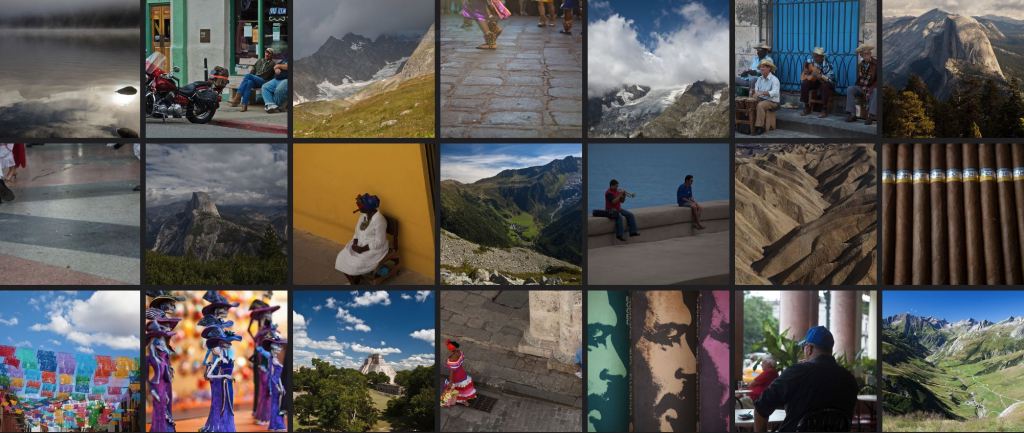
    Check out some portraits in this gallery

    So what do you have? Do you have good ‘selfies’?

    Where have you posted and used them?

    Please leave the answers in the comments below

    While you are at it why not subscribe and get a free e-book to help you take better photos.
    The principles in this e-book apply not only to travel photography but to all types of photography. 

    [mailerlite_form form_id=7]

  • Why good photography is a great investment for any small business.

    Why good photography is a great investment for any small business.

    Why good photography is a great investment for any small business.

    *“Don’t let nobody take care of your business better than you

    In the game of marketing the big brands are winning hands down.
    They hire large marketing companies and/or specialist photographers to make their brands stand out in an increasingly crowded market.

    So does that mean that the small business like you can’t compete in the visual stakes?

    Of course not – let’s read on and find out why good photography is a great investment for any small business.

    The internet has levelled the playing field.
    Before the internet, for a small business to get its brand out to the marketplace would involve expensive marketing material or foot slogging. Then there was also a reliance on others such as distributors to market your brand as well the other brands it had in its stable.

    Don’t get me wrong these strategies still play a role.
    But the reach of the internet is so vast and the entry cost so small.
    And now you get instant feedback from targeted campaigns. 
    So for a you, without the marketing budget of some of the bigger brands, it’s a no brainer!

    Image Branding

    Wherever we look online, its images that catch our attention so we have to create a visual depiction of the brand we are offering.

    That’s where photography comes in.

    There are thousands of images of products, services and other related subjects. These are posted by the minute on to social media, websites, apps and online publications every day.
    In my humble opinion there are only a few that are memorable.

    The majority are taken and published by consumers, who have no vested interest in producing photos of any great quality.
    They are usually what could be called record images, that is a record of the wine drunk, the restaurant visited, the food eaten, the place visited etc.

    Those that are likely to have the most impact on potential consumers are are produced by reviewers and few other industry players. 

    Take Control!

    So don’t leave it to others to represent your brand. Take control! 

    So what’s a good image?

    To make a brand stand out the image has to be usually (sometimes you can get lucky) well planned and memorable.
    It’s that last word “memorable” that’s so important.

    Consumers will nowadays more than likely see a brand online before they see it physically.
    A memorable image will help them remember it when it comes time to purchase your product in a store or online.
    Composition, opportunity, technique and to a lesser extent, camera equipment play a part in getting the right ‘shot’.

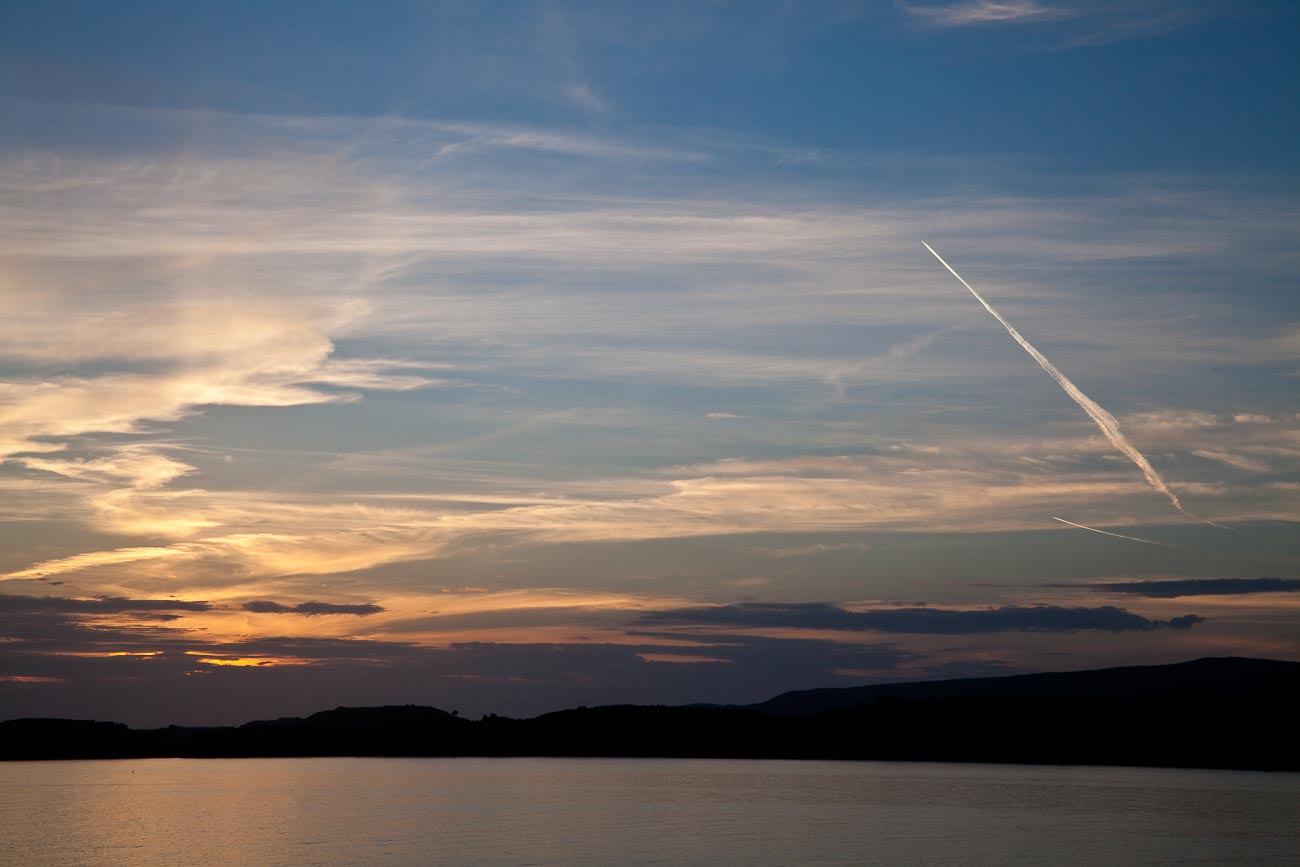
    Dusk from Lassi, Kefalonia looking across to Lixouri
    Dusk from Lassi, Kefalonia looking across to Lixouri. Click on the image to see a larger view and other options

    Other factors

    Of course image alone is not purely responsible for that, product design, good reviews, interesting stories and reputation all play a part.
    But you can have a terrific product and great reviews but if the image is poor and almost indistinguishable it’s not providing any value.

    So where should you put most of these images?

    Well by far social media is has become the place to display and share photos.
    So let’s take a look at the most popular and well known channels.
    These are not in order of importance, as each one has its own individuality:

    Instagram

    ig

    Instagram is a photo-editing mobile app that not only beautifully renders photos taken on Smartphones, it also has some powerful social sharing features.

    Last year Instagram was the fastest growing social network on the planet and is evolving to be an image based Facebook (who by the way own Instagram).

    Pinterest

    In the purely visual stakes we have Pinterest which is focused on sharing things that are visually pleasing (both photographically and in video).

    Images and videos are at the heart of the Pinterest experience.
    Because of the fact that Pinterest emphasises pictures over text, it’s extremely important to have high-quality photos.

    Facebook

    fb

    Then there is Facebook by far THE most popular website on earth.
    What’s more, the average Facebook user spends on average just under two hours per day on Facebook.
    The incredible viral nature of Facebook enables business’s to get in front of a huge audience

    High quality and eye catching images go along way on Facebook


    LinkedIn

    LinkedIn is the largest social network for business owners and professionals.

    LinkedIn doesn’t generally market to “the general public”.
    LinkedIn allows a business to target a different demographic of business owners and professionals.

    Google+

    The not so sexy Google+ is Google’s answer to Facebook.
    Whilst not quite as popular, it has two things going for it that other social media sites don’t.

    If you have a Google+ page, then you can connect it to Google My business listing (formerly known as Google Places or Google Local).

    What does that mean? Well guess who controls 80-90% of searches on the net? Yup, Google

    Because of the way that high quality images are displayed on Google+, it’s no coincidence that one of it’s most active users are from visual medium industries like Photographers and Graphic designers.

    Twitter

    twitter

    Twitter has in the past been considered almost a text message service.
    Since it introduced the display of images in streams (i.e. without having to click on the link) a couple of years ago that’s all changed.

    According to tests, tweets with images are 55% more likely to be shared or re-tweeted.

    There are others of course, YouTube and Qzone (China’s answer to Facebook), have a huge number of users.

    Other places

    It goes almost without saying that today a website, which can highlight some great images is essential.
    The cost of building a visually appealing website has dropped significantly over the last two or three years.
    In fact, those who are tech savvy build their own at very little expense.

    Uploading images to any of the social media sites and a website is now a simple process that anyone using a computer can do.

    Summary for why good photography is a great investment for any small business.

    So to recap: 
    The reality is that you as a small business need to ensure that the quality of your marketing images stand out.

    That’s not to say that word of mouth, good reviews and on the ground marketing don’t work anymore. It’s just that we have become an image sharing society and any business looking to grow would want their images shared.

    * James Brown, It’s A New Day

    Do you agree? Are images that important for your business? Feel free to add opinions below. I would really like to hear them.

    For more on this and other photography subjects why not sign up for my email and get a free “Camera Features Guide”.

    Just sign up below

    [mailerlite_form form_id=8]

    Dusk from Lassi, Kefalonia looking across to Lixouri
    Dusk from Lassi, Kefalonia looking across to Lixouri
  • Why stock images are bad for business!

    Why stock images are bad for business!

    Why stock images are bad for business!

    We all use stock images but are they really good for business? In fact stock images are bad for business!

    Imagine

    You are driving down the road and you see this big billboard with a terrific image on it. You think to yourself that’s a great image and that it looks familiar. Quickly you realise it’s the one you used in a recent marketing campaign.

    Then you take a closer look and you realise that it’s advertising your competitor’s product or service.

    The fine print

    Seething, you get to your office and send a nasty email to the stock agency you used.
    Later that day you get a response that draws your attention to their terms and conditions which basically say that they have no control over how the image is used.

    In other words, as long as they get paid they don’t really care.

    Hiring your own photographer

    Now imagine that you are driving down that same road and you see the same billboard.
    It has a great image on it that’s advertising your business and no one can else can use that image without your express permission.
    Now you may be thinking that you got that image by hiring a good photographer.
    Comment-Anzac March_0411_001[mailerlite_form form_id=7]
    Not necessarily!

    When a photographer conducts a shoot for any business (or wedding or portrait session or any other third party) they keep the copyright. So what that can mean is that unless you have a watertight contract with them, that they are prepared to sign (and then the price will increase) they can resell that image to another business or alternatively a stock agency.

    Now don’t get me wrong I don’t believe that many photographers would knowingly sell an image commissioned by you to your competitor but they, like you, need to make a living.

    But it does highlight the legal minefield that is copyright.

    So what to do?

    Take control

    They only way to truly retain copyright is take the image yourself or have an employee take it. In the former you own the copyright and in the latter provided the employee takes it in the course of their employment, again you as the employer, own the copyright.

    Another good reason to take these images yourself or use a photographer (if you are prepared to pay for some control of the copyright) is creative control.

    The disadvantages of using a stock agency

    Stock agencies have thousands of images. Scrolling through that many, even with the great search engines that most of them have, is time consuming and you could end up settling for second best.

    Of course you could outsource the selection to a marketing company or even the stock agency itself by giving them a brief.

    Again you are giving away your creative control, not to mention the additional expense you will incur. And who’s to say that they will come up with a what you are looking for.

    I know that when I have submitted images along with many other photographers for a stock agency brief, often the client ends up not choosing any image.
    Which is a pain for everyone, especially me, which I why I’m very selective these days but I digress.

    Take your own Stock images

    But, I hear you cry, none of us have the expertise to take really good images.

    That can be taken care of easily, the web is awash with tutorials and tips on how to take great images.

    Off course these are aimed at the amateur photographer who could be looking for information to take great family shots right through looking to carve out a career as a photographer.

    Taking photos (and videos) for business marketing is different and similar in a lot of ways to travel photography. Not harder or easier but different.
    The eye should be looking to make your product or service as attractive as possible sometimes in an obvious way, other times in a subliminal or subtle way.

    Comment-Guadalajara_1010_169Some of the articles on this site are intended to bridge that gap. My goal is to help small business owners raise the quality of both their image and marketing by providing the information that they need to improve their photography.

    Plus I will give options on where are the best platforms are to post or use their images.

    So come and regularly visit my site nickkatin.com or subscribe below to get the latest articles into your inbox and a free guide on where to start.

    [mailerlite_form form_id=7]