Katin Images Travel Photography

Travel Photos, Travel Photography Tips and Software

Tag: People

  • Tips to Photograph People while Travelling

    Tips to Photograph People while Travelling

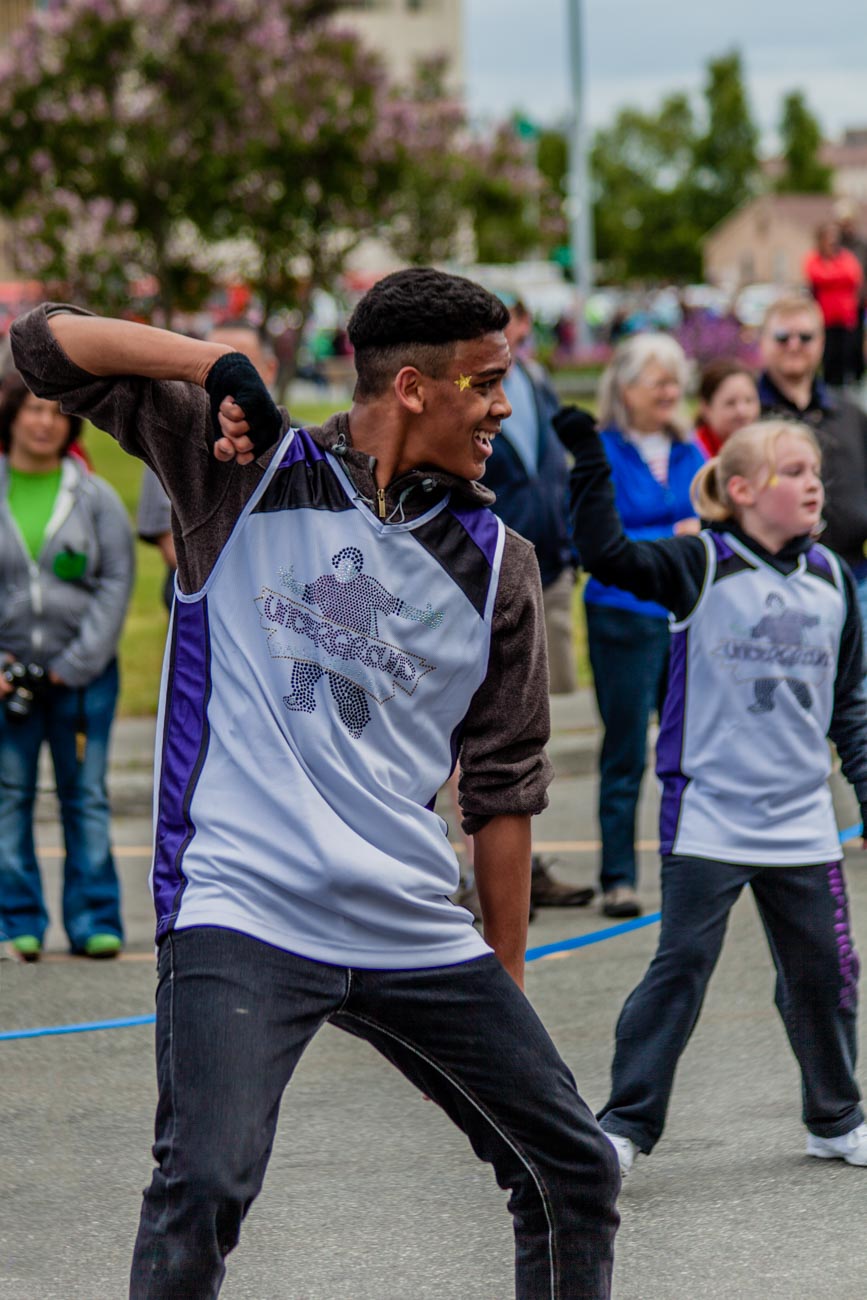
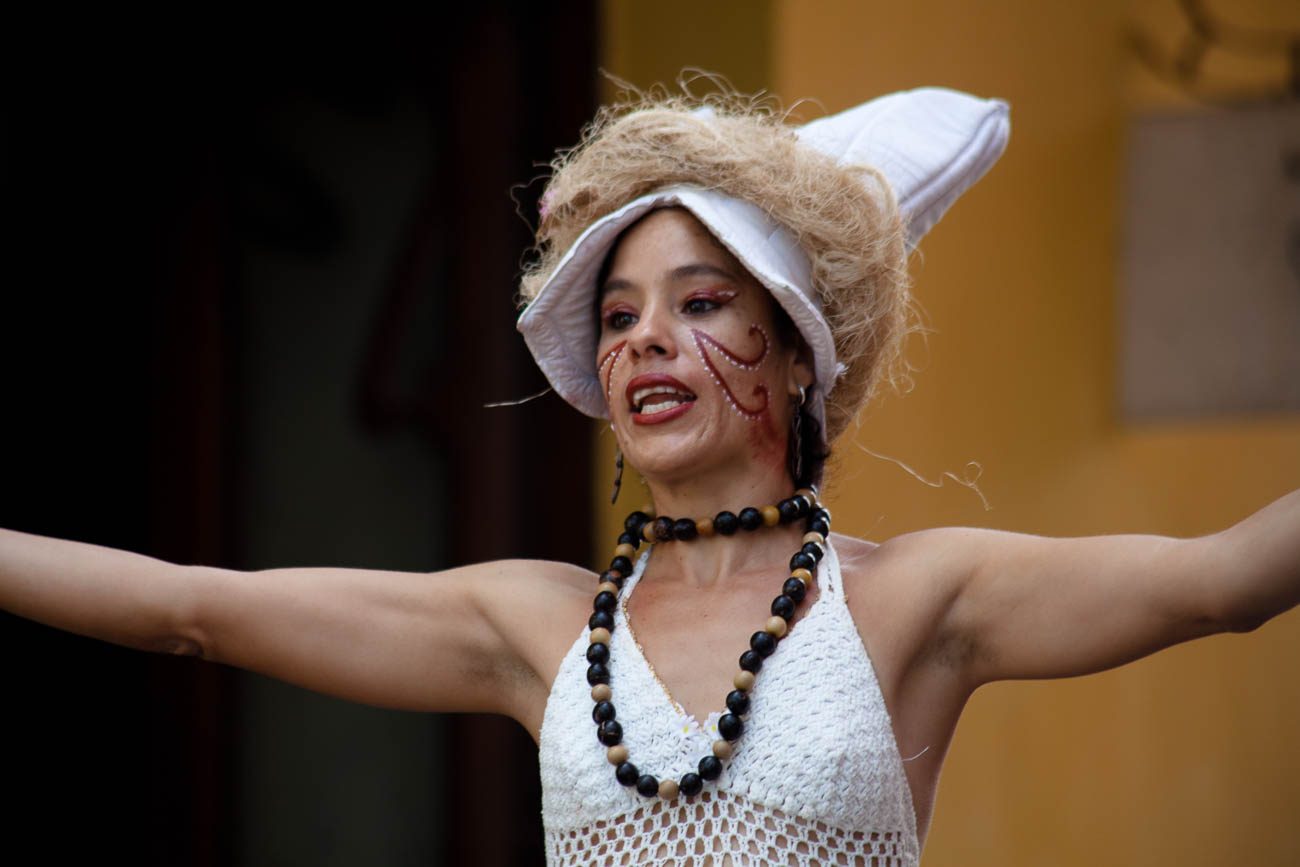
    A street dancer in Havana
    A street dancer in Havana

    This is quite a common genre. Anybody who travels and takes pictures will need to know how to take photos of people.
    It’s the reason why we travel, although we may not know it. We look to connect, observe and absorb different cultures and that comes from people

    Read on below to get tips to photograph people while travelling

    Types of people photos

    Photos of people are one of 2 types

    • Portraits

    For the purposes of this article I’m going to describe portraits as posed photos of people.

    In other words they know they are having their pictures taken and are posing for the camera.

    • Candid

    Candid is taking photos of people, usually but not always without them knowing that they are the subject.
    In other words, they are going about their normal lives.

    Portraits
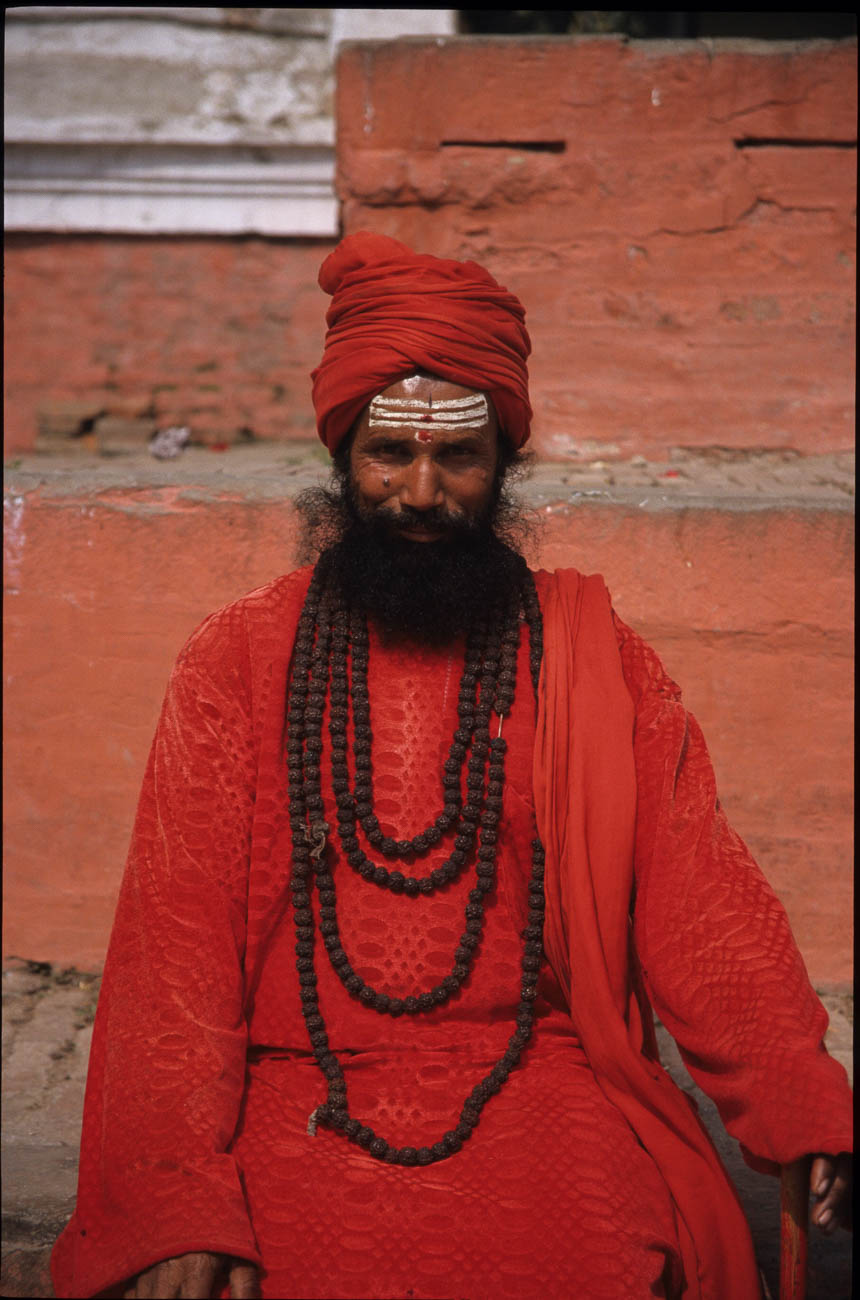
    Holyman in Durbar Sq Katmandu, Nepal

    We all love to get that photo that conveys emotion in bucket loads
    Well it takes a little bit of sensitivity and planning.

    • Sensitivity

    Before you do anything or approach anyone you must be across the local custom and culture.
    For example, most of us think that, in general, people in most western societies don’t have any cultural aversion to having their picture taken.
    Yet nowadays the ethnic mix is not only white homo sapiens.
    People of all sorts of backgrounds and cultures live permanently in Western Europe, North America, Australia and New Zealand.
    So we need to be just as sensitive in the west as we do when visiting places in the Middle East or Africa.

    • Planning

    Planning is not only knowing what you want your subject to be doing.
    But it’s also working out the setting or the area around the type of subject you are looking for.
    You may be looking for people shopping or serving in a market or walking the street.
    Whatever it is, have a plan and picture what you want to get out of it.

    Once you have taken into account sensitivity and completed your plan that then you need to ask for permission.
    If you intend taking a posed portrait then you will need to approach someone to get permission.
    At least that is the polite way, as I’m sure you wouldn’t like someone thrusting a camera in your face.The two main complications in approaching potential subjects are:  

    The two main complications in approaching potential subjects are:  

    1. Cultural sensitivity and 
    2. The fact that some people for whatever reason don’t want their picture take

    The former is about doing your homework. For example some cultures or religions have a belief that a photograph can steal a soul.
    Some Australian Aboriginal people have cultural reasons for not wanting their photo taken.
    If you find this out beforehand then don’t ask!
    There’s not much you can do about this. Don’t beg or try to bribe. Just move on

    Paying money

    There will be opportunities to take pictures of people who want to charge you. You’ll find this usually in developing countries and it’s not expensive.
    I’ve had approaches from a bell ringer in Buddhist temple and a Bedouin with a turban in an Egyptian temple. They wanted me to take their photo at a price.

    Relationship

    The best way to get permission is to get to know them first.
    By that I don’t mean take them to lunch or coffee but have a conversation with them so that they feel at ease.
    If they are being active in some way, ask them what they are doing or ask some general questions.

    Let’s say you want to ask a shopkeeper if it’s ok to take his portrait. Then you could start by asking about his shop and how long has he had it.
    What else does he do? Ask if his family are involved and what they do.
    As human beings we love to talk about ourselves and what we are doing.
    Most will start to relax once someone takes an interest in them.
    Once relaxed that’s a good time to ask for permission to take their photo.

    A little tip is to continue the conversation even after taking photos.
    If you are subtle about it, you can continue to take photos with the camera loose around your neck or on a tripod.
    A remote release is handy for this because then you are remote from the camera shutter button.
    Sure, some of the images you take won’t be very good. But I bet you can get some very good pictures because your subject is relaxed and talking instead of posing.

    Taking portraits is challenging and to some can be uncomfortable.
    But its worth getting out of your comfort zone and asking to take their photo.
    Once you’ve done it a few times you’ll be surprised at how easy it becomes and how enjoyable it is.

    Candid
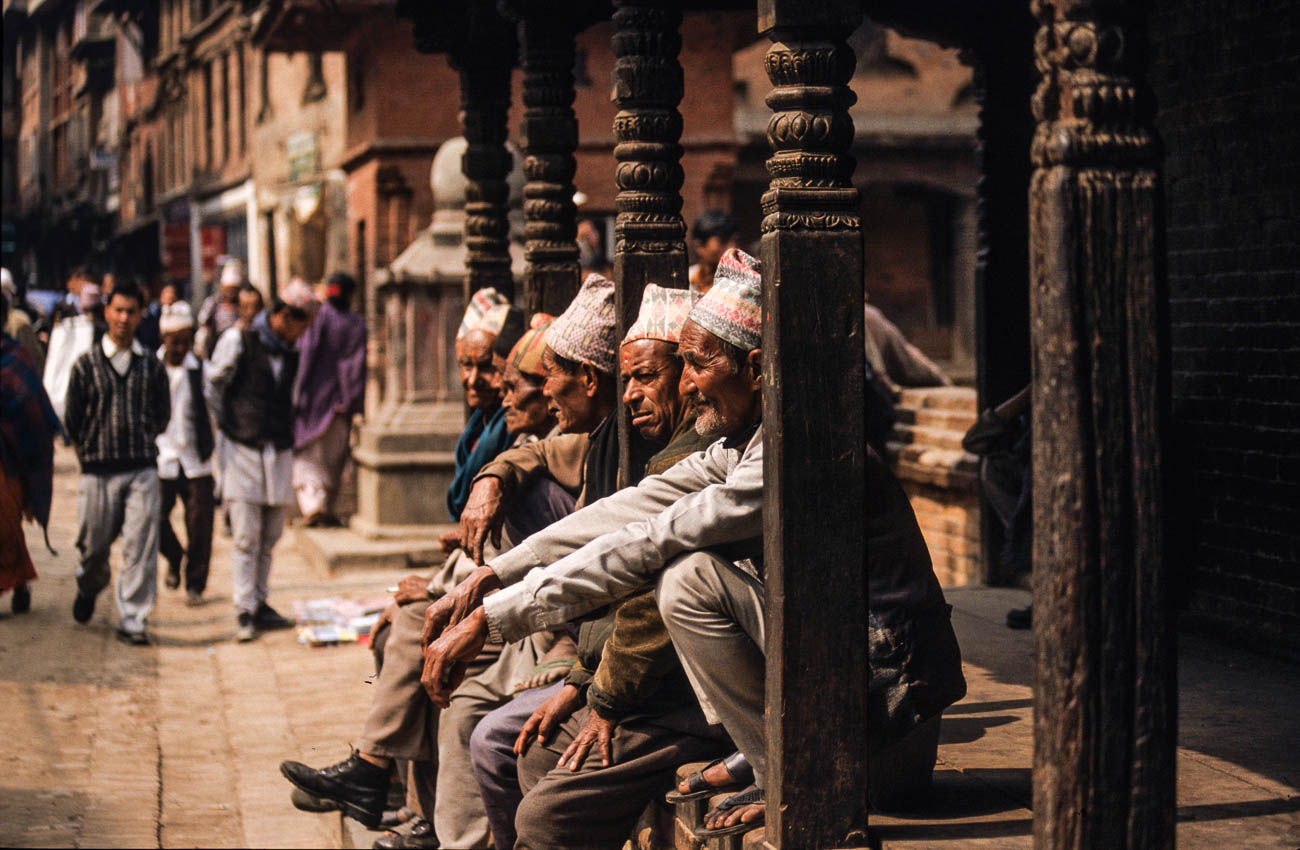
    A group of men sitting on a wall in astreet in Katmandu, Nepal

    Of course, if portraits really aren’t your thing or you want to mix it up, then taking candid shots is the way the go.

    Again, the main factors are sensitivity and planning

    • Sensitivity

    Even though you are usually taking photos of people without them knowing. You do still have to have some degree of sensitivity.
    I can remember taking a candid shot of a stall owner in a Marrakesh market. I didn’t think he saw me, but he did and asked me to delete it.
    I could have said no, as in general you can take photos of pretty much anyone in a public place.
    But, I didn’t mean to upset him and gladly deleted it.
    I did ask him whether I could take a posed photo which he agreed to. He asked me to come back later and when I did, he was nowhere to be seen.
    Can’t win them all.

    So, the point is don’t make it obvious that you are ‘stealing’ a photo.
    It’s not just that you might upset someone. It can work the other way where they actually pose which may not be what you were after. Or they could put their hand out for payment which I’ve discussed earlier

    • Planning

    Planning for candid photos can be as in deep as knowing exactly what photos you want to take.

    Or doing what a lot of street photographers do and park yourself in one spot, cafés are good for this.
    Then wait patiently for opportunities to present themselves.

    Of course walking the streets keeping your eye out for opportunities can also work.
    I will say, that whilst you are on the move you can easily get distracted so you tend not to anticipate what’s likely to happen.

    Techniques
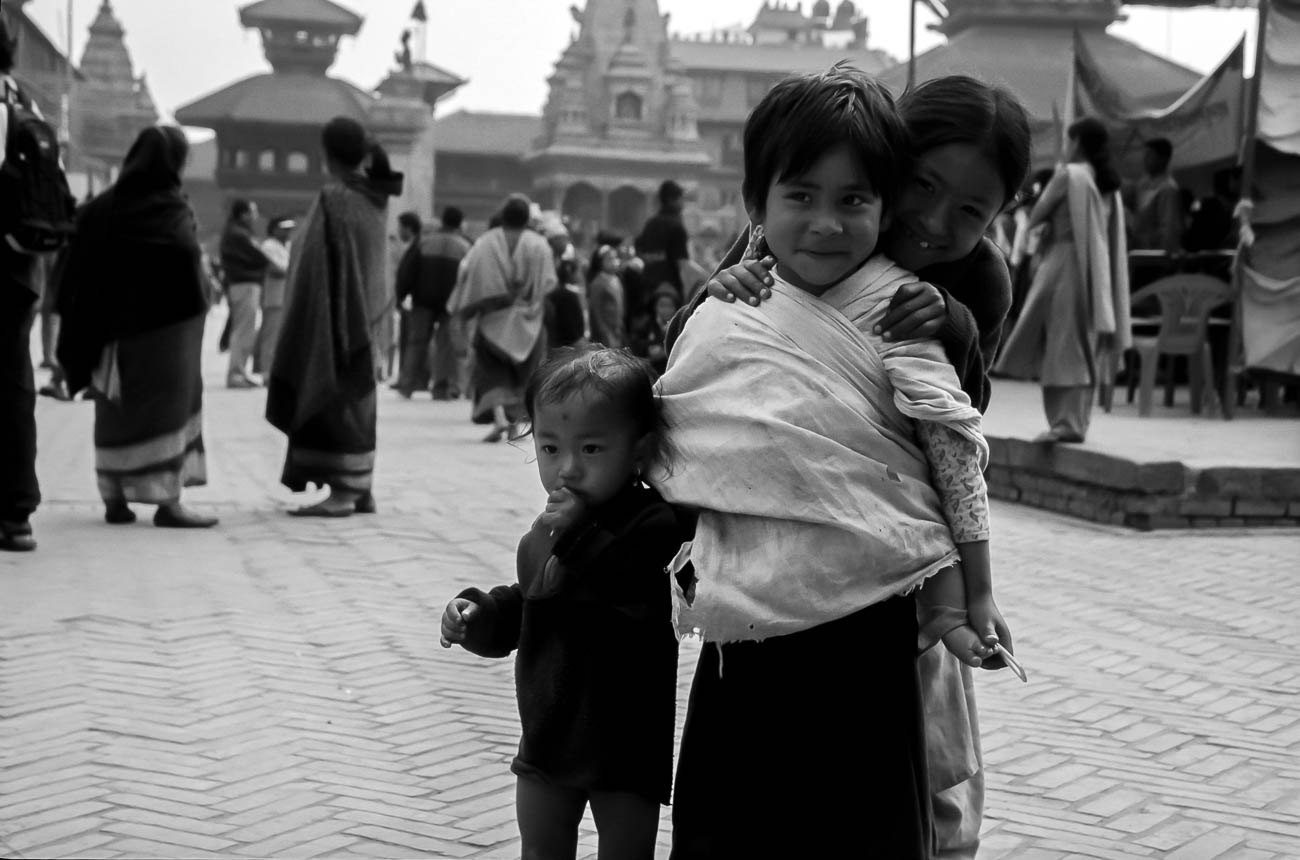
    Children, toddler and baby in Bhakatupur square, Bhakatupur, Nepal

    There are various schools of thought on how to set up your camera for Portrait and Candid shots.
    A lot also depends on what equipment you have.
    For both 80-105mm in the old language is standard.
    Some photographers like to use a wide angle, say 24mm.

    Others like the look of the compression created by zooming in with a long telescopic lens.

    If you want that blurry background with the subject nice and crisp, then you will need to go for a large aperture (small F-stop). The equivalent of f2.4 should do it. Of course, not all cameras give you that option. Most smartphone can’t at all without some devilish app trickery.

    If on the other hand you are taking photos where the person is part of an overall scene, then an aperture of F8-11 will do the job.

    Whatever settings you need, make sure they are set correctly. Especially before embarking on taking people portraits.
    Don’t make your subject wait for you to set up the camera. They will soon run out of patience. And you will be putting yourself under unnecessary pressure.

    Light

    Of course, the above recommendations are for ‘normal’ light.
    If the light is poor, then you will need to make sure your ISO is set quite high. If you have it set to auto then it might be already.
    The alternative is having the aperture set as wide as you can, to let what little light there is in.

    Summary of Tips to Photograph People while Travelling

    There are two main ‘genres’ of people travel photos.

    • Portrait

    Portraits are taking photos of people who are posing. I.e. They know they are having their photo taken

    • Candid

    Candid is taking photos of people usually without them knowing that they are the subject.

    To take people photos it’s important to:

    • Plan well
    • Be sensitive to local cultures and respect the wishes of the individual
    • Be ready to recognise and take advantage of any opportunities
    • Have your Camera on the correct setting.

    What to do now

    You’ve got down this far and I do appreciate that.

    There must have been something that piqued your interest.
    Is it that you see yourself taking some great travel photos that you can share or display?
    Or is it you can see yourself reliving your travel experience by bringing home some emotive travel photos?
    Maybe you aspire to getting your travel photos published.

    If one or all of these is YOUR goal, I can help.
    If you sign up in the box below, you’ll get my free eBook “9 ways to improve your Travel Photography”. At the same time, you will also subscribe to my Travel Photo Tips Newsletter.

    So, let me repeat that.
    If you want to take great travel photos

    • that you can share and display.
    • that help you relive your travel experience
    • give you a chance to have your travel photos published

    Then sign up below and subscribe to my Travel Photo Tips Newsletter AND get my eBook “9 ways to improve your Travel Photography”

    Any questions then please put your comments below or contact me here and please say hello at these places:

    FacebookTwitterInstagramLinkedIn:

    Feel free to share this to your social media of choice
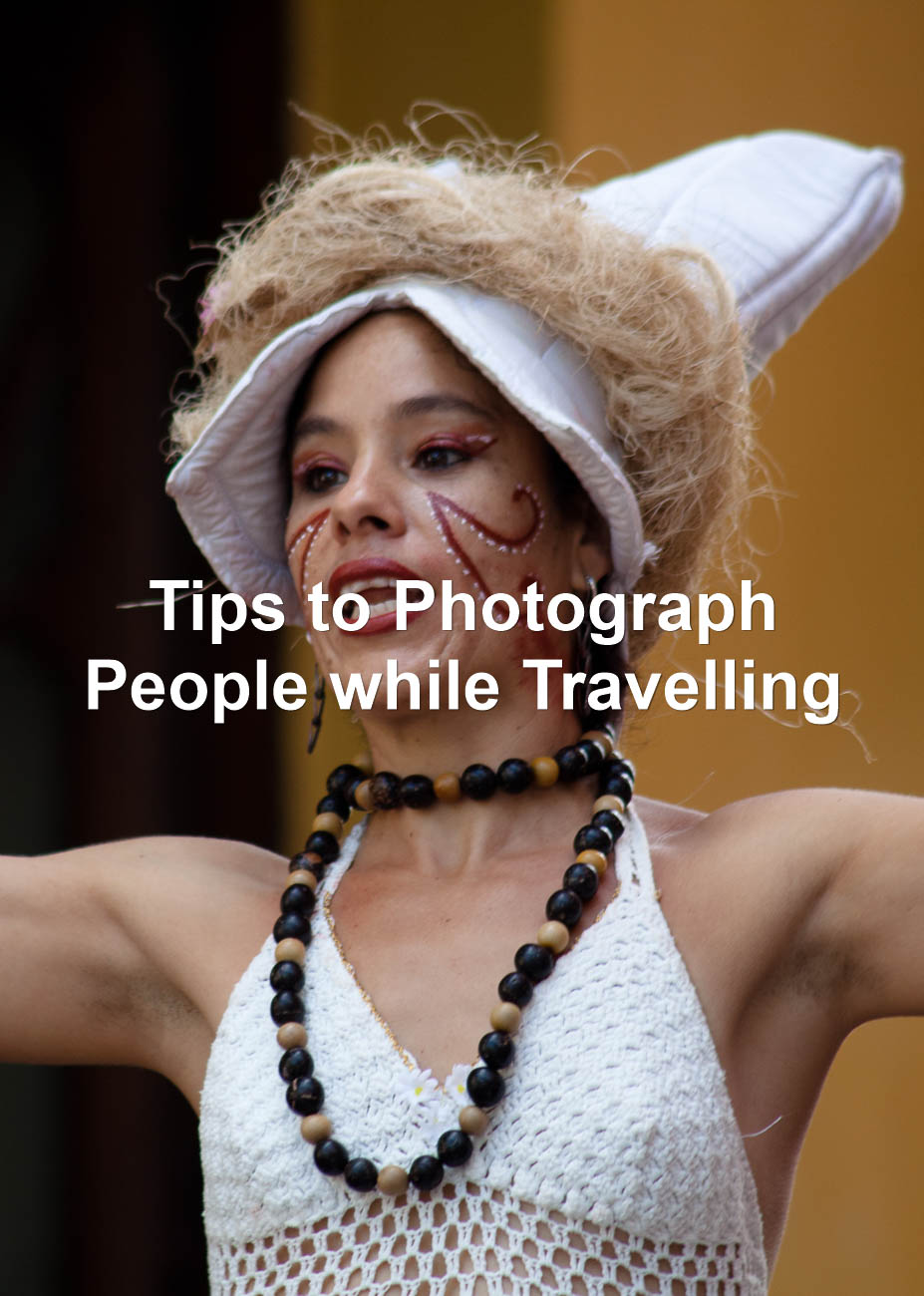
    A street dancer in Havana
    A street dancer in Havana. Click the image for a larger view and for other options.
  • How to put People in your Stock Photos

    How to put People in your Stock Photos

    In a recent post, Looking for stock photos? Here’s how to take your own, I listed the Four Basic Elements of Stock photography:


    1 Background


    2 People (Model/S)


    3 Subject


    4 Involvement


    I covered Background in How to create the right stock photo background.


    Now this where you will learn how to use people in your stock photography.


    First up – the Model


    How to put people in your stock photos
    There are many innovative ways to use models you may not have thought of.


    You’ve got your background ready or least you have an idea what background you are going to use.


    The next step is to choose the model/s you are going to use.


    Now if you have a big budget you can elect to use actual professional models but I’m going to assume that you are not on a big budget.

    So, who do you choose?

    Well that depends on what you are going to represent in your image.


    Models can be anyone and from any walk of life. They could be neighbours, relatives, celebrities (if you know any well), schoolteachers, lifeguards, police officers, children, (be careful of this one, there are some paranoid parents out there) or just strangers in the street.

    So let’s say you have an DIY product, then have a think of who you your audience is.

    After all if it’s no good selecting someone they can’t relate to. Especially if they look like the sort of person who wouldn’t know how to spell DIY let alone do it .


    We have a hardware chain, Bunnings, that always has its store staff on TV spruiking their general principles.

    They are all middle aged or older because that’s the demographic that’s more likely to be involved in DIY.

    But the other demographic they aim for is the younger crowd who may feel much better getting advice from someone with experience.


    One thing you should ensure, is that whoever you select is interesting looking and appealing.

    By all means if you can get a beautiful looking model go for it but that’s not necessary.


    Position


    How to put people in your stock photos
    Positioning under an ad as well as showing activity


    Once you have your model you need to manoeuvre them in such a way that they are doing what you want.

    You do not want posed portraits.

    Generally speaking, you want to depict a snapshot in the life of someone using your product or service or representing your company.


    Most of us find watching people doing something is more entertaining (hence all those the fitness videos on YouTube)


    Background


    Now is the time to think about where they are in relation to the background.

    Are they in the way of something you want depicted? Do they have something ‘growing out of thier head’?

    Try different angles before clicking that shutter button.

    Or take a few snapshots with your phone and see if any of them work for you.


    Lighting


    Lighting is the next element to be aware of. Watch out for shadows across the face or over a part of the body that’s showing the product.

    If you are using natural light and the sun is overhead, watch out for blown out highlights or very dark, almost black shadows.

    Don’t get me wrong, you can use both blown out highlights and blacks quite effectively sometimes but more often than not you don’t want them.

    If you are using artificial light then watch for shiny skin.


    If you are using a flash try to tone it down a bit.

    There are so many images out there that give the impression that of a deer in headlights because the flash is too powerful.

    A better way is to use fixed lighting.

    That can be from the lights you already have in the room or space through to specialist lighting products.


    Activity


    How to put people in your stock photos
    At one of London’s famous markets, Borough Markets where this girl seems to be enjoying handing out samples.


    Now the important bit activity.

    There is nothing more boring than having an image that shows someone doing nothing.

    We, as humans like seeing what people are doing.

    I once heard a quote from unknown source “Watching other humans was probably the first form of entertainment for early man”

    And as a business you want the viewer to see what your models are doing.

    The trick is to show it in a way that stands out.

    One way is to show that they are engrossed in the activity or product for example.

    As an example, take a look at car advertising.

    Sure, a lot of their images are of cars but look closely and they nearly all have people in them.

    They might be driving, or looking longingly at the car.

    Some images have people walking past the car (or the car driving past them). 

    They have a couple on vacation with the car in the frame.

    They might be at the beach or at a café.

    They do that so that you can relate in some way.

    And it works.

    Does it make people want to rush out and buy a car?

    Probably not, but it does cement the brand in the sub conscious and when they are ready to buy a car that business can be front of mind.

    Or, when they are buying and they see these images the contact that they have made could pull them in that direction.


    Model releases


    Now for the fine print!

    Model releases.

    Do you need them?

    If you are advertising, yes.

    If you are using the model to depict an idea such as an editorial piece on your blog. Maybe not.

    But my advice get one anyway and you’re covered.

    So, what is a model release?

    A basic definition is that it’s a written and signed agreement between you and the person you are photographing.

    This agreement gives you as the photographer the right to photograph the model and use the subsequent image for the purpose you have stipulated.


    I’ll go into this in more detail in a future post so subscribe below and get notified when it gets published.


    So, to finish off let’s take a moment to revise the main points again:


    We talked about 6 basic principle in using people for your stock photography


    1 Choosing people


    Models don’t need to be “models’ they can come from any walk of life


    2 Positioning people


    Avoid taking photos that are obviously staged


    3 Background


    Tweak your background, assuming that you have already chosen it, to suit the model


    4 Lighting


    Be careful about lighting. Ensure that there are no ‘blown out’ highlights or very dark shadows


    5 Activity


    Remember humans are much more interested in other humans being active.


    6 Model release


    Make it simple, get a model release for all your models.

    I’ll leave it to you to decide if you sexy aunt or uncle need to fill one out.


    Assuming you have read the whole article as you have got down this far I’d like to thank you for reading it.


    And now that you have got this far, keep going and subscribe to my newsletter where you will get info not necessarily found elsewhere. I’ll even give a guide for your trouble.


    You can share your portraits and questions in the comments below. Just leave your ego at the keyboard.


  • African shoestrings – Malawi Day One Hundred and Two Blantyre

    An hour later we got our bags and decided that enough was enough, it was time to jump ship! We had already learnt that the Bus Company in an amazing piece of logic had decided to fix the clutch by sacking the bus driver and a replacement driver had already miraculously arrived. This was the last straw and with the other two we cleared immigration and customs and walked into Malawi.

    A minibus heading for Blantyre was waiting down the road. After the usual fare negotiations and once again watching our bags being loaded onto the roof, we got going and apart from being tightly packed in and being stopped by the police, we had an uneventful two-hour journey.

    The police in Malawi have quite a number of roadblocks. We were told that they were looking for drugs, guns and illegal immigrants but in this case they weren’t exactly pedantic choosing only to talk to the driver and have a quick look at the bags on the roof.

    The bus dropped us off at the very pleasant Doogles Backpacker hostel, which as it happens was next door to the bus station, a place we would have to brave if we were to follow our plan. We were shell shocked and tired and all we could think about was how the hell were we going to face another bus ride again.

    In fact so frazzled were we that we spent most of that day looking at alternatives.
    And guess what? There weren’t any! We went to the British Airways office and got a price for a flight to Dar es Salaam. At US$195.00 each it was out of the question although such was our reluctance to catch another bus that we were tempted. But realising that we were not in the right frame of mind to make that decision we wisely decided to stay the night at Doogles and worry about it tomorrow.

    Blantyre itself is one of these colourful and vibrant African towns and although we should have been in Lilongwe some 250 kilometres north, we still enjoyed its feel. The buildings were as usual rundown and dilapidated, the streets were dusty and dirty but the people were happy and smiling and seemed to spend their days in and around the many food stalls and street vendors that thronged the streets. There was a sort of musical beat about the place, as if everyone was listening to it and swaying as they went about their business.
    How could these people be so happy when they have to travel on such appalling transport? Don’t they realise how stressed out we were? What right did they have to be happy and smiling when we had to brave death to move on?
    As you can see we were becoming paranoid. Our paranoia subsided somewhat as we too began to feel the imaginary beat of Blantyre and then spent the evening back at Doogles watching the Aussies play India in one of the world cup cricket games.

    Malawi is without doubt a beautiful country and despite our experiences on the bus has a warm, friendly and happy population. But like Mozambique, Lesotho and Zambia it’s poor. That night we met Martha an Irish nurse who had come to Malawi 10 years ago for a two year stint as a voluntary AIDS education worker. After that she had stayed on and was one of the people responsible for managing the AIDS education program for the whole country. I was touched by her willingness to give up her own life to help the people of Malawi, a task that seemed to me to be almost a lost cause.

    As she said “These people are not worried about a disease that will eventually kill them in 10-15 years. They are more worried about how they can put food on the table now!”

    Malawi like most of its ex colonial neighbours has a lot of growing pains since independence and has only recently become a democracy. An increasing number of the Malawi’s population doesn’t think that this has improved their lot. Dr. Banda was Malawi’s first President and held office as a dictator for 34 years and whilst freedom of speech and other common liberties that we take for granted were missing, generally the standard of living was better than it is today. As we were told; freedom of speech doesn’t put food on the table. With its main source of income being tobacco the government is hoping that tourism will bolster its ailing economy. From what we had seen and were later to see, it’s got a long way to go.

    After a good night’s sleep everything looked better especially after everyone assured us that we had just unlucky and so we bought reserved seats for the bus to Mzuzu some 600 kilometres north. We had realised that time was getting away from us and Malawi was going to be the casualty. We had a little over two weeks to get to Dar es Salaam to catch our flight to London. In that time we had at least another three days of travel and wanted to spend at least five days on the island of Zanzibar off the coast of Dar. So a lot of what we had planned to see in Malawi was not going to happen especially as we had effectively lost a day and half and around 250 kilometres thanks to the bus ride from hell number one.

    Our new plan therefore was to get to Nkhata Bay, a small town on the edge of Lake Malawi, chill out for a couple of days and then continue on to Dar. To get to Nkhata Bay we had to go via Mzuzu and pick up a local bus there.

    Footnote:

    Take control of your blog’s images now by signing up here to get “Eleven easy ways to improve your marketing photography”
    A free guide on how to start improving your images to help you take control of your marketing.
    That link again

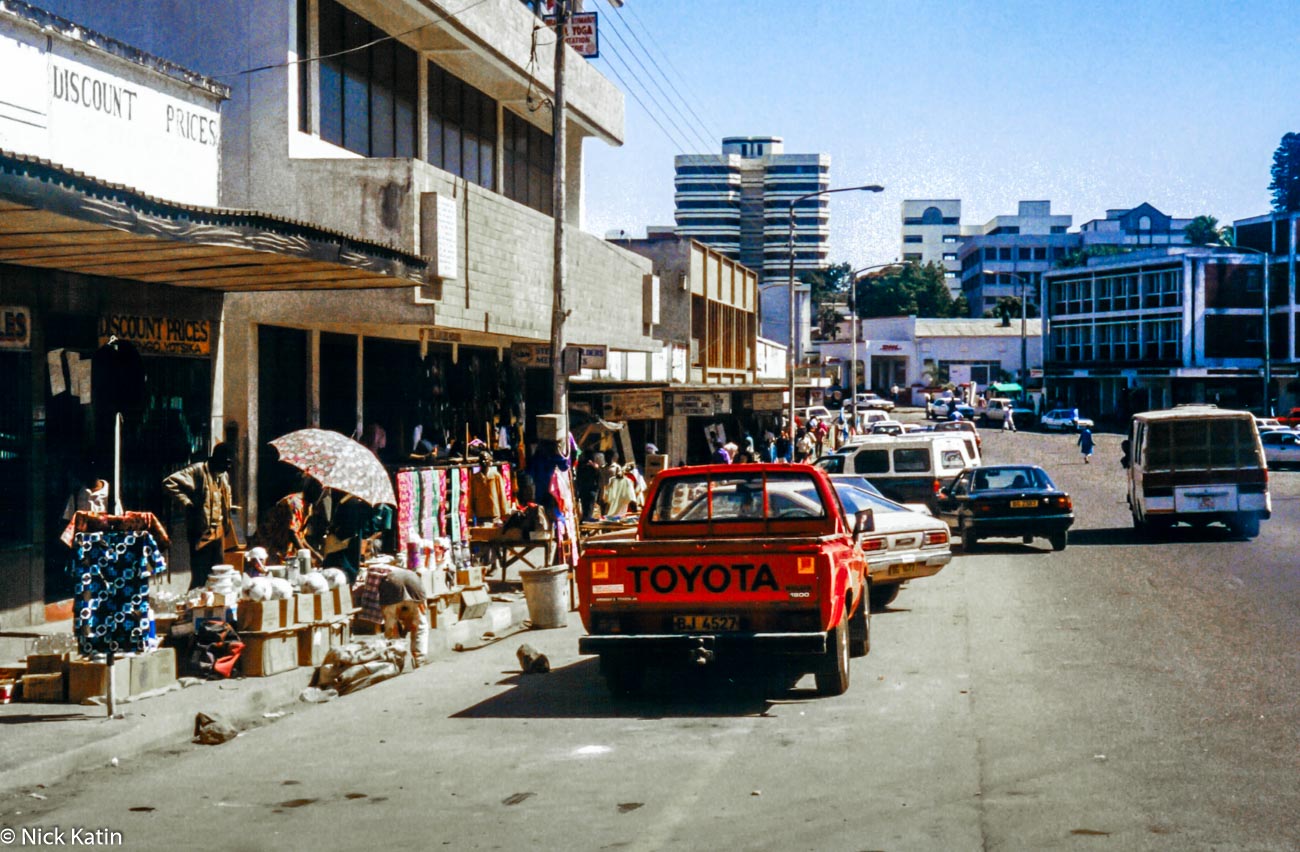
    The main street in Blantyre, Malawi
    The main street in Blantyre, Malawi

  • African shoestrings – South Africa Day Thirty – Cape Town

    What was in regular service were the minibus taxis. If you have being paying attention you’d remember that I’ve mentioned these before.
    These are generally run by black or more often or not in Cape Town, coloured South Africans and are mostly used by both these groups of people. They are of course found in almost any third world country in the world but they are particularly popular on the African continent.
    At one time a white South African wouldn’t be seen dead on a minibus largely because there were restrictions on where they could operate but also because they had the Merc or BMW and didn’t need to use such transportation. Realistically I suppose a lot of them probably felt unsafe especially in some areas like the suburbs of J’burg. Except for some areas, multicultural Cape Town is considered a lot safer than J’burg and it’s now not unusual to see white travelers on these minibuses.

    We didn’t know all this at the time, so when Andre told us that the best way to get into town was via minibus along the main street, it was with some apprehension that we waved down the first minibus that came along. We were the only whites in this crowded bus but none paid us any attention except the fare collector who grunted something at us that the guy sitting next to us interpreted as “that’ll be R2 each please”.

    In one of these travel guides that focus on daredevil activities, like visiting war zones and terrorist training camps for kicks, I once read a list of all the most dangerous activities in the world. Riding in a minibus was way up there with swimming with crocodiles, bounty hunting and demonstrating in Tiananmen Square in Beijing.

    This little tidbit of information flooded back to me as this sardine packed minibus swerved at breakneck speed around slower vehicles travelling in both directions before coming to a screeching stop to pick up any new or potentially new passengers that could be crammed in horizontally into all that air space above us.

    We arrived safe and sound in the densely populated main minibus rank above the train station. People were everywhere, either being crammed in, waiting or like us shakily getting out. We had survived!

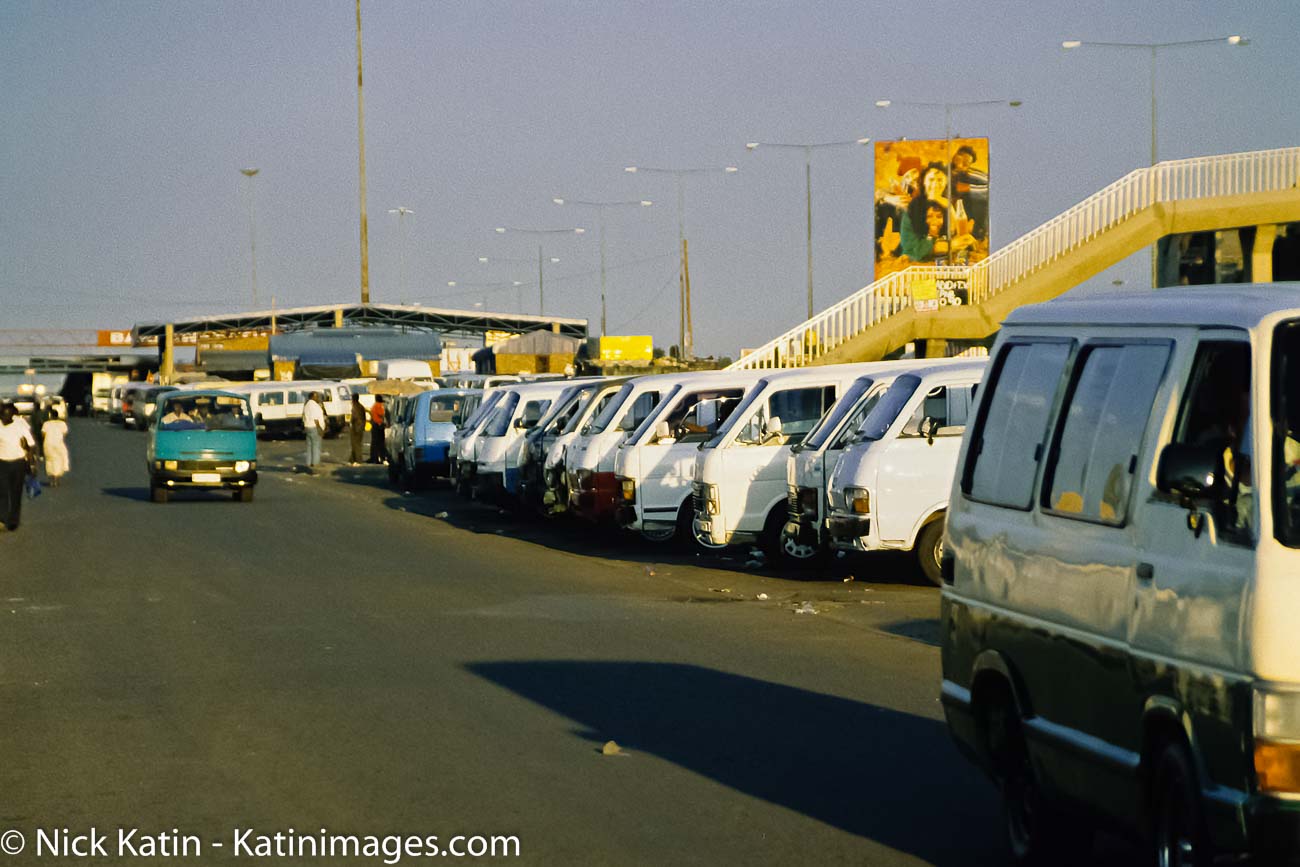
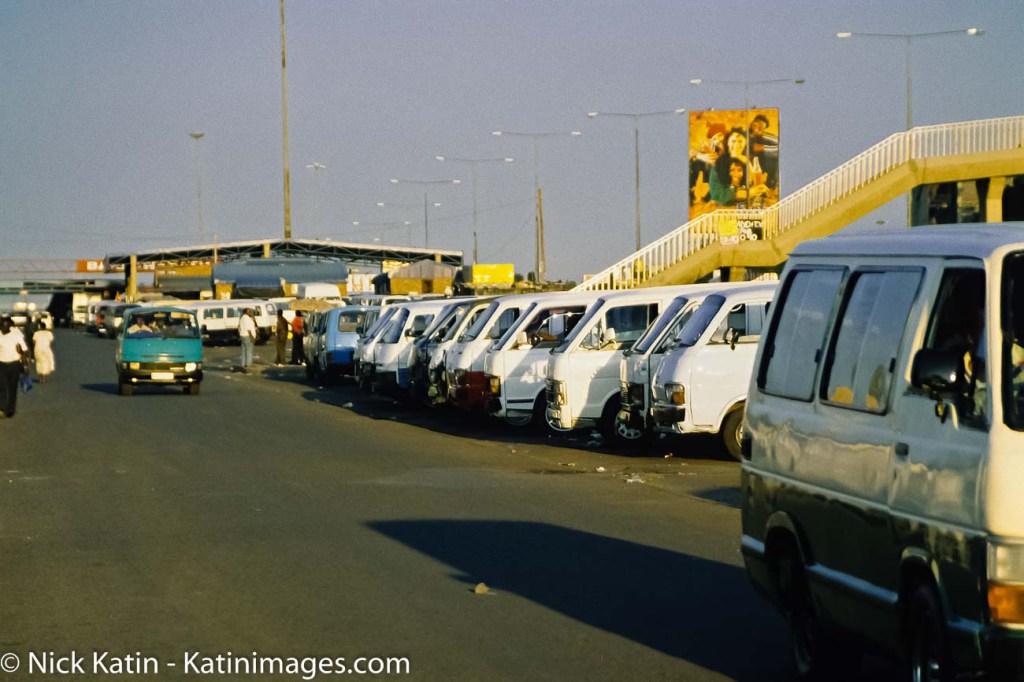
    A Mini Van 'depot' in South Africa. Mini Vans are the most popular form of public transport in the urban areas of South Africa.
    A Mini Van ‘depot’ in South Africa. Mini Vans are the most popular form of public transport in the urban areas of South Africa.

  • African shoestrings – South Africa Day Sixteen

    The rest of our journey in Lesotho passed without incident as we passed the odd town, which appeared more western than those we had seen in the Malealea area, but still dusty and neglected and yet somehow thriving and functional!
    As it was Sunday a lot of the locals tend to dress in their best clothes and we were treated to men in their shiny black suits and women in colourful dresses wondering along the road on their way to or from somewhere or other.

    The Buthe border post was a lot quieter than Maseru Bridge however we still had get out of the car and go to the Lesotho passport control for a stamp, go back to the car, drive across the border, get out of the car, go to the South African passport office for another stamp and get asked a question or two and then finally get back in the car and drive past customs officials who normally just look at you suspiciously. Today however we were pulled over and our passport and car registration nos. duly noted by a rather stern and non-communicative official.

    Now back in South Africa the difference is almost startling, no longer are there numerous villages clinging to the roadside. If there are any they are usually hidden away from the road. Where in Lesotho there are either signs of erosion or intensive tracts of crops, here the countryside is in the main, relatively unscarred.

    The previous white apartheid regime seemed to always create two towns, the white dominated main town centre and its white suburbs and about 5 kilometres away the black dominated satellite. This is, of course, all changing but the evidence is still there as the population both black and white grapple with the changes necessary to evolve into a fair and equitable society. Nowhere is the difficulty more obvious than a place called Clarens, about 40 kilometres north of Buthe Buthe.

    Clarens is trendsville! Curio shops and cafes jostle for your attention along the single short main street. You could have been anywhere in the western world. White South Africans from the bigger towns around strolled and stopped for lunch or a drink enjoying their day out. There was not a black face to be seen. For us after just ‘roughing’ the last week in Lesotho, it was timely if somewhat culturally disturbing. We had a nice lunch in “Bruce’s Pub” and then moved on.

    A singer from the Basotho children's choir near Malealea, Lesotho
    A singer from the Basotho children’s choir near Malealea, Lesotho

  • African shoestrings – Lesotho Day Ten

    That night the local Basotho children’s choir performed for us. It was quite stirring stuff. They sung songs of peace and hopefulness with a great deal of emphasis on finding a solution for the poverty and a drug problem that was, surprisingly, becoming more prevalent amongst their youth.
    They were followed by the local band that played on what can only be described as DIY instruments. David our guide from the morning walk played the drums, an inner tyre tube stretched over a small metal drum with pieces of metal strung together acting as symbols.
    The music itself was just OK but watching these guys make any sort of rhythm from this collection of tip rubbish was amazing.

    Amongst the other spectators, supposedly sharing this experience were a group of ‘overlanders’.
    For the uninitiated overlanders is a nickname for tourists generally in the 20 to 30 year old age group who travel in a large truck with usually around 20 others, a driver and leader, camping and other equipment of various uses and food. These groups usually travel great distances and their trips can take from three weeks to several months depending on the itinerary. Some for instance will travel from London to Cape Town!
    Now we’ve seen these groups before and were in fact tempted to join one before arriving and probably for a lot of single people it’s a good way to travel. What had made us go cold on the idea was a description of trip that someone (I forget who) gave us.
    Apparently a lot of people tend to travel this way to either get pissed or to get laid or both.
    Now maybe some of you reading this are saying what’s wrong with that? Well, that’s fine if you don’t interfere with anyone else who doesn’t share the same sort of cultural enlightenment.
    In this particular situation there were two or three who actually didn’t care much about anyone else in the audience. They strutted around the place with their puny fat torsos exposed for us all to admire (sadly they were all male), bottle in hand, making a fair bit of noise and not the least bit interested in the entertainment!
    The quality of tourists is just not what it used to be.

    Basotho children's choir in Malealea, Lesotho singing for guests.
    Basotho children’s choir in Malealea, Lesotho singing for guests.

  • African shoestrings – South Africa Day two

    After overnighting in the Road Lodge Johannesburg Airport, we collected our wheels the next day and drove away from J’burg as quickly as we could.
    One of the two most striking things about the roads in South Africa is the number of lunatics that drive on them! These lunatics in Mercs and BMWs and in dangerously overcrowded mini vans seem determined to run any one, who’s not as mad as they are, off the road. Literally as it happens.
    The unwritten law in SA is for slower drivers to drive on the hard shoulder when being overtaken which on some roads is pretty scary as the other striking things are pedestrians that seem to want to share the hard shoulder as well! Almost every road no matter how far away from any town village or city seems to have a continuous stream of pedestrians walking along the hard shoulder and worse still some are on the road where there’s no hard shoulder.
    So driving in SA is an ongoing series of choices. Do you knock over the pedestrian coming towards you or keep on the road and get terrorised by a potentially unstable BMW driver. Once they pass you, the hazard lights politely flash if you moved over or a hand waves a one or two finger salute at you if you didn’t!
    We were actually heading for Lesotho and it’s about a day’s drive away from J’burg just to the border, so we thought we’d overnight somewhere within striking distance. Well we found somewhere all right. More about that next time.

    A Mini Van 'depot' in Johannesburg in South Africa. Mini Vans are the most popular form of public transport in the urban areas of South Africa.
    A Mini Van ‘depot’ in Johannesburg in South Africa. Mini Vans are the most popular form of public transport in the urban areas of South Africa.

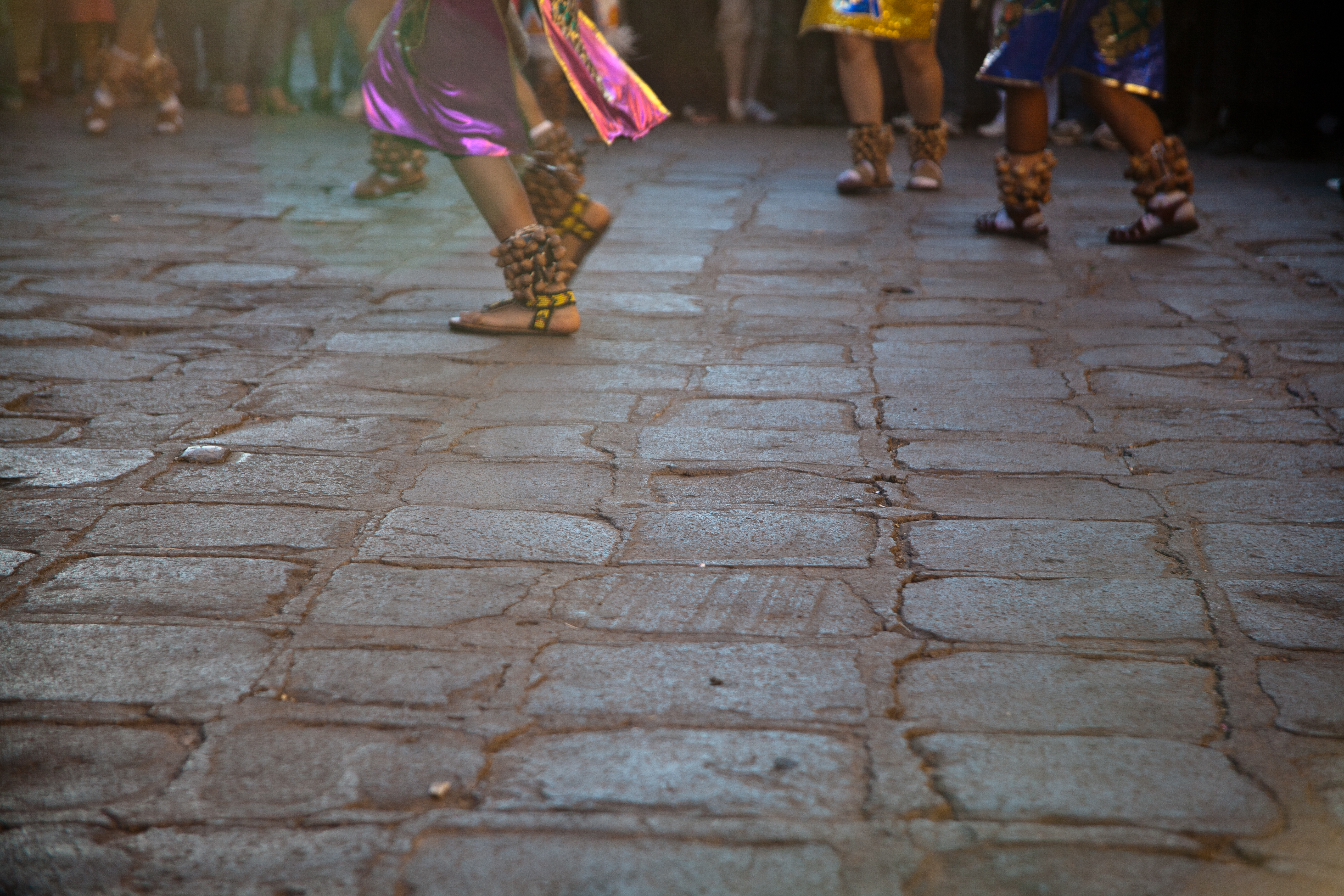
  • Native indian dancing at the Day of the Dead festival photo

    In past posts I’ve mentioned the Day of the Dead festival in Mexico. Its also held in other Latin countries as well. However in Mexico it’s a really big thing. Even though it’s more well known roots are Catholic, it has been traced back to indigenous origins as well which is probably why these guys are so enthusiastic  This is one of my fine art photos that are a bit alternative. I’ve hardly touched the photo since taking it so what you see is what I took in camera.

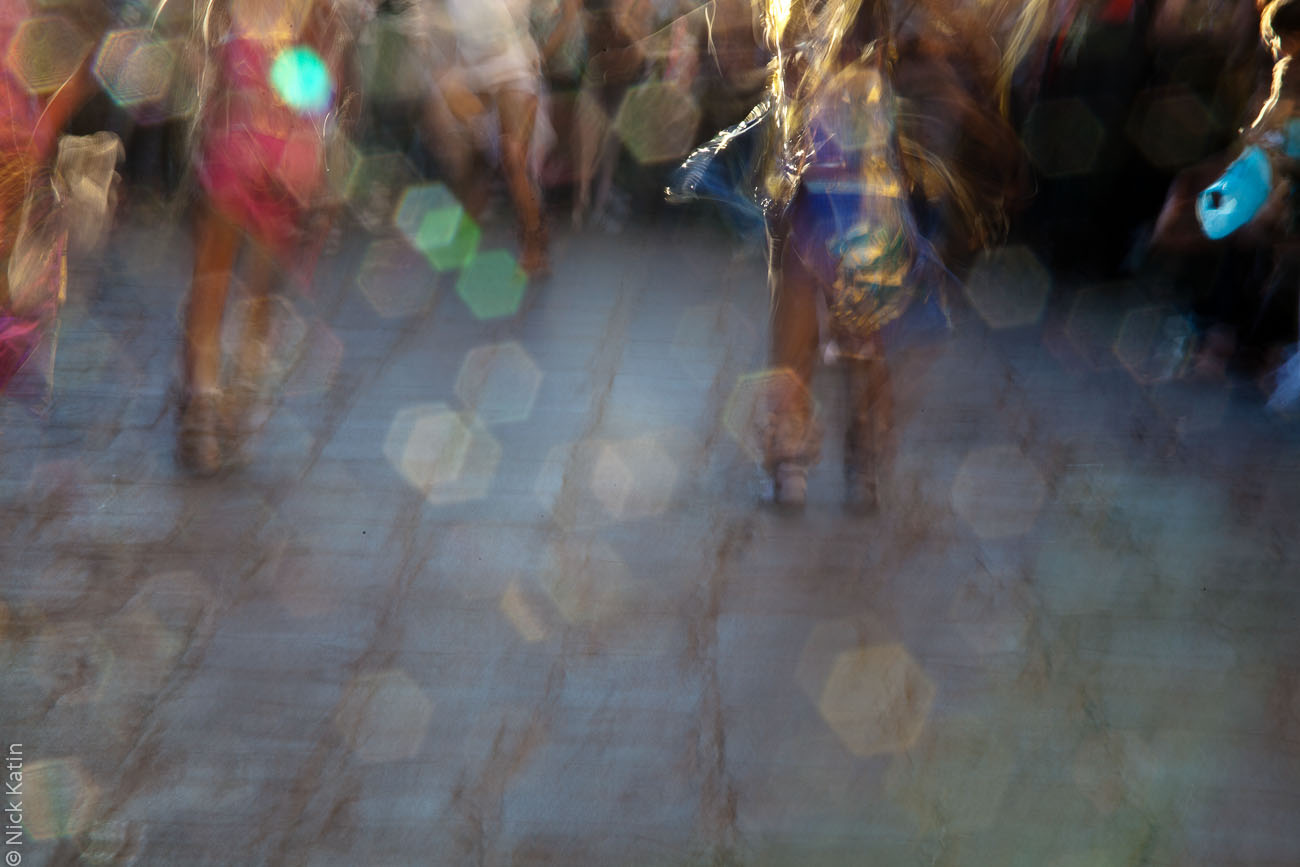
    Native indian dancing at the Day of the Dead festival in San Miguel de Allende
    Native indian dancing at the Day of the Dead festival in San Miguel de Allende

  • Bar La Fuente, Guadalajara, Mexico photo

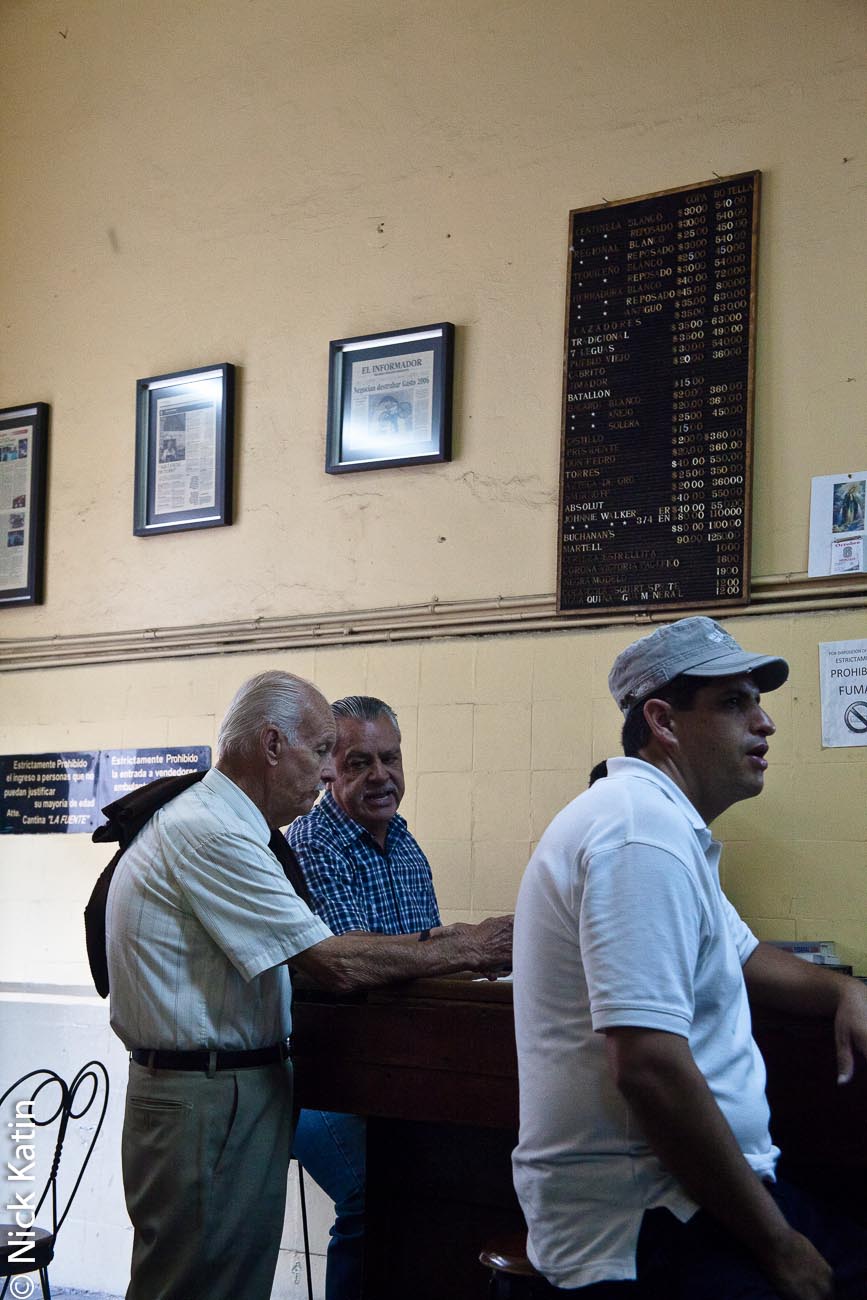
    I have generally found that bars are the most interesting places to visit when travelling. There if it’s not a tourist hot spot, you usually get to see the locals at play. In Guadalajara the guide books direct you too Bar La Fuente and yet when we where there the were no tourists to been seen. Just guys sitting up at the bar and mixed groups at tables all singing along to the live singer and his small two piece band. When the music stops the guys get up and sing to any female close by and this case it was one of us who was treated to a Spanish version of what sounded like That’s Amore but in truth could have been anything. One of these romantic boys was actually a tourist guide who earlier that day took us on a tour of one of Guadalajara’s impressive buildings that contained murals by the famous 1940’s Painter & Muralist Orozco.

    Bar La Fuente in Guadalajara, Mexico
    Bar La Fuente in Guadalajara, Mexico

  • The travel photographer FAQ’s: What is travel photography?

    What is travel photography?
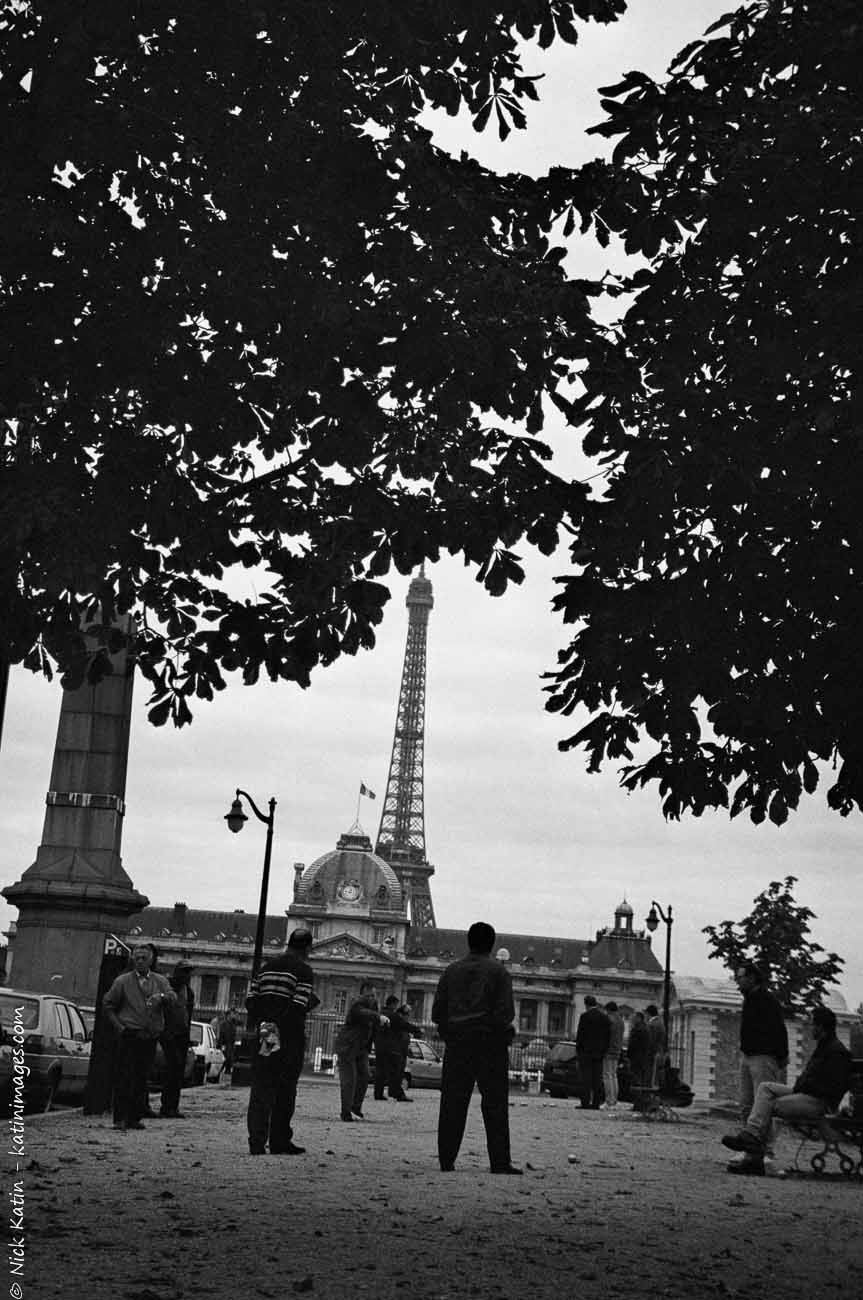
    Well that depends on whose asking and whose answering because there is no right answer. Look it up on the net and you will find various opinions. My take is that it’s a collection of several genres like landscapes, street, culture, nature, wildlife, black and white, people and so on. Most would say that the shots are from your travels away from home. But that means if I take an image of a cultural activity in my town then it’s not a travel photo but if a visitor from New York takes it then it is. Maybe then its the use of said image………..! Maybe we’re just over-thinking this. So anyway this is a beginning of a new series of posts that aim to help anyone interested enough to take better  photos on their travels. Here’s a black and white ‘travel’ photo.

    Men playing Pétanque near the Eiffel tower in Paris, France
    Men playing Pétanque near the Eiffel tower in Paris, France

  • Photo tip no 8 – RAW V JPG part 1

    This is a HUGE topic that will be difficult to do justice to but if the question is why? Then here’s a brief answer. I might add that this question (at the moment anyway) only applies to higher end compacts, micro four/thirds and DSLR cameras. If you are using a smartphone or a compact that doesn’t give you the option of shooting in raw, then jpeg it is then. So firstly why raw? Raw is digital negative that retains all the information that the camera sensor can see but needs post processing to get the best out of it. So if you want a outstanding image and are prepared to put in the time in front of a computer to get it then shoot raw. Secondly why jpeg? This depends on what you will be doing it with it. If you are sharing on social media or via email just among friends or they are happy snaps which display memories rather than artistic merit, then jpeg is fine. Bear in mind that even if you shoot in raw you need to convert to jpeg to show or share as raw files can only be read by a small number of programs and the file sizes are pretty big. A final tip on that would be to shoot (if available on your camera) raw + jpeg so you can ‘publish’ the jpeg immediately and fine-tune the raw image later. Happy snapping!

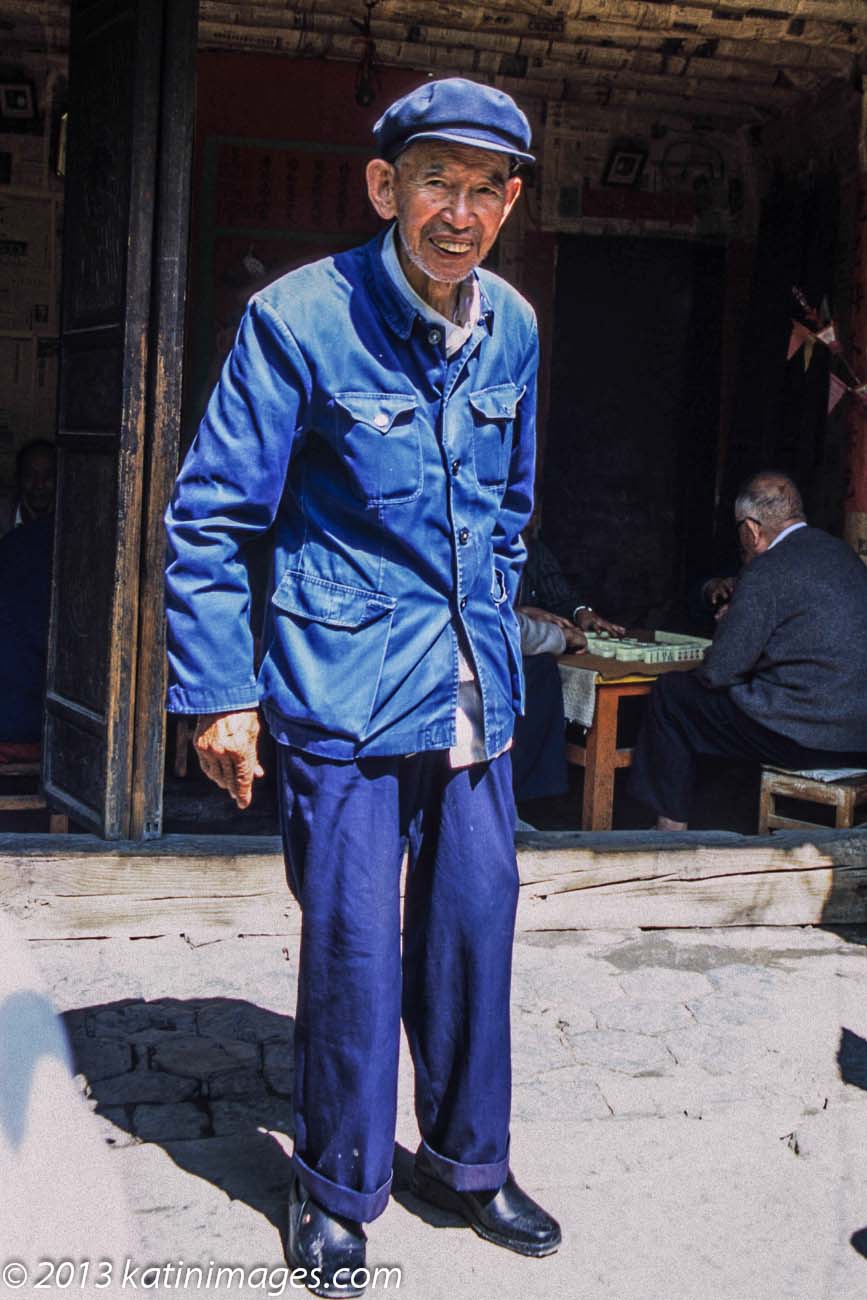
    Man in a  Zhongshan or Mao  suit posing in the village Xizhou near Dali in the Yunnan province of China
    Man in a Zhongshan or Mao suit posing in the village Xizhou near Dali in the Yunnan province of China

    Want to put this on your wall or licence or share this photo email or contact us

  • Photo tip no 7 – its not the camera dummy!

    How many times have you heard either “you must be a good photographer to have a good camera like that” or “what a picture! You must have a really good camera”. Wrong and wrong! A good camera doesn’t make you a good photographer any more than a great shot can only come from a good camera. I know it’s a cliche but it’s not about the camera! It’s about the picture maker – you! How you see the world, What story you want to tell. What beauty (or not) you want to capture. Yes buy a great camera if you can. It gives you more options to create great images. But it doesn’t mean you will. A few years ago I did my first wedding for someone close to me. I did an OK job with my Canon EOS5 (the film forerunner of the current 5D) and after taking the necessary shots of the reception I put all my gear away ready for a good time. I did however have a little Olympus compact film camera with me. It had a fixed lens and virtually no adjustments. But I couldn’t help myself and took a few shots with it and discovered later (remember this was the film days, the instant gratification of digital was still in its infancy) that I had taken by far the best shot of the day of the bride and groom. So remember its not the gear that makes great art but the person behind the camera.

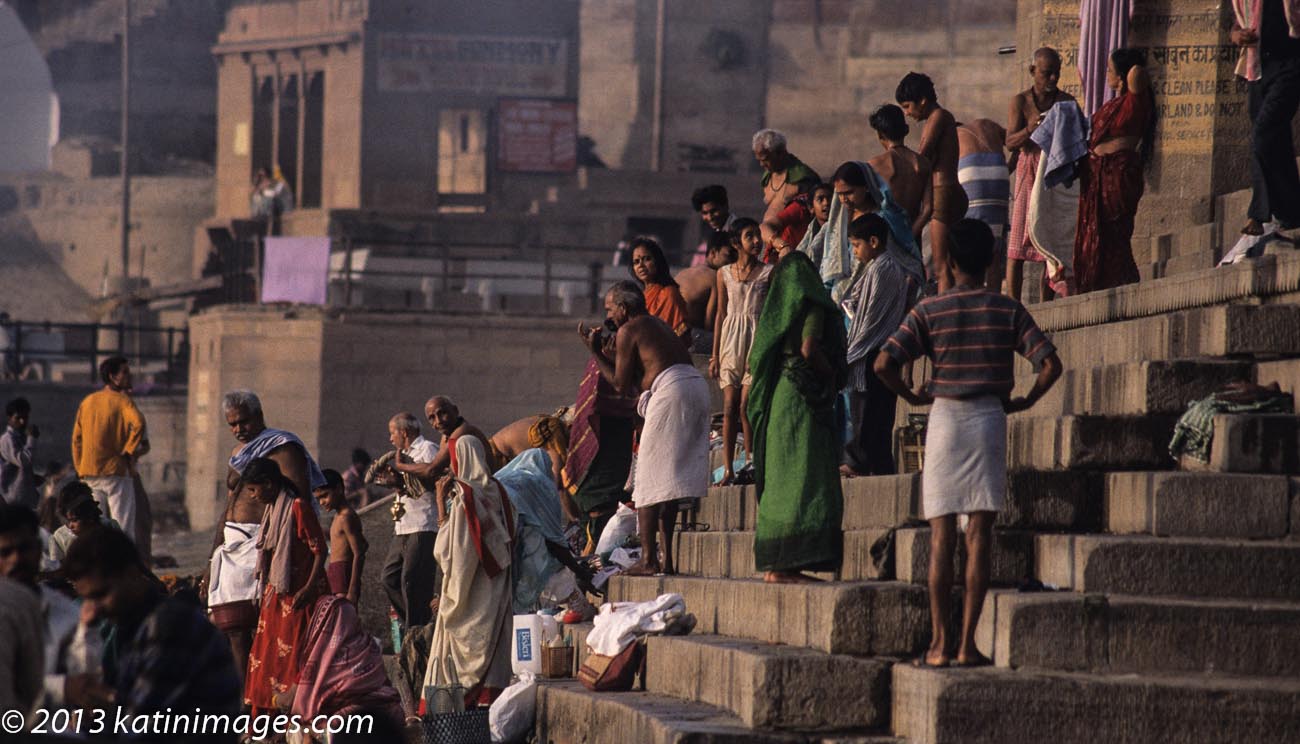
    Pilgrims on the Ghats. People on the Ghats or steps on the banks of the river Ganges in Varanasi, India
    Pilgrims on the Ghats. People on the Ghats or steps on the banks of the river Ganges in Varanasi, India

    Want to put this on your wall or licence or share this photo email or contact us

  • Rue Mouffetard bar in Paris black & white photo

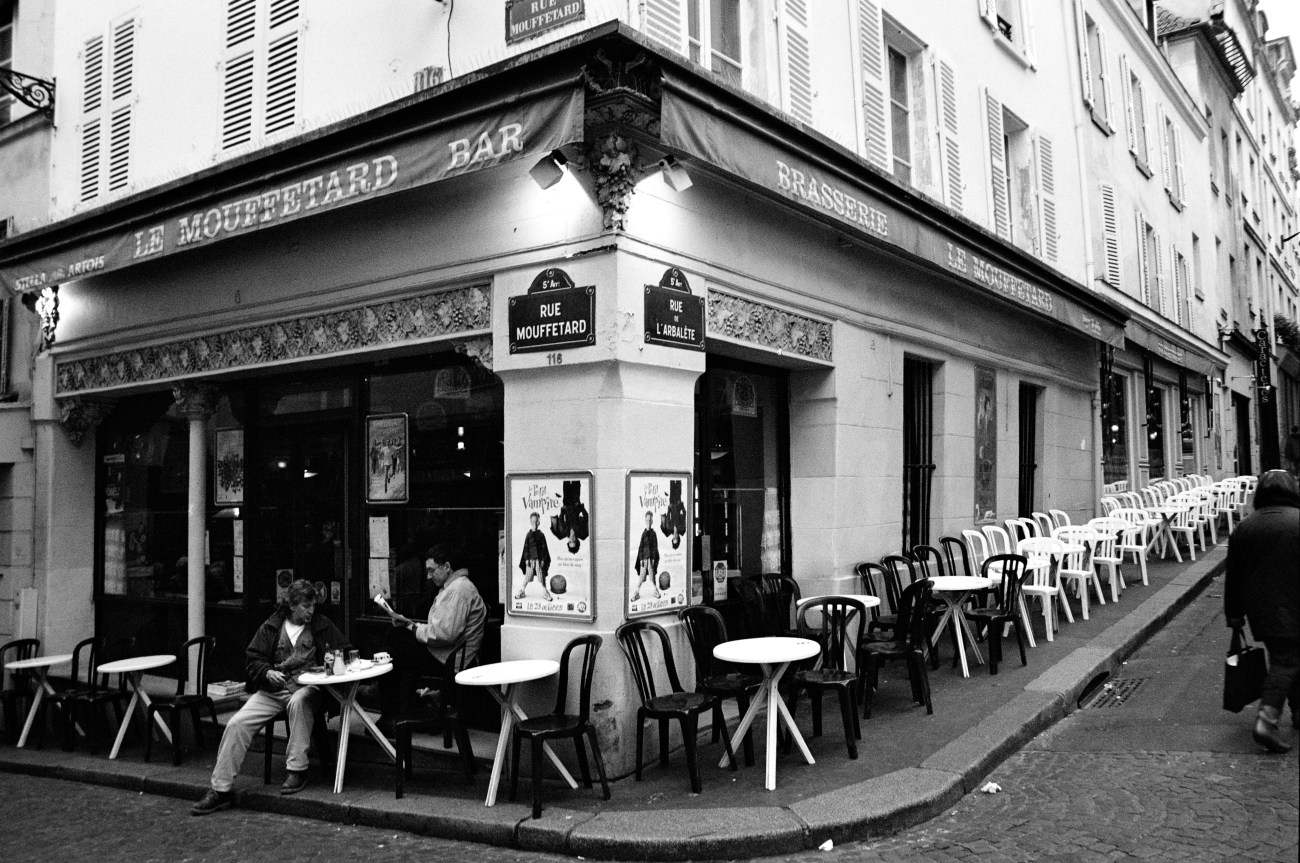
    Like most photographers into street photography, my inspiration comes from two greats, Henri Cartier-Bresson and Robert Doisneau both from France and whose famous black & white photos were taken in Paris. Whilst I’m under no illusions that my B & W efforts come anywhere near the quality of work by these two champions, I’ve done a few B & W projects and this is from my Paris collection. Rue Mouffetard is a long street in the 5th arrondissement in Paris’s south. If you love food, this is the place to be. Markets, shops, restaurants and bars line this street with some lively characters thrown in. Taken on Ilford XP2 film

    Le mouffetard bar on Rue Mouffetard, home to one of Paris's many markets.© 2007 Nick Katin
    Le mouffetard bar on Rue Mouffetard, home to one of Paris’s many markets.© 2007 Nick Katin

    To buy a print of this photo go to Rue Mouffetard photo. To licence this photo email or contact us

  • Native Indian dancing at San Miguel Allende

    For anyone looking to visit Mexico but is a bit unnerved by the bad press Mexico gets these days, they should go to San Miguel de Allende in the state of Guanajuato. Located 274 km form Mexico city, it’s as western as it gets with its large population of foreign retirees, artists and writers, most of whom come from the big country to the north. It’s a beautiful spot and has lots of festivals. These dancers were part of the Day of the Dead (Día de los Muertos) festival. Couldn’t resist the angle!

    Native Indian dancing At the Day of the Dead festival in San Miguel de Allende © 2010 Nick Katin

  • Old town main street (Placa)

    Dubrovnik is a beautiful place but it can be overrun with tourists. I took this from the city walls looking straight down the Placa which runs from one side of the old town to the other.
    I love the reflection from the tiled street. Makes it look wet.

    Old town main street Dubrovnik's main old town tourist street the Placa © 2010 Nick Katin
    Old town main street Dubrovnik’s main old town tourist street the Placa © 2010 Nick Katin