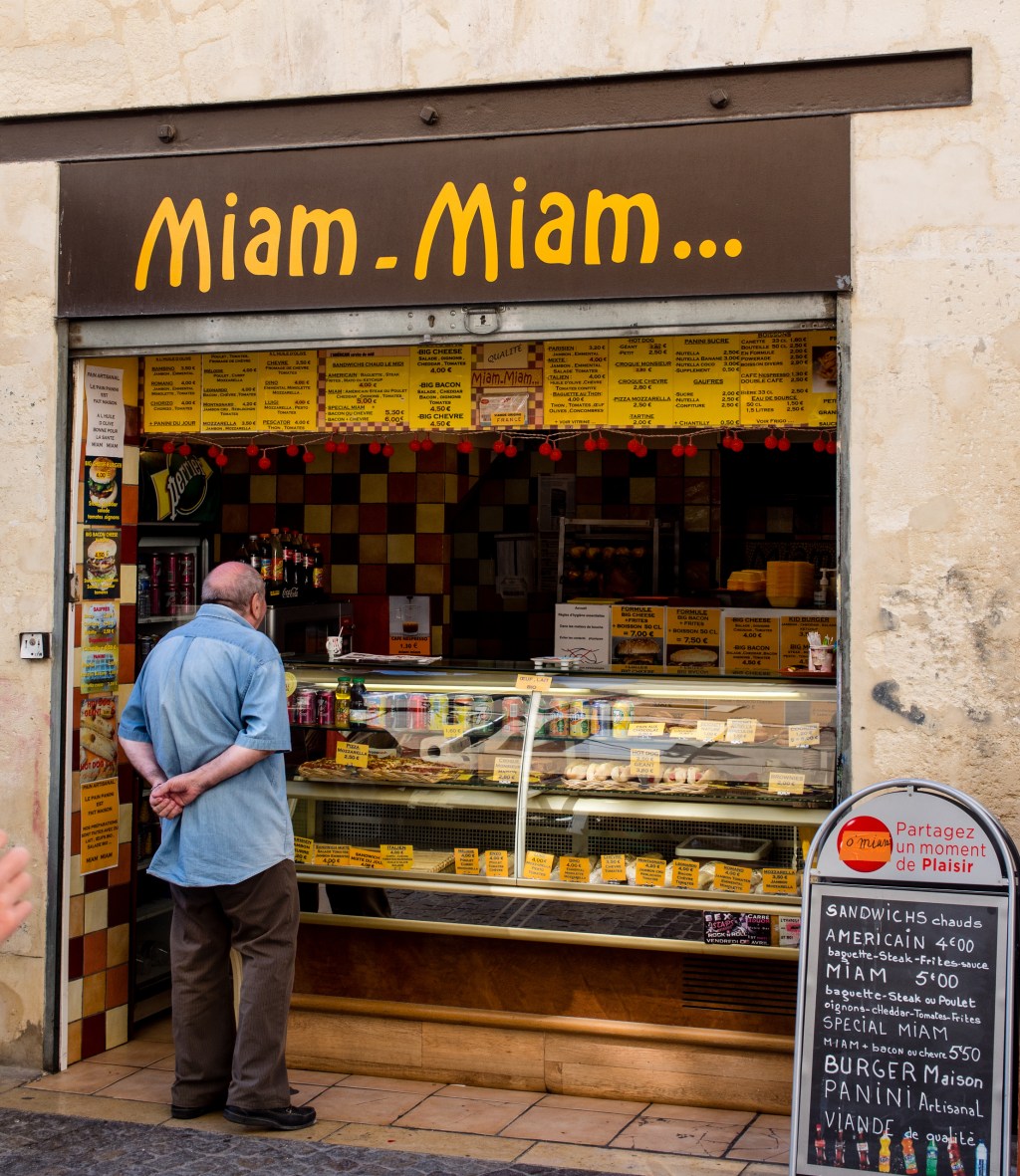

Miam Miam in the historic and graceful city of Avignon, Provence, France.
Like any food shop in France they do amazing filled baguettes. Yum!!
Katin Images Travel Photography
Travel Photos, Travel Photography Tips and Software

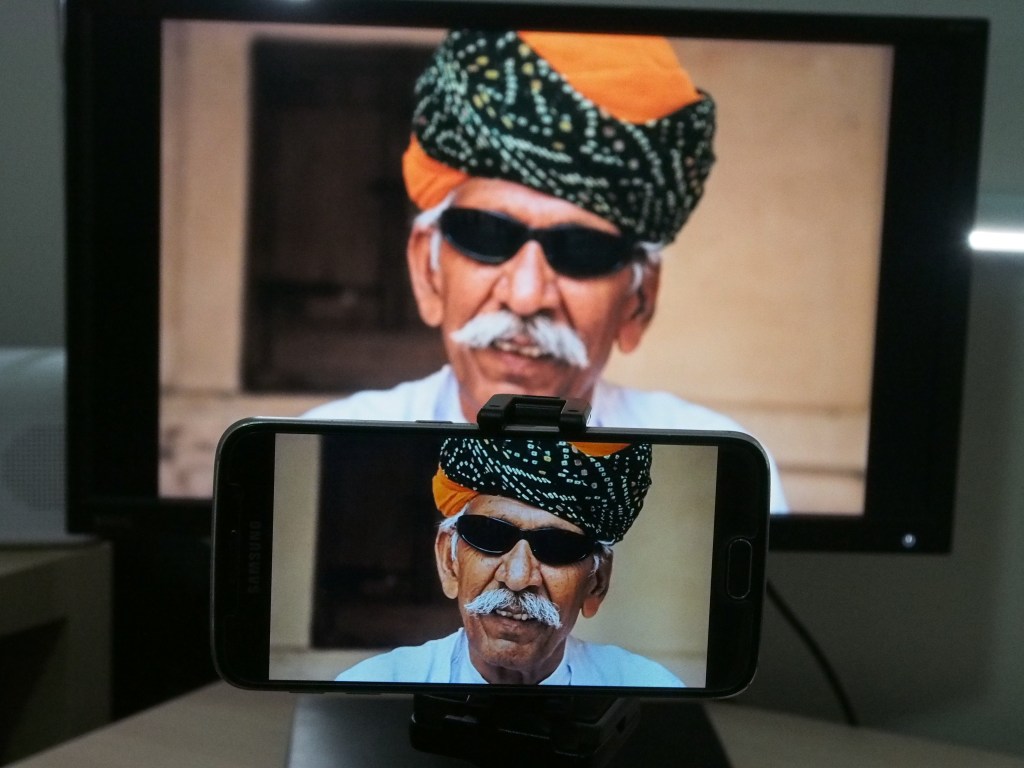
In Why You Need a Professional Selfie I talked about having the need to have a decent self-portrait or ‘selfie’ on your website, social media or publication to show the human face.
Maybe you’ve decided to get this done but don’t want to use a professional photographer or Uncle Eric who has a good camera.
In which case read on.
So just to refresh. In Why You Need a Professional Selfie I suggested that you need to
Decide what sort of self-portrait you think represents your brand best
A financial adviser or lawyer may want a more conservative head shot.
Or they may want a full-length portrait with business like clothes like jacket and trousers.
A social media site may wish to convey a trendy relaxed image. So, it may decide that, rather than have a headshot, an image of its employees being active may be better.
Whilst I have concentrated on websites and maybe social media you may also wish to use it for some printed marketing material or even billboards.
And that’s when the capability of the camera and printing become important
The four most crucial factors to getting a professional self portrait
I’m going to show you on a smartphone but any camera should do the job provided it works 🙂
Light is everything. If the light is dull or too bright the image can be too dark or ‘blown out’
(a term for images that have the highlights way too bright).
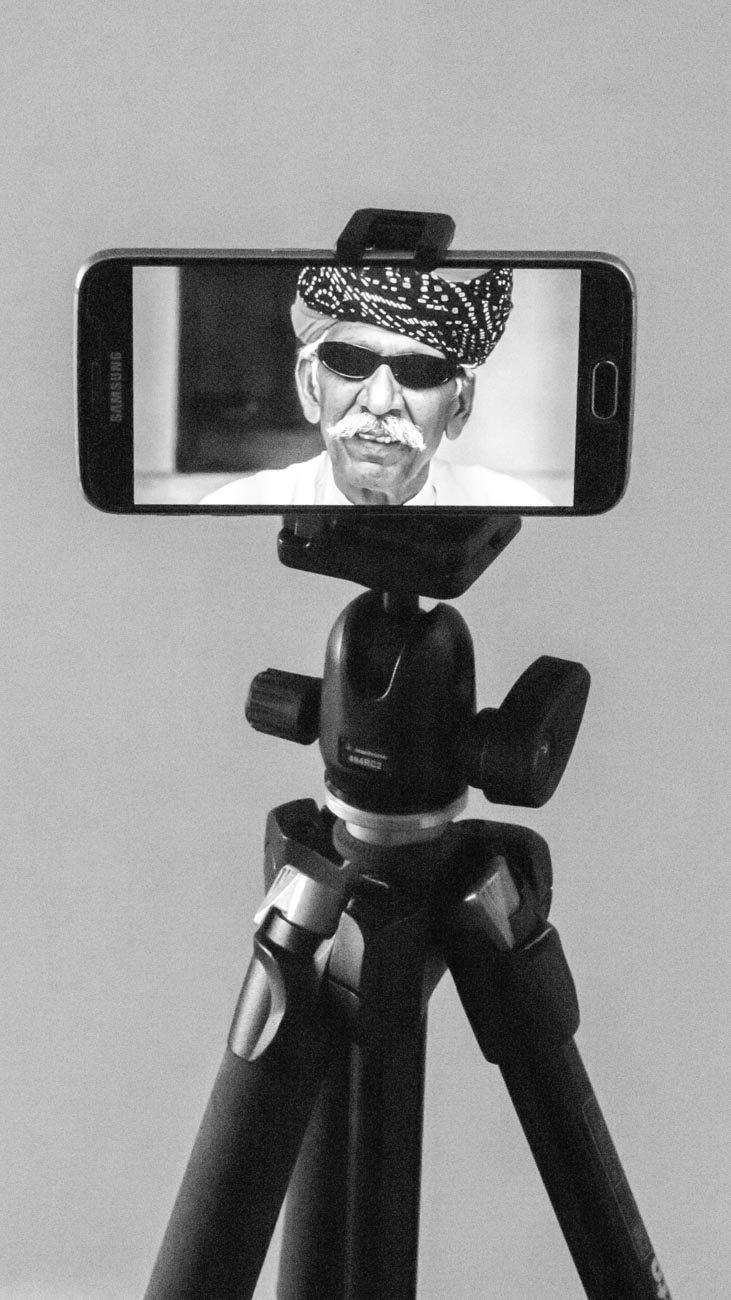
A tripod is undoubtable the best way if someone e.g. an employee, is not taking it for you
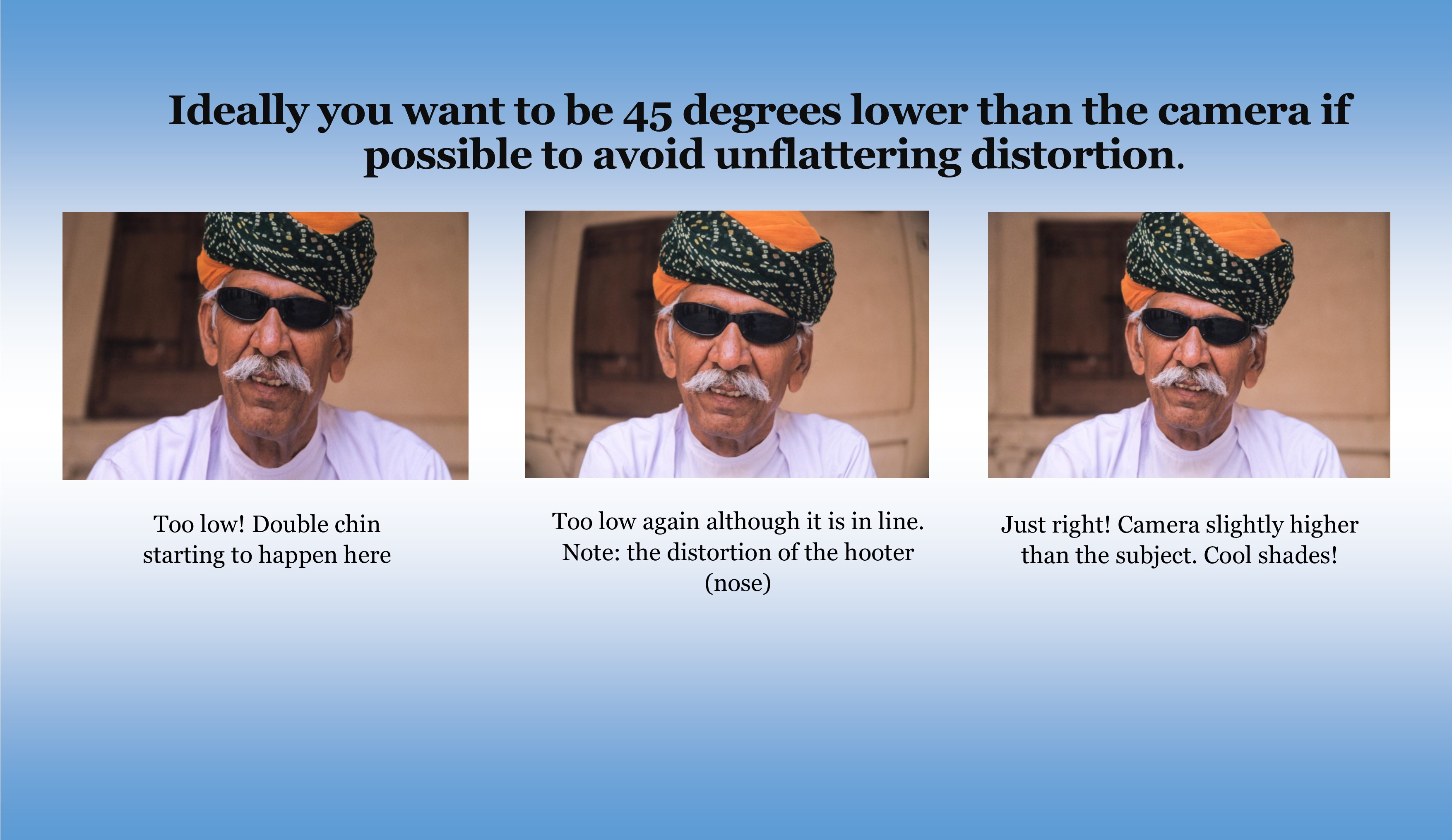
Make sure you select the correct pose. You may have to take several different images at different angles to get one you want to use.
Incidentally there is no rule that says you must use the same image across the all platforms and marketing material.
Set the camera up;
On the Samsung S series smartphone cameras for example you will find picture size next to the settings icon.
Select 16M or 12M or whatever the largest number is.
The resolution on the IPhone is set to maximum and has no adjustment from that except with the use of a third-party app.
Some other brands only give you the option to select large or high
Note: The front camera usually has a much smaller resolution than the main camera so avoid using it for this application
I use the Joby Grip Tight Micro Stand a great little find that has a mini stand. It can also be fitted to a standard tripod head.
Set the scene
Alternatively, if you want to light up both sides, use a whiteboard on the side away from the light.
Again, a whiteboard is handy. White (or off white) backgrounds are always the best way.
The easiest way to do this is to put something in that position and then focus on it.
Review
Finally
Rinse and repeat if need be.
You may think you’ve got it right but there’s always room to improve.
Is there anything else you want to know? Did you give it a go?
I’d be really interested in any results that you wish to share.
Let me know in the comments below.
Somehow we made progress until we reached the river crossing about an hour in.
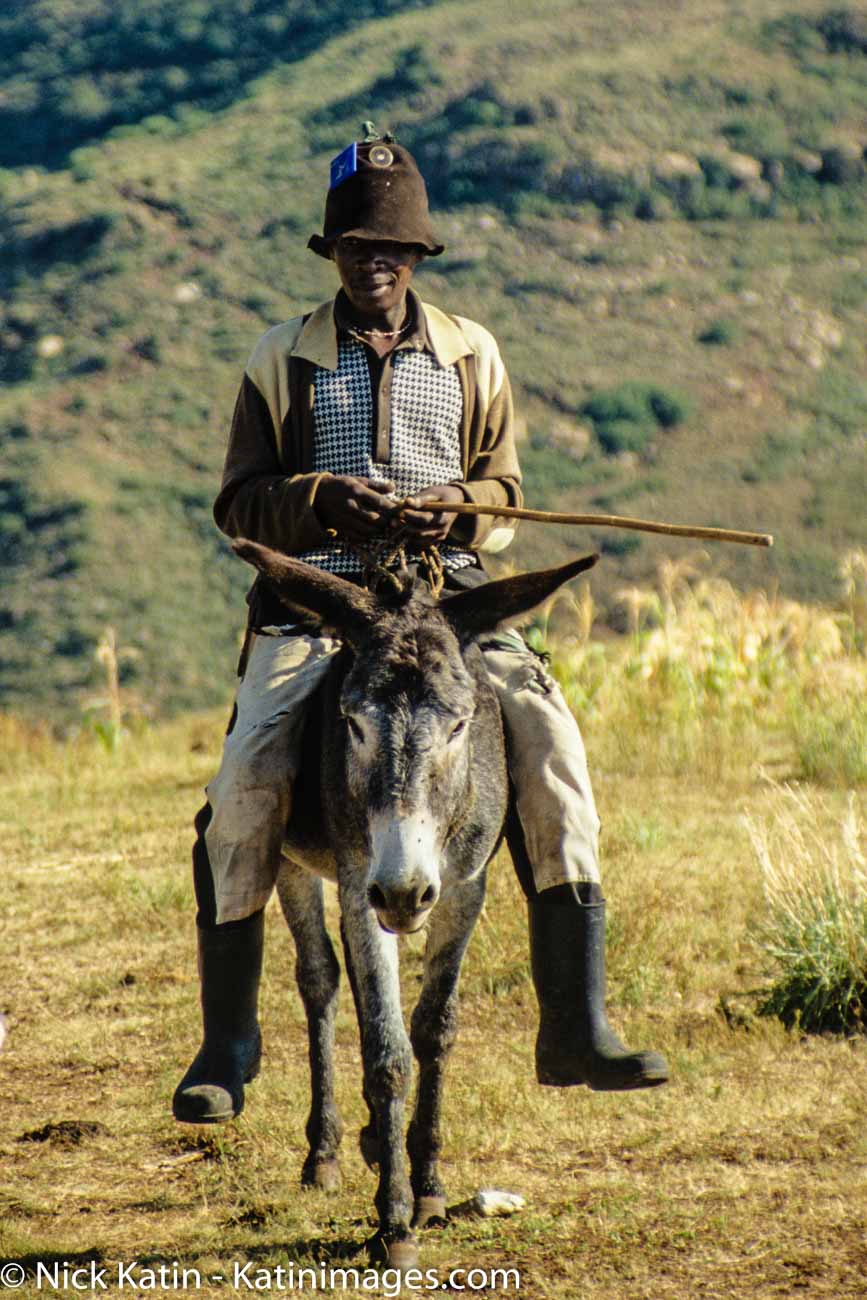
In fact it wasn’t actually the river crossing that was the problem, it was the steep, narrow, rocky path that zig zaged down the side of a small gorge at an angle that would make you think twice about walking down there, let alone ride a pony, that had me spooked. Black Power stumbled down at her almost standstill pace whilst Black Label wanted to go down at breakneck speed and consequently was forever trying to overtake.
Well let me tell you there was absolutely no room for overtaking and it took a lot of “wooing” and pulling in the reins to keep him back. Far below I could see Sue and Olive patiently waiting with David. Clement was with us trying to speed up Black Power, slow down Black Label and hold onto the packhorse. Eventually we made it down physically unscathed but mentally frazzled.
The rest of the journey was a lot easier and I was able to relax a bit and take in the view without fear of my psychopathic pony deciding to crack on to Black Power and take us both down some steep ravine (Clement came up with the idea of keeping Black Power behind us rather in the front).
The scenery was pretty much the same as we had experienced on our previous days walk. A continuous range of high country surrounding us, it seemed as if it we would have to climb great heights to go forward but somehow that never seemed necessary, there was always a low pass to take us through the mountains.
There were plenty of villages too. I couldn’t help thinking that the Basotho people lived in a country that has a GDP of US$ 2255.00 per person and yet they appeared to live their lives quite happily. By comparison, Namibia has a GDP of US$8190.00 per person and the USA a GDP of $ 53,000 per person!
When we passed the villages or just the odd traveller they all said hello and gave us that broad watermelon grin that you just couldn’t help but return. They seemed so content and peaceful! Maybe a good GDP is not as important as economists of the western world would have us believe.
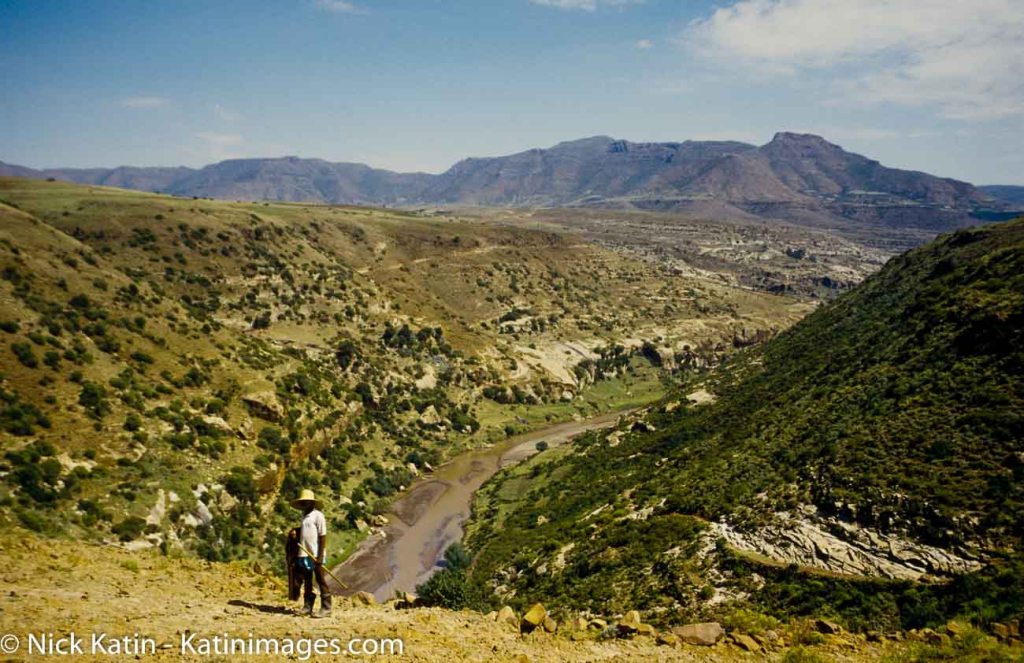
Our next destination was a place called Malealea Lodge located in a remote part of the South West of Lesotho.
Malealea Lodge is known for it’s Pony and Walk treks amongst other things.
We had managed to contact them from home not only to find out info but to ask about the security of entering Lesotho on our own.
Before we left Australia we had taken the precaution of checking with the Department of Foreign Affairs and the British Foreign Office web sites to see if they had any travel warnings about any of the countries we proposed to visit. Well they had!
Both advised that travel to and in Lesotho should not be taken independently.
Apparently about 6 months before there was a protest by the opposition party at the election results.
The government declared a state of emergency and called in the South African army. This triggered off a two day violent protest with protesters looting and destroying many of numerous South African businesses in the capital Maseru.
This unfortunately placed Lesotho on the ‘places not to visit’ list. We ‘ummed’ and ‘aahed’ about this but after talking to Di Jones, one of the owners of Malealea, decided to stick to the plan. DI had assured us that there had been no problems since and had been driving around herself without any hint of trouble.
If by chance you’re not a great fan of mountains then whatever you do don’t go to Lesotho it’s absolutely covered in them.
It is one of only two countries in the world to be completely encircled by another country, South Africa, (the other being San Marino) and is the size of Belgium but it’s dominated by the mountain ranges of the Drankensberg and the Maloti. In fact its lowest point is over 1000 metres.
Continuing on with my Mexican Cowboy images. Another name for Mexican Cowboys is vaquero (pronounced baˈkeɾo) which means herder of cattle. These horse-mounted livestock herders come from a tradition that originated on the Iberian Peninsula. Today the vaquero is still a part of the doma vaquera, the Spanish tradition of working riding. The vaquero traditions developed in Mexico from methodology brought to North America from Spain became the foundation for the North American cowboy.
The vaqueros of the Americas were the horsemen and cattle herders of Spanish Mexico, and first came to California in 1687, and later with expeditions in 1769 and 1774.
They were actually the first cowboys in the region.
As you can see there still plenty in Mexico that may not necessarily be ‘real’ cowboys but that hat is still pretty popular especially in Guadalajara.
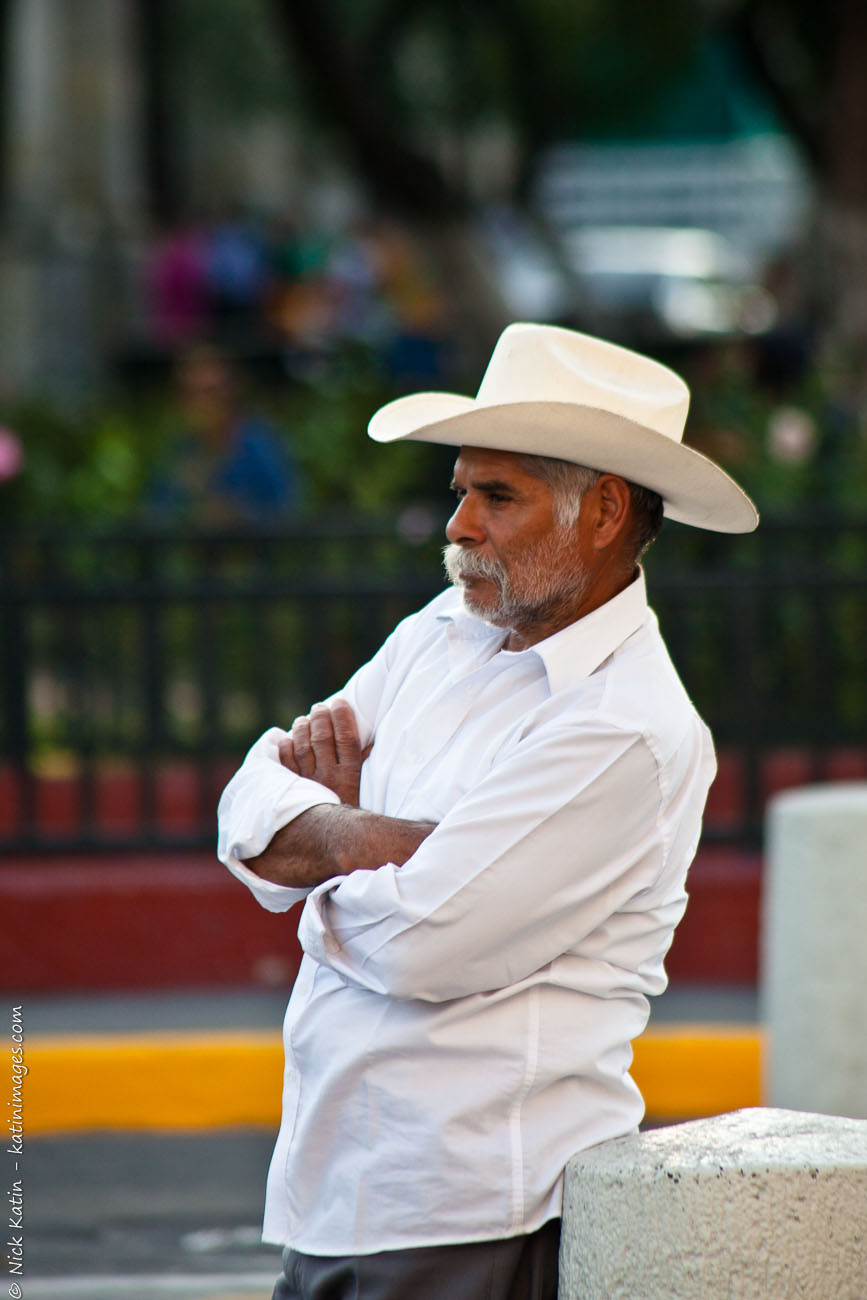
To see a larger image or to see purchase options click on the image
One thing I noticed In Mexico was the number of “Mexican Cowboys”. Older guys wearing the Stetson. In fact Stetson is actually a brand of Cowboy Hat and the founder of the company, John Batterson Stetson, is created with its creation. So the term “Cowboy Hat” is the proper generic description but I digress. A Mexican cowboy is normally referred to as a Caballero, which is literally translated as’ gentleman and in the mixed history of North and Central America, The Spanish brought the concept with them. More in the next post.
I love the look of this guy, cigarette and all.
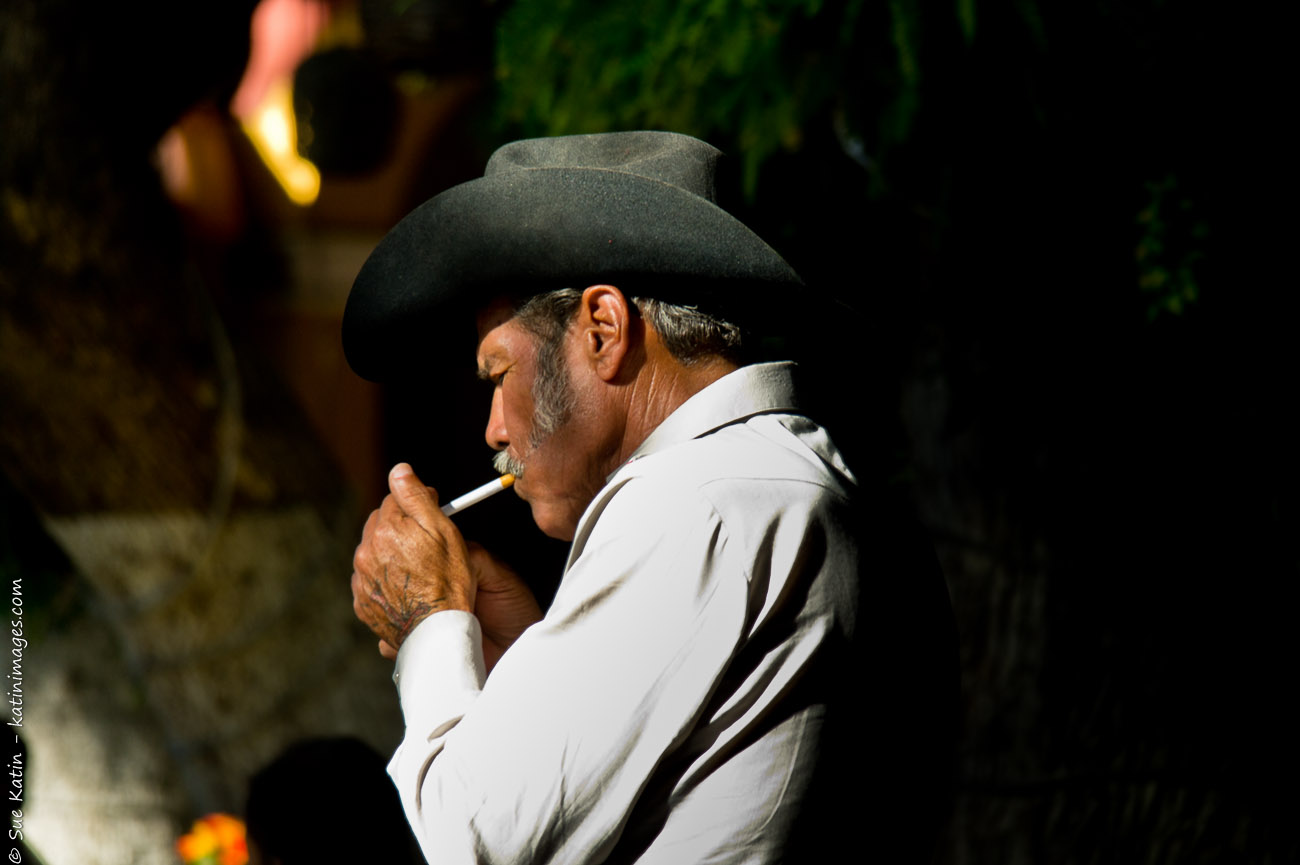
To see a larger image or to see purchase options click on the image
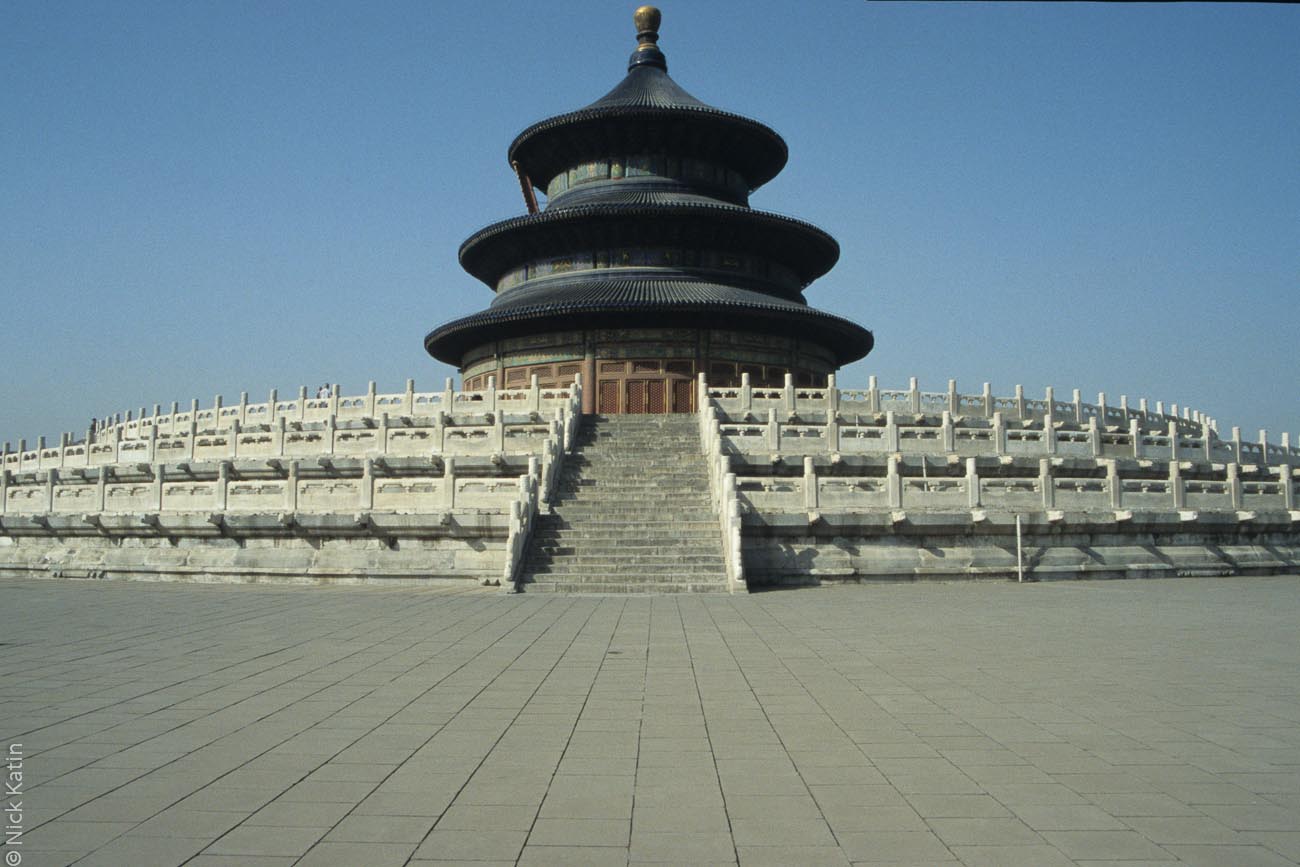
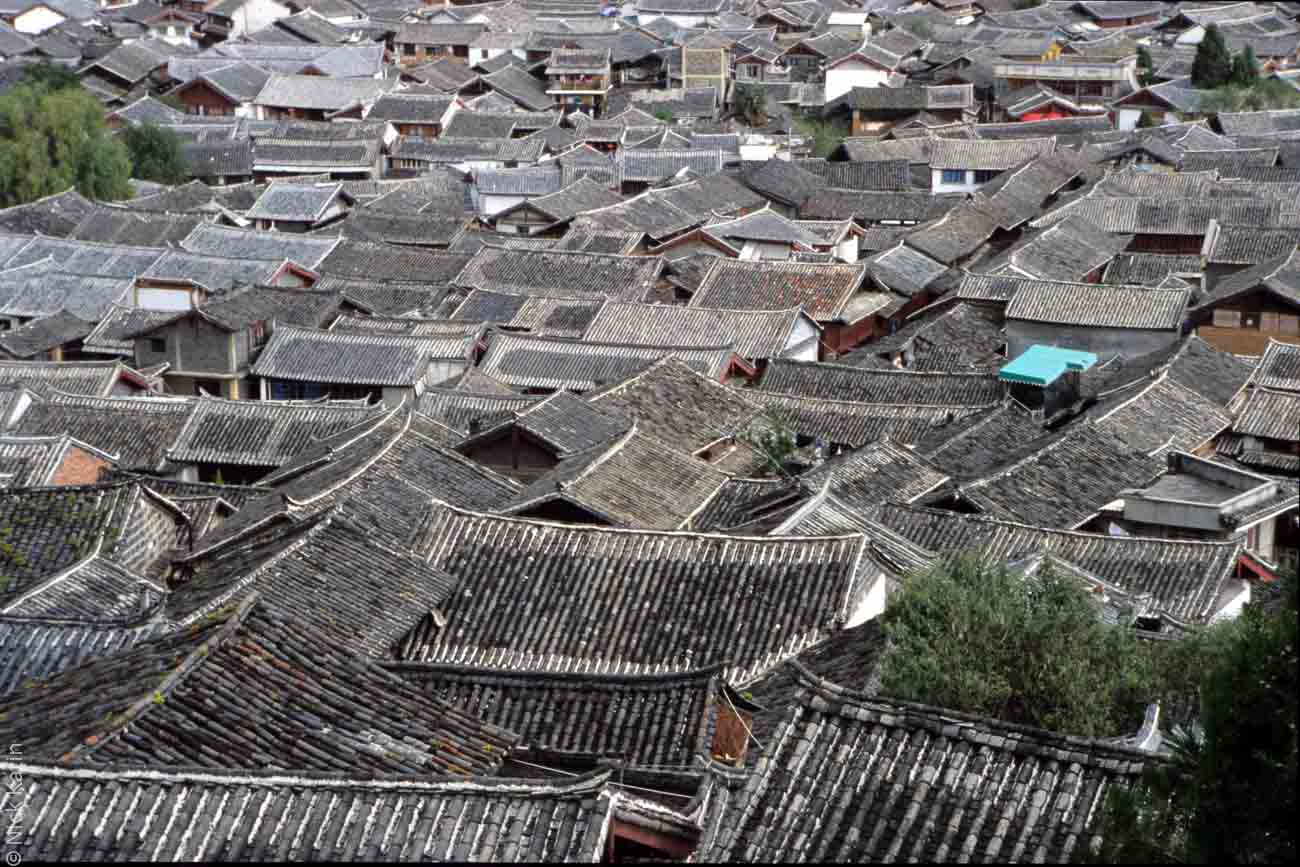
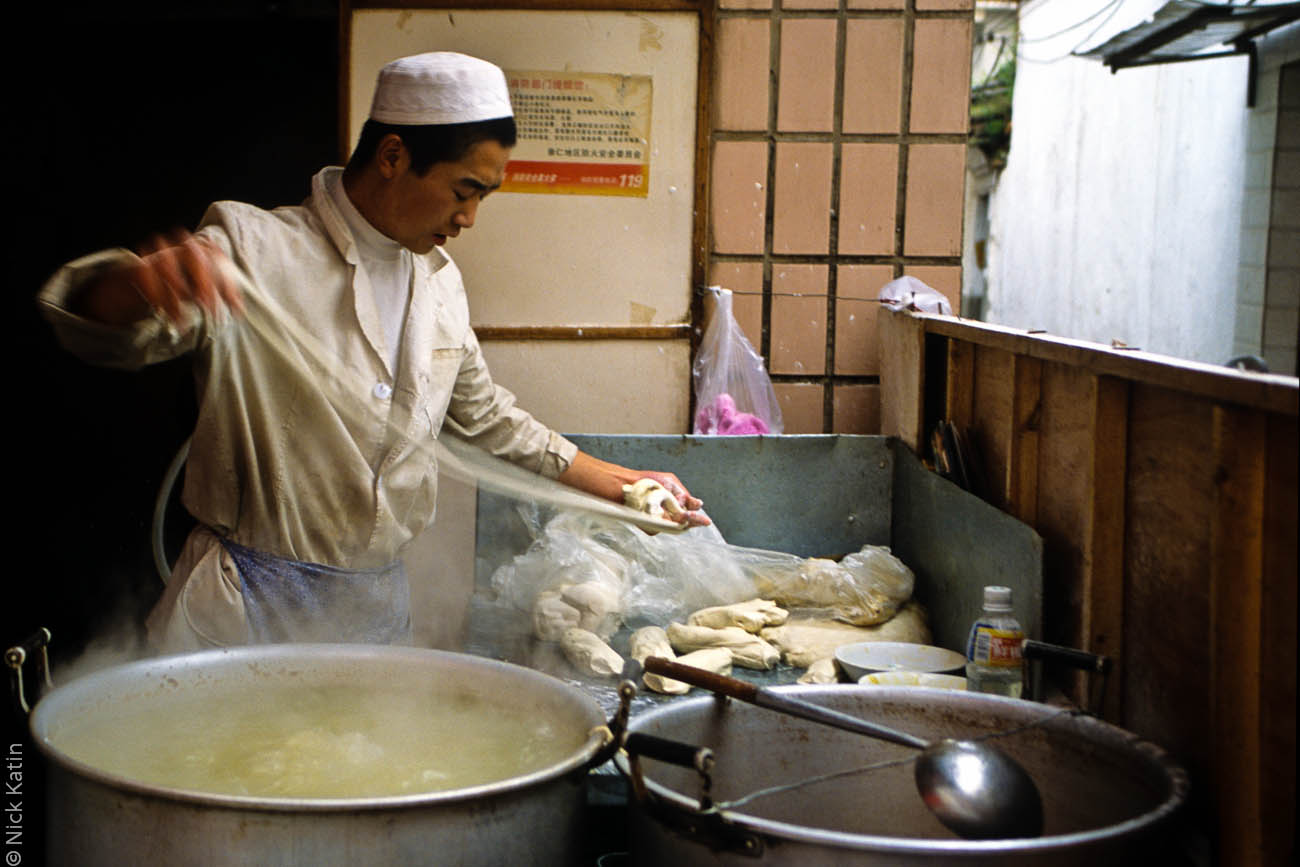
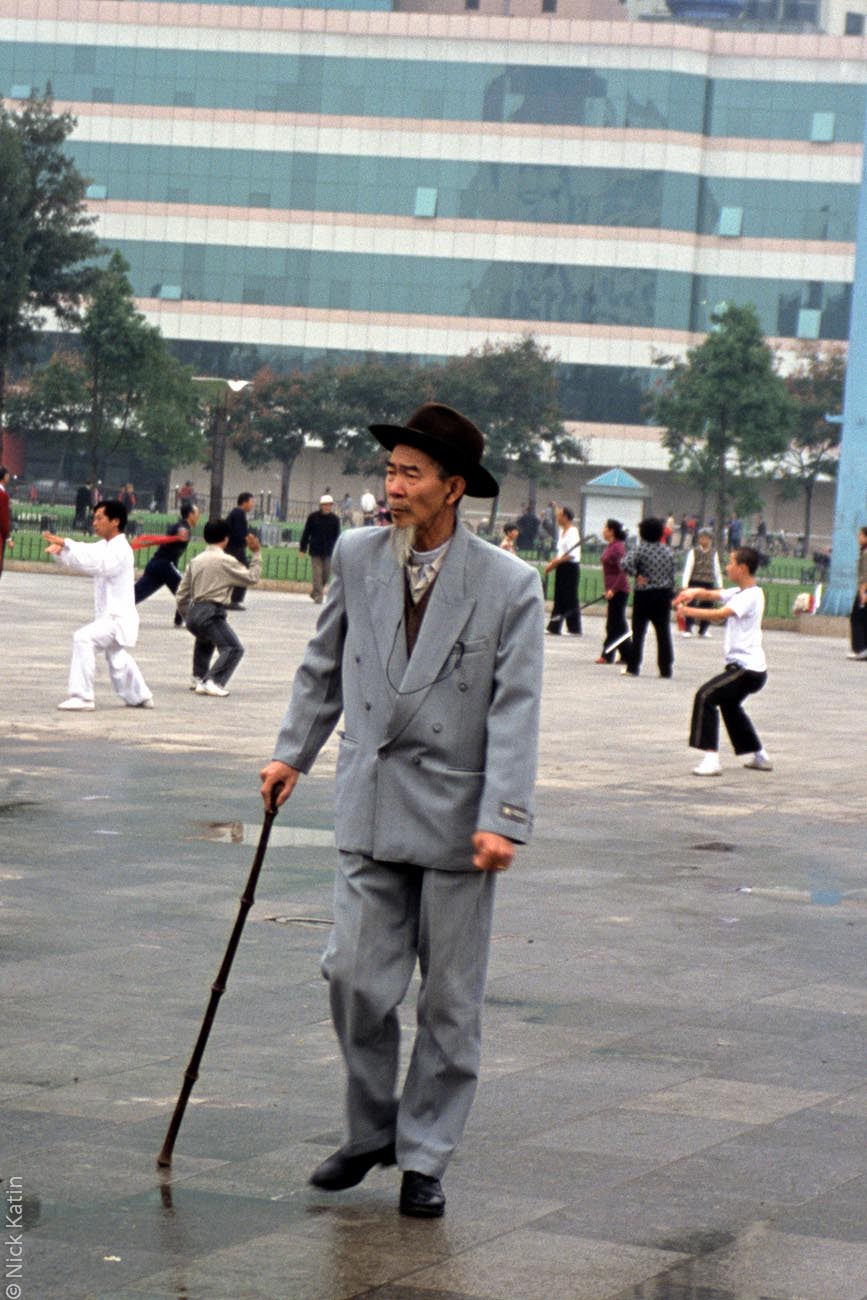
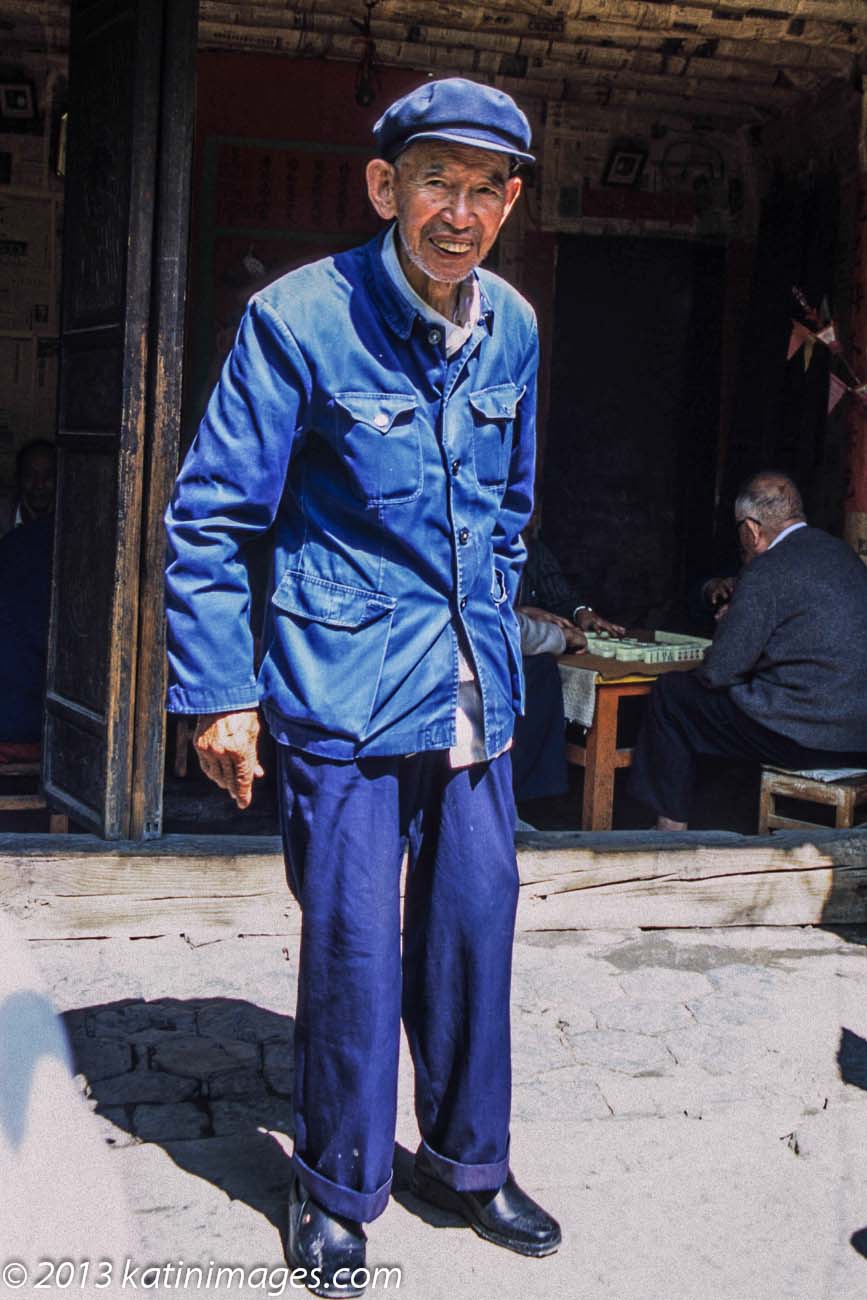
China would have to be one of the most fascinating countries I have visited. It has some of the top attractions and sights in the world and some of the oldest. It has culture, philosophy a burgeoning middle class and abject poverty. From natural sights like Tiger leaping gorge to the history of the great wall and then the monolithic skyscrapers of Shanghai – it has it all! Or does it?
Hall of Prayer for good Harvests
Roof tops
Noodle maker
Man in a suit
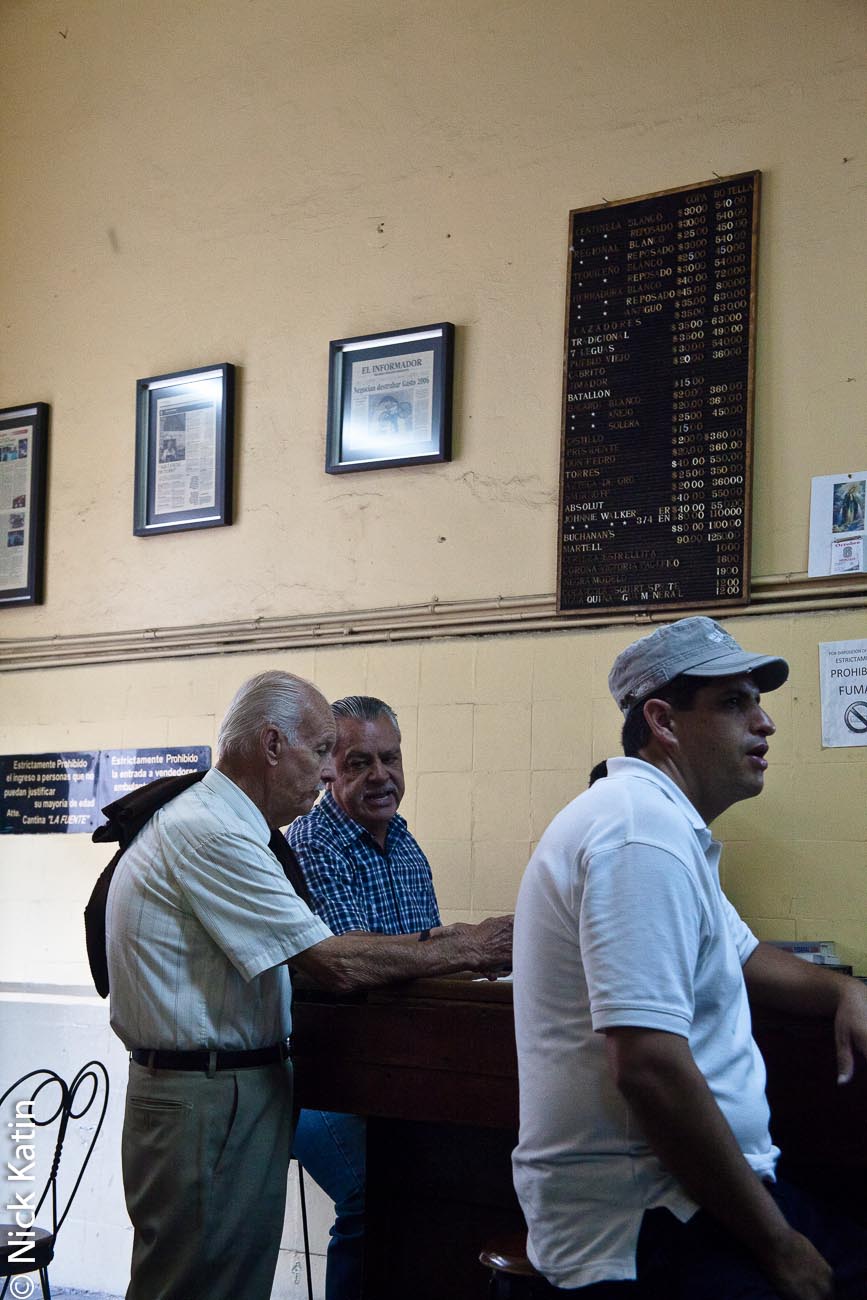
I have generally found that bars are the most interesting places to visit when travelling. There if it’s not a tourist hot spot, you usually get to see the locals at play. In Guadalajara the guide books direct you too Bar La Fuente and yet when we where there the were no tourists to been seen. Just guys sitting up at the bar and mixed groups at tables all singing along to the live singer and his small two piece band. When the music stops the guys get up and sing to any female close by and this case it was one of us who was treated to a Spanish version of what sounded like That’s Amore but in truth could have been anything. One of these romantic boys was actually a tourist guide who earlier that day took us on a tour of one of Guadalajara’s impressive buildings that contained murals by the famous 1940’s Painter & Muralist Orozco.
This is a HUGE topic that will be difficult to do justice to but if the question is why? Then here’s a brief answer. I might add that this question (at the moment anyway) only applies to higher end compacts, micro four/thirds and DSLR cameras. If you are using a smartphone or a compact that doesn’t give you the option of shooting in raw, then jpeg it is then. So firstly why raw? Raw is digital negative that retains all the information that the camera sensor can see but needs post processing to get the best out of it. So if you want a outstanding image and are prepared to put in the time in front of a computer to get it then shoot raw. Secondly why jpeg? This depends on what you will be doing it with it. If you are sharing on social media or via email just among friends or they are happy snaps which display memories rather than artistic merit, then jpeg is fine. Bear in mind that even if you shoot in raw you need to convert to jpeg to show or share as raw files can only be read by a small number of programs and the file sizes are pretty big. A final tip on that would be to shoot (if available on your camera) raw + jpeg so you can ‘publish’ the jpeg immediately and fine-tune the raw image later. Happy snapping!
Want to put this on your wall or licence or share this photo email or contact us
In Rajastan there is small town (if any town in India could be considered small) called Bikaner. Its main claim to fame is its many deserted and decaying Havelis (private mansions) that reflect a bygone age of some posterity. They were closed in from the rest of the town and had many a beautiful frescoes. I did a shoot there and managed a few good street shots. This guy was taking a breather between customers.
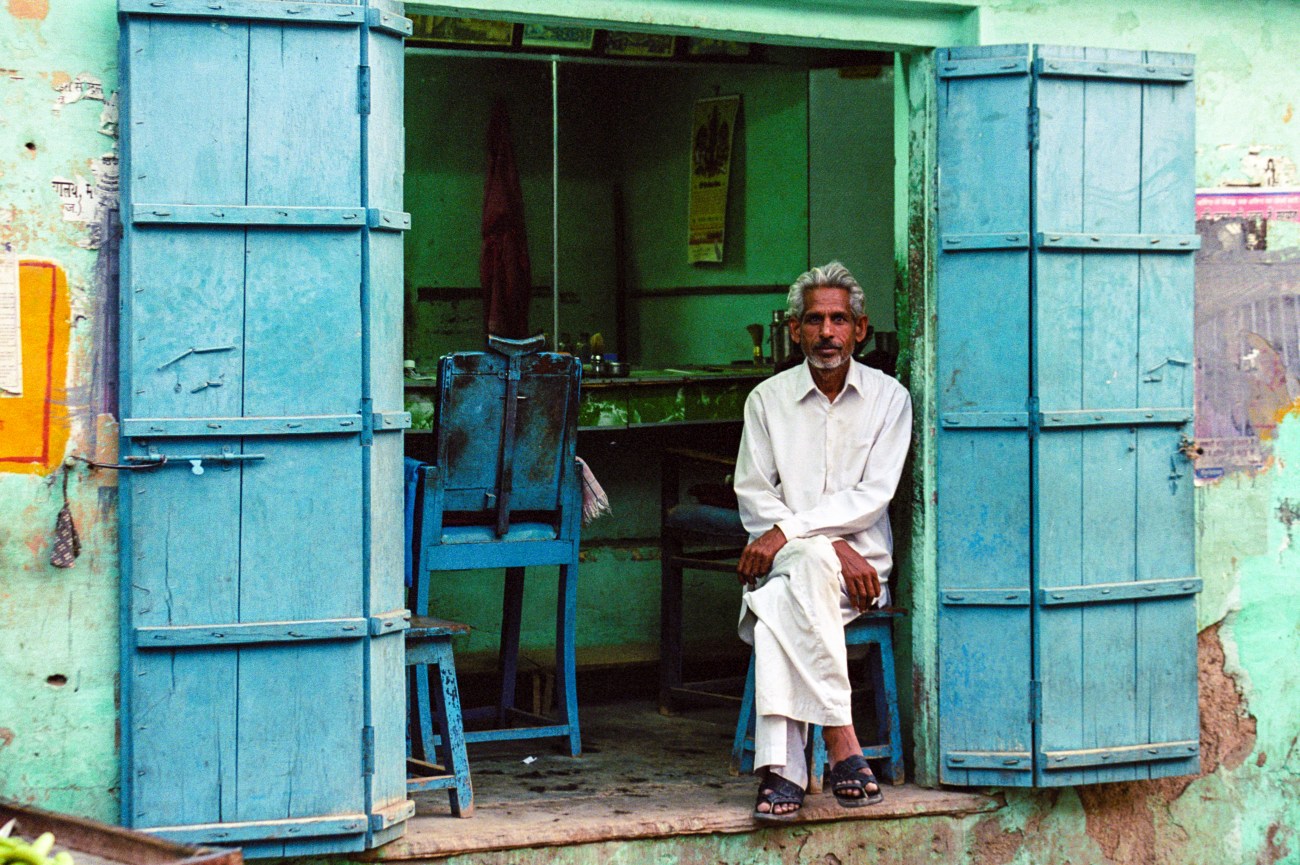
To buy a print of this photo go to Barber of Bikaner, India photo to licence this photo email or contact us


 Katin Images Travel Photography