Katin Images Travel Photography

Travel Photos, Travel Photography Tips and Software

Tag: Image

  • An Introduction to Travel Photography

    An Introduction to Travel Photography

    An Introduction to Travel Photography

    Definition

    According to Wikipedia the definition of Travel Photography “is a genre of photography that may involve the documentation of an area’s landscape, people, cultures, customs and history.
    The Photographic Society of America defines a travel photo as an image that expresses the feeling of a time and place, portrays a land, its people, or a culture in its natural state, and has no geographical limitations.
    There are other definitions but those two pretty much nail it.

    History

    Travel Photography, unlike most other genres is a later addition to Photography.
    When Photography was first invented in the early 1800’s few people travelled and for the next few generations any who did were only the wealthy ones.
    The major pioneers in travel photography were explorers who wanted to visually document their experiences whilst exploring.
    But you had to be keen as they had to carry the bulky equipment.
    Not only was the camera equipment itself heavy but, as the frames needed to be developed almost immediately, the photographer needed to have a darkroom and enough chemicals for a small laboratory.
    Of course that all changed when Kodak invented a camera that used a roll of film and then introduced the Kodak Brownie.
    Almost immediately photography was a lot more accessible and therefore popular with explorers and traveller alike.
    But it wasn’t until colour film was introduced that travel Photography became a mass media.
    Even then not everyone had a camera or if they did they didn’t use it whilst travelling.
    Digital photography changed all that. And then Smartphones come along.
    Now anyone who steps outside their door takes pictures. 

    We have millions of images of exotic and not so exotic locations being circulated by social media and other forms of communication.

    The Travel Experience.

    It wasn’t until I went travelling that I took an interest in Photography.
    It was to be a 7-month trip around the world and I felt that we needed to document, as well as we could, our experiences.
    So it was I had 2 very different skills to learn, how to travel and how to take photos of my experiences. It was a challenge, but it was one that I learnt so much from.
    That’s the beauty of Travel Photography. Yet, there are times when you must forget all the techniques and the technical stuff and be in the moment of the experience.
    Knowing when to take that shot or not is a skill in itself.

    That too me is what Travel photography is all about. 

    Genres

    Of course, when you travel there are lots of subjects that you will want to take photos of:

    Landscapes, People, Festivals, Entertainment, Urban, Food and Drink and Wildlife are the most popular.

    Landscape

    Landscape Photography is taking images of usually the area in front of you.
    That can be a mountain range, a field of flowers, the desert, pretty much anything that is of a natural beauty.
    Some manmade objects e.g. a lakeside house or a sailing boat can help with context.

    Reservoir close to Yosemite NP, California, USA is an area of lakes and reservoirs.
    Reservoir close to Yosemite NP, California, USA in an area of lakes and reservoirs.

    People

    Always a difficult one to get right. People move, blink, frown and often, whether posed or not, can assume unflattering positions.
    Taking portraits in different cultures are a great way to get to know locals and customs.
    We are all fascinated by the daily life of those in other countries. Travel Photography gives you the option to capture that.

    Festivals

    The Colour and movement of some of the world’s most famous and not so famous festivals can make great photos.
    Even the local fete can offer some interesting character or scene shots

    Entertainment

    Shopping in the market, Music and Theatre performances are two events that come to mind when taking photos in the field of entertainment.
    But there is also sporting events like a game of footy or nightlife. The latter being particular challenging due to the lack of light.

    Urban

    What is urban? Good question!  I guess it’s Street Scenes, Street Art, Sky Lines, Architecture, both inside and outside and even Light Shows.

    Food and Drink

    There are many food and drink situations. You may want to take some photos of where you are, what you are doing, eating or drinking.  
    In a restaurant, a winery, in a field or at the market.
    Food and Drink is quite a diverse genre. But it can also be the most creative and satisfying, especially if you are having a great experience at the same time.

    Travel Photography
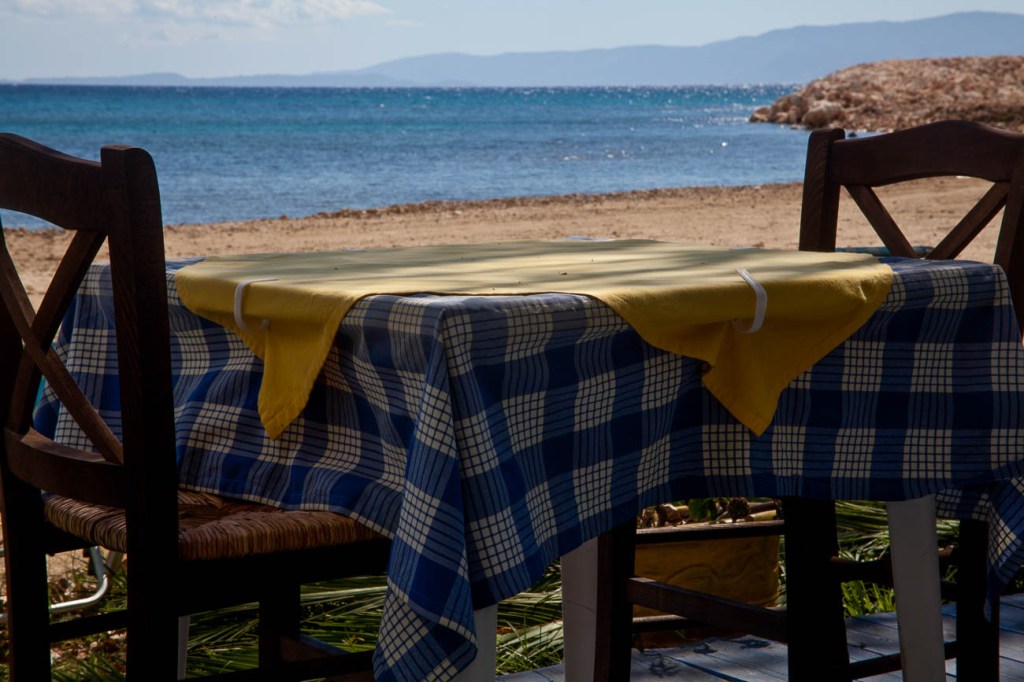
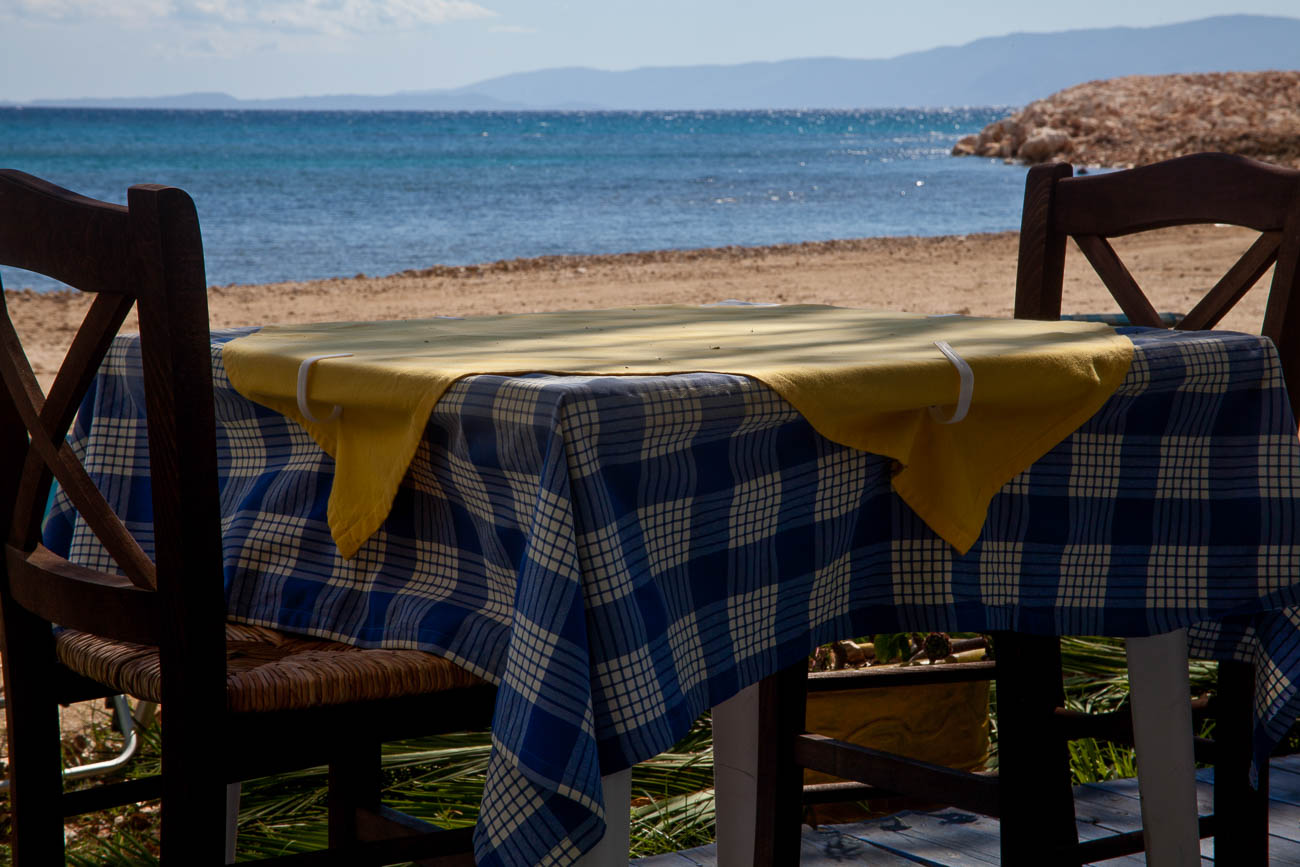
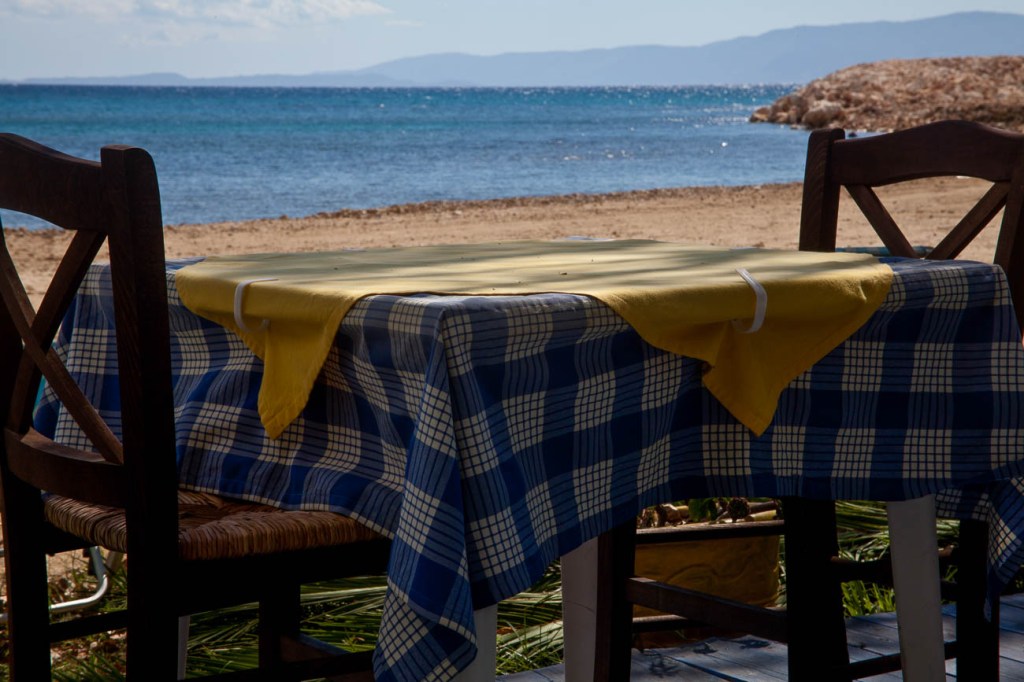
    Table on the beach. Kefalonia. Greece

    Wildlife

    Who doesn’t want to capture that great shot of a Lion or Leopard in the wild somewhere in Africa.
    But there is more to it than the big 5 (the big 5 is Lion, Leopards, Rhino, Hippo and Elephant).
    Even going to a Zoo or Sanctuary can provide some great photographic opportunities.
    There are various types of environment for grabbing a shot or 2 of wildlife. Marine, Forests, National Parks even the Urban Environment can have wildlife.
    But be wary of two things, firstly your safety is paramount, don’t be that person who steps outside the car in a Lion park.
    Secondly, wildlife photography is challenging.
    There are photographers who have devoted their lives to taking great wildlife shots. They will spend days even weeks waiting for that ‘one’ shot.

    Mother Nature

    Travelling over time means you will experience all types of weather which can make it difficult to use your camera equipment.
    Rain, Heat, Cold, Snow, Dust they are a few extreme weather extremes that we all will experience in our travels.
    But even though taking photos in such conditions will take you out of your comfort conditions, often it will be well worth it.
    So, don’t run for cover (unless of course your life is in danger) embrace the challenge.

    By copyright I don’t mean your copyright. More and more their famous landmarks (and People) want to control their image.
    For example, under French law it is illegal to take photos of the Eiffel Tower’s light show at night.
    Of course, we’re not all going to check on every possible landmark but it’s worth a quick google on a big-ticket item. 

    Photography Techniques

    So you now you know the sort of experiences that you will want to document visually, how do you do it successfully?
    Well firstly, you will never stop learning! I’ve been shooting for 22 years and I’m still learning.
    That’s not to say you can’t learn to take good even great pictures straight away on your travels.
    It takes time to know what to do in certain situations and as you have seen there are many genres that make up Travel Photography.
    I hope that this will motivate you to read more from this site and support some of the manufacturers or service providers that I recommend to help you.

    Additional skills

    Of course, it’s not all about techniques and composition.
    If you want to take Travel Photography seriously you need to also be prepared some of the time to:
    Plan but be flexible
    Be reasonable fit, so that you have the energy to walk for hours at a time
    Be Patient enough to wait for the right moment to get that shot.
    Develop good social skills so that you can converse with many people, often in a language which you can’t speak
    Be creative
    Be open to sharing. After all it’s no good taking photos if no one is going to see them!

    In Summary

    This introduction to Travel Photography should give you a taste of what’s involved in improving your travel or holiday experiences. 
    You can see that gaining the skills that allow you to take good or, indeed, great photos will help expand your travels and give other people pleasure.
    Travel Photography is about the gear, the composition and being creative
    But it’s also about being in a place that’s not your home, adding depth to your experience and bringing home great photos that will live with your memories for a very long time!

    Just click on any of the above images to view a larger version and for other options

  • An Introduction to Travel Photography

    An Introduction to Travel Photography

    Table on the beach. Kefalonia. Greece

    An Introduction to Travel Photography

    Travel Photography is something we all do from time to time whether on vacation or when travelling for any reason. In this well written and researched article “An Introduction to Travel Photography” I will attempt to ‘introduce’ you to the world of Travel Photography

    Definition

    According to Wikipedia the definition of Travel Photography “is a genre of photography that may involve the documentation of an area’s landscape, people, cultures, customs and history.
    The Photographic Society of America defines a travel photo as an image that expresses the feeling of a time and place, portrays a land, its people, or a culture in its natural state, and has no geographical limitations.
    There are other definitions but those two pretty much nail it.

    History

    Travel Photography, unlike most other genres is a later addition to Photography.
    When Photography was first invented in the early 1800’s few people travelled and for the next few generations any who did were only the wealthy ones.
    The major pioneers in travel photography were explorers who wanted to visually document their experiences whilst exploring.
    But you had to be keen as they had to carry the bulky equipment.
    Not only was the camera equipment itself heavy but, as the frames needed to be developed almost immediately, the photographer needed to have a darkroom and enough chemicals for a small laboratory.
    Of course that all changed when Kodak invented a camera that used a roll of film and then introduced the Kodak Brownie.
    Almost immediately photography was a lot more accessible and therefore popular with explorers and traveller alike.
    But it wasn’t until colour film was introduced that travel Photography became a mass media.
    Even then not everyone had a camera or if they did they didn’t use it whilst travelling.
    Digital photography changed all that. And then Smartphones come along.
    Now anyone who steps outside their door takes pictures. 

    We have millions of images of exotic and not so exotic locations being circulated by social media and other forms of communication.

    The Travel Experience.

    It wasn’t until I went travelling that I took an interest in Photography.
    It was to be a 7-month trip around the world and I felt that we needed to document, as well as we could, our experiences.
    So it was I had 2 very different skills to learn, how to travel and how to take photos of my experiences. It was a challenge, but it was one that I learnt so much from.
    That’s the beauty of Travel Photography. Yet, there are times when you must forget all the techniques and the technical stuff and be in the moment of the experience.
    Knowing when to take that shot or not is a skill in itself.

    That too me is what Travel photography is all about. 

    Genres

    Of course, when you travel there are lots of subjects that you will want to take photos of:

    Landscapes, People, Festivals, Entertainment, Urban, Food and Drink and Wildlife are the most popular.

    Landscape

    Landscape Photography is taking images of usually the area in front of you.
    That can be a mountain range, a field of flowers, the desert, pretty much anything that is of a natural beauty.
    Some manmade objects e.g. a lakeside house or a sailing boat can help with context.

    Reservoir close to Yosemite NP, California, USA is an area of lakes and reservoirs.
    Reservoir close to Yosemite NP, California, USA in an area of lakes and reservoirs.

    People

    Always a difficult one to get right. People move, blink, frown and often, whether posed or not, can assume unflattering positions.
    Taking portraits in different cultures are a great way to get to know locals and customs.
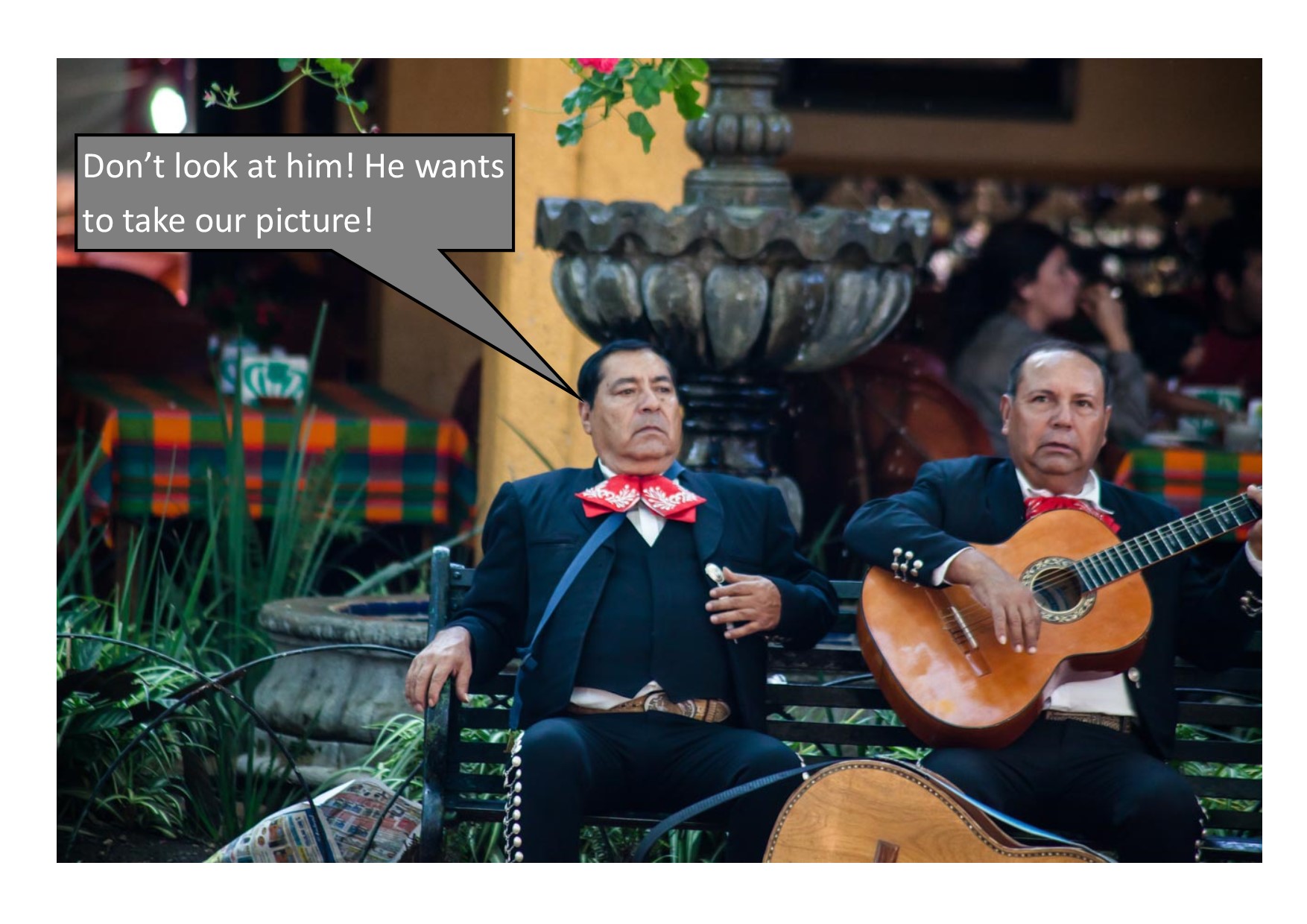
    We are all fascinated by the daily life of those in other countries. Travel Photography gives you the option to capture that.
    As an example of this check out How I took this Travel Photography Image

    Festivals

    The Colour and movement of some of the world’s most famous and not so famous festivals can make great photos.
    Even the local fete can offer some interesting character or scene shots

    Entertainment

    Shopping in the market, Music and Theatre performances are two events that come to mind when taking photos in the field of entertainment.
    But there is also sporting events like a game of footy or nightlife. The latter being particular challenging due to the lack of light.

    Urban

    What is urban? Good question!  I guess it’s Street Scenes, Street Art, Sky Lines, Architecture, both inside and outside and even Light Shows.

    Food and Drink

    There are many food and drink situations. You may want to take some photos of where you are, what you are doing, eating or drinking.  
    In a restaurant, a winery, in a field or at the market.
    Food and Drink is quite a diverse genre. But it can also be the most creative and satisfying, especially if you are having a great experience at the same time.

    Wildlife

    Who doesn’t want to capture that great shot of a Lion or Leopard in the wild somewhere in Africa.
    But there is more to it than the big 5 (the big 5 is Lion, Leopards, Rhino, Hippo and Elephant).
    Even going to a Zoo or Sanctuary can provide some great photographic opportunities.
    There are various types of environment for grabbing a shot or 2 of wildlife. Marine, Forests, National Parks even the Urban Environment can have wildlife.
    But be wary of two things, firstly your safety is paramount, don’t be that person who steps outside the car in a Lion park.
    Secondly, wildlife photography is challenging.
    There are photographers who have devoted their lives to taking great wildlife shots. They will spend days even weeks waiting for that ‘one’ shot.

    Mother Nature

    Travelling over time means you will experience all types of weather which can make it difficult to use your camera equipment.
    Rain, Heat, Cold, Snow, Dust they are a few extreme weather extremes that we all will experience in our travels.
    But even though taking photos in such conditions will take you out of your comfort conditions, often it will be well worth it.
    So, don’t run for cover (unless of course your life is in danger) embrace the challenge.

    Copyright

    By copyright I don’t mean your copyright. More and more their famous landmarks (and People) want to control their image.
    For example, under French law it is illegal to take photos of the Eiffel Tower’s light show at night.
    Of course, we’re not all going to check on every possible landmark but it’s worth a quick google on a big-ticket item. 

    Photography Techniques

    So you now you know the sort of experiences that you will want to document visually, how do you do it successfully?
    Well firstly, you will never stop learning! I’ve been shooting for 22 years and I’m still learning.
    That’s not to say you can’t learn to take good even great pictures straight away on your travels.
    It takes time to know what to do in certain situations and as you have seen there are many genres that make up Travel Photography.
    I hope that this will motivate you to read more from this site and support some of the manufacturers or service providers that I recommend to help you.

    Additional skills

    Of course, it’s not all about techniques and composition.
    If you want to take Travel Photography seriously you need to also be prepared some of the time to:
    Plan but be flexible
    Be reasonable fit, so that you have the energy to walk for hours at a time
    Be Patient enough to wait for the right moment to get that shot.
    Develop good social skills so that you can converse with many people, often in a language which you can’t speak
    Be creative
    Be open to sharing. After all it’s no good taking photos if no one is going to see them!

    In Summary

    This introduction to Travel Photography should give you a taste of what’s involved in improving your travel or holiday experiences. 
    You can see that gaining the skills that allow you to take good or, indeed, great photos will help expand your travels and give other people pleasure.
    Travel Photography is about the gear, the composition and being creative
    But it’s also about being in a place that’s not your home, adding depth to your experience and bringing home great photos that will live with your memories for a very long time!

    Need some help with your photos?
    Why don’t you pop your email in the box below and not only will get content that’s not always posted on this site but you will get a free guide to get you started

    Any questions then please contact me here and/or please say hello at these places:

    FacebookTwitterInstagramLinkedIn:

    Feel free to share this to your social media of choice

  • How to create great Infographics using Microsoft Publisher

    How to create great Infographics using Microsoft Publisher

    As great as online creators such as Canva and Piktochart are, there are times that you need or want to create something without being Online.

    Plus, if you are only using the free versions then you can be limited in what templates and other images you can use.

    So, here’s an off the radar alternative called Microsoft Publisher.

    I must confess that I have being using publisher for many years now and have used it in the past for brochures, flyers, and books so I’m a bit biased.

    Now there are number of ways you can get publisher the most popular way being through an Office 365 subscription service which cost around $70 a year for the complete suite of offices software such as Word, Excel, PowerPoint, Outlook, OneNote and Publisher and a couple of others. But you can buy it outright for around $110.00 if you don’t wish to subscribe.

    So how to use it:

    1. Open the program (that’s a big step)
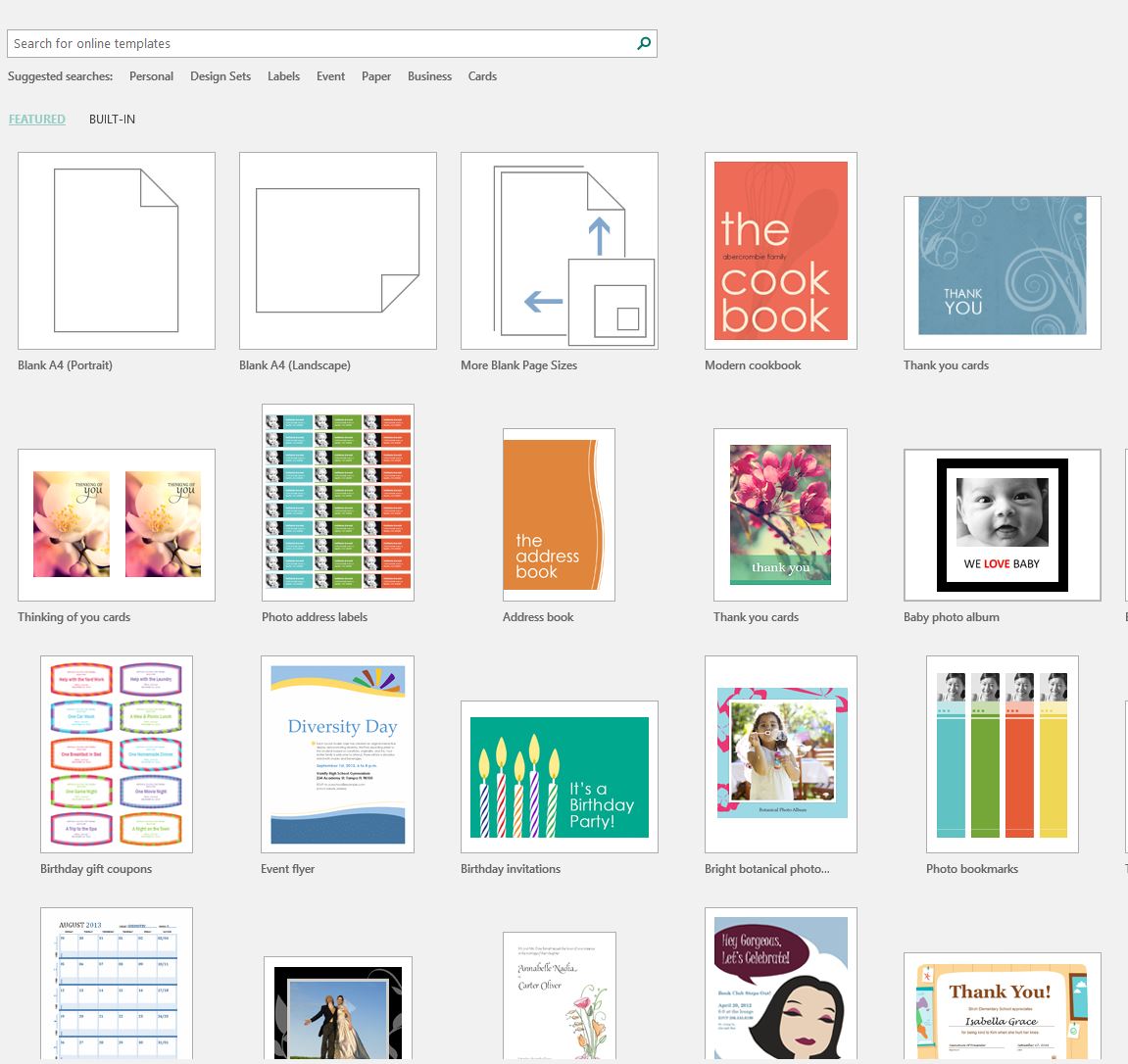
    2. On the first page, you will get many choices of pages with templates etc. for the example I have used here I created a blank publication of A4

    How to create great infographics using Microsoft publisher

    Now the fun begins.

    1. You can easily change the size of the publication by the drop down menu under page design. You have choice of selecting a standard size or creating a new page size

    How to create great infographics using Microsoft publisher


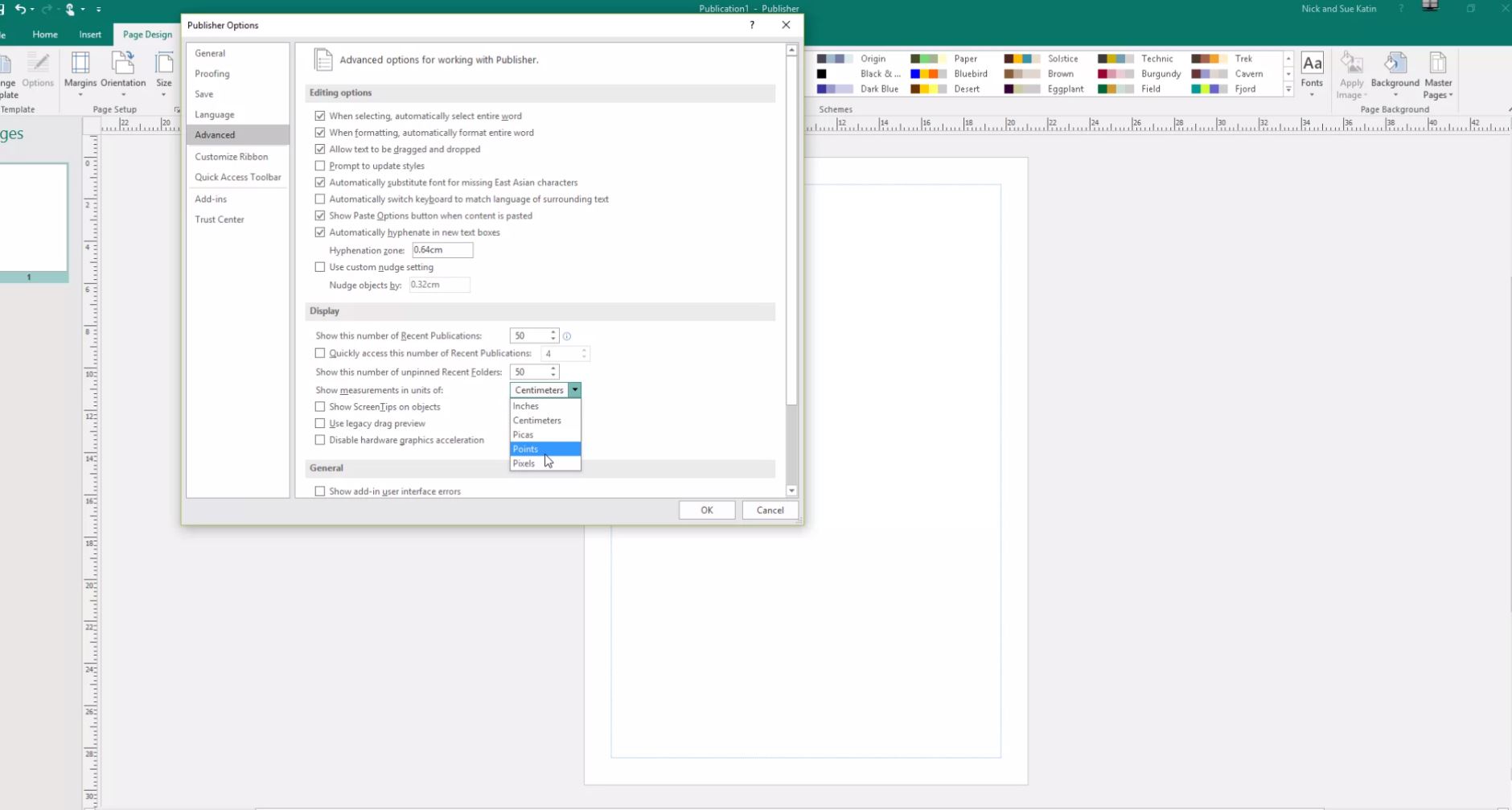
    If you prefer to change to unit of measurement e.g. pixels then go to the options menu under file and find advanced. Display is the second area

    How to create great infographics using Microsoft publisher

    1. Now that you have created a blank page of whatever size you want, let’s do some creating
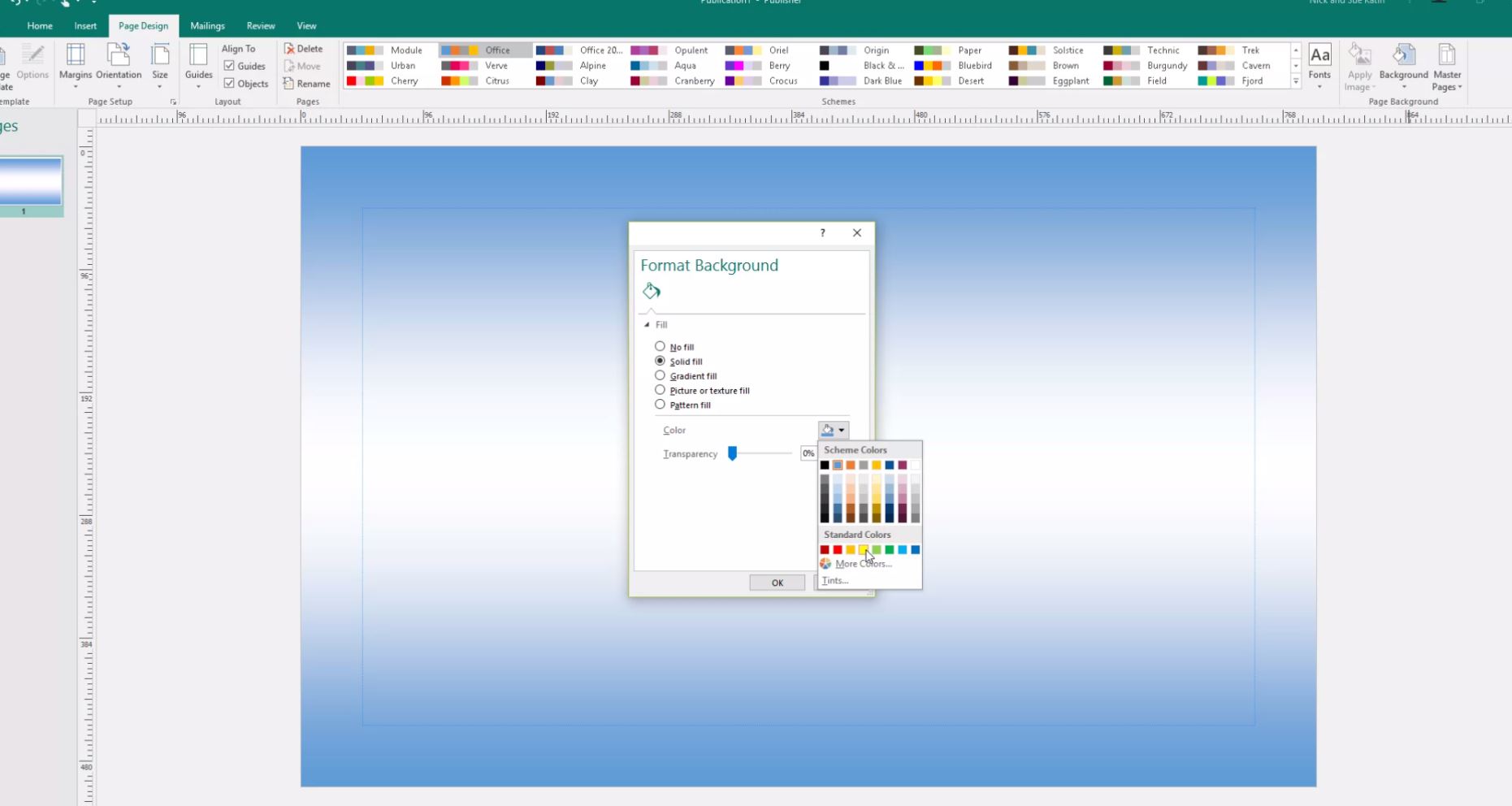
    2. I usually select the background colour by going to the background drop down menu under page design. You can select some standard variations or make your own

    How to create great infographics using Microsoft publisher

    How to create great infographics using Microsoft publisher

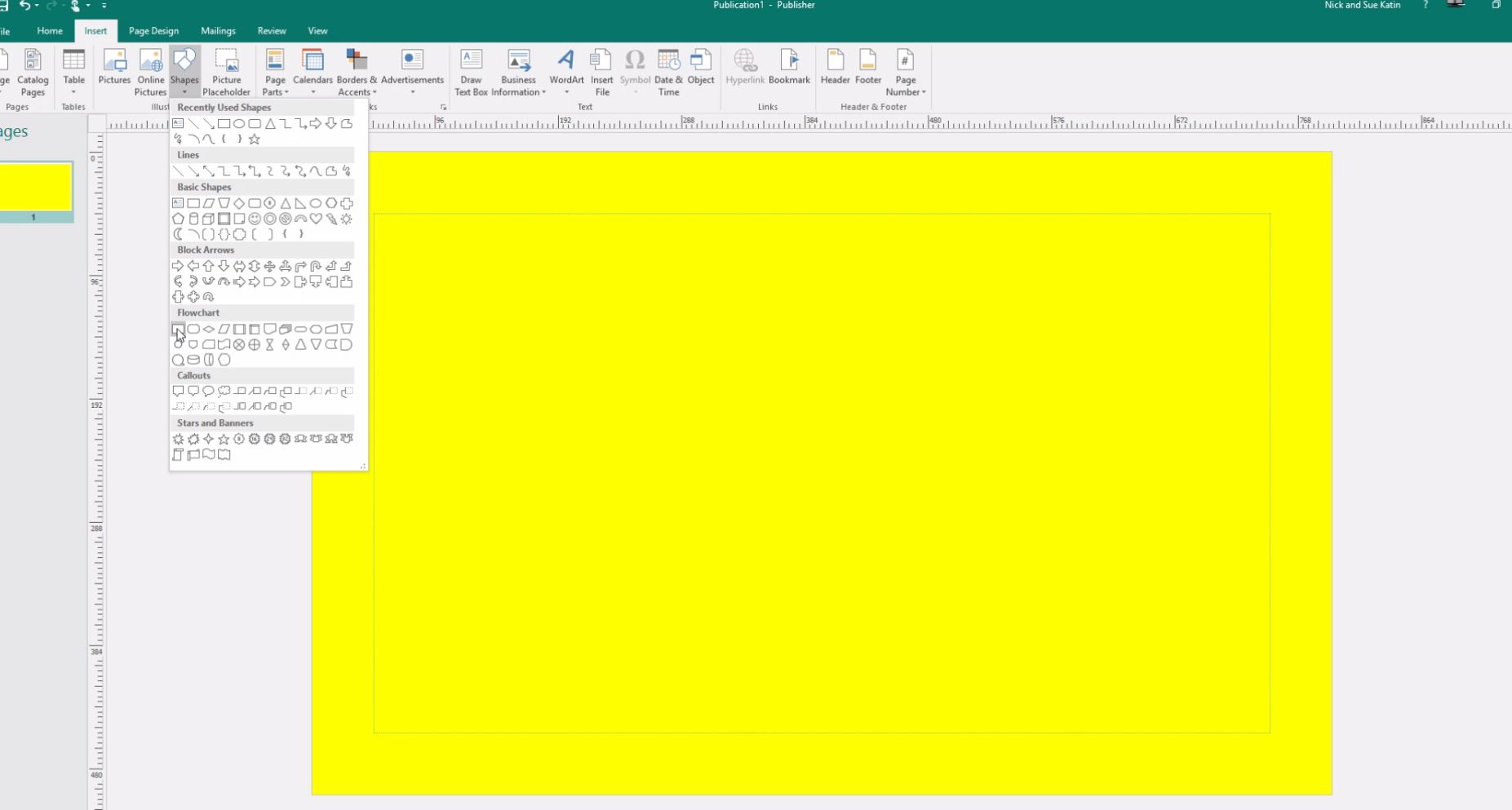
    1. Ok let’s stick some shapes in. From the insert tab there’s a drop down menu under shapes and you can knock yourself out inserting all sort of different shapes.

    How to create great infographics using Microsoft publisher

    1. For text go to the text section under insert and you can insert text with different fonts etc.

    How to create great infographics using Microsoft publisher

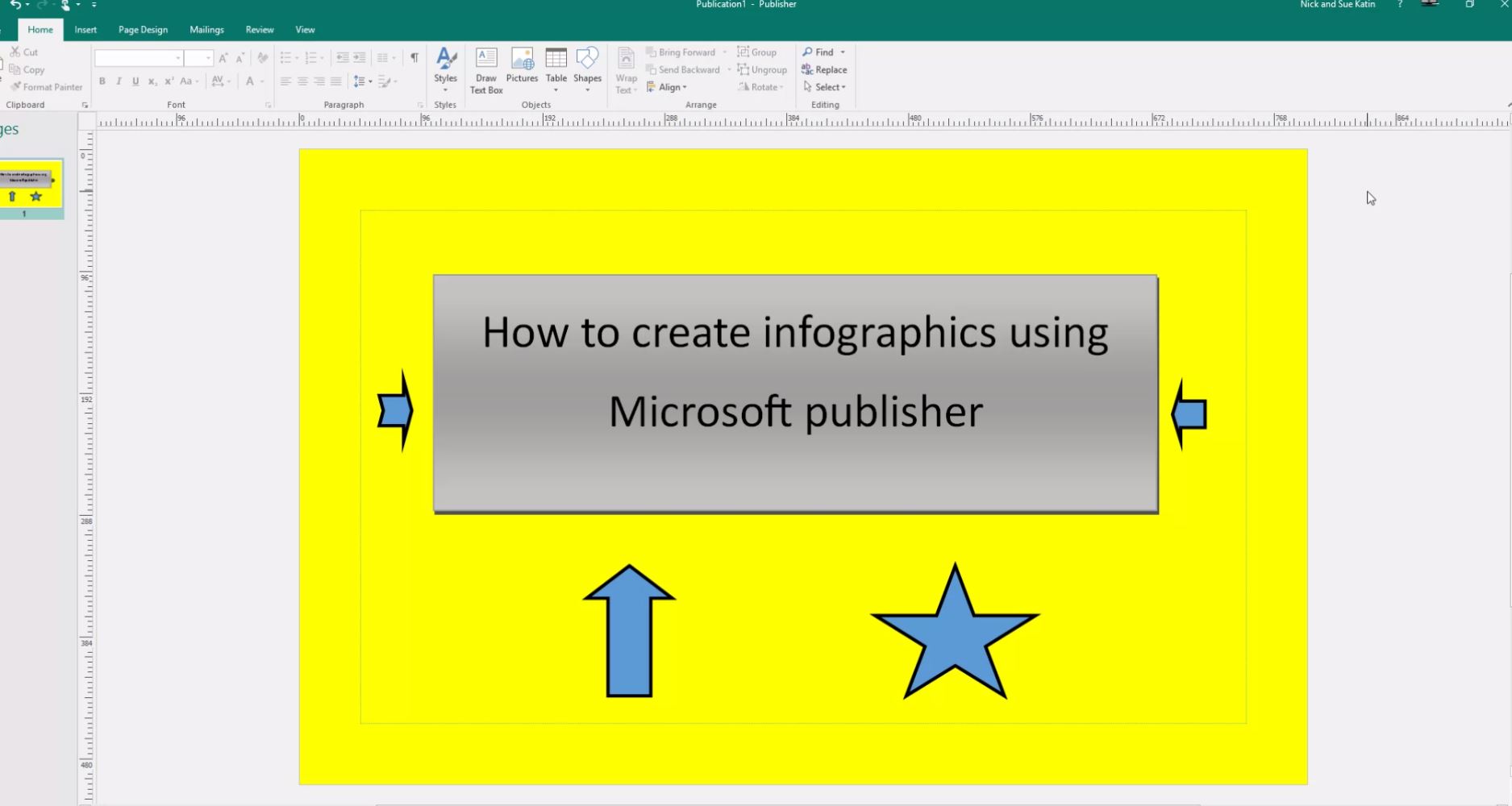
    And that is really all there is to it.

    How to create great infographics using Microsoft publisher

    The added benefit of publisher is that you can also insert photos add some texts and shapes etc. and then save just that page as JPEG. I use it like that for my Instagram posts.

    If you have any queries on this just post them in the comments below.


  • 8 reasons to post your Travel Images online

    8 reasons to post your Travel Images online

    8 reasons to post Travel Images online

    *Imagine no internet, I wonder if you can.

    I wonder if John Lennon was to write Imagine today whether this wouldn’t be an extra verse.

    When I first started photography the only Travel images in the public domain was either in print or as part of a TV or Movie.

    Photographers like me lugged around a portfolio of printed travel images to various companies and people hoping that they would like our images.

    Nowadays there are so many places that you can post travel images online, that it’s almost mind boggling!

    And there’s lies the problem.

    The real consumption of travel images is happening on line.

    So why post your Travel Images online?

    Well let me give you 8 reasons on why you need to post your Travel Images online.

    1. Huge Market

    Last year there were 3.2 Billion Internet users.

    Let me say that again, 3.2 Billion.

    That means 40% of the world’s population have an internet connection!

    Over 80% of the population of developed countries have an internet connection.

    So if you are looking to get some exposure for your travel images to any of those countries then you have to be online.

    2. With the right strategies you can get in front of potential admirers using various electronic forms such as email or social media.

    As much as doomsayers tell us that Facebook or twitter or any other form of social media is dead.

    It’s not.

    It’s never been more popular. Sure the up take has slowed which is normal.

    Social media uptake is dwindling not because of unpopularity but because they are running out of people who aren’t already on it.

    8 reasons to post Images and Visual Content online
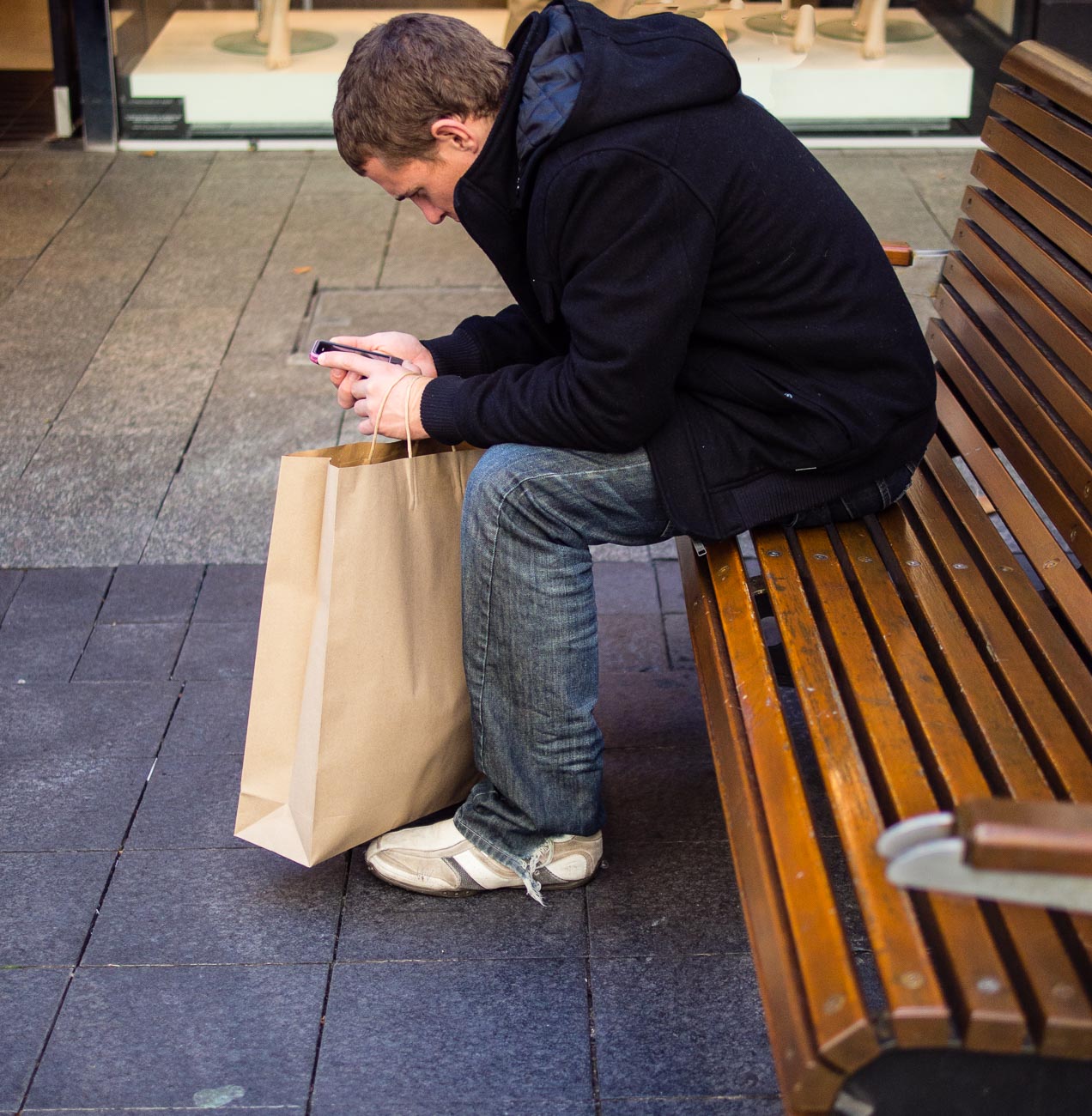
    Man looking at Smartphone, in Central Perth, Western Australia.


    Social media is here to stay in its different forms

    3. 85% of customers expect business’s and everyone else to be active on line.

    Everyone jumps on facebook or a website to see the latest posts.
    And there’s nothing like a great travel image to attract their attention.

    4. With smartphones users can look up destinations and search for images whilst walking past  a travel agent.

    So if you’ve got some great travel photos and you’re not posting your Travel Images online you’re missing out?

    Of course you still need to have some great travel images.

    You also need to ensure that you update regularly, otherwise people looking at your site will get bored and move on.

    And it goes without saying that your site should also be mobile friendly.

    5. 46% of people say a business website’s design is number one for gauging the credibility of a company.

    By that I mean not fancy but just easy!

    This is BIG!.

    Why not approach a business that needs travel images of the destinations you’ve been to.
    You never know where it may lead.

    If you have your own site make sure it’s quick and easy to load.
    And make sure your site is easy to navigate and works well on Apple, Windows and Android operating systems.

    I’m sure you’ve come across a site that is not easy to navigate on your iPad but easy on a PC or Windows laptop or vice versa.

    6. 90% of information transmitted to the brain is visual. We humans process visuals 60,000 times faster than text.

    Thanks to our evolution over millions of years of, we are genetically wired to respond differently to visuals than we are to text.

    It’s important that words, concepts and ideas are hooked onto an image, otherwise they will go in one ear, and go out the other.

    Words are processed by our short-term memory where we can only retain small bits of information.

    Images, on the other hand, go directly into long-term memory where they are indelibly etched.

    7. Good visual content is often shared around amongst friends and acquaintances.

    Like a visual word of mouth. Take a look at Instagram and see how many followers some travel photographers have.

    Whilst there’s no guarantee that these images will be have been shared, you’ve got to be in it to win it, as they say.

    8. Creates engagement with others especially through groups and forums.

    8 reasons to post Images and Visual Content online

    Some of the best ways to grab people’s attention is by posting an image on a forum such as Reddit (via a link) or Quora.

    The travel industry has lots of other forums some created by travellers othere by magazines and travel companies.


    So what about your experience in the online world? Do you post your Travel Images online?

    If not what’s the number one obstacle stopping you posting travel images online.

    I’d really like to know. So please leave your answers in the comments below.

    For more on travel photography you may like to go to: 

    Displaying your Travel Photos

    Or

    Travel Photography

    If you liked this article then you may want to drop your name and email in the box below to get updates and for your trouble you’ll get a free e-book.

    [mailerlite_form form_id=7]

    PS: *John Lennon actually wrote “Imagine no possessions, I wonder if you can” and then goes on to say “No need for greed or hunger, a brotherhood of man”

    Those words are as relevant today as they were in 1971


     “8 reasons to post your Travel Images online” is locked 8 reasons to post your Travel Images online

  • Why stock images are bad for business!

    Why stock images are bad for business!

    Why stock images are bad for business!

    We all use stock images but are they really good for business? In fact stock images are bad for business!

    Imagine

    You are driving down the road and you see this big billboard with a terrific image on it. You think to yourself that’s a great image and that it looks familiar. Quickly you realise it’s the one you used in a recent marketing campaign.

    Then you take a closer look and you realise that it’s advertising your competitor’s product or service.

    The fine print

    Seething, you get to your office and send a nasty email to the stock agency you used.
    Later that day you get a response that draws your attention to their terms and conditions which basically say that they have no control over how the image is used.

    In other words, as long as they get paid they don’t really care.

    Hiring your own photographer

    Now imagine that you are driving down that same road and you see the same billboard.
    It has a great image on it that’s advertising your business and no one can else can use that image without your express permission.
    Now you may be thinking that you got that image by hiring a good photographer.
    Comment-Anzac March_0411_001[mailerlite_form form_id=7]
    Not necessarily!

    When a photographer conducts a shoot for any business (or wedding or portrait session or any other third party) they keep the copyright. So what that can mean is that unless you have a watertight contract with them, that they are prepared to sign (and then the price will increase) they can resell that image to another business or alternatively a stock agency.

    Now don’t get me wrong I don’t believe that many photographers would knowingly sell an image commissioned by you to your competitor but they, like you, need to make a living.

    But it does highlight the legal minefield that is copyright.

    So what to do?

    Take control

    They only way to truly retain copyright is take the image yourself or have an employee take it. In the former you own the copyright and in the latter provided the employee takes it in the course of their employment, again you as the employer, own the copyright.

    Another good reason to take these images yourself or use a photographer (if you are prepared to pay for some control of the copyright) is creative control.

    The disadvantages of using a stock agency

    Stock agencies have thousands of images. Scrolling through that many, even with the great search engines that most of them have, is time consuming and you could end up settling for second best.

    Of course you could outsource the selection to a marketing company or even the stock agency itself by giving them a brief.

    Again you are giving away your creative control, not to mention the additional expense you will incur. And who’s to say that they will come up with a what you are looking for.

    I know that when I have submitted images along with many other photographers for a stock agency brief, often the client ends up not choosing any image.
    Which is a pain for everyone, especially me, which I why I’m very selective these days but I digress.

    Take your own Stock images

    But, I hear you cry, none of us have the expertise to take really good images.

    That can be taken care of easily, the web is awash with tutorials and tips on how to take great images.

    Off course these are aimed at the amateur photographer who could be looking for information to take great family shots right through looking to carve out a career as a photographer.

    Taking photos (and videos) for business marketing is different and similar in a lot of ways to travel photography. Not harder or easier but different.
    The eye should be looking to make your product or service as attractive as possible sometimes in an obvious way, other times in a subliminal or subtle way.

    Comment-Guadalajara_1010_169Some of the articles on this site are intended to bridge that gap. My goal is to help small business owners raise the quality of both their image and marketing by providing the information that they need to improve their photography.

    Plus I will give options on where are the best platforms are to post or use their images.

    So come and regularly visit my site nickkatin.com or subscribe below to get the latest articles into your inbox and a free guide on where to start.

    [mailerlite_form form_id=7]