Katin Images Travel Photography

Travel Photos, Travel Photography Tips and Software

Tag: Hill

  • African shoestrings – South Africa Day Twenty-four

    It was as the guy from Budget was driving away that a rather worrying thought crossed my mind.
    What if he wasn’t a Budget employee and had just easily hoisted a car from two unsuspecting and naïve tourists! The fact that he was standing in the Budget car park with a Budget jacket might mean nothing; that could have been part of the ‘sting’. I decided that I would take an aggressive approach if it turned out I was not paranoid.

    “Why let a car thief stand in your car park with your uniform on was going to be my approach”, I was going to take it up to them!

    I was awoken from my absurd fantasy by more of these backpacker hostel touts ceaselessly badgered us to stay in their hostels.Apparently since the end of apartheid in 1994 there have been numerous hostels sprouting up in the more popular tourist spots especially J’burg and Cape Town.
    I don’t how many there are in J’burg but It appeared that each one had a tout at the airport.

    As it happened we had booked a night in the ‘Airport backpackers’ before flying to Cape Town on our freebie flight.
    This was our first experience of a backpackers and we had been strangely comforted by the fact that the female voice on the other end of the phone had been Aussie when we booked a few days before.
    So when Gerard picked us up at the airport in old beaten up VW golf and proceeded to apologise for the damp in our room, dropping the price of the room by 20%, our comfort was soon replaced by some trepidation.
    This was heightened by the fact that we had to wait whilst Gerard seem to spend rather a long time getting it ready before allowing us to move in.

    Actually our room wasn’t that bad, the only pieces of furniture were a soft, uneven bed and a rickety wardrobe. The smell of damp caused by a leaking shower next door was just about tolerable.
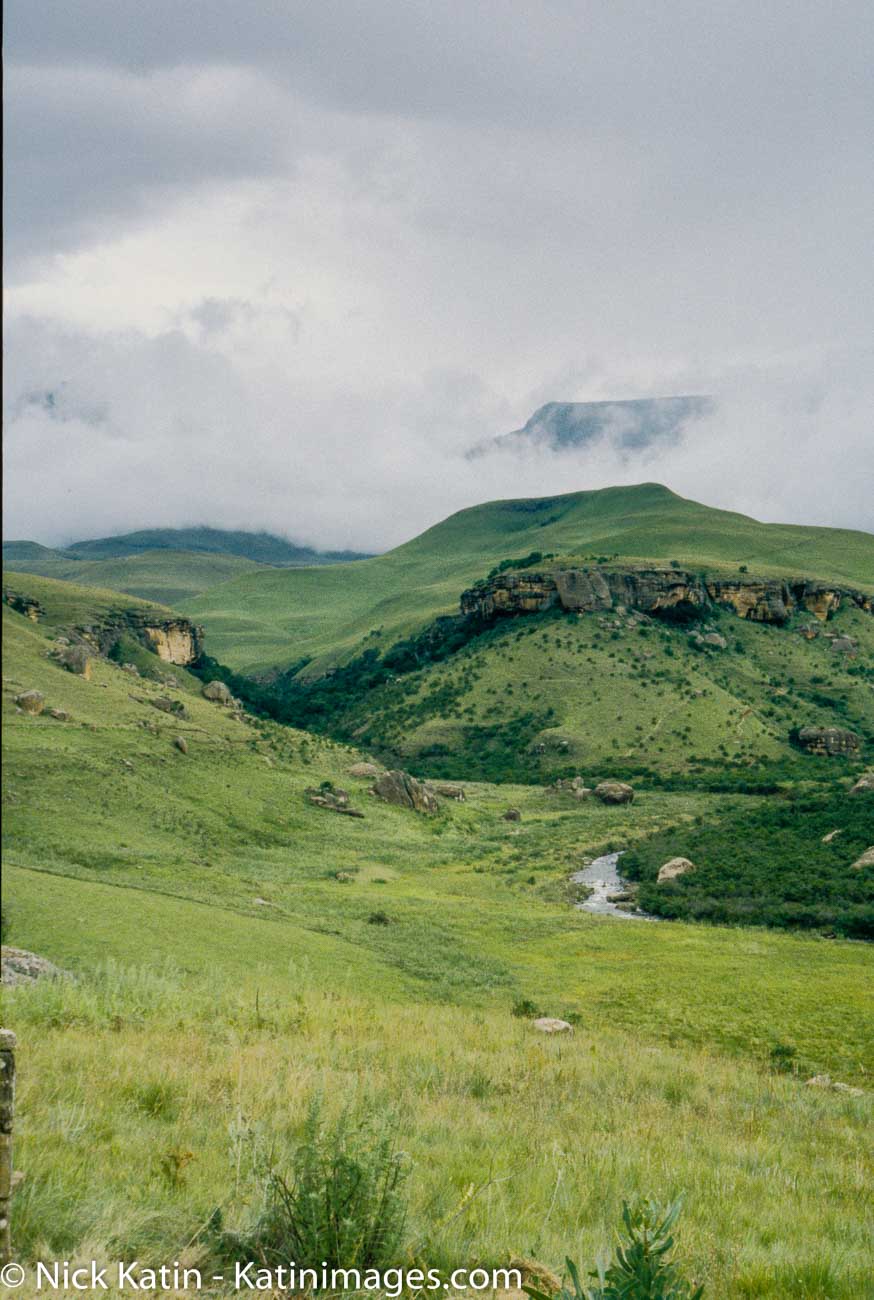
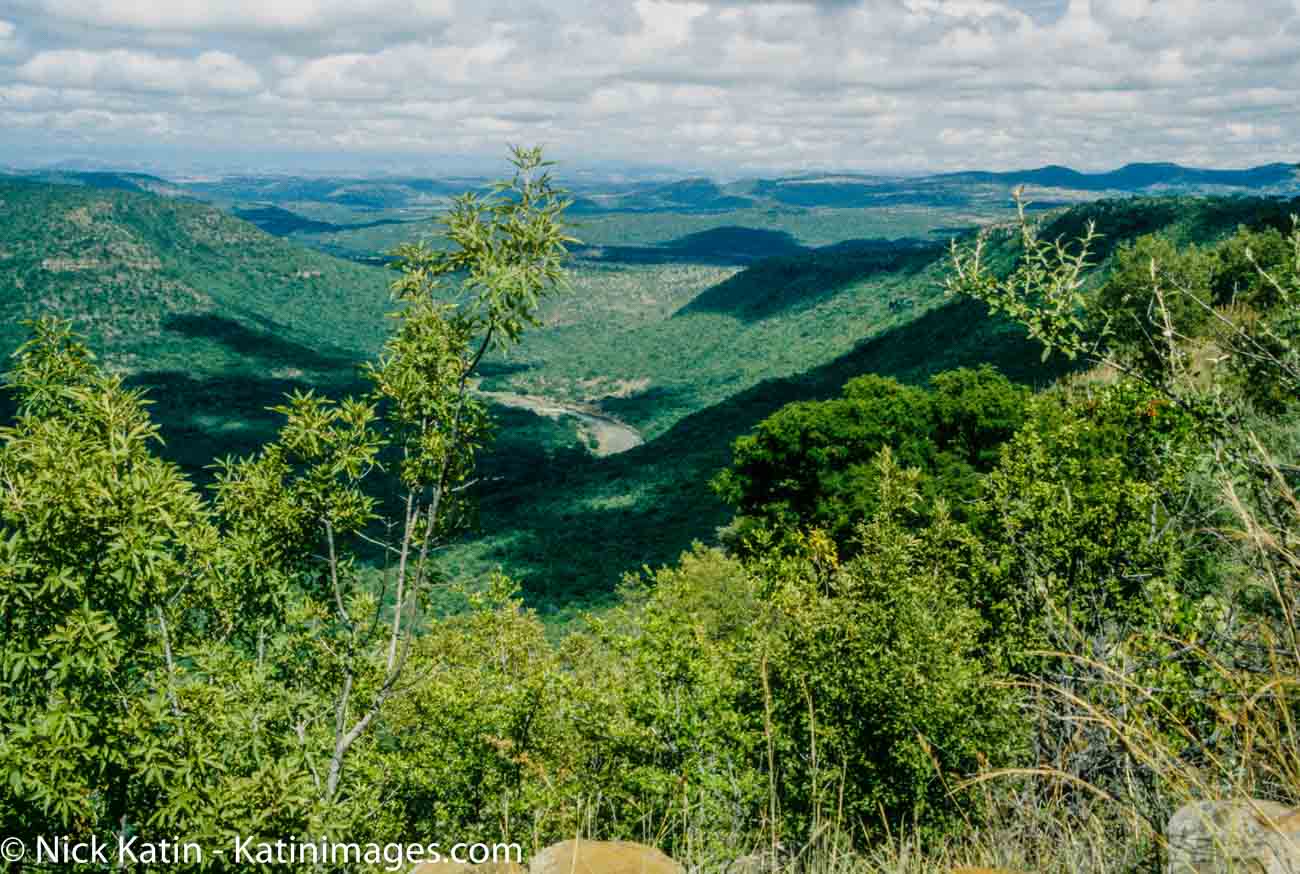
    Lying at the southern end of the central Drakensberg Giant’s Castle, which gets its name from the outline of the peaks and escarpment that combine to resemble the profile of a sleeping giant, is essentially a grassy plateau that nestles among the deep valleys of this part of the Drakensberg.
    Lying at the southern end of the central Drakensberg Giant’s Castle, which gets its name from the outline of the peaks and escarpment that combine to resemble the profile of a sleeping giant, is essentially a grassy plateau that nestles among the deep valleys of this part of the Drakensberg.
  • African shoestrings – South Africa Day Twenty-three

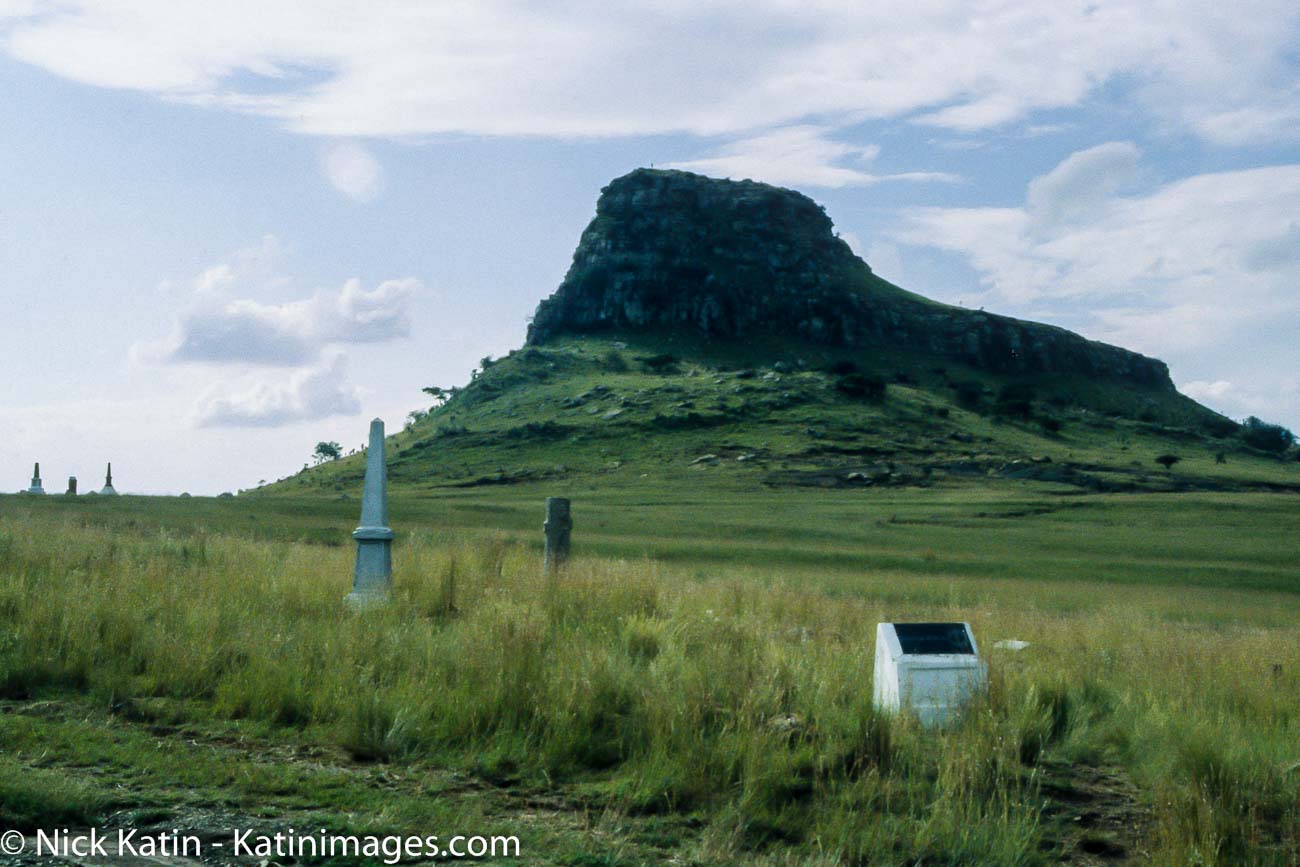
    We found the Isandlwana battlefield quite eerie and moving. Monuments and unmarked graves in the form of stone cairns (piles of small rocks and stones for anyone that doesn’t know what a cairn is) dot the base of the hill, marking spots where they believe certain events or deaths took place.
    There is a memorial to the Zulu dead but somehow we didn’t really get the feeling that the local Zulu population hold this site as sacred, cattle and rustlers just strolled across the field without any reverence to the memorials around them.

    For those history buffs I didn’t mention the other two wars that were fought in this area, namely the first war of independence and the Anglo Boer war.
    Both of these wars were fought between the British and the Afrikaners or Boers and eventually led to the British having complete control of South Africa, despite a crushing defeat in the former.
    It was in the Anglo Boer war that the first ever concentration camps were used, this time by the British, who imprisoned Boer women and children 26,000 of whom died in the camps.

    Ironically the Boers regained control of South Africa, this time peacefully, through the ballot box in 1910 and only relinquished it in 1994, again through the ballot box in the country’s first multi racial election.

    At this stage we were still 360 Km’s from J’burg and had to drop the hire car back to the airport the next morning. So after staying the night in rondavel on a rather strange property called Carla Mai we headed out early to J’burg.

    Now you most of you who’ve ever hired cars would know that you are meant to return them with a full tank. At J’burg airport this was a hassle! We had tried unsuccessfully to find one close to the airport and thought there’s bound to be one there. Do you think we could find one! ………..No!

    After circling, getting lost and losing our sense of direction, we gave up and somehow managed to find the Budget car park and office. There they have stewards who guide you to a parking spot and one of these guys very obligingly jumped in the car and took us to the nearest fuel station 30 seconds away! Following this he dropped us off at the international terminal and took the car back to Budget.

    Lying at the southern end of the central Drakensberg Giant’s Castle, which gets its name from the outline of the peaks and escarpment that combine to resemble the profile of a sleeping giant, is essentially a grassy plateau that nestles among the deep valleys of this part of the Drakensberg.
    Lying at the southern end of the central Drakensberg Giant’s Castle, which gets its name from the outline of the peaks and escarpment that combine to resemble the profile of a sleeping giant, is essentially a grassy plateau that nestles among the deep valleys of this part of the Drakensberg.
  • African shoestrings – South Africa Day Twenty-two

    In the middle to the end of nineteenth century a large group of Afrikaners, (descendants of the original, mainly Dutch, French and German settlers) trekked their way their way from the Cape after the British took control of the Cape colony. This was called the Great Trek.
    When they got to Natal they found the Zulu’s here and after trying to negotiate for some land ended up fighting them.

    Now the British were also there and they had already claimed the land but started to feel threatened by a build up in Zulu numbers, eventually, you’ve guessed it, another war, called unimaginatively the Anglo-Zulu war, broke out.
    Two famous battles were fought in this war, Isandlwana and Rorke’s drift.

    Four years ago we stayed in Dundee and visited both the local Talana museum, a resource of information and displays about all the battles and events of these wars, and the scene of Rorke’s drift. The heroic effort by 139 British soldiers to hold off 4000 Zulu’s was immortalised by the movie Zulu. It starred Michael Caine and Stanley Baker and we loved it, henceforth our desire to see the real thing! It’s one of those places that requires a lot of imagination.
    None of the original buildings are there and the grassland that was there at the time has been overrun by scrub due to years of overgrazing. But the museum, available literature and markers that are dotted around go some way towards transporting you back into time.

    Now the whole reason for us coming back to this area was to see the other Battlefield, Isandlwana.
    What happened at this hill a few hours before the Battle of Rorke’s Drift was horrific. I won’t bore you with the complex maneuvers that took place beforehand except to say in summary that the British had issued an ultimatum demanding this, that and the other, which the Zulu’s ignored, triggering off a British invasion of Zululand. The British centre force accidentally stumbled on the main Zulu force at Isandlwana, which spoilt the Zulu’s plan for a surprise attack. So they attacked anyway and in two hours 20,000 men surrounded the British and annihilated 1400 of the 1800 British soldiers. Some of the survivors found their way to Rourke’s Drift and helped fortify the position together with the small force that had been left there to guard a river crossing and supplies.

    The Isandlwana battlefield where the Zulus destroyed 80% of the British forces in Kwazulu-Natal in South Africa
    The Isandlwana battlefield where the Zulus destroyed 80% of the British forces in Kwazulu-Natal in South Africa
  • African shoestrings – South Africa Day Twenty-one

    What Giant’s castle is really known for is its 5000 Bushmen Rock Paintings and the twelve species of Antelope and from our experience it’s a lot easier to see the former than the latter. With one of the park rangers we went to Main cave, one of the two sites open for viewing. He pointed out and interpreted a lot of the paintings that date from early man through to as recent as one hundred years ago, just before the bushman left this area forever.

    From Main Cave we followed the River walk alongside the quaintly named two Dassie Stream. Dassies are small animals that resemble giant hamsters and are about the size of a large domestic cat and seem to be everywhere in Southern Africa. Somebody with a fertile imagination spread a story about their closest relative being an Elephant!

    Back to the pub at White Mountain lodge. We got talking to Peter, a young white teacher there with a school group. He actually was one of the few that wasn’t thinking of leaving South Africa despite the fact that educational standards for all students were slipping fast due to a chronic lack of funds. Peter had relations in Australia and had been to Perth so he knew the alternatives. I wondered as we talked whether he would change his mind if/or when he has kids.

    South Africa is a land of undeniable natural beauty, it has the mountains, beaches, gorges and desert, it also has an abundance of wildlife, plus of course a fascinating cocktail of cultures. But one of its greatest attractions is its colourful history.

    In an area centered around the quiet farming town of Dundee in the province of Kwazulu-Natal, lies the Battlefield Route. This self guided tour takes in attractions historical events and obviously battles in this pretty part of the country. It was here that incredibly four wars were fought in the middle to the end of nineteenth century. More on that next week

    Lying at the southern end of the central Drakensberg Giant’s Castle, which gets its name from the outline of the peaks and escarpment that combine to resemble the profile of a sleeping giant, is essentially a grassy plateau that nestles among the deep valleys of this part of the Drakensberg.
    Lying at the southern end of the central Drakensberg Giant’s Castle, which gets its name from the outline of the peaks and escarpment that combine to resemble the profile of a sleeping giant, is essentially a grassy plateau that nestles among the deep valleys of this part of the Drakensberg.
  • African shoestrings – South Africa Day Twenty

    The accommodation at Royal Natal was more than we wanted to pay so we took our chances on the road.
    Peering through the gloom we knocked on several doors of motels and B & B’s all of which were full!
    Eventually we managed to find a huge chalet at a rather sterile Drakensville Resort. This place was a holiday village full of suburban fibro homes and unfriendly people. I felt like we were back in the 50’s in one of those American suburbs that are the scene for a horror or serial killer movie but without the pumpkins.

    This was definitely a white man holiday camp! There was not at a black face to be seen!
    What was to been seen however were little weevils in the bag of rice we bought at the shop there. Either added for flavour or it had been on the shelf for a while we took it back and ended up with another bag which guess what, also had weevils.
    We gave up trying to cook a rice dish went to bed and left early the next morning.

    By contrast White mountain lodge is a quaint resort with white thatched roof cottages and cabins overlooking a large lake with lots of physical activities like canoeing and walking and less strenuous ones like the pub to keep guests occupied. Needless to say the latter was were we ended up that night after spending the day at Giant’s castle game reserve.

    Named after one of the highest peaks in the park, this is real high country with the highest mountain in the Drakensberg, the 3409 metre Injasuti Dome, located here. It’s not as spectacular as Royal Natal but it is quite awe inspiring. Huge perfectly curved peaks of various sizes covered in grassland dominate the landscape, particularly at the eastern and southern borders of the park. Down in the valleys the landscape is covered in walking tracks and fast flowing rivers.

    Lying at the southern end of the central Drakensberg Giant’s Castle, which gets its name from the outline of the peaks and escarpment that combine to resemble the profile of a sleeping giant, is essentially a grassy plateau that nestles among the deep valleys of this part of the Drakensberg.
    Lying at the southern end of the central Drakensberg Giant’s Castle, which gets its name from the outline of the peaks and escarpment that combine to resemble the profile of a sleeping giant, is essentially a grassy plateau that nestles among the deep valleys of this part of the Drakensberg.
  • African shoestrings – South Africa Day Nineteen

    The most popular walk in the park is the Gorge walk. Talk to any South African who has been here and they will have almost certainly hiked the Gorge track.
    About a year later we worked with a South African in England and his reaction was “You’ve done the gorge walk! I can’t believe it!” Anyone would think we had kidnapped Nelson Mandela and dragged him with us!

    Anyway I don’t know what all the fuss is about. Even at a 22.5 kilometres roundtrip it’s an easy track that starts in the middle of the park and ends at the Amphitheatre.
    However with little time and brooding dark thunderstorm clouds hovering above us we set off to do this walk in an afternoon. There was another South African couple (they’re everywhere) who we followed then eventually led, that were looking nervously at the thickening and darkening clouds. “She’ll be right, Mate” I said encouragingly as we past them for what seemed to be the tenth time. The problem with that theory was that it wasn’t shared by what seemed to be an army of Black Africans who were all going in the opposite direction.
    They had been maintaining the trail and I suppose might have been knocking off for the day.

    The walk itself was great! We skirted ridges, climbed gentle grassed hills, passed through small patches of rainforest, crossed creeks and the river Tugela before popping up at the gorge itself.
    And that was where we had to stop!
    We had run out of time.
    If we carried on into the gorge we would have been faced with crossing the fast running Tugela a number of times plus hoisting ourselves out of the gorge using a chain ladder; all of which would have slowed us down. So with darkness probably only a couple of hours away we did the sensible thing and turned back.
    All the way back we grumbled to ourselves that we should have gone on and to hell with the circumstances. We stopped grumbling about 5 minutes out of the park when the heavens opened, the sky lit up and bellowed. In 5 seconds flat we couldn’t see a thing!

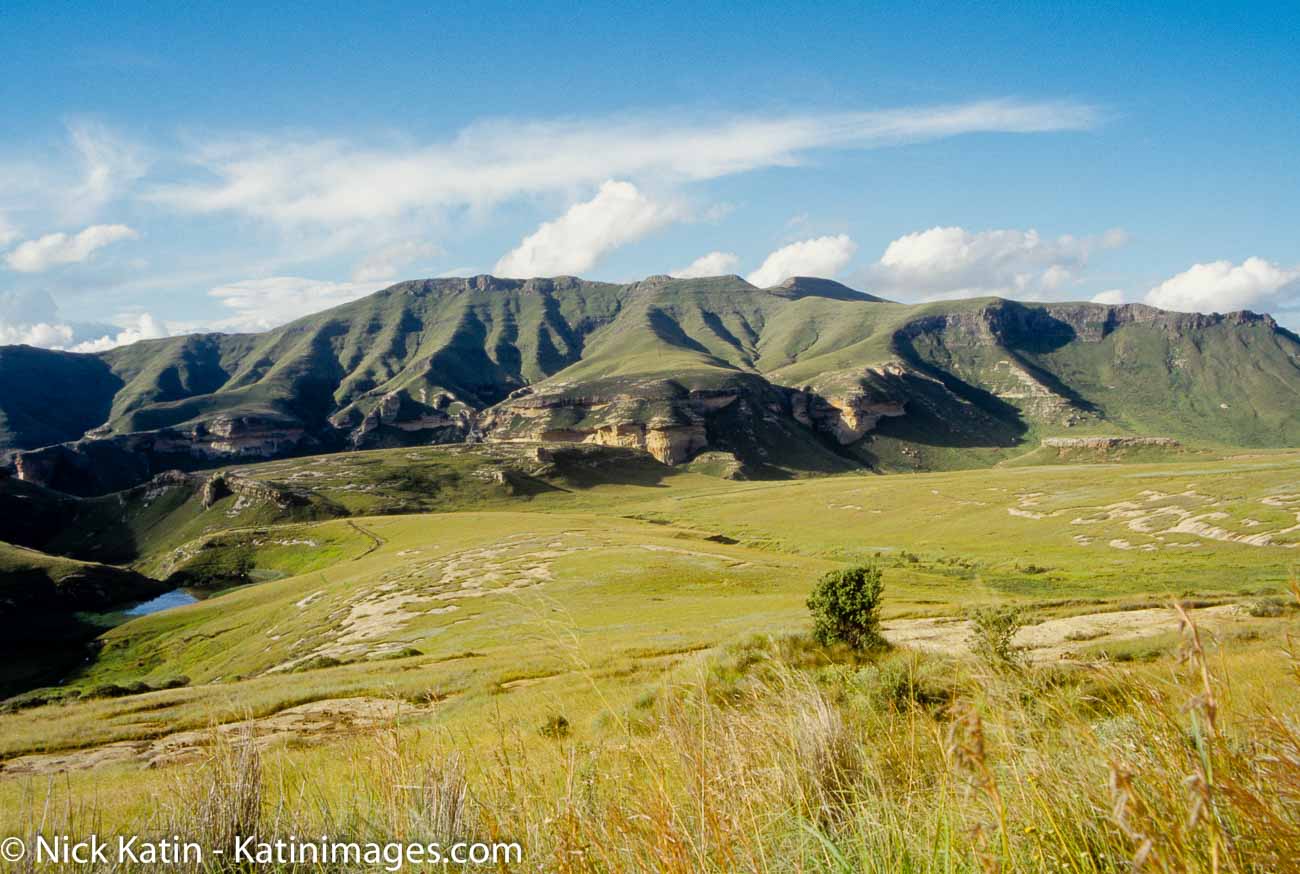
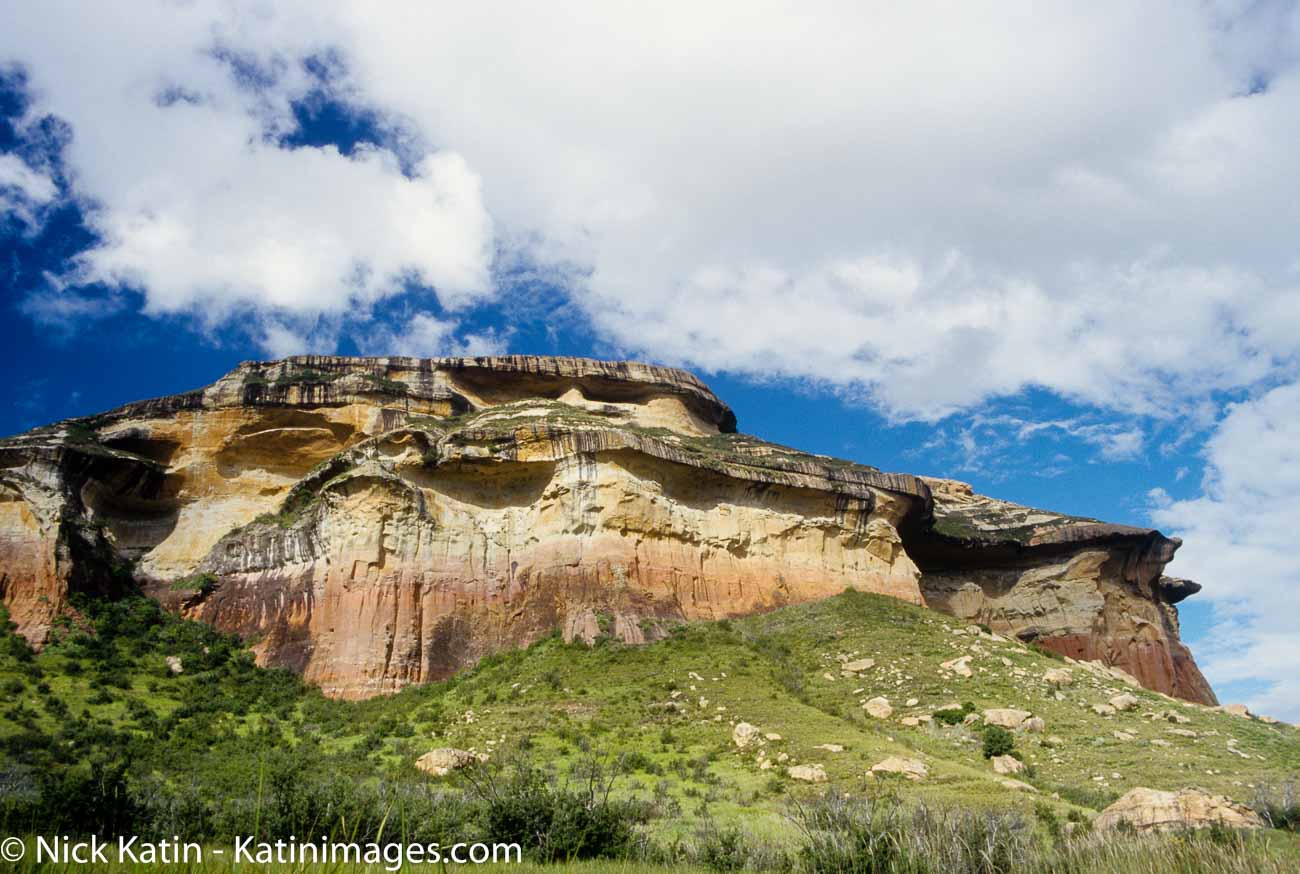
    Some of the scenery found in the Golden Gate National Park in the Drakensberg ranges in Soth Africa
    Some of the scenery found in the Golden Gate National Park in the Drakensberg ranges in South Africa
  • African shoestrings – South Africa Day Eighteen

    Being in Southern Africa we did however see lots of Baboons.
    Let me rephrase that we actually heard them first as they went from rubbish bin to rubbish bin, in the early hours of the morning, scavenging at whatever scraps were to be had. They left crap everywhere and they were still dining on the fruits of their spoils when we got up.
    I noticed that no one made any attempt to ‘sho’ them away, this was apparently for a good reason, “they’re bloody vicious little pricks,” said the South African guy staying in the next hut. “Baboons are a problem all over Southern Africa” he continued “most parks have baboon proof bins to prevent all this mess”.

    He and his wife were up from Durban some 300 kilometres south for a few days and like nearly all white South Africans we came across seemed to know someone in Perth.
    Back in the last days of Apartheid a lot of whites left for Australia and either settled in Sydney or Perth.
    Perth attracted a lot due simply to its proximity to South Africa and with a similar beach life style, it has a lot in common with Durban. In fact there was a saying “will the last one leaving for Perth please turn out the lights”.

    Royal Natal National park is the Drakensberg. Huge jagged peaks form the spectacular and well known “Amphitheatre”. Looking like the bottom row of perfectly level teeth (you know the ones, the actress’s from ‘Days of our Lives’ all have them) with an incisor, Mount Amery (3143 metres and Sentinel (3165 metres, standing at either end, this wall of rock dominates the park. It has a mythical look about it that makes you think that beyond it lies a different world waiting to be discovered.
    Well actually there is, Lesotho!

    Some of the scenery found in the Golden Gate National Park in the Drakensberg ranges in Soth Africa
    Some of the scenery found in the Golden Gate National Park in the Drakensberg ranges in South Africa
  • Great Langdale, Lake District, England photo

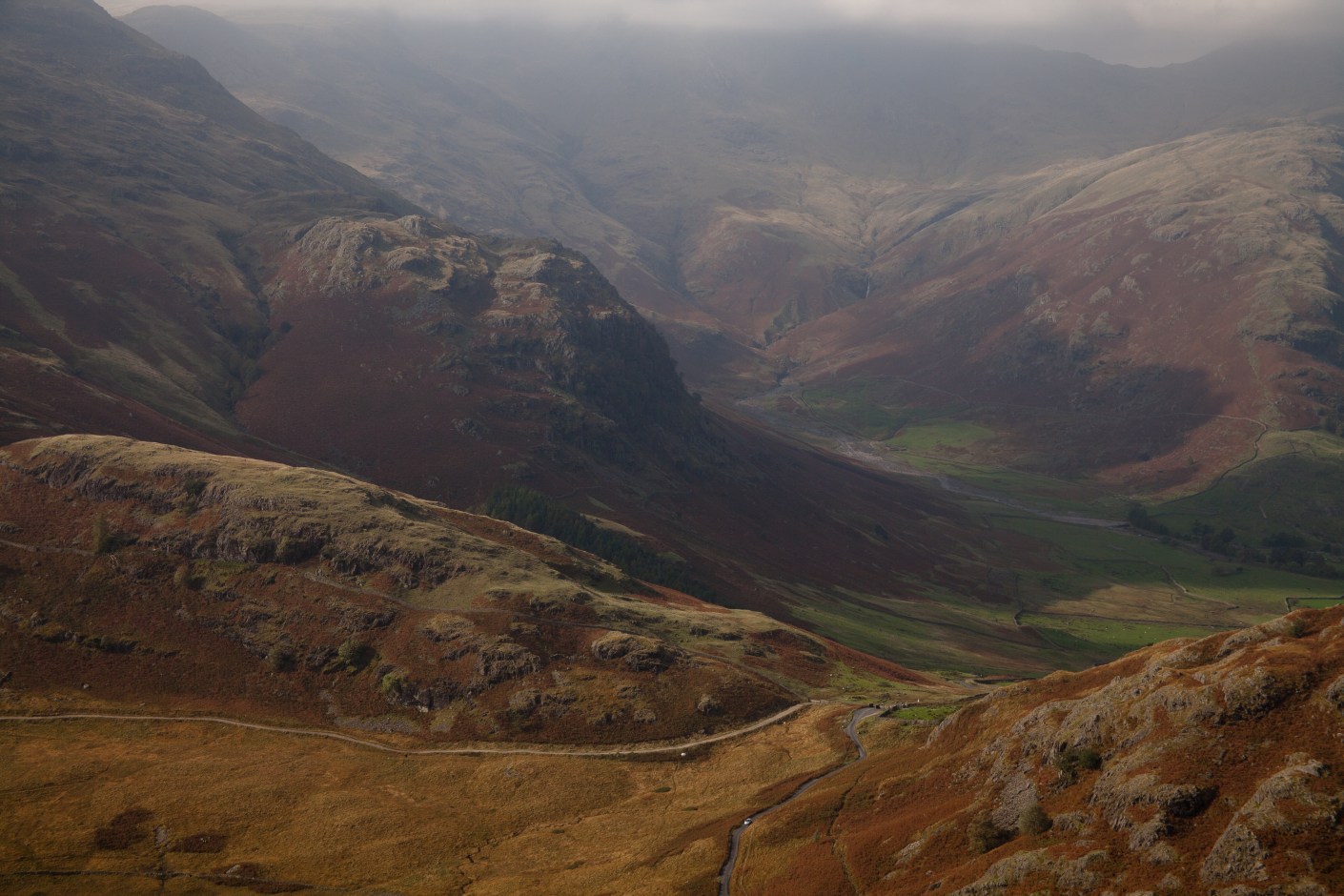
    One of the most spectacular parts of England’s Lake District is the Langdale Pikes, or Great Langdale, west of Ambleside not far from a little village called Elterwater where I lived for a couple of months working, walking and taking photos. This is both rugged and gentle country that is stunning. Hopefully you think so too. 1/60 f13 64mm ISO 100.

    Great Langdale Surrounded by the Langdale ranges ,Lake District, England © 2010 Nick Katin
    Great Langdale Surrounded by the Langdale ranges ,Lake District, England © 2010 Nick Katin

    To buy a print of this photo go to Great Langdale photo To licence this photo email or contact us


  • North Western fells of the English Lake District photo

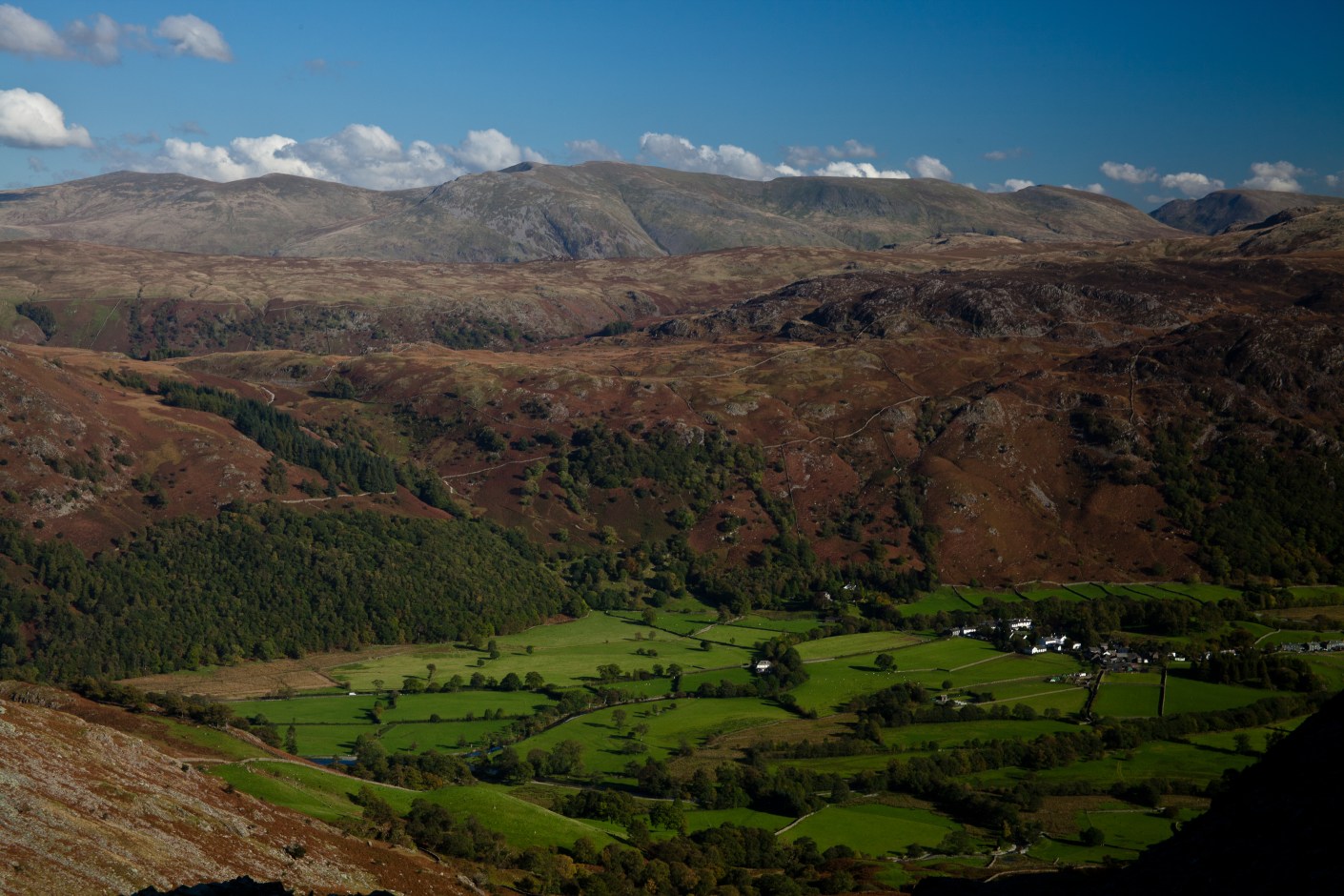
    Another image of the beautiful English Lake District, giving the appearance of an imposing mountain chain. These hills would be no more than 700m high! 1/50 f14 60mm ISO100
    North Western fells

    To buy a print of this photo go to the North Western Fells Lake District photo
    To licence this photo email or contact us

  • Causey Pike in the Lake District England photo

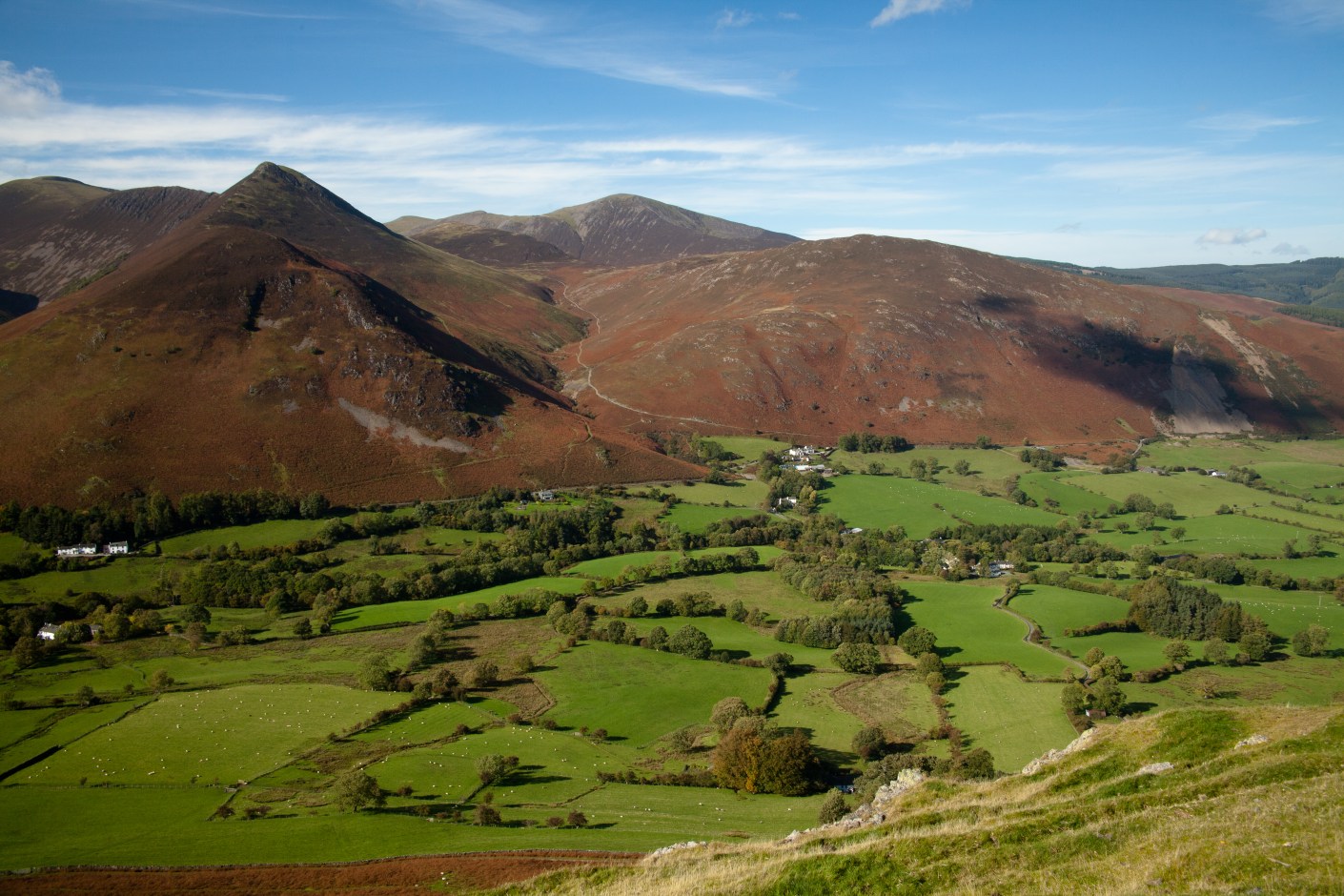
    Causey Pike in the Lake district England © 2012 Nick Katin
    Causey Pike in the Lake District England © 2012 Nick Katin

    As a regular visitor to England I’ve accumulated many photos of one of England’s gems, the Lake District in the North West. It’s like a mini Switzerland without the ruggedness and snow caps (although there is sometimes snow in winter). The tallest mountain, if you could call it is less than 1000 metres. As for walkers the thrill of being able to ‘conquer’ a couple of peaks in a day is addictive. The same could be said for landscape photographers. The soft hills, green fields and smaller vistas gives much more flexibility. The only obstacle being the weather, which can be variable to say the least. Those fields are green for a reason! 1/40 F14 30mm ISO 100