Katin Images Travel Photography

Travel Photos, Travel Photography Tips and Software

Blog

  • 10 Vital Facts about Camera Shutter Speed

    10 Vital Facts about Camera Shutter Speed

    In 10 Vital Facts about Camera Aperture I wrote that “The aperture of a camera is the centre of the photographic universe – well maybe – the other centre, as some would argue, is the shutter.” 

    Let’s go to the other centre of the photographic universe, the Shutter and specifically Shutter Speed.

    In all honesty, I must admit that shutter speed is just as important as your aperture setting. In another post Understanding the 3 points of the exposure triangle I make it clear (I hope) that ISO, Aperture and shutter speed all influence each other. Adjust one and the other changes.

    So, you can see how important it is to get the right setting.


    BTW make sure you scroll to the bottom of the page for an Infographic summary


    Moving on let’s get straight to the 10 Vital Facts about Camera Shutter Speed.


    1 The Shutter Speed is the speed that it takes to open and close the flap that sits in front of the aperture.


    2 It’s measured in seconds and fractions of seconds e.g. 1/500 of a Second


    3 To freeze action you need a fast (or quick) Shutter Speed


    4 To show movement you need a slow Shutter Speed


    5 It’s a big contributor to Camera shake or lack of


    6 To calculate the minimum speed you need to prevent camera shake, use this rule of thumb. At 100 ISO- the Shutter Speed = the focal lens setting of a lens. More on this below


    7 Shutter Speed becomes less important, in most situations, the better or brighter the light you have


    8 When taking hand held photos in poor light i.e. indoors without a flash you need to use the fastest speed you can get.


    9 The faster the shutter speed the lower the F Stop number which can in turn, can influence how much you can get in focus.


    10 Taking photos with a lower F stop gives you much more freedom with your shutter speed in good light but reduces as stated in 9, how much you can get in focus.


    11 The slower the shutter speed the higher the f stop number


    12 Only use Shutter speed priority when you are trying to achieve something specific.


    I’ve just realised I’ve given you 12 vital facts about camera shutter speed! Oh well you’ve got a bonus 2!


    So why do you need to worry about it?

    Well the most important reason overall is point 5; It’s a big contributor to Camera shake.

    Camera shake is pretty much irreversible and whilst shutter speed is not the only contributing factor, it can be the deciding one. Unless you are wobbling around with camera in hand snapping away.

    As I said in 6, a rule of thumb to get the slowest minimum shutter speed is to match the shutter speed to the focal length of the lens you are using.

    As an example, if you are using a 200mm lens then the closest shutter speed will be 1/200.

    But, there are complications.

    If the lens or camera has mage stabilisation then you can reduce the shutter speed by a couple of settings e.g 1/50.

    Then there are other factors that will come into play see 5 Ways to Eliminate Camera Shake

    The size of the sensor in a camera can also affect the shutter speed. An Olympus OMD _M5 for instance has a crop factor of 2 which means you need to double the focal length to get the minimum shutter speed.

    So if it was 100mm it would now be 1/200.

    Now I don’t want to confuse things but it works out the same.

    The reason is that a 100mm lens on a 2 x crop factor sensor camera is actually 200mm on a full frame so the minimum shutter speed is 1/200


    Here are some other reasons for adjusting the shutter speed:


    Freezing action

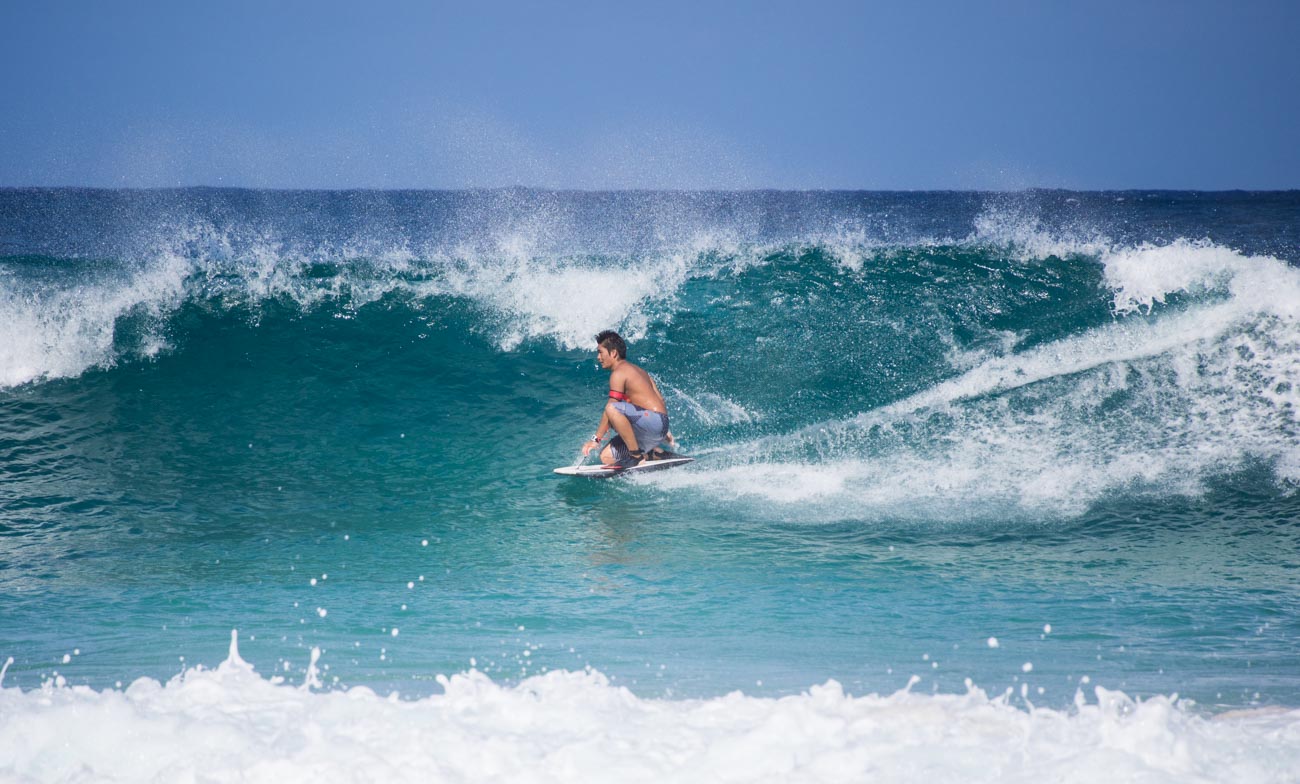
    Let’s say you want a picture like this one of a surfer to freeze the moment. You want it to be crisp and clear so the shutter speed needs to be on the high side.
     

    10 Vital Facts about Camera Shutter Speed


    This one was taken at 1/1600 Sec at an aperture of f5.6 ISO 200.  Whilst the foreground spray is little bit soft that’s due to the point of focus not the shutter speed.


    Slowing action

    On the other hand, with the waterfall below we’re looking for that fluid almost viscous look of the water flowing down the rocks.


    10 Vital Facts about Camera Shutter Speed
    At the Medenhall Glacier reserve. 13 miles from the city centre this is one of Juneau’s main tourist attractions in Alaska


    This one was taken at much lower speed 1.6sec at an aperture of f32 ISO 100 which is roughly 10 times lower than the surfing picture


    Interior light

    If you don’t have a flash or don’t’ want to use it then having a fast shutter speed can help.


    10 Vital Facts about Camera Shutter Speed


    Conclusion

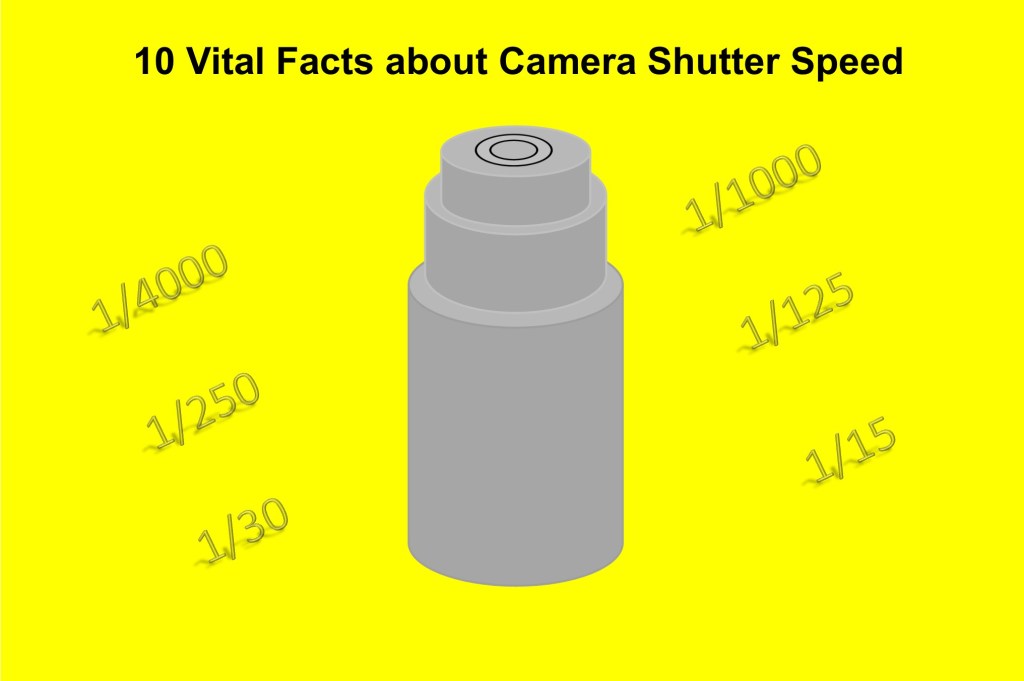
    So to summarise these last points, as promised here’s an infographic.
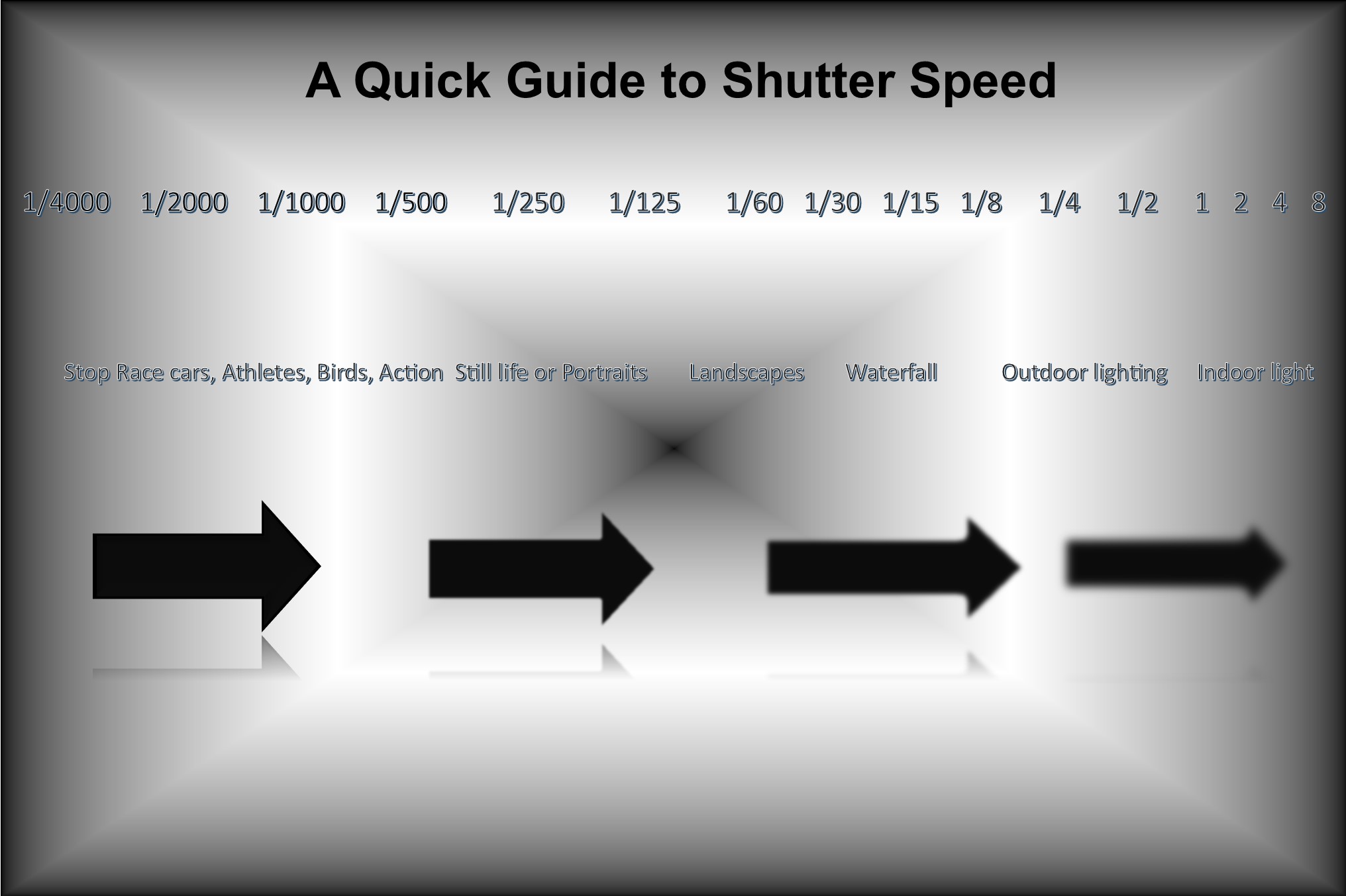


    10 Vital Facts about Camera Shutter Speed


    Did you understand all that? I’m happy to clarify anything you’re not sure of.

    Just post in the comments section below. Don’t be shy.


    While you are at it why not subscribe for future updates below.

    You’ll get my free guide “Eleven easy ways to help you take your own stock photography”.


  • The 10 things you need to know about photographic copyright

    The 10 things you need to know about photographic copyright

    In my article Why stock images are bad for business! I mentioned Photographic Copyright and that I would expand on it at a later date.
    Well it’s taken me a while but here it is:

    Copyright is very misunderstood and complicated. But it doesn’t have to be.

    Let’s see if I can make it simpler for you in with the 10 things you need to know about photographic copyright.

    In your business, you will take or have someone, i.e. a photographer, take photos of customers, products, workplaces, employees, landscapes etc etc.
    Often, we don’t even consider the legal aspect of these and use them wherever we need to.

    So, without further ado, here’s the 10 things you need to know about copyright.

    1 Copyright definition

    According to the Oxford Dictionary, it is “The exclusive and assignable legal right, given to the originator for a fixed number of years, to print, publish, perform, film, or record literary, artistic, or musical material”

    2 The photographer holds the copyright

    Yes, that’s right unless a photographer signs over his copyright to you in a signed agreement, they have the right to do anything they like with any photo they take.
    Even if they have taken these as a paid assignment.
    So those great wedding photos you’ve got, can be used by the wedding photographer in any way they choose.
    There is one very important exception to this. If a photo is taken by an employee during their employment, the copyright is automatically owned by the employer.


    The 10 things you need to know about photographic copyright
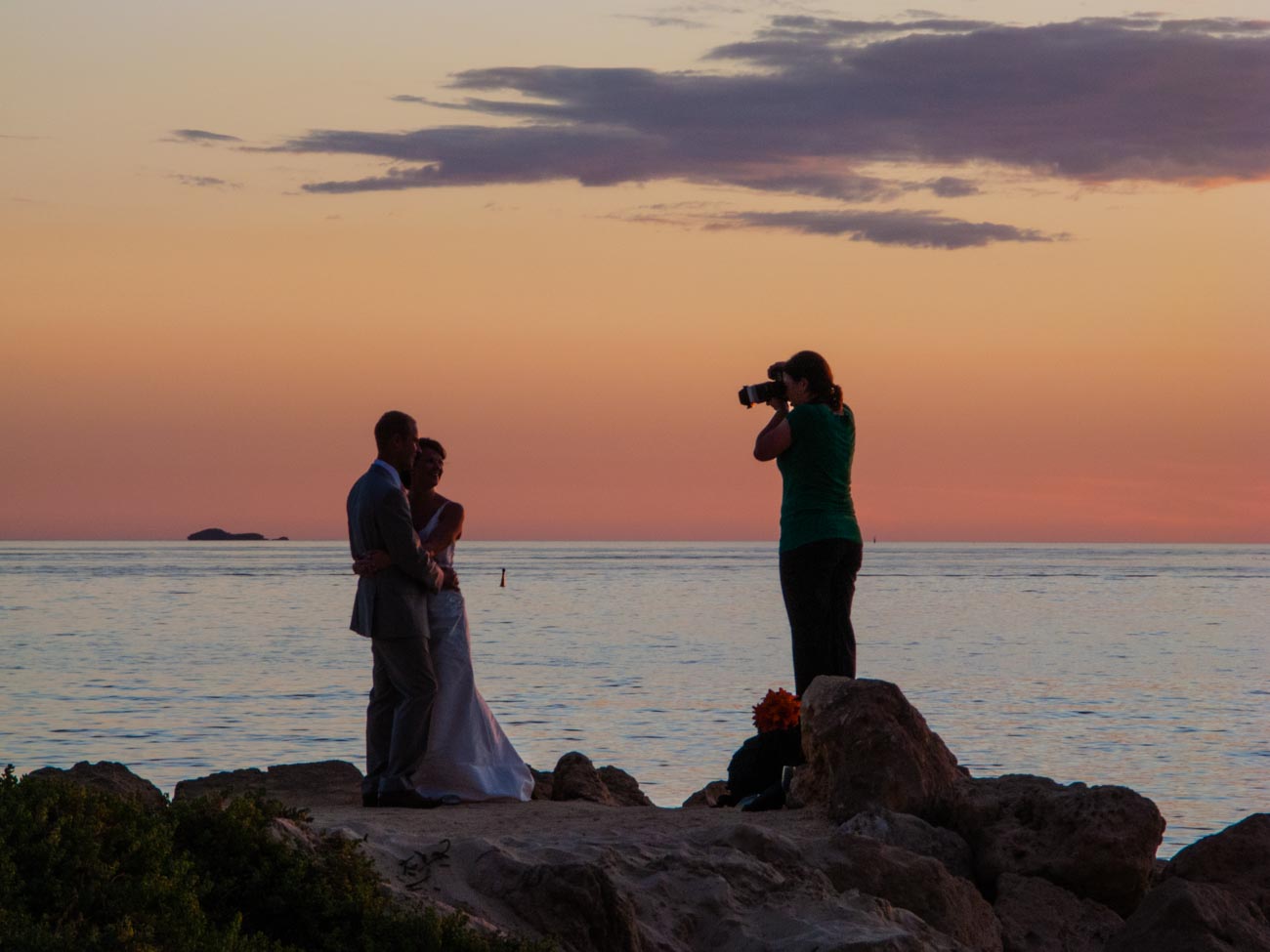
    A wedding photographer and the bride and groom at South Beach in Fremantle, Western Australia


    3 Editorial copyright

    If you use a photo to make a point or tell a story. E.G. the images in this article are not advertising but are there to add substance to the article.
    This is called Editorial.
    Warning: This can be subjective so there are often exceptions to this.

    4 Commercial copyright

    When a photo is used to sell or market something then it can come under the banner of commercial use.
    In other words, it focuses on the product or service you are selling. If you have a picture of a widget that you advertise on Craigslist with a price on it, then you must have permission from the photographer to use it for that purpose.
    The same applies if you are using a photo to depict that this same widget will make life happier and better.
    Even though you haven’t got a price it’s still considered that you are marketing this widget and using a photo to do it.
    In this instance it’s considered commercial photography.

    5 Copyright laws

    Laws vary from country to country which makes it difficult if your markets are international.
    So be careful when you are using photos for your marketing in a different country.
    The info I posted here is based on the US and is very similar in most other countries.

    6 Copyright can cover icons.

    So, you’re in Paris and you take a great photo of the Eiffel tower.
    It’s so good that you think you can use it for one of your marketing campaigns.
    Well think again.
    There are a lot of icons that you cannot use for your marketing even if you took the photo.
    You need permission first.
    There are places where you are banned from taking images, especially if you look like a professional. E.G using a tripod or DSLR.


    The 10 things you need to know about photographic copyright
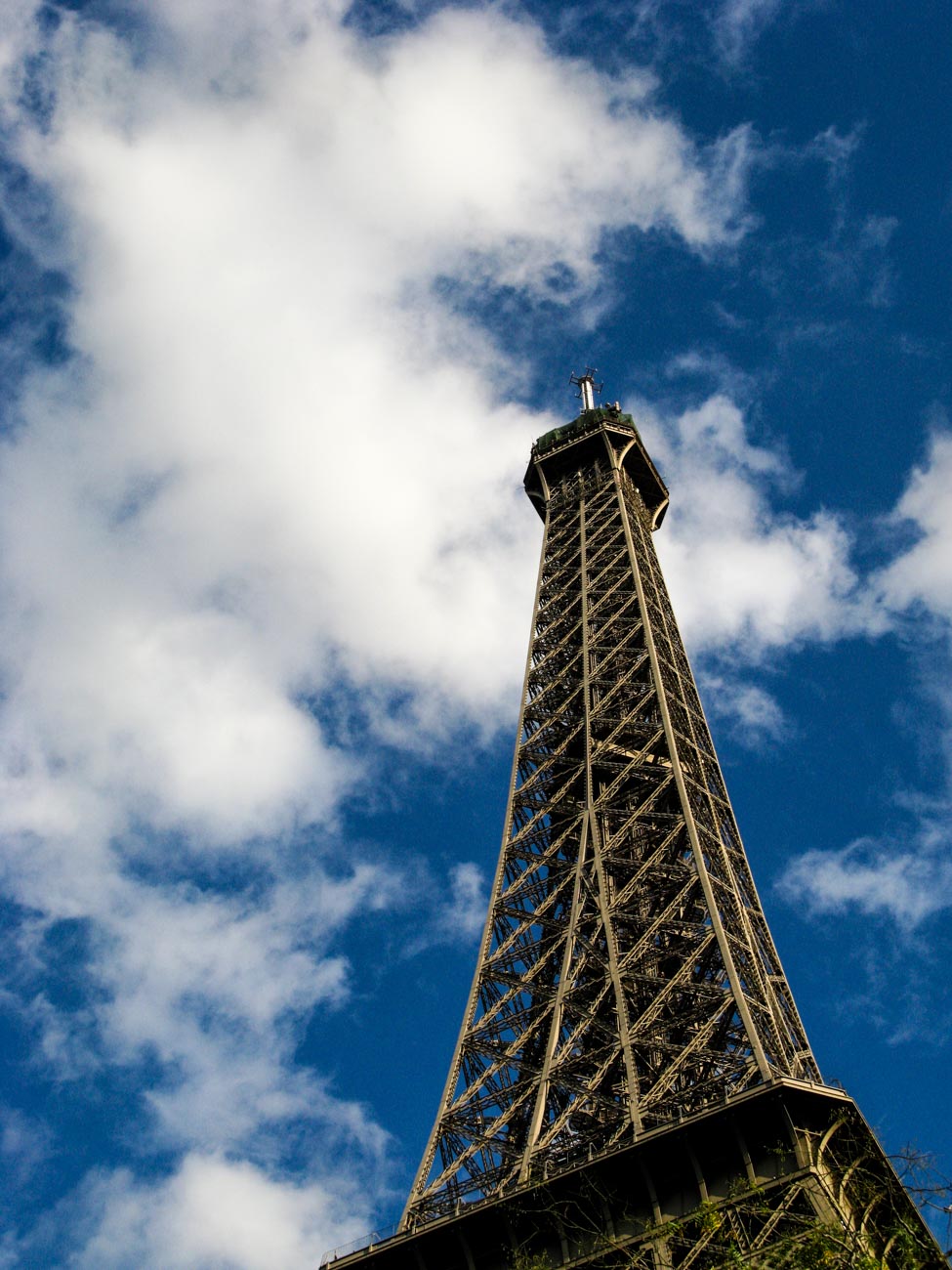
    The Eiffel Tower


    7 Creative Commons

    Creative commons is an alternative to rights managed photos.
    Most of the photos on Flickr have Creative commons rights.
    That means that you can use the photo for anything as long as you give credit to the creator. There are many different types of Creative Common licenses some of which exclude commercial use.
    So if you use a photo with a creative commons licence, read the fine print.

    8 Internet Photos

    The web is awash with photos and there are thousands posted every day.
    Each one has been taken by someone who owns the copyright.
    If you ‘borrow’ a photo and put it on your site or use it for any purpose without permission you are taking a risk.
    They can come looking for you and if they don’t actually sue you they can take up a lot of your time. Don’t do it.


    The 10 things you need to know about photographic copyright
    katinimages.com


    9 Stock photo copyright

    Stock agencies will usually have their I’s dotted and T’s crossed so you shouldn’t have any issues there.
    But it does pay to check.
    Of course, you could pay for the use of a photo and find that it’s being used somewhere else.
    That’s a common complaint that I hear about royalty free or sites that will supply free images.
    There’s not much you can do about that except take you own.

    10 Royalty free

    Royalty Free Images are one-time payment for use.
    The use/s can be stated on the agreement or they can be used for any purpose.
    Either way they are not free.

    Bonus Point:

    Model Release

    I could write another article on this one.
    The only way to cover your arse (ass) is to get a model release from anyone in your photo. It’s good practice, regardless of whether you think you will use the photo for editorial or commercial use.
    It’s not worth the risk

    For your bedtime reading check out these:
    The Copyright Zone is a book by Jack Reznicki and Ed Greenberg. Formerly called the Photographers Survival manual and primarily US based this book still has lots of good tips and information
    Copyright.gov (USA)
    Australian Copyright Council
    Intellectual Property Office (UK)
    Canadian Intellectual Property Office
    Last and not least Wikipedia have lots of info here

    As you can see there’s a lot to it, so watch out for a follow up article in the future.

    As usual please share with someone who would like to read this.

    Please leave your comments below or you can send me an email via the contact page here

    And now that you have got this far, keep scrolling down and subscribe to my newsletter where you will get exclusive info that I don’t publish publicly.
    I’ve got some good stuff coming so don’t miss out.


    To help provide free content and to cover costs of running the site I run some advertising on the site and engage in the use of some affiliate links. These affiliate links earn me a small commission on any purchases that anyone makes when they visit stores such as Amazon after clicking on one of our links.

    These commissions help me to keep nickkatin.com growing.


  • Why having the right camera equipment is important – or is it?

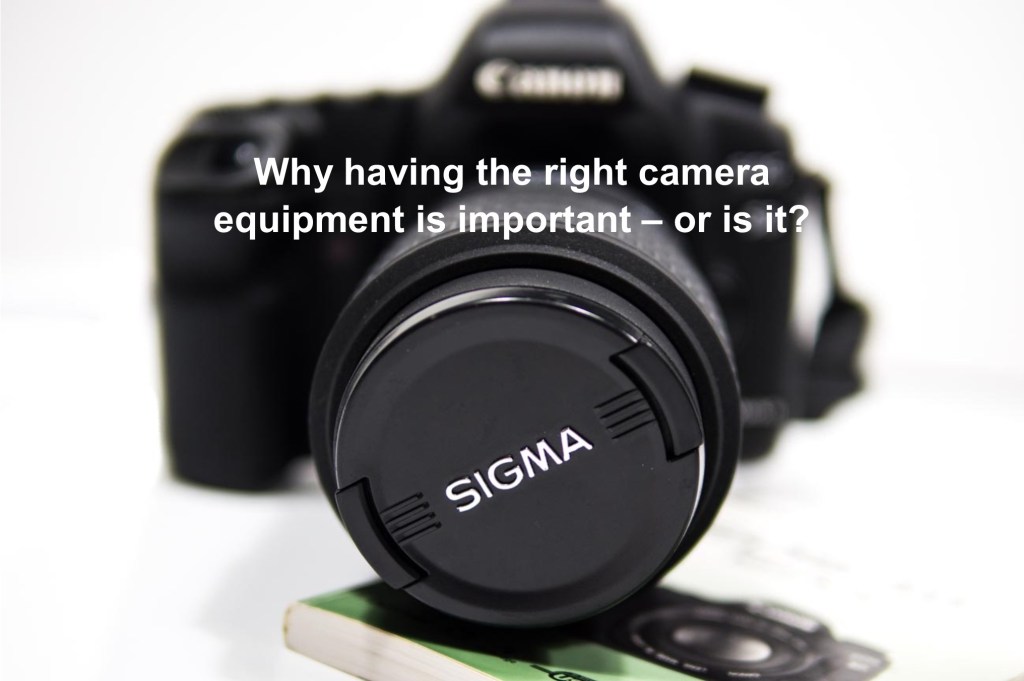
    Why having the right camera equipment is important – or is it?

    I’ve eaten at lots of good or great restaurants (I’ve eaten at some pretty ordinary ones too but that is a story for another day).

    And not once has it occurred to me to think that the equipment in the Chef’s kitchen must be fantastic!

    I appreciate the fact that it’s the chef or chefs that created this meal that I found so enjoyable.

    From the start of the dish to sourcing and delivery of raw materials to preparation, the cooking and assembling the meal, dishing the meal onto a plate and finally the delivery to your table, it just happens.

    But nowhere on this path do we even consider what equipment they are using.

    We trust that their systems in place will deliver to us their creation.

    They may well have used the latest pan or cooker or have a great point of sale tablet.

    They might well have great knives, to die for ovens or the latest work stations.

    We, as the consumer, don’t care as long as the food has got to us in the time expected and is good or even great.

    Why having the right camera equipment is important

    Why then as a photographer, Do I often have people say “WOW! You must have a great (or expensive) camera” when they look at my work.

    As if it was the equipment that made the images that are they impressed by.

    The best camera is the one you have with you.

    If you’ve only got one device with you that can take photos whether it’s a phone or a DSLR – then that’s what you’ve got – period.

    You can take great images with pretty much anything provided you know how.

    Having an expensive camera is not directly proportional to the quality of the image.

    I’ve heard it said amongst winemakers that you can make bad wine from great fruit but you can’t make a great wine from poor fruit regardless of the shiny expensive equipment you might have in the winery.

    But, you can make great wine from great fruit without having the latest, greatest and most expensive equipment.

    Well the same applies to a camera if you have good technique, a good eye and skill then you can make great images with any camera.

    Even Stock agencies now accept images taken by mobile phones such as the iPhone or Samsung S series.

    The reality is that the vast majority of ‘photographers’, who don’t rely on their cameras for use in specific genres, a simple, usable and light camera is more than enough when you know how to use it.

    You see, even with all the right kit it’s easy to take an average photo.

    Here’s an example of 2 images I took on a polar bear trip.

    Why having the right camera equipment is important


    The fuzzy out of focus badly composed image on the right was taken with a Canon 5D Mk 11 with a pro 100-400mm telephoto lens.

    The one on the left was taken with a soon to be traded in HTC one XL smartphone.

    On both I was in the right place at the right time and for the first one I had all the time in the world but still managed to stuff it up.

    You can take great photos with anything you just need to know the limitations of the camera you have.

    Let’s take smartphone cameras.

    Smartphone cameras struggle to take images that will blur or freeze motion.

    They are hopeless in low light unless you have a tripod (and even then, it depends on the brand). Despite smartphone manufacturers best efforts phone they still can’t get the same bokeh that a camera with a interchangeable lens can.

    It’s physics after all. But eventually smartphones will be able to provide the flexibility and quality of larger cameras.

    But a DSLR or Mirrorless camera , can do all these things but you can’t carry it in a pocket or small bag

    So, you play to its strengths not it’s weakness.

    Use a smartphone for still shots in good light that don’t need that bokeh effect and you’ll have as good as image as you can get based on your ability.

    So, there you have it.

    Hopefully that helps you realise that you don’t need the latest and greatest camera to take some really good images for your marketing

    They are some of the benefits you can get with right equipment.  But to reiterate the image is only as good as the person with who has their finger on the shutter button.

    To use another analogy, are drivers of Mercedes, Rolls Royce or Porsche cars any better drivers than you or me (assuming you are not one of them)? I think not.

    I would be interested in your opinion.

    Do you agree?

    Did this help you gain some confidence in what camera you have?

    Post your comments below

  • Buying a new camera? Then read this

    Buying a new camera? Then read this

    Once upon a time I had zero interest in photography but as we were going on the trip of a lifetime I figured I should get a ‘decent’ camera.

    I went to a local camera store and spoke to the guy there who had been to some of the places we were intending to visit.

    He came up with a camera and a lens and a couple of other bits like a couple of filters etc. and said this what you need and it’s going to
    cost you $1000.00.

    So, I bought it and got hooked on photography.

    Now was that the best camera for me?
    Could I have got a different camera cheaper but with same quality?

    Possibly.

    Now, granted this was pre-internet and digital cameras, so research was a lot more time consuming. New camera models didn’t get
    released every 6 months or so as they do today.

    But I trusted him and I guess it did the job.

    But 18 months later I had upgraded and had a top of the range camera and sold the original one at a second-hand photo market.

    So maybe it wasn’t the right one.


    What you shouldn’t do


    Since then I have bought many cameras and used them for various applications.

    In doing that I have developed a fairly simple set of questions to ask when buying a new camera.

    Let me go over what most will do when buying a camera.

    First, they spend hours trolling through reviews and checking places like Amazon or B & H for the best price. 

    Then they may go into a camera shop and screw the salesman into giving them the best internet price.

    Then they buy and off they go. 

    Alternatively, they buy online if they couldn’t get the deal they wanted at the bricks and mortar shop.

    What’s wrong with that?

    Well most people wouldn’t buy a car that way or even a TV.

    Buying it that way means that the camera ends up sitting on the shelf unused. And then they blame the camera manufacturer or
    salesperson for making the damn thing so complicated.

    You see everybody is different when it comes to comfort levels and abilities (and lots of other things as well, of course).

    How do you know it’s the right camera for you? If it’s sitting on your shelf unused it’s not the right camera!

    Buying a new camera? Then read this

    The Smartphone factor

    I know a lot of people have gone for the convenience of using their smartphone instead so the camera they originally bought is
    now redundant.

    Don’t get me wrong I’m not against smartphone cameras, I use mine all the time.

    But there are lots of applications that a smartphone won’t pass muster on. That’s a future post I think.


    What you should do


    Here’s my system

    1 Be clear on what you are going to use it for.

    Here’s some questions for you to answer:

    Q Do you want images with Bokeh (where the background is blurry but the subject is in focus)?

    A For best results get a full frame DSLR or Mirrorless (not many Mirrorless have full frame) with a ‘fast’ lens. What’s a fast lens?
    Well a lens that has a small f stop number of say F3.5

    You could also get crop sensor camera with an ‘fast’ lens but it needs have a low F stop number of at least 2.4

    Q When would you use it?

    A Taking product shots or maybe portraits of your employees or yourself


    Buying a new camera? Then read this


    Q Are you going to take action images

    A You will need a camera that has a high number of FPS (frames per second). Depending on the action 6FPS should do but you
    can go as low as 4FPS

    Q When would you use it?

    A For freezing motion or multiple shots of an action scene (see examples)

    Q Will you be taking workplace shots

    A The good news on this is almost any camera will give you images of people in the workplace. However, you may want to go for
    one that has a reasonably high MB (Mega Pixel) if you are using this for print publications.

    12Mb is the lowest you would go.

    Q When would you use it?

    A Taking groups of workers either in posed or casual situation depending on the sort of image you are trying to portray.

    Q Will you be taking Landscapes

    A You can take Landscape images with pretty much any camera including the smartphone. However, if you want good quality and
    flexibility then an interchangeable lens camera with a wide-angle lens that will go at least as wide as 24mm (in 36mm).

    You’ll also need a tripod.

    This is because to get a Landscape in focus you usually need a high F stop number. A high F stop number reduces the amount of
    light and therefore will increase the chances of camera shake blur.

    Q When would you use it?

    A Plenty of examples out there for using Landscape images.

    Wineries or Breweries in scenic areas. Restaurants, Accommodation etc. etc.

    Anything that needs a sense of place and a scenic backdrop


    Buying a new camera? Then read this


    2 How much can you afford?

    Pretty obvious I guess but worth mentioning anyway.

    No point taking out a loan or getting into debt over a camera.

    Especially if it’s your first one.

    After all you may decide that it’s not for you and it gets consigned to the shelf in your office with lots of other redundant tools.

    You can get a pretty decent mirrorless or even a DSLR camera for less than a $1000 including lens.

    3 Try before you buy

    This is the most important factor. Your comfort level with any device will determine how much you use it and what you will get out of it.

    Go into a camera shop and test drive cameras within your budget that will give you the features you want, decide on the most
    comfortable and buy it.

    Does the grip feel good?
    Is it easy to turn to portrait or vertical mode?
    Does the weight seem too heavy, too light or just right?
    If it has a viewfinder, does that fit comfortably against your eye?
    Can you see anything trough it?
    Is the rear screen easy to see? How easy is it to see when you are holding it?
    How easy is it to adjust the dials and access the menu/s?

    Now I know some of you will try before you buy in the shop and then jump on the web and buy from the cheapest online outlet.

    But just remember you wouldn’t be able to test drive it if the shop didn’t exist.

    By all means shop around online but a least give the shop an opportunity to match it or get into the ball park.

    So to summarise do yourself a favour and ask these 3 questions before you decide which camera to buy:

    1 Be clear on what you are going to use it for.

    2 How much can you afford?

    3 Try before you buy

    As an example there is no point getting an expensive DSLR that will give you those ‘bokeh’ shots (where the background is all blurry)
    if that’s not how you are going to use it.
    You’re just wasting your money.

    Likewise, no point in getting a small compact or smartphone if you do want that ‘bokeh’ because you’re not going to like the results.

    There are other questions that could be asked but let’s not confuse the issue too much.

    If you want to know more then go to these posts:

    The essential feature to have on your camera

    4 features you must have on your camera

    8 features to have on your camera

    The 6 features you don’t need on your camera

    You can get these all in a PDF by going to Camera Features Guide

    From a stock photography point of view then this post may also be worth reading:

    A Basic Stock Photography Equipment List

    Be really interested in any comments you have. Just drop them in the section below.


  • Eight Industries that need Excellent Stock Photography

    Eight Industries that need Excellent Stock Photography

    Stock Photography and/or Visual content can be many things, like photos or images, infographics, videos, *Memes, screenshots and presentations.

    There are others of course but these are the main ones.


    *BTW don’t know what a Meme is then check out this site Memes.com


    In this article, I will concentrate on what stock Photography means to eight industries.

    So, off the top of my head some of these industries include real estate, boat or yacht sales, restaurants, commercial builders, used car dealers, viticulturalists, jewellers and fashion designers.

    Of course, there are many others.

    But what they all have in common is that they all need a constant flow of high quality images to market themselves and their products.

    And that’s because the speed and ease of their sales is connected to the quality of their photograph

    So, let’s look at why you need it for marketing from these selected industries point of view:

    1 Real estate


    It goes without saying that real estate is an extremely visual industry.

    Without images of the property on offer, a real estate sales person is going to struggle to get anyone to come and look at any property.


    A properties image should show its livability and its condition.

    The quality of the images should be good enough to tempt anyone looking for a property into seeing the real thing.


    Any property investor, whilst not wanting to live in the property wants to know it’s condition, so that they won’t be having to update or worse still renovate before anyone can move in.


    Of course, this is not new, real estate has always published images of properties for sale.

    From grand 5 or 6-page booklet or flyers or portfolios to the current on-line platforms, images of real estate have always been well presented (well, mostly).


    It’s interesting that despite the on-line opportunities the flyer is still going strong.

    Why is that? Well when the image is being displayed in print especially in a newspaper ‘type’ publication, the print the quality is often poor.

    And a poor-quality print will exaggerate flaws.

    Yes, that’s right a lot of Real Estate markets still use newspapers. So, agents back it up with good quality flyers.


    So it’s essential to ensure the image quality is as high as possible.

    2 Marine Vehicle sales


    Eight Industries that need Excellent Stock Imagery
    Haeding towards the Adriatic from Dubrovnik’s Marina


    Once again selling a boat is a very visual process.


    Each boat for sale can have up to 20-30 images portraying different angles and features.

    As with real estate if you are going to buy a boat you need to see the condition it is in if it’s a used one.


    For new ones, you need to be able see the features, benefits and comforts.


    Boats have the luxury of usually of being able to be photographed on water so that you get that eye pleasing character.


    3 Restaurants


    Rather than rely on the self-appointed reviewer who posts images to whatever Social media platform they are on, it’s about time that restaurants took charge of their own images of their property and products.

    A chef will spend hours creating a work of art to put on the table but the effect can be ruined by a poor image, whether it be by a well-meaning customer or by the restaurant management themselves.


    There are two trains of thought on images of food.

    One is to portray it as a work of art and the other is to make it mouth-watering and tempting.


    Pictures of the restaurant itself also come into play.

    Often potential customers will be tempted by the interior of a restaurant rather than the food. Images need to convey whatever character the restaurant is trying to portray whether it be a fine dining or home cooking.


    4 Wine industry


    Eight Industries that need Excellent Stock Imagery


    Wineries are usually located in stunning parts of the world.

    Rolling vine covered hills, some with a mountain backdrop.

    Some are less dramatic but equally pleasing to eye.


    Capturing the essence of the terroir of a wine should be easy.

    Likewise, a bottle of wine with an attractive label is again, usually easy to capture.


    The wine itself being poured into a glass can be tantalisingly mouth-watering.

    When you take a sip of wine you are buying into the back story whether it be the wonderful landscape of the vines or the winery history.

    Even the aesthetics of the how the wine is packaged can be attractive.

    Or the type of scene that the winery wants you to consider like a moody wine bar or a garden on a sunny day.


    Yes, the wine industry has lots of options to visual its marketing.


    5 Jewellers


    In the 21st century more and more jewellers are selling their creations online as well as through the shop front.

    Not only are they finding that customers are coming to their shop after seeing a piece of jewellery online, in some instances customers will buy off their website.

    Customers look up websites first, unless they know and trust the jeweller.


    6 Fashion design


    Eight Industries that need Excellent Stock Imagery


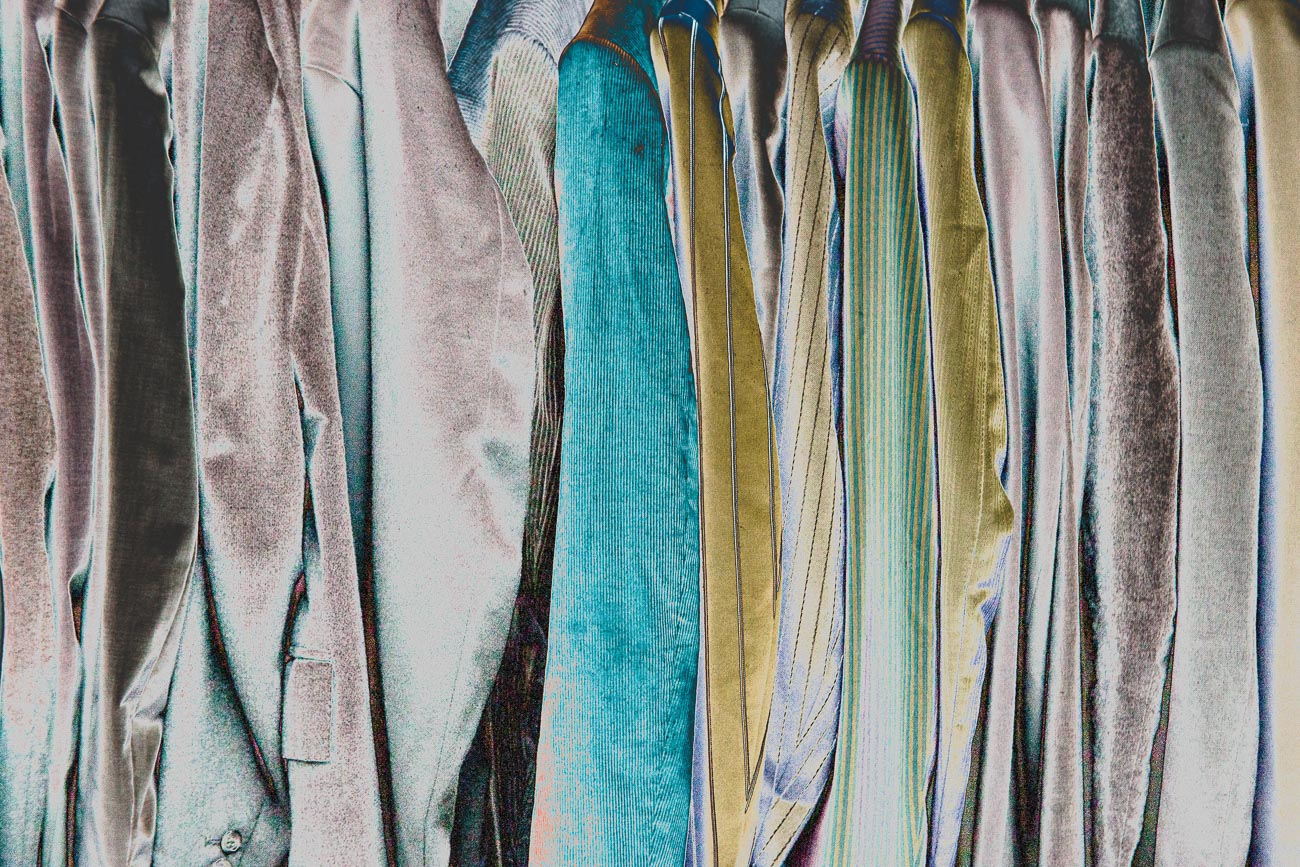
    How do you get your new design out there? By the web of course but that’s not the only way I’m sure.

    Designers have relationships with buyers and will send off images of their latest ideas to garner interest.


    There is the other side to marketing fashion and that’s directly to the end user.

    There are lots of roads to that end but all rely on great visuals.


    Twenty years ago, the new designs were either first seen in a boutique or a fashion show or media coverage of a fashion show.

    Now of course we can search the web for the latest fashions.


    7 Used car dealers


    Eight Industries that need Excellent Stock Imagery
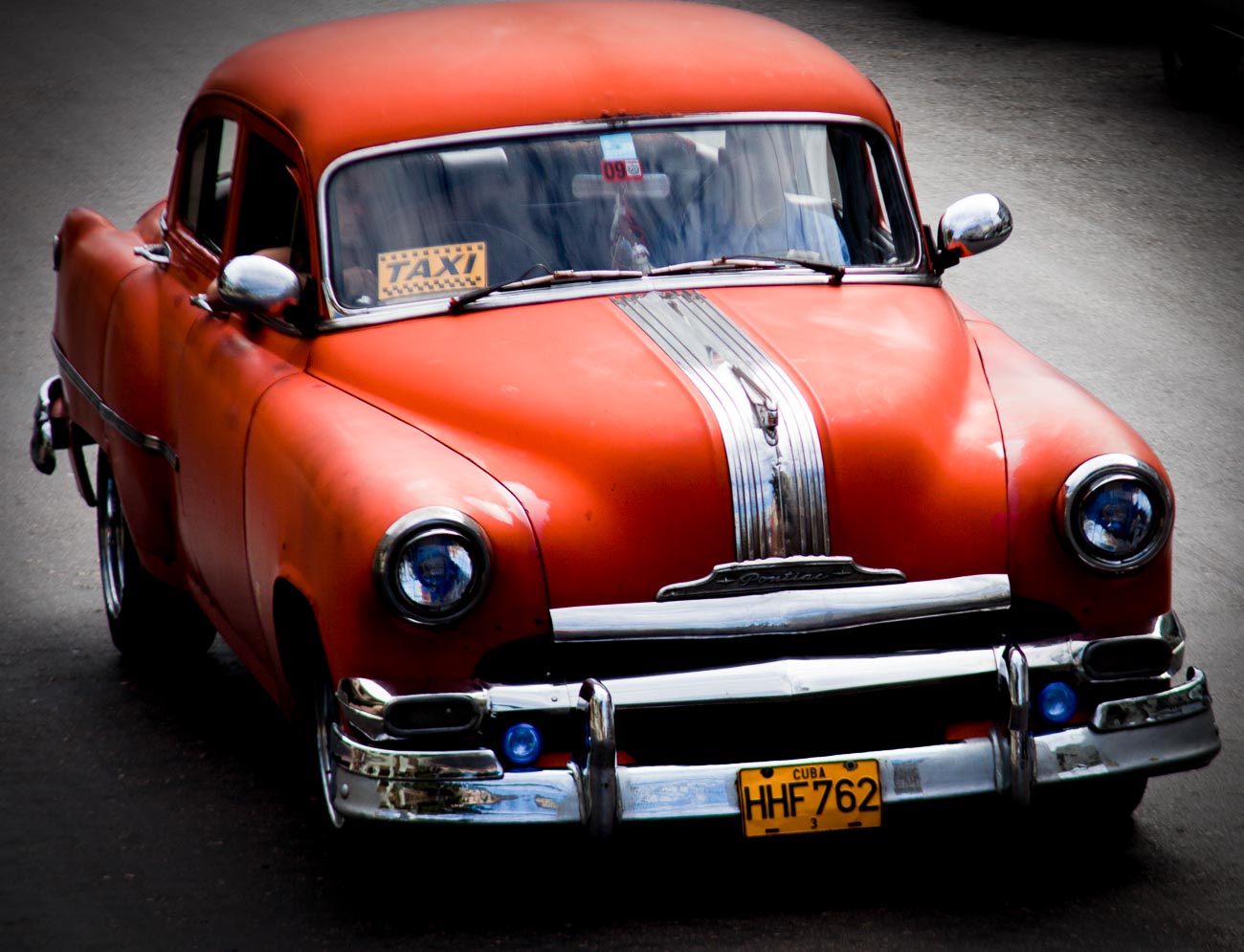
    One of Havana’s many classic cars

    I say used car dealers, because new car dealers usually have the car manufacturer provide them with quality images.

    Car manufacturers pay big bucks to have top line professional photographers do a shoot on each new model release.


    From a used car perspective, the cars are all individual and they need images that will stand out.

    Most of the advertising with images is in print and/or online.


    It is especially important when using print, to ensure the quality of the image is high. As I mentioned before, print as a rule, especially newspaper print, has poor reproduction.


    8 Construction industry


    For new property developments, images are used to sell off the plan properties like apartments or even new houses.


    Often the property hasn’t been built yet so images must be taken of properties of similar design.

    They are then edited (not a negative in itself) to depict a more lifelike image of what the future property would look like.


    There are of course opportunities to take some great images of show houses or apartments if they have been built which is often the case.

    A lot of this is now put on line.


    Residential apartment developments often have their own website full of images that they will hope to catch the eye of any prospective purchasers.


    So, to recap there are many different industries that need excellent Stock Photography.


    The main ones that I have identified are:


    1 Real Estate


    2 Marine Vehicle sales


    3 Restaurants


    4 Wine industry


    5 Jewellery


    6 Fashion Design


    7 Used Car dealers


    8 Construction industry


    I’m sure you can think of many more and I’d be interested to hear which ones that are out there that you think need excellent Stock Photography.

    Just leave your comments in the section below

    And by the way thanks for reading this.

    Whilst you are at it why not enter your details in the box below to get a guide “Eleven easy ways to help you take your own stock photography” plus I have some great material coming up that will be exclusive to those who have signed up.


  • 7 Ways Good Photography Equipment Can Help You Create Great Marketing Images

    7 Ways Good Photography Equipment Can Help You Create Great Marketing Images

    I’ve said in a Why selecting a new camera is like selecting a new date (or TV) that it’s not the camera but the person with their finger on the shutter button that makes or breaks a great photo.

    Well just to contradict myself, sometimes it is the gear.

    Having certain equipment can give you shots that you may not be able to get without it.

    A sports action photographer won’t get some of the shots he would like if the auto focus in his camera is slow.

    Fashion photography requires excellent lighting.

    Top quality landscape photographers usually use a tripod and high resolution cameras.

    Cameras with more settings will generally have more flexibility and therefore give the photographer choices.

    Let’s look at what equipment can give you:


    1 Artistic opportunities.

    It gives opportunities to create something imaginative.

    For instance, with some of the filters that are part of almost every camera today, including smartphones, you have options to give your image a Grainy Film, Pop Art or Sepia old worlde tone look.

    The image below is a combination of a couple of filters.

    7 ways good photography equipment can help you create great marketing images


    2 Freeze motion

    When you are taking images of an event that has motion you generally need a high number of frames per second (FPS) to capture several images at a time.

    Some cameras have high FPS and some lower and that can make a big difference.


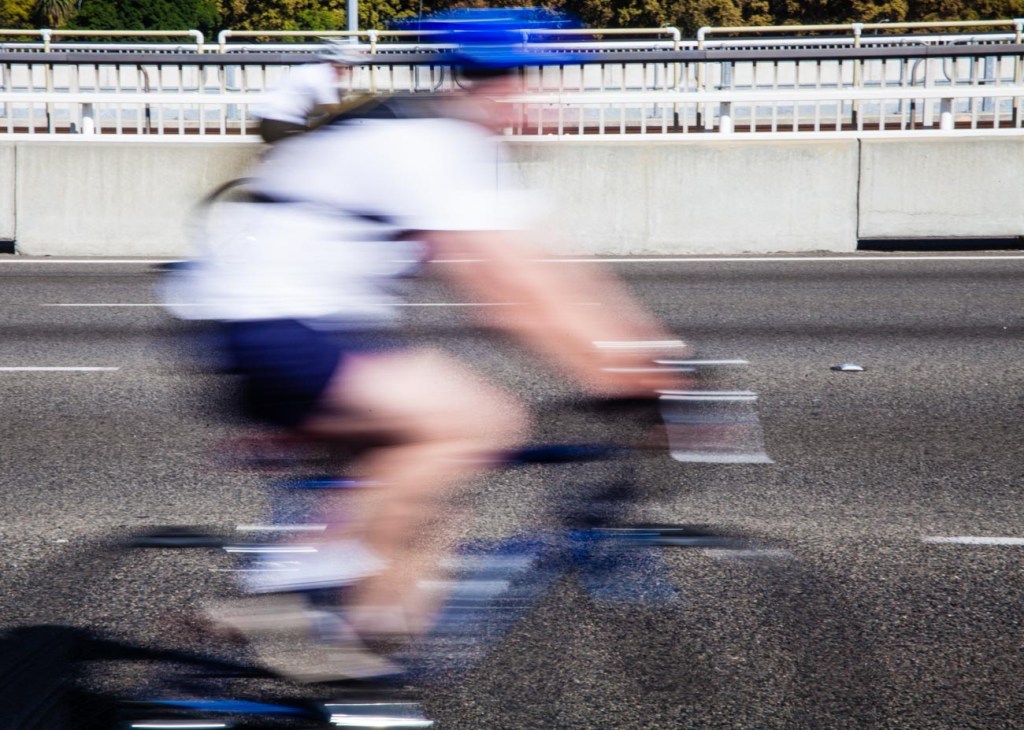
    3 Blurring motion

    Conversely if you wish to blur motion then you need a camera that will allow a slow enough shutter speed.

    That may not always be possible especially in bright light. So, a ND (neutral density) filter can be added so that the amount of light entering the camera is reduced.


    4 The ability to take images in low light part 1

    There’s no doubt that modern cameras can almost see in the dark.

    However not all cameras are created equal. Even though there are cameras that have ISO rating in the 100’s of thousands they may not give the crisp clear images you want.

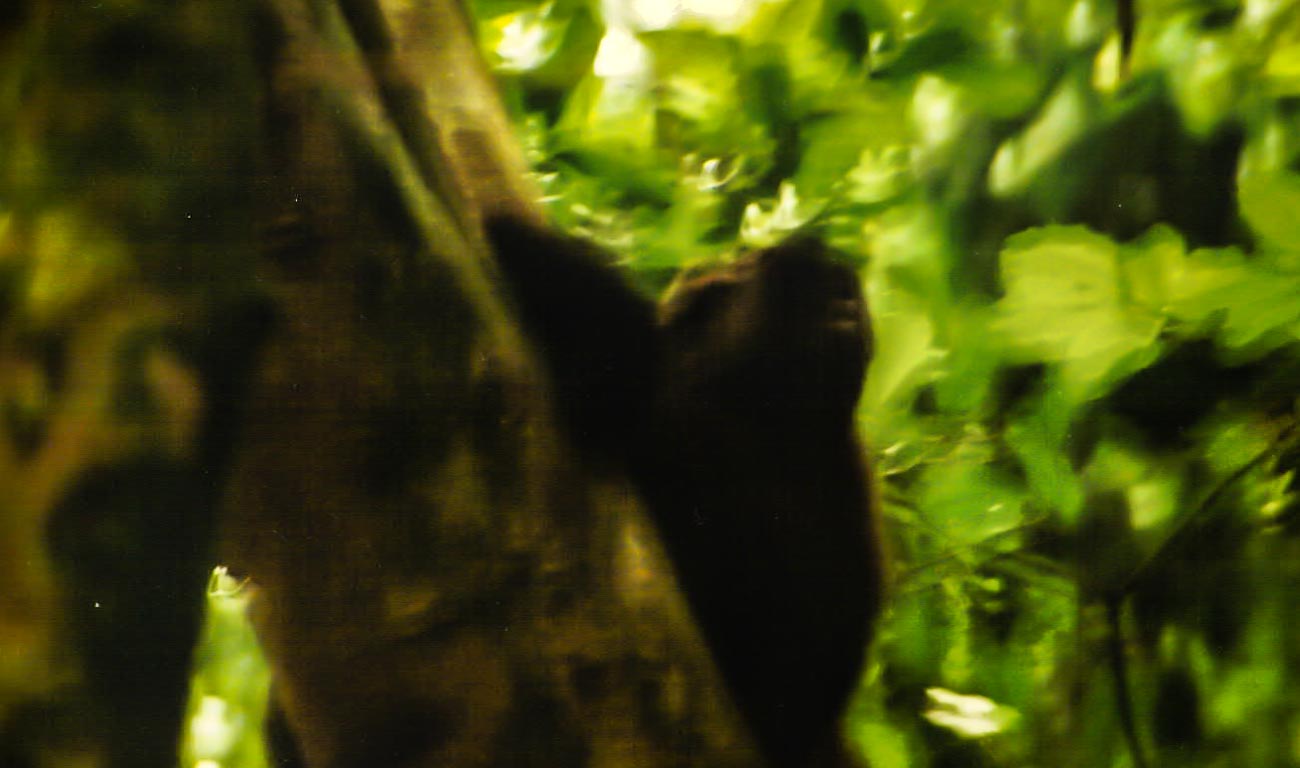
    Why is ISO that important? Well to give you a personal example; when I was first learning photography, back in the film days, I was on a gorilla safari in Uganda.

    The forest we were in was dark and as we got a view of the gorillas I snapped away not understanding that I should have had a film with a much higher ISO.

    The images were developed some time later and were so disappointing.

    7 ways good photography equipment can help you create great marketing images

    Blurred because the camera had a slow shutter speed due to the lack of light.

    A priceless experience that was never properly recorded!

    Before digital, the ISO rating you had on the film meant that you were locked in for however many frames there were e.g. 36. Now you can change the setting per frame.

    Film also only went up to around 1600 and even then, you got a grainy image which is OK if you want to depict a moody grainy photo but not so good if you wanted something crisp and clean.

    So, yes, some cameras will give you some great images and high ISO negating the need for tripods or other ways of holding the camera still but not all.

    My wife’s camera (granted it’s a few years old now) is ok up to 1600 after that the grain is quite noticeable.

    On the other hand, the Olympus OMD5 I have is great up to about 6400.


    5 The ability to take images in low light part 2

    Image stabilisation can really help if you need to take images in low light or with slow shutter speeds. In some cases, that can eliminate the need for a tripod.

    I first saw image stabilisation in Namibia on safari. A photographer had a lens with image stabilisation and he could take images without the need for a tripod in fairly low light. This was 20 years ago when I was first learning photography and that blew my mind!


    6 The ability to take images in low light part 3

    I’ve always hated carrying and using a tripod but now with these lightweight models and the fact that the cameras are now a lot smaller and weigh less it’s not so much of a burden to carry one. Using it – well that’s still another matter but I will say if you are taking images of products especially in low or artificial light then it’s a valuable tool.

    With a tripod, you can take yourself out of the equation and with a wireless (or wired) remote you can take images of subjects reasonably stress free and creatively.


    7 Bokeh

    Bokeh is the term used for making the subject stand out from its background by ensuring that the subject is in sharp focus and that the back ground is blurred.

    The right equipment can allow you to create an image with great Bokeh.

    The equipment for this is a little more complex. If you have a full frame camera, then it’s relatively easy with even the package lens to get a reasonable bokeh.

    Where it gets tricky is with mirrorless (there is the odd full frame mirrorless but for this purpose, we’ll cater to the majority).

    Any none full frame camera is very much dependent on the lens and couple of other factors like distance and zoom.

    So, that was my alternative view on the importance of equipment.

    Do you agree?

    Let me know in the comments section below.

    As you’ve got this far why not sign up HERE now to get a free guide on how to start improving your stock and marketing photos.
    You’ll also have exclusive content delivered to your inbox.


  • Photography Tips from the Internet worth Reading

    Photography Tips from the Internet worth Reading

    To bring you the content that you enjoy on this blog, I read extensively, some it from physical and digital books (I have 100’s) and some from different places from around the net.

    After all I may be a photographer that’s been in sales and marketing for many years (too many some would say) but I certainly don’t know it all.
    And it’s good to keep abreast of new and different ways of achieving the end goal.

    So, without further ado here’s a few stories and tips worth reading:


    For all you Android lovers (me included – love my Samsung S7 shortly to be an S8 maybe).

    This is quite a long and detailed post. The one app I would add is Lightroom which is quite good as a standalone but is really designed to be used with the desktop/laptop version.


    Photography Tips from the Internet worth Reading

    How to take the best photos with Android – the best photo editor apps and camera apps


    Not forgetting the other major player that also begins with A – Apple. They’ve released a few videos on how to use the iPhone camera.

    I’ve linked to Fortune’s article for a different take on it rather than Apple’s own site but you can click through.


    Photography Tips from the Internet worth Reading
    Phil Schiller, Senior Vice President of Worldwide Marketing at Apple Inc, discusses the camera on the iPhone7 during an Apple media event in San Francisco, California, U.S. September 7, 2016. REUTERS/Beck Diefenbach –

    How to Be a Better iPhone Photographer—According to Apple


    Portrait photography is an important part of stock photography and if this is something you want to know more about then you can do know worse than watch one of Ed Gregory’s videos. This one has been promoted by Fstoppers:


    Photography Tips from the Internet worth Reading
    ©In Color Studios

    Portrait Photography Tips You Can Use Today


    BT (British Telecom) are, as the name suggests, a telecommunications company. They have very conveniently provided a few simple tips on taking photos indoors. Wonder how competitive they are?


    Photography Tips from the Internet worth Reading

    9 tips for brilliant indoor photos


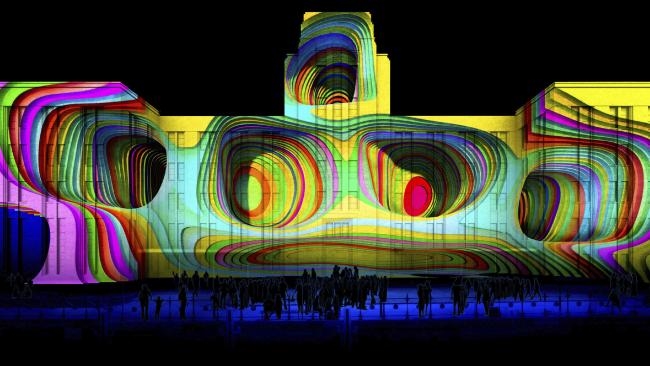
    Nearer to home, my home that is, Sydney has just kicked off its Vivid Festival, an annual event of light and music. I was there a couple of years ago and it’s pretty spectacular.
    Sydney’s Daily Telegraph has helpfully put together some tips on how and where to photograph some of the displays.
    Even if you are not going to attend, there’s still plenty of useful info for you if you are likely to go to similar events or be exposed to some of the lighting effects that are on offer:


    Photography Tips from the Internet worth Reading

    Vivid Sydney’s top photography tips for capturing the festival’s lights including borrowing a camera


    For something a bit light hearted:


    Photography Tips from the Internet worth Reading

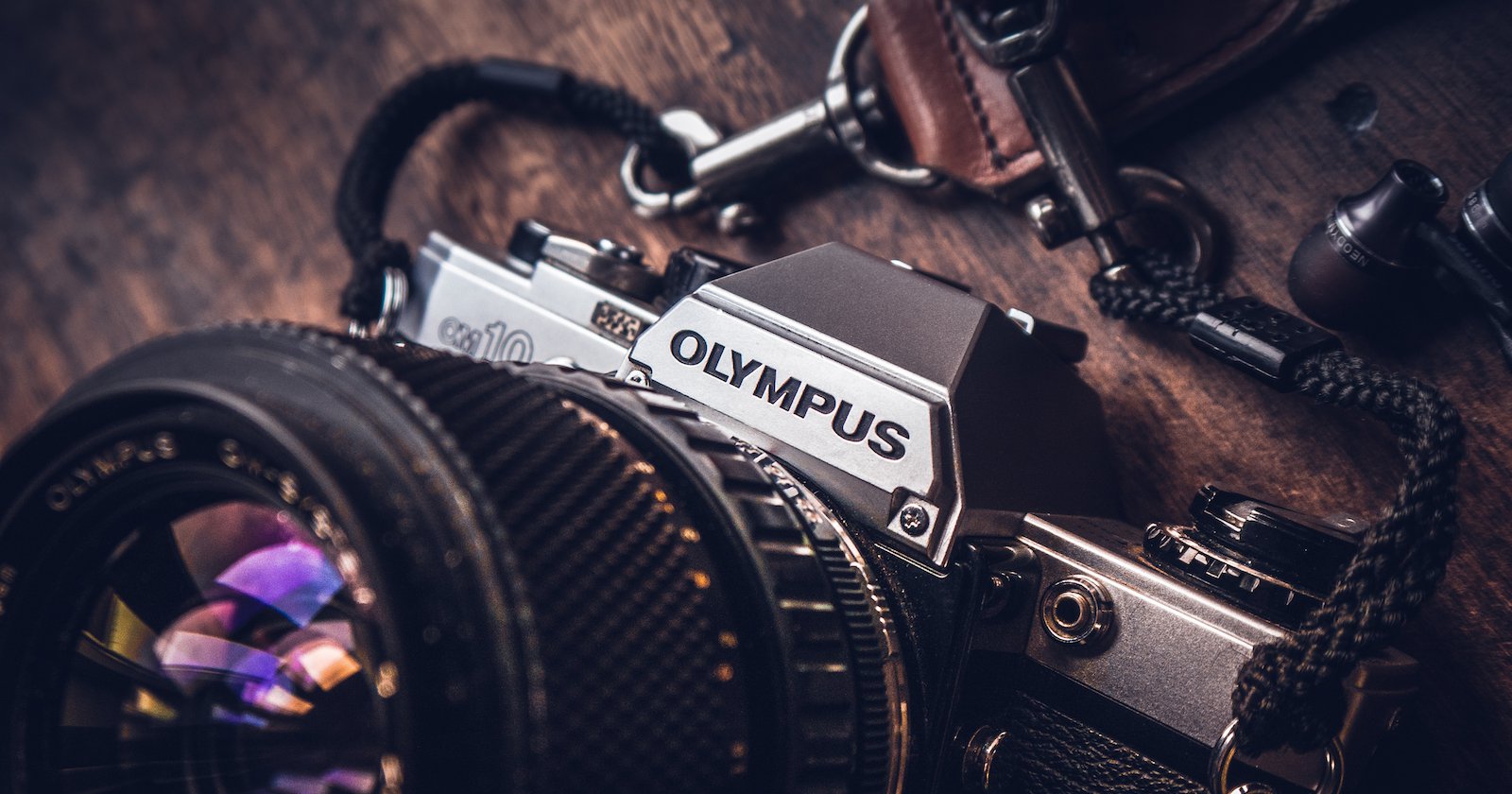
    Olympus UK Support Rep Replies to Customer with Cheeky History Lesson


    If you liked this, please let me know in the comments section below.

    Or if you want to contact me directly, you can sign up to be notified of any updates or new articles in

    the sign-up section below.

    You’ll get a handy free guide on how you can improve your stock photos.


  • How to take an ‘awesome’ selfie

    How to take an ‘awesome’ selfie

    In Why You Need a Professional Selfie I talked about having the need to have a decent self-portrait or ‘selfie’ on your website, social media or publication to show the human face.

    Maybe you’ve decided to get this done but don’t want to use a professional photographer or Uncle Eric who has a good camera.

    In which case read on.

    So just to refresh. In Why You Need a Professional Selfie I suggested that you need to

    Decide what sort of self-portrait you think represents your brand best

    A financial adviser or lawyer may want a more conservative head shot.

    Or they may want a full-length portrait with business like clothes like jacket and trousers.

    A social media site may wish to convey a trendy relaxed image. So, it may decide that, rather than have a headshot, an image of its employees being active may be better.

    Whilst I have concentrated on websites and maybe social media you may also wish to use it for some printed marketing material or even billboards.

    And that’s when the capability of the camera and printing become important

    The four most crucial factors to getting a professional self portrait

    1. Equipment

    I’m going to show you on a smartphone but any camera should do the job provided it works 🙂

    1. Light

    Light is everything. If the light is dull or too bright the image can be too dark or ‘blown out’

    (a term for images that have the highlights way too bright).

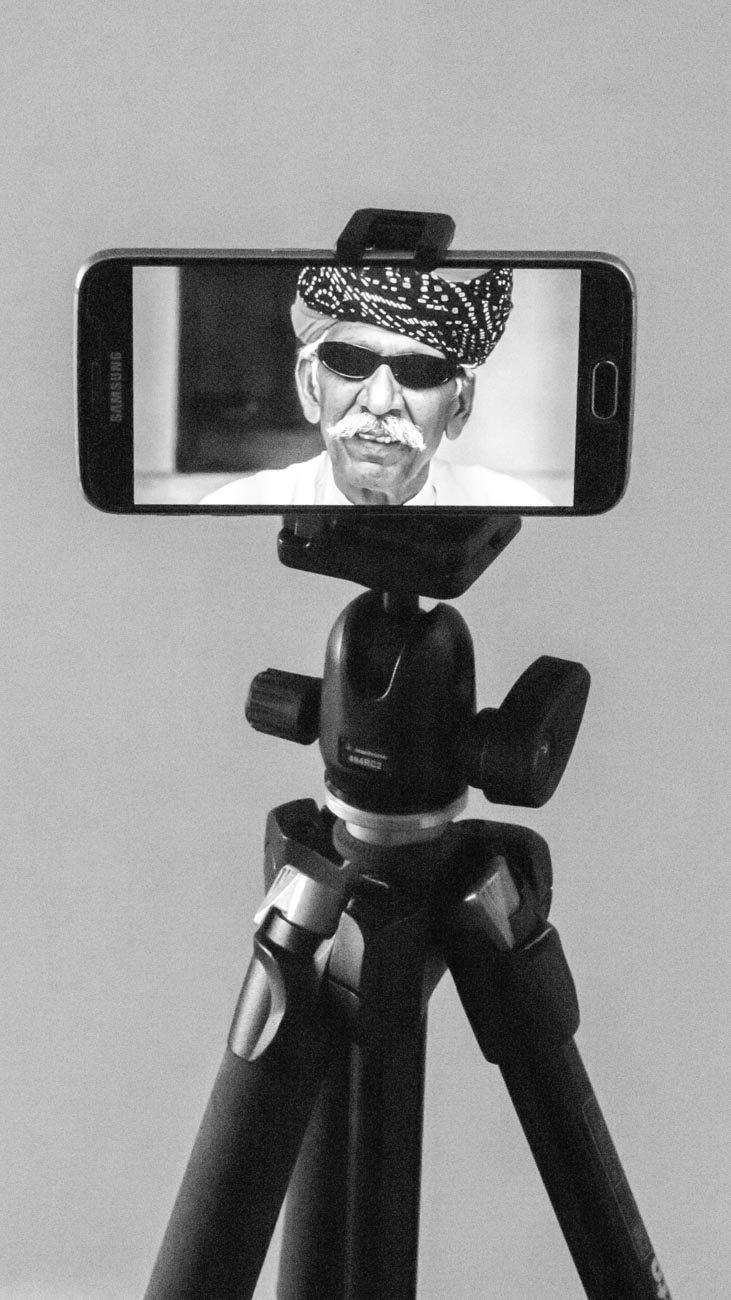
    1. A way of mounting the camera.How to take a selfie

    A tripod is undoubtable the best way if someone e.g. an employee, is not taking it for you

    1. Staging

    Make sure you select the correct pose. You may have to take several different images at different angles to get one you want to use.

    Incidentally there is no rule that says you must use the same image across the all platforms and marketing material.

    Set the camera up;

    1. Regardless of what the use is, make sure you have the biggest resolution. Much better to size down that attempt to upsize.

    On the Samsung S series smartphone cameras for example you will find picture size next to the settings icon.

    Select 16M or 12M or whatever the largest number is.

    The resolution on the IPhone is set to maximum and has no adjustment from that except with the use of a third-party app.

    Some other brands only give you the option to select large or high

    Note: The front camera usually has a much smaller resolution than the main camera so avoid using it for this application

    1. Find the timer and set it to 10 seconds
    1. You can usually just leave the camera on auto if the light is pretty good. But you can change the settings on some smartphones. The only ones I recommend is possibly the ISO or exposure compensation.
    1. Mount the camera on a tripod or any other way you can find to mount.

    I use the Joby Grip Tight Micro Stand a great little find that has a mini stand. It can also be fitted to a standard tripod head.

    Set the scene

    1. Find a well-lit position. You can be creative by sitting or standing near a window and allow the light to be strongest on one side.

    Alternatively, if you want to light up both sides, use a whiteboard on the side away from the light.

    1. Think about the background. Make sure it’s not cluttered and distracting to the eye.

    Again, a whiteboard is handy. White (or off white) backgrounds are always the best way.

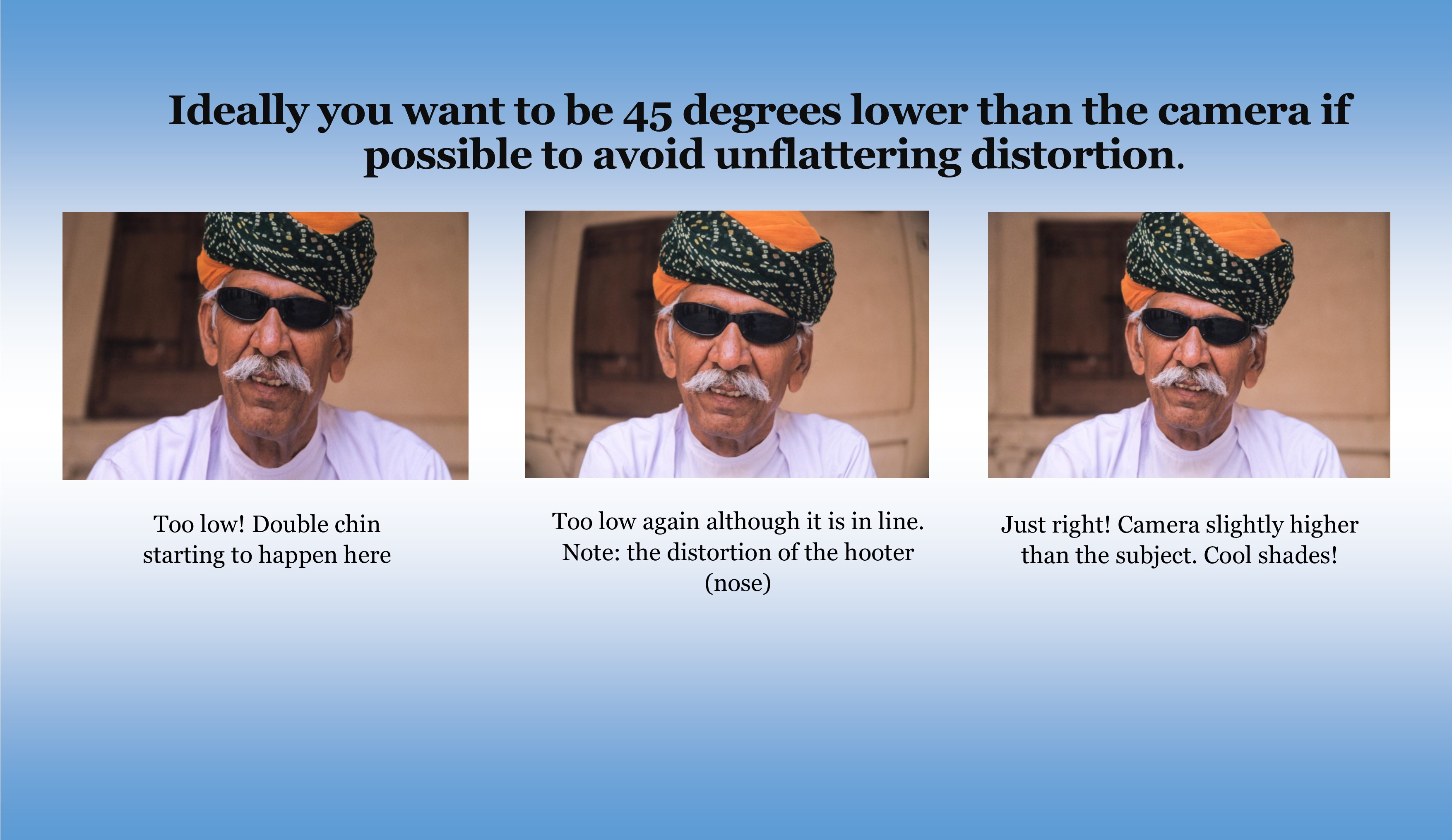
    1. Think about your position. Ideally you want to be slightly lower than the camera if possible to avoid unflattering distortion.
    1. Now comes the tricky bit. Unless you have someone else helping, you are going to have to focus the camera on your final position, be it a full length or head shot.

    The easiest way to do this is to put something in that position and then focus on it.

    1. Just press the shutter button and then get into position.
    1. Take plenty of images trying different poses and maybe different locations. You can’t take too many!

    How to take a good selfie

    Review

    1. Review on your phone and add a filter if you wish. There’s plenty of them out there.
    1. Load the images onto your computer.
    1. Look for softness (slightly blurry), unwanted distractions or items and light
    1. Crop if required. You may need to crop for different applications.
    1. Upload to your website, social media or another platform.
    1. Discuss requirements with your printer if you are using hard copy marketing material.

    Finally

    Rinse and repeat if need be.

    You may think you’ve got it right but there’s always room to improve.

    Is there anything else you want to know? Did you give it a go?

    I’d be really interested in any results that you wish to share.

    Let me know in the comments below.

  • How to show involvement in your stock photos

    How to show involvement in your stock photos

    In a recent post, Looking for stock photos? Here’s how to take your own, I listed the Four Basic Elements of Stock photography:

    1 Background

    2 People (Model/S)

    3 Subject

    4 Involvement


    I covered Background in How to create the right stock photo background, People in How to put People in your Stock Photos
    and
    Subject in How to emphasis the subject in your stock photos

    Now this is where you will learn how to show involvement in your stock photography.

    So, what does “involvement” mean?
    Well, there are many definitions but most mean being involved with or participating in something.

    In the example of a product, this gives you the opportunity to show your subject being used by someone who is really involved.

    They should be showing some emotion maybe enjoyment or surprise.

    Some images can work better if there is more than one person.

    show involvement in your stock photos
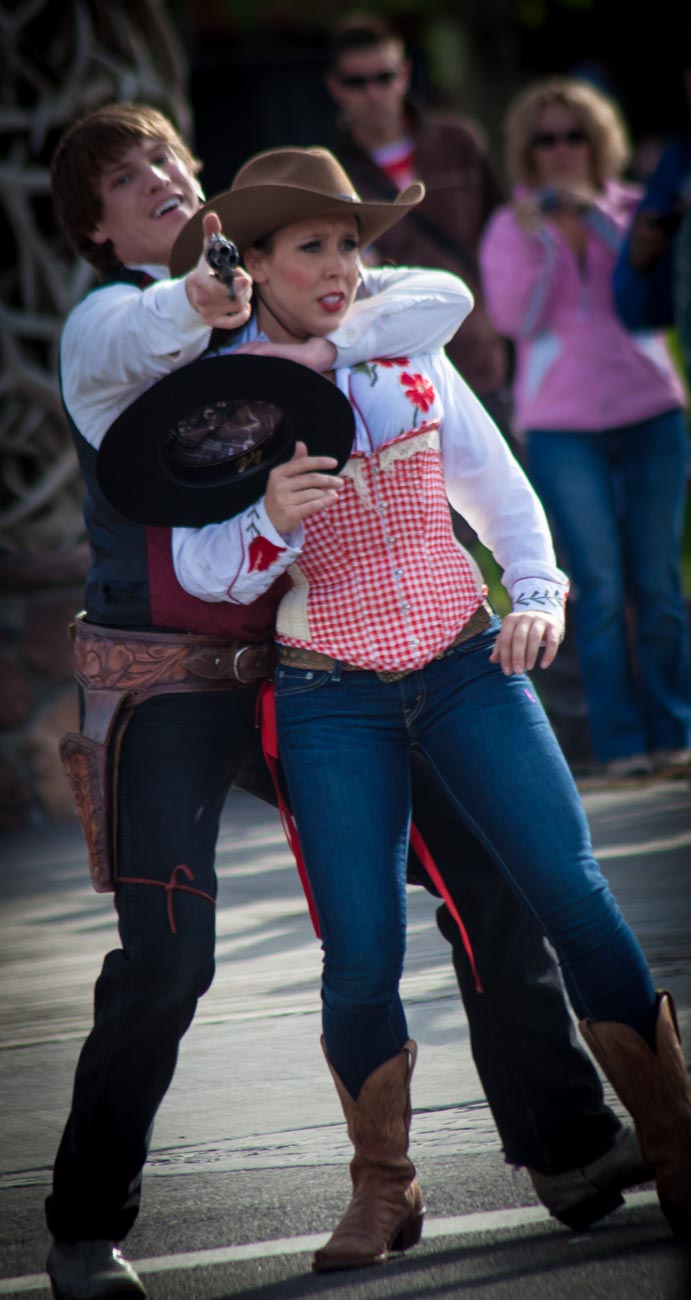
    A reenactment at the Town square in Jackson Hole, Wyoming, USA

    Remember it’s not a portrait you are after.
    Even if you have a piece of clothing or Jewellery, much better to show people wearing it being active, even if it’s only reading a book.

    There are 6 points that you may need to convey involvement.
    These points are not necessary for every photo.
    But if you have people in your stock photos it is best to use a least one or two of these to get your message across

    Decide what story you really want to tell.

    Answering this can mean answering these questions:

    What am I trying to sell?

    What will be the props?

    Who are the characters?

    What do I want them to do?

    Gestures

    show involvement in your stock photos
    Looking at the camera is a gesture that can bring authenticity

    Gesture is all about body language.
    After all with still photos the message can’t be verbal.
    Sure, it can be text in the caption or on the image itself but that still needs to be supported by what’s
    happening or not happening in the image itself.

    So, you need to ask; does the gesture look authentic? Is it appropriate for your message?

    Let’s say you want an image of someone who conveys power.
    If you grab just anyone who has never been in a position of some power then unless they are a good actor and/or model then it may not appear authentic or real.

    Likewise, if the message you want to convey is not about power then it’s not a good idea to have someone who looks like a powerful authority.

    Interaction

    Often you may want to show a couple or multiple models interacting.
    Lets say you have a kitchen product, one model could be using it and interacting with someone else, who looks amazed at the results or could be helping or also using the product.

    show involvement in your stock photos
    A couple walking in Saltwell Park in Gateshead near Newcastle in England

    Passive involvement

    Sometimes it’s not necessary to have models in action.
    Maybe they are just looking on.
    A view maybe of a scenic and beautiful tourist resort could have someone viewing it from a lookout is one example.

    show involvement in your stock photos
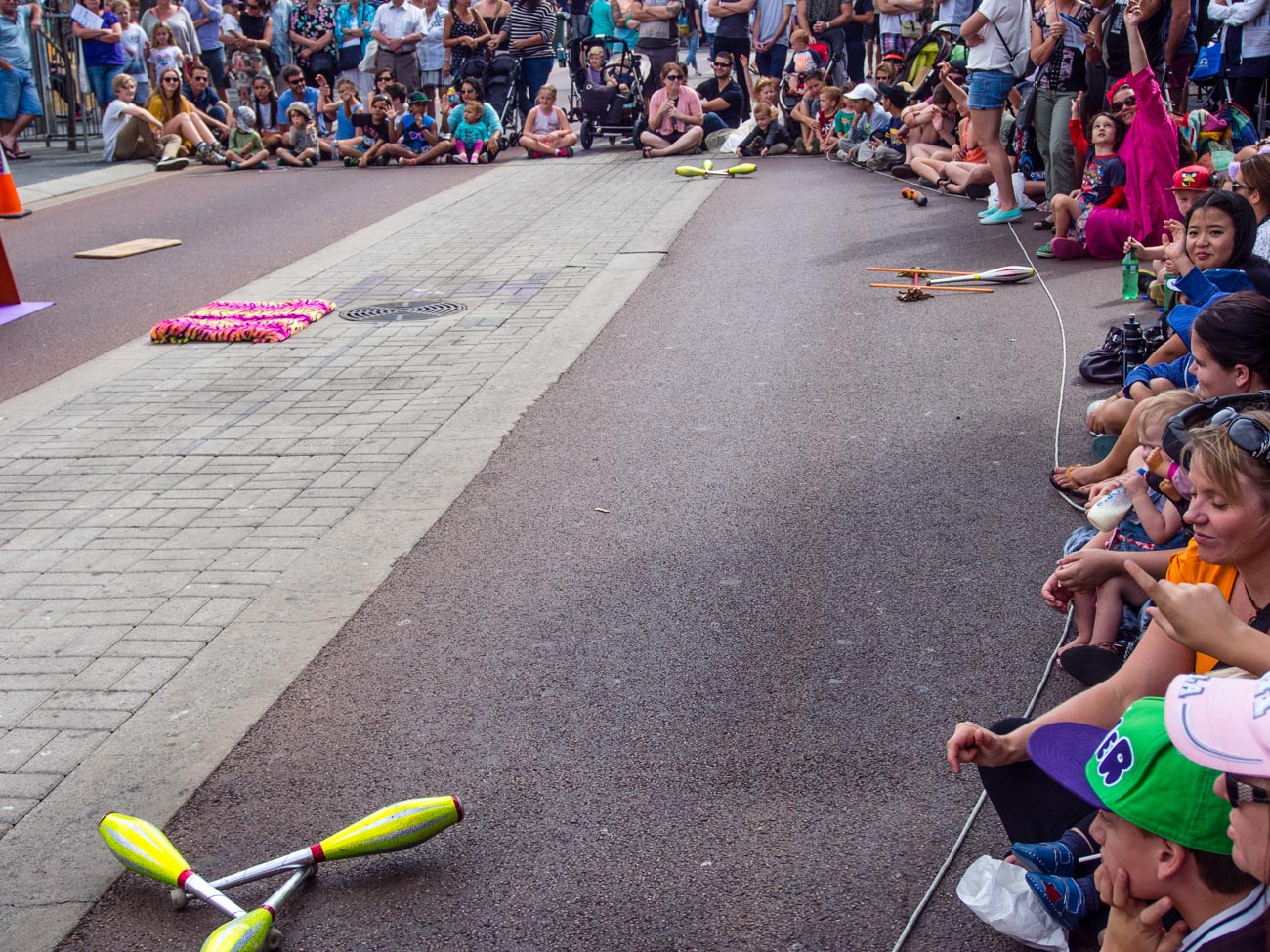
    The street art act, Dream State Circus at the Street arts festival in Fremantle, Western Australia. the festival attracts over 100,000 spectators over the Easter long weekend.

    Anticipate behaviour.

    Ideally, you’ll know the model/s, so directing them into position shouldn’t be too much of a challenge.
    However, if they are not professional models then they will not necessarily follow orders exactly.
    But that can be an advantage. If you watch them closely, sometimes it can lead to better poses than you initially wanted. So, watch carefully and see how things unfurl.

    Get close.

    Some of the best stock photographers get in close. That’s called “filling the frame”.
    Filling the frame takes out distractions and makes a better emotional connection with the viewer.

    Conclusion

    In conclusion, these are the factors that need to be considered to show involvement in your stock photos:

    1 Decide what story you want to tell.

    What story are you trying to tell to get your future customers attention?

    2 Gestures

    Gestures by real people go a long way to helping you get your message across

    3 Interaction

    It’s best to show real interaction between your models and your main subject

    4 Passive involvement

    Not all involvement needs to be active. A model can be an onlooker

    5 Anticipate behaviour

    Sometimes you can ‘go with the flow’ and try to anticipate how your models will behave

    6 Get close.

    Fill the frame. Get in close to show expressions and movement.


    Thanks for reading this. It means a lot to me. It would mean even more if you would like to post any comments below.

    Feel free to share this on via any of the platform buttons to the left or at the bottom.

    And while you are at it, keep scrolling down to subscribe to my newsletter.

    You will get exclusive info and my guide “Eleven easy ways to help you take your own stock photography”


  • How to get ahead of your competition – get good images

     How to get ahead of your competition – get good images


    I am the image maker,

    So, sang The Kinks in Ordinary People in 1975

    As a photographer and someone who has been involved in sales and marketing as a profession, I shake my head at the way some business’s view the use of images in marketing.

    Because image is everything!!

    I’ll say that again; “image is everything!!”

    It’s no longer about what your product is, it’s now about what your product looks like and represents, and that means image.

    Which is why my most recent post is How to get ahead of your competition – get good images

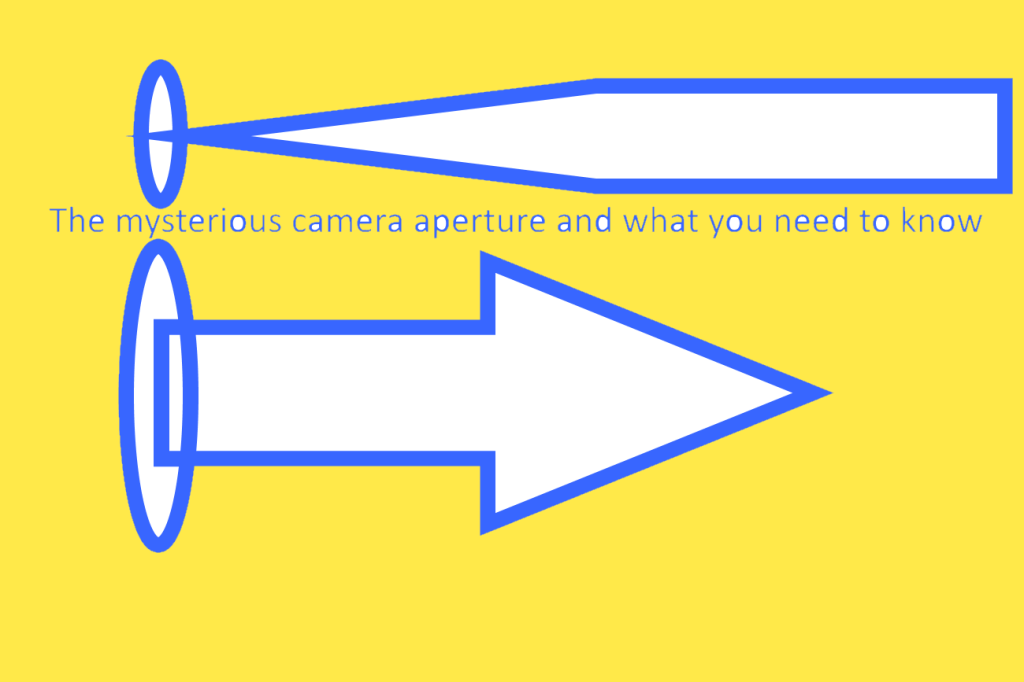
    One of the questions I get asked is “what the hell is the camera aperture and why do I need to know about it?”

    10 Vital Facts about Camera Aperture

    If that’s a question you have been pondering, then hopefully I’ve nailed it for you in

    10 Vital Facts about Camera Aperture

    With today’s technology, I can tailor make these newsletters to suit you specific interests or needs.

    So, to help me help you (is that a double object or something?) I’d be grateful if you can answer the following:

    What’s your real pain when it comes to marketing?

    What’s your number one challenge when it comes to Photography?

    What else is a challenge for you in marketing and/or photography?

    Just let me know in the comments section below or email via the contact page.

    As always please share and talk to you next week

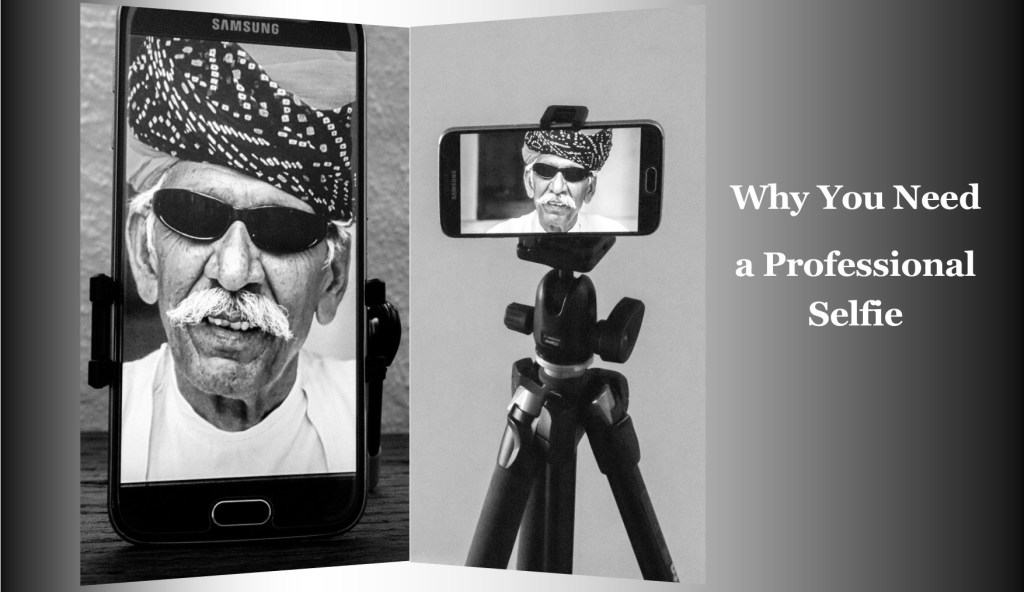
  • Why You Need a Professional Selfie

    Why You Need a Professional Selfie

    “Taking pictures of myself, self, self”

    After watching the “campaign of the century” Trump v Hilton, it seems obvious to me how important image is especially self-image.

    So, this leads me to the ‘Selfie’. But not the one that we attempt to get one handed or on the end of a selfie pole with our smartphone but the one that represents you and your business.

    In the first of a couple of posts I tackle Why You Need a Professional Selfie

    In the next post, I’ll take you through a good way of getting that professional ‘Selfie’.

    The last in my series on features to have on your camera is actually about what features you don’t need.

    The 6 features you don’t need on your camera

    If you haven’t had time to read the series, you can scroll to the bottom of any of the posts and get all four in a PDF.

    As always please share and I would love to hear your feedback

    OK bye for now and talk to you next week

    PS: “Taking pictures of myself, self, self” sung by Nina Nesbitt in Selfies 2014 – not a bad video on YouTube

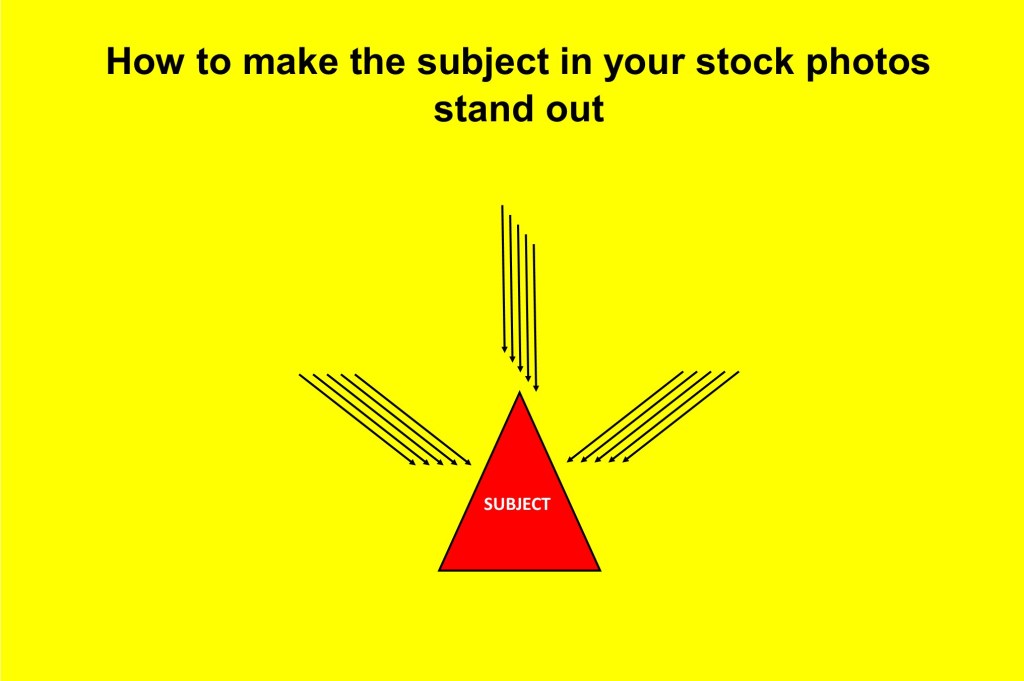
  • How to make the subject in your stock photos stand out

    How to make the subject in your stock photos stand out

    In a recent post, Looking for stock photos? Here’s how to take your own, I listed the Four Basic Elements of Stock photography:

    1 Background

    2 People (Model/S)

    3 Subject

    4 Involvement

    I covered Background in How to create the right stock photo background

    I also covered people in How to put People in your Stock Photos

    Now this where you will learn how to make the subject in your stock photos stand out.

    There are 5 points that need to be considered and the first of these is:

    Style

    So, you are shooting your own stock photos. What’s your style going to be?

    As the marketing guru that you are, you may try to have two styles. One for the actual business you are marketing and the other photographically, i.e. your point of view, how you see the world.

    Be careful on both of these, having two styles can be in conflict.

    If you are a business owner that is looking to get your product or service out there, then choose that as your main style.

    Otherwise the photographer in you may get in the way. Remember why you are doing this. Don’t lose sight of the fact that you are seeking to create a piece of art that is going to help your business. Not a piece of art for the sake of creation.

    Of course, everyone’s style is different.

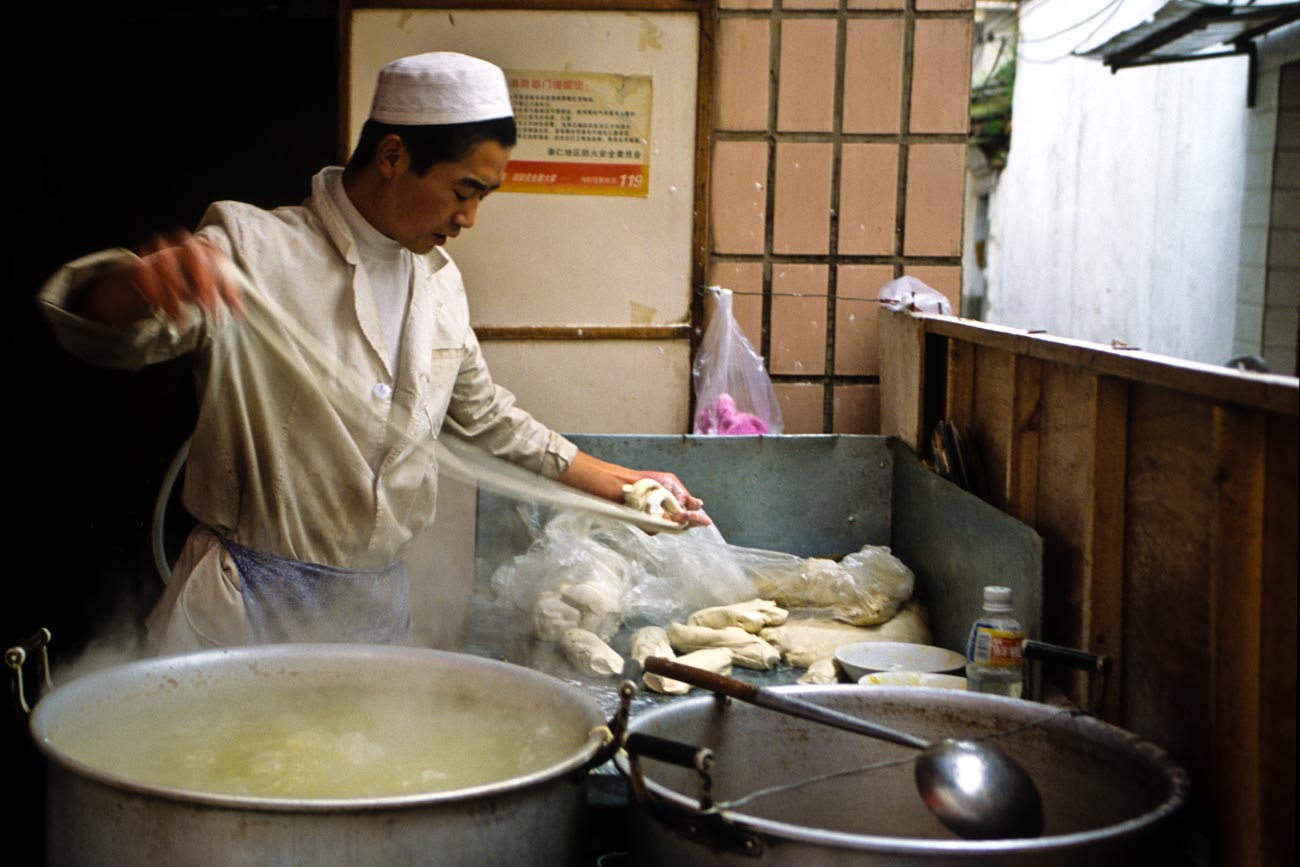
    Let’s say we have 2 photographers taking pictures of China as a travel destination.

    One takes pictures that tell stories of how people live in China. Their photos give information and understanding of the Chinese culture.

    The other photographer chooses to make China look attractive and appealing to visitors and tourists alike.

    How to make the subject in your stock photos stand out
    At a small restaurant in the Flowers and Birds Market on Jingxing Street in Kunming capital of the Yunnan province of China.


    As you can see each of these photographers has a different way of looking at the same subject. That’s their style

    Concept

    A concept is the idea or emotion that the photo represents. Your concept may be to depict how easy it is to use your service or even how to use your service. Or it may be how beautiful and attractive your product is. By product that can mean anything from a piece of jewellery to a travel destination.

    Some common concepts can be:

    Achievement, Teamwork, Competition, Values, Trust, Stability or Tradition plus many more.

    Symbol

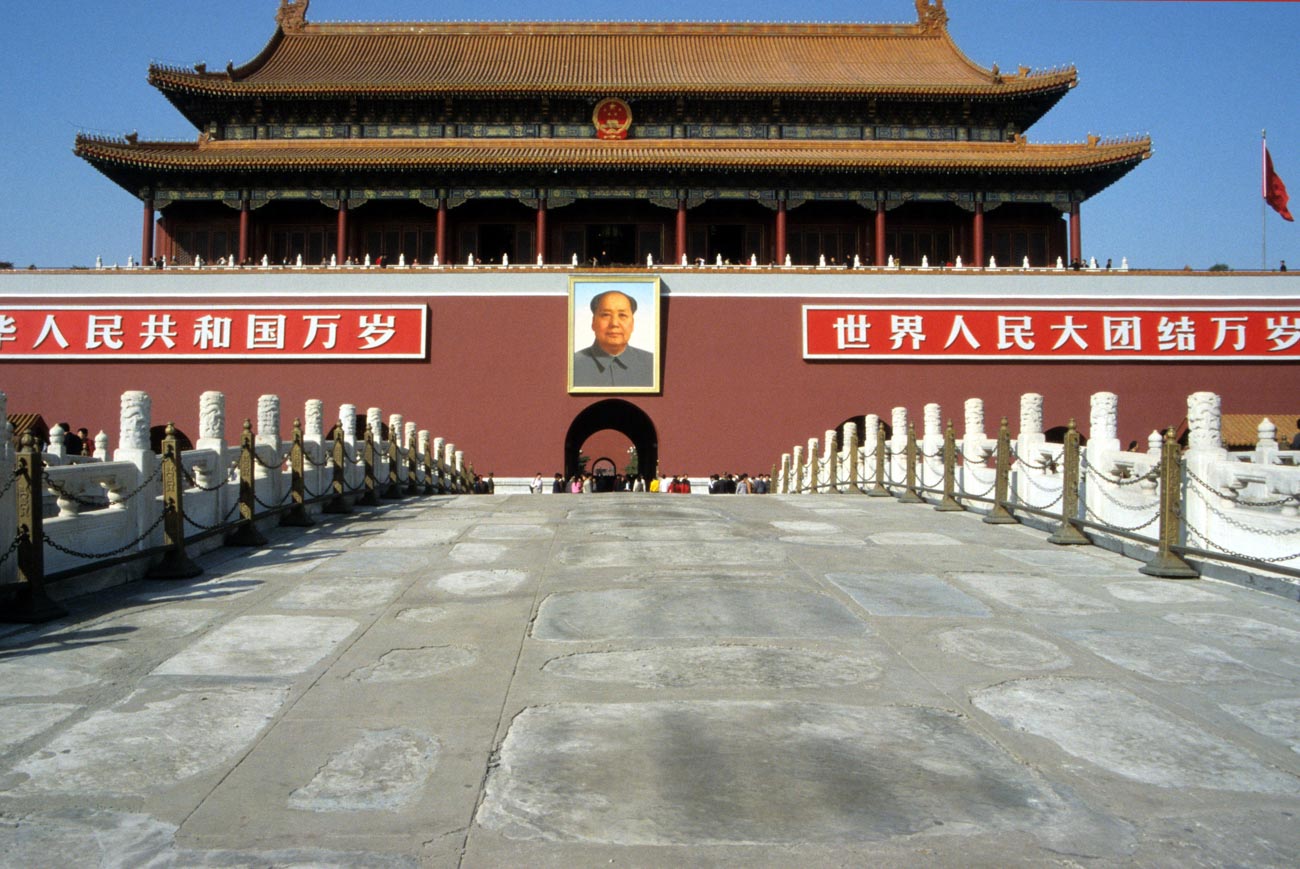
    The symbol is how the concept idea or emotion is portrayed. Painters and Sculpturers have been using symbols for centuries. Have a think about the best symbol to use to get across your message. In the China example above you could incorporate some of China’s main tourist attractions or monuments as a symbol. Or if you had a piece of Jewelry then how it looks on your model would be a possible symbol

    How to make the subject in your stock photos stand out
    Tiananmen Square – Gate of Heavenly Peace

    Often symbols are less obvious. Like some of these:

    Sports may mean business competition or pushing to the limit

    Shaking hands may mean cooperation, partnership, trust or honour

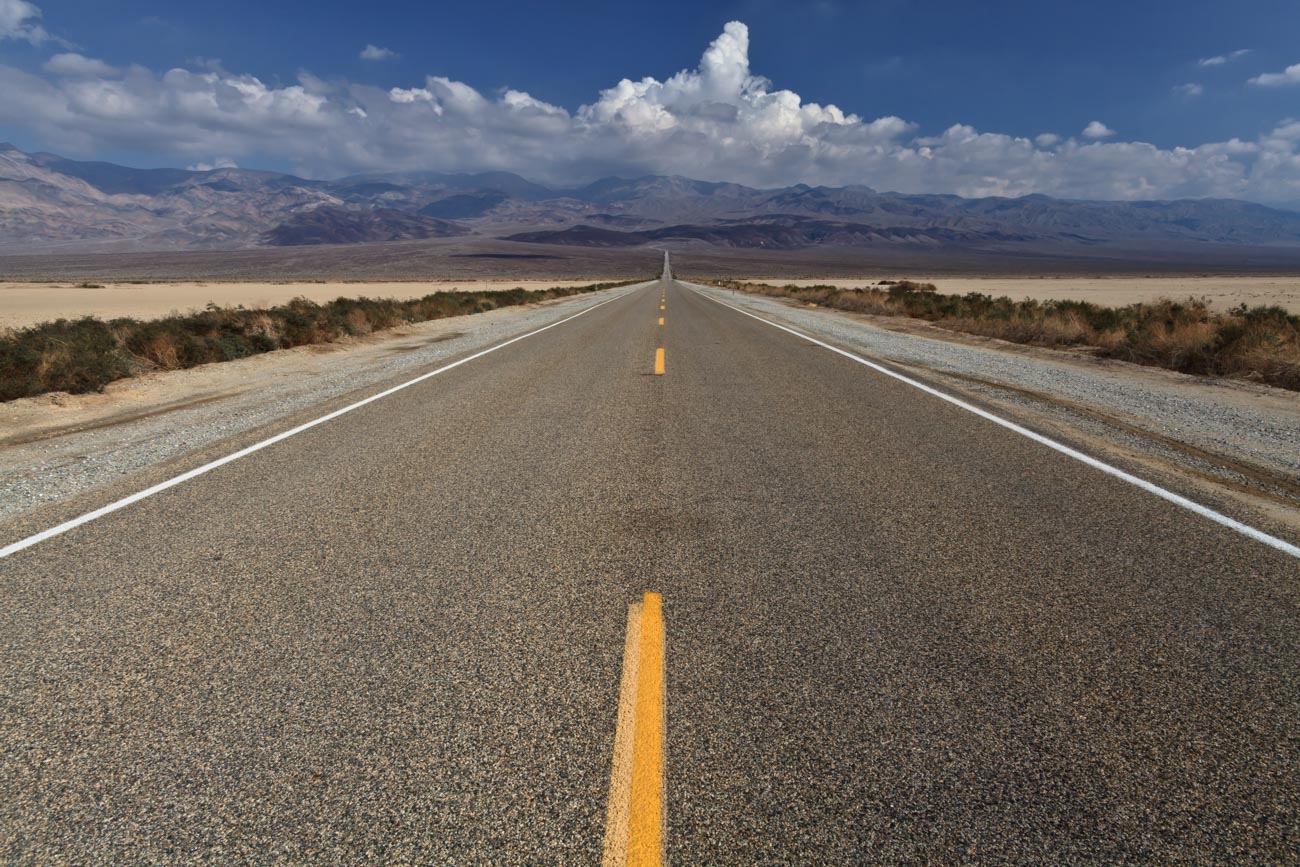
    A road may mean straight & narrow, mystery, adventure or even the unknown

    How to make the subject in your stock photos stand out
    Death Valley NP California, USA

    Subject matter

    For you the subject matter is pretty much what you are looking to sell. That’s right sell. If you don’t show the product or service that you want someone to buy then you’re wasting your time. Ever watched an ad and wondered what the hell that was about? Sometimes that’s a deliberate ploy by the marketing company to capture your curiosity. More often than not it doesn’t work that well. I go back to the old KISS principle. Keep It Simple Stupid! You have less than a second to get your point across. Don’t waste it on some abstract idea that no one understands.

    Central theme

    All these items come together to give you your theme and the theme as I said in the previous paragraph should be bloody obvious. But (always a but) there nothing wrong in conveying a them that can interpreted in several different ways. It shows that the photos is interesting and can hold the viewer just a little bit longer to take in the full extent of your marketing message.

    Conclusion

    So in conclusion it’s important to think about these factors in a stock photo:

    1 Style

    What’s your style?

    2 Concept

    What’s the idea or emotion you want portrayed

    3 Symbol

    Once you have decided on the concept what symbol are you going to use to portray it

    4 Subject matter

    What are you selling? Make sure it doesn’t get lost in the story.

    5 Central theme

    Make the theme interesting so it holds your viewer longer than the nano-second we all seem to give an image to reveal itself.


    Thank you for reading this article. If you know anyone who would enjoy it or find this useful please share. They’ll thank you for it.

    And now that you have got this far, keep scrolling down and subscribe to my newsletter where you will get info not found elsewhere. I’ll even give a guide for your trouble.

    You can share your stock photos and ask questions in the comments below. Just be open to different opinions.


  • How to put People in your Stock Photos

    How to put People in your Stock Photos

    In a recent post, Looking for stock photos? Here’s how to take your own, I listed the Four Basic Elements of Stock photography:


    1 Background


    2 People (Model/S)


    3 Subject


    4 Involvement


    I covered Background in How to create the right stock photo background.


    Now this where you will learn how to use people in your stock photography.


    First up – the Model


    How to put people in your stock photos
    There are many innovative ways to use models you may not have thought of.


    You’ve got your background ready or least you have an idea what background you are going to use.


    The next step is to choose the model/s you are going to use.


    Now if you have a big budget you can elect to use actual professional models but I’m going to assume that you are not on a big budget.

    So, who do you choose?

    Well that depends on what you are going to represent in your image.


    Models can be anyone and from any walk of life. They could be neighbours, relatives, celebrities (if you know any well), schoolteachers, lifeguards, police officers, children, (be careful of this one, there are some paranoid parents out there) or just strangers in the street.

    So let’s say you have an DIY product, then have a think of who you your audience is.

    After all if it’s no good selecting someone they can’t relate to. Especially if they look like the sort of person who wouldn’t know how to spell DIY let alone do it .


    We have a hardware chain, Bunnings, that always has its store staff on TV spruiking their general principles.

    They are all middle aged or older because that’s the demographic that’s more likely to be involved in DIY.

    But the other demographic they aim for is the younger crowd who may feel much better getting advice from someone with experience.


    One thing you should ensure, is that whoever you select is interesting looking and appealing.

    By all means if you can get a beautiful looking model go for it but that’s not necessary.


    Position


    How to put people in your stock photos
    Positioning under an ad as well as showing activity


    Once you have your model you need to manoeuvre them in such a way that they are doing what you want.

    You do not want posed portraits.

    Generally speaking, you want to depict a snapshot in the life of someone using your product or service or representing your company.


    Most of us find watching people doing something is more entertaining (hence all those the fitness videos on YouTube)


    Background


    Now is the time to think about where they are in relation to the background.

    Are they in the way of something you want depicted? Do they have something ‘growing out of thier head’?

    Try different angles before clicking that shutter button.

    Or take a few snapshots with your phone and see if any of them work for you.


    Lighting


    Lighting is the next element to be aware of. Watch out for shadows across the face or over a part of the body that’s showing the product.

    If you are using natural light and the sun is overhead, watch out for blown out highlights or very dark, almost black shadows.

    Don’t get me wrong, you can use both blown out highlights and blacks quite effectively sometimes but more often than not you don’t want them.

    If you are using artificial light then watch for shiny skin.


    If you are using a flash try to tone it down a bit.

    There are so many images out there that give the impression that of a deer in headlights because the flash is too powerful.

    A better way is to use fixed lighting.

    That can be from the lights you already have in the room or space through to specialist lighting products.


    Activity


    How to put people in your stock photos
    At one of London’s famous markets, Borough Markets where this girl seems to be enjoying handing out samples.


    Now the important bit activity.

    There is nothing more boring than having an image that shows someone doing nothing.

    We, as humans like seeing what people are doing.

    I once heard a quote from unknown source “Watching other humans was probably the first form of entertainment for early man”

    And as a business you want the viewer to see what your models are doing.

    The trick is to show it in a way that stands out.

    One way is to show that they are engrossed in the activity or product for example.

    As an example, take a look at car advertising.

    Sure, a lot of their images are of cars but look closely and they nearly all have people in them.

    They might be driving, or looking longingly at the car.

    Some images have people walking past the car (or the car driving past them). 

    They have a couple on vacation with the car in the frame.

    They might be at the beach or at a café.

    They do that so that you can relate in some way.

    And it works.

    Does it make people want to rush out and buy a car?

    Probably not, but it does cement the brand in the sub conscious and when they are ready to buy a car that business can be front of mind.

    Or, when they are buying and they see these images the contact that they have made could pull them in that direction.


    Model releases


    Now for the fine print!

    Model releases.

    Do you need them?

    If you are advertising, yes.

    If you are using the model to depict an idea such as an editorial piece on your blog. Maybe not.

    But my advice get one anyway and you’re covered.

    So, what is a model release?

    A basic definition is that it’s a written and signed agreement between you and the person you are photographing.

    This agreement gives you as the photographer the right to photograph the model and use the subsequent image for the purpose you have stipulated.


    I’ll go into this in more detail in a future post so subscribe below and get notified when it gets published.


    So, to finish off let’s take a moment to revise the main points again:


    We talked about 6 basic principle in using people for your stock photography


    1 Choosing people


    Models don’t need to be “models’ they can come from any walk of life


    2 Positioning people


    Avoid taking photos that are obviously staged


    3 Background


    Tweak your background, assuming that you have already chosen it, to suit the model


    4 Lighting


    Be careful about lighting. Ensure that there are no ‘blown out’ highlights or very dark shadows


    5 Activity


    Remember humans are much more interested in other humans being active.


    6 Model release


    Make it simple, get a model release for all your models.

    I’ll leave it to you to decide if you sexy aunt or uncle need to fill one out.


    Assuming you have read the whole article as you have got down this far I’d like to thank you for reading it.


    And now that you have got this far, keep going and subscribe to my newsletter where you will get info not necessarily found elsewhere. I’ll even give a guide for your trouble.


    You can share your portraits and questions in the comments below. Just leave your ego at the keyboard.


  • Four features you must have on your camera

    Old Spitalfields market East London, England

    “I turn my camera on, I cut my fingers on the way”

    Can’t say I’ve cut my fingers when I’ve turned on my camera as Spoon did in 2005 in a song called, unexpectedly, “I turn my camera on”.

    I have, though, been in the embarrassing position of not being able to turn on a feature I was looking for and consequentially lost the moment.

    That’s why it’s so important to know how your camera works and what features you need

    So, the next in my series on features to have on your camera comes in two sections

    4 features you must have on your camera

    8 more features to have on your camera

    At the end of the series (there’s one more to go), if you haven’t had time to read them all, then you can scroll to the bottom of the last post and get all four in a PDF.

    Don’t forget even if you are not in the market for a new piece of kit, these articles apply to your existing camera or even Smartphone.

    So, I hope you get something out of these.

    Feel free to pass onto anyone you know who may get something out of this.

    And why you are feeling free, let me know your thoughts on what else is a challenge for you in marketing and photography?

    Just comment below and I’ll get your response straight into my inbox.

    OK bye for now and talk to you next time