Different types of Travel Photography
https://katinimages.smugmug.com/Travel/Travel-Different-North-America/i-2Bv38fb/A
Katin Images Travel Photography
Travel Photos, Travel Photography Tips and Software

I’ve said in a Why selecting a new camera is like selecting a new date (or TV) that it’s not the camera but the person with their finger on the shutter button that makes or breaks a great photo.
Well just to contradict myself, sometimes it is the gear.
Having certain equipment can give you shots that you may not be able to get without it.
A sports action photographer won’t get some of the shots he would like if the auto focus in his camera is slow.
Fashion photography requires excellent lighting.
Top quality landscape photographers usually use a tripod and high resolution cameras.
Cameras with more settings will generally have more flexibility and therefore give the photographer choices.
Let’s look at what equipment can give you:
It gives opportunities to create something imaginative.
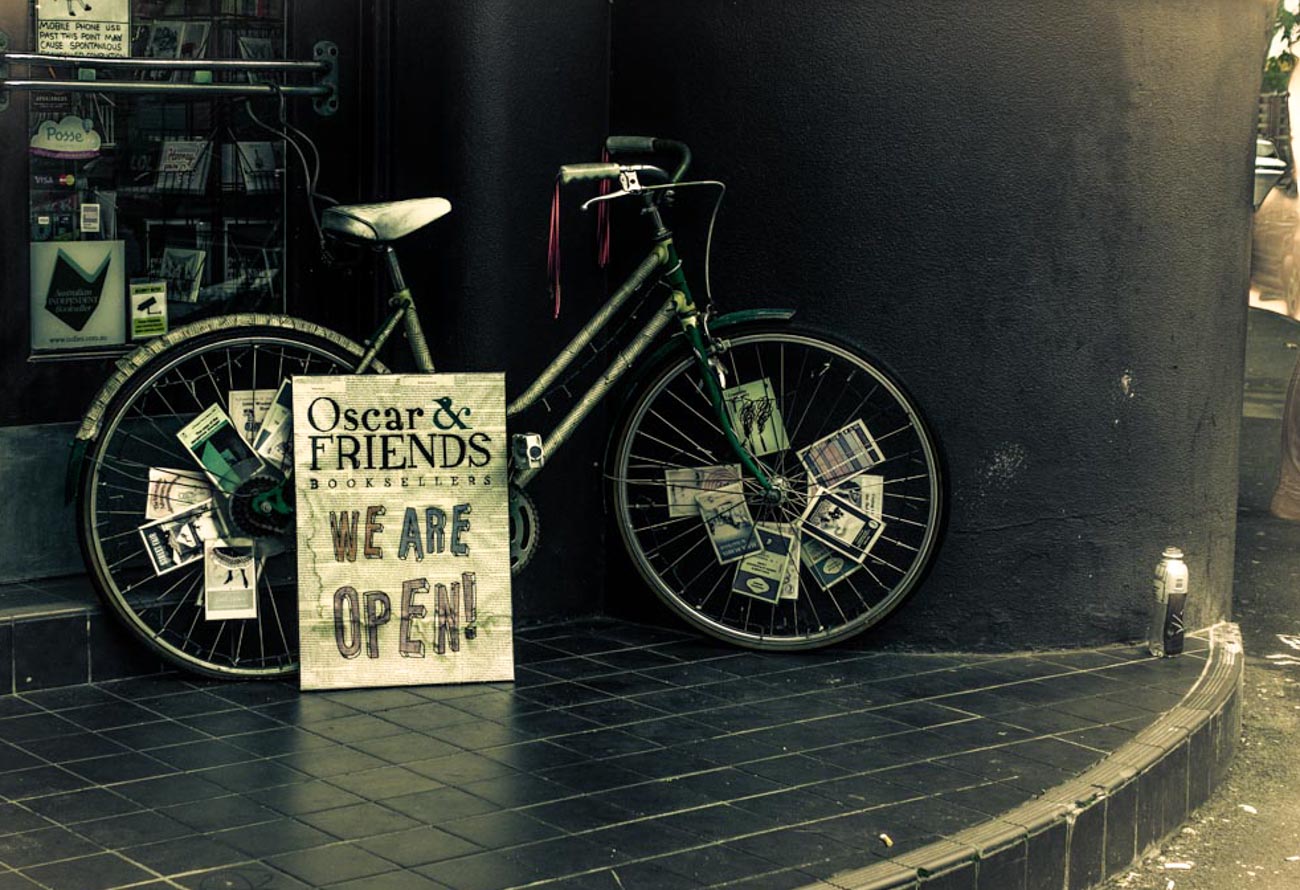
For instance, with some of the filters that are part of almost every camera today, including smartphones, you have options to give your image a Grainy Film, Pop Art or Sepia old worlde tone look.
The image below is a combination of a couple of filters.
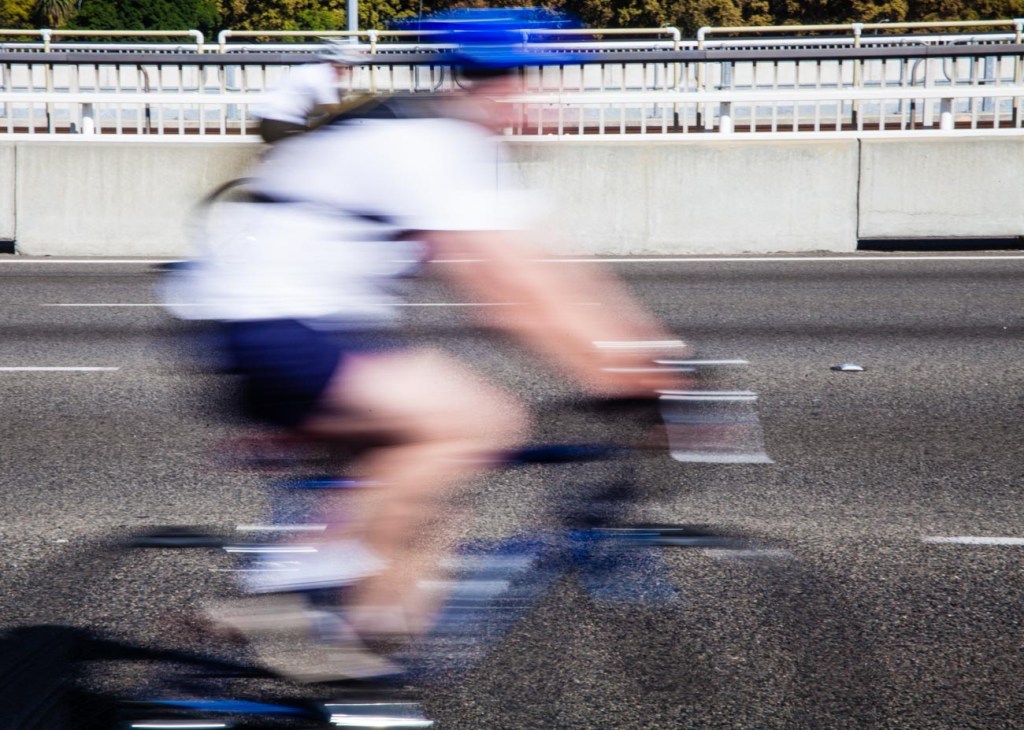
When you are taking images of an event that has motion you generally need a high number of frames per second (FPS) to capture several images at a time.
Some cameras have high FPS and some lower and that can make a big difference.
Conversely if you wish to blur motion then you need a camera that will allow a slow enough shutter speed.
That may not always be possible especially in bright light. So, a ND (neutral density) filter can be added so that the amount of light entering the camera is reduced.
There’s no doubt that modern cameras can almost see in the dark.
However not all cameras are created equal. Even though there are cameras that have ISO rating in the 100’s of thousands they may not give the crisp clear images you want.
Why is ISO that important? Well to give you a personal example; when I was first learning photography, back in the film days, I was on a gorilla safari in Uganda.
The forest we were in was dark and as we got a view of the gorillas I snapped away not understanding that I should have had a film with a much higher ISO.
The images were developed some time later and were so disappointing.
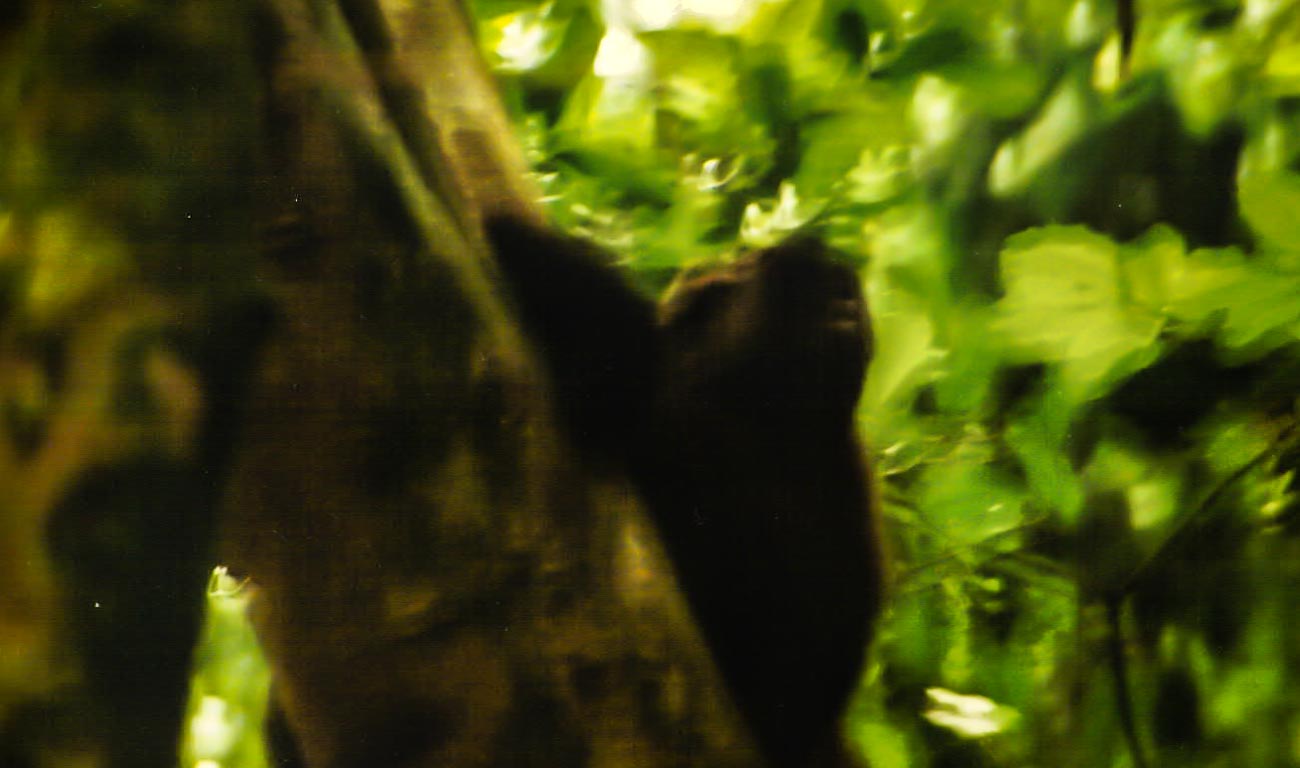
Blurred because the camera had a slow shutter speed due to the lack of light.
A priceless experience that was never properly recorded!
Before digital, the ISO rating you had on the film meant that you were locked in for however many frames there were e.g. 36. Now you can change the setting per frame.
Film also only went up to around 1600 and even then, you got a grainy image which is OK if you want to depict a moody grainy photo but not so good if you wanted something crisp and clean.
So, yes, some cameras will give you some great images and high ISO negating the need for tripods or other ways of holding the camera still but not all.
My wife’s camera (granted it’s a few years old now) is ok up to 1600 after that the grain is quite noticeable.
On the other hand, the Olympus OMD5 I have is great up to about 6400.
Image stabilisation can really help if you need to take images in low light or with slow shutter speeds. In some cases, that can eliminate the need for a tripod.
I first saw image stabilisation in Namibia on safari. A photographer had a lens with image stabilisation and he could take images without the need for a tripod in fairly low light. This was 20 years ago when I was first learning photography and that blew my mind!
I’ve always hated carrying and using a tripod but now with these lightweight models and the fact that the cameras are now a lot smaller and weigh less it’s not so much of a burden to carry one. Using it – well that’s still another matter but I will say if you are taking images of products especially in low or artificial light then it’s a valuable tool.
With a tripod, you can take yourself out of the equation and with a wireless (or wired) remote you can take images of subjects reasonably stress free and creatively.
Bokeh is the term used for making the subject stand out from its background by ensuring that the subject is in sharp focus and that the back ground is blurred.
The right equipment can allow you to create an image with great Bokeh.
The equipment for this is a little more complex. If you have a full frame camera, then it’s relatively easy with even the package lens to get a reasonable bokeh.
Where it gets tricky is with mirrorless (there is the odd full frame mirrorless but for this purpose, we’ll cater to the majority).
Any none full frame camera is very much dependent on the lens and couple of other factors like distance and zoom.
So, that was my alternative view on the importance of equipment.
Do you agree?
Let me know in the comments section below.
As you’ve got this far why not sign up HERE now to get a free guide on how to start improving your stock and marketing photos.
You’ll also have exclusive content delivered to your inbox.
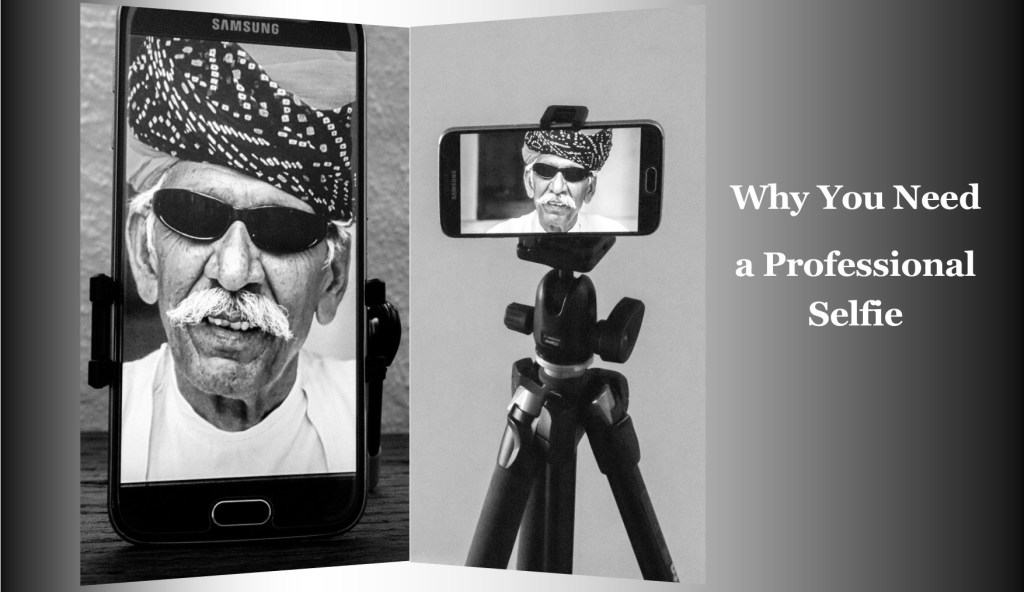
In Why You Need a Professional Selfie I talked about having the need to have a decent self-portrait or ‘selfie’ on your website, social media or publication to show the human face.
Maybe you’ve decided to get this done but don’t want to use a professional photographer or Uncle Eric who has a good camera.
In which case read on.
So just to refresh. In Why You Need a Professional Selfie I suggested that you need to
Decide what sort of self-portrait you think represents your brand best
A financial adviser or lawyer may want a more conservative head shot.
Or they may want a full-length portrait with business like clothes like jacket and trousers.
A social media site may wish to convey a trendy relaxed image. So, it may decide that, rather than have a headshot, an image of its employees being active may be better.
Whilst I have concentrated on websites and maybe social media you may also wish to use it for some printed marketing material or even billboards.
And that’s when the capability of the camera and printing become important
The four most crucial factors to getting a professional self portrait
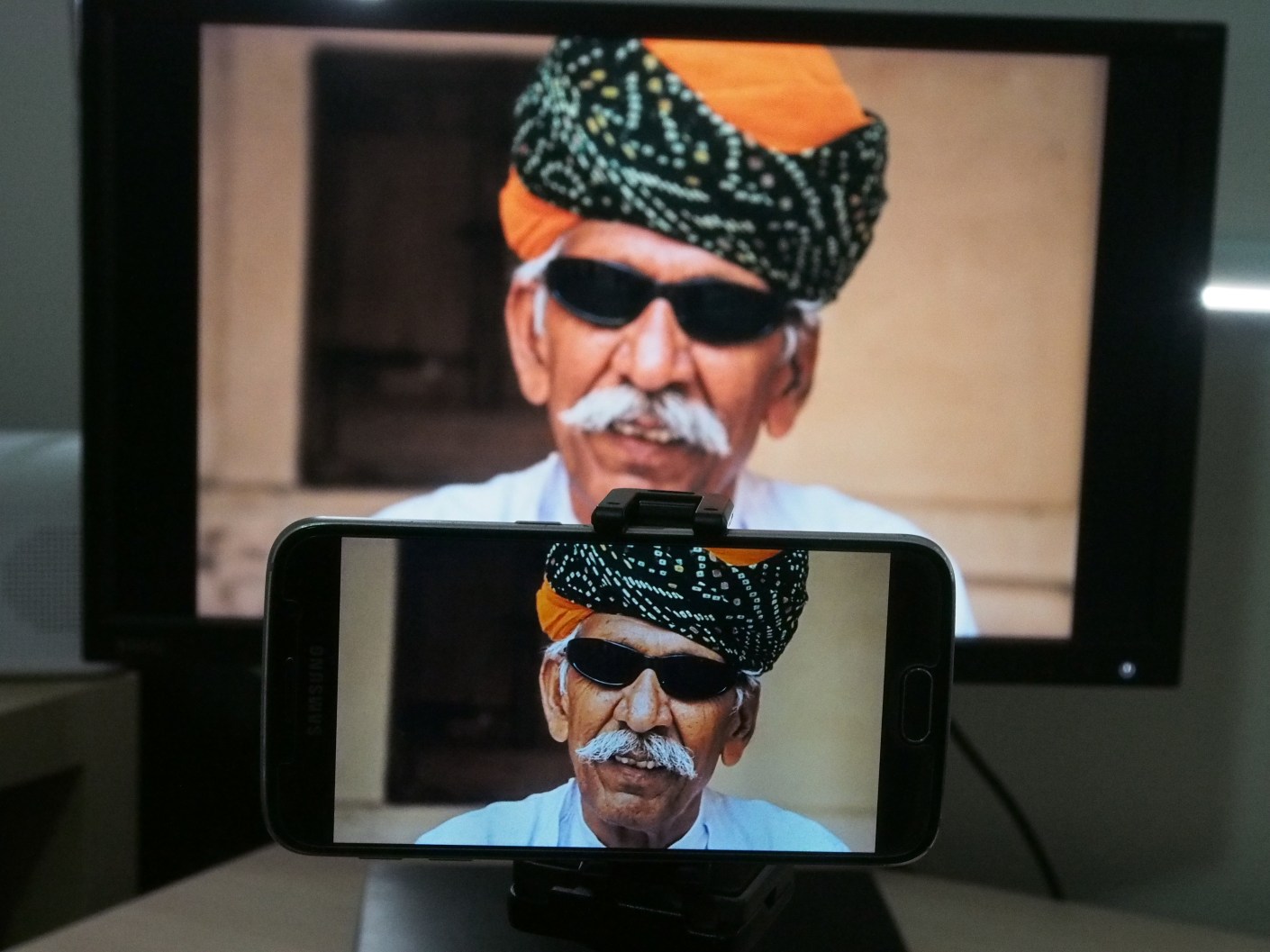
I’m going to show you on a smartphone but any camera should do the job provided it works 🙂
Light is everything. If the light is dull or too bright the image can be too dark or ‘blown out’
(a term for images that have the highlights way too bright).
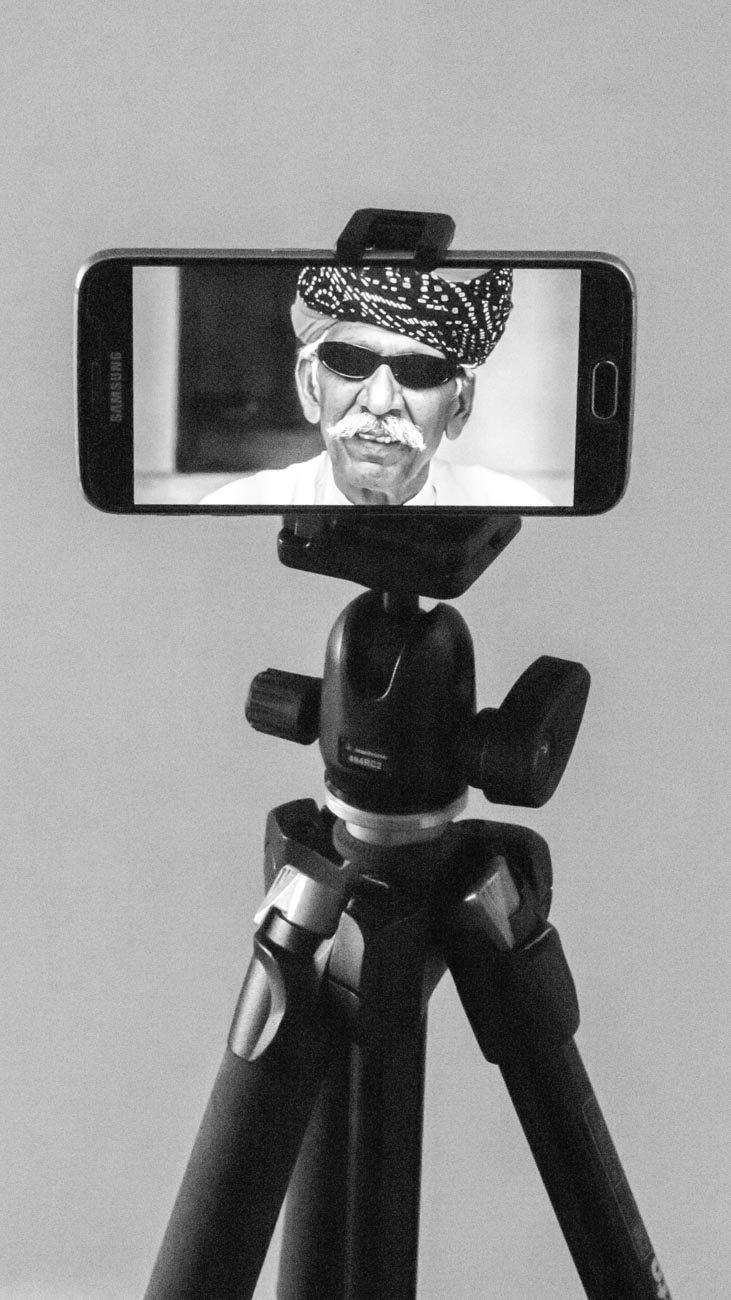
A tripod is undoubtable the best way if someone e.g. an employee, is not taking it for you
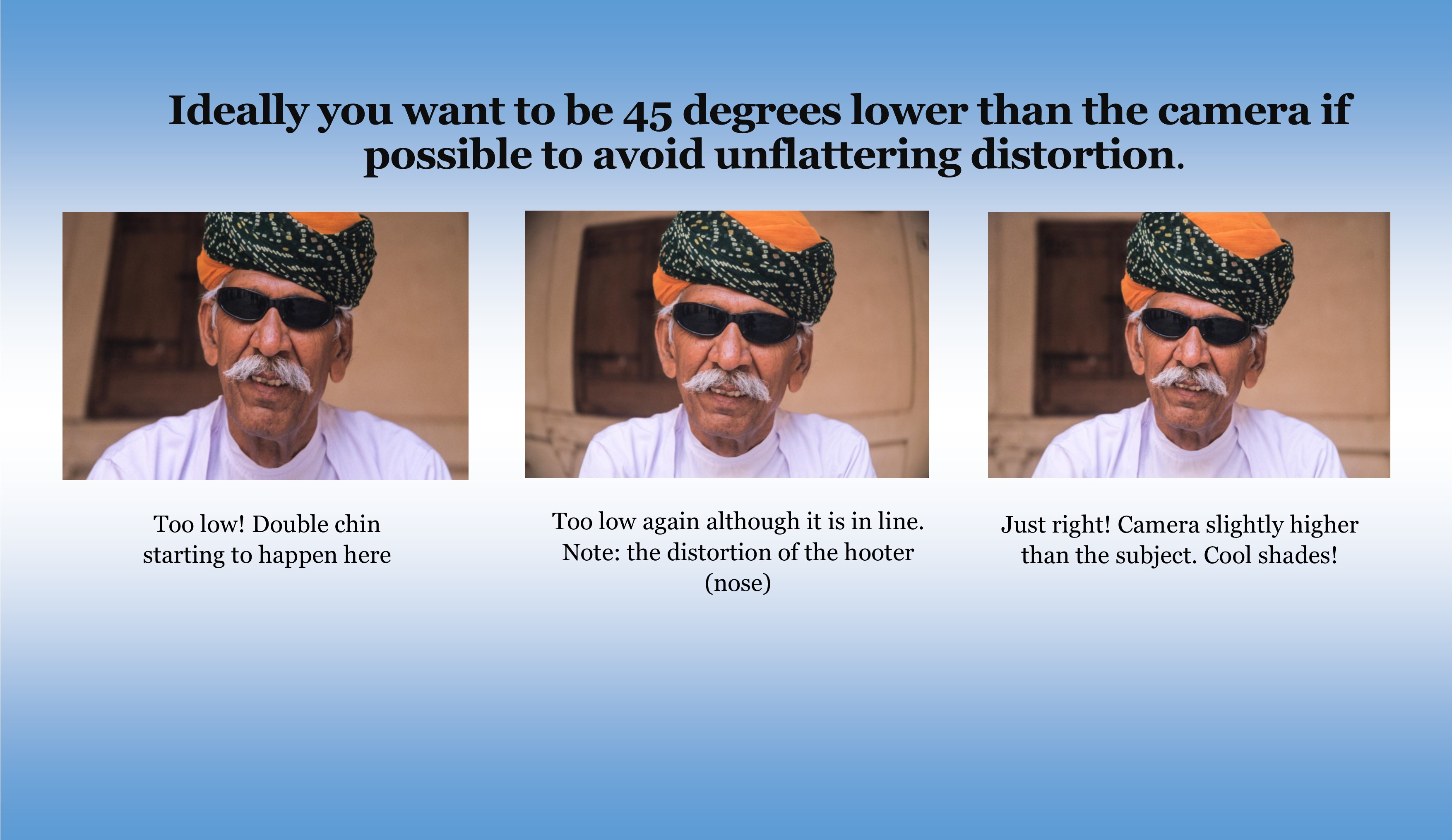
Make sure you select the correct pose. You may have to take several different images at different angles to get one you want to use.
Incidentally there is no rule that says you must use the same image across the all platforms and marketing material.
Set the camera up;
On the Samsung S series smartphone cameras for example you will find picture size next to the settings icon.
Select 16M or 12M or whatever the largest number is.
The resolution on the IPhone is set to maximum and has no adjustment from that except with the use of a third-party app.
Some other brands only give you the option to select large or high
Note: The front camera usually has a much smaller resolution than the main camera so avoid using it for this application
I use the Joby Grip Tight Micro Stand a great little find that has a mini stand. It can also be fitted to a standard tripod head.
Set the scene
Alternatively, if you want to light up both sides, use a whiteboard on the side away from the light.
Again, a whiteboard is handy. White (or off white) backgrounds are always the best way.
The easiest way to do this is to put something in that position and then focus on it.
Review
Finally
Rinse and repeat if need be.
You may think you’ve got it right but there’s always room to improve.
Is there anything else you want to know? Did you give it a go?
I’d be really interested in any results that you wish to share.
Let me know in the comments below.
I am the image maker,
So, sang The Kinks in Ordinary People in 1975
As a photographer and someone who has been involved in sales and marketing as a profession, I shake my head at the way some business’s view the use of images in marketing.
Because image is everything!!
I’ll say that again; “image is everything!!”
It’s no longer about what your product is, it’s now about what your product looks like and represents, and that means image.
Which is why my most recent post is How to get ahead of your competition – get good images
One of the questions I get asked is “what the hell is the camera aperture and why do I need to know about it?”
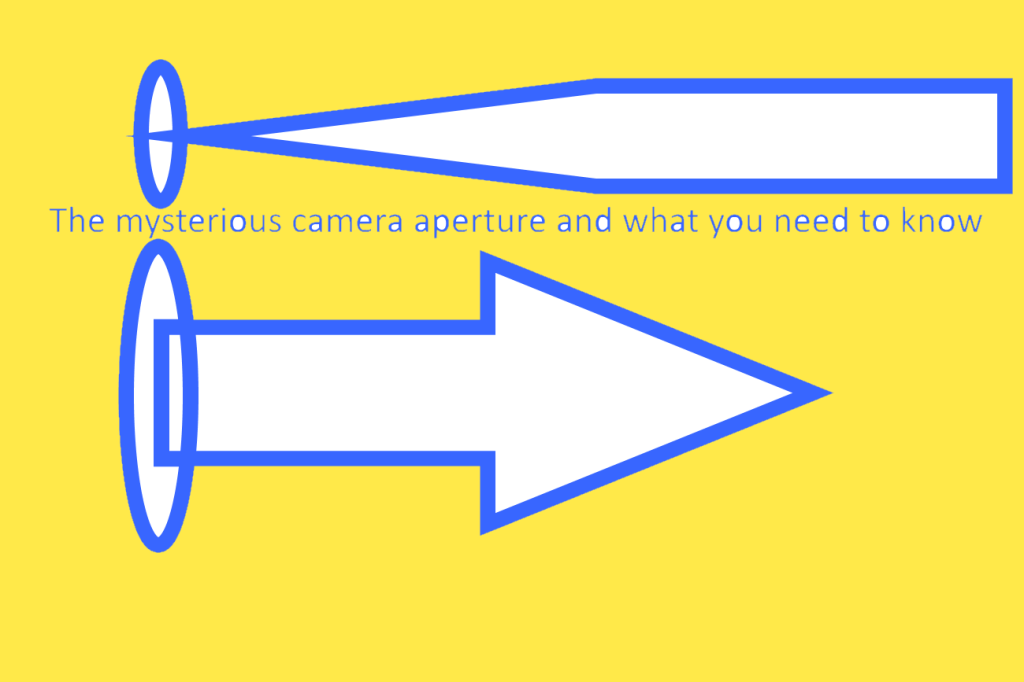
If that’s a question you have been pondering, then hopefully I’ve nailed it for you in
10 Vital Facts about Camera Aperture
With today’s technology, I can tailor make these newsletters to suit you specific interests or needs.
So, to help me help you (is that a double object or something?) I’d be grateful if you can answer the following:
What’s your real pain when it comes to marketing?
What’s your number one challenge when it comes to Photography?
What else is a challenge for you in marketing and/or photography?
Just let me know in the comments section below or email via the contact page.
As always please share and talk to you next week
“Taking pictures of myself, self, self”
After watching the “campaign of the century” Trump v Hilton, it seems obvious to me how important image is especially self-image.
So, this leads me to the ‘Selfie’. But not the one that we attempt to get one handed or on the end of a selfie pole with our smartphone but the one that represents you and your business.
In the first of a couple of posts I tackle Why You Need a Professional Selfie
In the next post, I’ll take you through a good way of getting that professional ‘Selfie’.
The last in my series on features to have on your camera is actually about what features you don’t need.
The 6 features you don’t need on your camera
If you haven’t had time to read the series, you can scroll to the bottom of any of the posts and get all four in a PDF.
As always please share and I would love to hear your feedback
OK bye for now and talk to you next week
PS: “Taking pictures of myself, self, self” sung by Nina Nesbitt in Selfies 2014 – not a bad video on YouTube
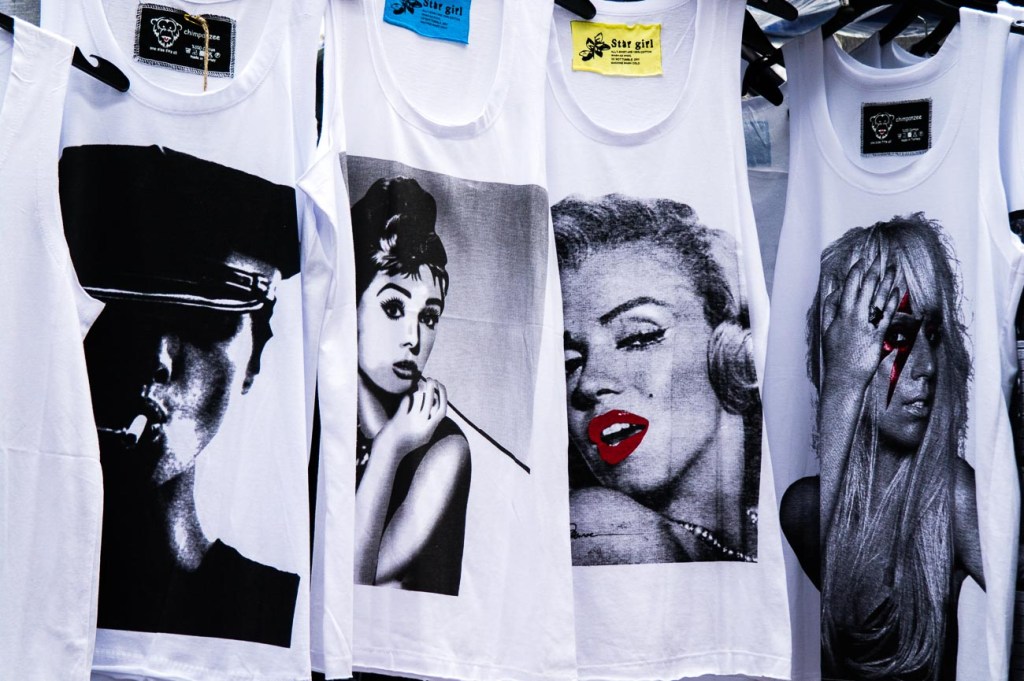
Can’t say I’ve cut my fingers when I’ve turned on my camera as Spoon did in 2005 in a song called, unexpectedly, “I turn my camera on”.
I have, though, been in the embarrassing position of not being able to turn on a feature I was looking for and consequentially lost the moment.
That’s why it’s so important to know how your camera works and what features you need
So, the next in my series on features to have on your camera comes in two sections
4 features you must have on your camera
8 more features to have on your camera
At the end of the series (there’s one more to go), if you haven’t had time to read them all, then you can scroll to the bottom of the last post and get all four in a PDF.
Don’t forget even if you are not in the market for a new piece of kit, these articles apply to your existing camera or even Smartphone.
So, I hope you get something out of these.
Feel free to pass onto anyone you know who may get something out of this.
And why you are feeling free, let me know your thoughts on what else is a challenge for you in marketing and photography?
Just comment below and I’ll get your response straight into my inbox.
OK bye for now and talk to you next time


 Katin Images Travel Photography