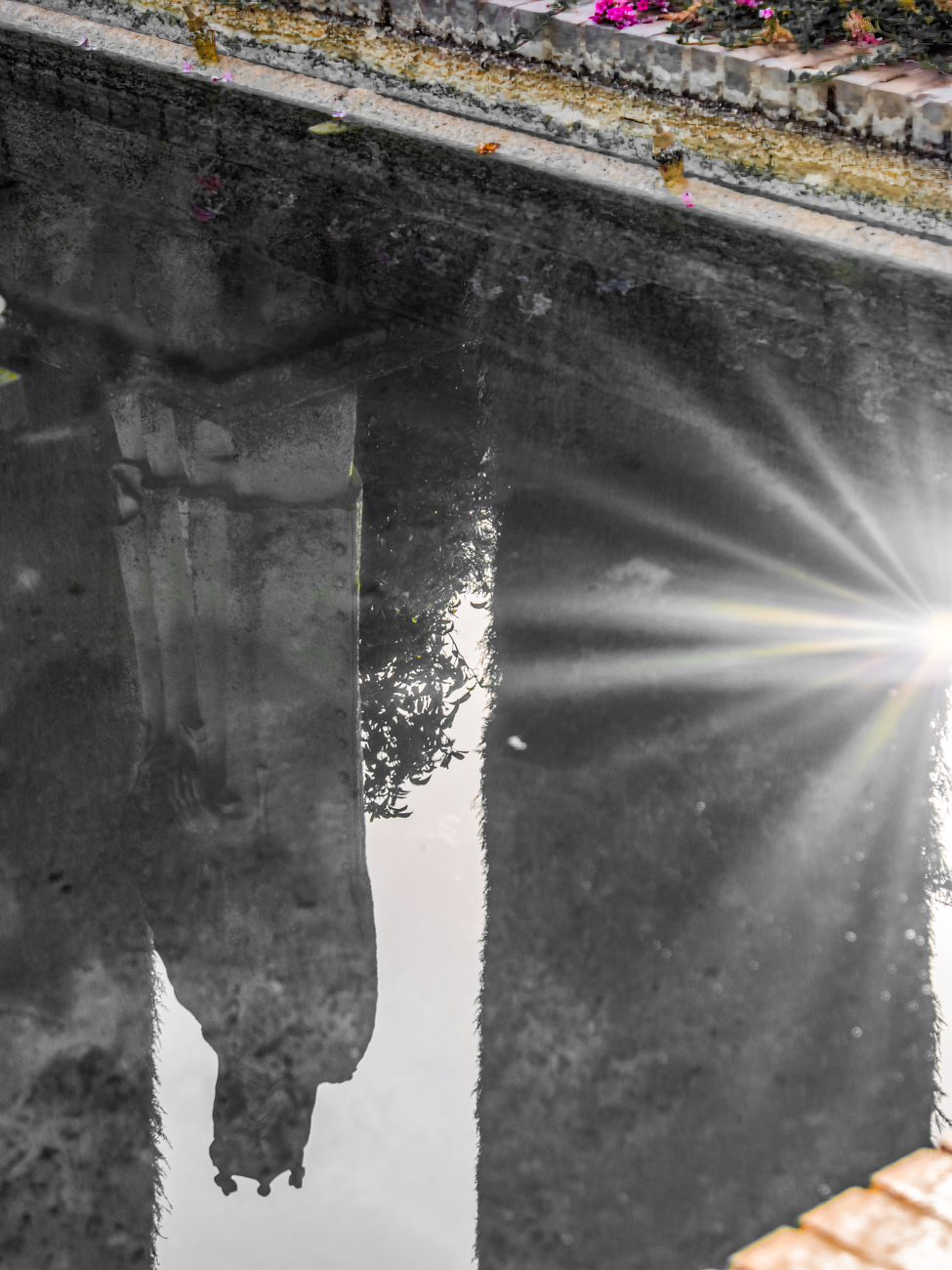
The pond at the Alcázar de Los Reyes Cristianos in Córdoba, Spain with a reflection of the statue of Christopher Columbus.
The Alcázar de Los Reyes Cristianos or Castle of the Christian Monarchs is refelection of the areas history. Roman and Visigoth ruins lie side by side with Arabic remains in this magnificent building, which was once the favourite residence of the different rulers of the city.
Audi had arranged a local tour guide to take us on a game drive into Chobe that afternoon and then a game cruise along the Chobe River the next morning. Our new tour guide didn’t show for a while and in his absence, led by yours truly, we organised with the agents at Tebe camp, where we were staying, to swap the two tours around. After all, watching the sun go down on the water from a boat surrounded by animals sounded much more romantic than being stuck in a vehicle. Not too mention that early morning is a better time to go for a game drive.
Andre had now left us and returned back to Ngepi. He had done all right for his first time; nothing had been too much trouble and had often bent over backwards to make us comfortable. Humble that he was he was also a nice guy with it. The poor bloke was also just a little bit emotional when he left.
Our new guide was a different animal!
Chris was an Ethiopian brought up in Sweden (we actually thought that he was bullshitting when he told us that but we found out much later that it was true). With his long platted Bob Marley look alike hair and a fairly relaxed and casual attitude to his job; he was also an ‘expert’. Now I know he’s meant to be an expert certainly as a tour guide but I mean he knew it all and there was no doubting that the most important thing in his life was whatever worked for Chris. Which is why he was not too happy that we had rearranged the schedule. But we held fast despite his efforts to convince us otherwise.
The cruise was pretty bloody good!
From the boat we could see elephants and buffalo on the shore and hippos in the water, watching us with those beady eyes that live just above the surface, not to mention the abundant bird life.
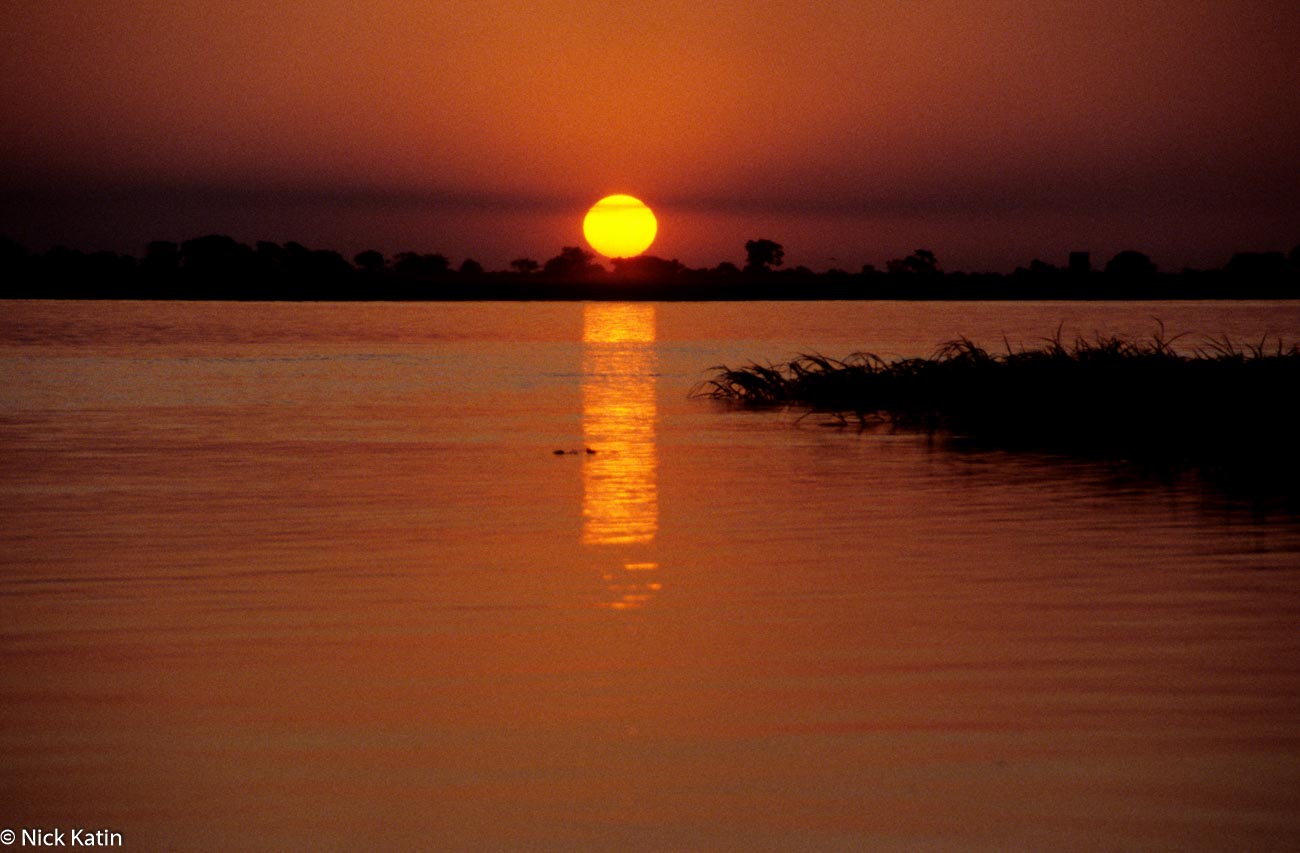
The most impressive sight, though, was the sunset that seemed to happen just at the river edge. At home, in Perth, we get some pretty awesome sunsets over the ocean so when I say the Chobe sunset was pretty bloody good; I mean it ‘was’ pretty bloody good. I shot off a few shots after Sue had made the suggestion. One of these shots sits proudly on our dining room wall and when anyone remarks on it, Sue turns to me and says with great satisfaction “and you never wanted to take it!”
Driving through Chobe early the next morning was a totally different affair. Safari trucks are open in the back and at 5.45 am it was bloody freezing. Obviously the animals thought so as well because none of them were anywhere to be seen. We drove around for around an hour along dusty sandy tracks with Chris barking instructions to the driver up front and scratching his head as to why we hadn’t seen anything yet. The night before despite our rearrangement of the final leg of the tour, he had promised us an abundance of wildlife and so far his promise seemed to be pretty empty. Two lionesses saved his embarrassment. They were chasing a squealing warthog 100 metres away across a water channel. We stopped and watched as the two got closer to their prey that was running at great speed first one way then another. I turned to look behind us and to my amazement saw another interested onlooker, another lioness, a mere five metres away peering around our vehicle in effort to see what her mates were up to. We had unknowingly parked right in front of her!
After that the wildlife just kept coming! It was as if someone had sounded the wake up call because everywhere we went we saw something. A herd of buffalo chewing and nonchalantly looking at us quizzically, two hippos wondering around on the river bank, kudu and impala springing away as we neared.
Back to the water channel and we just caught sight of two of the lionesses walking away into the bush. We drove on back towards to the park gates and our campsite and then suddenly around the next bend, as surprised as us, were all three lionesses walking across the track and within spitting distance of the truck.
More buffalo and a crocodile were spotted near the waters edge and then reluctantly our time was up.
Chris was crowing. “See, I said we would see lots this morning” he said in his sort of British, Swedish and African accent. My remainder that it was actually our idea to do this early morning game drive was totally ignored as he continued to crow all the way back to camp.
If you like this then hit “follow” on the side bar
Sunset on the Chove River in Chobe National Park, Botswana
We now on our way to Halali, the next rest camp that was 70 kilometres away, which should only have taken us around hour but this place was teeming with animals. Every waterhole had an abundance so we didn’t end up getting there until after midday some 4 hours later!
This wildlife viewing slows you down!
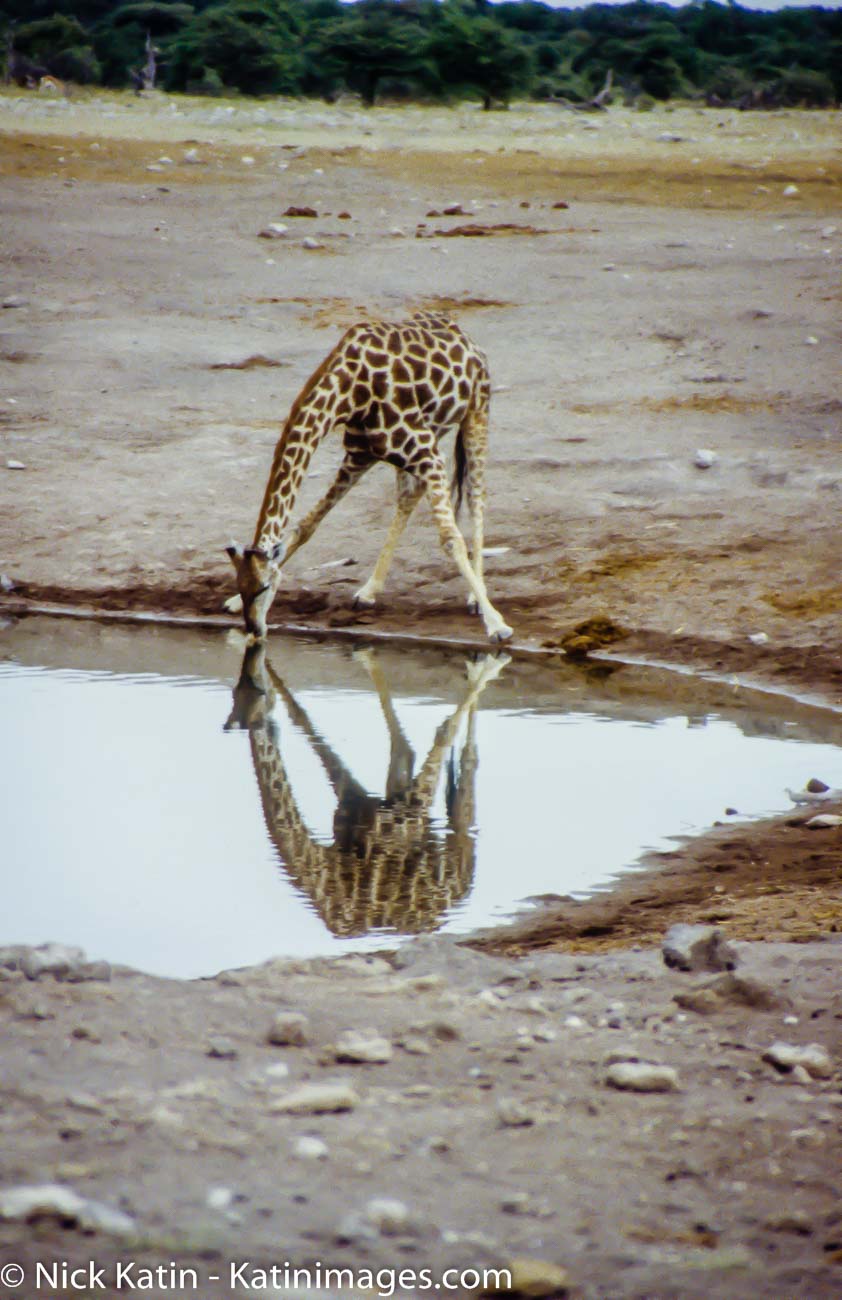
But how can you hurry when a big herd of elephants turn up at waterhole that you’ve been watching for a few minutes or two or three giraffes bend over, legs splayed, to have a drink.
At Halali we were back to camping after the dubious luxury of a chalet at Okaukuejo. It was fine, a bit dusty but there weren’t many other happy campers, so it was quite quiet.
That was until an overlander with at least 20 people hanging off it parked next to us. Needless to say we didn’t get much sleep that night.
Halali also had its own waterhole and that evening we saw a three black rhino again. We tried to work out whether it was the same three we had seen at Okaukuejo the previous evening. It seemed almost impossible that three rhino (one was a baby) would walk 70 kilometres in a day but who knows! As they lapped away at the water, a lioness and a couple of hyena appeared. They didn’t hang around long! One of the rhino continually went for them so that eventually they got the hint that they weren’t welcome to join the rhino family for a drink.
Our morning game drive yielded more lions again. How boring! There were three males strolling down to Salvadora waterhole obviously thirsty and possibly hungry. We hung around for a while but they just found a shady tree and slept.
Lions actually sleep or rest for around twenty-one hours a day, leaving just three hours to hunt and eat. It’s a little known fact that they actually have a very low kill hit rate but one decent kill can last them for almost a week. Of course these three guys probably weren’t thinking too much about actually hunting that’s a predominately female occupation. They actually looked like they were having a boy’s day out, a bit of strutting and a few drinks and whole lot of sleep.
We had the same distracting problem getting to Namutoni the last of the rest camps in the afternoon, which again is 70 kilometres away. Elephant, giraffe, gemsbok, etc all appeared from time to time at different water holes.
Namutoni is home to the rather out of place Namutoni fort; a relic of German colonial days. Built in 1899 as an outpost for troops to control the Owambo people, it’s now tourist accommodation. In 1904 seven soldiers faced the impossible task of defending it against 500 warriors, needless to say they didn’t succeed.
Namutoni had its own waterhole but for some reason it’s not as popular with the animals as the others at Okaukuejo and Halali, even though it’s a lot more picturesque. Still we couldn’t really complain we had seen a cheetah close up and fifteen giraffe on our late afternoon game drive earlier.
It was time to leave Etosha. It really was an experience and great value for money in comparison to some of the other game parks in Africa. US$22.00 per day for a chalet and US$13.00 per day for a camp site including all the game viewing you can cram in during daylight hours is pretty good. Especially when generally speaking there’s so much game around.
If you like this then hit “follow” on the side bar
A giraffe takes time out to have a drink at a watehole in Etosha National Park in Namibia
I guess we all complain about where we live at one time or another. As some of you know i live in Perth Western Australia and like everyone else you become blasé about your surroundings. Matilda Bay is a small bay that is a part of the Swan River and from there you get a great view of the City and river.
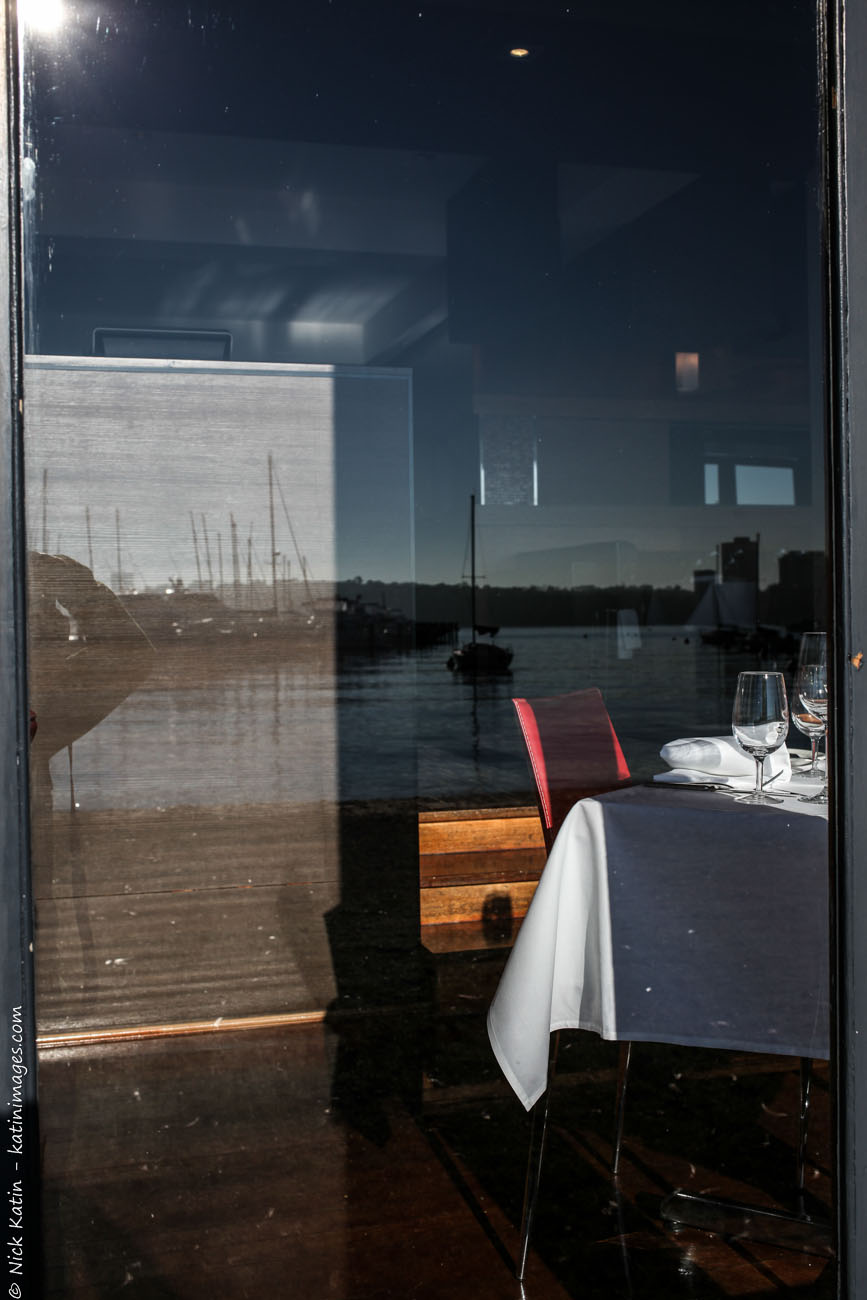
Near the water’s edge is a restaurant, café and a couple of Yacht clubs. In fact, for those yachting aficionados, the famous Royal Perth Yacht Club is one of these. RPYC was the Club that won the America’s cup in 1983 after the New York Yacht club had successfully defended it for 132 years, the longest winning streak in sporting history. This image is a bit abstract but you can see the yachts in the reflection.
Reflections from the restaurant at Matilda Bay part of Perth’s Swan River in Western Australia
To see a larger image or to see purchase options click on the image
Prior to visiting Alaska I had seen plenty of glaciers but always in mountain regions. I had never seen a Glacier that flowed out to water.
About 72 km’s from Juneau is Tracy Arm fjord. 48 km long and with one-fifth of it’s area covered in ice as well as, during the summer, it has a considerable amount of floating ice ranging from hand-sized to pieces as large as a three-story building.
This ice comes from the twin Sawyer Glaciers which are about 500 metres across and ‘calves’ off chunks of ice as tall as the aforementioned three story building.
For more pictures of Tracy Arm go to Alaska
The Sawyer Glacier at the end of Tracy Arm on the Gastineau Channel, Alaska
To see a larger image or to see purchase options click on the image
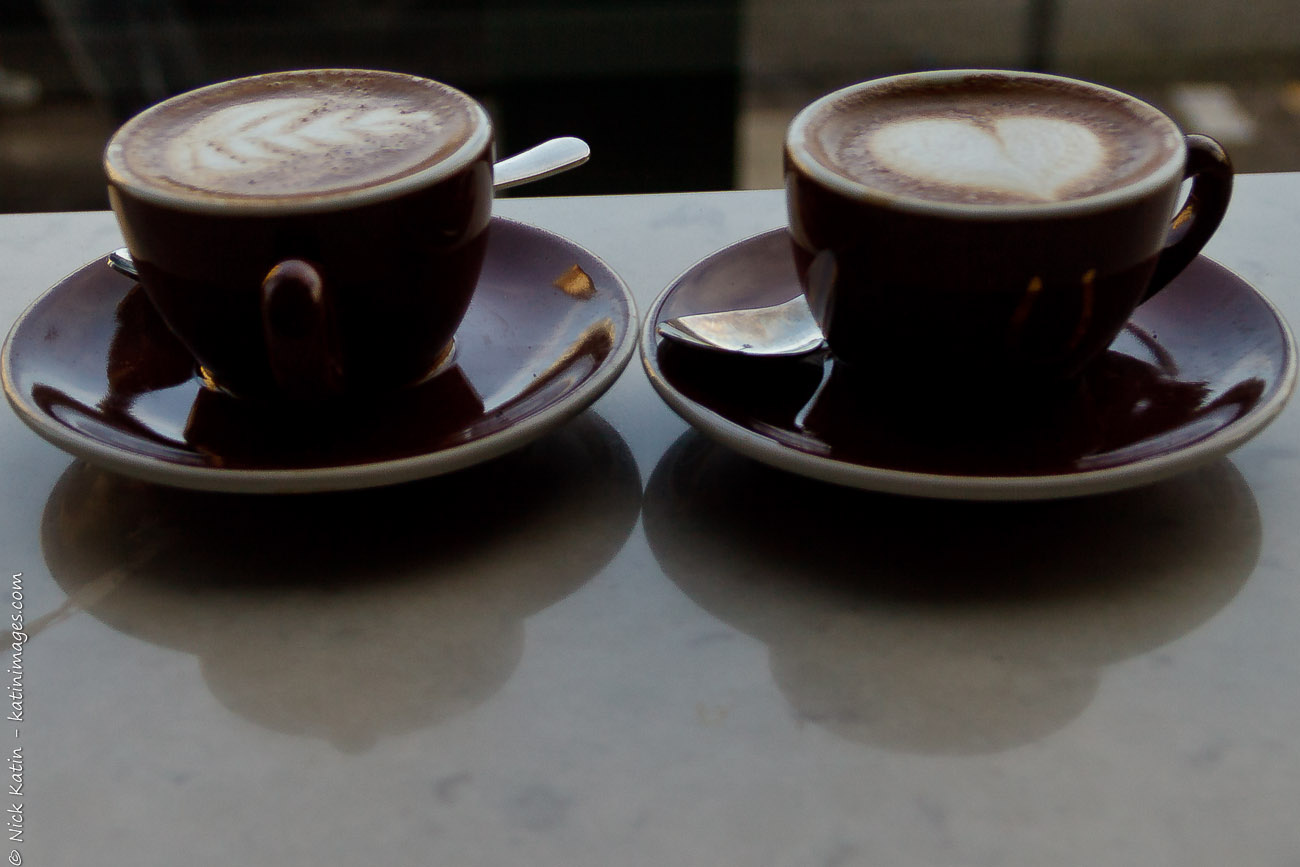
Despite it’s more famous neighbour to the north having a reputation of the best coffee in North America, Portland coffee shops are not so bad either.
When I mean coffee I mean espresso, not the stuff that’s so common in the USA, that sometimes tastes like it was made last week.
So if you go to Portland and want to taste some good coffee then do your own tour of some of the most popular local Portland coffee shops.
Each Portland coffee house is unique and worth a visit while pouring over a magazine or local paper, or just people watching. Try Stumptown (where this photo was taken), Barista, The Albina Press, Fresh Pot, and the Red e Cafe, just to name a few.
Milk art coffee Stumptown coffee house, Portland, Oregon, USA
To see a larger image or to see purchase options click on the image
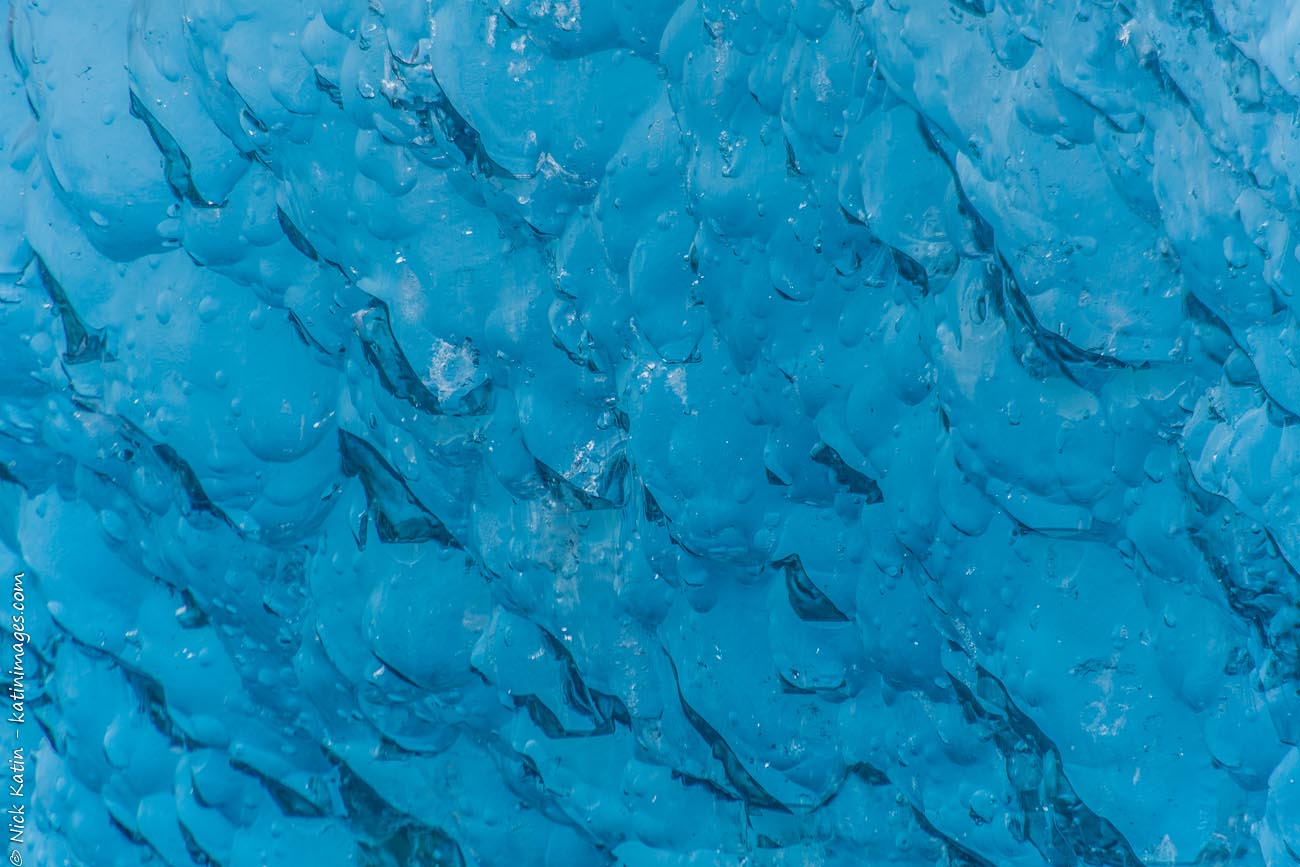
Ice calving is the breaking off of big chunks of ice at the edge of a glacier. It is the sudden release and breaking away of a mass of ice and often makes a huge cracking noise.
This is a close up of floating piece of ice that had only moments before come away from the huge Sawyer glacier found at the end of Tracy Arm located off the Gastineau Channel south of Alaska’s capital Juneau
Whilst I had seen Glaciers before in the mountains to see one at the water’s edge and changing in front of my won eyes was pretty amazing!
New ice after Calving at the Sawyer Glacier in Tracy Arm on the Gastineau Channel, Alaska
To see a larger image or to see purchase options click on the image.
So let’s just recap on the tips 5-9: No 5 was a recap of the previous 4 which were briefly: 1. keep your camera on, 2. Turn off the flash, 3. Use auto ISO, 4. Avoid Camera shake by using the viewfinder if fitted or if not, by tucking those arms in.
So number 6: Select a tripod to suit your camera and lens and invest in a cable release or use the timer.
7. Don’t think that because someone has an expensive camera that they will create great images – it’s not the gear that makes great art but the person behind the camera.
8. Use RAW if you want great images but only if you are prepared to invest some time in front of the computer
9. Use JPEG if you don’t want to spend time in front of the camera, can’t afford big memory cards or need speed for quick successive burst shooting.
There are numerous other tips I could give but I’ll stop there and as from next week I will post my top 10 travel photography tips. However feel free to ask me a question on taking photos. I may not know the answer but I’ll probably know where to find it! Ciao
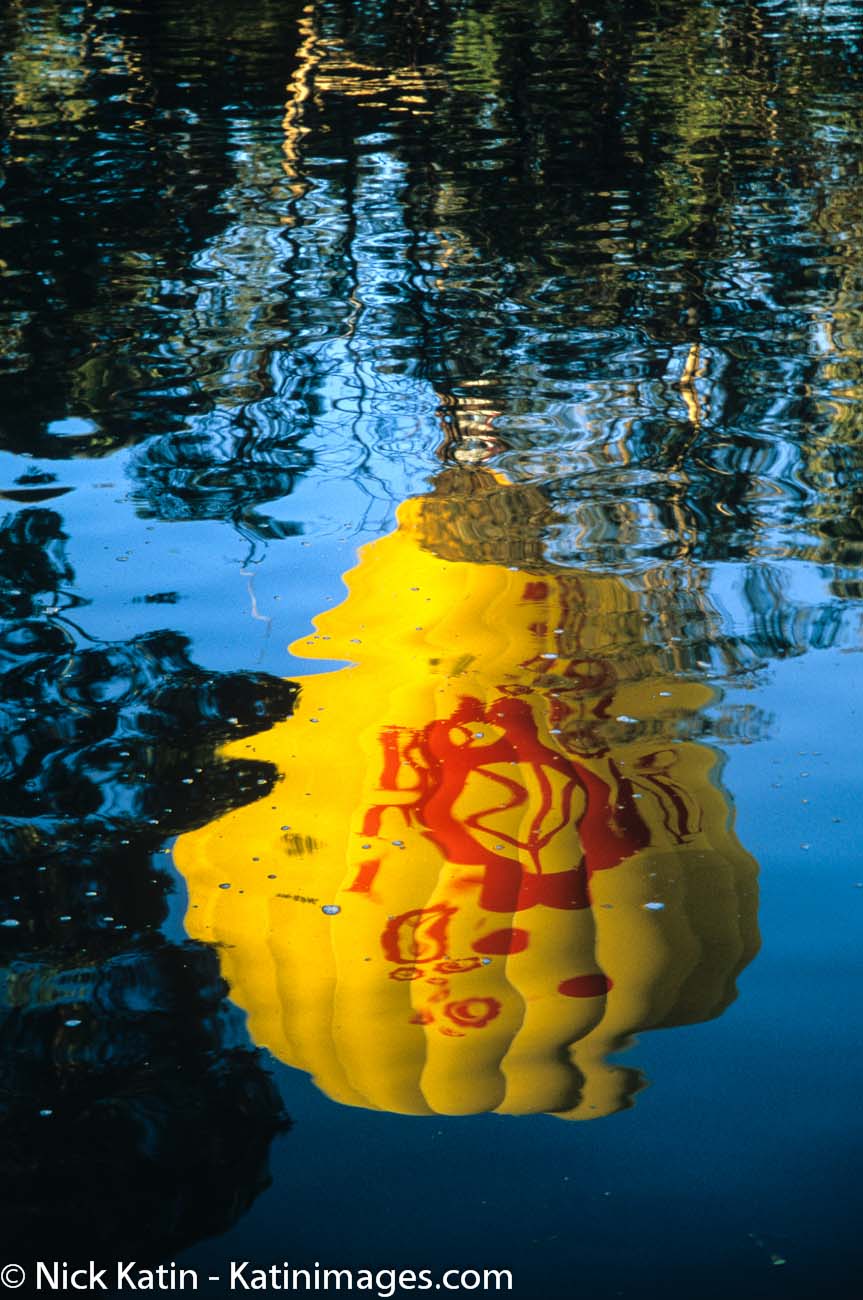
Yellow Balloon reflection on the Yarra river in Melbourne Australia
Want to put this on your wall or licence or share this photo email or contact us
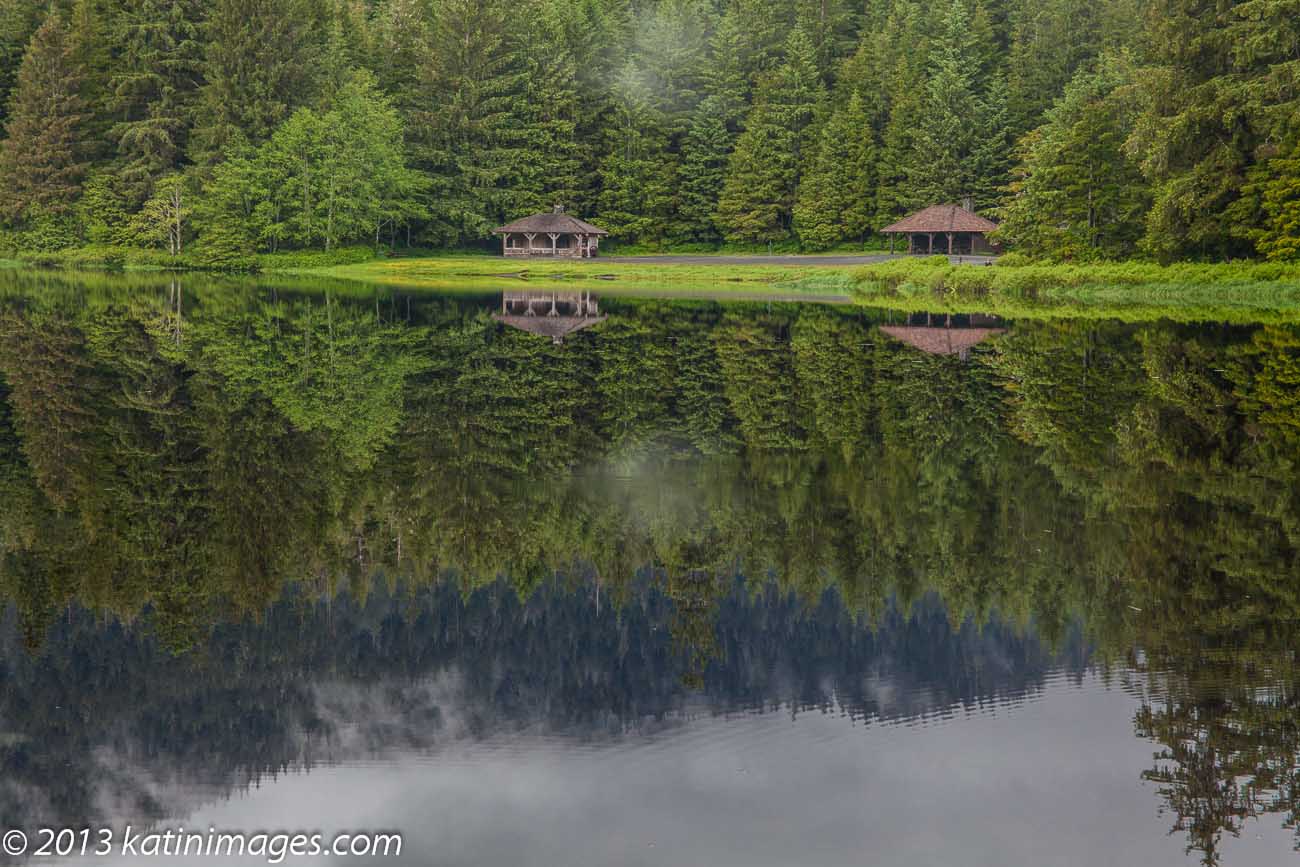
When we picked up a rental car in Ketchikan, the rental company owner wanted to take us out to this remote Lake about 18 kilometres out of town, insisting that it was one of Ketchikan’s hidden gems and great for a short walk. He was a bit of character and regaled us with his stories of his first time in Europe and other personal stories but once he finally left we discovered he was probably right. You can see from the ISO I used that the light was quite dim. 1/80 @ f16 73mm ISO 800
Ward lake near Ketchikan on the Alaska marine highway and inside passage.
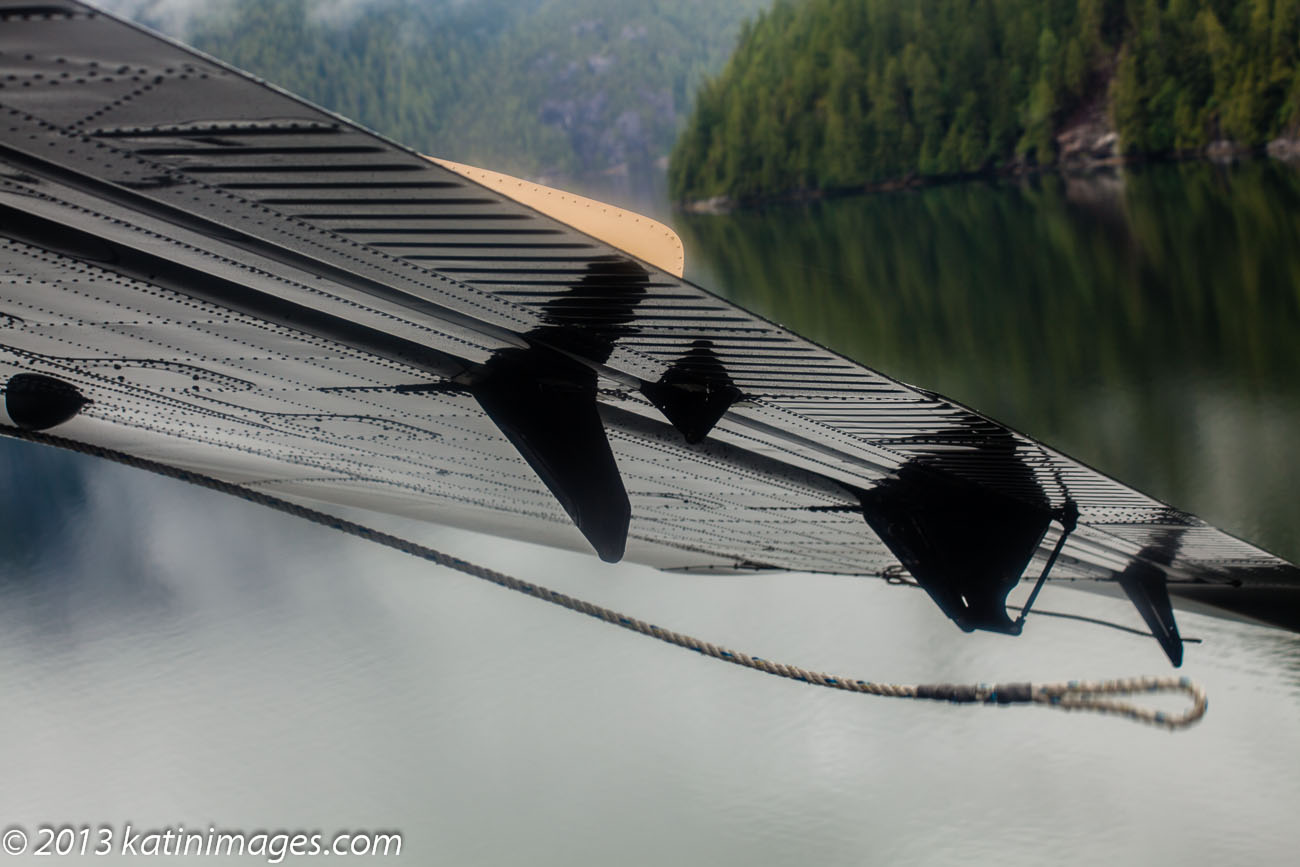
One of the great tourist activities in Alaska is going on a scenic fight. On the Alaska Panhandle (the bit that runs South east alongside the Canadian border) is the Misty Fjords National Monument, an area of, yes, you’ve guessed it Fjords. We flew from Ketchikan, the closest town, on a DeHavilland Otter seaplane. This one flew over the top and through the Fjords before landing on a lake and then back. The weather in Ketchikan was gloomy with drizzle and low cloud, so we were sceptical when the tour company told us that once you get away from the coast it would be clear. But they were right, well half right, there was still a bit of low cloud but it didn’t detract from clearly seeing some sensational scenery! 1/100 @ f8 75mm ISO 100
Flying above the Misty fjords near Ketchikan on the Alaska marine highway and inside passage.
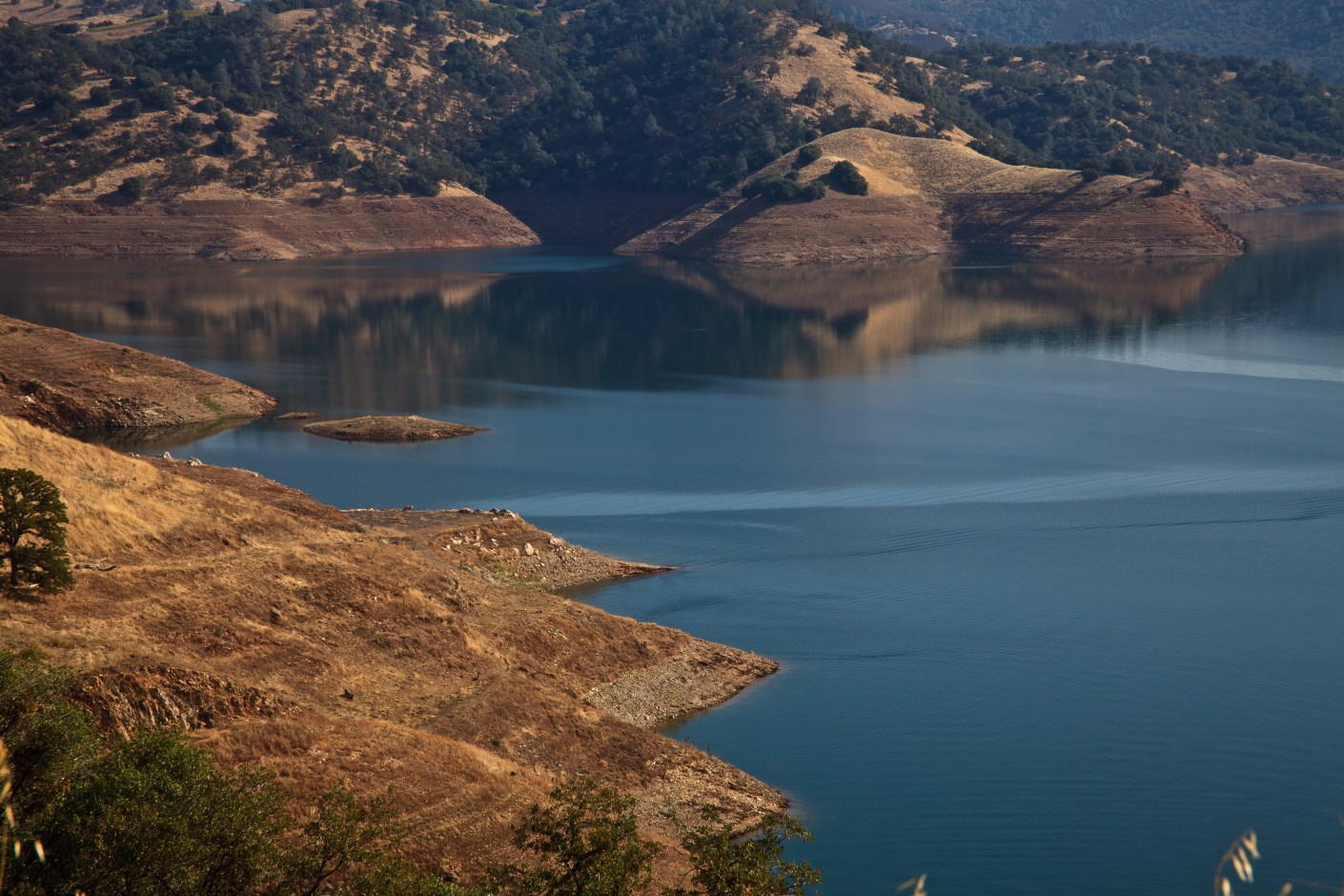
On the the Golden Chain highway that sort of runs from Sacramento south to Yosemite is an area of lakes and reservoirs. This particular patch of water is part of the very large Don Pedro reservoir that snakes close to the road so we were able to get a close look at it. As it was reasonably early in the morning I took a punt on leaving the polariser off so that I didn’t interfere too much with the reflections. 1/100 F16 85mm ISO100















 Katin Images Travel Photography