Katin Images Travel Photography

Travel Photos, Travel Photography Tips and Software

Tag: new camera

  • Buy a Camera in 15 minutes with these 5 Questions

    Buy a Camera in 15 minutes with these 5 Questions

    Buying any sort of technology whether it be a phone, a TV or in this case, a camera, can be mystifying in a lot of cases and more importantly, time consuming.

    But it doesn’t have to be.

    Ask these questions and you have a fair chance of coming away with a decent camera from a camera store. Note that I said camera store not online store. Sure, you can still buy it from Amazon or B & H or any online store but as with a TV you really want to ‘try before you buy’. Cameras are personal and if doesn’t feel right it won’t help you take the sort of photos you want.

    All these questions are for you to answer not the camera store salesperson or online forums, facebook groups but you.

    1 What are you going to use it for?
    Are you are a business looking to take product picture.
    Are you in the travel industry and looking for a general all-rounder for travel pictures?
    Do you just want to use it for your blog?
    Do you also want to take pictures of your family?

    You get the point.


    Buy a Camera in 15 minutes with these 5 Questions


    Buy a Camera in 15 minutes with these 5 Questions
    The High Line Walk Way in New York

    2 What’s your budget?
    Whilst the camera is not always the main reason for taking great photos it does give flexibility and that flexibility is usually but no always proportional to the amount of you want to spend.
    Don’t get into financial stress over it but don’t scrimp if you can afford not to.

    3 What size camera do you want?
    Cameras come in all sort of shapes and sizes. If you’ve been used to using a smartphone then buying a DSLR may not suit. The camera is big and the lenses quite heavy.
    So maybe a top end compact or a mirrorless camera may be better. If on the other hand you’ve had a DSLR but it’s a bit old in the tooth then consider a Mirrorless. It also depends how mobile you want to be.
    Do you have an existing interchangeable lens camera that you want to upgrade?
    In which case you will want to keep to the same brand if possible.

    4 Are you the only one going to use it?
    If one of your staff or another member of your family are also going to use it then it may be worth getting their input as well. On the other hand, that could also confuse the issue so think this one through first.


    Buy a Camera in 15 minutes with these 5 Questions
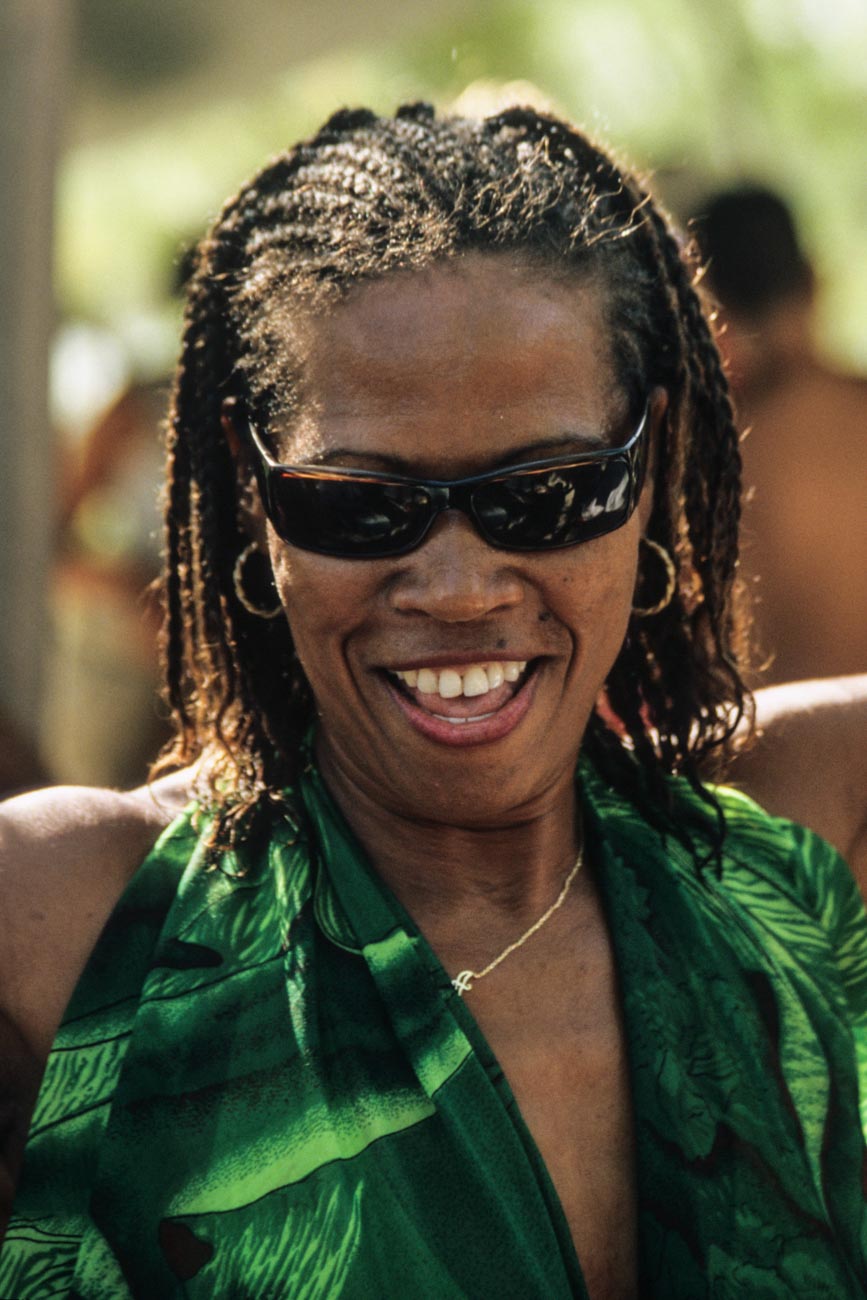
    Cigar smoking fortune teller near Catedral Plaza, Havana


    Cigar smoking fortune teller


    5 Are you going to buy more than one lens?
    Nearly all interchangeable lens cameras come with a ‘kit’ lens which is usually enough to get you started. You can always add to it later

    So that’s it. All you need to do now is to go into a camera store and say  the following for example:

    I want an camera with an interchangeable lens,
    that’s light,
    than can be used for portraits that will be used commercially and
    that I only need one lens for.

    Try it out. It’s much quicker and better to ask yourself these questions than spend hours of research on the net and then be totally confused.

    You can change your mind once you get into the shop but I’d try and be certain as you can before looking at different cameras so that you can keep on point.

    For more on buying a camera please go to:

    BUYING A NEW CAMERA? THEN READ THIS

    You may also want to download my free Camera Features Guide

    Thanks for reading

    Post any comments below. I’d love to hear them.

    And do us a favour! Please share any way which works for you.

    If you want more like this then please subscribe below and you will get a free guide on how to improve your photography.


  • Buying a new camera? Then read this

    Buying a new camera? Then read this

    Once upon a time I had zero interest in photography but as we were going on the trip of a lifetime I figured I should get a ‘decent’ camera.

    I went to a local camera store and spoke to the guy there who had been to some of the places we were intending to visit.

    He came up with a camera and a lens and a couple of other bits like a couple of filters etc. and said this what you need and it’s going to
    cost you $1000.00.

    So, I bought it and got hooked on photography.

    Now was that the best camera for me?
    Could I have got a different camera cheaper but with same quality?

    Possibly.

    Now, granted this was pre-internet and digital cameras, so research was a lot more time consuming. New camera models didn’t get
    released every 6 months or so as they do today.

    But I trusted him and I guess it did the job.

    But 18 months later I had upgraded and had a top of the range camera and sold the original one at a second-hand photo market.

    So maybe it wasn’t the right one.


    What you shouldn’t do


    Since then I have bought many cameras and used them for various applications.

    In doing that I have developed a fairly simple set of questions to ask when buying a new camera.

    Let me go over what most will do when buying a camera.

    First, they spend hours trolling through reviews and checking places like Amazon or B & H for the best price. 

    Then they may go into a camera shop and screw the salesman into giving them the best internet price.

    Then they buy and off they go. 

    Alternatively, they buy online if they couldn’t get the deal they wanted at the bricks and mortar shop.

    What’s wrong with that?

    Well most people wouldn’t buy a car that way or even a TV.

    Buying it that way means that the camera ends up sitting on the shelf unused. And then they blame the camera manufacturer or
    salesperson for making the damn thing so complicated.

    You see everybody is different when it comes to comfort levels and abilities (and lots of other things as well, of course).

    How do you know it’s the right camera for you? If it’s sitting on your shelf unused it’s not the right camera!
    Buying a new camera? Then read this

    The Smartphone factor

    I know a lot of people have gone for the convenience of using their smartphone instead so the camera they originally bought is
    now redundant.

    Don’t get me wrong I’m not against smartphone cameras, I use mine all the time.

    But there are lots of applications that a smartphone won’t pass muster on. That’s a future post I think.


    What you should do


    Here’s my system

    1 Be clear on what you are going to use it for.

    Here’s some questions for you to answer:

    Q Do you want images with Bokeh (where the background is blurry but the subject is in focus)?

    A For best results get a full frame DSLR or Mirrorless (not many Mirrorless have full frame) with a ‘fast’ lens. What’s a fast lens?
    Well a lens that has a small f stop number of say F3.5

    You could also get crop sensor camera with an ‘fast’ lens but it needs have a low F stop number of at least 2.4

    Q When would you use it?

    A Taking product shots or maybe portraits of your employees or yourself


    Buying a new camera? Then read this


    Q Are you going to take action images

    A You will need a camera that has a high number of FPS (frames per second). Depending on the action 6FPS should do but you
    can go as low as 4FPS

    Q When would you use it?

    A For freezing motion or multiple shots of an action scene (see examples)

    Q Will you be taking workplace shots

    A The good news on this is almost any camera will give you images of people in the workplace. However, you may want to go for
    one that has a reasonably high MB (Mega Pixel) if you are using this for print publications.

    12Mb is the lowest you would go.

    Q When would you use it?

    A Taking groups of workers either in posed or casual situation depending on the sort of image you are trying to portray.

    Q Will you be taking Landscapes

    A You can take Landscape images with pretty much any camera including the smartphone. However, if you want good quality and
    flexibility then an interchangeable lens camera with a wide-angle lens that will go at least as wide as 24mm (in 36mm).

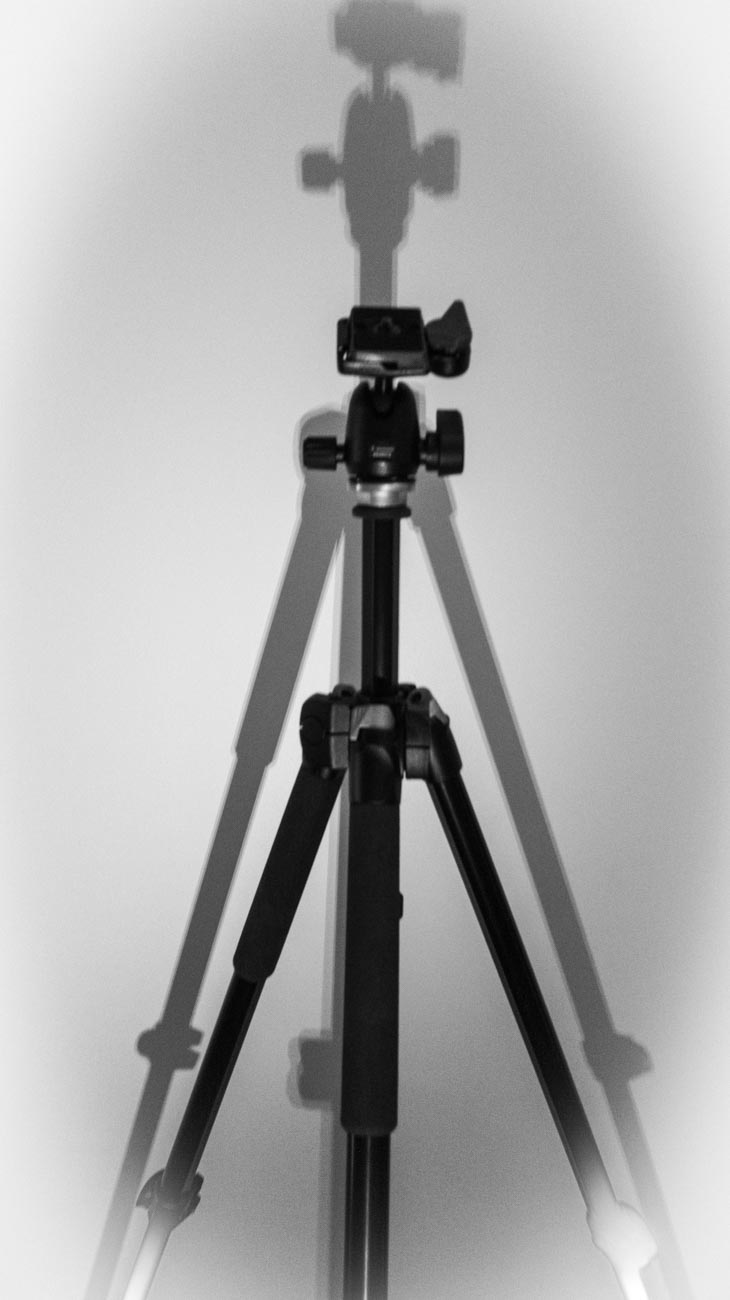
    You’ll also need a tripod.

    This is because to get a Landscape in focus you usually need a high F stop number. A high F stop number reduces the amount of
    light and therefore will increase the chances of camera shake blur.

    Q When would you use it?

    A Plenty of examples out there for using Landscape images.

    Wineries or Breweries in scenic areas. Restaurants, Accommodation etc. etc.

    Anything that needs a sense of place and a scenic backdrop
     

    Buying a new camera? Then read this


    2 How much can you afford?

    Pretty obvious I guess but worth mentioning anyway.

    No point taking out a loan or getting into debt over a camera.

    Especially if it’s your first one.

    After all you may decide that it’s not for you and it gets consigned to the shelf in your office with lots of other redundant tools.

    You can get a pretty decent mirrorless or even a DSLR camera for less than a $1000 including lens.

    3 Try before you buy

    This is the most important factor. Your comfort level with any device will determine how much you use it and what you will get out of it.

    Go into a camera shop and test drive cameras within your budget that will give you the features you want, decide on the most
    comfortable and buy it.

    Does the grip feel good?
    Is it easy to turn to portrait or vertical mode?
    Does the weight seem too heavy, too light or just right?
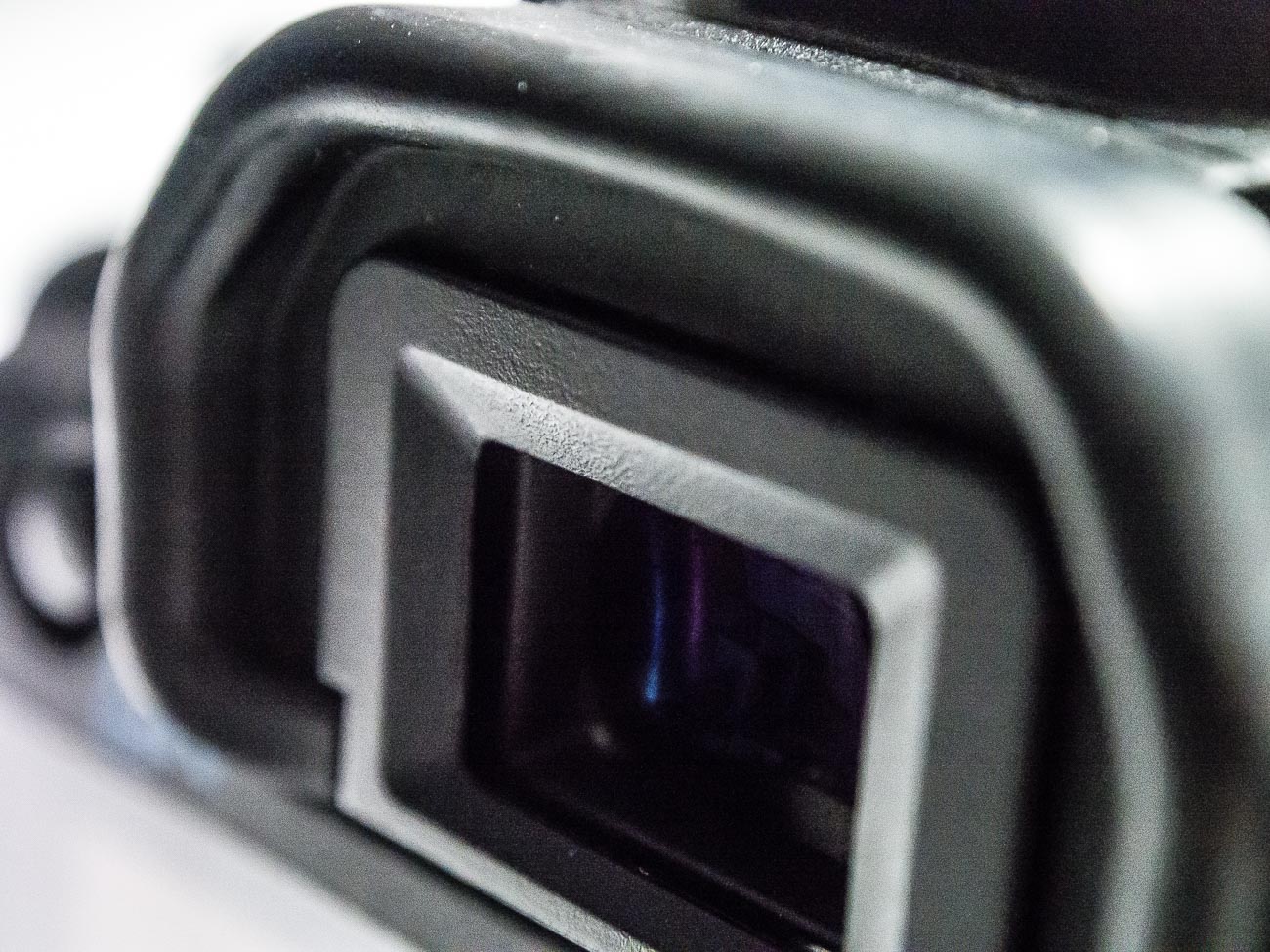
    If it has a viewfinder, does that fit comfortably against your eye?
    Can you see anything trough it?
    Is the rear screen easy to see? How easy is it to see when you are holding it?
    How easy is it to adjust the dials and access the menu/s?

    Now I know some of you will try before you buy in the shop and then jump on the web and buy from the cheapest online outlet.

    But just remember you wouldn’t be able to test drive it if the shop didn’t exist.

    By all means shop around online but a least give the shop an opportunity to match it or get into the ball park.

    So to summarise do yourself a favour and ask these 3 questions before you decide which camera to buy:

    1 Be clear on what you are going to use it for.

    2 How much can you afford?

    3 Try before you buy

    As an example there is no point getting an expensive DSLR that will give you those ‘bokeh’ shots (where the background is all blurry)
    if that’s not how you are going to use it.
    You’re just wasting your money.

    Likewise, no point in getting a small compact or smartphone if you do want that ‘bokeh’ because you’re not going to like the results.

    There are other questions that could be asked but let’s not confuse the issue too much.

    If you want to know more then go to these posts:

    The essential feature to have on your camera

    4 features you must have on your camera

    8 features to have on your camera

    The 6 features you don’t need on your camera

    You can get these all in a PDF by going to Camera Features Guide

    From a stock photography point of view then this post may also be worth reading:

    A Basic Stock Photography Equipment List

    Be really interested in any comments you have. Just drop them in the section below.


  • Four features you must have on your camera

    Old Spitalfields market East London, England

    “I turn my camera on, I cut my fingers on the way”

    Can’t say I’ve cut my fingers when I’ve turned on my camera as Spoon did in 2005 in a song called, unexpectedly, “I turn my camera on”.

    I have, though, been in the embarrassing position of not being able to turn on a feature I was looking for and consequentially lost the moment.

    That’s why it’s so important to know how your camera works and what features you need

    So, the next in my series on features to have on your camera comes in two sections

    4 features you must have on your camera

    8 more features to have on your camera

    At the end of the series (there’s one more to go), if you haven’t had time to read them all, then you can scroll to the bottom of the last post and get all four in a PDF.

    Don’t forget even if you are not in the market for a new piece of kit, these articles apply to your existing camera or even Smartphone.

    So, I hope you get something out of these.

    Feel free to pass onto anyone you know who may get something out of this.

    And why you are feeling free, let me know your thoughts on what else is a challenge for you in marketing and photography?

    Just comment below and I’ll get your response straight into my inbox.

    OK bye for now and talk to you next time

  • 8 features to have on your camera

    8 features to have on your camera

    “*I Still Haven’t Found What I’m Looking For”

    This follows on from my previous posts:

    The essential feature to have on your camera

    and

    4 features you must have on your camera

    Over the next few weeks I’m going to suggest some essential features you need to consider having when you are in the market for a new camera or even mobile phone with a camera.

    At the end of each feature I’ll give a rating out of 10 – 10 being must have.

    At the end of the series if you haven’t had time to read them all then you can scroll to the bottom of the last in the series and get all four in a PDF.

    1. Being able to turn off Flash. 

    Controversially I used to rarely used flash, preferring natural light.

    Yet the degree of control some of these cameras allow you to have over flash means that it can be used to enhance daylight and improve the image.

    So I use it more and more these days.

    There are options to use flash in several different ways, Fill in, Slow, Red Eye reduction, Auto, Off or On etc.

    But it’s the option to be able to turn it off especially if the camera comes with an inbuilt flash that’s really important.

    Speaking of inbuilt flash. Avoid using them as much as possible.

    The ideal flash should be off camera. Something I’ll discuss in a future post.

    Rating: On camera flash 4/10. Turn off flash 10/10

    2. Focus targeting

    Another option again almost universally supplied is focus targeting.

    Looking through the viewfinder and the rear screen you can bring up a rectangular or square grid of around 30 boxes that you can select to use as a focus target.

    Options usually include single, selected groups or all targets.

    Rating: 6/10

    3. Exposure Compensation

    Exposure compensation is great!

    The ability with just a twist of a dial to alter the exposure or brightness without having to alter the aperture or shutter speed that you’ve already set is extremely handy.

    Of course it has to adjust something so it should only be used for small incremental changes.

    Rating:10/10

    4. Metering

    Metering, whilst another handy option to have, is not used much.

    I think that’s because it’s not understood by most camera buyers.

    That too is a post for another day but suffice to say it’s a must have for the future.

    Rating: 7/10

    5. Image Stabilisation

    Many years ago I met a photographer who was taking clear and sharp images of wildlife at dusk without a tripod.

    That was my first introduction to image stabilisation.

    Basically it compensates for camera shake caused by slow shutter speeds and is a must have.

    Initially they were only available on the lens but nowadays most cameras have it inbuilt. So now you don’t have to worry about what lens to use.

    Again a must have.

    Rating: On camera 10/10

     6. AEL/AFL Lock

    (Auto exposure Lock/Auto Focus Lock)

    I use this option all the time. The ability to be able to lock your exposure and/or focus is invaluable.

    How does work?

    Well usually there is a button on the camera that allows you lock the exposure and or the focus and then recompose.

    When would you use it?

    In lots of situations Landscapes, Portraits, Products, even macro work

    Rating: 10/10

     7. White balance

    What’s white balance I hear you cry!

    Well it’s on every camera these days so if you leave the setting on auto you don’t have to think about it. But (always a but) there are times when auto doesn’t get it right.

    For example, tungsten or fluoro lighting tend to confuse it a bit.
    That’s when you take it off auto and set it to appropriate setting like, duh, tungsten or flouro

    Rating: 8/10

     8. RAW Format (Image Quality)Pike Place markets in Seattle, Washington, USA

    One phrase that is somewhat misleading is the term “Image quality”. Used for having the choice of what format to use i.e. JPEG or Raw.

    I’m not about to expand too much on what the difference is but if you shoot in Raw then you will need to do some post processing whilst JPEG is mostly ready to go.

    That’s simplifying it but to do the argument justice I like to use the analogy of cooking a supermarket bought ready to go meal that you sling in the microwave (JPEG) against a meal that contains the raw ingredients you have bought at the local farmer’s market and prepared and cooked from scratch (Raw).

    The former is what you see is what you get (unless you can’t cook and cock it up altogether). Whilst the latter is a creation that you can manipulate to give you whatever flavour and presentation you like.

    Clear? Another future post maybe.

    Anyway most cameras will give you the option to select either and/or both and other variations.

    But the option to be able to shoot in Raw is a must, if not to use now but in the future!

    Rating: Raw Option 10/10

    So did you understand all that? I’m happy to clarify anything you’re not sure of.
    Just post in the comments section below. Don’t be shy.
    While you are at it why not subscribe for future updates here.
    You’ll get my free guide “Eleven easy ways to improve your marketing photography”.

    *U2, I Still Haven’t Found What I’m Looking For

  • 4 features you must have on your camera

    4 features you must have on your camera

    “*Been dazed and confused for so long it’s not true”

    This follows on from my previous post The essential feature to have on your camera

    Over the next few weeks I’m going to suggest some essential features you need to consider having when you are in the market for a new camera or even mobile phone with a camera.

    At the end of each feature I’ll give a rating out of 10 – 10 being must have.

    At the end of the series if you haven’t had time to read them all then you can scroll to the bottom of the last in the series and get all four in a PDF.

    1. Drive

    Drive selection is the option to select single, continuous or timer shooting.

    Single is one shot each time the shutter button is pressed, whilst continuous can be anything up to 15 frames per second (FPS) which is great for action pictures.

    The self-timer option is great for selfies, however it’s really handy if the self-timer has two intervals.

    A short, say 2 second, interval can be handy to use if on a tripod and low light instead of using a remote cable or wireless device.

    One thing to be aware of is that cameras these days are really mini computers and sometimes there can be a lag if you shoot in continuous, especially in Raw format due to the larger file size.

    Drive selection again is pretty much standard on most new cameras.

    Rating: 10/10


    2. Bracketingbracketing-colour

    I mentioned earlier that I’m a champion for getting the shot right first time in the camera, well bracketing helps this.

    Bracketing allows you to automatically take 3 shots of the same subject at different exposures, usually by one or half a stop each. I.e. aperture and/or shutter speed settings.

    So you take the shot at the setting you think is correct and the camera automatically takes another 2 or even more at different settings to make those images lighter and darker.

    Really handy when taking images of scenes or subjects where there is a lot of contrast.

    Some cameras allow you to bracket at different ISO, white balance and flash settings, which apart from the flash option is a little superfluous.

    Rating: Exposure bracketing 8/10 ISO, white balance and flash settings 3/10


    3. Viewfinder

    OLYMPUS DIGITAL CAMERA

    In the early years of digital cameras, very few had viewfinders thinking that everyone would migrate to the rear screen or monitor on the back of the camera.

    However, the exception to the rule was the DSLR which retained the optical view finder.

    Nowadays Electronic Viewfinders have come into their own and very good they are too.

    Why use a view finder at all?

    Why not the rear monitor?

    Well 3 reasons come to mind

    1. Camera shake is reduced. Holding the camera out from your body means it is a lot harder to keep still. 2. Competing light. Ever looked at the rear screen on a sunny day? You can’t see a bloody thing!
    2. Battery power. An LCD screen will always use a lot more power than a viewfinder either optical or electronic.

    But there are viewfinders and there are viewfinders.

    Just make sure it feels comfortable and that the frame is 100%, has a central view i.e. as if you were looking through the lens and not cropped.

    Rating: 10/10


    4. Shooting and viewing videos.

    This is usually on most cameras and is the future of online marketing.

    This is a whole article on its own so I won’t go too deep.

    I would say that at this stage the only recommendation is to ensure that the camera shoots in high definition (HD) at the minimum.

    A lot of cameras are now able to shoot in 4K but like 3D there are still limitations on being able to view 4K videos.

    That will change over time as it’s only a matter of time until 4K TV’s and Monitors will be more common as the price drops.

    Unfortunately, the image and video quality available is not yet matched by the audio quality that comes standard with most cameras.

    So make sure you buy a good microphone that’s compatible.

    Rating: 10/10

    So did you understand all that? I’m happy to clarify anything you’re not sure of.
    Just post in the comments section below. Don’t be shy.
    While you are at it why not subscribe for future updates here.
    You’ll get my free guide “Eleven easy ways to improve your marketing photography”.

    *Led Zeppelin sang this in (you’ve guessed it) Dazed and Confused in 1969.
    They could have been singing about how most people feel when shopping for new electronic equipment these days.

  • The essential feature to have on your camera

    The essential feature to have on your camera

    This follows on from my previous post Why selecting a new camera is like selecting a new date (or TV).

    Over the next few weeks I’m going to suggest some essential features you need to consider having when you are in the market for a new camera or even mobile phone with a camera.

    At the end of each feature I’ll give a rating out of 10 – 10 being must have.

    At the end of the series if you haven’t had time to read them all then you can scroll to the bottom of the last in the series and get all four in a PDF.

    When we were in the market for a new TV, we discussed all the different features and benefits with retailers and become absolutely confused by salespeople in different shops telling us something different about the same TV.

    For example, one would say this TV doesn’t have Freeview plus whilst another would say that it does.

    In the end I researched on each manufacturers website and even rang them to ensure that the information I had gathered was accurate.

    After doing that we went and bought the TV we wanted.

    So what about the features and benefits of a new camera?
    Well compared to TV’s I think there way more things to think about and personally I believe that there are too many features that are just not needed!

    So over the next few weeks I’m going to suggest some essential features you need to consider having when you are in the market for a new camera or even mobile phone.

    At the end of each feature I’ll give a rating out of 10 – 10 being must have.

    At the end of the series a free cheat sheet for will be available for you to have on hand when you need it.

    So let’s start with absolute must!!

    Mechanical Exposure controls
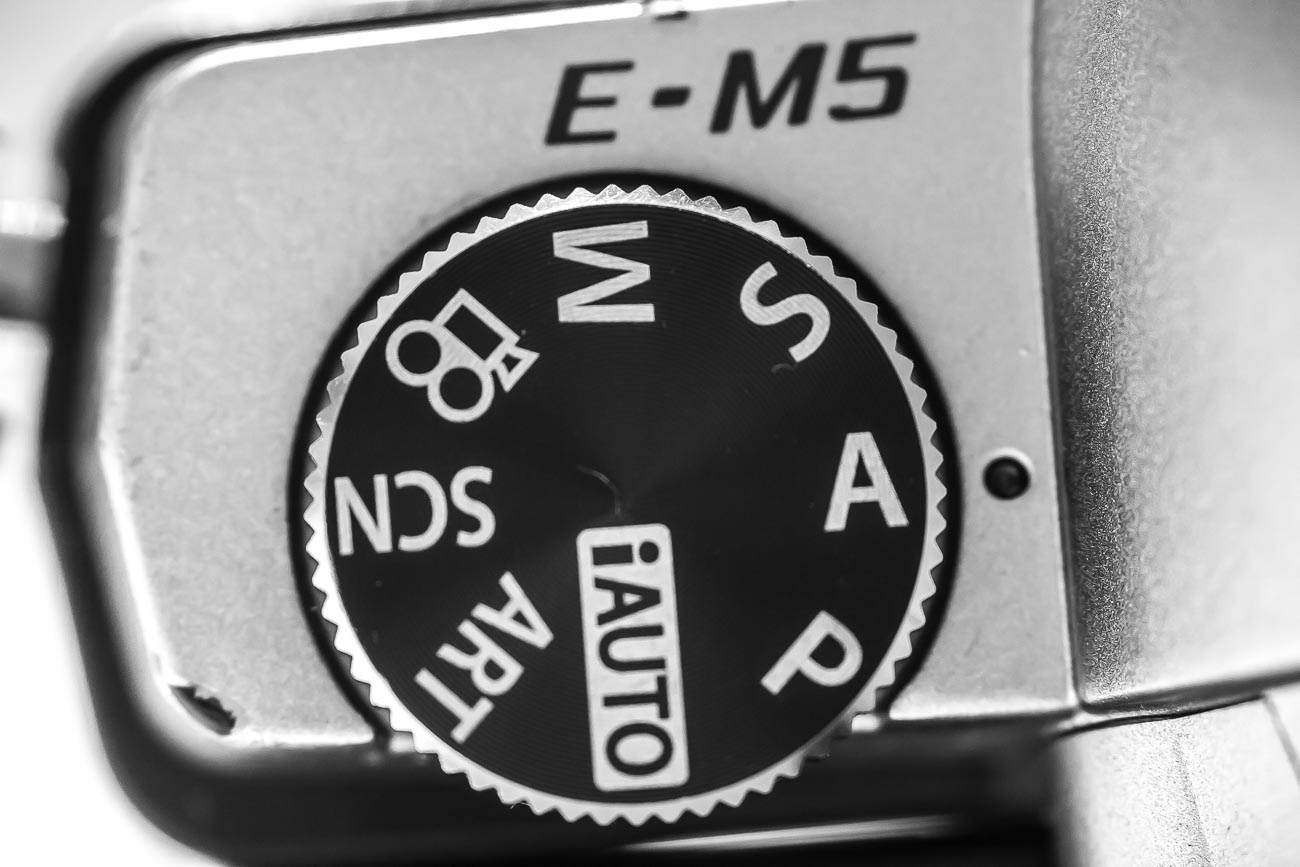
    Usually on most cameras there are a P, A, S and M modes.

    However, on small compacts there usually is only a P mode and on smartphone cameras, even the best ones, they don’t yet have the option to adjust the exposure the “old fashioned way”.

    So what’s with the “old fashioned way”? Well without going into a great deal of details on how a camera works, I’ll explain:

    All cameras have an aperture and a shutter. Both allow light into the sensor but differently. The aperture allows in light by changing the size of its hole, the shutter allows in light by the speed of its movement.

    Having the option of being able to control both or at least one of these is one of the keys to getting great photography.

    So what do all these letters mean?

    P stands for program and is basically a slightly more sophisticated way of shooting in auto.
    The camera decides which aperture and shutter speed to use but you can also weigh in by using what’s called in the industry “shift”.

    A stands for aperture priority and S stands for shutter priority.
    In both these modes you control one whilst the other one is controlled by the camera. Most pro photographers depending on their specialisation will shoot in aperture priority.

    M is where you have complete control you set both the aperture and the shutter speed and is not something a beginner would dabble in until they have goCamera_0216_017t some experience with the other modes.

    Confused?

    Let’s simplify. Basically if you want to take a photo of a product with all the background blurred than you would need to adjust the aperture.

    If on the other hand you want to take a photo of movement, say one of your dance students practicing or performing then you would more than likely want to adjust the shutter to capture the type of movement you want.

    So It’s really handy to have that degree of control.

    What’s that you say?

    You’re only beginning so you just need auto.

    That’s fine however I would suggest that if you really want to create images that represent your brand then at some time in the future you will need a greater degree of control.

    One additional control that goes hand in hand with exposure is ISO adjustment.

    In fact the aperture, shutter speed and ISO are called the exposure triangle.

    That is to say that adjustment of one affects the other two.

    With each camera manufacturer trying to outdo each other, the ISO on a top end DSLR can now be adjusted to over 400,000 which is crazy, as now the camera can take pictures in the dark!

    When you change your ISO setting, you’re adjusting your camera’s sensitivity to light.

    ISO settings are normally anywhere from 100 to 10,000 (or higher), and these numbers have a direct relationship with the device’s sensitivity and therefore the aperture and shutter speed, so a lower setting means you need more light whilst a high setting needs less.

    Rating: A or S is 10/10

    So did you understand all that? I’m happy to clarify anything you’re not sure of.
    Just post in the comments section below. Don’t be shy.
    While you are at it why not subscribe for future updates here.
    You’ll get my free guide “Eleven easy ways to improve your marketing photography”.

  • Why selecting a new camera is like selecting a new date (or TV)

    Why selecting a new camera is like selecting a new date (or TV)

    I’m in the market for a new TV at the moment. We went to a couple of stores and there are countless products with different and arguably the same features.

    Trying to get the showroom staff to give you accurate info is a challenge.
    Like moths changing direction to fly to the light so the sales staff change their song as you look like you are favouring one brand or TV over another. In the end Mr Google helped me clarify what I needed to know. But it’s a confusing experience!

    That got me thinking about buying a camera and it’s as bad or maybe even worse. The thing is, like TV’s and many other products today, there are many cameras of all shapes and sizes. So it’s no wonder we don’t know which one to buy.

    Do I get a DSLR, a Mirrorless, or a top end compact? Which make? Which model? What features do I need….?
    What about lens, filters, bags —- the list is endless.

    And then we’re fed this BS that it’s all about the camera

    “You must have a great camera to get that shot”, I hear all the time. So the pressure is on us to buy the best we can with what we can afford.

    Is it really about the gear?

    Well yes and no!

    gridYou certainly wouldn’t say to a chef that they must have a great kitchen or cooking equipment after eating a terrific meal at their 5 star restaurant.

    And if you did look in their kitchen would the meal been any the less terrific if you found the same tools as anyone else, even those you find in a domestic kitchen.

    Are drivers of Rolls Royce or Porsche cars any better drivers than you or me (assuming you are not one of them)?

    If you’ve only got one device with you that is capable to taking photos whether it’s a phone or a DSLR – then that’s what you’ve got – period.

    You can take great images with pretty much anything provided you know how.

    Having an expensive camera is not directly proportional to the quality of the image.

    In fact cameras of all shapes and sizes are all good. You just cannot buy a bad brand new camera!

    I’ve heard it said amongst winemakers that you can make bad wine from great fruit but you can’t make a great wine from poor fruit regardless of the shiny expensive equipment you might have in the winery.

    However you can make great wine from great fruit without necessarily having the latest, greatest and most expensive equipment.

    Well the same applies to a camera if you have good technique, a good eye and skill then you can make great images with any camera.

    The reality is that even for photographers, who rely on their cameras for their income, e.g. Weddings, Portraits etc. there’s plenty of smaller options than the traditional DSLR.
    So for the vast majority a simple, usable and light camera is more than enough when you know how to use it properly.

    So how to choose the camera you need?

    Well that’s where ‘selecting a new date’ comes in (you were wondering what the connection was weren’t you!)

    You see when you select a new date you’re looking for a good fit, in the dating sense its commonality and probably visual cues. Basically you want to be comfortable in their presence

    Well it’s the same for buying a new camera. When you pick it up it needs to feel comfortable (the camera that is, not the date).

    Does the grip feel good?
    Is it easy to turn to portrait or vertical mode?Your camera takes really nice pictures

    Does the weight seem too heavy, too light or just right?

    If it has a viewfinder, does that fit comfortably against your eye?

    Is the rear screen easy to see? How easy is it to see when you are holding it?

    How easy is it to adjust the dials and access the menu/s?

    This is what you need to look for in a new camera.

    Of course before that you will need to decide on features and benefits, or do you.

    As I said before, it’s not the camera that take the images but you. All features and benefits do is give you more options a lot of which you will never use or use once or twice a year at best. More on features in the next post in this series.

    So a short cut is to decide how much you are prepared to spend, go into a shop and test drive those within your budget, decide on the most comfortable and buy it.

    Now I know some of you will try before you buy in the shop and then jump on the web and buy from the cheapest online outlet. But just remember you wouldn’t be able to test drive it if the shop didn’t exist.

    By all means shop around online but a least give the shop an opportunity to match it or at least get into the ball park.

    So that’s my take on it. What about you?
    Have you purchased a camera recently?
    Feel free to add your tips and opinions below. I would really like to hear them.

    While you are at it why not subscribe for future updates here.
    You’ll get my free guide “Eleven easy ways to improve your marketing photography”.