Katin Images Travel Photography

Travel Photos, Travel Photography Tips and Software

Tag: commercial photography

  • Why you need good Photography to sell Wine.

    Why you need good Photography to sell Wine.

    Why you need good Photography to sell Wine.

    Do you produce wine but are not sure how to display it?

    Are you in marketing and are struggling for the best way to market your wines or the wines of your clients?

    When browsing the wine store for the evening’s bottle of wine how many labels do you recognise? One, two, three if you’re lucky?

    What about the corner liquor store or wine merchant, what do they push your way?
    Don’t get me wrong some wine shop assistants are excellent but most go with the wines they are familiar with and a lot are only familiar with the label, not what’s inside the bottle.

    If any of this sounds like you then read on.

    Because Photography is just not taken seriously enough by the vast number of wine producers!

    The wine industry is highly competitive and whilst you can have the best made wines from some of the world’s best vineyards, it doesn’t mean that it will sell.

    Like any product it’s not just the quality but increasingly image!

    Just look at how the wines of Bordeaux and Burgundy sell.

    What about Grange from Australia? Or Mondavi from California, Guigal from the Rhone Valley.

    Then there are regions,

    Sauvignon Blanc from Marlborough, Pinot Noir from Oregon and Central Otago.

    I could go on and on!

    The point is that these wines are all about image and in some cases prestige.

    I’m not here to educate you on how to position your brand, only you can do that but what I can tell you is that you need great images to help formulate your marketing strategy.
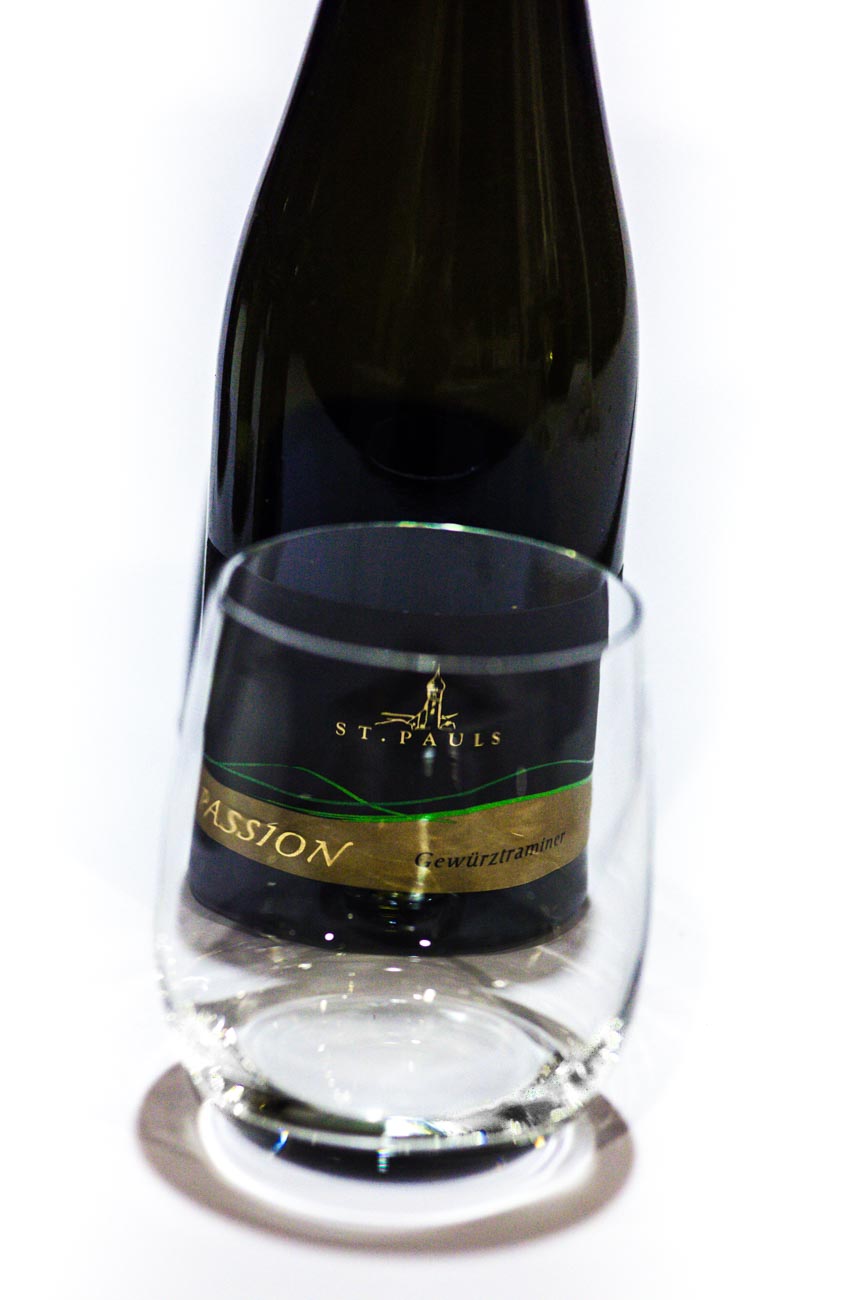
    Bottle of wine with glass at angle
    Bottle of wine with glass at angle

    OK how do you create a brand image that make people want to buy your product?

    Where are these images displayed?

    Well obviously, anywhere that sells wine but before that, the vast majority of potential customers will come across the image of your wine or winery somewhere online.

    And more and more its social media channels that wine consumers will see wine and winery images.

    Instagram, Snapchat and Pinterest are the most visual whilst Facebook, Google + and LinkedIn have both visuals and information and let’s not forget YouTube and Twitter and apps like Vivino.

    Then you have blogs, winery websites, reviewer’s websites, online magazines, etc. all of which, by the way, now need to be mobile friendly, so the online space is really where you need good images for consumers to share.

    What’s a good image or photo?

    Studies have proven that we as human beings remember things that are connected with our emotions whether it be curiosity, anger, sadness, happiness, laughter etc. so an image needs to be memorable.

    Think of one photograph you remember, maybe it was of friends, family, travel, or a photo you saw in a magazine or online somewhere, I’ll bet another 1000 words that it evoked some sort of emotion.
    That’s what I’m talking about!

    Table and Vines in Winery
    Table and Vines in Winery

    What to do about it?

    You must produce visual content that helps you stand out.

    Have images that help evolve your brand and tell a visual story of who you are.

    The key to that is to see visual moments everywhere.
    Behind-the-scenes peeks are becoming popular with some of the big brands.
    For example, active photos that show real customers or employees doing real things — as opposed to staged shots or logos.

    Vine leaf
    Vine leaf

    Of course, someone still needs to push the shutter button and that can be by engaging a good photographer.

    Many organizations have photographers they contact in times of need — for events, product launches, etc. But that makes Photography a bit of an afterthought.  

    And will they be able to capture the essence of what you are about?
    The other option is to DIY.

    All you need is to start is good technique and a good eye, assuming that you have a camera. These things can be taught to anyone who is willing to learn and follow specific instructions.

    Don’t get me wrong this won’t get you to the levels of the greats, they spent years honing their craft, but you can quickly and easily get to the stage where your photos become the envy of your peers.


    Do you agree? Is Photography an afterthought for a lot of wine business? Feel free to add your tips and opinions below. I would really like to hear them.

    For some good examples of photography on some wine websites see http://www.timatkinphotography.com/

    http://www.vinography.com/archives/vinography_images/

    https://www.jordanwinery.com/

    https://www.burchfamilywines.com.au/trade/images.aspx


  • The 10 things you need to know about photographic copyright

    The 10 things you need to know about photographic copyright

    In my article Why stock images are bad for business! I mentioned Photographic Copyright and that I would expand on it at a later date.
    Well it’s taken me a while but here it is:

    Copyright is very misunderstood and complicated. But it doesn’t have to be.

    Let’s see if I can make it simpler for you in with the 10 things you need to know about photographic copyright.

    In your business, you will take or have someone, i.e. a photographer, take photos of customers, products, workplaces, employees, landscapes etc etc.
    Often, we don’t even consider the legal aspect of these and use them wherever we need to.

    So, without further ado, here’s the 10 things you need to know about copyright.

    1 Copyright definition

    According to the Oxford Dictionary, it is “The exclusive and assignable legal right, given to the originator for a fixed number of years, to print, publish, perform, film, or record literary, artistic, or musical material”

    2 The photographer holds the copyright

    Yes, that’s right unless a photographer signs over his copyright to you in a signed agreement, they have the right to do anything they like with any photo they take.
    Even if they have taken these as a paid assignment.
    So those great wedding photos you’ve got, can be used by the wedding photographer in any way they choose.
    There is one very important exception to this. If a photo is taken by an employee during their employment, the copyright is automatically owned by the employer.


    The 10 things you need to know about photographic copyright
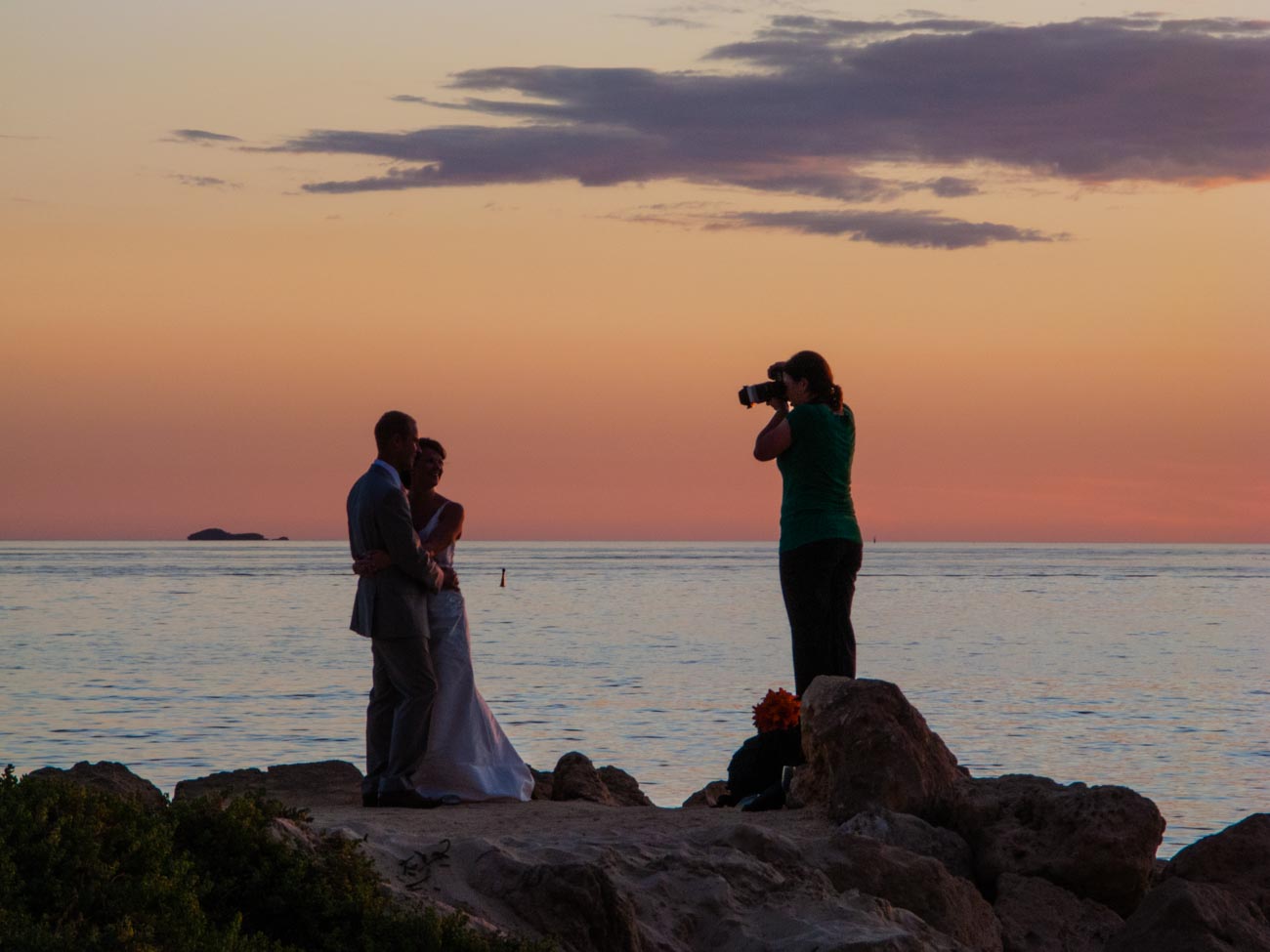
    A wedding photographer and the bride and groom at South Beach in Fremantle, Western Australia


    3 Editorial copyright

    If you use a photo to make a point or tell a story. E.G. the images in this article are not advertising but are there to add substance to the article.
    This is called Editorial.
    Warning: This can be subjective so there are often exceptions to this.

    4 Commercial copyright

    When a photo is used to sell or market something then it can come under the banner of commercial use.
    In other words, it focuses on the product or service you are selling. If you have a picture of a widget that you advertise on Craigslist with a price on it, then you must have permission from the photographer to use it for that purpose.
    The same applies if you are using a photo to depict that this same widget will make life happier and better.
    Even though you haven’t got a price it’s still considered that you are marketing this widget and using a photo to do it.
    In this instance it’s considered commercial photography.

    5 Copyright laws

    Laws vary from country to country which makes it difficult if your markets are international.
    So be careful when you are using photos for your marketing in a different country.
    The info I posted here is based on the US and is very similar in most other countries.

    6 Copyright can cover icons.

    So, you’re in Paris and you take a great photo of the Eiffel tower.
    It’s so good that you think you can use it for one of your marketing campaigns.
    Well think again.
    There are a lot of icons that you cannot use for your marketing even if you took the photo.
    You need permission first.
    There are places where you are banned from taking images, especially if you look like a professional. E.G using a tripod or DSLR.


    The 10 things you need to know about photographic copyright
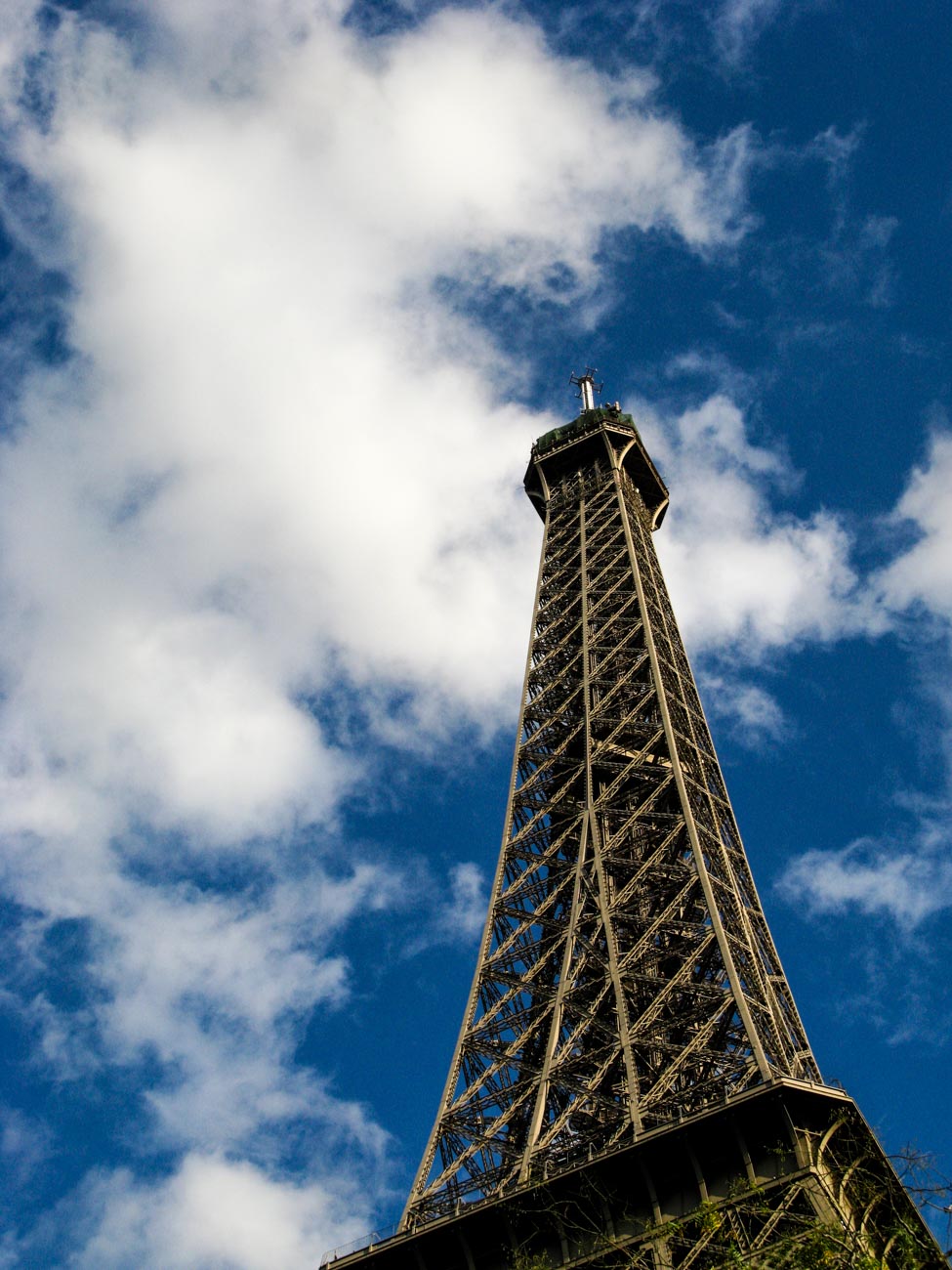
    The Eiffel Tower


    7 Creative Commons

    Creative commons is an alternative to rights managed photos.
    Most of the photos on Flickr have Creative commons rights.
    That means that you can use the photo for anything as long as you give credit to the creator. There are many different types of Creative Common licenses some of which exclude commercial use.
    So if you use a photo with a creative commons licence, read the fine print.

    8 Internet Photos

    The web is awash with photos and there are thousands posted every day.
    Each one has been taken by someone who owns the copyright.
    If you ‘borrow’ a photo and put it on your site or use it for any purpose without permission you are taking a risk.
    They can come looking for you and if they don’t actually sue you they can take up a lot of your time. Don’t do it.


    The 10 things you need to know about photographic copyright
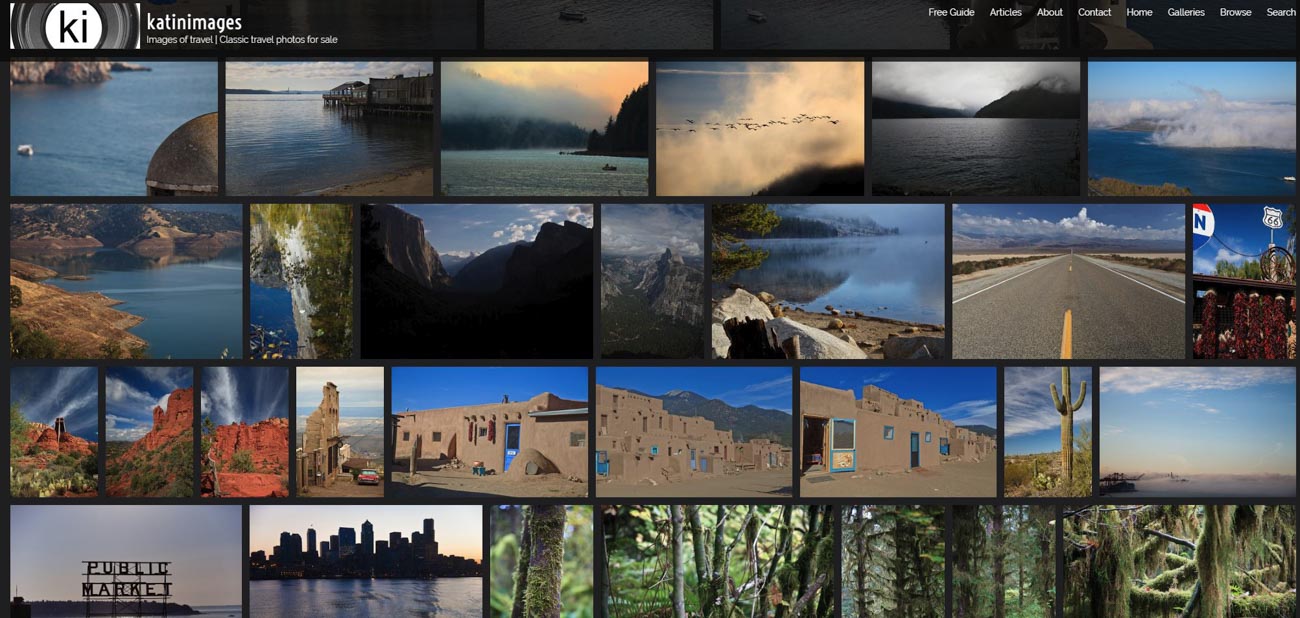
    katinimages.com


    9 Stock photo copyright

    Stock agencies will usually have their I’s dotted and T’s crossed so you shouldn’t have any issues there.
    But it does pay to check.
    Of course, you could pay for the use of a photo and find that it’s being used somewhere else.
    That’s a common complaint that I hear about royalty free or sites that will supply free images.
    There’s not much you can do about that except take you own.

    10 Royalty free

    Royalty Free Images are one-time payment for use.
    The use/s can be stated on the agreement or they can be used for any purpose.
    Either way they are not free.

    Bonus Point:

    Model Release

    I could write another article on this one.
    The only way to cover your arse (ass) is to get a model release from anyone in your photo. It’s good practice, regardless of whether you think you will use the photo for editorial or commercial use.
    It’s not worth the risk

    For your bedtime reading check out these:
    The Copyright Zone is a book by Jack Reznicki and Ed Greenberg. Formerly called the Photographers Survival manual and primarily US based this book still has lots of good tips and information
    Copyright.gov (USA)
    Australian Copyright Council
    Intellectual Property Office (UK)
    Canadian Intellectual Property Office
    Last and not least Wikipedia have lots of info here

    As you can see there’s a lot to it, so watch out for a follow up article in the future.

    As usual please share with someone who would like to read this.

    Please leave your comments below or you can send me an email via the contact page here

    And now that you have got this far, keep scrolling down and subscribe to my newsletter where you will get exclusive info that I don’t publish publicly.
    I’ve got some good stuff coming so don’t miss out.


    To help provide free content and to cover costs of running the site I run some advertising on the site and engage in the use of some affiliate links. These affiliate links earn me a small commission on any purchases that anyone makes when they visit stores such as Amazon after clicking on one of our links.

    These commissions help me to keep nickkatin.com growing.


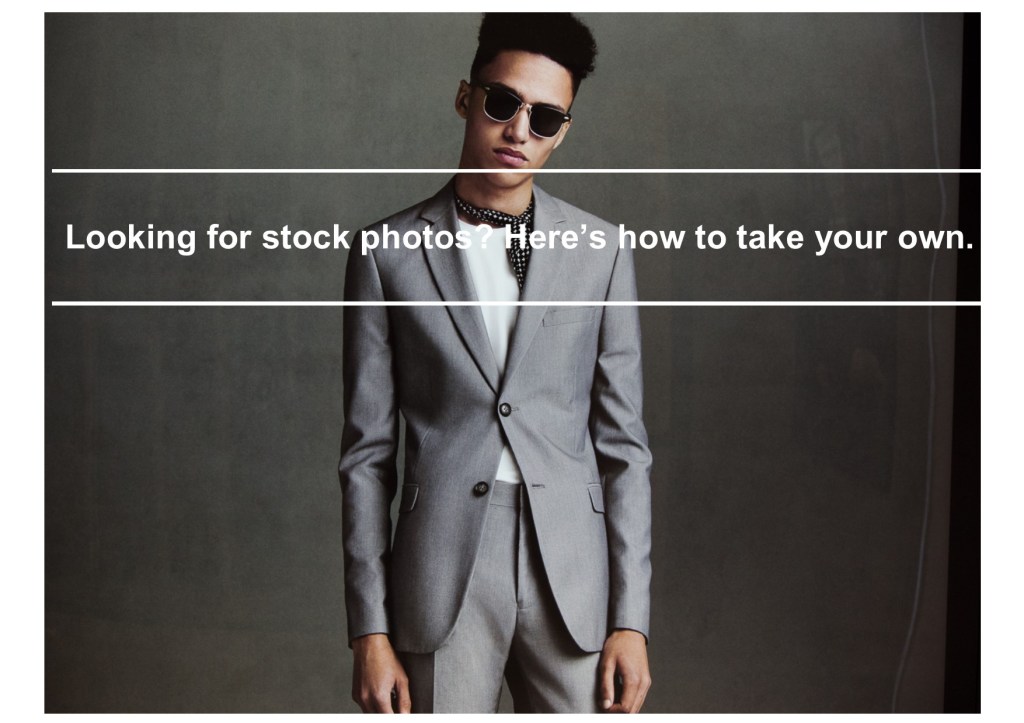
  • Looking for stock photos? Here’s how to take your own.

    Looking for stock photos? Here’s how to take your own.

    Ever wondered how there are so many good stock photos out there? And how they got taken?


    Have you also downloaded one and had to settle “for almost but not quite right”?


    Maybe you’ve got fed up looking for the right one and just settled for something free and second rate.


    Well, ‘you’ can take your own.


    If you know your way around a camera or even a smartphone you can take the image
    you need to display for your business.


    Don’t get me wrong I’m not against stock photos. They have their place.


    But most small businesses often can’t afford to use the good ones.
    So, they end up looking for free ones, which has a big cost in time, and then use them, more often
    than not, for their online presence and a lot of these free ones are just not good enough.


    In this article by Paul Suggett of the Balance. He uses the analogy of stock photography being
    the “off the shelf clothing” and either your own or your photographer’s photos being the made to
    measure that “fits you like it fits no one else”


    Of course any Stock photo you use is not exclusive to you which can create other issues.


    For more on that read Why stock images are bad for business!


    But you can take a leaf out of the stock photography industry and follow these rules to take
    your own purpose taken image.


    Looking for stock photos?


    Most *stock photographers use these following elements when taking stock photography.


    Four Basic Elements of Stock photography


    1. Background


    2. People (Model/S)


    3. Subject


    4. Involvement


    Let’s break this down:


    1. Background


    Almost as important as the subject matter. Simplicity and Clarity are the keys here.

    You want to ensure that the background doesn’t have distractions.


    Choose a background that’s uncluttered and depicts the story that you want to tell.

    For example, say you have a kitchen product, then use an actual kitchen or at least
    have a background that looks like a kitchen.


    The Kitchen needs to be a fairly bland kitchen with no other brands or appliances obvious.

    Using contrast between the people, your subject and the background can give the image a
    3-dimensional feel (without photo-shopping)


    2. People (Model/S)


    A vast majority of stock photos have people. People evoke emotion and interest.


    In the Kitchen product example, ideally you would have someone using it.


    Make sure they are posing naturally not as if this a family photo or portrait.


    You want to convey the feel that you as the photographer are a fly on the wall and
    not make it look staged.


    If you are going to use the image for commercial or marketing use, ensure you get the model,
    even if it’s your Aunt Amy, to fill out a model release. Just in case you fall out with the old girl
    and she wants you to pay her in money instead of tea and scones later.


    I will cover this issue in a later post. But it’s worth being flagged here.


    Looking for stock photos?

    3. Main subject


    This is the main focal point of a stock image. You want it to shine out. Most products, and services are
    meant to be used, worn or consumed. Like the Kitchen product show it in use.


    But be careful! Don’t go overboard with the subject after all the story you are telling is what
    benefit it will bring to your potential customer’s life.


    If as another example, you are wine producer just taking images of your label or bottle is not
    going to get you sales.

    You could depict when is a good time to drink it. A Rose on a warm summers
    afternoon, a Riesling matched with Thai food.


    4. Involvement


    This is gives the opportunity to show your subject being used by someone who is really involved.
    They should be showing some emotion maybe enjoyment or surprise.


    Some images can work better if there is more than one person.

    In the kitchen product example, they could be using it and interacting with someone else,
    who looks amazed at the results or else could be helping or also using the product.


    Remember it’s not a portrait you are after. Even if you have a piece of clothing or Jewellery,
    much better to show how people wearing it being active even if it’s only reading a book.


    *By the way I have defined a stock photographers as a photographer that takes images for
    certain markets. They are not taking images on behalf of a specific client


    If you have a product that you are considering taking your own images of then you may be
    interested in this article Make sure your Product Image speaks for itself with this Photography Checklist.

    At the bottom of that post is a link to download a checklist which will help.


    Thanks for reading


    Post any comments below. I’d love to hear them.


    And do us a favour! Please share any way which works for you.


    If you want more like this then please subscribe below and you will get a
    free guide on how to improve your photography.


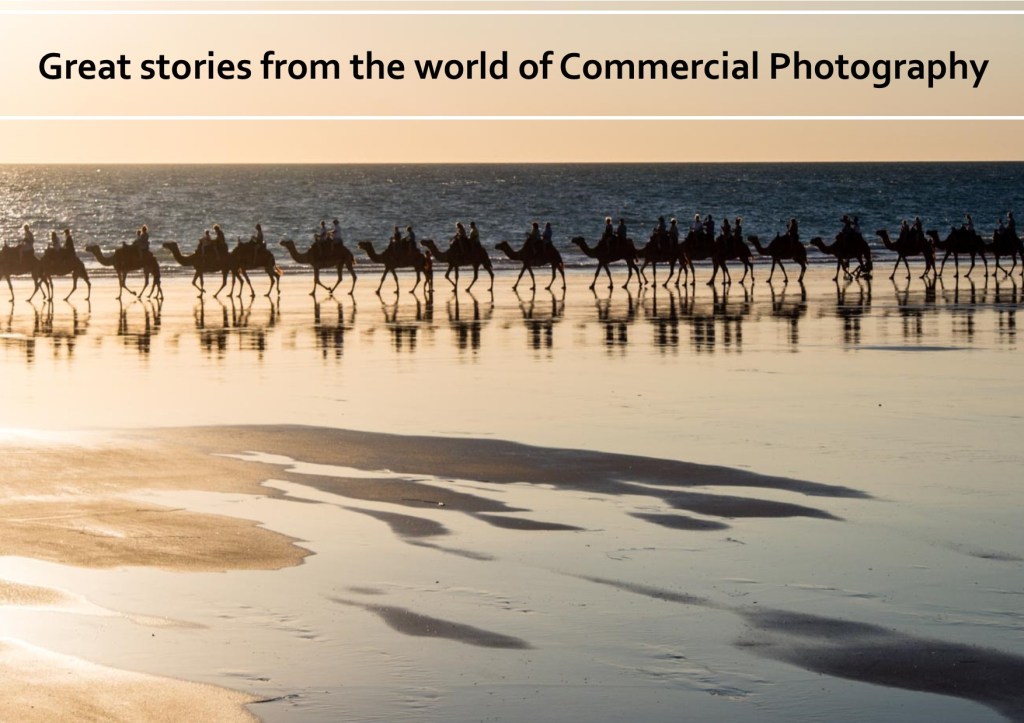
  • Great stories from the world of Commercial Photography

    Great stories from the world of Commercial Photography

    This is the first of an occasional series of interesting Photography stories from around the web. 


    My hope is that they will inspire, interest, educate or at the least amuse.


    Of course, we are all different but I’ve grouped these stories into how they got my attention:

    Educate


    DIY Photography have a great short explanation on the full frame v crop sensor comparison. 


    They use portrait photography as an example but you could easily apply this to other genres
    such as product photography.


    Great stories from the world of Commercial Photography


    Full Frame Sony a7ii Vs. Crop Sony A6000, Which Is Better for Portraits?


    Ever looked at your holiday snaps and wondered how you could make them better?
    The suggestions in this article this could be your answer.


    How to make a boring vacation photo something AMAZING!


    Inspire

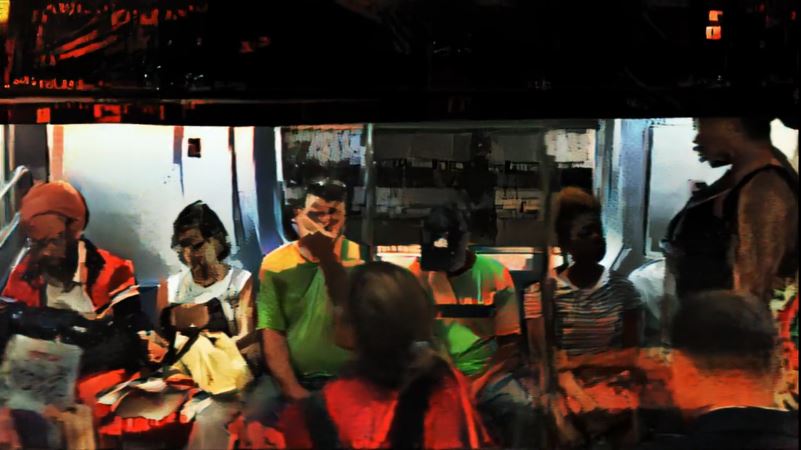
    This article on Digital Rev caught my eye. It shows what’s possible with some imagination and
    I think, lots of time!


    Great stories from the world of Commercial Photography


    Watch as New York City is Transformed into a Moving Picasso Painting


    While most of us will never use a photo editor, this article on Peta Pixel explains the value of
    using one if you have the money.


    The Olympics Prove the Value of a Photo Editor


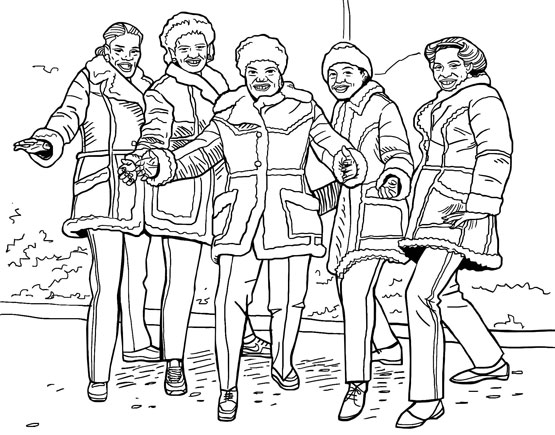
    Never got into Hip-Hop much but I don’t need to with this inspirational idea of how you can
    utilise your images and get an edge.


    Great stories from the world of Commercial Photography


    Your Favorite Hip Hop Photo Book is Now a Coloring Book


    If you need any ideas on marketing yourself or your business, then Clint Nolan has an amazing prom mailer


    Photographer’s Handmade Promo Mailer is Beyond Impressive


    Interest Frighten


    These 2 are more than interesting, they are downright scary.


    The first is one selfies on the go. 


    I wish I could say that as an Aussie it doesn’t happen in Australia but I have no doubt the numbers
    per capita would be the same here.


    #Driving Danger: Instagram Posts Shed Light on a Distracted Driving Trend 


    Not quite so scary but quite revealing is the care taken by some of Amazon’s delivery contractors. 


    Let’s be fair though, this issue is not unique to Amazon.


    Watch How Amazon Delivered a $500 Camera Lens


    Humour


    And now for something cute:


    Great stories from the world of Commercial Photography


    Ten-Month-Old and Rescued Pup Make for an Adorable Portrait Duo


    And funny:


    Doctor Hilariously Recreates Celebrity Photos to Raise Money for Cancer


    With that I will leave you with Oscar Wilde who is meant to have said life is much too important to be
    taken seriously.


    What he actually said was “Life is much too important a thing ever to talk seriously
    about it.”


    Either way he was right.


    If you liked this, please let me know in the comments section below. 


    Or if you want to contact me directly, you can sign up to be notified of any updates or new articles in
    the sign-up section below. 


    You’ll get a handy free guide on how you can improve your marketing images.

  • Make sure your Product Image speaks for itself with this Photography Checklist

    Make sure your Product Image speaks for itself with this Photography Checklist

    So, you think that you’ve taken some great photos of your product. 

    Who wouldn’t want to buy your products with them looking like that.
     
    You’ve looked at your competitor’s best photos. Worked out how you can improve on those with some great composition and processing.
     
    The lighting was perfect, the colour is great and you’ve got that sort of blur going on in the background.
     
    You’ve posted them onto your website, facebook and Instagram and sent a link to Twitter.
     
    You’ve nailed it!
     
    All you have to do now is wait for the orders to come.
     
    But will they?
     
    You see we live in a world of images and instant gratification.
     
    And the problem is that you can never completely get it right.
    Not for everyone, not for your potential customers and not even for you, if you’re honest.
     
    The old saying “you can please some of the people some of the time but you can please all the people all the time” rings true in this case.
     
    The trouble is if you don’t please some of the people then you don’t make sales.
     
    So, you must aim to please as many as you can.

    Make sure your product image speaks for itself with this photography checklist

    But first things first let’s go back to those great photos and check again;
     
    This is a check list of what to look for in a product image:
     
    1 Composition
     
    How many times have you seen a photo and thought that there is something not quite right?
     
    Usually it’s the composition.
     
    The photos that have moved you will be because of their great composition.
     
    Look and study the photos that you have hanging up in your workplace or home. You choose them because you like them and because they have a strong composition.
     
    By using angles and lines, foreground subjects and colour where they exist, you can create a strong and imaginative composition of a photo.
     
    Have you got the right angle?
     
    If applicable, can you see the label?
     
    Does it show what the product does?
     
    2 Story
     
    Do your images tell a story?
     
    A story could be, as an example, showing how a piece of jewellery is worn or giving a sense of scale.
    I recently looked online for some earrings for my wife and I choose the ones that had images of them on a model.
    And that’s because I could see the size and the way they look when hanging.
     
    3 What’s in the frame?
     
    Are there unwanted elements in the photo?
     
    What about the product positioning against the background?
     
    We’ve all seen (and taken) those holiday snaps with the leaning tower of Pisa appearing to grow out the subject’s head.
     
    Can you see anything in the background or foreground that might be distracting?

    Make sure your product image speaks for itself with this photography checklist

    4 Light
     
    Is the light on the product side lit or front lit? Either way is it lighting the part of the product that reflects the ‘best side’.
     
    Have you looked at the image on different monitors, tablets and mobiles?
    You will be surprised at how the brightness and contrast vary depending on the medium you are viewing.
     
    5 Clarity
     
    Does the image look crisp and clear?
     
    Blow up the image on the largest screen you have. See if there is any sign of unintended blur.
     
    It may be around the edges of your subject.
    Or is it at the front of your subject? e.g. If it were a portrait would the nose be ever so slightly out of focus.
     
    6 Post processing
     
    Does the colour look real or is it over or under saturated?
     
    Has it got the “WOW’ factor?
     
    Nothing wrong with either but it’s what lends itself to the product.
    If it doesn’t look real it may not convey the right message.

    Make sure your product image speaks for itself with this photography checklist
     
    That’s just for starters! You could go deep in reviewing your images.
     
    Remember that you have to put yourself in your customers shoes. Ask yourself “based on the image and the copy with it would I buy that?”
    If you feel you can not answer this without bias then ask someone else to review it and answer that question.
     
    Post links to your images in the comments below if you want some feedback from me or other readers.
    Want to keep this article? You can get an accompanying checklist from here or the box below.
    While you are at it why not share this article with someone who could benefit.
    And don’t to forget to subscribe in the top bar for more ways in which I can help you sell more.