Katin Images Travel Photography

Travel Photos, Travel Photography Tips and Software

Tag: africa

  • African shoestrings – South Africa Day Twenty-five

    The hostel itself was an old large rambling single storey house with hand me down furniture spread haphazardly around the place,………… lounge chairs, torn dining chairs and card tables that had all seen better days and a large garden.
    Sounds all right doesn’t it? Well I did miss out one important fact. It backed onto the runway. It didn’t take too many jumbo jets to fly over to work out why it was called the Airport backpackers!
    Gerard was actually the owner and due to his Aussie manager being away, the manager as well.
    A white South African in his late 30’s or so, Gerard just likes to drink and talk and without doubt is a wealth of information on travel in Africa.
    Mind you, as Gerard’s bar was outside in the garden, conversations were often interrupted by the take off or landing of 747 or something similar. The noise was deafening initially until strangely enough you got used to it.
    What fascinated me more were the clientele; an Israeli couple who were not together, so they kept saying anyway, helping Gerard in slow motion; two Scottish girls who spent the day sun-baking and were never far from each others side; a Sri Lankan family, who never left the place and seemed to spend all their time cooking and washing and finally a Norwegian man in his late sixties with a much younger Thai wife, who just seemed to hover all the time in the background.
    The last couple had houses in both Norway and Thailand and he was a retired engineer, the last person you would be expecting to backpack around Africa.
    They were waiting to catch the ‘Baz’ bus to Victoria Falls in Zimbabwe. Now the Baz bus is one of those innovations born from the principle, necessity is the mother of invention. Clearly aimed at the backpacker market it’s a hop on hop off bus that runs between J’burg and Cape Town with several side routes and of course it’s relatively cheap. We toyed with the idea of using it ourselves except for one important detail, it didn’t go anywhere we were going!
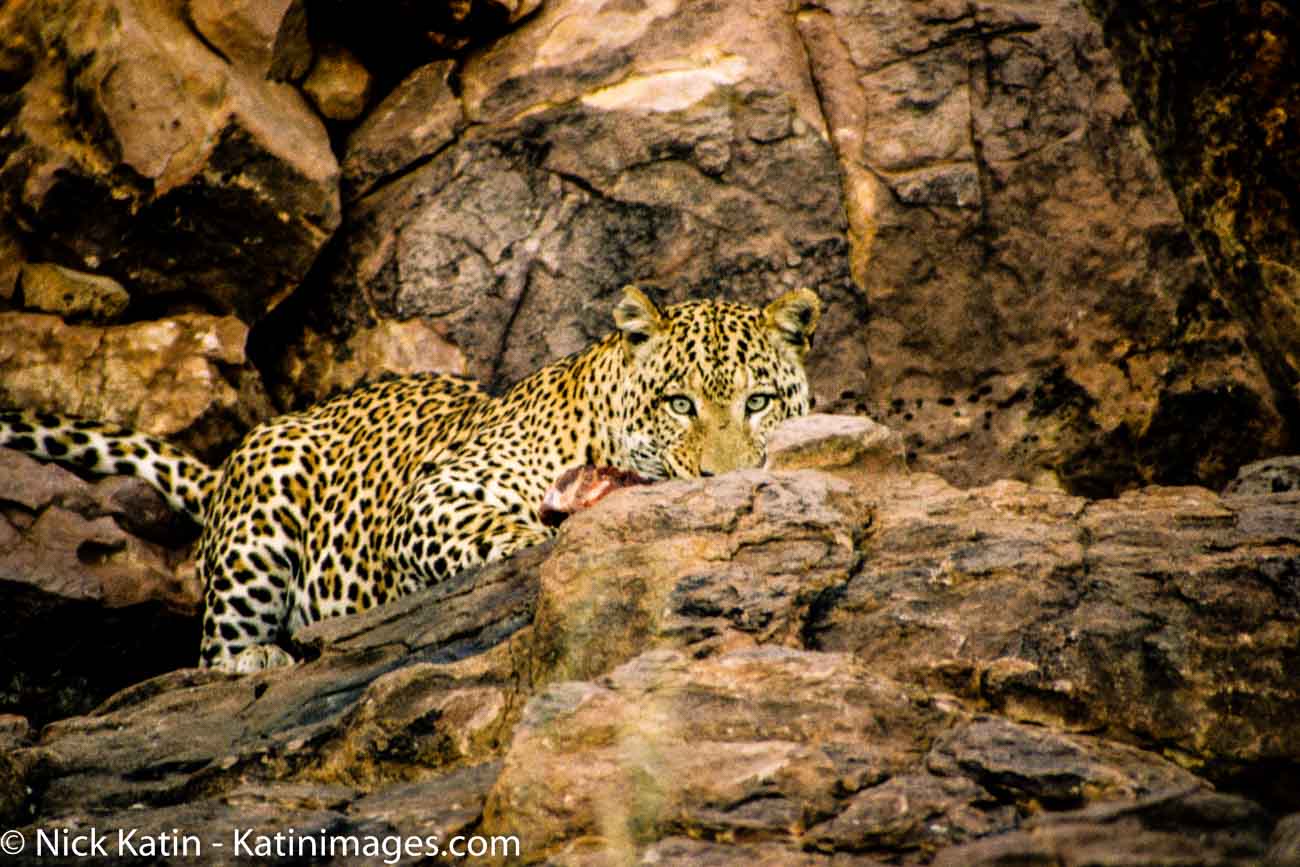
    A leopard eats it's prey amongst the rocks in Central Namibia
    A leopard eats it’s prey amongst the rocks in Central Namibia
  • African shoestrings – Lesotho Day Fifteen

    That tricky river crossing was the final challenge and can you believe it wee stopped for lunch about ten minutes from there!
    We just wanted to get it over and done with!
    David & Clement had been unable to talk to each other as much because of David having to spend a fair amount of time controlling the now impatient and eccentric Black Label. So we figured that they wanted to have a final ‘chat’ before heading home.
    The crossing was actually no big deal going back. This time we were climbing the steeper side of the gorge and it’s a lot more comfortable looking up than down. For me riding a sure-footed and obedient pony made a big difference.

    We got back at around 1.30 pm and despite feeling dirty and dusty we headed for the bar and stayed there for the rest of the afternoon.

    The next day we headed out back to South Africa.

    The road was pretty much the same until we reached Maseru.
    To avoid the city centre we had to travel along the eastern outskirts. Even though we had been assured that there was no danger by almost everyone, this area seemed uncomfortably close to the spot where all the rioting had happened 6 months ago. We passed several buildings that had been gutted by fire or looting and appeared to be sitting there unused and ignored.
    But we never felt threatened by the many people who were going about their business not in the least bit interested in two potentially nervous white tourists.

    What did make us uncomfortable was a lone policeman standing in the road waving us down. You hear lots of stories of corrupt African police officials extorting money from helpless tourists in exchange for not impounding their vehicle, luggage, children or anything else that’s worth them confiscating.
    He examined the tax disc on the front of the car very closely as if it was strange flaw in the windscreen. His face lit up on viewing my Australian drivers licence and said beaming, “Aha, from Australia! Kangaroo!” We laughed with him at this obviously witty and perceptive comment not realising at the time that this was going to be repeated many times by what seems now to be an army of officials, bureaucrats, tour guides, hotel workers and any other smart arse that inadvertently wanted to piss us off!
    He waved us on politely still beaming at his joke.

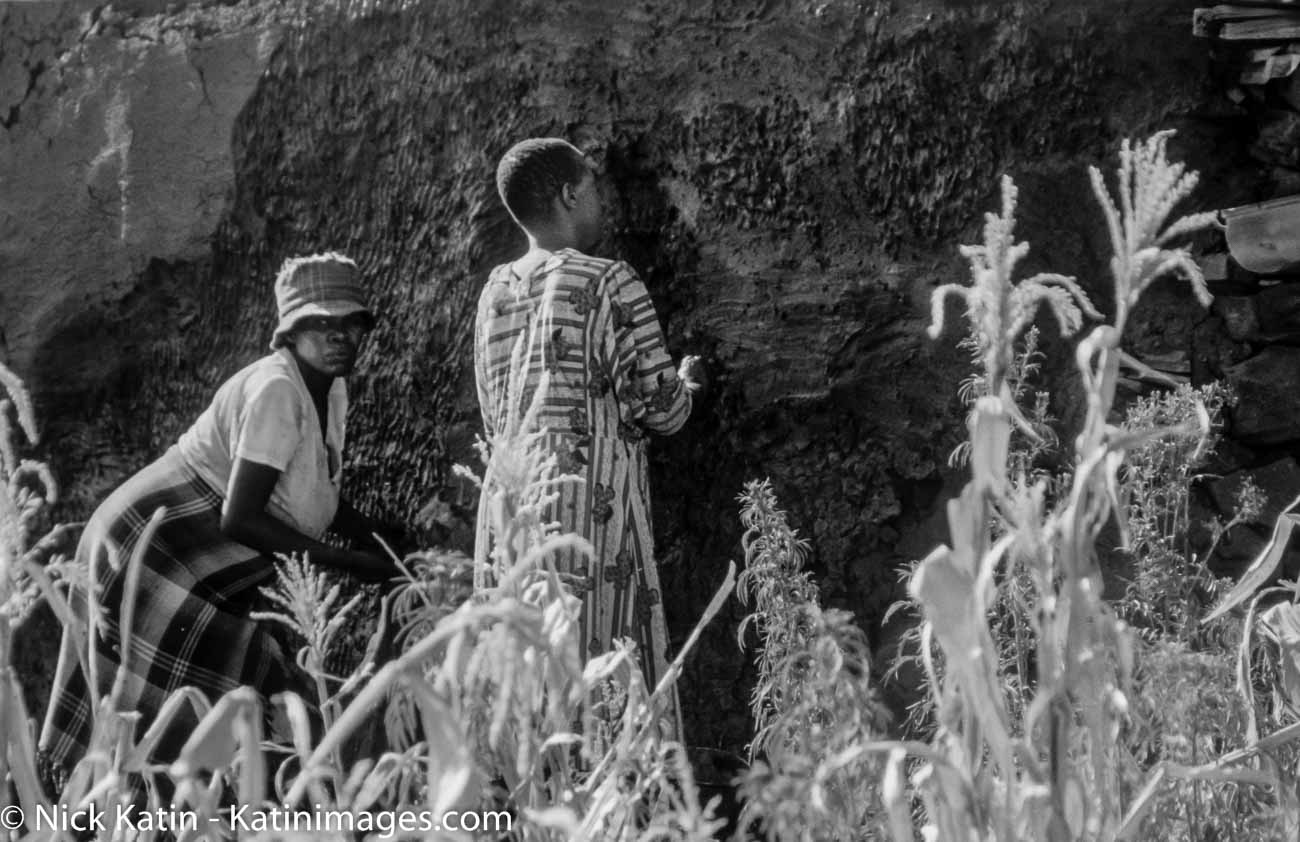
    Women cleaning the outside of a mud hut near Malealea Lesotho
    Women cleaning the outside of a mud hut near Malealea Lesotho
  • African shoestrings – Lesotho Day Fourteen

    The next morning we awoke just before daylight after an eventful night.
    Thunderstorms had followed us there and dumped rain on us just as we arrived the day before. They had cleared for a while but came back overnight and the heavy rain found its way through the opening in the hut that passed for a window.
    Not only that but the front door seemed content to allow itself to be pushed around by the wind creaking or banging loud enough to wake us.
    This was also the first night that we had slept in our new super duper -2°C sleeping bags. Comfy they were, cold they weren’t. We both boiled and spent the night tossing the top off as we fried and then back on again as we froze a few moments later.

    So we awoke the next morning grouchy. I was ready to give that damn pony of mine a piece of my mind, if even it so much looked like going off the track. But events had already got ahead of me. Black Label had been demoted! David now rode him and I rode David’s steed Black Cat.

    Now Black Cat was my sort of horse, this bloke was strong, sure footed, docile and to my surprise obedient. He obeyed my every command, something I had never experienced in an animal, or come to think of it in a human, before.

    The journey back was, despite aching limbs, muscles and rear end, (I never realised how many muscles are used in riding), very pleasant.
    Gentle descends and ascends into valleys of green, cradled by perfectly formed grass covered hills and mountains of varying shapes and sizes.
    Occasionally we would see the odd cluster of thatched roofs in the distance, perched on a small plateau or down in a valley. Despite being kept at arm’s length from the villages we still saw plenty of traffic on the track.
    Unlike the hordes of pedestrians in South Africa these people seemed to have a destination or purpose for their travel. Men and boys on ponies were herding livestock; women on foot were carrying firewood or crops.

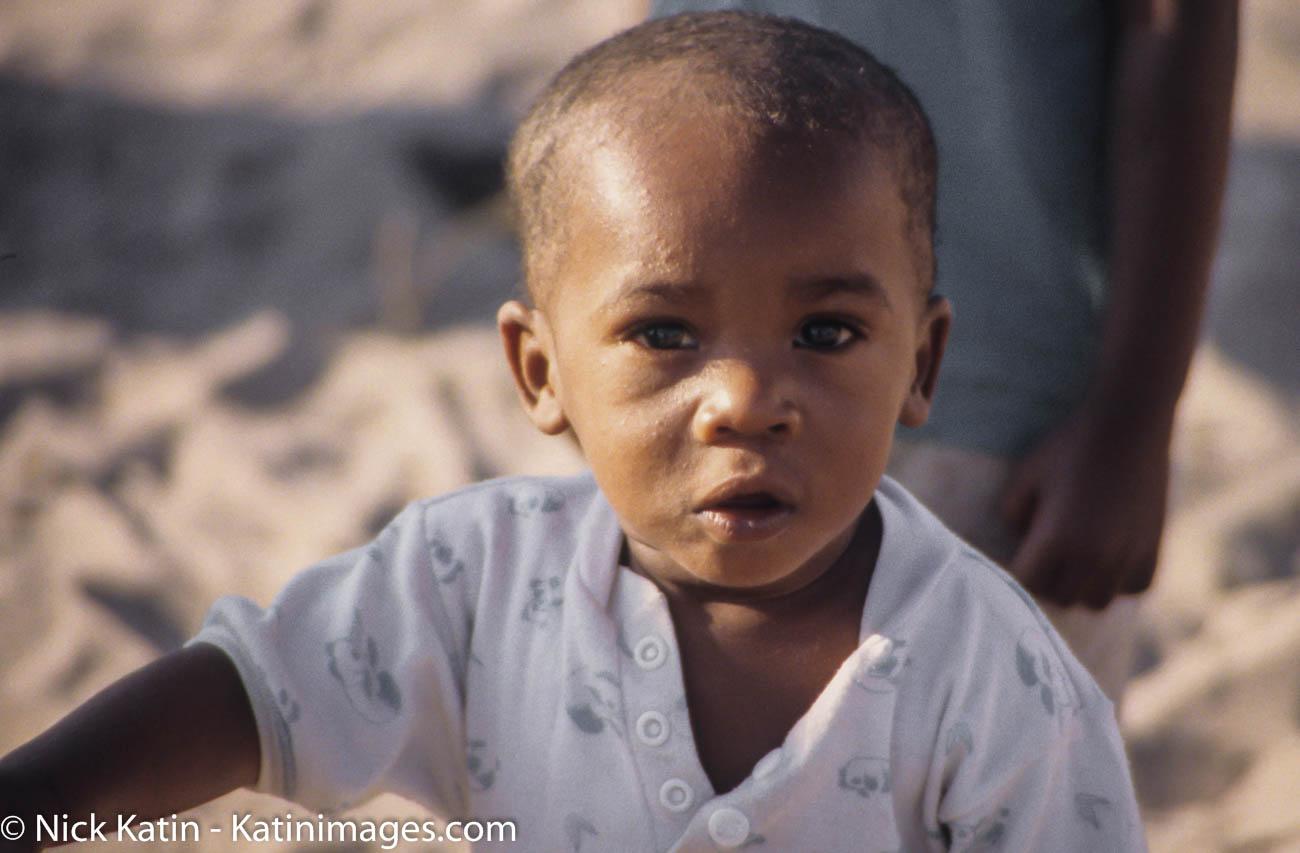
    Young Boy looks at the camera in a small village in Botswana
    Young Boy looks at the camera in a small village in Botswana
  • African shoestrings – Lesotho Day seven

    Malealea Lodge is at the top of a hill right next to Malealea Village. The lodge itself is a collection of chalets, huts, a dorm and a bar/store dotted among Pine trees and areas of brown lawn. Set to one side away from the other buildings, stood a colonial style house that the old man at the gate pointed us towards.
    There we managed to find Mick Jones with his feet up on the veranda overlooking the Malotti. Mick owns and runs Malealea with his wife Di. At the time, Mick stayed all the time at the lodge whilst Di ‘commuted’ to their office in Bloemfontain in South Africa.

    We watched Mick from our chalet veranda striding around and barking instructions at his employees in the local lingo, SeSotho, until the afternoon thunderstorms that had been threatening all afternoon, turned on a show.

    Thunderstorms are a way of life here. Incredibly more people die in Lesotho from lighting strikes than any other single cause. Which is really surprising considering the way they drive! I suppose the bottom line is that a country as poor as Lesotho, it’s one of the world’s poorest, doesn’t have that many cars but does have plenty of people travelling by foot. When you travel by foot in such a mountainous country the risk of getting struck by lighting is relatively high.

    That’s not to say that it’s unsafe to walk around Lesotho, it’s just some care is required during their thunderstorm season in the summer months.

    The spectacle of these thunderstorms is a show not to be missed, especially after dark.

    Watching this show brought home to us that we were actually living our dream. We were away from our home, family and friends travelling the world without a care, except that constant nagging fear of spending too much money. It was a great feeling and a place like this was what it was all about.

    Mother and Boy outside a hut, their home in the mountains of Lesotho
    Mother and Boy outside a hut, their home in the mountains of Lesotho
  • African shoestrings – Lesotho Day six

    Malealea Lodge is set in the quaintly called Valley of Paradise that’s about 2200 metres high.
    To get to it, after travelling on what can only be described as the ‘road from hell’, 13 kilometres of potholes loose rock and shifting gravel, you have to travel through the “Gates of Paradise”.

    This is a pass with such a beautiful vista, that a guy called Mervyn Smith left the words “Wayfarer Pause and Look Upon a Gateway of Paradise” inscribed on a plaque.
    Mervyn also founded the Malealea trading post so I guess you could accuse him of being a little bit one eyed.
    Even so the view is magnificent and gives the feeling that you are entering a secret valley of gentle rolling hills with a dramatic backdrop of mountains and storm clouds, hidden over the centuries by the locals from the mass commercialism of the white man.
    As we stood absorbed by all of this, one of those buses that can only be found in the third world, charged up the hill towards us and came to an abrupt stop amongst it’s own clouds of diesel fumes.
    This was the local bus stop and this vehicle was unloading some of it’s cargo of bags, people, children, chooks, goats and anything else that could hang onto the outside or be crammed into the interior, there were even two guys on the roof!
    Before I had time to point the camera it was off again, incredibly still jammed packed and leaving behind clouds of black smoke and some of the cutest kids that have ever been put on this earth.
    Three of these kids came up to talk us, which we thought was so nice until they stretched out the palm and asked for money or “sweets”.

    Young girl from Lesotho looking for her mother on a remote roadside.
    Young girl from Lesotho looking for her mother on a remote roadside.
  • African shoestrings – South Africa Day five

    Our next destination was a place called Malealea Lodge located in a remote part of the South West of Lesotho.
    Malealea Lodge is known for it’s Pony and Walk treks amongst other things.
    We had managed to contact them from home not only to find out info but to ask about the security of entering Lesotho on our own.
    Before we left Australia we had taken the precaution of checking with the Department of Foreign Affairs and the British Foreign Office web sites to see if they had any travel warnings about any of the countries we proposed to visit. Well they had!
    Both advised that travel to and in Lesotho should not be taken independently.
    Apparently about 6 months before there was a protest by the opposition party at the election results.
    The government declared a state of emergency and called in the South African army. This triggered off a two day violent protest with protesters looting and destroying many of numerous South African businesses in the capital Maseru.
    This unfortunately placed Lesotho on the ‘places not to visit’ list. We ‘ummed’ and ‘aahed’ about this but after talking to Di Jones, one of the owners of Malealea, decided to stick to the plan. DI had assured us that there had been no problems since and had been driving around herself without any hint of trouble.
    If by chance you’re not a great fan of mountains then whatever you do don’t go to Lesotho it’s absolutely covered in them.
    It is one of only two countries in the world to be completely encircled by another country, South Africa, (the other being San Marino) and is the size of Belgium but it’s dominated by the mountain ranges of the Drankensberg and the Maloti. In fact its lowest point is over 1000 metres.

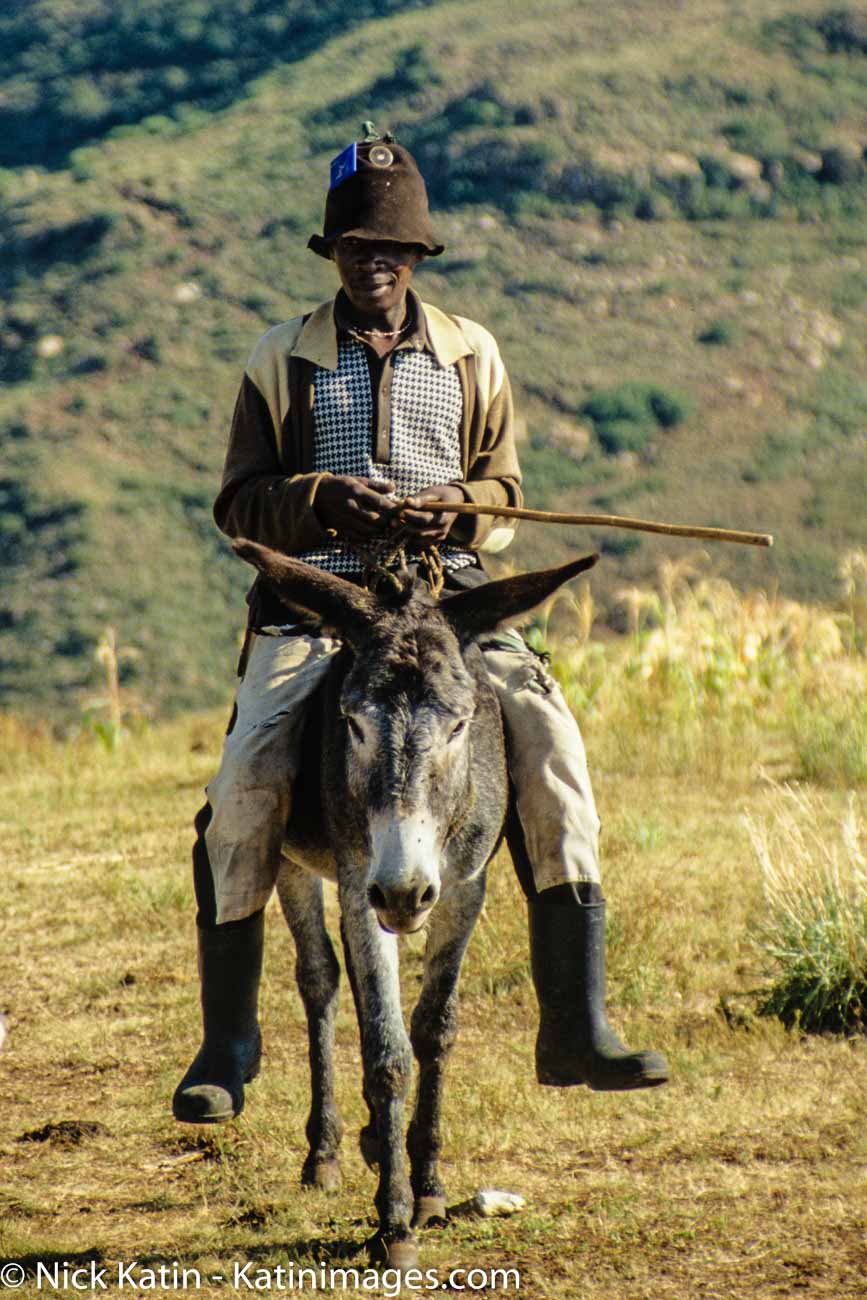
    In the mountainous Lesotho, ponies are the major form of transport.
    In the mountainous Lesotho, ponies are the major form of transport.
  • African shoestrings – South Africa Day four

    At Rustlers Valley Guest Lodge, we met the occupants, neighbours and anyone else who seemed to materialise from time to time (we were the only guests) at dinner that night.
    There was Dale the local naturalist and loved snakes.
    Birthday boy Carl couldn’t believe that I hadn’t heard of some permaculture guru from Australia. I didn’t like to admit that I didn’t even know what permaculture was, let alone have any idea of its personalities!
    Then there was Bill who either had a hard life or he was old enough to have been dancing to Glenn Miller let alone Janis Joplin.
    There were other refugees of the sixties as well but none as dominant as Frick.
    Hippies have always maintained that everyone’s equal and there are no leaders in their ‘gangs’.
    Well in this case Frick was without doubt the leader. He just had that look; I would call it the Charles Manson look but that sounds rather sinister. He had the long ponytail and beard and had a sort of holier than thou sort of presence.
    When he looked at me I wasn’t sure whether he was going to bless me or offer me a joint! In fact he was actually the owner of Rustlers, so I guess he had some sort of commercial seniority.
    Apparently he was a farmer going broke when he decided to build the lodge and change direction. How he became an aging hippie was not explained.
    Rustlers are famous, amongst those that care, for their music festivals. We know this because, after the initial polite conversation, the sole topic was the upcoming Easter festival, apparently a sort of South African mini Woodstock.
    By the time our beds beckoned we knew all about running festivals and have since mercifully forgotten it all.

    An Umbrella Thorn Acacia at sunset on the savannah of South Africa. It's a native to Africa.
    An Umbrella Thorn Acacia at sunset on the savannah of South Africa. It’s a native to Africa.
  • African shoestrings – South Africa Day one

    Last time we flew to South Africa via Qantas we were upgraded to business class. No such luck this time! We were once again mere mortals packed in with our fellow passengers into the Airline industry’s version of the mini.

    Now that’s not to say that travelling economy with Qantas is a hardship. It’s not. In fact I think that they’re terrific. Good service, facilities, food and most importantly an unparalleled safety record makes any long haul flight reasonably comfortable. If that doesn’t get me a free flight nothing will!

    But a long flight is a long flight and quite tiring.

    Some eleven hours and two movies later we arrived at J’burg airport. Once ‘processed’ by the authorities we claimed our bags and moved out into the arrival lounge. We had been to J’burg before and sort of knew what to expect but nonetheless J’burg’s reputation as violent crime capital of the world makes you view everyone with a great deal of suspicion. In fact the biggest danger seemed to be the frustration caused by the ceaseless touting by reps of J’burgs many backpacker hostels. These guys hone in on anyone who looks even faintly potential. I think we got picked because it was such a quiet night and they were getting desperate.

    We managed to eventually find our hotel shuttle, which was driven by a young white guy. I make a point of this because several years ago these ‘menial’ jobs were done by black or coloured people, never by a white person especially a young white person.

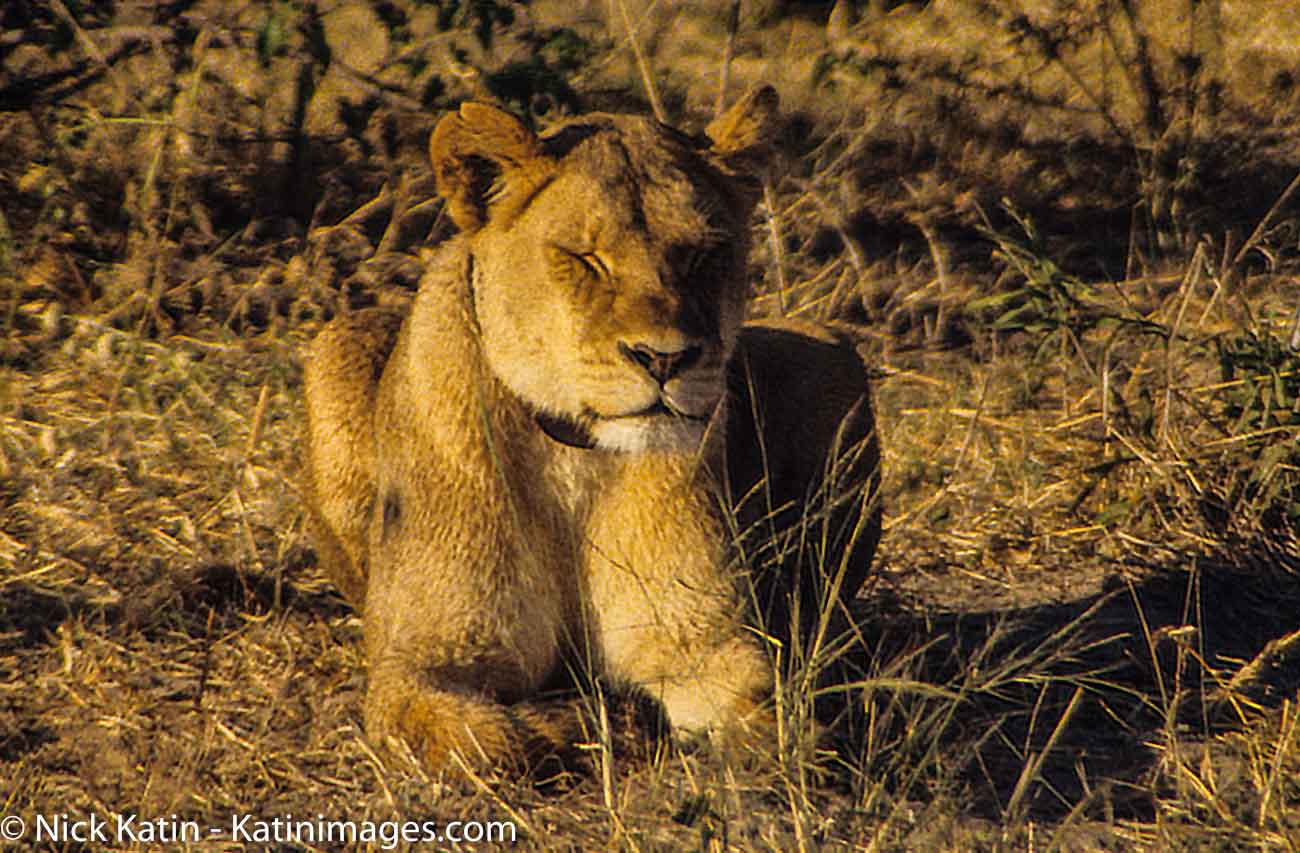
    A lioness enjoys the late afternoon sun in Chobe National Park, Botswana
    A lioness enjoys the late afternoon sun in Chobe National Park, Botswana
  • African shoestrings the plan part two

    So with the flights books and with the aid of countless travel guides borrowed from the library, the internet and the scantiest of information from the few African countries tourist offices in Australia we plotted our route.

    We gave ourselves 111 days to travel overland from J’burg to Dar es Salaam, see what we wanted to see and spend only an average US$100 a day, not each, but in total! We would stay in backpackers, youth hostels, cheap hotels and where possible camp. The latter was made a little difficult on account of the fact that we weren’t taking any camping equipment but as they say, there’s more than one way to skin a cat!

    The only things we booked here in Perth were our first nights’ accommodation and ten days car hire in J’burg. There was a very important reason for pre booking both of these. Safety! J’burg is infamous for violent crime; the last thing we wanted to be doing when we arrived was wondering the streets looking for somewhere to stay or looking for a hire car. No, we just wanted to stay one night near the airport, pick up a car and get the hell out of there!

    We booked the car through our travel agent and the accommodation through the Internet. Maybe it’s because of time constraints, security or lack of knowledge but it’s interesting that so many people still use travel agents. We found a cheap motel in the right location for half the cost of what our travel agent quoted.

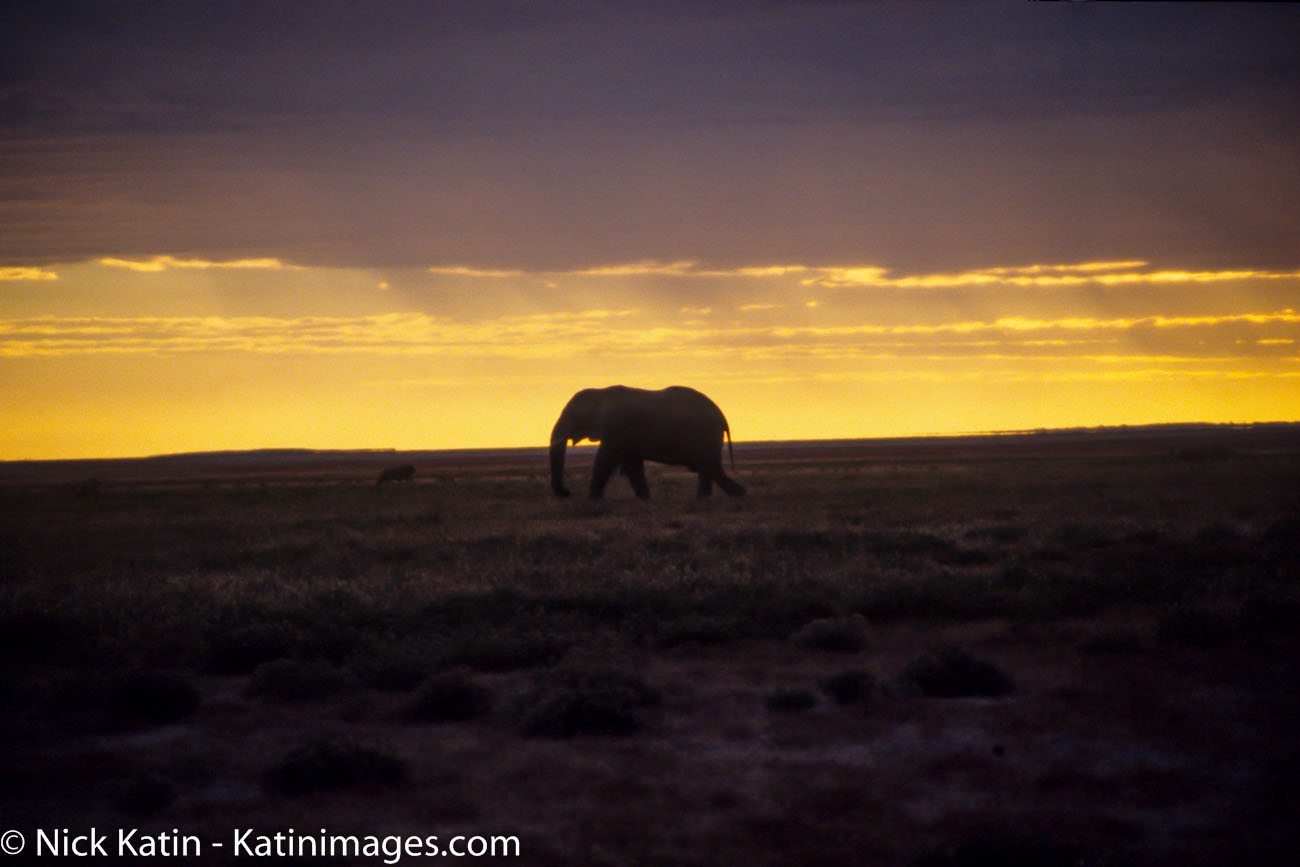
    An elephant strolling through the scurb at sunset in Etosha national Park, Namibia
    An elephant strolling through the scurb at sunset in Etosha national Park, Namibia
  • Photo tip no 4

    Camera shake! The enemy of a clear photo. Most people take pictures and look at them on the camera’s rear screen and think they are OK or even great. Its not until they download them and see them on their computer, laptop, tablet etc.  do they realise they are a bit ‘fuzzy’ (soft is the technical term). That’s usually caused by camera shake. In other words the picture taker moved whilst taking the shot. My tip – if you have DSLR or micro 4/3 rds with a view finder, USE IT! Its much easier to hold the camera steady with the camera against your face than it is holding it at arm’s length. If you don’t have a view finder i.e. the majority of compacts and smartphones, then try to bring the arms back and tuck them into your sides. Obviously the other alternative is to use a tripod and I’ll talk about this on a future post. For now – Hold that camera still!!

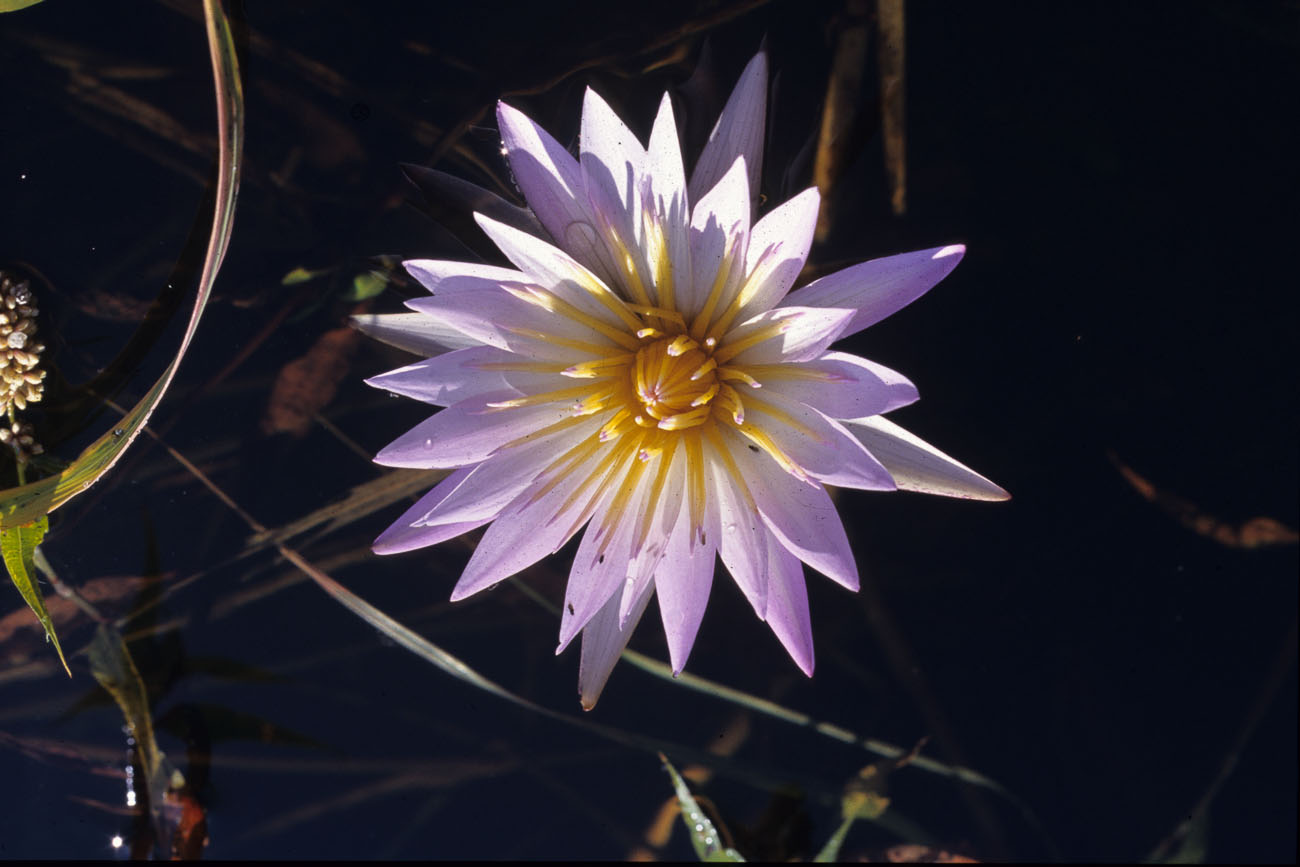
    Lillie Pad flower in the Okavango Delta Botswana ©2013 Nick Katin
    Lillie Pad flower in the Okavango Delta Botswana ©2013 Nick Katin

    To buy a print of this photo or to licence or share this photo email or contact us

  • Photo tip no 3

    Cameras need light and when there’s not enough of it the picture taker has a couple of options. A tripod is the preferable option and I’ll cover that in another tip. So lets talk about ISO. In the days of film you couldn’t change the ISO easily  You had to change the film or using exposure compensation “push” or “pull” the film a couple of stops but you couldn’t change back again until you changed the film again. But now the ISO can be changed at a whim. All cameras, including compacts and smartphones these days, have an ISO setting. So there are two options. Have the ISO setting on auto which is fine for the majority of the time. But auto is usually set at a maximum of say 1600 which may not be high enough. Alternatively change the ISO setting to suit the conditions. E.g. in low light select a high ISO. However whilst the top end DSLR’s have amazing results from ridiculously high ISO’s there are some models where grain or noise becomes more pronounced the higher you go. So its worth taking a few images at various settings to see how your model performs at high ISO’s. Having said that grain does add mood to certain scenes. For now though, find that ISO setting!

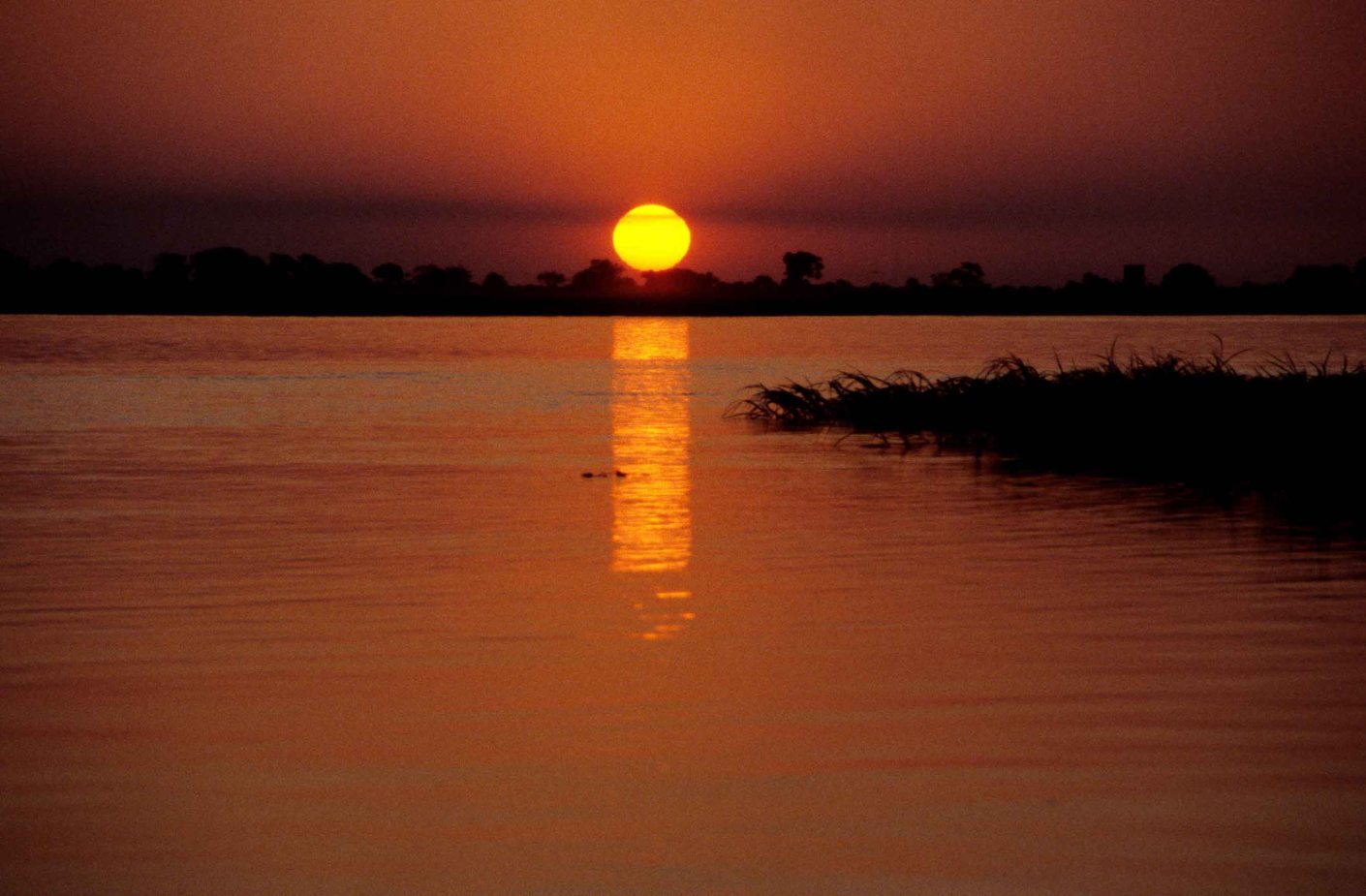
    Sunset on the Chobe river in Botswana ©2013 Nick Katin
    Sunset on the Chobe river in Botswana ©2013 Nick Katin

    To buy a print of this photo or licence or share this photo email or contact us