Katin Images Travel Photography

Travel Photos, Travel Photography Tips and Software

Blog

  • Understanding the 3 points of the exposure triangle

    Understanding the 3 points of the exposure triangle

    So, what is the exposure triangle?

    Well the exposure triangle is the relationship between aperture, shutter speed and ISO.
    Each one affects the other.

    OHM’s Law

    Remember Ohm’s law? Well if you don’t (I’m not even sure they teach it at school these days).
    It’s basically an electrical equation V Volts (power) = R Ohms (resistance) x I Amps (current) and if you change one you change the other.
    If you know the power and the resistance then by changing the equation to Volts ÷ Ohms = Amps, you can work out the current (amps).

    Understanding the 3 points of the exposure triangle

    It’s the same for the exposure triangle.

    The Three Points of the Exposure Triangle

    1. Aperture

    Aperture is a hole that lets light in. The bigger the hole the more light you let in.
    What does that mean?
    It means the smaller the hole the more in focus – the bigger the hole the less in focus.

    Let’s say you took a picture with a setting of F2.4. Because the size of the hole is inversely proportional to its setting that’s a large hole. The subject will be in the focus but the background will be blurry.

    But if you took a picture with a small hole e.g. a setting of F22. then everything will be in focus. That’s not strictly true as the amount in focus starts at the point at which you are focusing the camera out towards, potentially, infinity. 

    2. Shutter speed

    This is an easier one to grasp.
    As with the aperture, the longer the shutter is open the more light you allow in.
    Shutter speeds are measured in fractions of second to seconds.
    So, a shutter speed setting of 1/100 is one hundredth of a second or .001. A setting of 5 is 5 seconds.
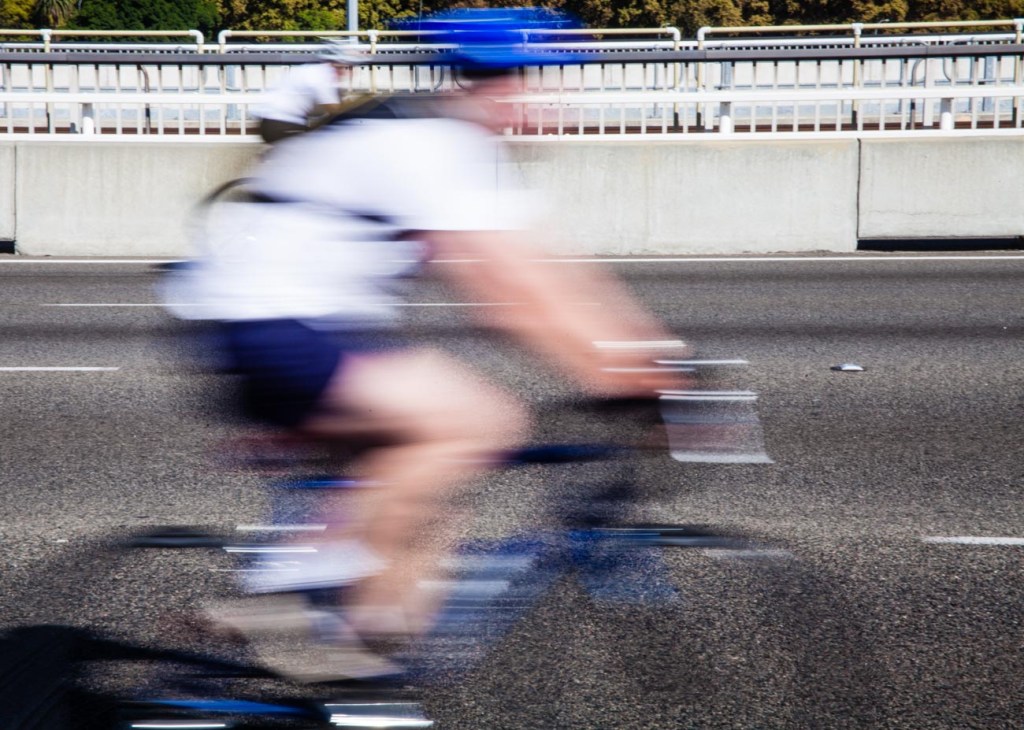
    However, the effect is totally different from the aperture. A fast shutter speed will generally freeze motion e.g. sports. Whilst a slow shutter speed will blur motion e.g. a fluid looking waterfall.

    3. ISO

    ISO stands for International Organization for Standardization and in the film days was an indicator of how sensitive to light a film was.
    An ISO 400 film was 4 times as sensitive to light than a ISO 100 film.
    On digital cameras that sensitivity is for the camera sensor. When the ISO is increased or decreased you are in effect, making the camera sensor more or less sensitive to light.
    ISO 100 being the least sensitive whilst ISO 25600 plus is the most sensitive.

    Practical Example

    So, there you have the three points of the exposure triangle.

    I’ve already mentioned how each one affects the other but let’s see how that affects, for example, Product photography and look at a couple of specific examples.

    OK, so we’ve got this new beaut product that we want to take to the market place and we want to create some really cool images to use for marketing.
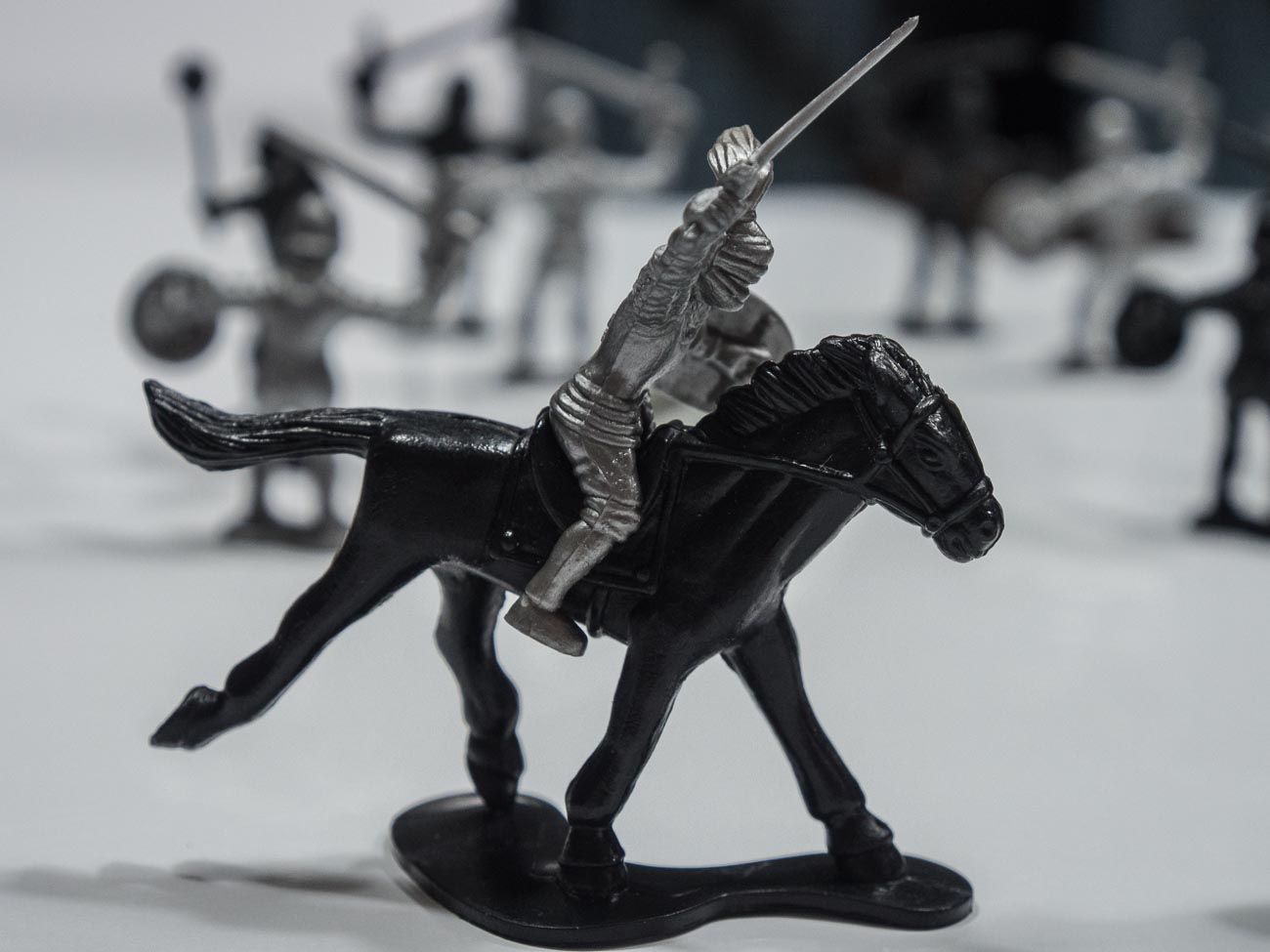
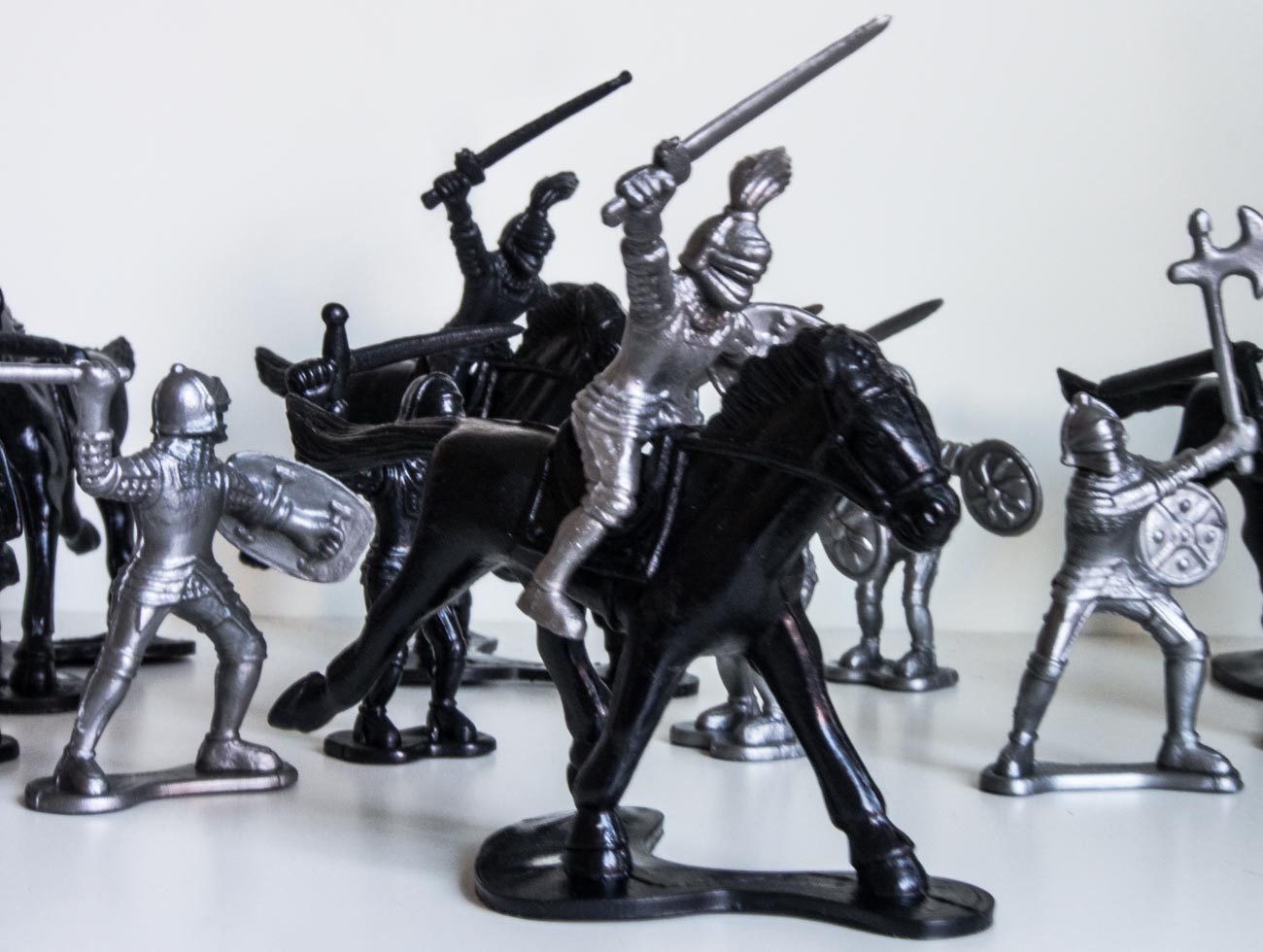
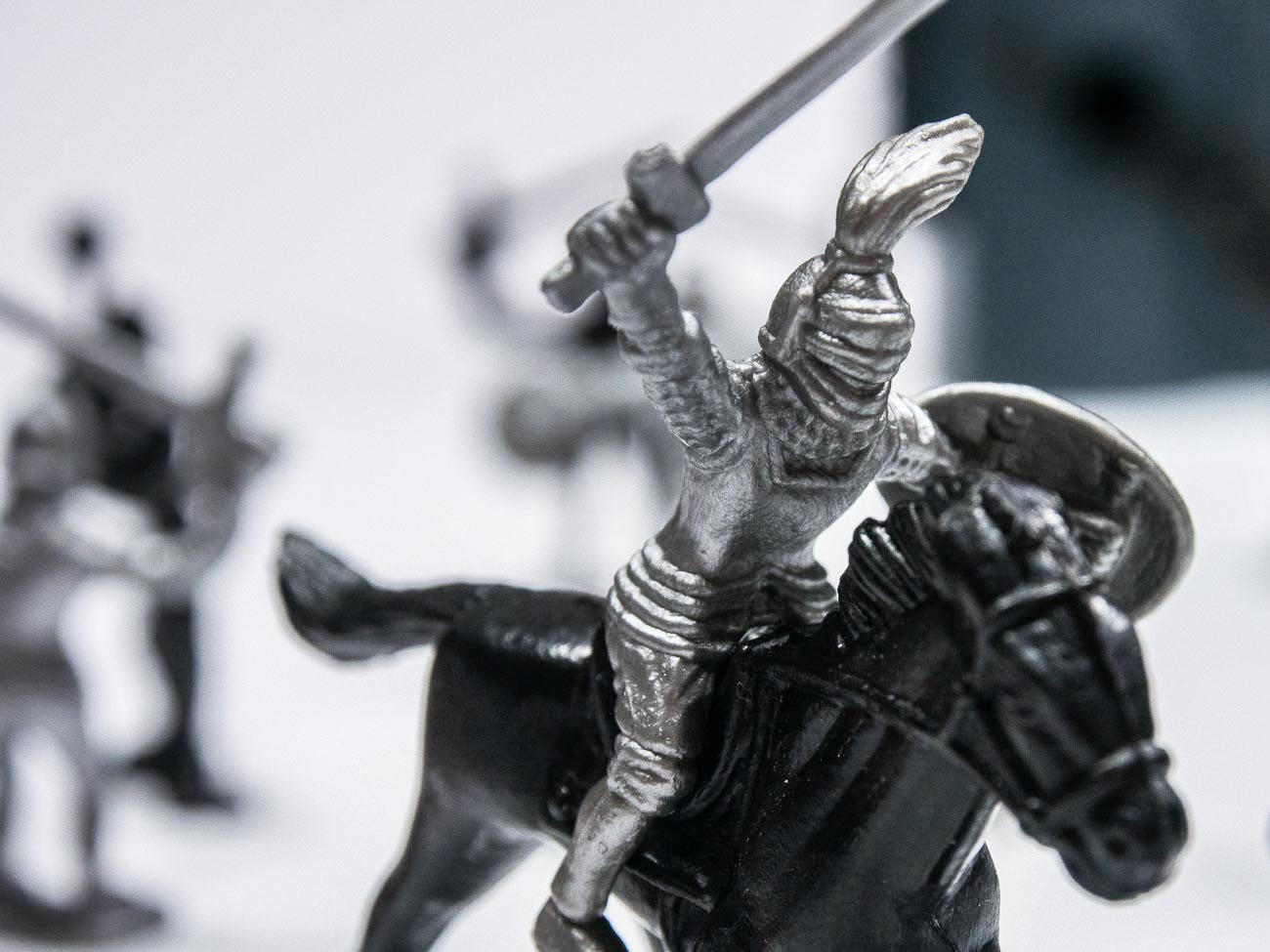
    Let’s say it’s this toy soldier
    We’re taking the picture inside which is fairly bright, even though we’re using just natural light. To make sure we get a properly exposed image we are going to take a couple at different settings.
    Understanding the 3 points of the exposure triangle

    The first image has an aperture of f5 and a ISO of 800 whilst the camera has calculated the shutter speed.
    You can see everything is in focus and the light looks fairly normal.
    But look closely and you’ll see that it looks a bit soft e.g. slightly blurred?
    That’s because the shutter speed is too low at 1/20 which means I couldn’t hold it still enough.
    Understanding the 3 points of the exposure triangle

    The second image had an aperture of f1.2 and a ISO of 2000. Here you can see that the soldier is in focus whilst the background is blurred (bokeh).
    That’s a fairly common way for ensuring that the spotlight is on the product and not distracted by the back ground.

    Because of the high ISO the shutter speed is 1/200 which means the image is much sharper.
    That’s because the shutter speed is now 10 times as fast and is a bit more forgiving.

    As an aside if you think you can hold a camera still regardless, think again. Our hands move without us knowing.

    [mailerlite_form form_id=7]

    However, the disadvantage of having a high ISO is that the image could have noise which may or may not be an issue.

    As a rule of thumb, with newer cameras the higher the maximum ISO setting on the camera the less likely noise will occur at lower settings. E.G. The OMD1 MKII Mirrorless Camera that I have, has a maximum setting of 25600. Realistically I don’t really see any noise in an image until around 1000. Compare that with my Galaxy S8 Smartphone Camera that has a maximum ISO of 800. With this one I notice noise at around 400 ISO

    Of course, there are ways of reducing or getting rid of noise in post-production with software like Adobe Lightroom. So, it’s not that a big issue.

    Below are two examples of noise from two different cameras.

    Understanding the 3 points of the exposure triangle
    Understanding the 3 points of the exposure triangle

    There you have it, that’s the exposure triangle.

    Did you understand all that? I’m happy to clarify anything you’re not sure of.
    Just post in the comments section below. Don’t be shy.

    Thanks for reading this article

    There must have been something that piqued your interest.

    Is it that you see yourself taking some great travel photos that you can share or display?

    Or is it you can see yourself reliving your travel experience by bringing home some emotive travel photos?

    Maybe you aspire to getting your travel photos published.

    If one or all of these is YOUR goal, I can help.

    If you sign up in the box below you’ll get my free eBook “9 ways to improve your Travel Photography”. At the same time, you will also subscribe to my Travel Photo Tips Newsletter.

    Remember if you want to take great travel photos

    •   that you can share and display.

    •   that help you relive your travel experience

    •   give you a chance to have your travel photos published

    then sign up below and subscribe to my Travel Photo Tips Newsletter and for your trouble get my eBook “9 ways to improve your Travel Photography”

    [mailerlite_form form_id=7]

    Any questions then please write your comments below or contact me here and please say hello at these places:

    FacebookTwitterInstagramLinkedIn:


  • 7 Ways Good Photography Equipment Can Help You Create Great Marketing Images

    7 Ways Good Photography Equipment Can Help You Create Great Marketing Images

    7 ways good photography equipment can help you create great marketing images


    I’ve said in a “Why selecting a new camera is like selecting a new date (or TV)” that it’s not the camera but the person with their finger on the shutter button that makes or breaks a great photo.

    Well just to contradict myself, sometimes it is the gear.

    Having certain equipment can give you shots that you may not be able to get without it.

    A sports action photographer won’t get some of the shots he would like if the auto focus in his camera is slow.

    Fashion photography requires excellent lighting.

    Top quality landscape photographers usually use a tripod and high resolution cameras.

    Cameras with more settings will generally have more flexibility and therefore give the photographer choices.


    Let’s look at what equipment can give you:


    1 Artistic opportunities.


    It gives opportunities to create something imaginative.

    For instance, with some of the filters that are part of almost every camera today, including smartphones, you have options to give your image a Grainy Film, Pop Art or Sepia old worlde tone look.

    The image below is a combination of a couple of filters.


    7 ways good photography equipment can help you create great marketing images


    2 Freeze motion


    When you are taking images of an event that has motion you generally need a high number of frames per second (FPS) to capture several images at a time.

    Some cameras have high FPS and some lower and that can make a big difference.


    3 Blurring motion


    Conversely if you wish to blur motion then you need a camera that will allow a slow enough shutter speed.

    That may not always be possible especially in bright light. So, a ND (neutral density) filter can be added so that the amount of light entering the camera is reduced.


    4 The ability to take images in low light part 1


    There’s no doubt that modern cameras can almost see in the dark.

    However not all cameras are created equal. Even though there are cameras that have ISO rating in the 100’s of thousands they may not give the crisp clear images you want.

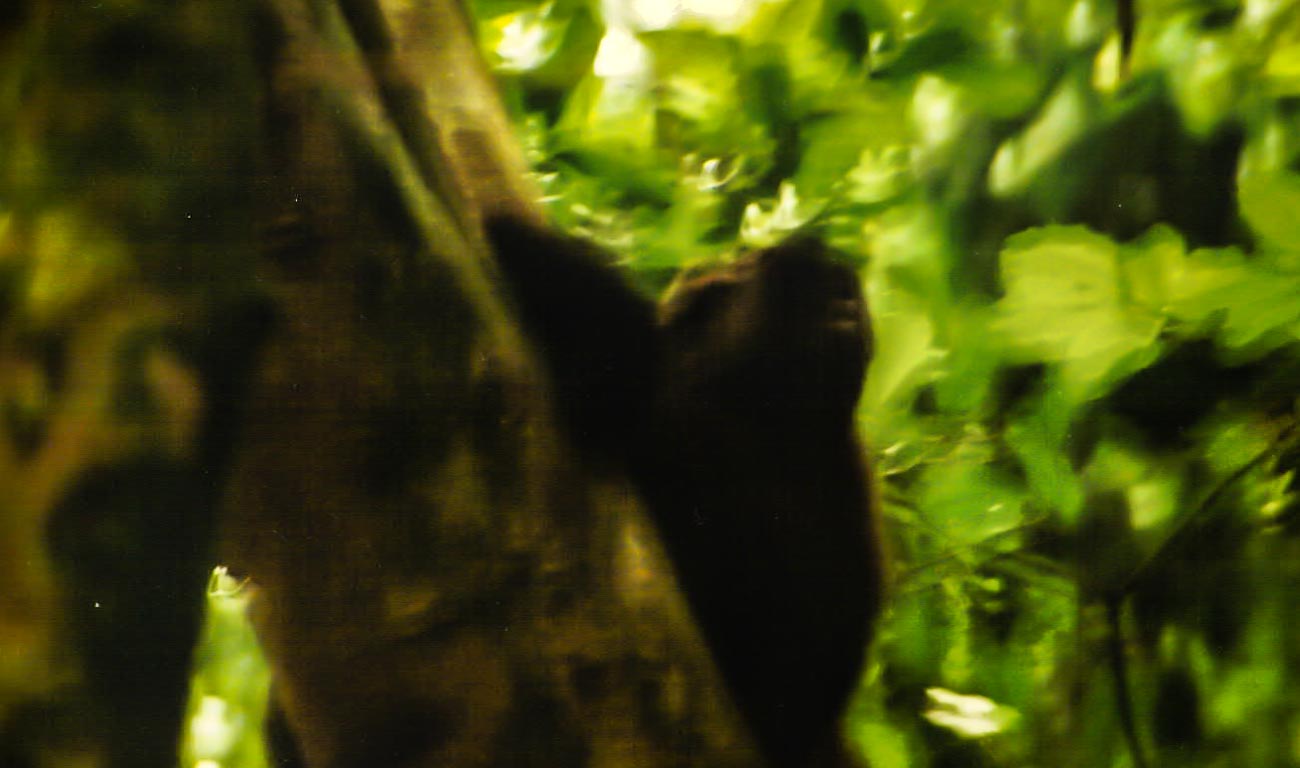
    Why is ISO that important? Well to give you a personal example; when I was first learning photography, back in the film days, I was on a gorilla safari in Uganda.

    The forest we were in was dark and as we got a view of the gorillas I snapped away not understanding that I should have had a film with a much higher ISO. 

    The images were developed some time later and were so disappointing.


    7 ways good photography equipment can help you create great marketing images


    Blurred because the camera had a slow shutter speed due to the lack of light.

    A priceless experience that was never properly recorded!

    Before digital, the ISO rating you had on the film meant that you were locked in for however many frames there were e.g. 36. Now you can change the setting per frame.

    Film also only went up to around 1600 and even then, you got a grainy image which is OK if you want to depict a moody grainy photo but not so good if you wanted something crisp and clean.

    So, yes, some cameras will give you some great images and high ISO negating the need for tripods or other ways of holding the camera still but not all.

    My wife’s camera (granted it’s a few years old now) is ok up to 1600 after that the grain is quite noticeable.

    On the other hand, the Olympus OMD5 I have is great up to about 6400.


    5 The ability to take images in low light part 2


    Image stabilisation can really help if you need to take images in low light or with slow shutter speeds. In some cases, that can eliminate the need for a tripod.

    I first saw image stabilisation in Namibia on safari. A photographer had a lens with image stabilisation and he could take images without the need for a tripod in fairly low light. This was 20 years ago when I was first learning photography and that blew my mind!


    6 The ability to take images in low light part 3


    I’ve always hated carrying and using a tripod but now with these lightweight models and the fact that the cameras are now a lot smaller and weigh less it’s not so much of a burden to carry one. Using it – well that’s still another matter but I will say if you are taking images of products especially in low or artificial light then it’s a valuable tool.

    With a tripod, you can take yourself out of the equation and with a wireless (or wired) remote you can take images of subjects reasonably stress free and creatively.


    7 Bokeh


    Bokeh is the term used for making the subject stand out from its background by ensuring that the subject is in sharp focus and that the back ground is blurred.

    The right equipment can allow you to create an image with great Bokeh.

    The equipment for this is a little more complex. If you have a full frame camera, then it’s relatively easy with even the package lens to get a reasonable bokeh.

    Where it gets tricky is with mirrorless (there is the odd full frame mirrorless but for this purpose, we’ll cater to the majority).

    Any none full frame camera is very much dependent on the lens and couple of other factors like distance and zoom.


    So, that was my alternative view on the importance of equipment.


    Do you agree?


    Let me know in the comments section below

  • How to take an ‘awesome’ selfie

    How to take an ‘awesome’ selfie

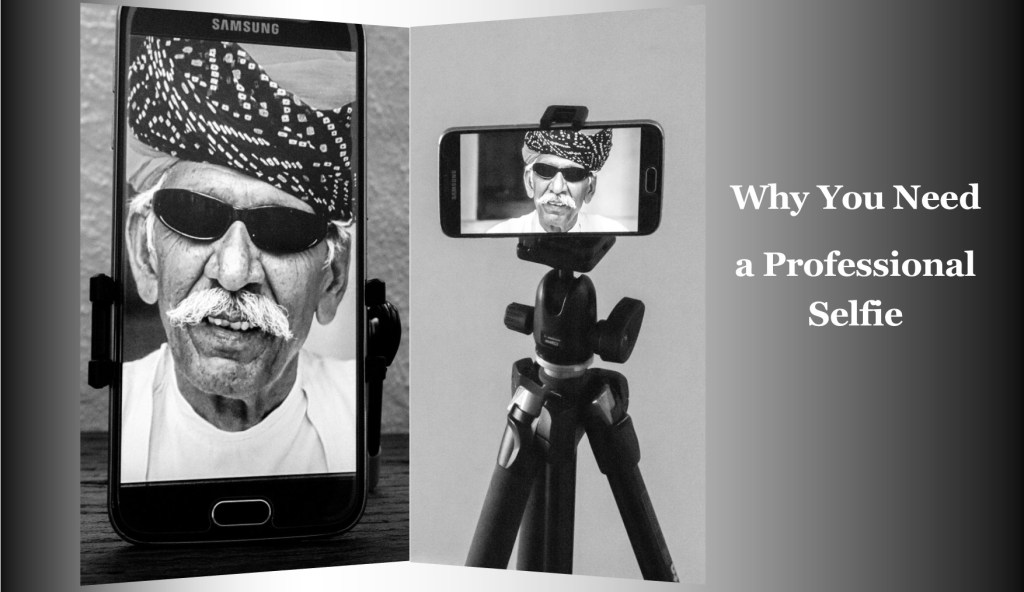
    In Why You Need a Professional Selfie I talked about having the need to have a decent self-portrait or ‘selfie’ on your website, social media or publication to show the human face.

    Maybe you’ve decided to get this done but don’t want to use a professional photographer or Uncle Eric who has a good camera.

    In which case read on.

    So just to refresh. In Why You Need a Professional Selfie I suggested that you need to

    Decide what sort of self-portrait you think represents your brand best

    A financial adviser or lawyer may want a more conservative head shot.

    Or they may want a full-length portrait with business like clothes like jacket and trousers.

    A social media site may wish to convey a trendy relaxed image. So, it may decide that, rather than have a headshot, an image of its employees being active may be better.

    Whilst I have concentrated on websites and maybe social media you may also wish to use it for some printed marketing material or even billboards.

    And that’s when the capability of the camera and printing become important

    The four most crucial factors to getting a professional self portrait

    1. Equipment

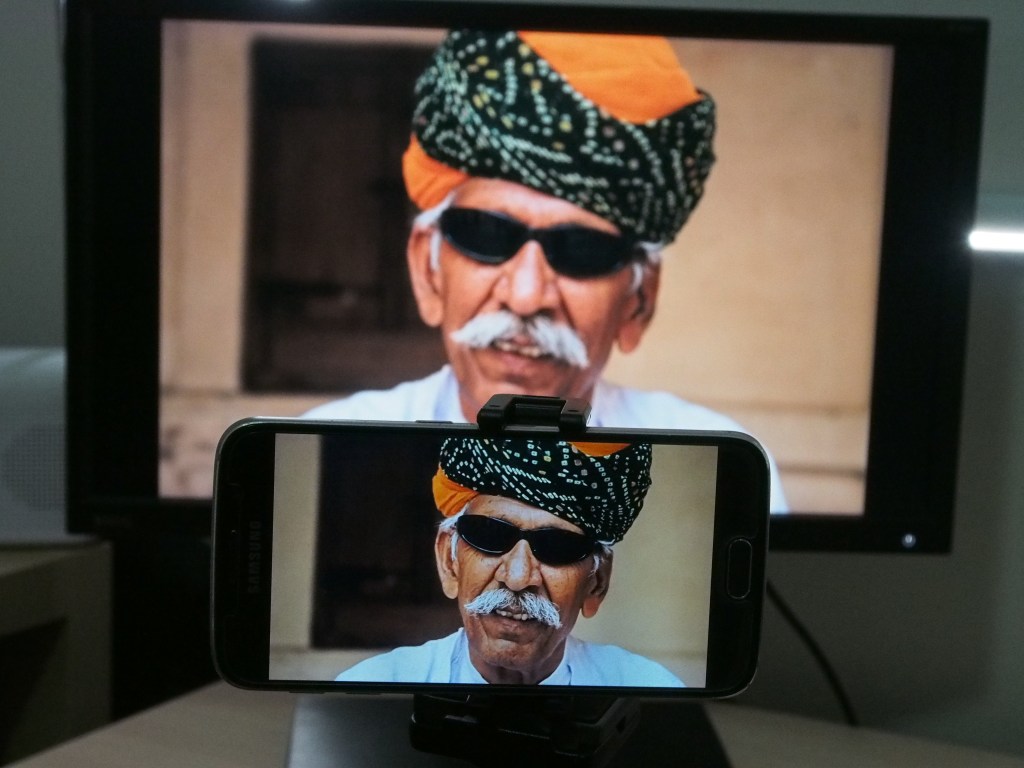
    I’m going to show you on a smartphone but any camera should do the job provided it works 🙂

    1. Light

    Light is everything. If the light is dull or too bright the image can be too dark or ‘blown out’

    (a term for images that have the highlights way too bright).

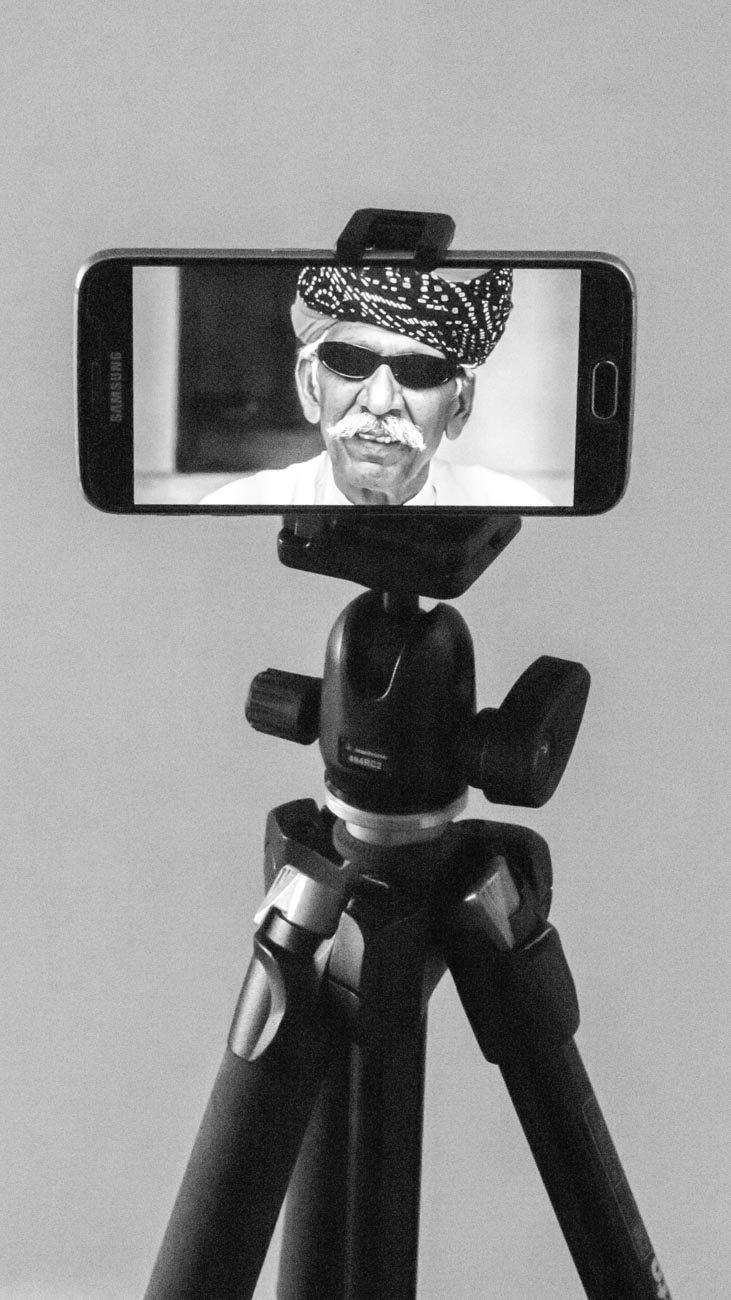
    1. A way of mounting the camera.

    How to take a selfie

    A tripod is undoubtable the best way if someone e.g. an employee, is not taking it for you

    1. Staging

    Make sure you select the correct pose. You may have to take several different images at different angles to get one you want to use.

    Incidentally there is no rule that says you must use the same image across the all platforms and marketing material.

    Set the camera up;

    1. Regardless of what the use is, make sure you have the biggest resolution. Much better to size down that attempt to upsize.

    On the Samsung S series smartphone cameras for example you will find picture size next to the settings icon.

    Select 16M or 12M or whatever the largest number is.

    The resolution on the IPhone is set to maximum and has no adjustment from that except with the use of a third-party app.

    Some other brands only give you the option to select large or high

    Note: The front camera usually has a much smaller resolution than the main camera so avoid using it for this application

    1. Find the timer and set it to 10 seconds
    1. You can usually just leave the camera on auto if the light is pretty good. But you can change the settings on some smartphones. The only ones I recommend is possibly the ISO or exposure compensation.
    1. Mount the camera on a tripod or any other way you can find to mount.

    I use the Joby Grip Tight Micro Stand a great little find that has a mini stand. It can also be fitted to a standard tripod head.

    Set the scene

    1. Find a well-lit position. You can be creative by sitting or standing near a window and allow the light to be strongest on one side.

    Alternatively, if you want to light up both sides, use a whiteboard on the side away from the light.

    1. Think about the background. Make sure it’s not cluttered and distracting to the eye.

    Again, a whiteboard is handy. White (or off white) backgrounds are always the best way.

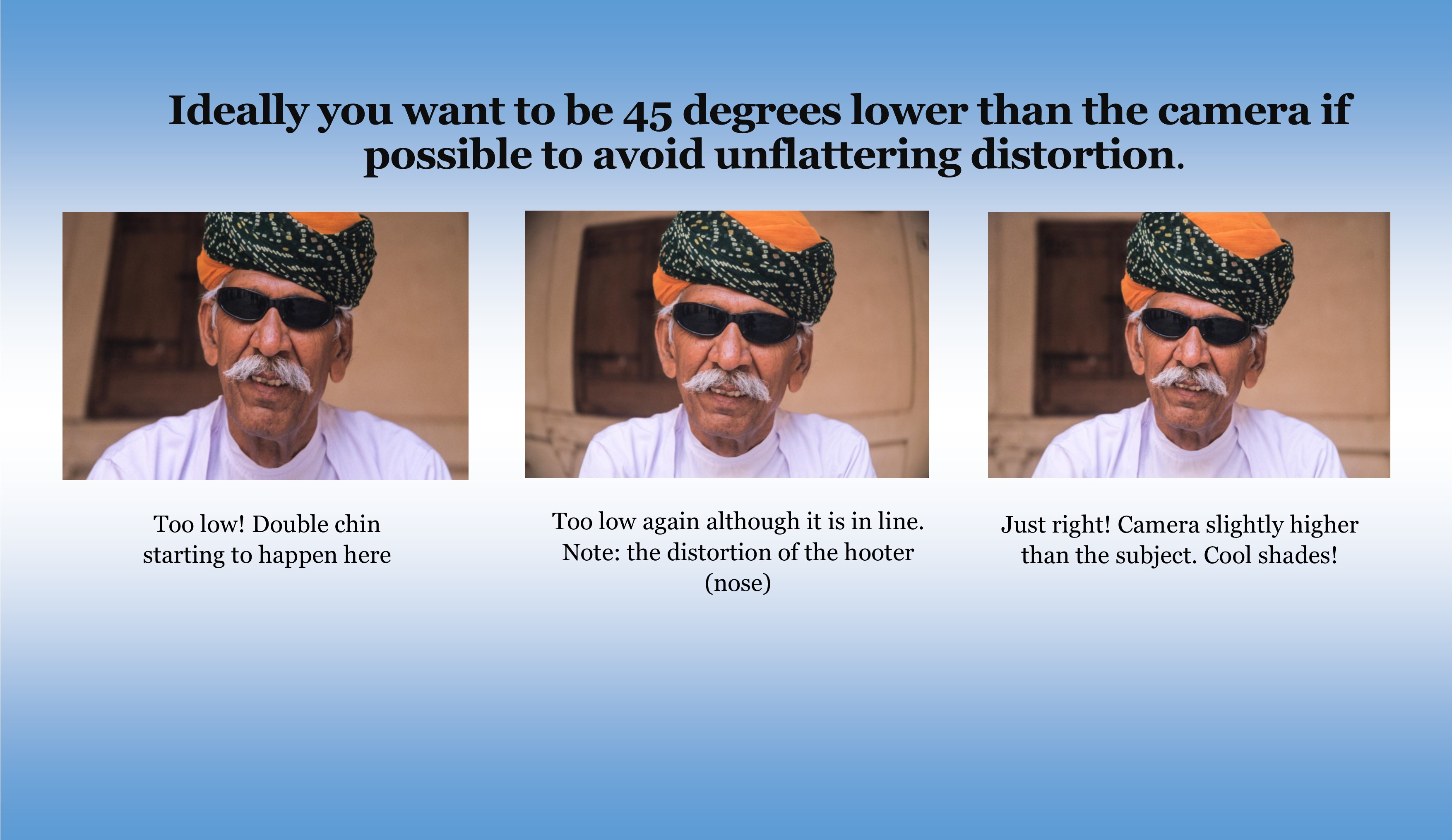
    1. Think about your position. Ideally you want to be slightly lower than the camera if possible to avoid unflattering distortion.
    1. Now comes the tricky bit. Unless you have someone else helping, you are going to have to focus the camera on your final position, be it a full length or head shot.

    The easiest way to do this is to put something in that position and then focus on it.

    1. Just press the shutter button and then get into position.
    1. Take plenty of images trying different poses and maybe different locations. You can’t take too many!

    How to take a good selfie


    Review

    1. Review on your phone and add a filter if you wish. There’s plenty of them out there.
    1. Load the images onto your computer.
    1. Look for softness (slightly blurry), unwanted distractions or items and light
    1. Crop if required. You may need to crop for different applications.
    1. Upload to your website, social media or another platform.
    1. Discuss requirements with your printer if you are using hard copy marketing material.

    Finally

    Rinse and repeat if need be.

    You may think you’ve got it right but there’s always room to improve.


    Is there anything else you want to know? Did you give it a go?

    I’d be really interested in any results that you wish to share.

    Let me know in the comments below.


  • How to get ahead of your competition? Get good images

    How to get ahead of your competition? Get good images

    As a photographer and someone who has been involved in sales and marketing as a profession, I shake my head at the way some business’s view the use of images in marketing.

    Because image is everything!!

    I’ll say that again; “image is everything!!”

    It’s no longer about what your product is, it’s now about what the product looks like and represents, and that means image.

    To be fair I have seen some amazing imagery from some companies but in there are a lot that are pretty average.

    Let’s take the wine industry (I’m a pretty sad wine enthusiast)
    An out of focus, dimly lit picture of a bottle plonked on a dining table is just not going to encourage anyone to buy.
    With some care given to background, lighting and props, the final image can reflect a sense of place, lifestyle and even culture and give a much needed professional feel to a website, for example, which all helps to sell wine.Card Farm Pinot Noir

    Recently I attended a wine tasting that had little or no imagery available for the wines on tasting. The tasting was at a liquor store and was run by a distributor and the winemaker for this particular winery, yet amazingly the bottles were only seen when poured from.
    Nowhere on the literature were there photographs of the winery, wines or anything else that may leave a lasting impression.
    Unless I have my tasting notes or price list with me I wouldn’t recognise these wines were I to go into any other liquor store today.

    Sadly, I find that this is the norm

    There are 4 reasons why a business doesn’t invest in their marketing images

    1. Cost
    2. Time
    3. Lack of knowledge.
    4. Attitude that it ‘doesn’t matter’.

    The first two, cost and time are understandable but lack of knowledge, with some motivation, is easily remedied.
    There are plenty of resources both online and off line that can help the budget conscious business learn how to take good photographs.

    However for anyone who thinks it doesn’t matter then think again!
    Images are the new language. As at May 2014 (the last accurate report) 1.8 billion images were uploaded every day which is 30% higher than 2013!
    It is now estimated that we will have exceeded the 2 billion per day by the beginning of this year.
    In fact some estimators are saying that the number of images uploaded this year alone is more than the total of all previous years.

    No longer are purchasing decisions based on sales copy alone.

    Images are attracting attention and it’s never going to change back.

    So you’ve got to get your potential customers attention and that’s where striking images that grab comes in.

    What you shouldn’t do

    If I produced wine, (I did think about it once but it seemed much less enjoyable than drinking it) I would want to control the image of all facets of my operation from the product to the winery to the location.
    I hear of wineries having competitions to find the best image, usually on Facebook or Flickr, so that they can use it for marketing. Some may say that is a certain degree of control.
    However I would challenge that view as the vast majority of photos generated won’t provide the image that is best suited to that particular winery, even if it’s a good image.
    When you consider the effort and time to organise the competition and the cost of providing the prize, usually a case of wine, surely that energy would be better spent producing an image that conveys what the winery would like to show the world, rather settle for possibly the best of a bad bunch!

    Celebrities now days are going to great lengths to protect and control their image, some of it a bit too zealously see An Open Response to Taylor Swift’s Rant Against Apple. They understand the power that the image now has and its potential to affect either positively or negatively their business and consequently their earnings.

    What you should you do

    Well in the above wine tasting example, some great images of the winery and its location.
    At the beginning of the tasting they showed a YouTube video of the winemaker being interviewed and part of the footage was some amazing scenery next to the winery.
    Images of that scenery (a desert landscape next to the Pyrenees in Spain) could have been on a cover for the tasting notes or large prints on pull up banners or posters could have been placed or hung around the room.
    Then they could also have had some inventive and colourful images of the bottle and its label on the tasting notes.
    And that’s just to start with.

    Here’s 5 things to look for in your marketing images right now

    1. The biggest one is do they represent how you think your business should appear to others.
    2. Are they sharp i.e. no sign of unintended blurriness?
    3. Do they blow up to a reasonable size?
    4. Does it have impact?
    5. Is it memorable?
    6. Is your product clear and concise?

    Conclusion

    It’s your business and your product that are being represented.

    No amount of text will compensate for a poor first impression

    So just start by critiquing your images regardless of who created them.

    So if I could leave you one simple message it’s this:

    “A photograph shouldn’t be just a picture, it should be a philosophy”

    So what do you think? Anything I’ve missed?

    Please leave your comments below


  • 10 Vital Facts about Camera Aperture

    10 Vital Facts about Camera Aperture

    10 Vital Facts about Camera Aperture

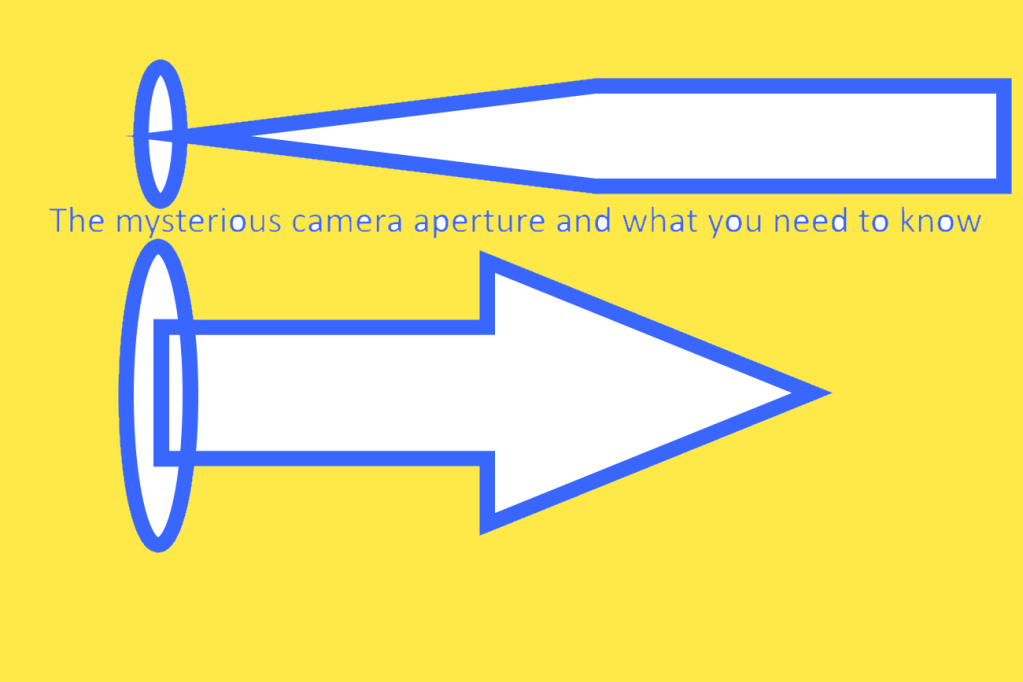
    The aperture of a camera is the centre of the photographic universe.
    Well maybe, the other centre as some would argue, is the shutter.

    No matter, let’s continue as if we haven’t heard Mr ‘some would say’ and show you 10 Vital Facts about Camera Aperture.

    The Aperture and the Heart

    The aperture is pretty much like the human heart, not at a lot goes on in the body without it.

    With your heart, almost everything you do relies on the heart beating at all. Then it needs to beat the correct rhythm to ensure what you want to do can be done.

    It’s often how fast your heart beats that will determine how quickly you can run/walk/cycle up that hill for example.

    So, it is with the aperture.

    If that’s not set properly then the image you get is not what you were expecting.
    Therefore that you won’t be happy with the end result. Especially if the subject you may never get the opportunity to photograph again. 

    So, what’s the 10 Vital Facts about Camera Aperture?

    1. The aperture is hole that allows light into the camera sensor that dictates the end result.
    2. It’s adjustable. You increase or decrease the hole size to get the effect you want.
    3. The amount of light the aperture lets in affects your ability to keep the camera still enough to get a crisp shot.
    4. Contrary to the general belief it’s the aperture not the auto or manual focus that is a major factor in what is in focus and what is not
    5. Aperture is measured in f stops. Confusingly for anyone just getting acquainted with it the lower the number the bigger the hole or opening.
    6. Each f stop doubles the size of the aperture when reduced or halves it when increased.
    7. Depth of field (DOF) is controlled by the Aperture
    8. A large DOF F22 reduces the aperture opening and puts everything in focus from the point of focus to infinity
    9. A small DOF F1.8 increases the aperture opening and just puts the closest item focused on in focus.
    10. The lens you use affects the lowest aperture setting. You may have one lens that will have a minimum setting of f1.8 whilst another could be f4.5

    So why do you need to worry about those 10 Vital Facts about Camera Aperture?

    Well if you are using auto on your camera, you don’t!

    But if you want just a small degree of control then adjusting the aperture is a good place to start.
    Of course, there are filters (and apps for the smartphone users) that you can use to give you some basic creative control.
    But even the best don’t offer the sort of creative control that you can get by understanding how aperture works.


    For example

    This shot of a toy soldier was taken with a large aperture (small f-stop).
    The shot just below was taken with a small aperture (large f-stop).

    If we look at the uses for a small DOF (refer to no 9 above), then you could take an image of, say, someone you came across in your travels. Or it can be anything from a piece of Jewellery to food in the market place.

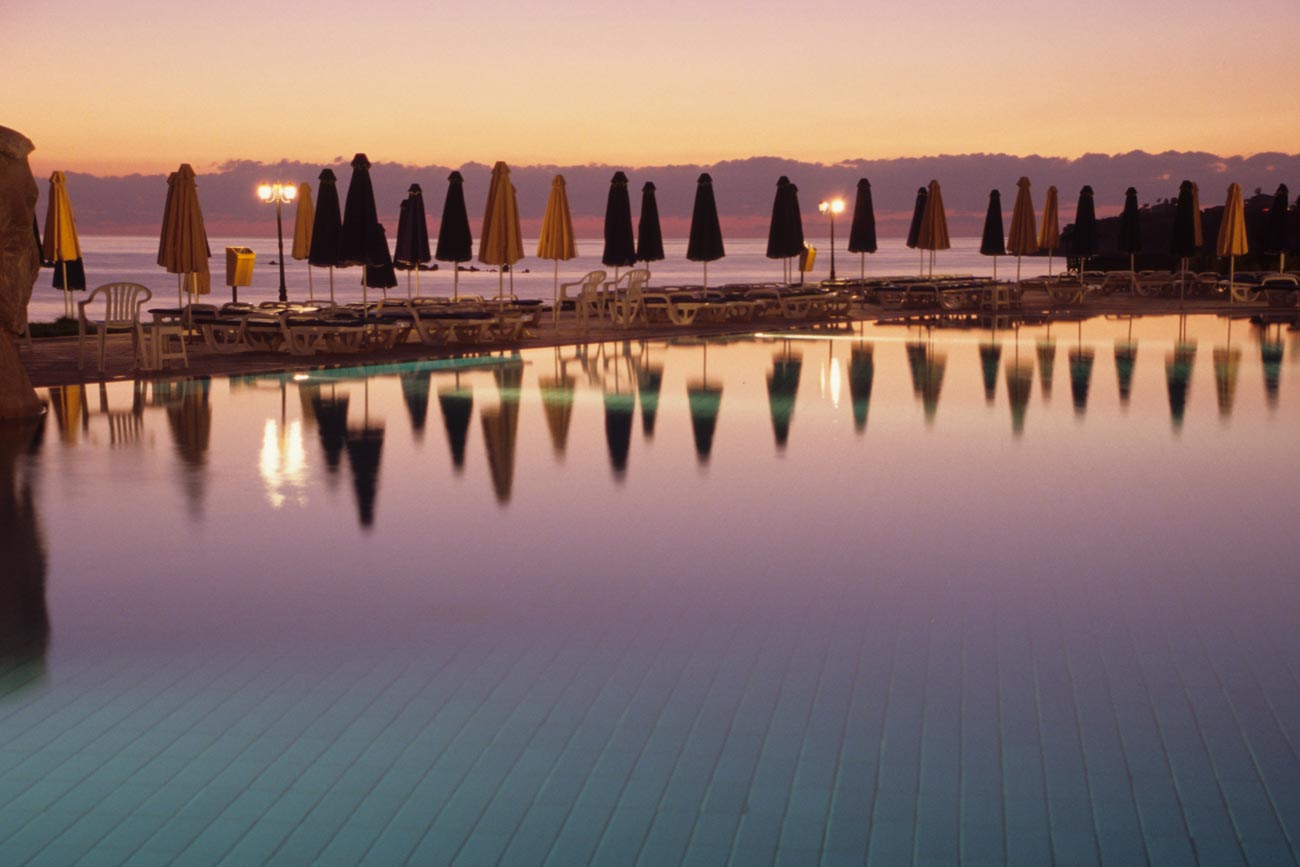
    The main pool at dusk at the Capital Coast Resort in Cyprus

    On the other hand, you could take a wide angle shot with a large DOF (no 8 above) of a building or a landscape with everything in focus with a small aperture.


    Hope you enjoyed reading this post and found it useful

    Please share if you did. Subscribe to nickkatin.com to get my weekly newsletter for exclusive content and to keep[ up to date.

    You’ll get a free e-book for just entering your email on the form below

    [mailerlite_form form_id=7]

    Let me know if you want me to expand or clarify anything.
    For some further reading check out:
    Understanding the 3 points of the exposure triangle
    and
    Learn how to use aperture priority in 15 minutes

    What other challenges do you have with photography and marketing?

    Leave your comments below.


  • Why You Need a Professional Selfie.

    Why You Need a Professional Selfie.

    Why You Need a Professional Selfie.

    We all know that a picture paints a thousand words.
    And we know that images are important to our marketing, particularly our online presence.

    Why is it then that often the one image that we should have, is missing or at best average?

    Which image is that? The SELFIE or as it used to be known as, the self-portrait.

    So why do you need a professional Selfie?

    When I visit a website I usually go straight to the about or start here page.
    It often surprises me how many about pages make no mention of the people behind them.
    For whatever reason they have no human images.

    In my many years of sales and marking there has been one truism: “People buy from People”.
    Usually people they like but most certainly people they trust and know something about.

    The human face

    There has been a lot of testing and research that confirms a human face on about page increases trust.

    When you have trust, the more likely visitors are to stick around and consume your content and/or buy your stuff!

    The about (or start here) and contact pages are the usually the most visited pages on a website.

    So if you don’t have a picture and some sort of bio you are telling visitors to your site that you are anonymous.


    why you need a professional selfie

    We as human beings tend not trust anonymous.

    Sure sites like Amazon or Microsoft are anonymous but they have multimillion marketing budgets that go a long way to overcoming their anonymous disadvantage.

    So make sure you have a professional selfie of yourself and your key personnel on your website.

    So the first 2 steps to think when taking a professional selfie are:

    1. What sort of self-portrait do you think represents your brand?

    A financial adviser or lawyer may want a more conservative head shot. Or they may want a full length portrait with business like clothes like a jacket and trousers.

    A social media site may wish to convey a trendy relaxed image.
    So it may decide that, rather than have a headshot, an image of its employees being active may be better.

    A tradesperson my want to have an image of themselves in working gear with a tool as a prop.

    Real estate agents tend to want half body (torso and head) shots.

    why you need a professional selfie

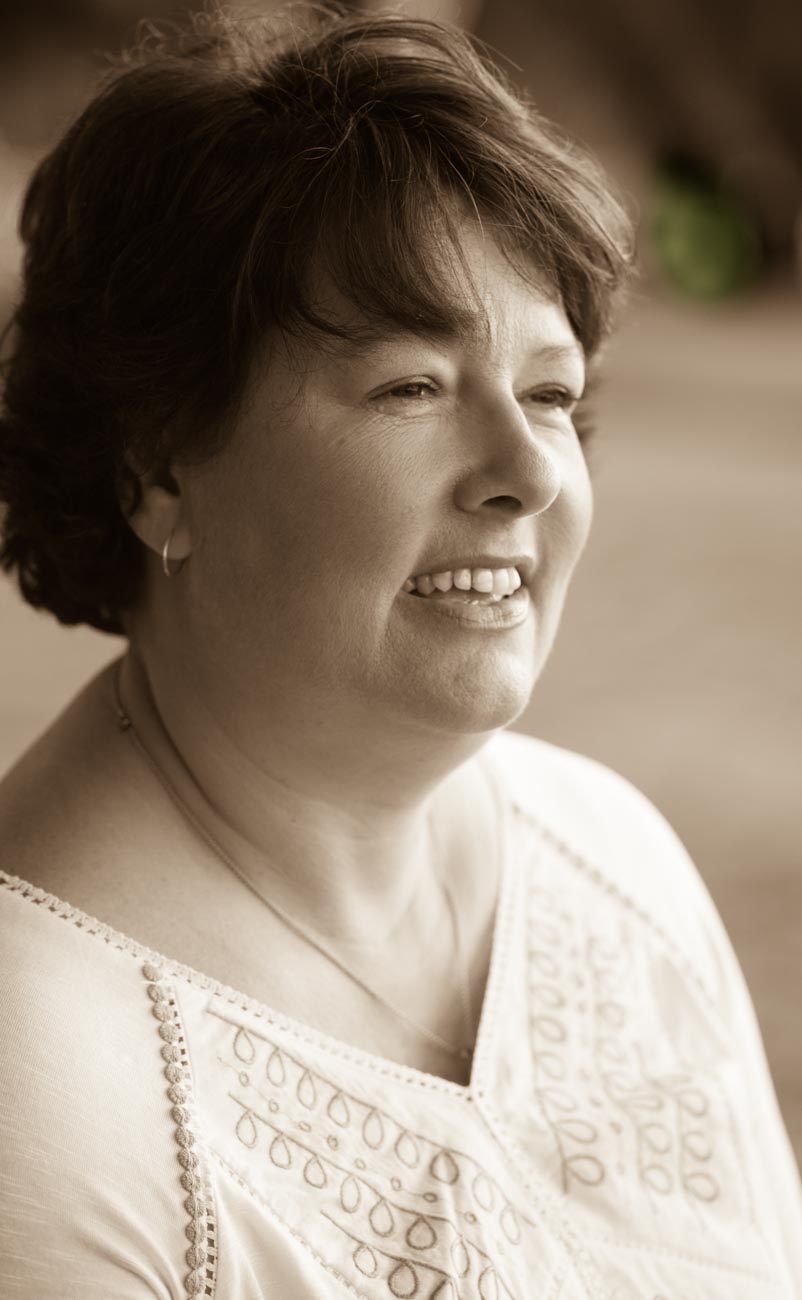
    Maybe you want black and white or sepia (a reddish brown hue that resembles the effect of aging in old photographs, the photograph not the subject!) as a point of difference.

    2. What are you using it for?

    Well as I said earlier the priority should be the about page of your website.
    If you have a team then make sure they too are on that page which could easily be a separate page underneath the main about page.

    Social media profiles are also pretty important. They show the human touch and are more likely to attract engagement

    You may also wish to use it for some printed marketing material like flyers and business cards.

    If you have been featured in publications, then a great head shot.
    Most publications, primarily due to the cost, are moving away from using a photographer.
    So having your own portfolio of self-portraits can be very useful

    Maybe you’re thinking really big and looking to get your face on a billboard.

    Whatever you are using it for make sure you take plenty of images, trying different poses and maybe different locations.

    And by the way, there’s no rule that says you have to use the same images across the all platforms and marketing material.
    You may want to convey a different image on your social media accounts than say, your business card.

    Why you are at, why not stick a ‘selfie’ on your contact page. It makes it feel more personal.

    So you can’t really take too many!

    Summary for why you need a professional selfie

    People buy from people, so make sure your brand shows you and/or your people.

    Take plenty of different professional selfie’s.

    Use them for not only your website but for other publications and social media.

    Check out some portraits in this gallery

    So what do you have? Do you have good ‘selfies’?

    Where have you posted and used them?

    Please leave the answers in the comments below

    While you are at it why not subscribe and get a free e-book to help you take better photos.
    The principles in this e-book apply not only to travel photography but to all types of photography. 

    [mailerlite_form form_id=7]

  • The 6 features you don’t need on your camera

    The 6 features you don’t need on your camera

    This is the last in my series features to have (or not have) on your camera

    The previous posts were:

    The essential feature to have on your camera

    4 features you must have on your camera

    8 more features to have on your camera

    If you haven’t had time to read them all whilst you are here for a visit then you can scroll to the bottom and get all four in a PDF.

    I have strong opinion on what you should have on your new (or existing) camera but guess what?
    I have an equally strong opinion on what you didn’t need as well.

    So, let’s get into it:

    1. Picture Styles

    Often there are picture styles, modes or scenes available and they can be countless; Action, Portrait, Landscape, Panorama, Sunset, Candle, Fireworks, Beach & Snow, Fisheye, Wide-angle, Macro etc. etc.

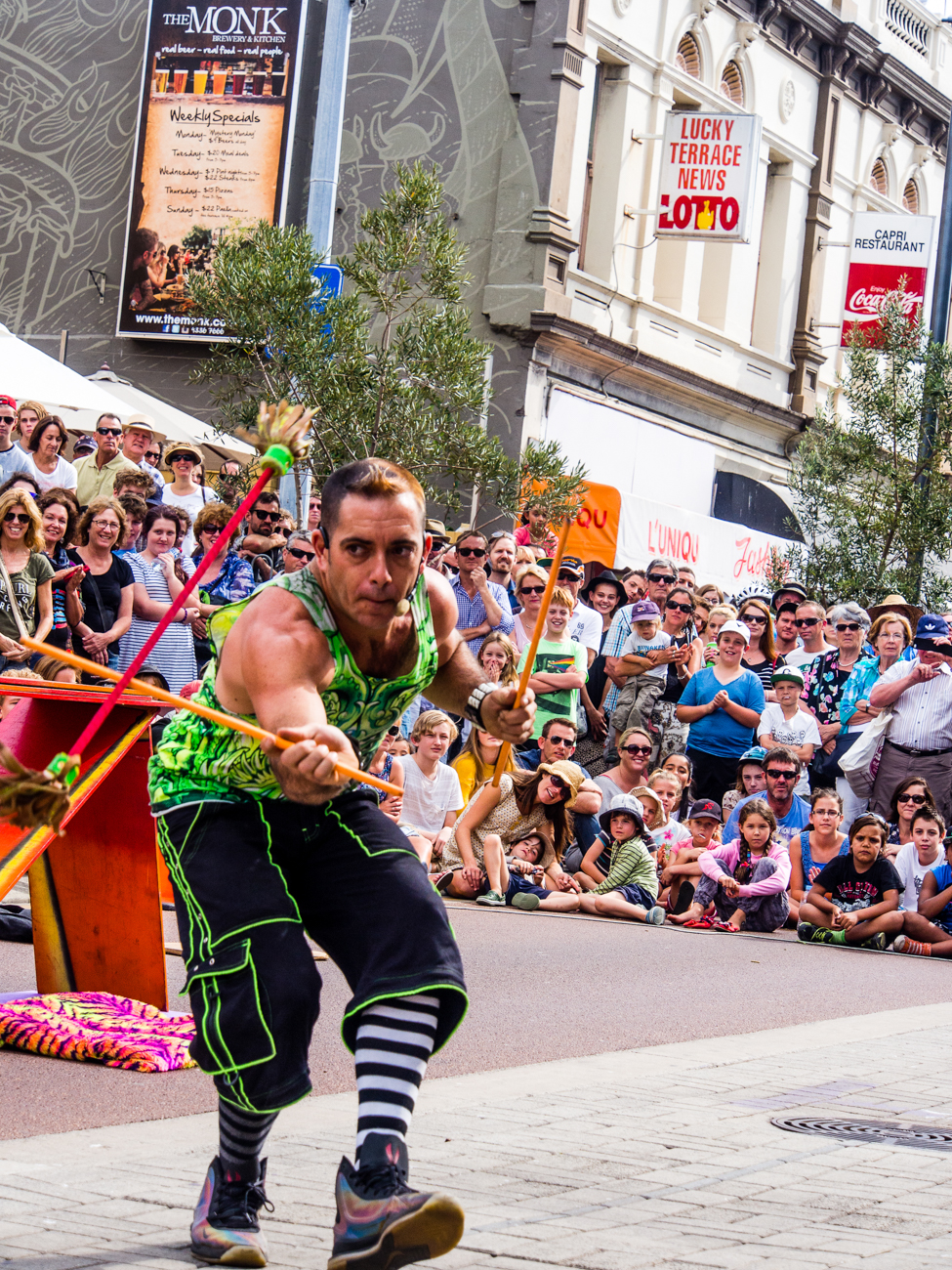
    Some models also give you some tips for certain photo genres in the same mode. E.G. “Tips for flower Photos”The street art act, Dream State Circus at the Street arts festival in Fremantle, Western Australia. the festival attracts over 100,000 spectators over the Easter long weekend.

    What is often not discovered until the camera is used is that some of these modes, e.g. Fisheye, Wide-angle or Macro need to have lens that support those scenes.

    There is one camera that it’s probably better to have some modes available for and that’s a good smartphone camera, like maybe the Samsung or Apple varieties. Most images taken by a smartphone are shared so it can be a shortcut to getting a good image first time.

    Rating: 2/10


    2. 3D

     Here’s a useless option ‘3D Photography’.

    3D TV’s bombed and as far as I can tell there’s not many 3D monitors either, so why would anyone want to shoot a 3D image or video.

    It is used for some specific industries e.g. Computer-graphics, Architecture or Health.

    However, for marketing purposes it’s useless as it relies on the viewer having the equipment to view it.

    Rating: 0/10

     3. Multiple Exposures

     Not so useless but not essential is the recording of multiple exposures.

    Multiple Exposures are photographs in which two or more images are superimposed in a single frame. For marketing images that could be handy although somewhat tricky.

    Some would say that it’s much easier to do it in something like Photoshop.

    Rating: 4/10

     4. Digital Zooms

    Digital Zooms are commonplace at the compact level and all phone cameras have it.
    Personally I avoid using them as much as possible and will use an optical zoom over a digital one.

    What’s the diff?

    Well an optical zoom is a true zoom lens. They produce much better-quality images.

    A digital zoom uses some in-camera image processing. When you use a digital zoom, the camera enlarges the image area at the centre of the frame and trims away the outside edges of the picture.

    The result is the same as when you open an image in your photo-editing program, crop away the edges of the picture, and then enlarge the remaining portion of the photo.

    By using the in camera digital zoom you lose the information around the crop, whilst if it’s cropped during post processing you can keep the entire frame for use later on.

    Rating: 2/10

    5. Face Priority

    My pet irritation is Face Priority. Personally I think it’s a gimmick.

    Originally in small compacts it’s spread its way into phone cameras and now even DSLR’s.

    If you are taking a portrait, then supposedly the camera will aid your focus by detecting the face.

    Really!

    Rating: 0/10

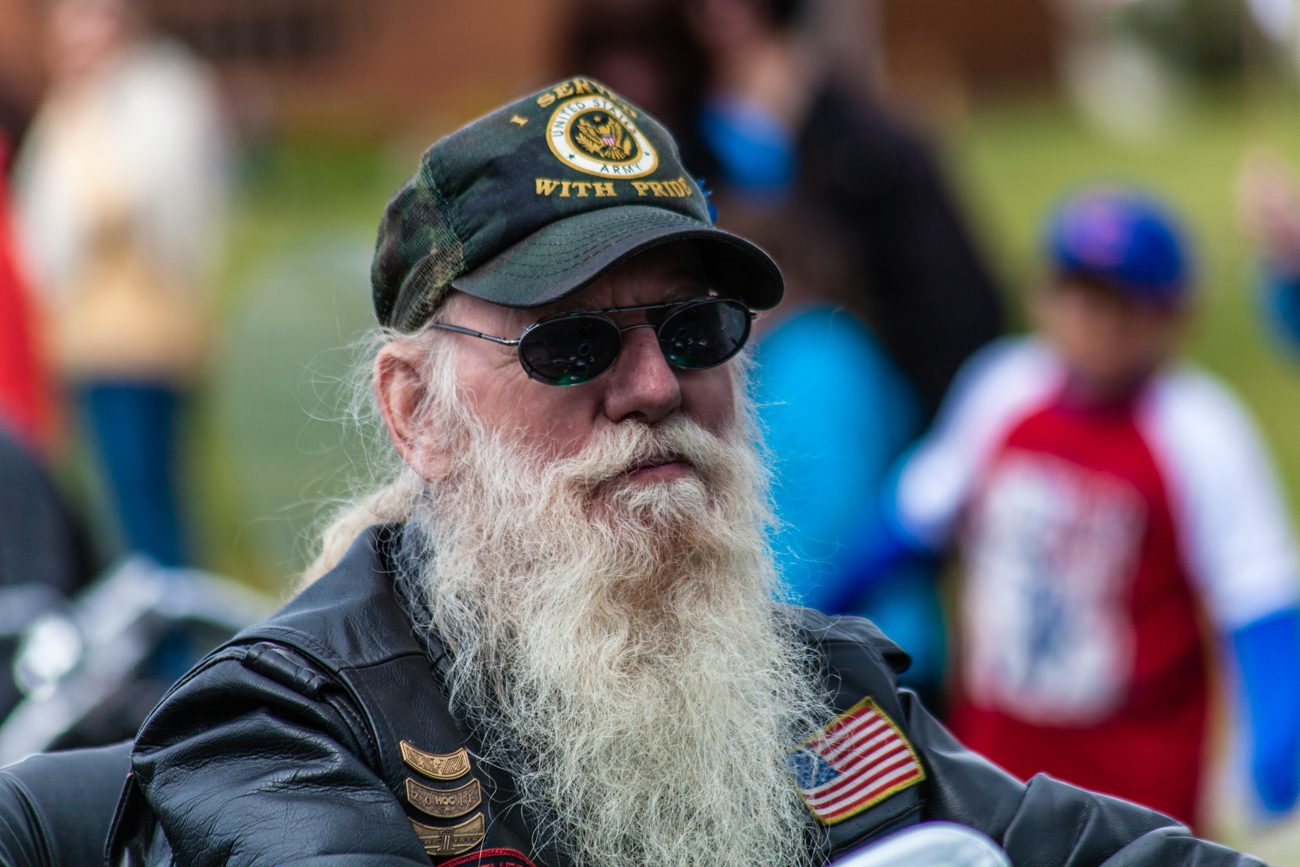
    Like most cities in the USA, Anchorage has a big fourth of July parade. This one was in 2012

    6. Printing

    Printing is on its way back and whilst the option to directly print from the camera could be handy, it’s also generally restrictive, requiring certain functions to be available on the printer.

    At the end of the day, if you are going to do any post processing even if it’s minimal you should be able to print from that software or alternatively take it to a print shop if you are looking for high quality.

    Of course, you can always use the self-service machines that are everywhere.

    Rating: 2/10


    Of course, there are others but they the main ones you will most likely come across.

    Now over to you do you agree with me?

    Do you find some of these useful?

    Any others that could be added to the list?

    As I mentioned in the beginning got no time to read this now? Download all four articles in one document and read both offline and when it suits you.


  • 8 features to have on your camera

    8 features to have on your camera

    “*I Still Haven’t Found What I’m Looking For”

    This follows on from my previous posts:

    The essential feature to have on your camera

    and

    4 features you must have on your camera

    Over the next few weeks I’m going to suggest some essential features you need to consider having when you are in the market for a new camera or even mobile phone with a camera.

    At the end of each feature I’ll give a rating out of 10 – 10 being must have.

    At the end of the series if you haven’t had time to read them all then you can scroll to the bottom of the last in the series and get all four in a PDF.

    1. Being able to turn off Flash. 

    Controversially I used to rarely used flash, preferring natural light.

    Yet the degree of control some of these cameras allow you to have over flash means that it can be used to enhance daylight and improve the image.

    So I use it more and more these days.

    There are options to use flash in several different ways, Fill in, Slow, Red Eye reduction, Auto, Off or On etc.

    But it’s the option to be able to turn it off especially if the camera comes with an inbuilt flash that’s really important.

    Speaking of inbuilt flash. Avoid using them as much as possible.

    The ideal flash should be off camera. Something I’ll discuss in a future post.

    Rating: On camera flash 4/10. Turn off flash 10/10

    2. Focus targeting

    Another option again almost universally supplied is focus targeting.

    Looking through the viewfinder and the rear screen you can bring up a rectangular or square grid of around 30 boxes that you can select to use as a focus target.

    Options usually include single, selected groups or all targets.

    Rating: 6/10

    3. Exposure Compensation

    Exposure compensation is great!

    The ability with just a twist of a dial to alter the exposure or brightness without having to alter the aperture or shutter speed that you’ve already set is extremely handy.

    Of course it has to adjust something so it should only be used for small incremental changes.

    Rating:10/10

    4. Metering

    Metering, whilst another handy option to have, is not used much.

    I think that’s because it’s not understood by most camera buyers.

    That too is a post for another day but suffice to say it’s a must have for the future.

    Rating: 7/10

    5. Image Stabilisation

    Many years ago I met a photographer who was taking clear and sharp images of wildlife at dusk without a tripod.

    That was my first introduction to image stabilisation.

    Basically it compensates for camera shake caused by slow shutter speeds and is a must have.

    Initially they were only available on the lens but nowadays most cameras have it inbuilt. So now you don’t have to worry about what lens to use.

    Again a must have.

    Rating: On camera 10/10

     6. AEL/AFL Lock

    (Auto exposure Lock/Auto Focus Lock)

    I use this option all the time. The ability to be able to lock your exposure and/or focus is invaluable.

    How does work?

    Well usually there is a button on the camera that allows you lock the exposure and or the focus and then recompose.

    When would you use it?

    In lots of situations Landscapes, Portraits, Products, even macro work

    Rating: 10/10

     7. White balance

    What’s white balance I hear you cry!

    Well it’s on every camera these days so if you leave the setting on auto you don’t have to think about it. But (always a but) there are times when auto doesn’t get it right.

    For example, tungsten or fluoro lighting tend to confuse it a bit.
    That’s when you take it off auto and set it to appropriate setting like, duh, tungsten or flouro

    Rating: 8/10

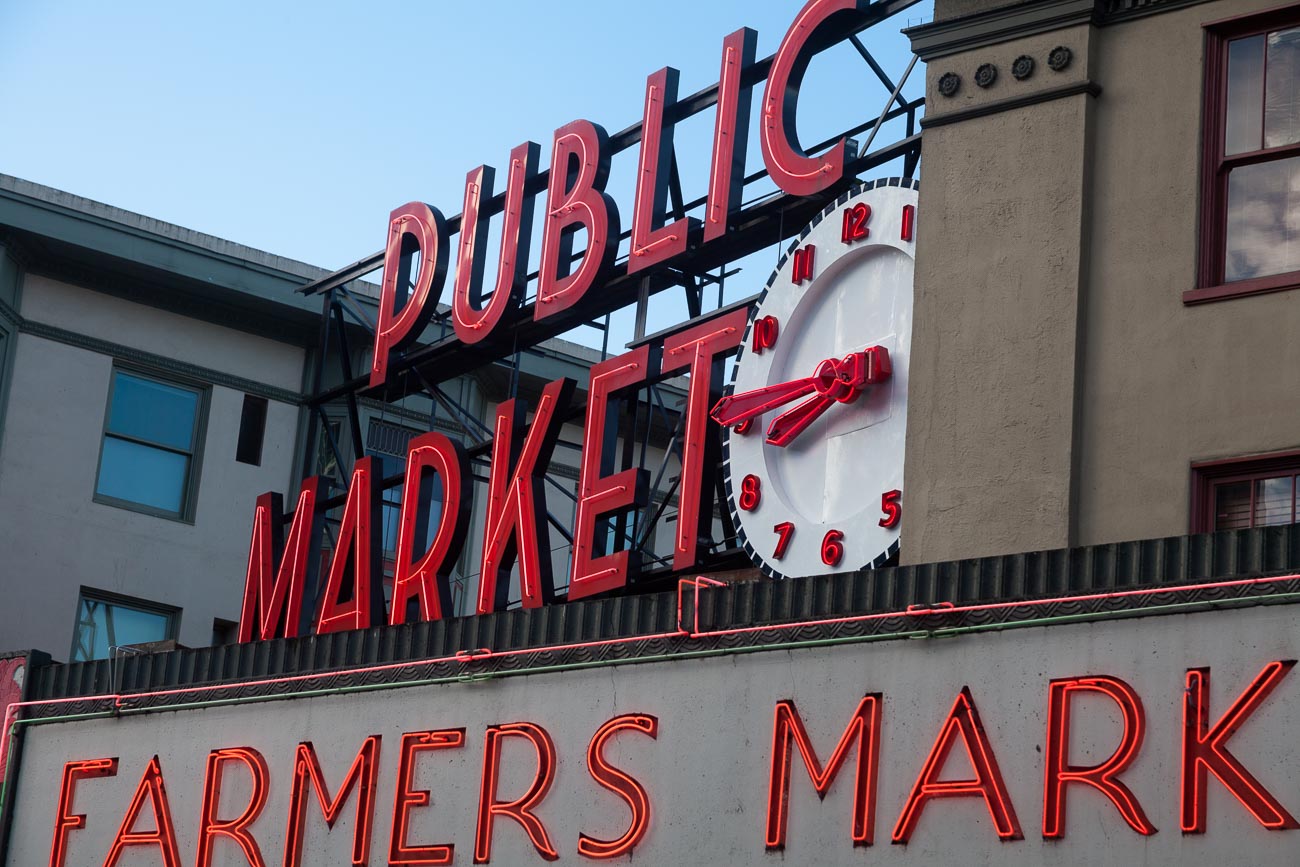
     8. RAW Format (Image Quality)Pike Place markets in Seattle, Washington, USA

    One phrase that is somewhat misleading is the term “Image quality”. Used for having the choice of what format to use i.e. JPEG or Raw.

    I’m not about to expand too much on what the difference is but if you shoot in Raw then you will need to do some post processing whilst JPEG is mostly ready to go.

    That’s simplifying it but to do the argument justice I like to use the analogy of cooking a supermarket bought ready to go meal that you sling in the microwave (JPEG) against a meal that contains the raw ingredients you have bought at the local farmer’s market and prepared and cooked from scratch (Raw).

    The former is what you see is what you get (unless you can’t cook and cock it up altogether). Whilst the latter is a creation that you can manipulate to give you whatever flavour and presentation you like.

    Clear? Another future post maybe.

    Anyway most cameras will give you the option to select either and/or both and other variations.

    But the option to be able to shoot in Raw is a must, if not to use now but in the future!

    Rating: Raw Option 10/10

    So did you understand all that? I’m happy to clarify anything you’re not sure of.
    Just post in the comments section below. Don’t be shy.
    While you are at it why not subscribe for future updates here.
    You’ll get my free guide “Eleven easy ways to improve your marketing photography”.

    *U2, I Still Haven’t Found What I’m Looking For

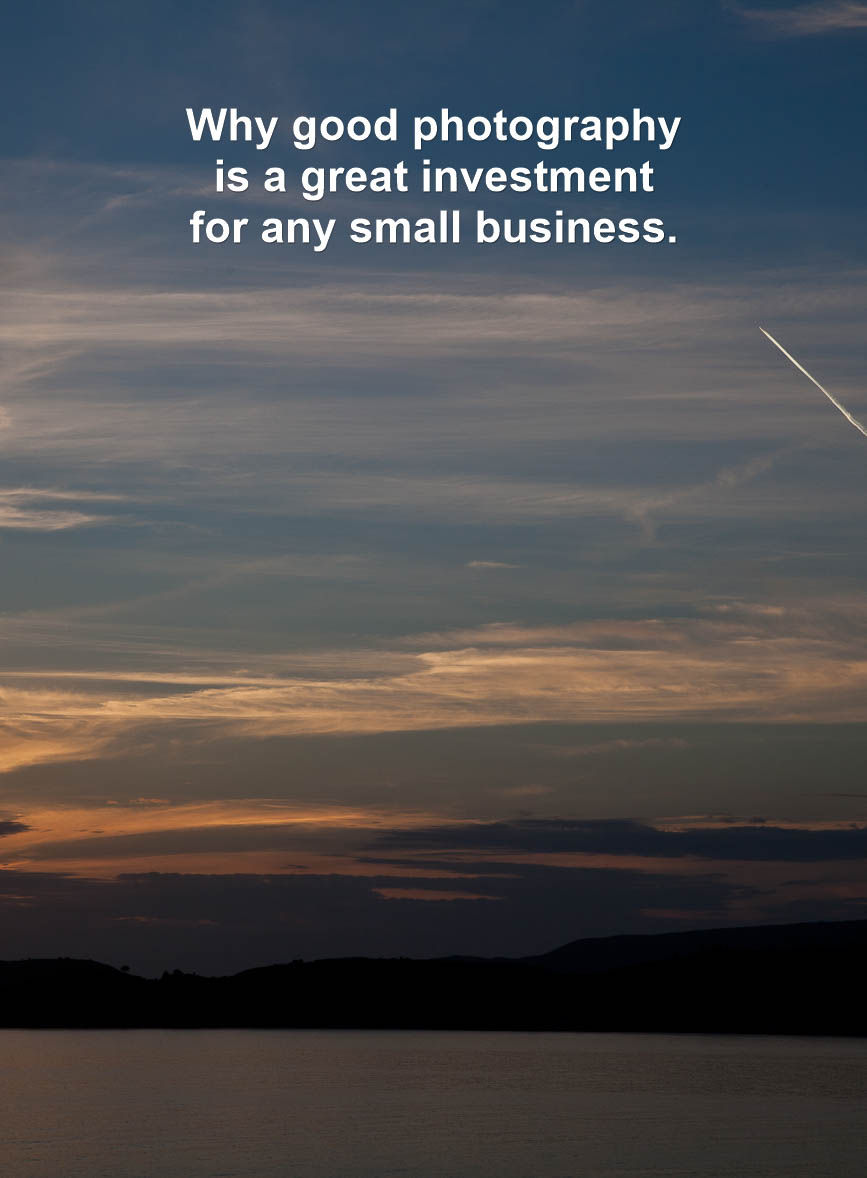
  • Why good photography is a great investment for any small business.

    Why good photography is a great investment for any small business.

    Why good photography is a great investment for any small business.

    *“Don’t let nobody take care of your business better than you

    In the game of marketing the big brands are winning hands down.
    They hire large marketing companies and/or specialist photographers to make their brands stand out in an increasingly crowded market.

    So does that mean that the small business like you can’t compete in the visual stakes?

    Of course not – let’s read on and find out why good photography is a great investment for any small business.

    The internet has levelled the playing field.
    Before the internet, for a small business to get its brand out to the marketplace would involve expensive marketing material or foot slogging. Then there was also a reliance on others such as distributors to market your brand as well the other brands it had in its stable.

    Don’t get me wrong these strategies still play a role.
    But the reach of the internet is so vast and the entry cost so small.
    And now you get instant feedback from targeted campaigns. 
    So for a you, without the marketing budget of some of the bigger brands, it’s a no brainer!

    Image Branding

    Wherever we look online, its images that catch our attention so we have to create a visual depiction of the brand we are offering.

    That’s where photography comes in.

    There are thousands of images of products, services and other related subjects. These are posted by the minute on to social media, websites, apps and online publications every day.
    In my humble opinion there are only a few that are memorable.

    The majority are taken and published by consumers, who have no vested interest in producing photos of any great quality.
    They are usually what could be called record images, that is a record of the wine drunk, the restaurant visited, the food eaten, the place visited etc.

    Those that are likely to have the most impact on potential consumers are are produced by reviewers and few other industry players. 

    Take Control!

    So don’t leave it to others to represent your brand. Take control! 

    So what’s a good image?

    To make a brand stand out the image has to be usually (sometimes you can get lucky) well planned and memorable.
    It’s that last word “memorable” that’s so important.

    Consumers will nowadays more than likely see a brand online before they see it physically.
    A memorable image will help them remember it when it comes time to purchase your product in a store or online.
    Composition, opportunity, technique and to a lesser extent, camera equipment play a part in getting the right ‘shot’.

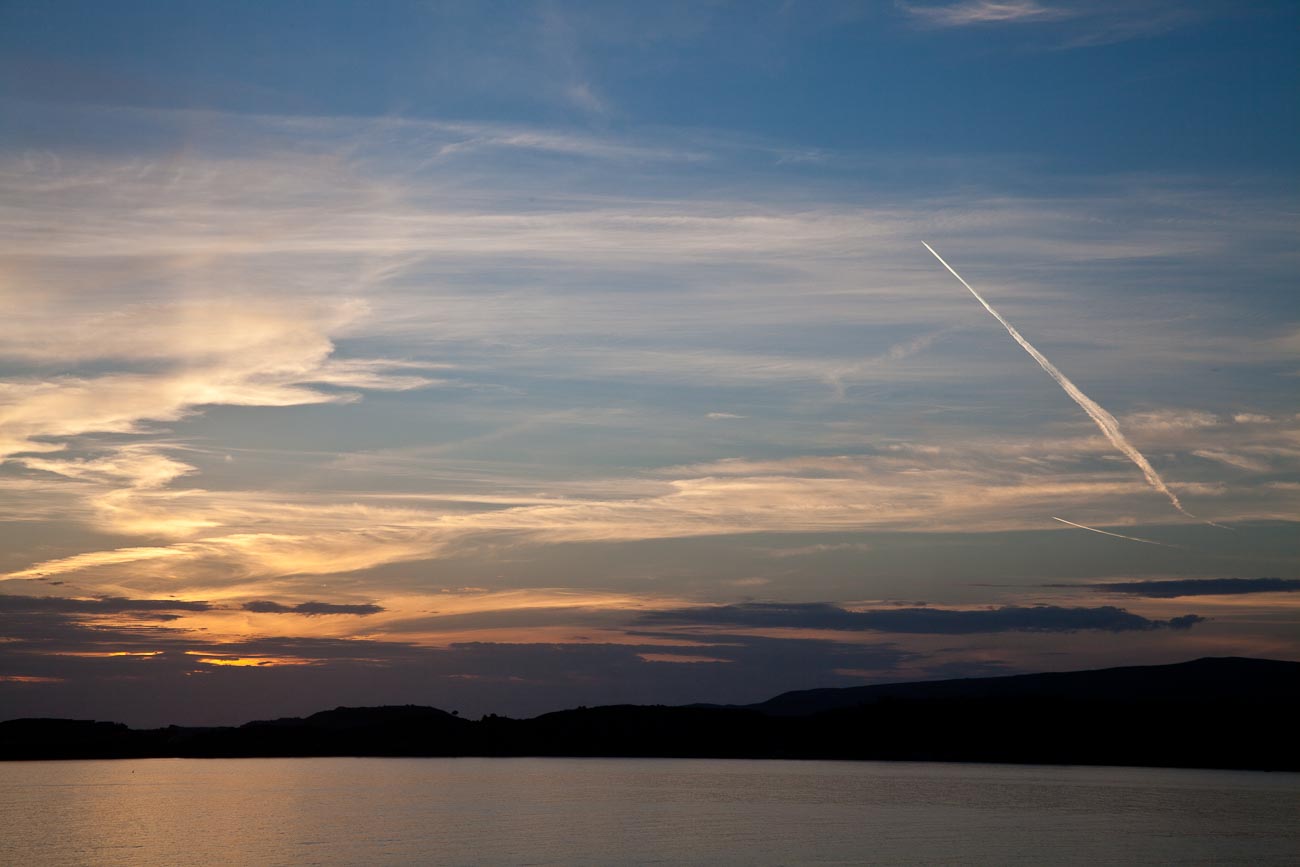
    Dusk from Lassi, Kefalonia looking across to Lixouri
    Dusk from Lassi, Kefalonia looking across to Lixouri. Click on the image to see a larger view and other options

    Other factors

    Of course image alone is not purely responsible for that, product design, good reviews, interesting stories and reputation all play a part.
    But you can have a terrific product and great reviews but if the image is poor and almost indistinguishable it’s not providing any value.

    So where should you put most of these images?

    Well by far social media is has become the place to display and share photos.
    So let’s take a look at the most popular and well known channels.
    These are not in order of importance, as each one has its own individuality:

    Instagram

    ig

    Instagram is a photo-editing mobile app that not only beautifully renders photos taken on Smartphones, it also has some powerful social sharing features.

    Last year Instagram was the fastest growing social network on the planet and is evolving to be an image based Facebook (who by the way own Instagram).

    Pinterest

    In the purely visual stakes we have Pinterest which is focused on sharing things that are visually pleasing (both photographically and in video).

    Images and videos are at the heart of the Pinterest experience.
    Because of the fact that Pinterest emphasises pictures over text, it’s extremely important to have high-quality photos.

    Facebook

    fb

    Then there is Facebook by far THE most popular website on earth.
    What’s more, the average Facebook user spends on average just under two hours per day on Facebook.
    The incredible viral nature of Facebook enables business’s to get in front of a huge audience

    High quality and eye catching images go along way on Facebook


    LinkedIn

    LinkedIn is the largest social network for business owners and professionals.

    LinkedIn doesn’t generally market to “the general public”.
    LinkedIn allows a business to target a different demographic of business owners and professionals.

    Google+

    The not so sexy Google+ is Google’s answer to Facebook.
    Whilst not quite as popular, it has two things going for it that other social media sites don’t.

    If you have a Google+ page, then you can connect it to Google My business listing (formerly known as Google Places or Google Local).

    What does that mean? Well guess who controls 80-90% of searches on the net? Yup, Google

    Because of the way that high quality images are displayed on Google+, it’s no coincidence that one of it’s most active users are from visual medium industries like Photographers and Graphic designers.

    Twitter

    twitter

    Twitter has in the past been considered almost a text message service.
    Since it introduced the display of images in streams (i.e. without having to click on the link) a couple of years ago that’s all changed.

    According to tests, tweets with images are 55% more likely to be shared or re-tweeted.

    There are others of course, YouTube and Qzone (China’s answer to Facebook), have a huge number of users.

    Other places

    It goes almost without saying that today a website, which can highlight some great images is essential.
    The cost of building a visually appealing website has dropped significantly over the last two or three years.
    In fact, those who are tech savvy build their own at very little expense.

    Uploading images to any of the social media sites and a website is now a simple process that anyone using a computer can do.

    Summary for why good photography is a great investment for any small business.

    So to recap: 
    The reality is that you as a small business need to ensure that the quality of your marketing images stand out.

    That’s not to say that word of mouth, good reviews and on the ground marketing don’t work anymore. It’s just that we have become an image sharing society and any business looking to grow would want their images shared.

    * James Brown, It’s A New Day

    Do you agree? Are images that important for your business? Feel free to add opinions below. I would really like to hear them.

    For more on this and other photography subjects why not sign up for my email and get a free “Camera Features Guide”.

    Just sign up below

    [mailerlite_form form_id=8]

    Dusk from Lassi, Kefalonia looking across to Lixouri
    Dusk from Lassi, Kefalonia looking across to Lixouri

  • 4 features you must have on your camera

    4 features you must have on your camera

    “*Been dazed and confused for so long it’s not true”

    This follows on from my previous post The essential feature to have on your camera

    Over the next few weeks I’m going to suggest some essential features you need to consider having when you are in the market for a new camera or even mobile phone with a camera.

    At the end of each feature I’ll give a rating out of 10 – 10 being must have.

    At the end of the series if you haven’t had time to read them all then you can scroll to the bottom of the last in the series and get all four in a PDF.

    1. Drive

    Drive selection is the option to select single, continuous or timer shooting.

    Single is one shot each time the shutter button is pressed, whilst continuous can be anything up to 15 frames per second (FPS) which is great for action pictures.

    The self-timer option is great for selfies, however it’s really handy if the self-timer has two intervals.

    A short, say 2 second, interval can be handy to use if on a tripod and low light instead of using a remote cable or wireless device.

    One thing to be aware of is that cameras these days are really mini computers and sometimes there can be a lag if you shoot in continuous, especially in Raw format due to the larger file size.

    Drive selection again is pretty much standard on most new cameras.

    Rating: 10/10


    2. Bracketingbracketing-colour

    I mentioned earlier that I’m a champion for getting the shot right first time in the camera, well bracketing helps this.

    Bracketing allows you to automatically take 3 shots of the same subject at different exposures, usually by one or half a stop each. I.e. aperture and/or shutter speed settings.

    So you take the shot at the setting you think is correct and the camera automatically takes another 2 or even more at different settings to make those images lighter and darker.

    Really handy when taking images of scenes or subjects where there is a lot of contrast.

    Some cameras allow you to bracket at different ISO, white balance and flash settings, which apart from the flash option is a little superfluous.

    Rating: Exposure bracketing 8/10 ISO, white balance and flash settings 3/10


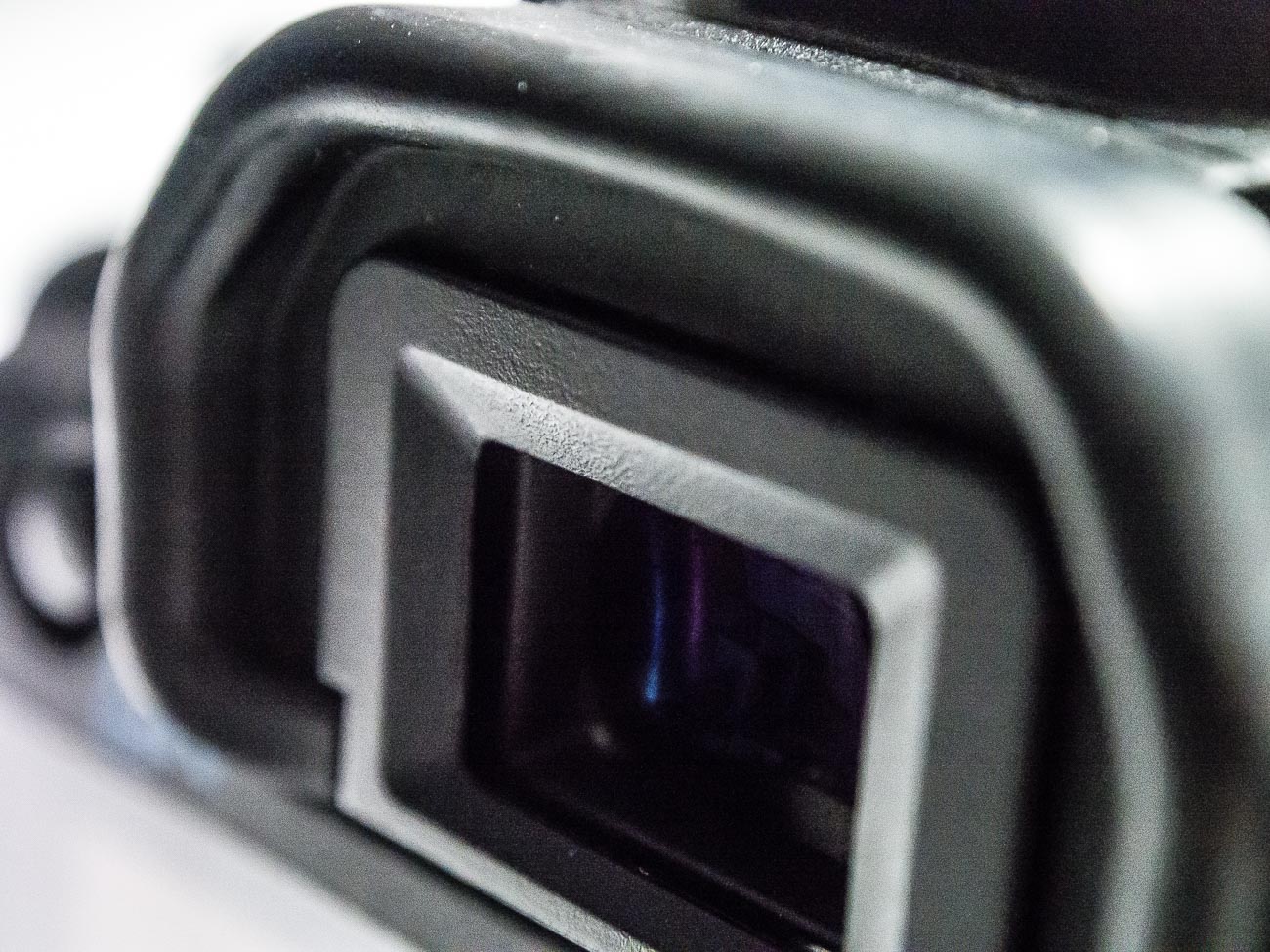
    3. Viewfinder

    OLYMPUS DIGITAL CAMERA

    In the early years of digital cameras, very few had viewfinders thinking that everyone would migrate to the rear screen or monitor on the back of the camera.

    However, the exception to the rule was the DSLR which retained the optical view finder.

    Nowadays Electronic Viewfinders have come into their own and very good they are too.

    Why use a view finder at all?

    Why not the rear monitor?

    Well 3 reasons come to mind

    1. Camera shake is reduced. Holding the camera out from your body means it is a lot harder to keep still. 2. Competing light. Ever looked at the rear screen on a sunny day? You can’t see a bloody thing!
    2. Battery power. An LCD screen will always use a lot more power than a viewfinder either optical or electronic.

    But there are viewfinders and there are viewfinders.

    Just make sure it feels comfortable and that the frame is 100%, has a central view i.e. as if you were looking through the lens and not cropped.

    Rating: 10/10


    4. Shooting and viewing videos.

    This is usually on most cameras and is the future of online marketing.

    This is a whole article on its own so I won’t go too deep.

    I would say that at this stage the only recommendation is to ensure that the camera shoots in high definition (HD) at the minimum.

    A lot of cameras are now able to shoot in 4K but like 3D there are still limitations on being able to view 4K videos.

    That will change over time as it’s only a matter of time until 4K TV’s and Monitors will be more common as the price drops.

    Unfortunately, the image and video quality available is not yet matched by the audio quality that comes standard with most cameras.

    So make sure you buy a good microphone that’s compatible.

    Rating: 10/10

    So did you understand all that? I’m happy to clarify anything you’re not sure of.
    Just post in the comments section below. Don’t be shy.
    While you are at it why not subscribe for future updates here.
    You’ll get my free guide “Eleven easy ways to improve your marketing photography”.

    *Led Zeppelin sang this in (you’ve guessed it) Dazed and Confused in 1969.
    They could have been singing about how most people feel when shopping for new electronic equipment these days.

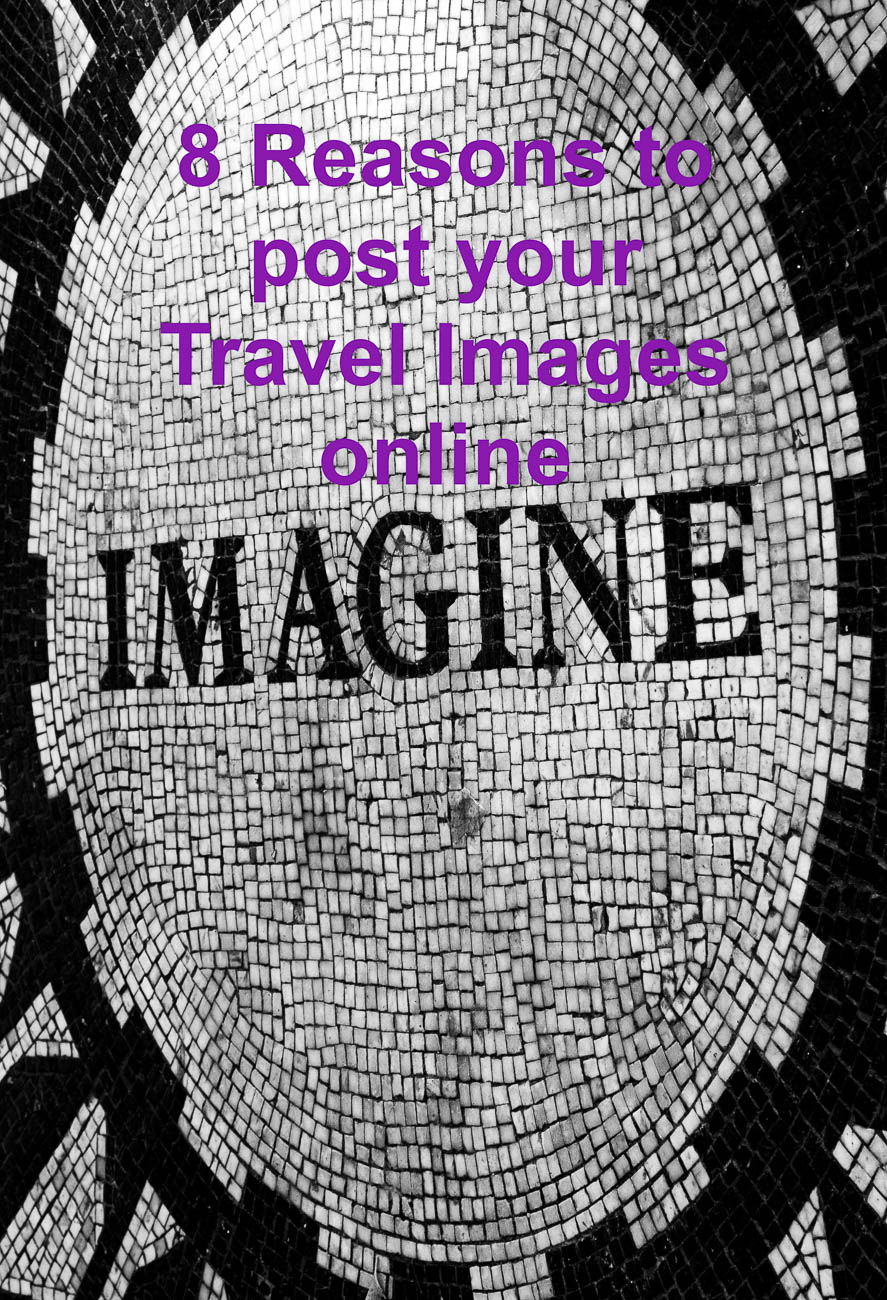
  • 8 reasons to post your Travel Images online

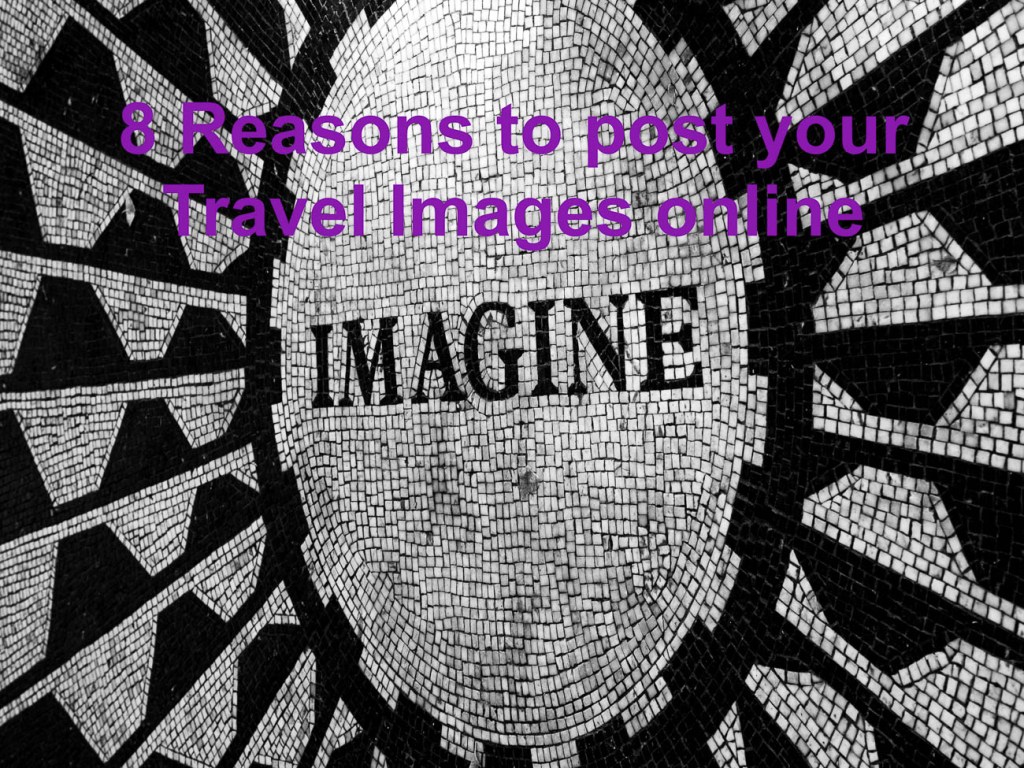
    8 reasons to post your Travel Images online

    8 reasons to post Travel Images online

    *Imagine no internet, I wonder if you can.

    I wonder if John Lennon was to write Imagine today whether this wouldn’t be an extra verse.

    When I first started photography the only Travel images in the public domain was either in print or as part of a TV or Movie.

    Photographers like me lugged around a portfolio of printed travel images to various companies and people hoping that they would like our images.

    Nowadays there are so many places that you can post travel images online, that it’s almost mind boggling!

    And there’s lies the problem.

    The real consumption of travel images is happening on line.

    So why post your Travel Images online?

    Well let me give you 8 reasons on why you need to post your Travel Images online.

    1. Huge Market

    Last year there were 3.2 Billion Internet users.

    Let me say that again, 3.2 Billion.

    That means 40% of the world’s population have an internet connection!

    Over 80% of the population of developed countries have an internet connection.

    So if you are looking to get some exposure for your travel images to any of those countries then you have to be online.

    2. With the right strategies you can get in front of potential admirers using various electronic forms such as email or social media.

    As much as doomsayers tell us that Facebook or twitter or any other form of social media is dead.

    It’s not.

    It’s never been more popular. Sure the up take has slowed which is normal.

    Social media uptake is dwindling not because of unpopularity but because they are running out of people who aren’t already on it.

    8 reasons to post Images and Visual Content online
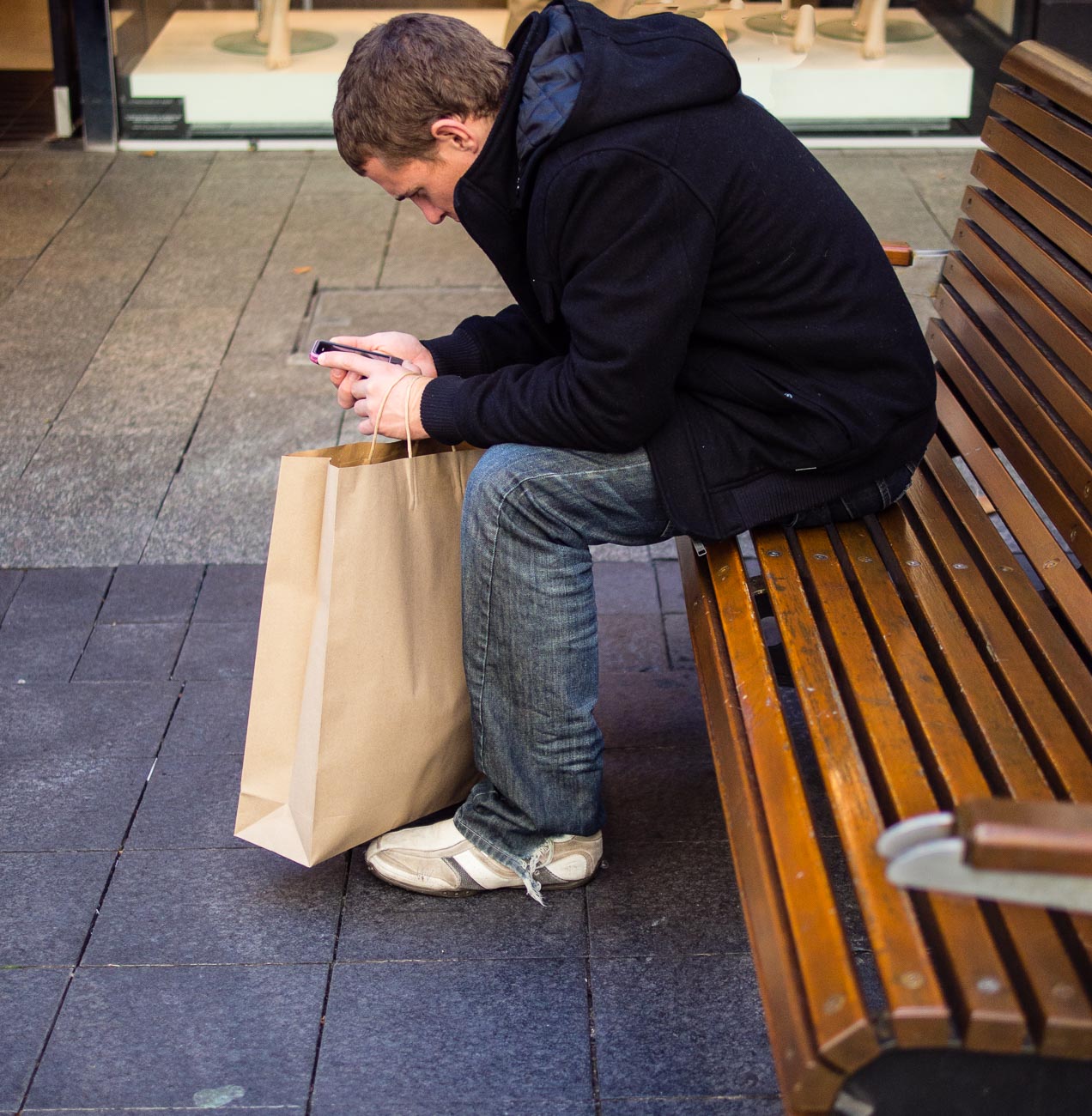
    Man looking at Smartphone, in Central Perth, Western Australia.


    Social media is here to stay in its different forms

    3. 85% of customers expect business’s and everyone else to be active on line.

    Everyone jumps on facebook or a website to see the latest posts.
    And there’s nothing like a great travel image to attract their attention.

    4. With smartphones users can look up destinations and search for images whilst walking past  a travel agent.

    So if you’ve got some great travel photos and you’re not posting your Travel Images online you’re missing out?

    Of course you still need to have some great travel images.

    You also need to ensure that you update regularly, otherwise people looking at your site will get bored and move on.

    And it goes without saying that your site should also be mobile friendly.

    5. 46% of people say a business website’s design is number one for gauging the credibility of a company.

    By that I mean not fancy but just easy!

    This is BIG!.

    Why not approach a business that needs travel images of the destinations you’ve been to.
    You never know where it may lead.

    If you have your own site make sure it’s quick and easy to load.
    And make sure your site is easy to navigate and works well on Apple, Windows and Android operating systems.

    I’m sure you’ve come across a site that is not easy to navigate on your iPad but easy on a PC or Windows laptop or vice versa.

    6. 90% of information transmitted to the brain is visual. We humans process visuals 60,000 times faster than text.

    Thanks to our evolution over millions of years of, we are genetically wired to respond differently to visuals than we are to text.

    It’s important that words, concepts and ideas are hooked onto an image, otherwise they will go in one ear, and go out the other.

    Words are processed by our short-term memory where we can only retain small bits of information.

    Images, on the other hand, go directly into long-term memory where they are indelibly etched.

    7. Good visual content is often shared around amongst friends and acquaintances.

    Like a visual word of mouth. Take a look at Instagram and see how many followers some travel photographers have.

    Whilst there’s no guarantee that these images will be have been shared, you’ve got to be in it to win it, as they say.

    8. Creates engagement with others especially through groups and forums.

    8 reasons to post Images and Visual Content online

    Some of the best ways to grab people’s attention is by posting an image on a forum such as Reddit (via a link) or Quora.

    The travel industry has lots of other forums some created by travellers othere by magazines and travel companies.


    So what about your experience in the online world? Do you post your Travel Images online?

    If not what’s the number one obstacle stopping you posting travel images online.

    I’d really like to know. So please leave your answers in the comments below.

    For more on travel photography you may like to go to: 

    Displaying your Travel Photos

    Or

    Travel Photography

    If you liked this article then you may want to drop your name and email in the box below to get updates and for your trouble you’ll get a free e-book.

    [mailerlite_form form_id=7]

    PS: *John Lennon actually wrote “Imagine no possessions, I wonder if you can” and then goes on to say “No need for greed or hunger, a brotherhood of man”

    Those words are as relevant today as they were in 1971


     “8 reasons to post your Travel Images online” is locked 8 reasons to post your Travel Images online

  • African shoestrings – Tanzania Day One Hundred and Twelve the last day!

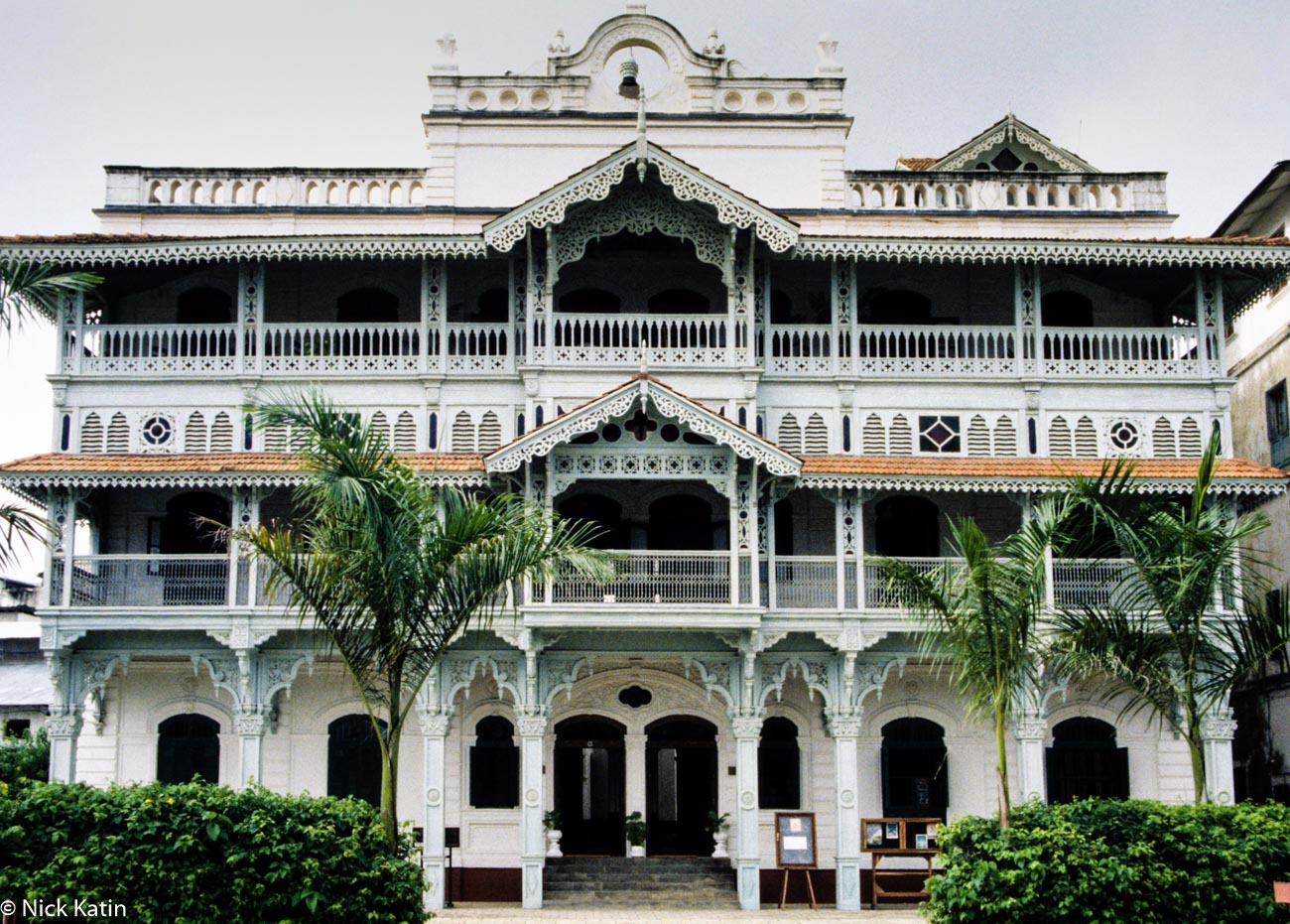
    Our last full day was spent just aimlessly wondering down the alleys and streets of Stone town, stopping to browse the bazaars, have a coffee or something to eat. We finished off the day with a meal at the Stone town bistro in the old dispensary building. The old dispensary building was in fact a charming old building that was restored to its former glory in the mid 1990’s. Built for one of the richest Indian merchants in Zanzibar in the 1890’s it was donated as a medical dispensary by the same wealthy merchant at the end of the nineteenth century. It stands four stories tall with decorative balconies that give it a sort of colonial feel. We dined there twice and each time with the sort of feeling that you were dining in the same sort of atmosphere that the British Raj would have done at the height of their colonial power. We felt the urge to look around at any newcomers in case they had handlebar moustaches, belonged to the coldstream guards and said “what old boy” every other sentence.

    As we left the restaurant I suddenly remembered (I’m ashamed to say that I forgot) the cricket world cup! Australia was playing South Africa in the semi. Immediately the search began for somewhere that a) had a TV and b) had it turned on and tuned into the cricket. We searched high and low and eventually found one at a hotel not far from our guesthouse and seeing that it was tuned into the wrong channel I cheekily asked the lone resident if she minded if I switched channels. We sat down ordered a drink (we thought we had better) and then proceeded to cheer like madman as the game seemed to ebb and flow from one side ‘s advantage to the other. The porter, the receptionist and a few other members of the hotel staff weren’t the slightest bit interested in the drama that was unfolding in front of our very eyes, they found our reaction much more entertaining. Not so the lady who we had hijacked the TV from. She disappeared quick smart.

    Those of you who saw it will recall that South Africa needed 9 runs to win in the last 4 balls whilst Australia needed 1 wicket…………….. Lance Klusener hit 2 successive boundaries and we shook our heads discontentedly. The staff looked at us puzzingly……………. The next ball and Klusener panicked and ran out his partner, Alan Donald (to be fair to Klusener, Donald was not backing up enough).

    It’s a draw and due to some rule or other Australia earned the right to go through to the final. Now we’re both up and jumping up and down, shouting and carrying on whilst the totally bemused hotel staff looked on even more puzzingly.

    OK, you had to be there!

    Our final few hours in Africa were spent pretty much the same way as the day before. Aimlessly wondering the alleys of Stonetown soaking in the atmosphere and feel of the place for the last time.

    We checked out of the Malindi and caught a taxi to the airport. During the half an hour wait or so I totaled up our expenditure. We had failed to keep to the original daily budget and ended up spending, on average, $130. This meant we had spent $3300 more than we had budgeted and work would have to be found almost immediately we hit London. Oh well, we shrugged, we did have great time. “What’s three grand in the scheme of things!”

    It took about 20 minutes to fly back to Dar es Salaam with great views of the some of the surrounding islands shimmering in the heat surrounded by the deep blue and turquoise water.

    We were looking forward to being able to easily find our way to the international terminal and crash for a few hours before our flight. That plan disappeared very quickly.

    The airport that we landed at was not the main Dar airport so we had to get a taxi the 1.5 kilometres to the international airport. We didn’t exactly have a choice as to which taxi we took. Once we hit the deck our bags were taken by the airline staff and deposited straight into a taxi waiting there. The driver must have thought we were rich tourists ripe for plucking. He wanted to charge us US$12 to take us. Eventually after much haggling we got him down to US$5.

    At the international terminal we went to stroll into the building and were stopped. “Yoo a not aloud to go in de terminal until de chick in coonta is opan” a rather officious lady told us from her desk at the entrance. “yoo will ave to wait over der” she vaguely gestured towards a courtyard with two bench seats already filled with passengers waiting for their airline “chick in coonta” to open.

    We had no choice, we had to admit defeat.

    As Stephan would say, “Africa wins again”

    But Africa is so spell binding, so beautiful, so rich in nature at its best that it won the day we first set foot on its fragile soil.

    Footnote:
    Get more traffic to your blog! Let me help you take, edit and publish your images now by signing up here to get “Eleven easy ways to improve your marketing photography”
    A free guide on how to start improving your images to help you take control of your marketing.
    That link again

    The Old Dispensary in Zanzibar, Tanzania
    The Old Dispensary in Zanzibar, Tanzania


  • African shoestrings – Tanzania Day One Hundred and Eleven Zanzibar

    After that sad little story (see the last post) we went further into depression and visited the Anglican Cathedral, site of the slave market. Apparently a group of missionaries came out to Africa to oppose the slave trade. They eventually found their way to Zanzibar and after its abolition of the slave trade, built a cathedral on the very site, removing almost any remnants of this ugly meat market. The altar stood at the same point as a post that was used for whipping the slaves stood. The floor was a symbolic red marble to depict the blood spilt to show potential buyers the strength or weaknesses of each slave and therefore justify the asking price.

    Next door at the St Monica’s hostel we were shown the original holding cells for the slaves. About 1 metre tall and not that much wider they looked extremely cramped for one not to mention the dozens that were crammed in at any one time.

    Wherever you go in the world there’s always evidence of man’s inhuman treatment of his brothers usually because of the colour of his skin, the religion he practices or the country he was born in. It seems to me that there is no end in sight and we are forever damned to be cruel to each other. The only species that has a consciousness of itself has been unable to capitalise on this gift. If anything it has used it to carry out barbaric acts in the name of intolerance of racial or religious difference. At least animals attack and kill in the name of survival.

    But that’s enough of that!……………..The Busaidi Omani Arabs built the Arab fort in the seventeenth century as a defense against rival Omani Arabs, the Mazrui and the Portuguese, who they had recently kicked out.

    Since then it’s been used as a prison, a railway depot and (only the Poms would think of this one) a ladies tennis club. Nowadays it’s been restored and used as an open air theatre and restaurant.

    We went to one of the traditional dance shows held in the fort that evening. The ‘tucker’ was good but the dancing was at first interesting, then mildly entertaining and finally boring! I can only concentrate for so long when all there is on offer is a slightly different dance to the same tune, time and time again.

    In the nineteenth century Zanzibar created for itself a niche market (to use modern marketing jargon) in the growing and exporting of spices. In the twentieth and twenty first centuries another market has grown from this industry, the spice tour. No, nothing to do with the good looking girls that prance around singing and dancing making squillions but the real spices.

    We had read in a borrowed Lonely Planet guide, that Mr Mitu ran the best value spice tour. So taking that advice at face value we booked with his company and turned up at the prearranged meeting place only to be picked up by Mr. Sulaman tours. Apparently if one particular tour company doesn’t have enough paying customers to justify leaving they shunt them on onto a rival company. So there’s always a chance that the poor unsuspecting tourist will go with a tour company they haven’t booked with and may have not wanted to use. Somehow, though, I think that they are all pretty much of muchness. Certainly we had no complaints except for the weather. It literally hammered it down. Aswan, our guide, attempted to tell us how the different spices grow, when they are picked and what uses they have. Meantime we were getting soaked and struggling to hear his voice above the din created by the rain pitter-pattering on to the umbrellas and jungle vegetation. Nonetheless we were impressed by the number of spices grown. Cloves, Cardamom, Cumin, Turmeric, Ginger, Mint, Cinnamon, Lemongrass, Coconut and Nutmeg, the latter I learnt to my amusement, is used as an aphrodisiac as well as for cooking.

    We were transported around in a dala-dala; a small converted covered in Ute, with wooden benches either side, to a government farm where all these spices are grown. From there we were herded on to other attractions like the Kidichi Persian baths built by the Sultan Said for his Persian wife, Sherazade, 150 years ago and now occupied by a colony of bats; the Mangapwani coral cave which was about as interesting as the bat shit left by the Kidichi bats and Mangapwani beach for an extremely pleasant swim in warm tropical waters beneath the now dry but stormy clouds. In between all that we somehow managed to try Jackfruit, a sort of fleshy pineapple and Pamillo, a giant grapefruit and chew on the addictive sugary Zanzibar doughnuts. Not to mention sitting crossed legged on the floor of an open sided enclosure surrounded by banana trees, eating pilau rice and veggies in coconut sauce for lunch.

    Its funny the sort of fellow travelers you meet. Once again we met with two Poms Deb and Andy, who had spent a few months in Perth and whose eyes watered over at just the mere mention of where we lived. I suppose to the rest of the world, we live in paradise; to us it’s just home. They were with a kiwi couple who were travelling around Africa with an 18 month year old baby. Now I’m all in favour in dragging kids around the world. When we took our kids, at the ages of eight and ten, out of school for a few weeks to go to Europe many years ago their teacher was fully supportive. “They will learn a lot more in those few weeks travelling than they will back in school”. But what possible experience will a child that age remember and the potential risk for disease is far higher for an 18 month old baby than a 8 year old. Still that was their choice.

    We chatted with a Norwegian couple as well and later had dinner with them at Pychi’s (pronounced peaches). Pychi’s is a casual sort of place overlooking a small beach and, as is pretty normal in this climate, was virtually all alfresco. I find the Scandinavians fascinating people. Those that travel of course, because having never been to that part of the world these are the only ones I ever meet. They are one of the few races who can relate to the Aussie ironic sense of humour (provided they speak English well enough, which almost invariable they do). Stephan the Swede actually started to act like an Aussie after his 3 year stay in Oz. These guys (the Norwegians in case you got lost) were not as well traveled as Stephan but seemed just as able to appreciate our sense of humour as we all guzzled Calzone and pizza. Of course they could have been just polite and probably said after we parted “That was pretty boring! Strange sense of humour these Aussies have!”

    Footnote:
    Get more traffic to your blog! Let me help you take, edit and publish your images now by signing up here to get “Eleven easy ways to improve your marketing photography”
    A free guide on how to start improving your images to help you take control of your marketing.
    That link again

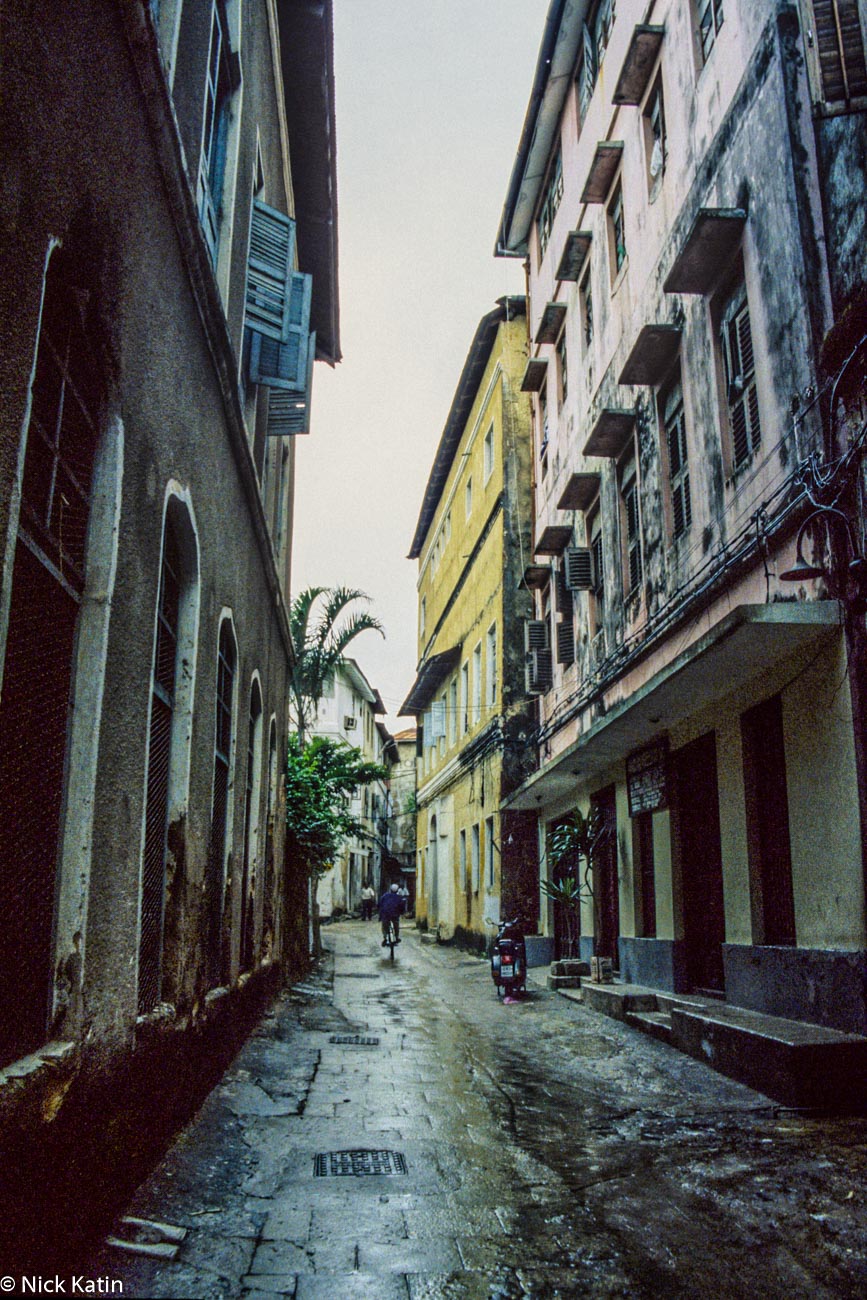
    One of the many small streets in Zanzibar town, Tanzania
    One of the many small streets in Zanzibar town, Tanzania

  • African shoestrings – Tanzania Day One Hundred and Ten Zanzibar

    We awoke the next morning, still shell-shocked after the events of the last 24 hours; our next challenge to catch the boat to Zanzibar.

    First however we had to change some money. The hotel didn’t accept travelers cheque’s or US$ or change money and the nearest bank didn’t change travelers cheque’s either. So leaving Sue behind (she was just about ‘Africared’ out) to relax at the hotel, I went off to find a Bureau De Change or a real bank.

    What a place Dar es Salaam is! Every street was buzzing with people of all walks of life, market stalls and shops lined the streets and footpaths. This is where the Middle East meets Africa with a small remnant of European colonialism thrown in. The peddlers were remorseless as they called out to me from everywhere.

    In Malawi we had struck up a conversation with a Kiwi (New Zealander) who had just traveled through Tanzania and he had nothing but scorn for the Tanzanians who he had said “hassled us from the time we had entered the country to the time we left”. We had already struck their continual harassing in Mbeya and on our previous visit here. But this seemed different. It was light hearted and a lot less intense and added to the feel of exhilaration as I walked through this city of life.
    Eventually I found a small Indian bureau de change, who tried to interest me in his cousin’s trinket shop down the road. My usual answer is “sorry, no money” but when you’ve just changed a wad, it somehow didn’t seem so convincing. “Sorry I’m in a hurry,” I just said. Expected some persistence, I was saved by another customer and he muttered something about having a good day.

    With the aid of Namur a very protective taxi driver who picked us up at the hotel, we managed to purchase tickets for the next fast ‘cat’ to Zanzibar down at the wharf. As the boat wasn’t due for two hours we got Namur to drop us off at the Sheraton. We were in dire need of a bit of western culture. We were tired and just had enough of travelling in ‘local’ fashion and decide to book a flight back from Zanzibar to Dar and thus avoid the struggle across town to get to the airport.

    Sitting relaxing at the café there restored some of our energy and by the time Namur picked us up we were once again ready to brave yet another challenge of travel.

    As it happened there was no real challenge apart from hogging one of the seats next to us with our bags on quite a full boat.

    The Sea Star was comfortable and we had a smooth journey across the Zanzibar channel. Of course it would be, after all it was built in Fremantle, Western Australia.

    Zanzibar was already an important centre for trade between Africa, the Middle East, and India by the time it was visited by the Portuguese at the end of the fifteenth century. Seeing the opportunity for a trading post the Portuguese took control in 1503. Arabs from Oman ousted the Portuguese in 1698 and the island developed into a major slaving centre. After several years of political maneuverings between Britain, Germany and France plus a sustained effort to stop the slave trade that revolved around Zanzibar, the British made Zanzibar a protectorate in 1890. Some 83 years of British rule albeit through the Sultanate was ended when independence was granted. This was immediately followed by a violent revolution and the Sultan was overthrown and exiled. In 1964 Zanzibar was merged with the now also independent Tanganyika to form Tanzania.

    With such a checkered history dominated by peoples from other parts of Africa and the Middle East it’s not surprising to find that the people of Zanzibar are of different stock. The largest population is that of the Swahili, which as with the rest of Tanzania is spoken widely. But these people have a Persian and Arab ancestry as well as black African. The rest of the population is made up of more recent Arab immigrants, descendants of African freed slaves, Indians, Pakistanis and the usual sprinkling of Europeans working mainly in the tourist industry or employed as teachers, doctors or engineers.

    Maybe it’s because of its differences that, even though Zanzibar is part of Tanzania, we still had to pass through customs and immigration after disembarking. On the other side of customs are the hotel touts like lions waiting for their prey, they watch you carefully and when you are within striking distance they pounce.

    ” I know veely good hotel. Good price, good shower, big big room”

    They all seem to say one after the other as we walked single mindedly through their group.

    We already had our accommodation booked at the Malindi Guesthouse, just a short walk away. Oozing with character this white washed square building with dark wood shuttered windows had a pretty as a picture enclosed centre courtyard and a maze of passages leading to the rooms. Our first room was a large cool white room with a concrete floor, large wardrobe, colonial furnishings and to our surprise an en suite bathroom. I say first because after the first night they moved us to the room we should have had which was a smaller version with single beds and no bathroom. Apparently they had double booked the first night and that was the only room available.

    In Zanzibar the main tourist activity apart from the obvious ones of eating and drinking is to wonder the tiny streets of stone town and find a new wonder around every corner.

    Looking at a map of Stone Town you would think that it was a map of a maze. The bulk of it is hemmed in by a triangle of main roads that despite their narrow width supports road traffic. Leading from these main roads are a myriad of miniature streets some of which can only really be described as narrow paths that wind their way through tall buildings. Unlike a maze these alleyways lead somewhere and eventually any walker will find themselves back out of the tangled web of houses, restaurants and curio shops or in a square that houses a Mosque or Palace in the middle of an alleyway.

    Like many of the other African towns of our travels, many of the buildings were derelict. Wooden balconies and shutters overhung the alleyways in a state of disrepair and stray cats played amongst rubble and rubbish at the rear of some of the buildings. But through it all, the place had charm and oozed character.

    Of course it’s not all about exploring alleyways. The House of Wonders is one of the largest buildings in Zanzibar. A once proud ceremonial Palace is now just a run-down shadow of its former glory, housing the National Museum. Its marble floors, huge carved doors and two old Portuguese cannons are the only things worth going there for. Another museum is the Palace museum dedicated to the Zanzibar sultans and their history. Most of the exhibits were items of furniture including a few thrones, beds and even the sultan’s water closet.

    What was fascinating was the room devoted to Princess Salme, daughter of the Sultan Said. Her remarkable story started in 1859 when as a fifteen-year-old, dominated by laws that prevented her from having contact with any males other than her father and brother, she helped one of her older brothers escape after an unsuccessful attempt at overthrowing his older brother Sultan Majid. Rejected by her family, she began, as she grew older to socialise with a lot of the Europeans in Zanzibar. One of them Heinrich Reute did the unspeakable and got her pregnant, necessitating in her fleeing Zanzibar to prevent bringing shame on her family. An immediate wave of anti-European feeling on the island brought a British warship to Zanzibar just in case of reprisals.

    She married Heinrich soon after and they had three children before (and this is the rub) he was tragically killed in a tram accident. They had only been married three years.

    Unwelcome in her home country, Salme stayed in Germany and after a brief stay in Syria she died in Germany in 1924.

    Footnote:
    Get more traffic to your blog! Let me help you take, edit and publish your images now by signing up here to get “Eleven easy ways to improve your marketing photography”
    A free guide on how to start improving your images to help you take control of your marketing.
    That link again

    A typical wooden door in Zanzibar town, Tanzania
    A typical wooden door in Zanzibar town, Tanzania

  • African shoestrings – Tanzania Day One Hundred and Nine – Dar es Salaam

    And so the events leading to bus ride from hell number three started to unfold. The bus wasn’t due to arrive until 11.30 pm but Leonard, who was not as friendly and as obliging now that we were leaving, would only give us a lift to Mzuzu at 12.30 in the afternoon and charged us for the privilege. So the three of us (Stephan and Lucy were also coming, except Lucy decided that she wasn’t ready to leave at that time and would get the bus later whilst Stephan obligingly took her bag with us) plus two other locals crammed into the back of this small Ute. After another bone jarring journey we were dropped off at the Mzuzu hotel where the porter helpfully checked in our bags whilst we killed time in the town. We had lunch at the Sombrero restaurant and wondered as aimlessly as possible around the markets. It was here that we found a tape of ‘Brenda’ the instigator of the song that had been buzzing around in our heads ever since that sleepless night in the Gross Barmen camp in Namibia. It must have finally brain washed us because we actually bought the damn thing!

    Back at the hotel we settled down in the bar to watch the cricket world cup until the game got rained off and we decided that we might as well have a decent feed here at the hotel.

    Stephan is a big bloke who, we had noticed, likes his tucker. So when our meals arrived first – all looking quite respectful in quality and quantity, his mouth was watering. However, the look on his face, when what can only be described as a sample of a mini pizza, was put in front of him was priceless. He shook his head in absolute disbelief and sent it back, replacing it with the curry hoping it that it came in the same or bigger portion as Lucy had. Fortunately for the rather confused waiter, it did.

    We caught a taxi to the bus station with all our bags and waited there with three other tourists for three hours. At around 12.30 am the bus eventually turned up and then all hell let loose. From the shadows all the other passengers moved as one towards the bus. People on the bus were trying to get off to go to the toilet and stretch their legs whilst what seems like the population of Malawi was trying to get on. Stephan used his bulk to push his way through the madding crowd with us following in his wake and eventually we get on. But there was nowhere to sit! The bus had obviously been overbooked and we had a choice, stand and travel or get off and wait a couple of days for the next one like one of the other tourists was doing. Well we stayed on and I stood with our bags around my feet and only one of my feet actually on the floor, rubbing rear ends with a sizeable local woman and hanging on for dear life. Eventually the bus moved on and the journey for the next five and half hours will remain forever etched into my memory. The recent heavy rains and flooding had damaged a lot of the roads and once again the bus spent valuable time trying to avoid or simply running straight through potholes. At one time both Sue and I incredibly fell asleep whilst standing up for just a few seconds of escape from this nightmare. Its 36 hours to Dar and somehow the thought of travelling like this put us into denial. Surely people would get off on the way and we would end up sitting.

    We reached the Tanzania border just after dawn and without much fuss we were allowed to pass into our last African country of the journey.

    Even though we were assured by the driver and his sidekick that there would be seats for everyone from hereon as a lot were getting off; the thought of travelling another 30 hours standing up was too painful to contemplate and we looked for an alternative during the hour or so stop.

    It was Stephan who came up trumps. A group of five preachers from Malawi were travelling to Dar for a conference. They would take us on condition that we pay some of the cost of fuel and change some local currency into US$, which they badly needed to pay the horrendous vehicle transit fees that Tanzania had imposed on them at the border. They had a four seater Toyota Hilux Ute and the only room for all of us was in the tray! We didn’t deliberate too long; at least we would be sitting down and would most likely get there well before the bus. We later found out that the bus got to Dar an hour later but had to sit on the outskirts of the city for five hours because of a midnight to dawn city curfew on large vehicles.

    So we got in and somehow the four of us managed to cram amongst the preachers and our bags and we were off. It was a long trip. Lucy and Stephan jumped out at Mbeya from where they were making their way elsewhere and we continued on with another 880 kilometres to go. All in all it wasn’t too uncomfortable and we were out in the fresh air.

    We soon came to realise why these guys had been so anxious to have us along…………. they had no money! The fees they had to pay at the border was an unbudgeted expense and had wiped them out, so we ended up having to pay for most of the fuel. At first I felt cheated but then I thought well we’re helping them as much as they’re helping us. Maybe their master will look after us a bit better next time we attempt to travel by local transport.

    Watching the scenery and the towns and villages go past from the rear was an interesting experience for that length of time (we had our backs to the cab). It was typical African rural countryside. Dusty villages and towns were dotted along the road with crops of tobacco, coffee and various others dominated the terrain. At one stage the scenery changed to that of the high country, small streams, rainforest and mountains as we passed through the Rubeho and Ulunguru Mountains before ascending down towards the coast where Dar es Salaam sits. Just on the outskirts of the Dar we were diverted down what seemed to be an endless, very dark unsealed road that made us very nervous. Our apprehension was justified half way along when a skinny shadow suddenly appeared on the back of the Ute and was obviously looking to pinch one of the bags. The speed of my reaction surprised me as much as it did him. I lunged with my foot and made enough contact and noise to frighten him off. The old heart was pumping well at that moment.

    Eventually at 1 am we reached the city and then spent the next half an hour trying to find a hotel we had booked. These guys really didn’t know Dar at all and eventually we gave up and settled for any hotel. The Starlight Hotel was not the best value for money. It was tired and grotty and for US$50 it was a rip-off but by that time we really didn’t care and just wanted to find a safe bed.

    Footnote:
    Get more traffic to your blog! Let me help you take, edit and publish your images now by signing up here to get “Eleven easy ways to improve your marketing photography”
    A free guide on how to start improving your images to help you take control of your marketing.
    That link again

    Lake Malawi's eastern shore
    Lake Malawi’s eastern shore