Peggy’s cove, Nova Scotia

A misty Peggy’s cove, Nova Scotia

Pow Wow in Ontario

Sunset on the Bruce Peninsula Ontario

Katin Images Travel Photography
Travel Photos, Travel Photography Tips and Software

Peggy’s cove, Nova Scotia
A misty Peggy’s cove, Nova Scotia
Pow Wow in Ontario
Sunset on the Bruce Peninsula Ontario
The famous London Bridge on a dark day. It wasn’t really as dark as this, I just tweaked it a bit in Lightroom to give it a brooding look.

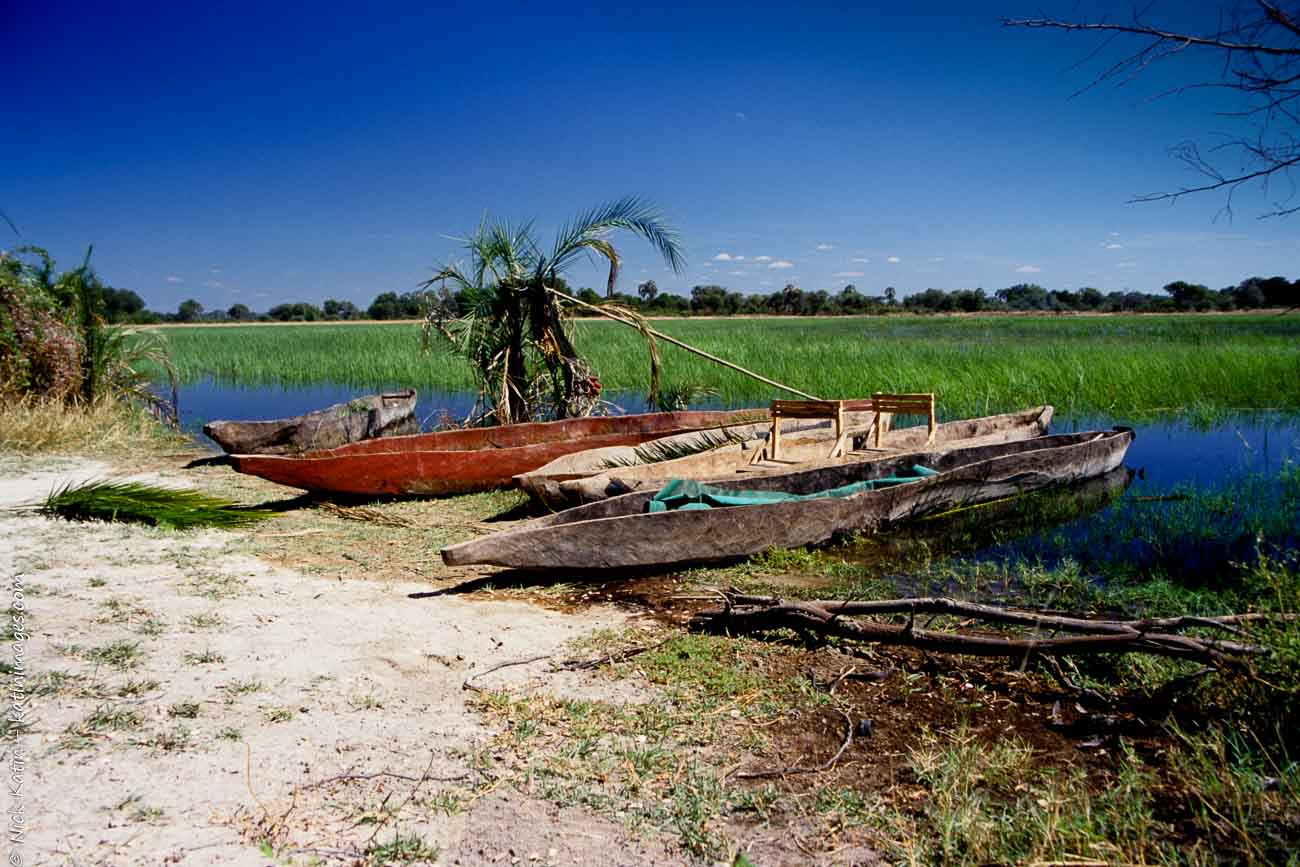
Canoeing on the Okavango Delta

Makoros
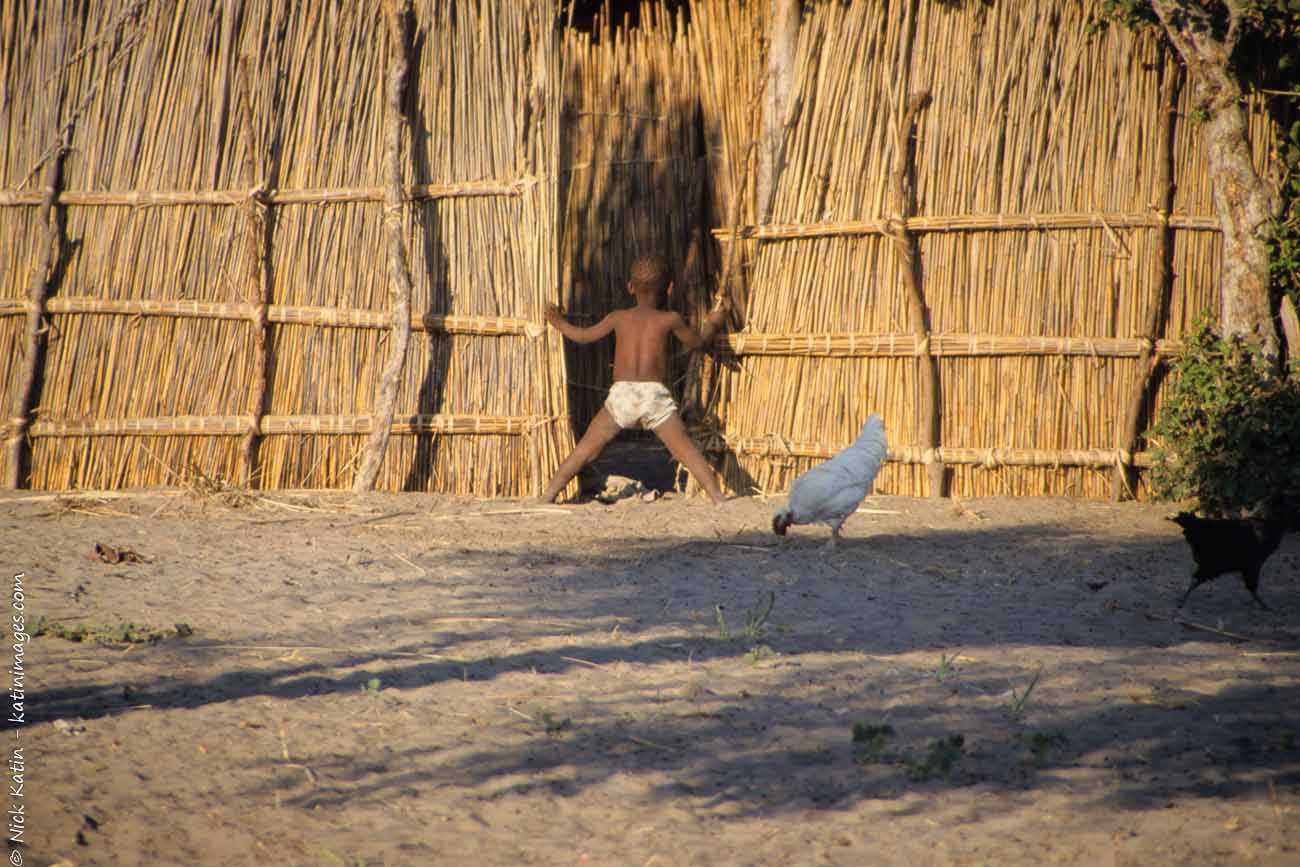
Peek-a-boo
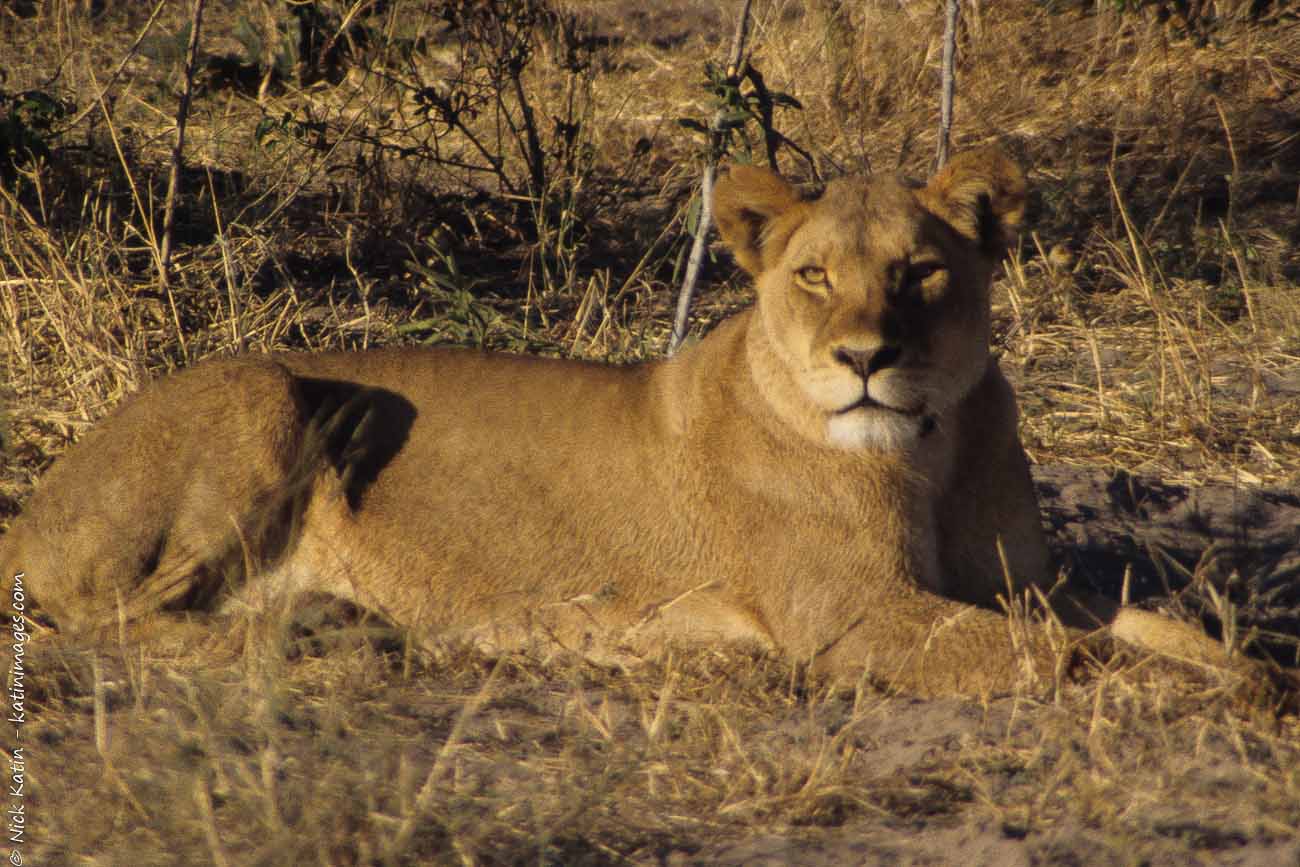
Lion
The travel photography FAQ’s are on hold for now. But they will back in a new form on new site so watch this space! In the meantime more photos from around the globe.
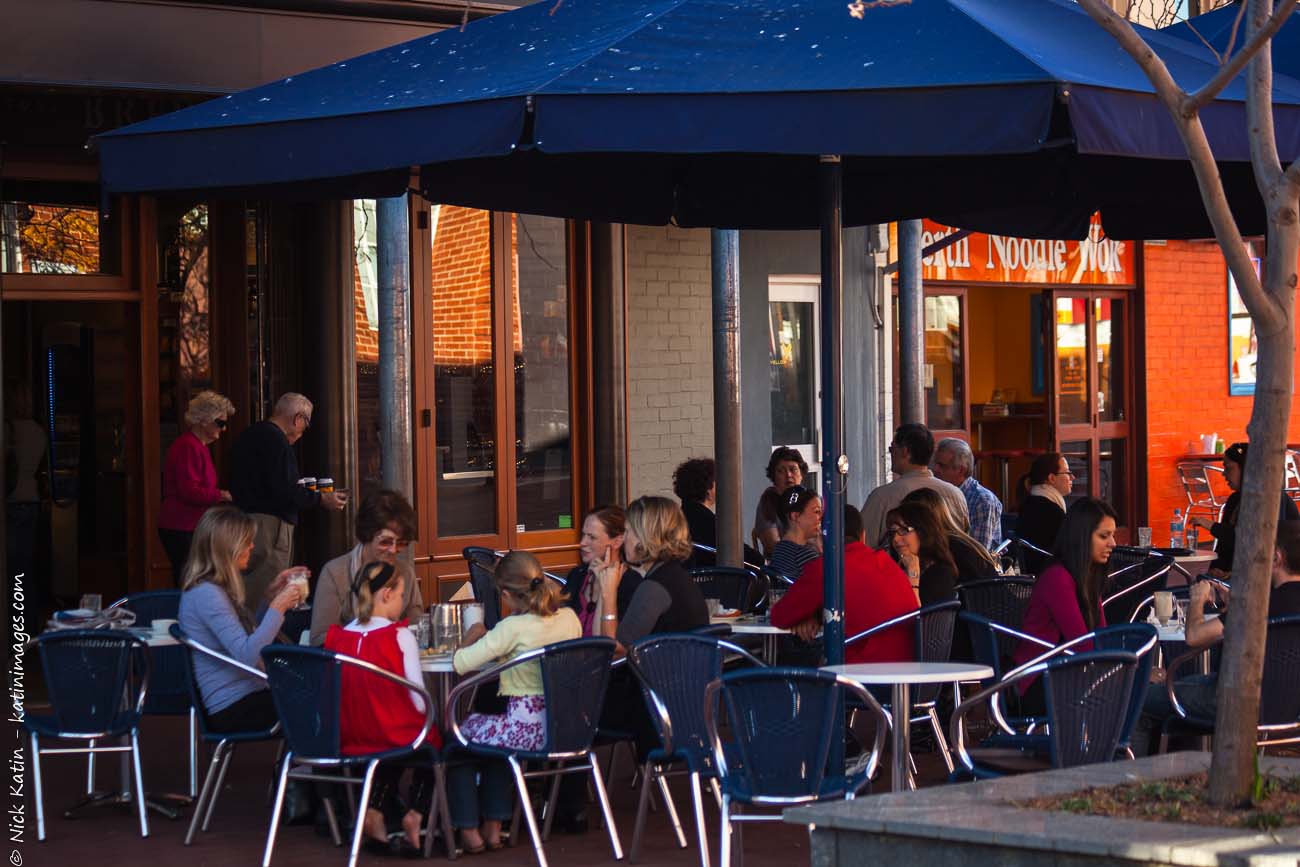
Perth in Western Australia was once a sleepy city far from anywhere and where getting a good coffee was always a challenge. That’s all changed now and there are coffee places everywhere that all have good coffee. In my suburb, Subiaco, 3 km’s from the city centre there are around 20 different café’s or places to get a coffee along its main strip.
Bicycles in clock tower plaza

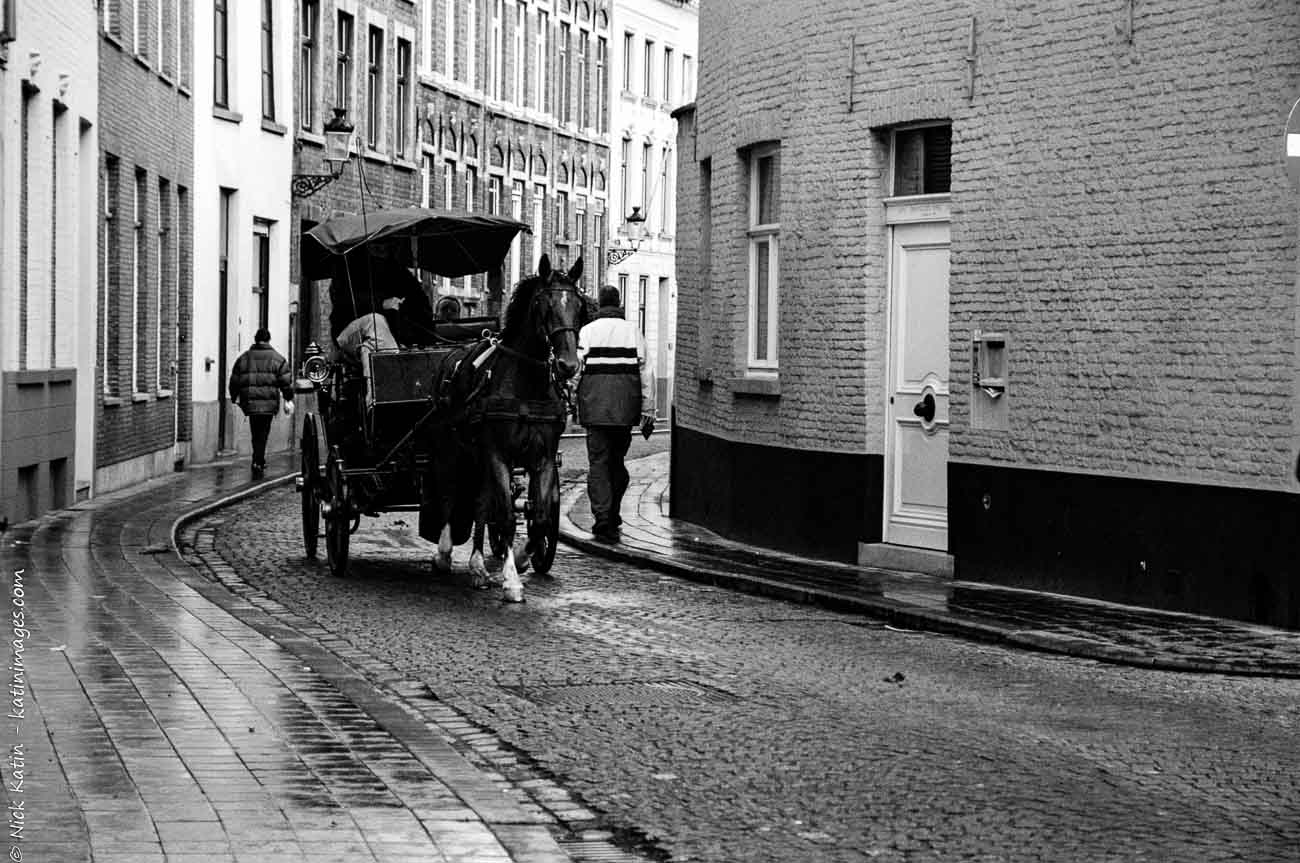
Horse and Carriage
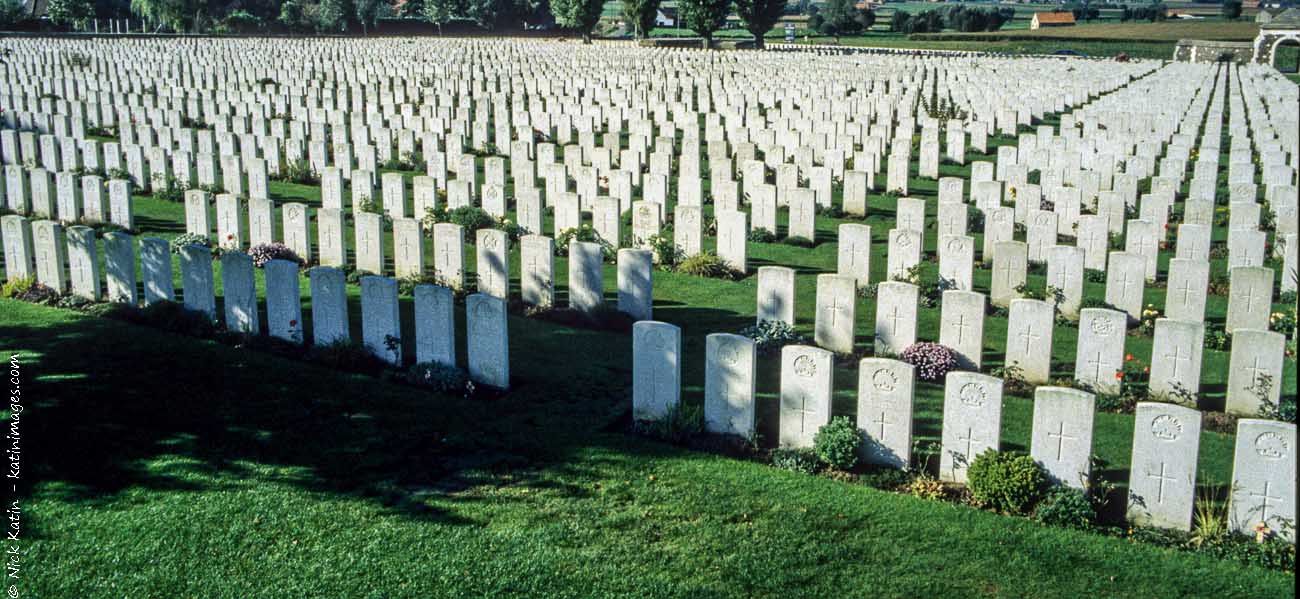
Tyne Cot Commonwealth War Graves Cemetery
Old Brick Church

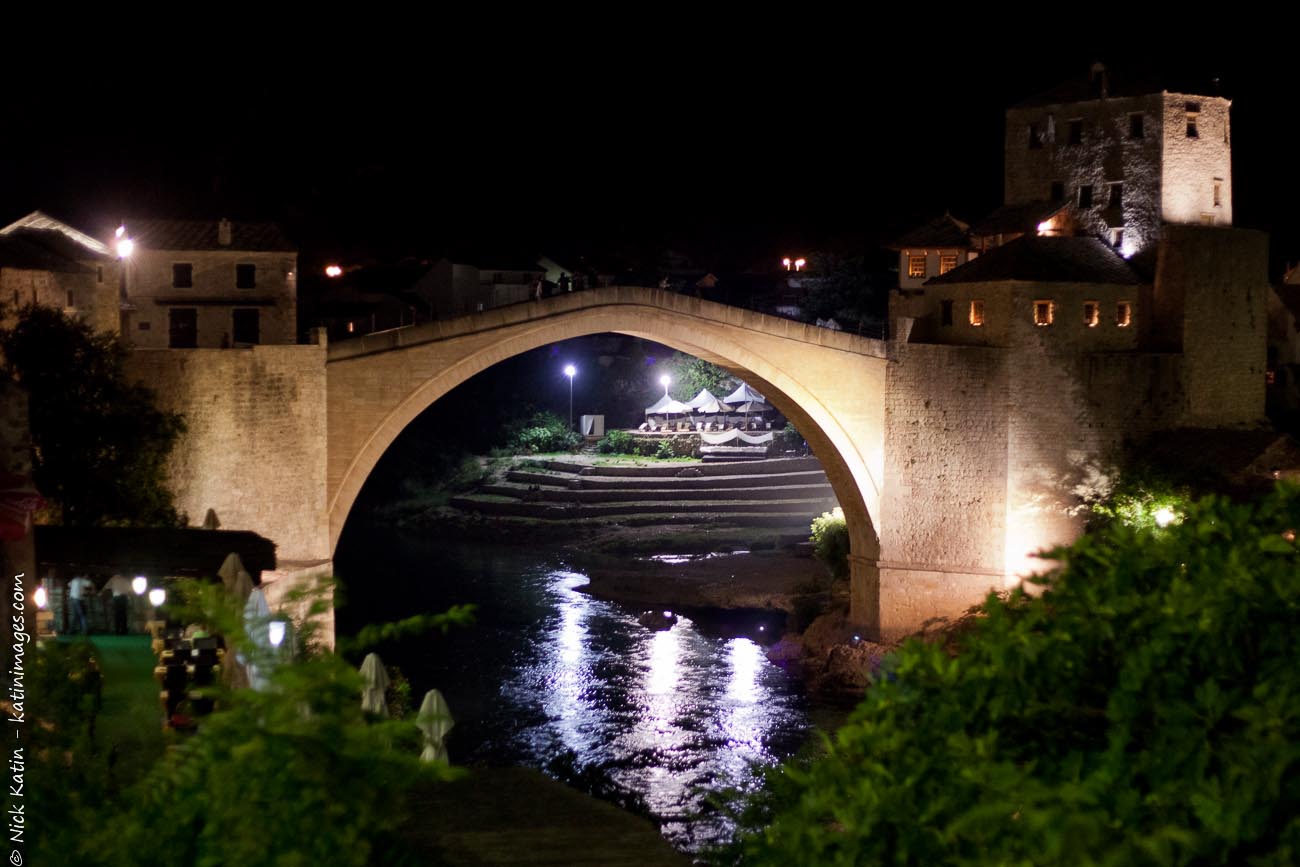
Mostar’s Stari Most at night
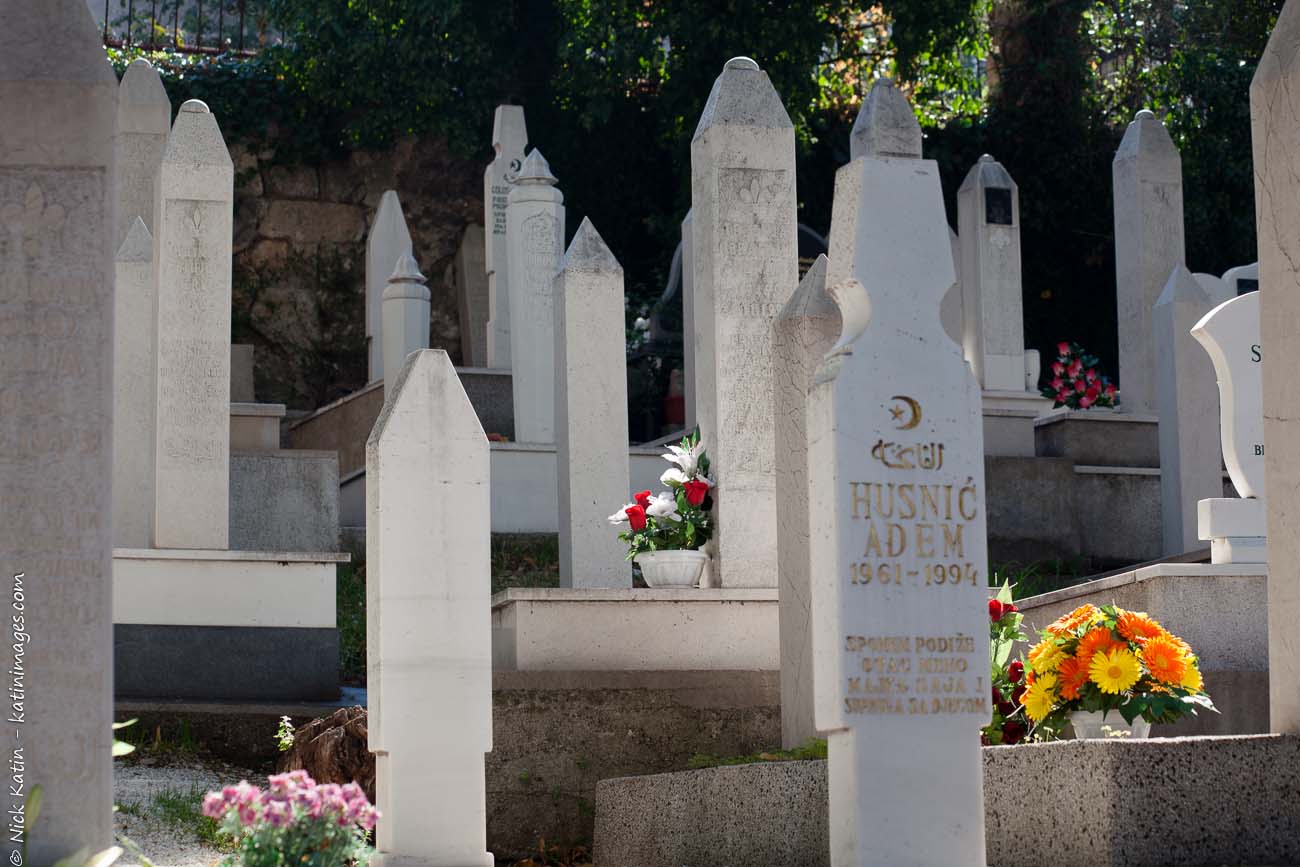
Muslim Cemetery
Mostar

Colourful flutes

How do I get good shots of the locals?
Good question. It really depends on where you are and what shot you are after. Begin with making sure that your camera is ready for an immediate click! This is essential. Nothing worse than loosing a shot because you weren’t prepared. So lens cap off, camera on and the right settings in place, usually a wide aperture i.e small f stop. If you are after candid shots of people just going about their business then a reasonable size zoom lens is handy and usually if you are far enough away you probably won’t need to ask permission. If you are going to try and get close up then it really is courteous to ask permission and then you may need to have a chat to make them feel comfortable. The trouble then is that they will pose which is often not what you want.I take an initial shot of them posing and then continue chatting and taking pictures which tends to yield more relaxed portraits. Beware of cultural sensitivities – in some countries there’s a believe that you are taking away a part of their soul.

City Hall , Vienna
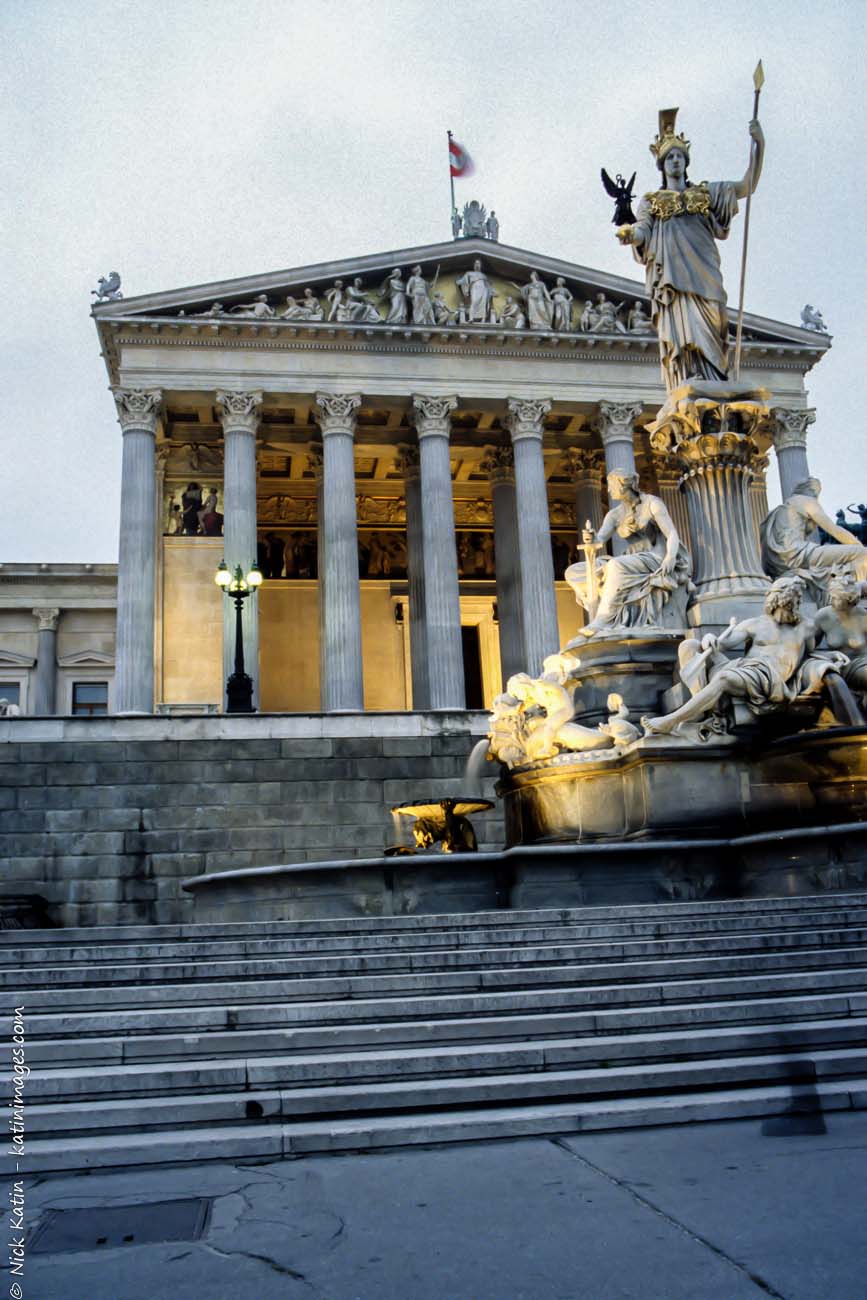
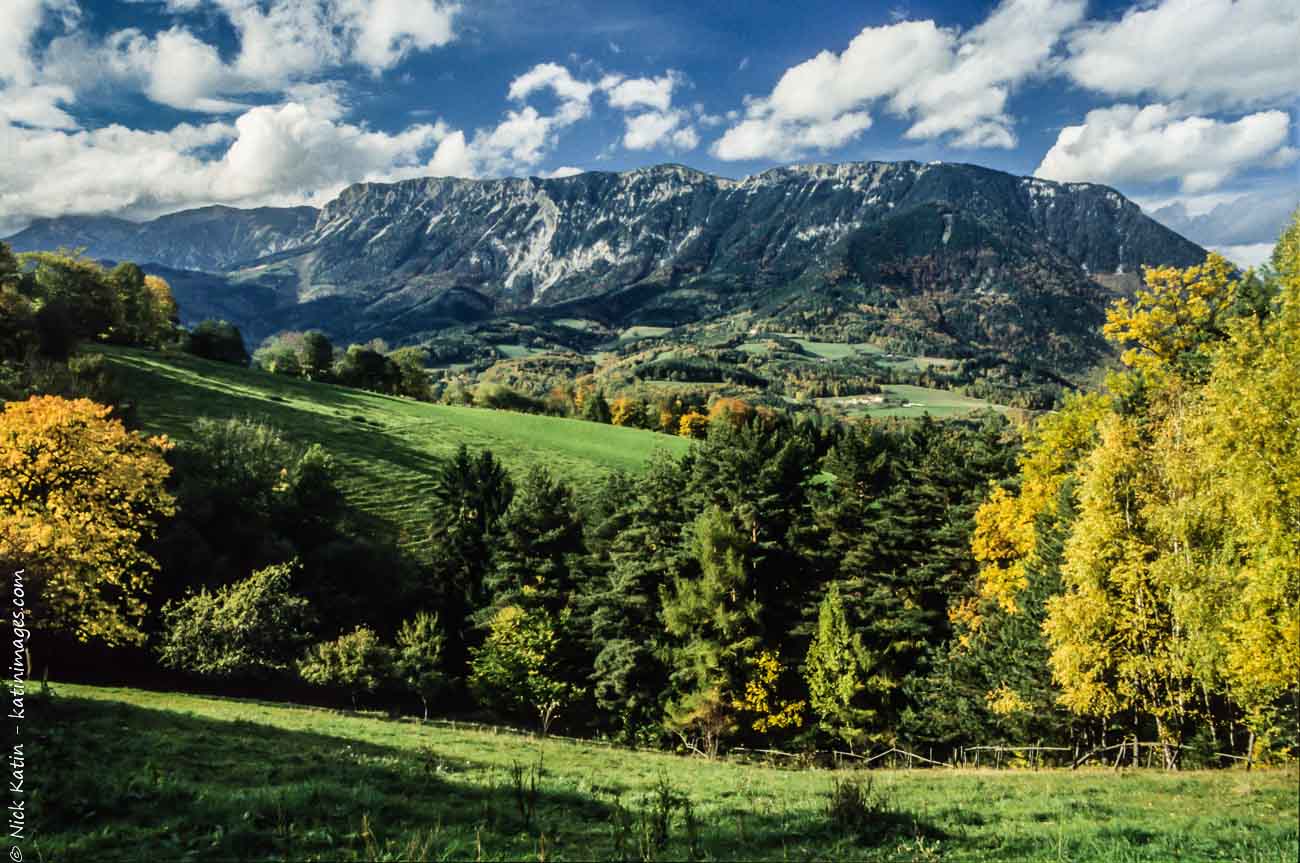
The Vienna mountains 1

The Vienna Mountains 2
Schonbrunn palace, Vienna

Want to put any of these photos on your wall or licence or share this photo email or contact us
Why do my photos of landscapes look ordinary?
Ever taken a photo of a beautiful scene and found that even after you thought it looked OK in the rear screen, once it was displayed on your computer at home it looked nothing like you remember it. Usually that’s caused by a rush of blood to the head that tricks you into believing you can capture the scene before you (usually a landscape). Most common faults are that everything is too small, too much sky, too much foreground, e.g. grass, or it just looks uninspiring. When composing a scene look to use the rule of thirds and place the horizon carefully away from the centre either high if the sky is uninteresting or blown out and the foreground has some points of interest like interesting rock formations or place it low if the sky is full of interesting cloud formations or colour. Make sure the horizon is straight and if you have the sun at your back watch out for your shadow. Finally play around with different positions and zoom in and out.
Here’s an interesting landscape

What is travel photography?
Well that depends on whose asking and whose answering because there is no right answer. Look it up on the net and you will find various opinions. My take is that it’s a collection of several genres like landscapes, street, culture, nature, wildlife, black and white, people and so on. Most would say that the shots are from your travels away from home. But that means if I take an image of a cultural activity in my town then it’s not a travel photo but if a visitor from New York takes it then it is. Maybe then its the use of said image………..! Maybe we’re just over-thinking this. So anyway this is a beginning of a new series of posts that aim to help anyone interested enough to take better photos on their travels. Here’s a black and white ‘travel’ photo.

Kings Park in my home town Perth, at over 400 hectares or 1000 acres, is the biggest inner city park in the world. Situated on Mount Eliza it overlooks the Perth CBD and is one of the biggest tourist attractions in Western Australia thanks to its diversity of attractions, beauty and activities. It’s also very popular with walkers, cyclists and joggers. This is one of the many joggers thrashing their hearts all in the name of health, that I snapped running past me in quite dim light just after a touch of rain.

Want to put this on your wall then go to King’s Park Perth photo. To licence or share this photo email or contact us
So let’s just recap on the tips 5-9: No 5 was a recap of the previous 4 which were briefly: 1. keep your camera on, 2. Turn off the flash, 3. Use auto ISO, 4. Avoid Camera shake by using the viewfinder if fitted or if not, by tucking those arms in.
So number 6: Select a tripod to suit your camera and lens and invest in a cable release or use the timer.
7. Don’t think that because someone has an expensive camera that they will create great images – it’s not the gear that makes great art but the person behind the camera.
8. Use RAW if you want great images but only if you are prepared to invest some time in front of the computer
9. Use JPEG if you don’t want to spend time in front of the camera, can’t afford big memory cards or need speed for quick successive burst shooting.
There are numerous other tips I could give but I’ll stop there and as from next week I will post my top 10 travel photography tips. However feel free to ask me a question on taking photos. I may not know the answer but I’ll probably know where to find it! Ciao
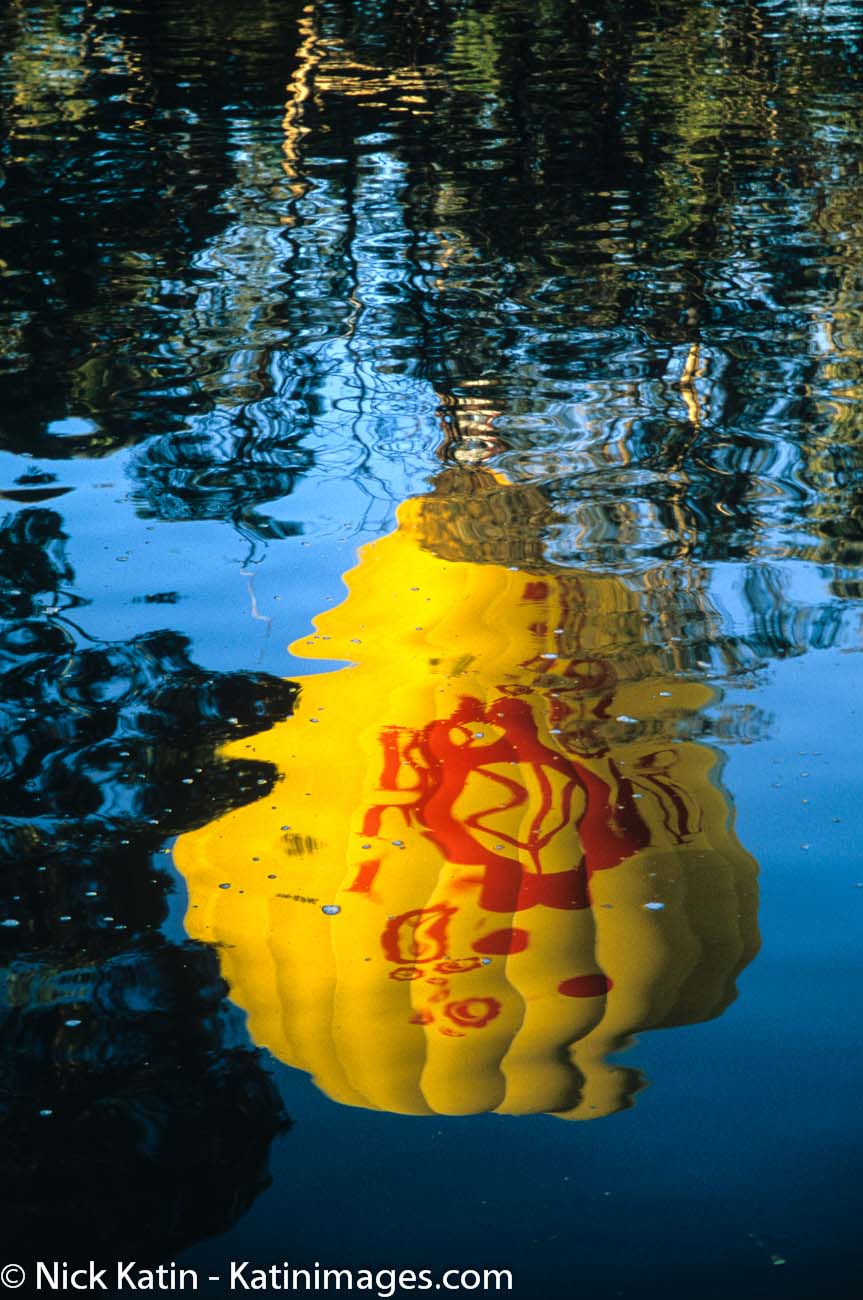
Want to put this on your wall or licence or share this photo email or contact us
Here’s another door (I like doors). This time from the historic El Presido district of Tucson, Arizona. Named after the Presidio de San Augustín del Tucson and now mainly residential, its actually one of the USA’s oldest continually inhabited areas. The buildings are adobe and brick buildings in the Spanish-Mexican and Anglo-American architectural styles. It was very very quiet the afternoon I was there. I felt like I was in ghost town except of course a lot of the buildings and homes had been lovingly restored. Great for architectural photography but not so good for people pictures. Oh well you can’t have everything! Notice the big padlock on the door. 1/100 @ f8 37mm ISO 100

To buy a print of this photo, go to Tucson doorway photo. To licence or share this photo email or contact us
When we picked up a rental car in Ketchikan, the rental company owner wanted to take us out to this remote Lake about 18 kilometres out of town, insisting that it was one of Ketchikan’s hidden gems and great for a short walk. He was a bit of character and regaled us with his stories of his first time in Europe and other personal stories but once he finally left we discovered he was probably right. You can see from the ISO I used that the light was quite dim. 1/80 @ f16 73mm ISO 800
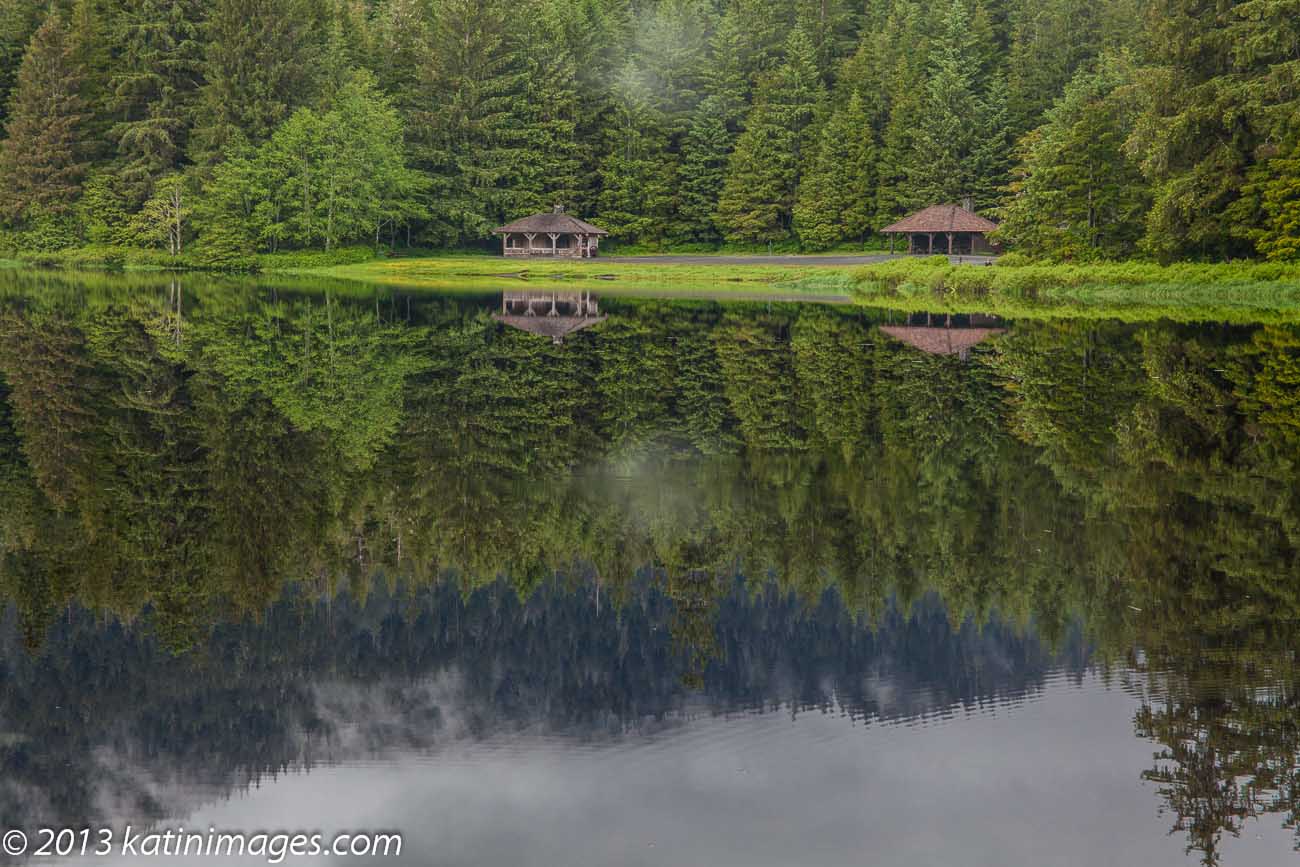
Want to put this on your wall then go to Ward Lake Ketchikan photo. To licence or share this photo email or contact us
This is a HUGE topic that will be difficult to do justice to but if the question is why? Then here’s a brief answer. I might add that this question (at the moment anyway) only applies to higher end compacts, micro four/thirds and DSLR cameras. If you are using a smartphone or a compact that doesn’t give you the option of shooting in raw, then jpeg it is then. So firstly why raw? Raw is digital negative that retains all the information that the camera sensor can see but needs post processing to get the best out of it. So if you want a outstanding image and are prepared to put in the time in front of a computer to get it then shoot raw. Secondly why jpeg? This depends on what you will be doing it with it. If you are sharing on social media or via email just among friends or they are happy snaps which display memories rather than artistic merit, then jpeg is fine. Bear in mind that even if you shoot in raw you need to convert to jpeg to show or share as raw files can only be read by a small number of programs and the file sizes are pretty big. A final tip on that would be to shoot (if available on your camera) raw + jpeg so you can ‘publish’ the jpeg immediately and fine-tune the raw image later. Happy snapping!
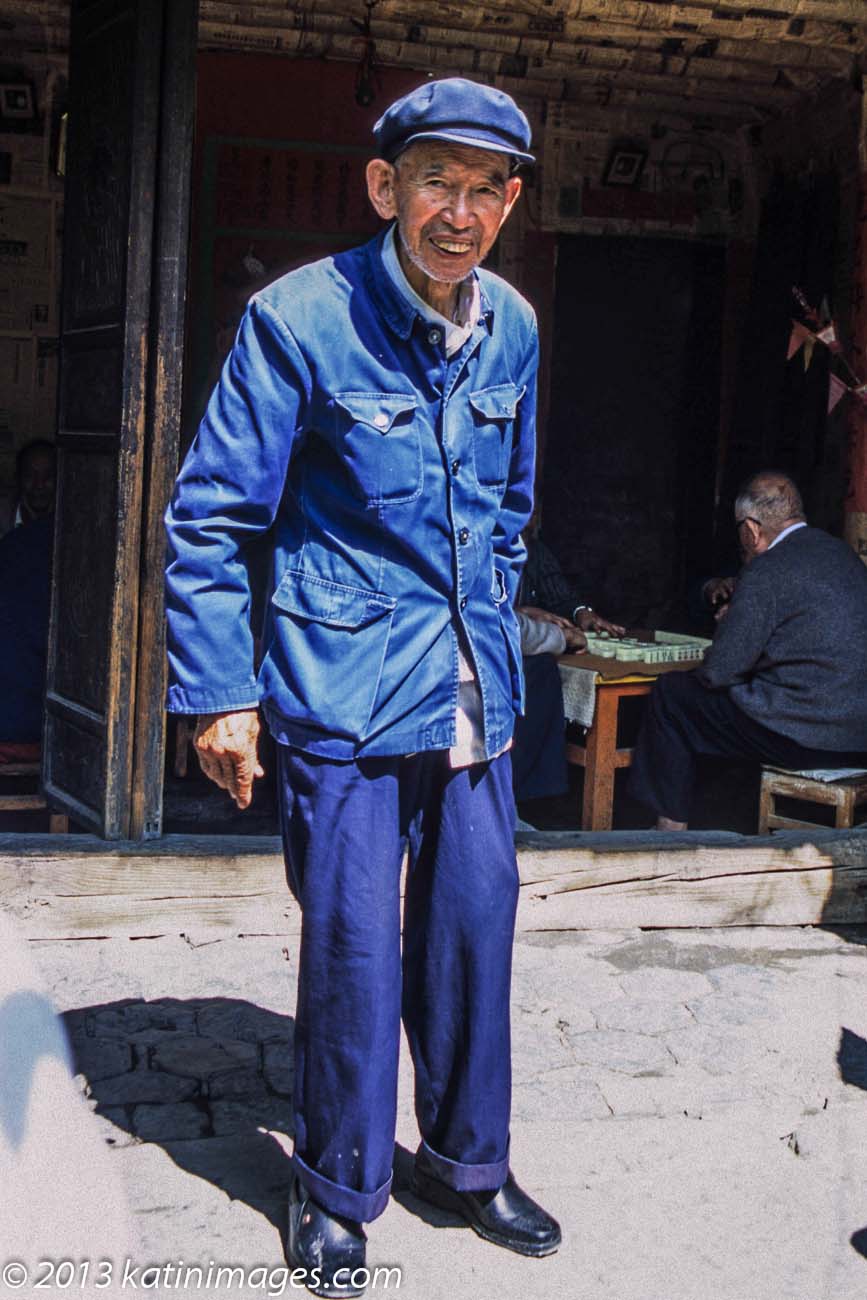
Want to put this on your wall or licence or share this photo email or contact us


 Katin Images Travel Photography