Katin Images Travel Photography

Travel Photos, Travel Photography Tips and Software

Category: stock

  • Here’s why it’s about Time you took your own Stock Photos.

    Here’s why it’s about Time you took your own Stock Photos.

    I Know, you’re happy using other people’s stock photos – And that’s fine.
    However, your business is unique and it deserves unique content to grow and scale.
    I’m not saying that you need great photos to be successful, you may have other advantages or skills that can offset that.
    But we are an image driven society and without originality a business will struggle to stand out from the crowd.
    You can read more on this topic here.
    By the way I’m not the only one to hold this opinion read these articles as well:

    The tyranny of stock photos

    Stock Photography Sucks! Let’s Do Something about It!

    11 Ways Photos Harm Ecommerce Conversions

    Say No to Stock Photography and Create Authentic Photos

    So let me ask you this:

    • Are you fed up with wasting your time searching for stock photos for your business?
    • Have you used a stock photo, only to see it being used elsewhere by another business, even a competitor?
    • Do you always find yourself saying “Oh if only I had a photo of X”?
    • Have you had a photo taken on your behalf that you submitted to your ad agency or printer only for them to charge you to rework or even retake it because they don’t think it’s up to scratch?
    • Have you paid a photographer to take some photos for your business only to be unhappy with the ‘finished article’?

    If you answered “yes” to even one of these questions, then read on.

    Because despite everything you read to the contrary you can learn to take some great photos consistently to impress and attract customers.
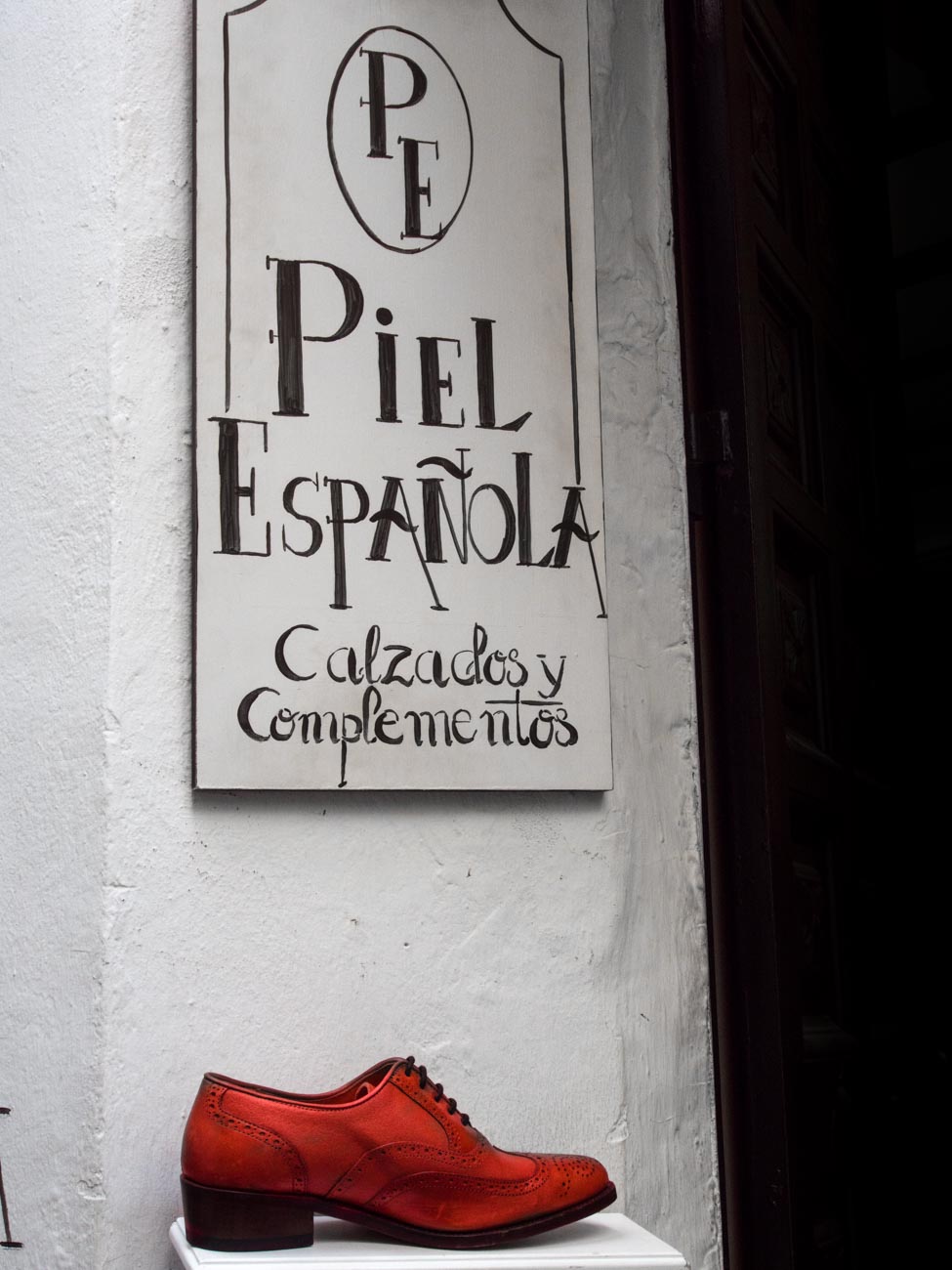
    Stock photo of spanish shoe shop

    So what’s the advantages:

    Well you can

    • Spend time creating your own and be in charge of your own destiny.

    Taking photos (and videos) for business marketing is different. Not harder or easier but different.

    The eye should be looking to make your product or service as attractive as possible sometimes in an obvious way, other times in a subliminal or subtle way.

    Stock photo of library in Melbourne

    • Make unique photos that you own the copyright to

    It always amazes me how little is understood about just the basics of copyright
    When a photographer conducts a shoot for any business (or wedding or portrait session or any other third party) they keep the copyright. What that can mean is that unless you have a watertight contract with them, that they are prepared to sign (and then the price will increase) they can resell that photo to another business or alternatively a stock agency who can then sell it on.

    Read more on this here

    • Take photos of what you think will help move your business forward

    As I said before you know your business and it’s not the same as other businesses. It’s unique and only you know the sort of photo that you want to represent your business.

    And then you will

    • Stop paying for services that delay your campaigns

    There are some great photographers out there who will no doubt give you exactly what you want. But they are expensive and often hard to book. Getting a less expensive job will save you money but it can cost you if the quality and/or service is substandard.

    • Stop settling for someone else’s interpretation on what photos you need.

    Photographers, stock agencies and marketing agencies are all just interpreting what they think you want.
    Earn yourself the freedom to choose what you want.

    Now I know some you will say:

    1 I don’t have time – well how much time do you spend on searching for stock photography now?
    More on this here.

    2 I don’t have the money to spend on photo education – Look I get that you want to run your business on the smell of an oily rag. I’m in business too.
    But sometimes you have to pay for something that’s going to take your business forward and will give you potentially a big ongoing return on investment.
    More on this here

    3 I don’t have a decent camera – Assuming you have a camera that works then you have a ‘decent’ camera.
    The idea that you need a certain quality of camera to take great photos is simply not true.
    Check out an article on this here.

    4 I can’t learn photography because ………. (fill in the blank) – Well there might be a reason that I can’t think of where this is true but if you can run a business or hold down a challenging job then you will be surprised how quickly and easily you can learn.
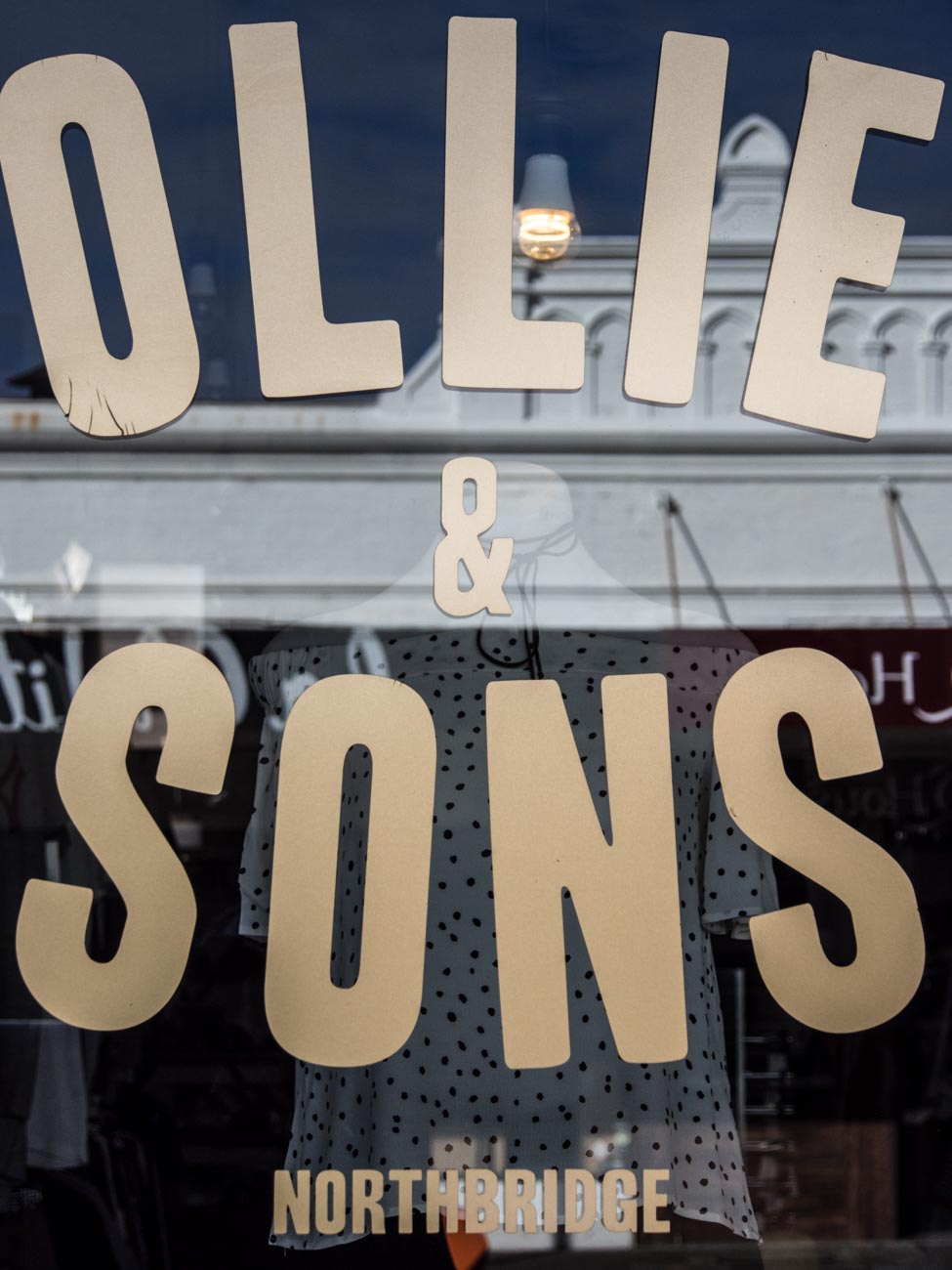
    Shop front

    To summarise

    You own or run a business and you want it to succeed.
    Well you can’t do that by buying, or downloading for free, photos that only vaguely represent what your business is about.
    You have a unique offering and therefore all your marketing needs to be unique and that includes photos.

    You can achieve this by taking your own photos and
    1 Save time and money on searching for photos.
    2 Save money by not having to pay for a photographer who may not give you want you need.

    Taking you own photo means learning the basics and building on that.

    Have I convinced you?

    If so, I’d like to suggest you sign up to, not only get notified of future updates, but also get some exclusive content that won’t be available on this site.
    If you’ve been here before and haven’t already signed up, then what are you waiting for?
    Either way you can sign up at these places and get a checklist or guide for your trouble: 

    Camera Features Guide

    Eleven easy ways to help you take your own stock photography

    Aperture Priority Checklist

    Product Photography Checklist

    Alternatively pop your email in the box below.

    Any questions then please contact me here and please say hello at these places:

    FacebookTwitterInstagramLinkedIn:

    And feel free to share this to your social media of choice


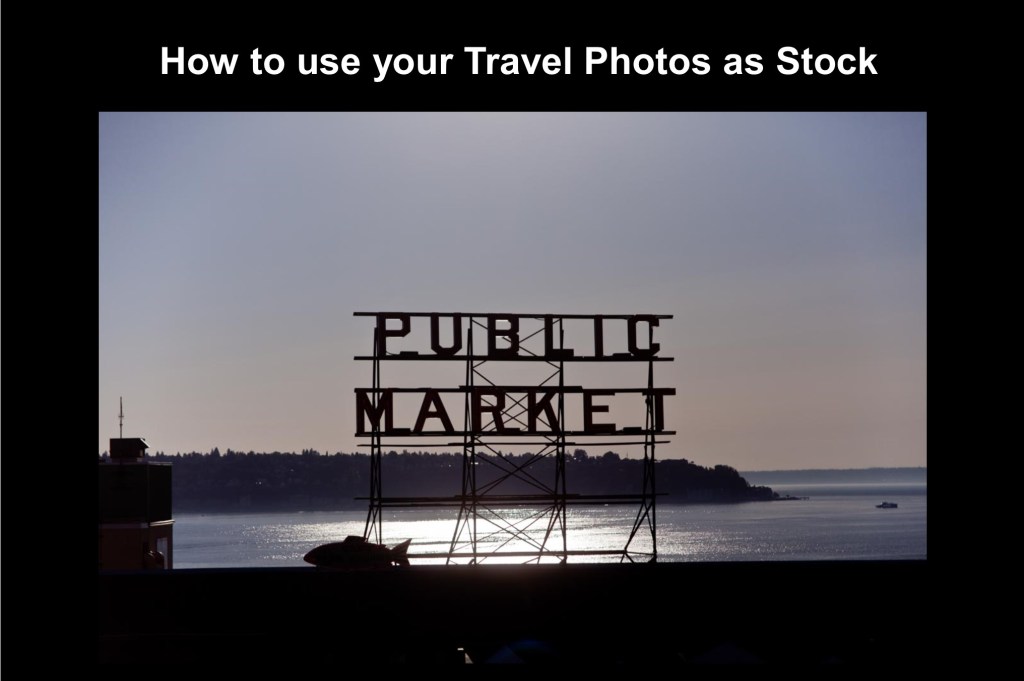
  • How to use your Travel Photos as Stock

    How to use your Travel Photos as Stock

    We often spend too much time searching for things that we have under our noses.

    Let’s take Stock photos for your marketing as an example.

    We’ll either jump on the net and spend hours searching for images that will fit the bill or set up our own temporary photo studio and take something ourselves that we believe will do the job.

    Often, we may already have the image in our ‘carefully ordered’ catalogue of photos that we have accumulated over the years.

    Sometimes the image doesn’t have to be of you, your product, your shop or your staff.

    It can just represent your business in a less straight forward way the message you are trying to get across.

    So below are several examples of images that can be used to speak to your potential market with suggested captions.

    This is not meant to be a promotion for my other brand katinimages.com.

    However, if you are interested in any of these images just click on them and you will be taken to my gallery where you can, if you so desire, make a purchase or just see a bigger version.

    https://katinimages.smugmug.com/Travel/Australia/i-qRnK3zz/A


    Don’t waste away worrying when one call can help.

    Are you wondering where you are? Our customer service can help orient you.


    Letterboxes on the a country road in the Mornington Peninsula in Victoria, Australia


    Does you email look like this? Call 1234 56778 for a way to get your email into one box.

    Need a mails collection from multiple mail boxes. We can help with our special collection service.


    https://katinimages.smugmug.com/Travel/Travel-different-street/i-rHfjWRD/A


    Sometimes you have to walk away! Call us now for an appraisal on your business.

    Knowing where to price your product can be the difference between success and failure. Visit us at knowyourprice.com
     

    https://katinimages.smugmug.com/Travel/Travel-Different-North-America/i-g4MnbBv/A

    Are you winging with your finances? Go to dontwingit.com

    Fed up with flying an empty plane. Talk to us about charter flights

    OK so maybe the captions are not that good but hopefully you get the idea.

    Maybe you’ve got some better ones. If so don’t be shy share them in the comments section below. You could help someone else who’s struggling to coin good marketing phrases.

    Additionally if you have any questions or comments about this post, you can also leave them in the comments section below.


    Or feel free to contact me directly via my contact page


    Sharing is caring as they say (although not sure who “they” are).


    If there’s some people you know who may enjoy this or any other post on this site, please share with them.


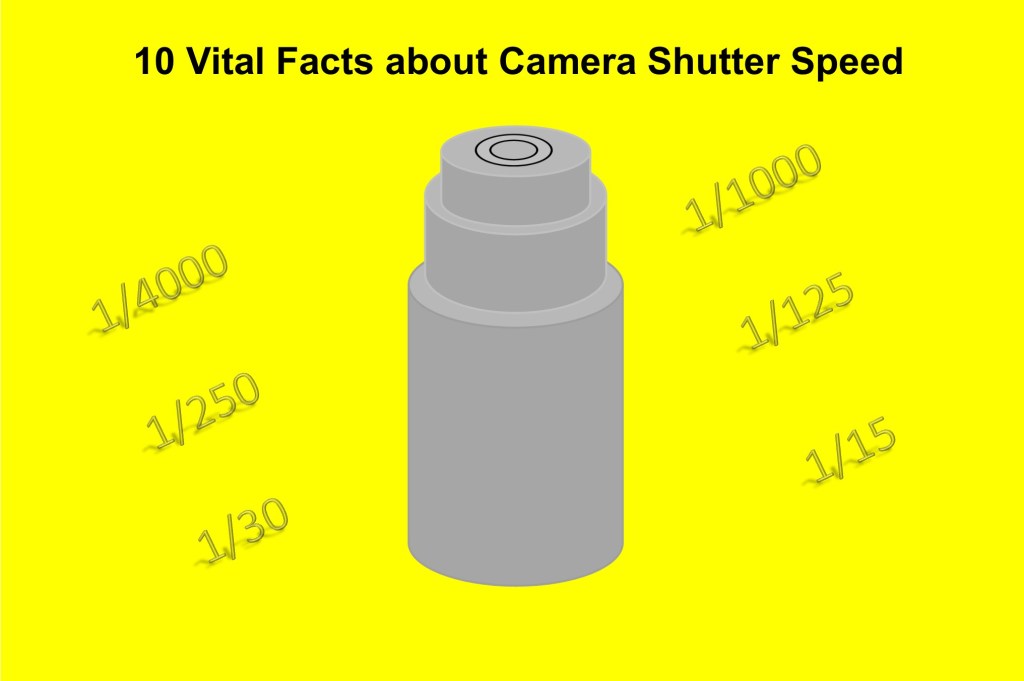
  • 10 Vital Facts about Camera Shutter Speed

    10 Vital Facts about Camera Shutter Speed

    In 10 Vital Facts about Camera Aperture I wrote that “The aperture of a camera is the centre of the photographic universe – well maybe – the other centre, as some would argue, is the shutter.” 

    Let’s go to the other centre of the photographic universe, the Shutter and specifically Shutter Speed.

    In all honesty, I must admit that shutter speed is just as important as your aperture setting. In another post Understanding the 3 points of the exposure triangle I make it clear (I hope) that ISO, Aperture and shutter speed all influence each other. Adjust one and the other changes.

    So, you can see how important it is to get the right setting.


    BTW make sure you scroll to the bottom of the page for an Infographic summary


    Moving on let’s get straight to the 10 Vital Facts about Camera Shutter Speed.


    1 The Shutter Speed is the speed that it takes to open and close the flap that sits in front of the aperture.


    2 It’s measured in seconds and fractions of seconds e.g. 1/500 of a Second


    3 To freeze action you need a fast (or quick) Shutter Speed


    4 To show movement you need a slow Shutter Speed


    5 It’s a big contributor to Camera shake or lack of


    6 To calculate the minimum speed you need to prevent camera shake, use this rule of thumb. At 100 ISO- the Shutter Speed = the focal lens setting of a lens. More on this below


    7 Shutter Speed becomes less important, in most situations, the better or brighter the light you have


    8 When taking hand held photos in poor light i.e. indoors without a flash you need to use the fastest speed you can get.


    9 The faster the shutter speed the lower the F Stop number which can in turn, can influence how much you can get in focus.


    10 Taking photos with a lower F stop gives you much more freedom with your shutter speed in good light but reduces as stated in 9, how much you can get in focus.


    11 The slower the shutter speed the higher the f stop number


    12 Only use Shutter speed priority when you are trying to achieve something specific.


    I’ve just realised I’ve given you 12 vital facts about camera shutter speed! Oh well you’ve got a bonus 2!


    So why do you need to worry about it?

    Well the most important reason overall is point 5; It’s a big contributor to Camera shake.

    Camera shake is pretty much irreversible and whilst shutter speed is not the only contributing factor, it can be the deciding one. Unless you are wobbling around with camera in hand snapping away.

    As I said in 6, a rule of thumb to get the slowest minimum shutter speed is to match the shutter speed to the focal length of the lens you are using.

    As an example, if you are using a 200mm lens then the closest shutter speed will be 1/200.

    But, there are complications.

    If the lens or camera has mage stabilisation then you can reduce the shutter speed by a couple of settings e.g 1/50.

    Then there are other factors that will come into play see 5 Ways to Eliminate Camera Shake

    The size of the sensor in a camera can also affect the shutter speed. An Olympus OMD _M5 for instance has a crop factor of 2 which means you need to double the focal length to get the minimum shutter speed.

    So if it was 100mm it would now be 1/200.

    Now I don’t want to confuse things but it works out the same.

    The reason is that a 100mm lens on a 2 x crop factor sensor camera is actually 200mm on a full frame so the minimum shutter speed is 1/200


    Here are some other reasons for adjusting the shutter speed:


    Freezing action

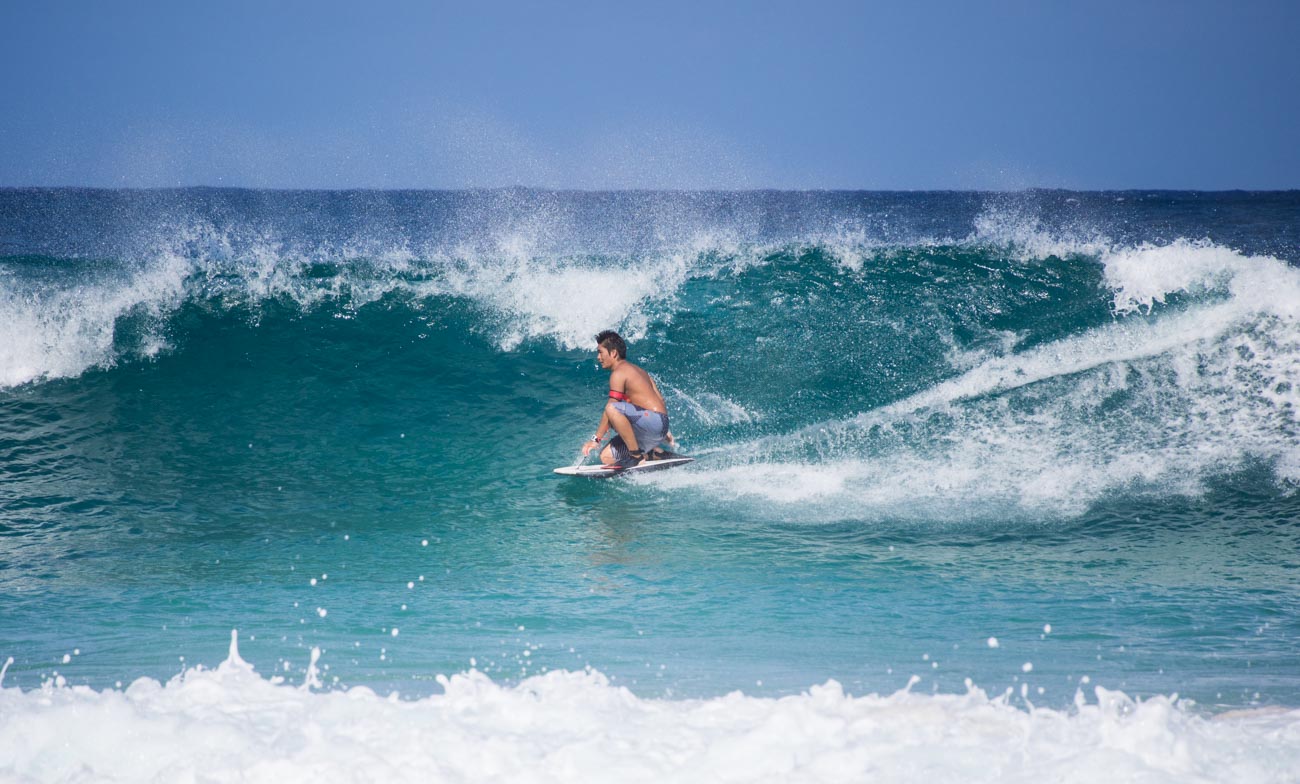
    Let’s say you want a picture like this one of a surfer to freeze the moment. You want it to be crisp and clear so the shutter speed needs to be on the high side.


    10 Vital Facts about Camera Shutter Speed


    This one was taken at 1/1600 Sec at an aperture of f5.6 ISO 200.  Whilst the foreground spray is little bit soft that’s due to the point of focus not the shutter speed.


    Slowing action

    On the other hand, with the waterfall below we’re looking for that fluid almost viscous look of the water flowing down the rocks.


    10 Vital Facts about Camera Shutter Speed
    At the Medenhall Glacier reserve. 13 miles from the city centre this is one of Juneau’s main tourist attractions in Alaska


    This one was taken at much lower speed 1.6sec at an aperture of f32 ISO 100 which is roughly 10 times lower than the surfing picture


    Interior light

    If you don’t have a flash or don’t’ want to use it then having a fast shutter speed can help.


    10 Vital Facts about Camera Shutter Speed


    Conclusion

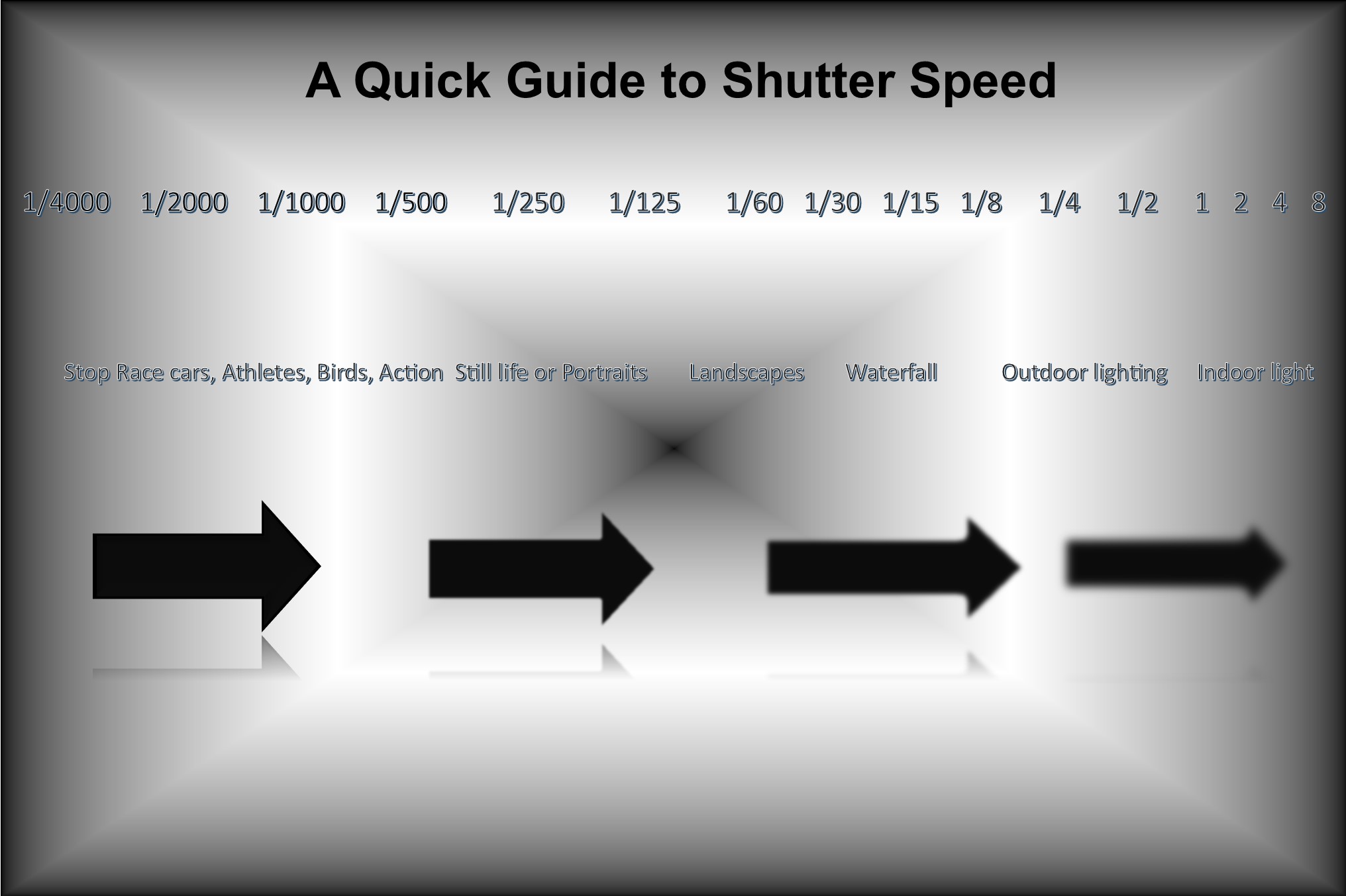
    So to summarise these last points, as promised here’s an infographic.


    10 Vital Facts about Camera Shutter Speed


    Did you understand all that? I’m happy to clarify anything you’re not sure of.

    Just post in the comments section below. Don’t be shy.


    While you are at it why not subscribe for future updates below.

    You’ll get my free guide “Eleven easy ways to help you take your own stock photography”.


  • The 10 things you need to know about photographic copyright

    The 10 things you need to know about photographic copyright

    In my article Why stock images are bad for business! I mentioned Photographic Copyright and that I would expand on it at a later date.
    Well it’s taken me a while but here it is:

    Copyright is very misunderstood and complicated. But it doesn’t have to be.

    Let’s see if I can make it simpler for you in with the 10 things you need to know about photographic copyright.

    In your business, you will take or have someone, i.e. a photographer, take photos of customers, products, workplaces, employees, landscapes etc etc.
    Often, we don’t even consider the legal aspect of these and use them wherever we need to.

    So, without further ado, here’s the 10 things you need to know about copyright.

    1 Copyright definition

    According to the Oxford Dictionary, it is “The exclusive and assignable legal right, given to the originator for a fixed number of years, to print, publish, perform, film, or record literary, artistic, or musical material”

    2 The photographer holds the copyright

    Yes, that’s right unless a photographer signs over his copyright to you in a signed agreement, they have the right to do anything they like with any photo they take.
    Even if they have taken these as a paid assignment.
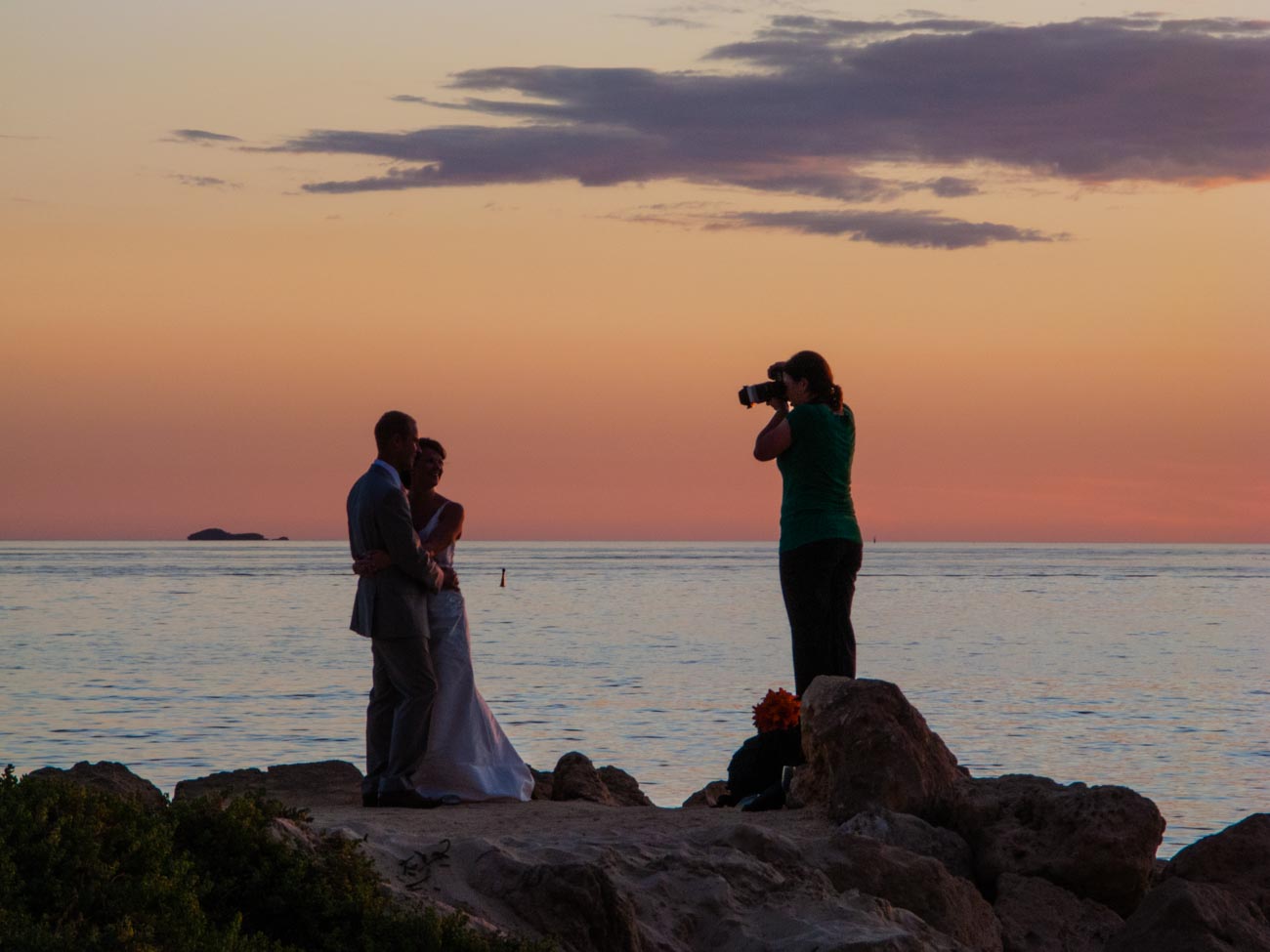
    So those great wedding photos you’ve got, can be used by the wedding photographer in any way they choose.
    There is one very important exception to this. If a photo is taken by an employee during their employment, the copyright is automatically owned by the employer.


    The 10 things you need to know about photographic copyright
    A wedding photographer and the bride and groom at South Beach in Fremantle, Western Australia


    3 Editorial copyright

    If you use a photo to make a point or tell a story. E.G. the images in this article are not advertising but are there to add substance to the article.
    This is called Editorial.
    Warning: This can be subjective so there are often exceptions to this.

    4 Commercial copyright

    When a photo is used to sell or market something then it can come under the banner of commercial use.
    In other words, it focuses on the product or service you are selling. If you have a picture of a widget that you advertise on Craigslist with a price on it, then you must have permission from the photographer to use it for that purpose.
    The same applies if you are using a photo to depict that this same widget will make life happier and better.
    Even though you haven’t got a price it’s still considered that you are marketing this widget and using a photo to do it.
    In this instance it’s considered commercial photography.

    5 Copyright laws

    Laws vary from country to country which makes it difficult if your markets are international.
    So be careful when you are using photos for your marketing in a different country.
    The info I posted here is based on the US and is very similar in most other countries.

    6 Copyright can cover icons.

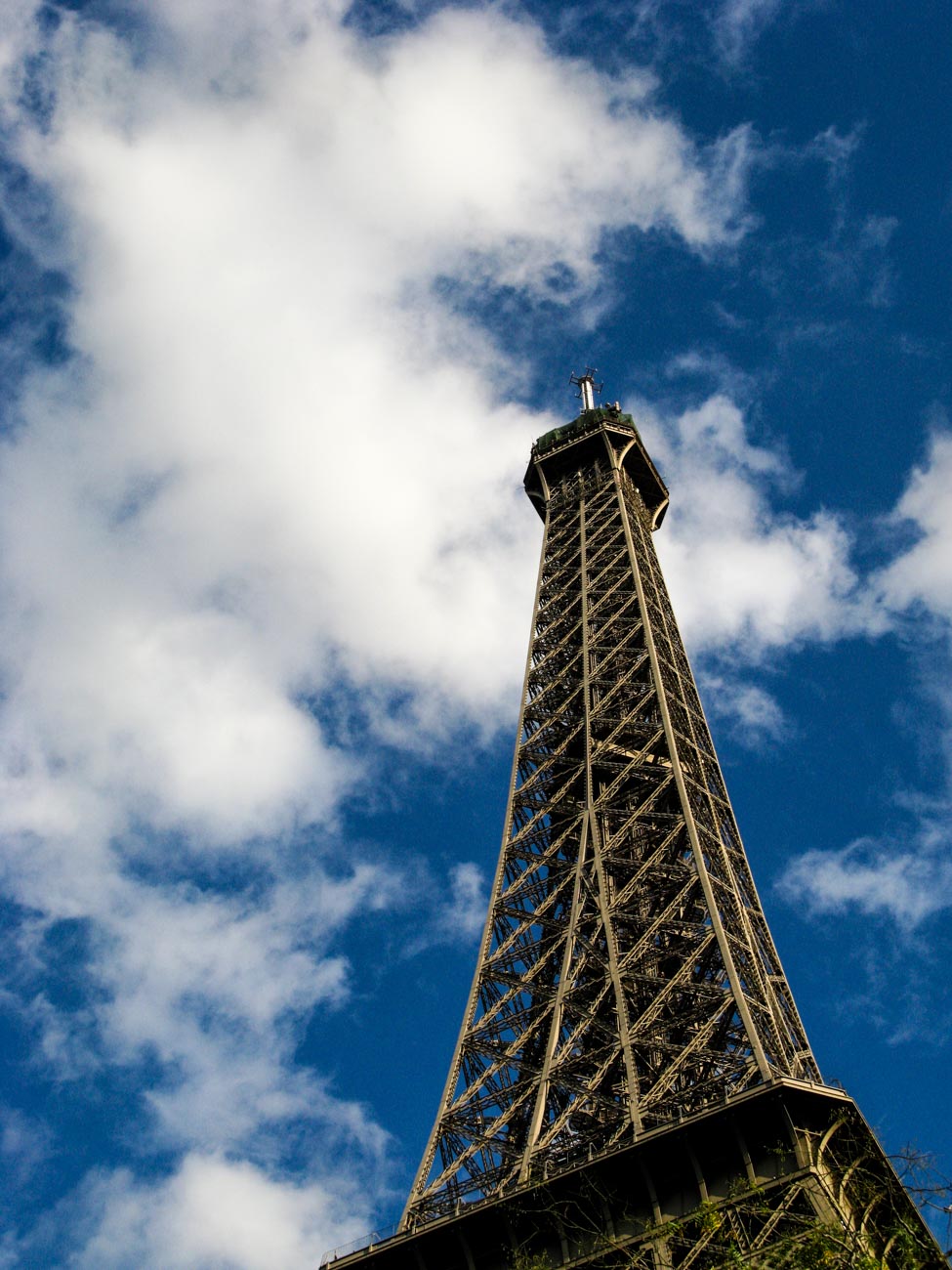
    So, you’re in Paris and you take a great photo of the Eiffel tower.
    It’s so good that you think you can use it for one of your marketing campaigns.
    Well think again.
    There are a lot of icons that you cannot use for your marketing even if you took the photo.
    You need permission first.
    There are places where you are banned from taking images, especially if you look like a professional. E.G using a tripod or DSLR.


    The 10 things you need to know about photographic copyright
    The Eiffel Tower


    7 Creative Commons

    Creative commons is an alternative to rights managed photos.
    Most of the photos on Flickr have Creative commons rights.
    That means that you can use the photo for anything as long as you give credit to the creator. There are many different types of Creative Common licenses some of which exclude commercial use.
    So if you use a photo with a creative commons licence, read the fine print.

    8 Internet Photos

    The web is awash with photos and there are thousands posted every day.
    Each one has been taken by someone who owns the copyright.
    If you ‘borrow’ a photo and put it on your site or use it for any purpose without permission you are taking a risk.
    They can come looking for you and if they don’t actually sue you they can take up a lot of your time. Don’t do it.


    The 10 things you need to know about photographic copyright
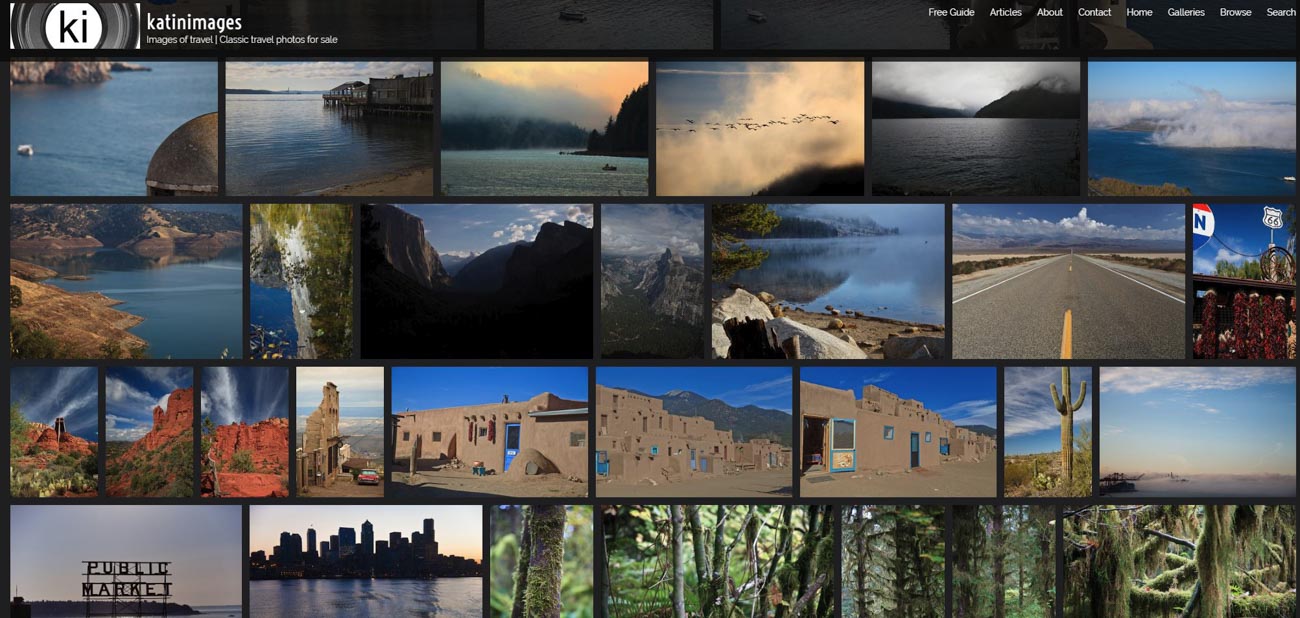
    katinimages.com


    9 Stock photo copyright

    Stock agencies will usually have their I’s dotted and T’s crossed so you shouldn’t have any issues there.
    But it does pay to check.
    Of course, you could pay for the use of a photo and find that it’s being used somewhere else.
    That’s a common complaint that I hear about royalty free or sites that will supply free images.
    There’s not much you can do about that except take you own.

    10 Royalty free

    Royalty Free Images are one-time payment for use.
    The use/s can be stated on the agreement or they can be used for any purpose.
    Either way they are not free.

    Bonus Point:

    Model Release

    I could write another article on this one.
    The only way to cover your arse (ass) is to get a model release from anyone in your photo. It’s good practice, regardless of whether you think you will use the photo for editorial or commercial use.
    It’s not worth the risk

    For your bedtime reading check out these:
    The Copyright Zone is a book by Jack Reznicki and Ed Greenberg. Formerly called the Photographers Survival manual and primarily US based this book still has lots of good tips and information
    Copyright.gov (USA)
    Australian Copyright Council
    Intellectual Property Office (UK)
    Canadian Intellectual Property Office
    Last and not least Wikipedia have lots of info here

    As you can see there’s a lot to it, so watch out for a follow up article in the future.

    As usual please share with someone who would like to read this.

    Please leave your comments below or you can send me an email via the contact page here

    And now that you have got this far, keep scrolling down and subscribe to my newsletter where you will get exclusive info that I don’t publish publicly.
    I’ve got some good stuff coming so don’t miss out.


    To help provide free content and to cover costs of running the site I run some advertising on the site and engage in the use of some affiliate links. These affiliate links earn me a small commission on any purchases that anyone makes when they visit stores such as Amazon after clicking on one of our links.

    These commissions help me to keep nickkatin.com growing.


  • Eight Industries that need Excellent Stock Photography

    Eight Industries that need Excellent Stock Photography

    Stock Photography and/or Visual content can be many things, like photos or images, infographics, videos, *Memes, screenshots and presentations.

    There are others of course but these are the main ones.


    *BTW don’t know what a Meme is then check out this site Memes.com


    In this article, I will concentrate on what stock Photography means to eight industries.

    So, off the top of my head some of these industries include real estate, boat or yacht sales, restaurants, commercial builders, used car dealers, viticulturalists, jewellers and fashion designers.

    Of course, there are many others.

    But what they all have in common is that they all need a constant flow of high quality images to market themselves and their products.

    And that’s because the speed and ease of their sales is connected to the quality of their photograph

    So, let’s look at why you need it for marketing from these selected industries point of view:

    1 Real estate


    It goes without saying that real estate is an extremely visual industry.

    Without images of the property on offer, a real estate sales person is going to struggle to get anyone to come and look at any property.


    A properties image should show its livability and its condition.

    The quality of the images should be good enough to tempt anyone looking for a property into seeing the real thing.


    Any property investor, whilst not wanting to live in the property wants to know it’s condition, so that they won’t be having to update or worse still renovate before anyone can move in.


    Of course, this is not new, real estate has always published images of properties for sale.

    From grand 5 or 6-page booklet or flyers or portfolios to the current on-line platforms, images of real estate have always been well presented (well, mostly).


    It’s interesting that despite the on-line opportunities the flyer is still going strong.

    Why is that? Well when the image is being displayed in print especially in a newspaper ‘type’ publication, the print the quality is often poor.

    And a poor-quality print will exaggerate flaws.

    Yes, that’s right a lot of Real Estate markets still use newspapers. So, agents back it up with good quality flyers.


    So it’s essential to ensure the image quality is as high as possible.

    2 Marine Vehicle sales


    Eight Industries that need Excellent Stock Imagery
    Haeding towards the Adriatic from Dubrovnik’s Marina


    Once again selling a boat is a very visual process.


    Each boat for sale can have up to 20-30 images portraying different angles and features.

    As with real estate if you are going to buy a boat you need to see the condition it is in if it’s a used one.


    For new ones, you need to be able see the features, benefits and comforts.


    Boats have the luxury of usually of being able to be photographed on water so that you get that eye pleasing character.


    3 Restaurants


    Rather than rely on the self-appointed reviewer who posts images to whatever Social media platform they are on, it’s about time that restaurants took charge of their own images of their property and products.

    A chef will spend hours creating a work of art to put on the table but the effect can be ruined by a poor image, whether it be by a well-meaning customer or by the restaurant management themselves.


    There are two trains of thought on images of food.

    One is to portray it as a work of art and the other is to make it mouth-watering and tempting.


    Pictures of the restaurant itself also come into play.

    Often potential customers will be tempted by the interior of a restaurant rather than the food. Images need to convey whatever character the restaurant is trying to portray whether it be a fine dining or home cooking.


    4 Wine industry


    Eight Industries that need Excellent Stock Imagery


    Wineries are usually located in stunning parts of the world.

    Rolling vine covered hills, some with a mountain backdrop.

    Some are less dramatic but equally pleasing to eye.


    Capturing the essence of the terroir of a wine should be easy.

    Likewise, a bottle of wine with an attractive label is again, usually easy to capture.


    The wine itself being poured into a glass can be tantalisingly mouth-watering.

    When you take a sip of wine you are buying into the back story whether it be the wonderful landscape of the vines or the winery history.

    Even the aesthetics of the how the wine is packaged can be attractive.

    Or the type of scene that the winery wants you to consider like a moody wine bar or a garden on a sunny day.


    Yes, the wine industry has lots of options to visual its marketing.


    5 Jewellers


    In the 21st century more and more jewellers are selling their creations online as well as through the shop front.

    Not only are they finding that customers are coming to their shop after seeing a piece of jewellery online, in some instances customers will buy off their website.

    Customers look up websites first, unless they know and trust the jeweller.


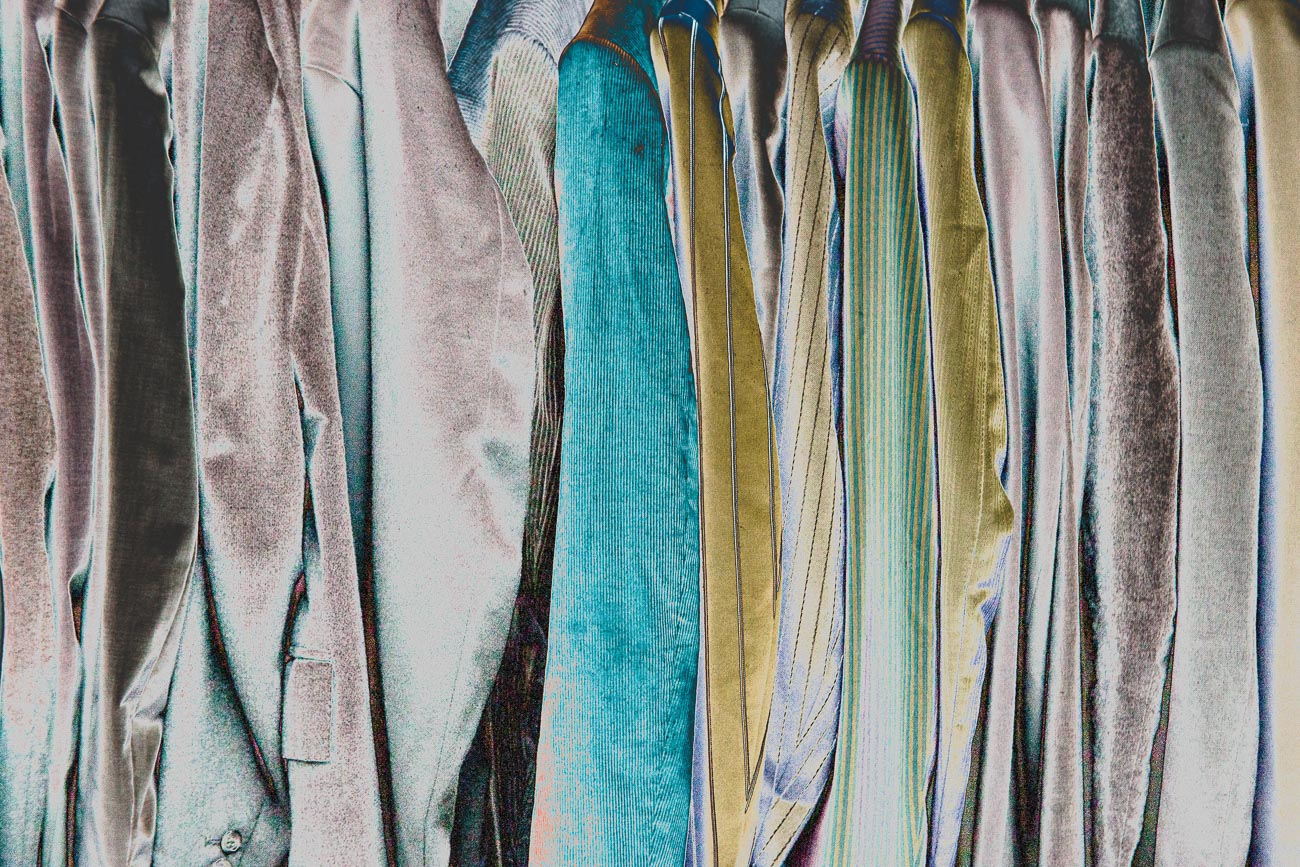
    6 Fashion design


    Eight Industries that need Excellent Stock Imagery


    How do you get your new design out there? By the web of course but that’s not the only way I’m sure.

    Designers have relationships with buyers and will send off images of their latest ideas to garner interest.


    There is the other side to marketing fashion and that’s directly to the end user.

    There are lots of roads to that end but all rely on great visuals.


    Twenty years ago, the new designs were either first seen in a boutique or a fashion show or media coverage of a fashion show.

    Now of course we can search the web for the latest fashions.


    7 Used car dealers


    Eight Industries that need Excellent Stock Imagery
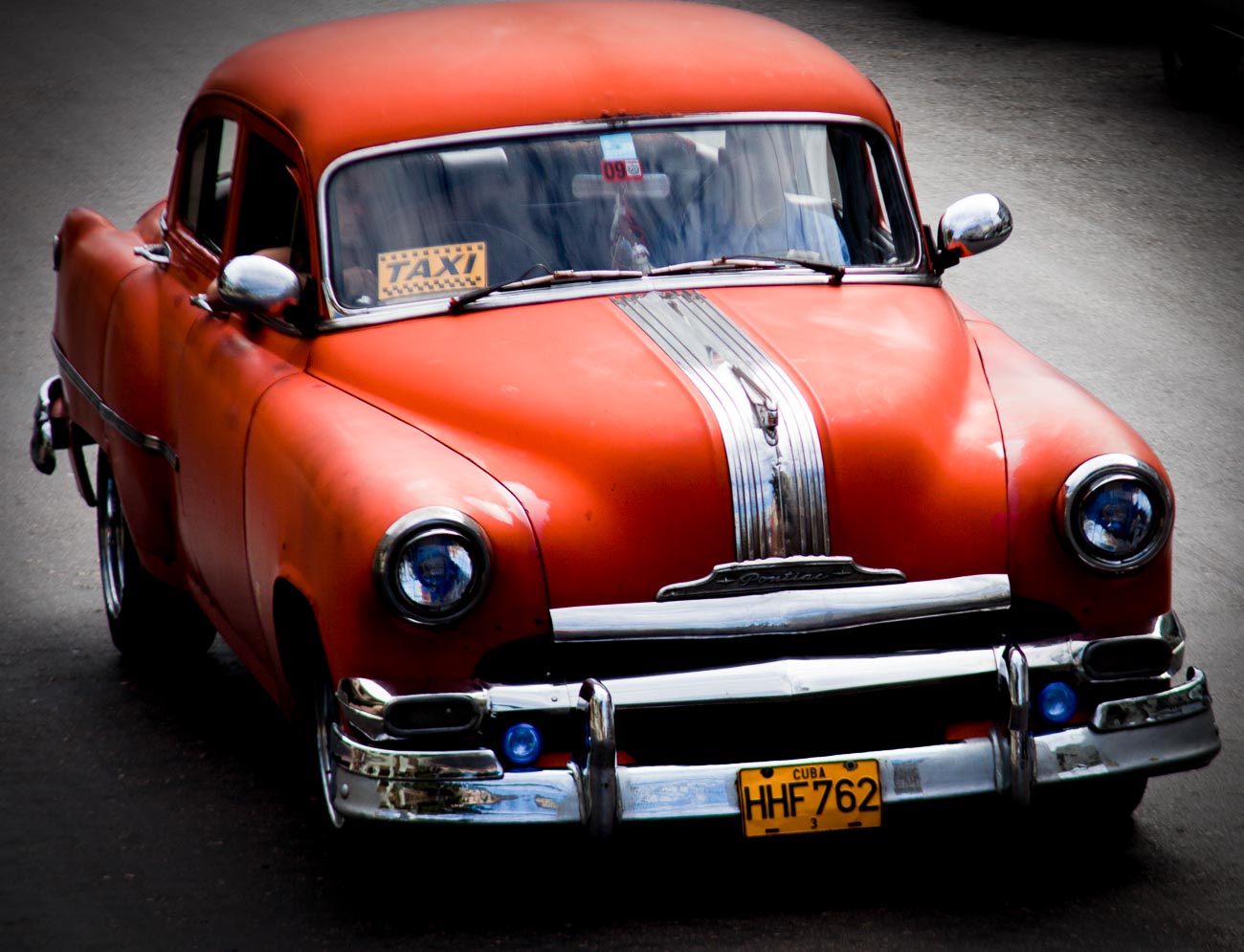
    One of Havana’s many classic cars

    I say used car dealers, because new car dealers usually have the car manufacturer provide them with quality images.

    Car manufacturers pay big bucks to have top line professional photographers do a shoot on each new model release.


    From a used car perspective, the cars are all individual and they need images that will stand out.

    Most of the advertising with images is in print and/or online.


    It is especially important when using print, to ensure the quality of the image is high. As I mentioned before, print as a rule, especially newspaper print, has poor reproduction.


    8 Construction industry


    For new property developments, images are used to sell off the plan properties like apartments or even new houses.


    Often the property hasn’t been built yet so images must be taken of properties of similar design.

    They are then edited (not a negative in itself) to depict a more lifelike image of what the future property would look like.


    There are of course opportunities to take some great images of show houses or apartments if they have been built which is often the case.

    A lot of this is now put on line.


    Residential apartment developments often have their own website full of images that they will hope to catch the eye of any prospective purchasers.


    So, to recap there are many different industries that need excellent Stock Photography.


    The main ones that I have identified are:


    1 Real Estate


    2 Marine Vehicle sales


    3 Restaurants


    4 Wine industry


    5 Jewellery


    6 Fashion Design


    7 Used Car dealers


    8 Construction industry


    I’m sure you can think of many more and I’d be interested to hear which ones that are out there that you think need excellent Stock Photography.

    Just leave your comments in the section below

    And by the way thanks for reading this.

    Whilst you are at it why not enter your details in the box below to get a guide “Eleven easy ways to help you take your own stock photography” plus I have some great material coming up that will be exclusive to those who have signed up.


  • How to show involvement in your stock photos

    How to show involvement in your stock photos

    In a recent post, Looking for stock photos? Here’s how to take your own, I listed the Four Basic Elements of Stock photography:

    1 Background

    2 People (Model/S)

    3 Subject

    4 Involvement


    I covered Background in How to create the right stock photo background, People in How to put People in your Stock Photos
    and
    Subject in How to emphasis the subject in your stock photos

    Now this is where you will learn how to show involvement in your stock photography.

    So, what does “involvement” mean?
    Well, there are many definitions but most mean being involved with or participating in something.

    In the example of a product, this gives you the opportunity to show your subject being used by someone who is really involved.

    They should be showing some emotion maybe enjoyment or surprise.

    Some images can work better if there is more than one person.

    show involvement in your stock photos
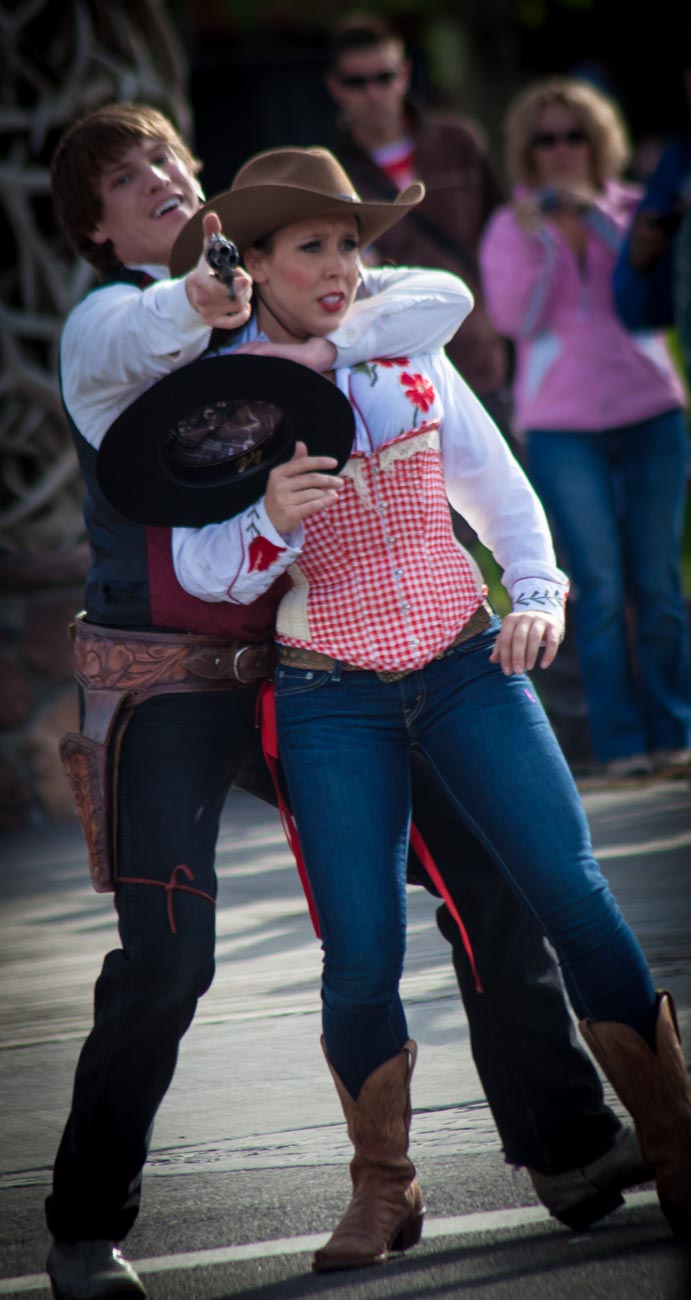
    A reenactment at the Town square in Jackson Hole, Wyoming, USA

    Remember it’s not a portrait you are after.
    Even if you have a piece of clothing or Jewellery, much better to show people wearing it being active, even if it’s only reading a book.

    There are 6 points that you may need to convey involvement.
    These points are not necessary for every photo.
    But if you have people in your stock photos it is best to use a least one or two of these to get your message across

    Decide what story you really want to tell.

    Answering this can mean answering these questions:

    What am I trying to sell?

    What will be the props?

    Who are the characters?

    What do I want them to do?

    Gestures

    show involvement in your stock photos
    Looking at the camera is a gesture that can bring authenticity

    Gesture is all about body language.
    After all with still photos the message can’t be verbal.
    Sure, it can be text in the caption or on the image itself but that still needs to be supported by what’s
    happening or not happening in the image itself.

    So, you need to ask; does the gesture look authentic? Is it appropriate for your message?

    Let’s say you want an image of someone who conveys power.
    If you grab just anyone who has never been in a position of some power then unless they are a good actor and/or model then it may not appear authentic or real.

    Likewise, if the message you want to convey is not about power then it’s not a good idea to have someone who looks like a powerful authority.

    Interaction

    Often you may want to show a couple or multiple models interacting.
    Lets say you have a kitchen product, one model could be using it and interacting with someone else, who looks amazed at the results or could be helping or also using the product.

    show involvement in your stock photos
    A couple walking in Saltwell Park in Gateshead near Newcastle in England

    Passive involvement

    Sometimes it’s not necessary to have models in action.
    Maybe they are just looking on.
    A view maybe of a scenic and beautiful tourist resort could have someone viewing it from a lookout is one example.

    show involvement in your stock photos
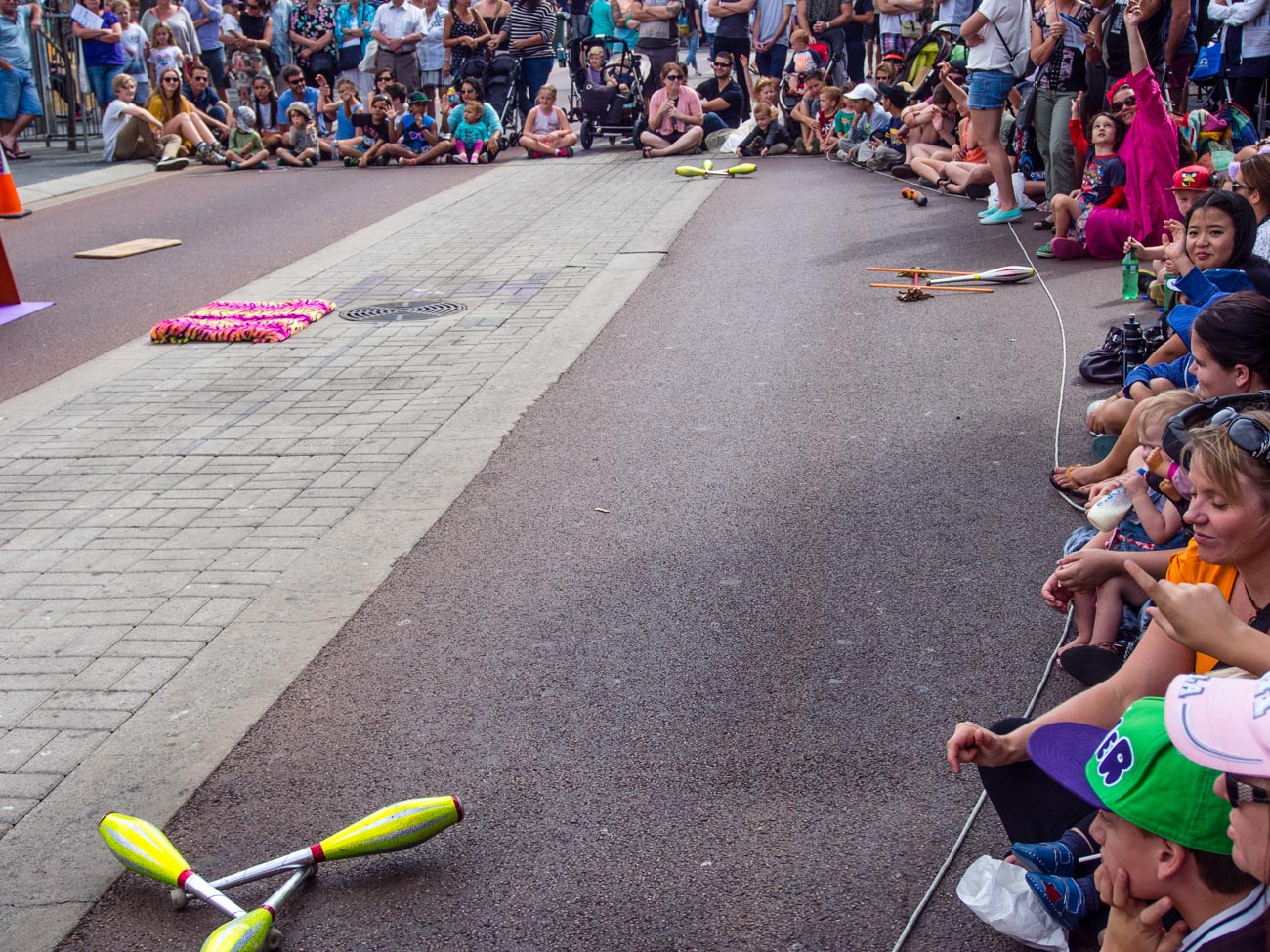
    The street art act, Dream State Circus at the Street arts festival in Fremantle, Western Australia. the festival attracts over 100,000 spectators over the Easter long weekend.

    Anticipate behaviour.

    Ideally, you’ll know the model/s, so directing them into position shouldn’t be too much of a challenge.
    However, if they are not professional models then they will not necessarily follow orders exactly.
    But that can be an advantage. If you watch them closely, sometimes it can lead to better poses than you initially wanted. So, watch carefully and see how things unfurl.

    Get close.

    Some of the best stock photographers get in close. That’s called “filling the frame”.

    Filling the frame takes out distractions and makes a better emotional connection with the viewer.

    Conclusion

    In conclusion, these are the factors that need to be considered to show involvement in your stock photos:

    1 Decide what story you want to tell.

    What story are you trying to tell to get your future customers attention?

    2 Gestures

    Gestures by real people go a long way to helping you get your message across

    3 Interaction

    It’s best to show real interaction between your models and your main subject

    4 Passive involvement

    Not all involvement needs to be active. A model can be an onlooker

    5 Anticipate behaviour

    Sometimes you can ‘go with the flow’ and try to anticipate how your models will behave

    6 Get close.

    Fill the frame. Get in close to show expressions and movement.


    Thanks for reading this. It means a lot to me. It would mean even more if you would like to post any comments below.

    Feel free to share this on via any of the platform buttons to the left or at the bottom.

    And while you are at it, keep scrolling down to subscribe to my newsletter.

    You will get exclusive info and my guide “Eleven easy ways to help you take your own stock photography”


  • How to make the subject in your stock photos stand out

    How to make the subject in your stock photos stand out

    In a recent post, Looking for stock photos? Here’s how to take your own, I listed the Four Basic Elements of Stock photography:

    1 Background

    2 People (Model/S)

    3 Subject

    4 Involvement

    I covered Background in How to create the right stock photo background

    I also covered people in How to put People in your Stock Photos

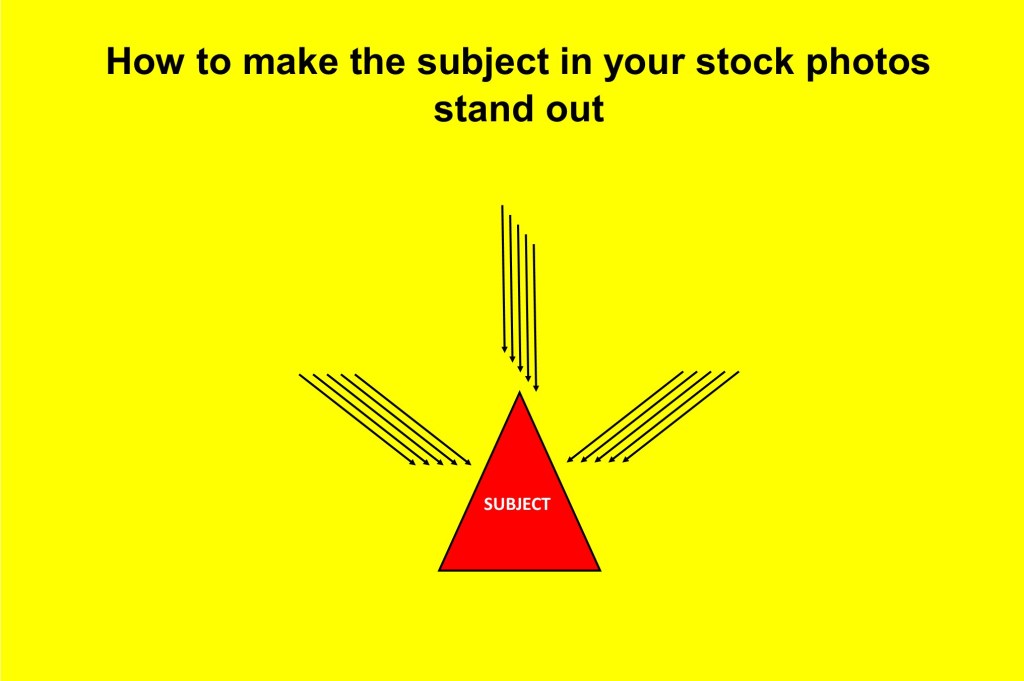
    Now this where you will learn how to make the subject in your stock photos stand out.

    There are 5 points that need to be considered and the first of these is:

    Style

    So, you are shooting your own stock photos. What’s your style going to be?

    As the marketing guru that you are, you may try to have two styles. One for the actual business you are marketing and the other photographically, i.e. your point of view, how you see the world.

    Be careful on both of these, having two styles can be in conflict.

    If you are a business owner that is looking to get your product or service out there, then choose that as your main style.

    Otherwise the photographer in you may get in the way. Remember why you are doing this. Don’t lose sight of the fact that you are seeking to create a piece of art that is going to help your business. Not a piece of art for the sake of creation.

    Of course, everyone’s style is different.

    Let’s say we have 2 photographers taking pictures of China as a travel destination.

    One takes pictures that tell stories of how people live in China. Their photos give information and understanding of the Chinese culture.

    The other photographer chooses to make China look attractive and appealing to visitors and tourists alike.

    How to make the subject in your stock photos stand out
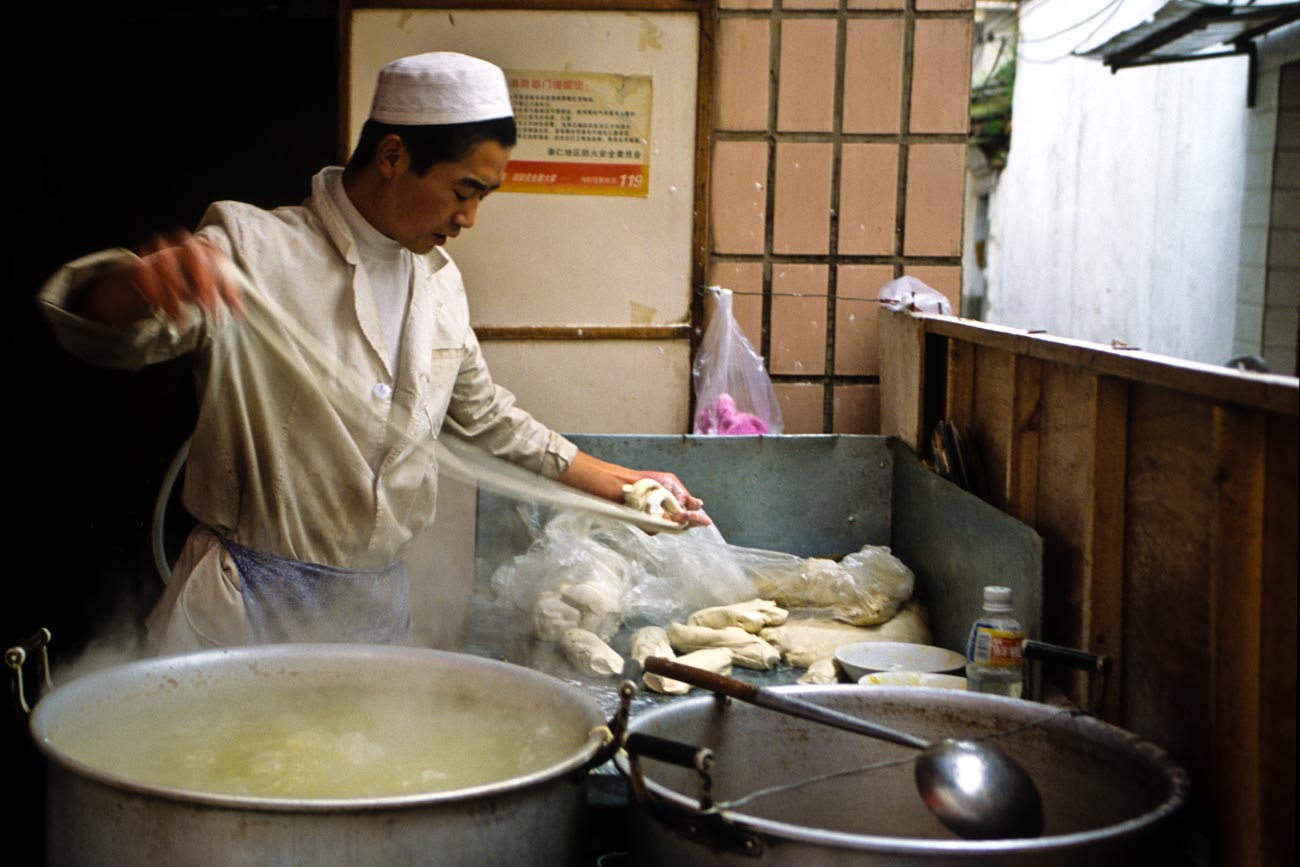
    At a small restaurant in the Flowers and Birds Market on Jingxing Street in Kunming capital of the Yunnan province of China.


    As you can see each of these photographers has a different way of looking at the same subject. That’s their style

    Concept

    A concept is the idea or emotion that the photo represents. Your concept may be to depict how easy it is to use your service or even how to use your service. Or it may be how beautiful and attractive your product is. By product that can mean anything from a piece of jewellery to a travel destination.

    Some common concepts can be:

    Achievement, Teamwork, Competition, Values, Trust, Stability or Tradition plus many more.

    Symbol

    The symbol is how the concept idea or emotion is portrayed. Painters and Sculpturers have been using symbols for centuries. Have a think about the best symbol to use to get across your message. In the China example above you could incorporate some of China’s main tourist attractions or monuments as a symbol. Or if you had a piece of Jewelry then how it looks on your model would be a possible symbol

    How to make the subject in your stock photos stand out
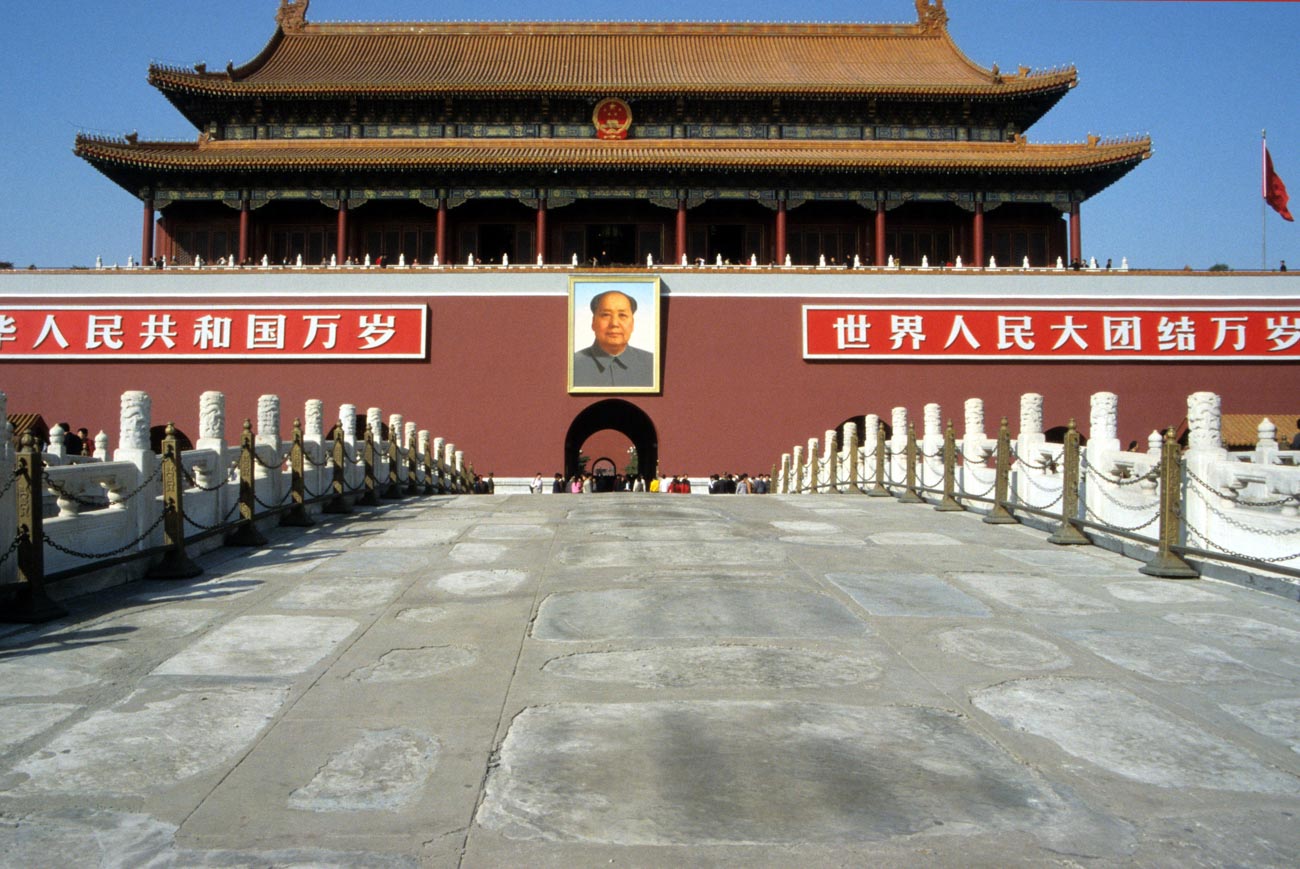
    Tiananmen Square – Gate of Heavenly Peace

    Often symbols are less obvious. Like some of these:

    Sports may mean business competition or pushing to the limit

    Shaking hands may mean cooperation, partnership, trust or honour

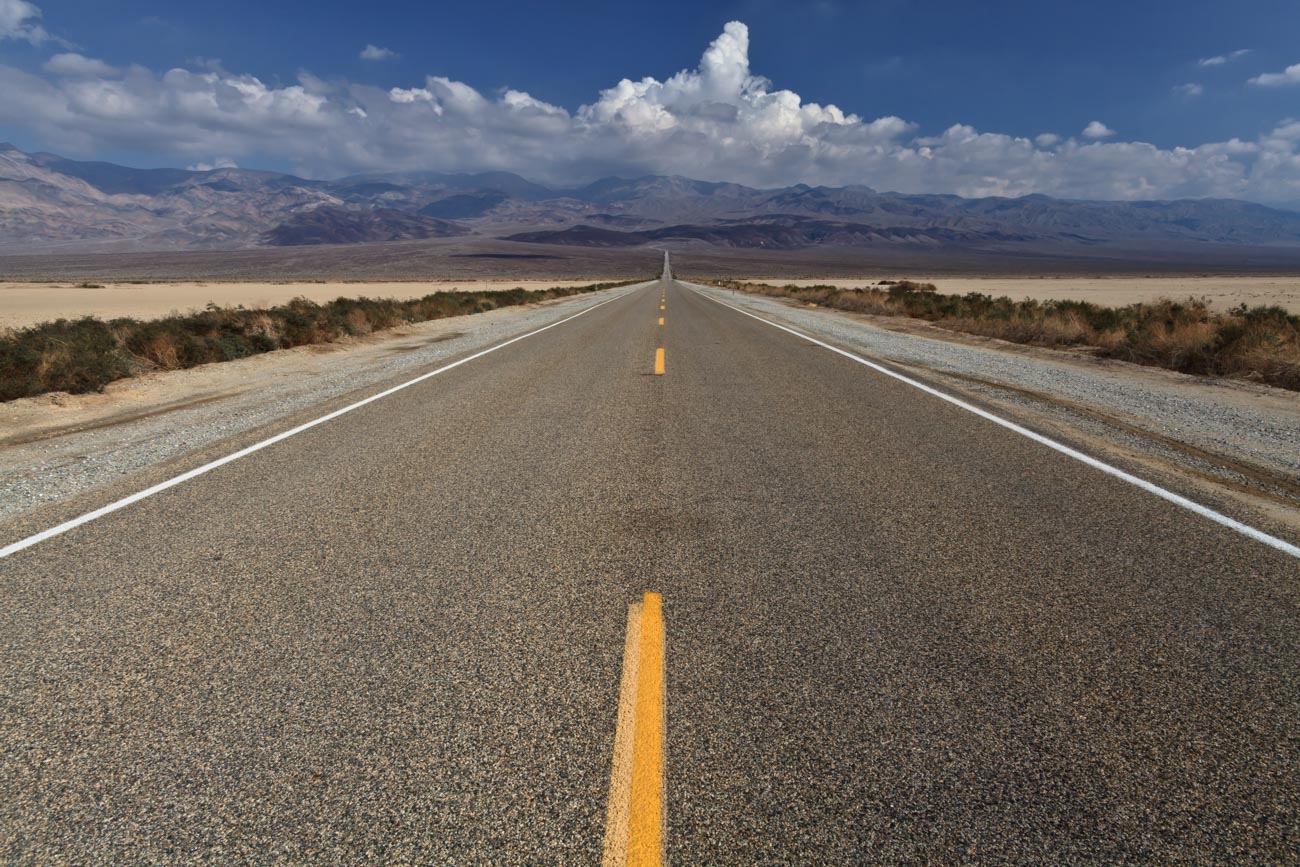
    A road may mean straight & narrow, mystery, adventure or even the unknown

    How to make the subject in your stock photos stand out
    Death Valley NP California, USA

    Subject matter

    For you the subject matter is pretty much what you are looking to sell. That’s right sell. If you don’t show the product or service that you want someone to buy then you’re wasting your time. Ever watched an ad and wondered what the hell that was about? Sometimes that’s a deliberate ploy by the marketing company to capture your curiosity. More often than not it doesn’t work that well. I go back to the old KISS principle. Keep It Simple Stupid! You have less than a second to get your point across. Don’t waste it on some abstract idea that no one understands.

    Central theme

    All these items come together to give you your theme and the theme as I said in the previous paragraph should be bloody obvious. But (always a but) there nothing wrong in conveying a them that can interpreted in several different ways. It shows that the photos is interesting and can hold the viewer just a little bit longer to take in the full extent of your marketing message.

    Conclusion

    So in conclusion it’s important to think about these factors in a stock photo:

    1 Style

    What’s your style?

    2 Concept

    What’s the idea or emotion you want portrayed

    3 Symbol

    Once you have decided on the concept what symbol are you going to use to portray it

    4 Subject matter

    What are you selling? Make sure it doesn’t get lost in the story.

    5 Central theme

    Make the theme interesting so it holds your viewer longer than the nano-second we all seem to give an image to reveal itself.


    Thank you for reading this article. If you know anyone who would enjoy it or find this useful please share. They’ll thank you for it.

    And now that you have got this far, keep scrolling down and subscribe to my newsletter where you will get info not found elsewhere. I’ll even give a guide for your trouble.

    You can share your stock photos and ask questions in the comments below. Just be open to different opinions.


  • How to put People in your Stock Photos

    How to put People in your Stock Photos

    In a recent post, Looking for stock photos? Here’s how to take your own, I listed the Four Basic Elements of Stock photography:


    1 Background


    2 People (Model/S)


    3 Subject


    4 Involvement


    I covered Background in How to create the right stock photo background.


    Now this where you will learn how to use people in your stock photography.


    First up – the Model


    How to put people in your stock photos
    There are many innovative ways to use models you may not have thought of.


    You’ve got your background ready or least you have an idea what background you are going to use.


    The next step is to choose the model/s you are going to use.


    Now if you have a big budget you can elect to use actual professional models but I’m going to assume that you are not on a big budget.

    So, who do you choose?

    Well that depends on what you are going to represent in your image.


    Models can be anyone and from any walk of life. They could be neighbours, relatives, celebrities (if you know any well), schoolteachers, lifeguards, police officers, children, (be careful of this one, there are some paranoid parents out there) or just strangers in the street.

    So let’s say you have an DIY product, then have a think of who you your audience is.

    After all if it’s no good selecting someone they can’t relate to. Especially if they look like the sort of person who wouldn’t know how to spell DIY let alone do it .


    We have a hardware chain, Bunnings, that always has its store staff on TV spruiking their general principles.

    They are all middle aged or older because that’s the demographic that’s more likely to be involved in DIY.

    But the other demographic they aim for is the younger crowd who may feel much better getting advice from someone with experience.


    One thing you should ensure, is that whoever you select is interesting looking and appealing.

    By all means if you can get a beautiful looking model go for it but that’s not necessary.


    Position


    How to put people in your stock photos
    Positioning under an ad as well as showing activity


    Once you have your model you need to manoeuvre them in such a way that they are doing what you want.

    You do not want posed portraits.

    Generally speaking, you want to depict a snapshot in the life of someone using your product or service or representing your company.


    Most of us find watching people doing something is more entertaining (hence all those the fitness videos on YouTube)


    Background


    Now is the time to think about where they are in relation to the background.

    Are they in the way of something you want depicted? Do they have something ‘growing out of thier head’?

    Try different angles before clicking that shutter button.

    Or take a few snapshots with your phone and see if any of them work for you.


    Lighting


    Lighting is the next element to be aware of. Watch out for shadows across the face or over a part of the body that’s showing the product.

    If you are using natural light and the sun is overhead, watch out for blown out highlights or very dark, almost black shadows.

    Don’t get me wrong, you can use both blown out highlights and blacks quite effectively sometimes but more often than not you don’t want them.

    If you are using artificial light then watch for shiny skin.


    If you are using a flash try to tone it down a bit.

    There are so many images out there that give the impression that of a deer in headlights because the flash is too powerful.

    A better way is to use fixed lighting.

    That can be from the lights you already have in the room or space through to specialist lighting products.


    Activity


    How to put people in your stock photos
    At one of London’s famous markets, Borough Markets where this girl seems to be enjoying handing out samples.


    Now the important bit activity.

    There is nothing more boring than having an image that shows someone doing nothing.

    We, as humans like seeing what people are doing.

    I once heard a quote from unknown source “Watching other humans was probably the first form of entertainment for early man”

    And as a business you want the viewer to see what your models are doing.

    The trick is to show it in a way that stands out.

    One way is to show that they are engrossed in the activity or product for example.

    As an example, take a look at car advertising.

    Sure, a lot of their images are of cars but look closely and they nearly all have people in them.

    They might be driving, or looking longingly at the car.

    Some images have people walking past the car (or the car driving past them). 

    They have a couple on vacation with the car in the frame.

    They might be at the beach or at a café.

    They do that so that you can relate in some way.

    And it works.

    Does it make people want to rush out and buy a car?

    Probably not, but it does cement the brand in the sub conscious and when they are ready to buy a car that business can be front of mind.

    Or, when they are buying and they see these images the contact that they have made could pull them in that direction.


    Model releases


    Now for the fine print!

    Model releases.

    Do you need them?

    If you are advertising, yes.

    If you are using the model to depict an idea such as an editorial piece on your blog. Maybe not.

    But my advice get one anyway and you’re covered.

    So, what is a model release?

    A basic definition is that it’s a written and signed agreement between you and the person you are photographing.

    This agreement gives you as the photographer the right to photograph the model and use the subsequent image for the purpose you have stipulated.


    I’ll go into this in more detail in a future post so subscribe below and get notified when it gets published.


    So, to finish off let’s take a moment to revise the main points again:


    We talked about 6 basic principle in using people for your stock photography


    1 Choosing people


    Models don’t need to be “models’ they can come from any walk of life


    2 Positioning people


    Avoid taking photos that are obviously staged


    3 Background


    Tweak your background, assuming that you have already chosen it, to suit the model


    4 Lighting


    Be careful about lighting. Ensure that there are no ‘blown out’ highlights or very dark shadows


    5 Activity


    Remember humans are much more interested in other humans being active.


    6 Model release


    Make it simple, get a model release for all your models.

    I’ll leave it to you to decide if you sexy aunt or uncle need to fill one out.


    Assuming you have read the whole article as you have got down this far I’d like to thank you for reading it.


    And now that you have got this far, keep going and subscribe to my newsletter where you will get info not necessarily found elsewhere. I’ll even give a guide for your trouble.


    You can share your portraits and questions in the comments below. Just leave your ego at the keyboard.


  • A Basic Stock Photography Equipment List

    A Basic Stock Photography Equipment List

    Introduction


    So, you’ve had enough. You’ve spent hours trolling stock photography sites, looking around the web for any royalty free or creative commons images that will fit your business and your message.


    Finally, you’ve said, stuff it! Let’s create our own, after all how hard can it be.


    It’s a brave decision because it’s actually not that easy but, it can give you the image you’ve spent hours looking for.


    So how do you go about it?


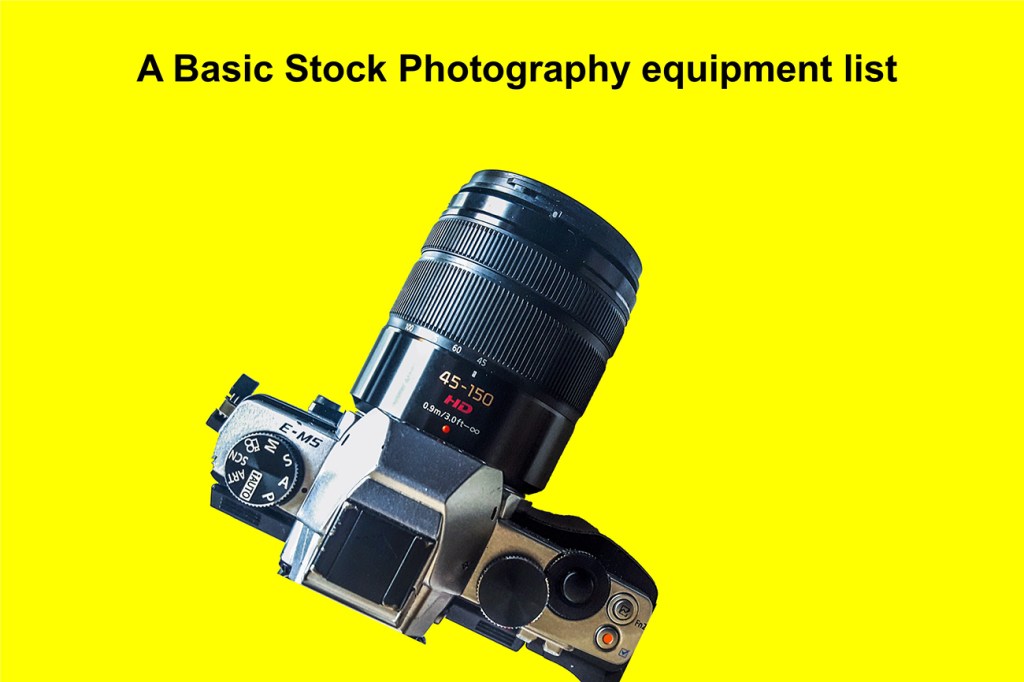
    Well let’s forget the creative side for a moment, I’ll cover that in future posts. Let’s look at the second most important item and that’s equipment. Below is a basic stock photography list 


    A Basic Stock Photography equipment list
    “Talk Here” can be used as stock photo for communication

    Equipment


    Whilst equipment is not everything. It’s a bit like wanting to drive a car you have to have one or at least access to one and then you start to learn.


    Now I wouldn’t recommend you borrow the equipment, at least not all of it.


    Where the car analogy differs is that it usually will take you a few minutes to adapt to the basics of a different car. Unless of course it’s a car from a different country that drives on the opposite side of the road, in which case that’s going to take a lot longer.


    With a camera, there are similarities and different cameras of the same brand often have strong similarities.


    But to speed up the learning process and then the shooting process, it’s best to stick with the same equipment if possible.


    So, without further ado, here’s’ a list of what you need to get started:


    Camera:


    Yes, I know, that’s obvious.


    There is a whole range of cameras out there.

    To help guide you in choosing, I have written a series of posts called “A Guide to Camera Features” which you can download as a free pdf here.

    My suggestion is to have either a DSLR or a Mirrorless, i.e. a camera that has interchangeable lens.


    Small camera:


    A few years ago, I would have said a compact camera but nowadays a good smartphone camera more than does the job.


    Why do you need this as well? To take reference pictures to help stimulate creativity. To quickly record some visual ideas about your business that you can come back to.


    A Basic Stock Photography equipment list
    Architectural images are always good as stock photos


    Lighting:


    As with cameras there are countless lighting systems available. Your camera may have a flash but I would recommend that you have off camera lighting or flash.


    A lot will depend on whether you intend taking images that will need artificial lighting.


    Even you intend to use natural lighting there will be a situation where artificial lighting will be necessary, even if only for a special effect.


    Tripod:


    Keeping a camera still will be essential on some shots especially in the light is low.


    Lens:


    As I mentioned earlier if you have a camera that has interchangeable lens then you need a couple of lens at the least. Allrounders are the best way to go. In 35mm speak, 24-70mm and a 50-120mm or close to are good examples.


    If you can stretch your budget to a prime lens, then a 50 or 100mm will give you nice crisp images.


    Computer or Laptop:


    Most people and businesses have at least one desktop or Laptop or something in between.


    How much RAM and Processing Speed you need it will depend on the amount of post processing you want to do and what programs you will use.


    I’ve found that having a SSD drive rather than a standard moving parts drive is worth the extra cost.


    It’s like choosing between a motor bike or a pedal bicycle for speed! You’ll get there slowly on a bicycle but nowhere as quick as a motor bike will take.


    Storage is cheap so make sure you have plenty of it.


    Portable hard drives or NAS type storage always works well.


    Monitor:


    If you are using a laptop it’s worth investing in a good easy to calibrate monitor, so you can view and see your images as you want them to look.


    Best size is around 22-26”. Bigger if you can afford it.


    Accessories:


    Some basic but necessary accessories would be SD or memory cards, spare camera batteries, camera bag, cleaning cloths and back up hard drives.


    A Basic Stock Photography equipment list
    Good lighting can help spotlight products


    Conclusion


    Of course, buying photographic equipment can be a bit like a black hole.


    But don’t let that scare you, what’ve I’ve listed above is the basics and even that could be cut back a bit.


    It’s not the equipment that takes the photo it’s you and you can take excellent photos with even a basic smartphone camera.


    Whilst the better camera equipment will give you increased quality in some circumstances, better equipment is more about having additional flexibility and options.


    I hope I haven’t put you off because this is an investment in yourself and your business.


    Taking some great and powerful images that compliment your brand can provide a huge return on investment, especially if you use them for marketing on the right platforms.


    If you have any questions or comments about this post, please leave them in the comments section below.


    Or feel free to contact me directly via my contact page


    Sharing is caring as they say (although not sure who “they” is).


    If there’s some people you know who may enjoy this or any other post on this site, please share with them.


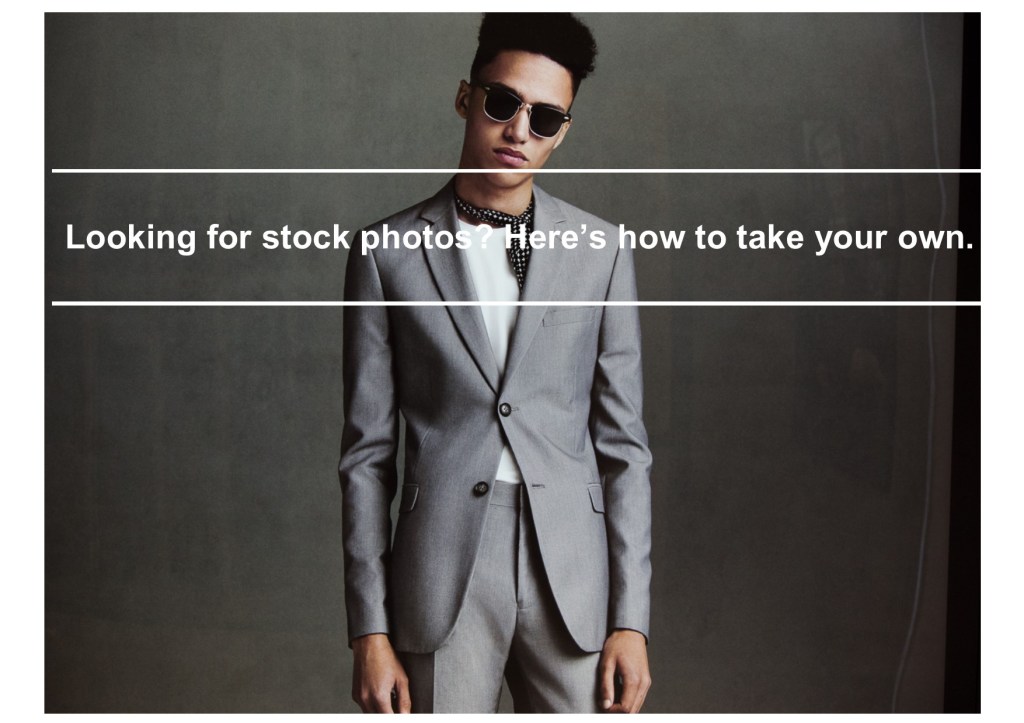
  • Looking for stock photos? Here’s how to take your own.

    Looking for stock photos? Here’s how to take your own.

    Ever wondered how there are so many good stock photos out there? And how they got taken?


    Have you also downloaded one and had to settle “for almost but not quite right”?


    Maybe you’ve got fed up looking for the right one and just settled for something free and second rate.


    Well, ‘you’ can take your own.


    If you know your way around a camera or even a smartphone you can take the image
    you need to display for your business.


    Don’t get me wrong I’m not against stock photos. They have their place.


    But most small businesses often can’t afford to use the good ones.
    So, they end up looking for free ones, which has a big cost in time, and then use them, more often
    than not, for their online presence and a lot of these free ones are just not good enough.


    In this article by Paul Suggett of the Balance. He uses the analogy of stock photography being
    the “off the shelf clothing” and either your own or your photographer’s photos being the made to
    measure that “fits you like it fits no one else”


    Of course any Stock photo you use is not exclusive to you which can create other issues.


    For more on that read Why stock images are bad for business!


    But you can take a leaf out of the stock photography industry and follow these rules to take
    your own purpose taken image.


    Looking for stock photos?


    Most *stock photographers use these following elements when taking stock photography.


    Four Basic Elements of Stock photography


    1. Background


    2. People (Model/S)


    3. Subject


    4. Involvement


    Let’s break this down:


    1. Background


    Almost as important as the subject matter. Simplicity and Clarity are the keys here.

    You want to ensure that the background doesn’t have distractions.


    Choose a background that’s uncluttered and depicts the story that you want to tell.

    For example, say you have a kitchen product, then use an actual kitchen or at least
    have a background that looks like a kitchen.


    The Kitchen needs to be a fairly bland kitchen with no other brands or appliances obvious.

    Using contrast between the people, your subject and the background can give the image a
    3-dimensional feel (without photo-shopping)


    2. People (Model/S)


    A vast majority of stock photos have people. People evoke emotion and interest.


    In the Kitchen product example, ideally you would have someone using it.


    Make sure they are posing naturally not as if this a family photo or portrait.


    You want to convey the feel that you as the photographer are a fly on the wall and
    not make it look staged.


    If you are going to use the image for commercial or marketing use, ensure you get the model,
    even if it’s your Aunt Amy, to fill out a model release. Just in case you fall out with the old girl
    and she wants you to pay her in money instead of tea and scones later.


    I will cover this issue in a later post. But it’s worth being flagged here.


    Looking for stock photos?

    3. Main subject


    This is the main focal point of a stock image. You want it to shine out. Most products, and services are
    meant to be used, worn or consumed. Like the Kitchen product show it in use.


    But be careful! Don’t go overboard with the subject after all the story you are telling is what
    benefit it will bring to your potential customer’s life.


    If as another example, you are wine producer just taking images of your label or bottle is not
    going to get you sales.

    You could depict when is a good time to drink it. A Rose on a warm summers
    afternoon, a Riesling matched with Thai food.


    4. Involvement


    This is gives the opportunity to show your subject being used by someone who is really involved.
    They should be showing some emotion maybe enjoyment or surprise.


    Some images can work better if there is more than one person.

    In the kitchen product example, they could be using it and interacting with someone else,
    who looks amazed at the results or else could be helping or also using the product.


    Remember it’s not a portrait you are after. Even if you have a piece of clothing or Jewellery,
    much better to show how people wearing it being active even if it’s only reading a book.


    *By the way I have defined a stock photographers as a photographer that takes images for
    certain markets. They are not taking images on behalf of a specific client


    If you have a product that you are considering taking your own images of then you may be
    interested in this article Make sure your Product Image speaks for itself with this Photography Checklist.

    At the bottom of that post is a link to download a checklist which will help.


    Thanks for reading


    Post any comments below. I’d love to hear them.


    And do us a favour! Please share any way which works for you.


    If you want more like this then please subscribe below and you will get a
    free guide on how to improve your photography.


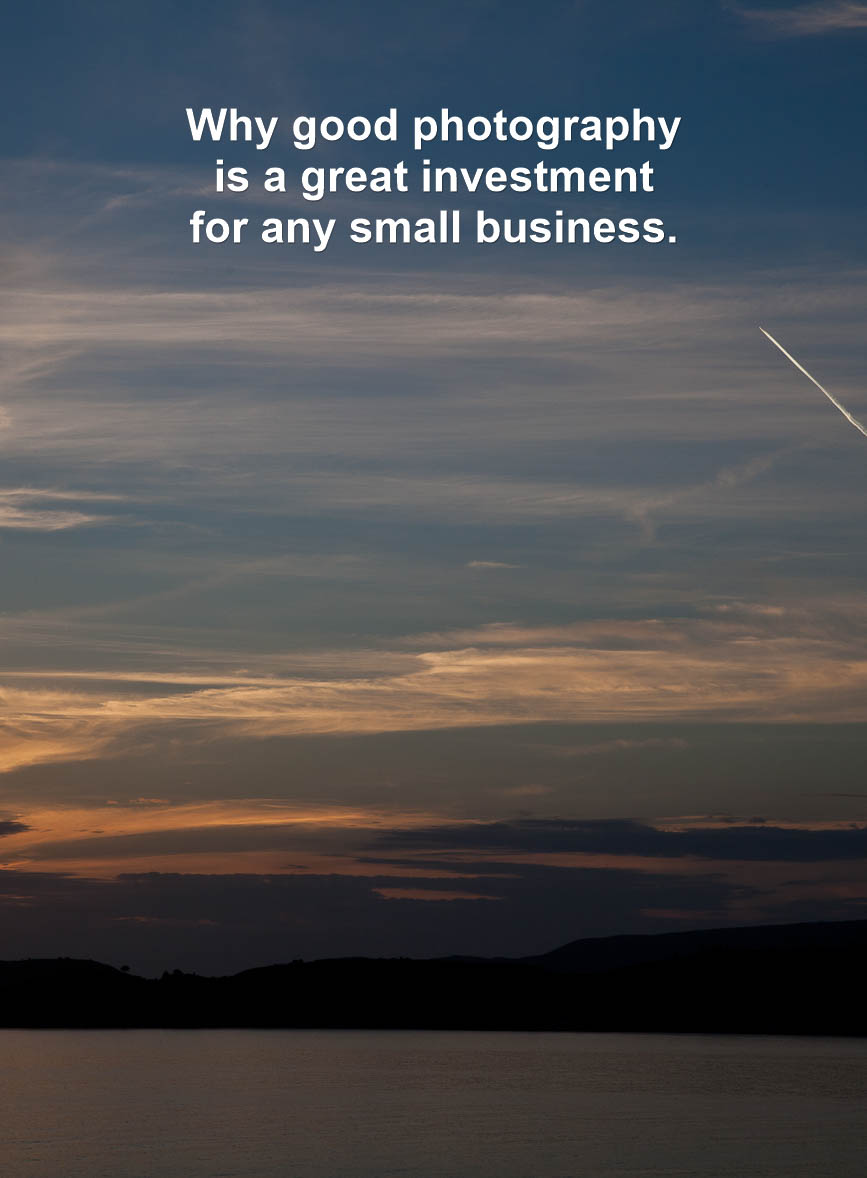
  • Why good photography is a great investment for any small business.

    Why good photography is a great investment for any small business.

    Why good photography is a great investment for any small business.

    *“Don’t let nobody take care of your business better than you

    In the game of marketing the big brands are winning hands down.
    They hire large marketing companies and/or specialist photographers to make their brands stand out in an increasingly crowded market.

    So does that mean that the small business like you can’t compete in the visual stakes?

    Of course not – let’s read on and find out why good photography is a great investment for any small business.

    The internet has levelled the playing field.
    Before the internet, for a small business to get its brand out to the marketplace would involve expensive marketing material or foot slogging. Then there was also a reliance on others such as distributors to market your brand as well the other brands it had in its stable.

    Don’t get me wrong these strategies still play a role.
    But the reach of the internet is so vast and the entry cost so small.
    And now you get instant feedback from targeted campaigns. 
    So for a you, without the marketing budget of some of the bigger brands, it’s a no brainer!

    Image Branding

    Wherever we look online, its images that catch our attention so we have to create a visual depiction of the brand we are offering.

    That’s where photography comes in.

    There are thousands of images of products, services and other related subjects. These are posted by the minute on to social media, websites, apps and online publications every day.
    In my humble opinion there are only a few that are memorable.

    The majority are taken and published by consumers, who have no vested interest in producing photos of any great quality.
    They are usually what could be called record images, that is a record of the wine drunk, the restaurant visited, the food eaten, the place visited etc.

    Those that are likely to have the most impact on potential consumers are are produced by reviewers and few other industry players. 

    Take Control!

    So don’t leave it to others to represent your brand. Take control! 

    So what’s a good image?

    To make a brand stand out the image has to be usually (sometimes you can get lucky) well planned and memorable.
    It’s that last word “memorable” that’s so important.

    Consumers will nowadays more than likely see a brand online before they see it physically.
    A memorable image will help them remember it when it comes time to purchase your product in a store or online.
    Composition, opportunity, technique and to a lesser extent, camera equipment play a part in getting the right ‘shot’.

    Dusk from Lassi, Kefalonia looking across to Lixouri
    Dusk from Lassi, Kefalonia looking across to Lixouri. Click on the image to see a larger view and other options

    Other factors

    Of course image alone is not purely responsible for that, product design, good reviews, interesting stories and reputation all play a part.
    But you can have a terrific product and great reviews but if the image is poor and almost indistinguishable it’s not providing any value.

    So where should you put most of these images?

    Well by far social media is has become the place to display and share photos.
    So let’s take a look at the most popular and well known channels.
    These are not in order of importance, as each one has its own individuality:

    Instagram

    ig

    Instagram is a photo-editing mobile app that not only beautifully renders photos taken on Smartphones, it also has some powerful social sharing features.

    Last year Instagram was the fastest growing social network on the planet and is evolving to be an image based Facebook (who by the way own Instagram).

    Pinterest

    In the purely visual stakes we have Pinterest which is focused on sharing things that are visually pleasing (both photographically and in video).

    Images and videos are at the heart of the Pinterest experience.
    Because of the fact that Pinterest emphasises pictures over text, it’s extremely important to have high-quality photos.

    Facebook

    fb

    Then there is Facebook by far THE most popular website on earth.
    What’s more, the average Facebook user spends on average just under two hours per day on Facebook.
    The incredible viral nature of Facebook enables business’s to get in front of a huge audience

    High quality and eye catching images go along way on Facebook


    LinkedIn

    LinkedIn is the largest social network for business owners and professionals.

    LinkedIn doesn’t generally market to “the general public”.
    LinkedIn allows a business to target a different demographic of business owners and professionals.

    Google+

    The not so sexy Google+ is Google’s answer to Facebook.
    Whilst not quite as popular, it has two things going for it that other social media sites don’t.

    If you have a Google+ page, then you can connect it to Google My business listing (formerly known as Google Places or Google Local).

    What does that mean? Well guess who controls 80-90% of searches on the net? Yup, Google

    Because of the way that high quality images are displayed on Google+, it’s no coincidence that one of it’s most active users are from visual medium industries like Photographers and Graphic designers.

    Twitter

    twitter

    Twitter has in the past been considered almost a text message service.
    Since it introduced the display of images in streams (i.e. without having to click on the link) a couple of years ago that’s all changed.

    According to tests, tweets with images are 55% more likely to be shared or re-tweeted.

    There are others of course, YouTube and Qzone (China’s answer to Facebook), have a huge number of users.

    Other places

    It goes almost without saying that today a website, which can highlight some great images is essential.
    The cost of building a visually appealing website has dropped significantly over the last two or three years.
    In fact, those who are tech savvy build their own at very little expense.

    Uploading images to any of the social media sites and a website is now a simple process that anyone using a computer can do.

    Summary for why good photography is a great investment for any small business.

    So to recap: 
    The reality is that you as a small business need to ensure that the quality of your marketing images stand out.

    That’s not to say that word of mouth, good reviews and on the ground marketing don’t work anymore. It’s just that we have become an image sharing society and any business looking to grow would want their images shared.

    * James Brown, It’s A New Day

    Do you agree? Are images that important for your business? Feel free to add opinions below. I would really like to hear them.

    For more on this and other photography subjects why not sign up for my email and get a free “Camera Features Guide”.

    Just sign up below

    [mailerlite_form form_id=8]

    Dusk from Lassi, Kefalonia looking across to Lixouri
    Dusk from Lassi, Kefalonia looking across to Lixouri
  • Why stock images are bad for business!

    Why stock images are bad for business!

    Why stock images are bad for business!

    We all use stock images but are they really good for business? In fact stock images are bad for business!

    Imagine

    You are driving down the road and you see this big billboard with a terrific image on it. You think to yourself that’s a great image and that it looks familiar. Quickly you realise it’s the one you used in a recent marketing campaign.

    Then you take a closer look and you realise that it’s advertising your competitor’s product or service.

    The fine print

    Seething, you get to your office and send a nasty email to the stock agency you used.
    Later that day you get a response that draws your attention to their terms and conditions which basically say that they have no control over how the image is used.

    In other words, as long as they get paid they don’t really care.

    Hiring your own photographer

    Now imagine that you are driving down that same road and you see the same billboard.
    It has a great image on it that’s advertising your business and no one can else can use that image without your express permission.
    Now you may be thinking that you got that image by hiring a good photographer.
    Comment-Anzac March_0411_001[mailerlite_form form_id=7]
    Not necessarily!

    When a photographer conducts a shoot for any business (or wedding or portrait session or any other third party) they keep the copyright. So what that can mean is that unless you have a watertight contract with them, that they are prepared to sign (and then the price will increase) they can resell that image to another business or alternatively a stock agency.

    Now don’t get me wrong I don’t believe that many photographers would knowingly sell an image commissioned by you to your competitor but they, like you, need to make a living.

    But it does highlight the legal minefield that is copyright.

    So what to do?

    Take control

    They only way to truly retain copyright is take the image yourself or have an employee take it. In the former you own the copyright and in the latter provided the employee takes it in the course of their employment, again you as the employer, own the copyright.

    Another good reason to take these images yourself or use a photographer (if you are prepared to pay for some control of the copyright) is creative control.

    The disadvantages of using a stock agency

    Stock agencies have thousands of images. Scrolling through that many, even with the great search engines that most of them have, is time consuming and you could end up settling for second best.

    Of course you could outsource the selection to a marketing company or even the stock agency itself by giving them a brief.

    Again you are giving away your creative control, not to mention the additional expense you will incur. And who’s to say that they will come up with a what you are looking for.

    I know that when I have submitted images along with many other photographers for a stock agency brief, often the client ends up not choosing any image.
    Which is a pain for everyone, especially me, which I why I’m very selective these days but I digress.

    Take your own Stock images

    But, I hear you cry, none of us have the expertise to take really good images.

    That can be taken care of easily, the web is awash with tutorials and tips on how to take great images.

    Off course these are aimed at the amateur photographer who could be looking for information to take great family shots right through looking to carve out a career as a photographer.

    Taking photos (and videos) for business marketing is different and similar in a lot of ways to travel photography. Not harder or easier but different.
    The eye should be looking to make your product or service as attractive as possible sometimes in an obvious way, other times in a subliminal or subtle way.

    Comment-Guadalajara_1010_169Some of the articles on this site are intended to bridge that gap. My goal is to help small business owners raise the quality of both their image and marketing by providing the information that they need to improve their photography.

    Plus I will give options on where are the best platforms are to post or use their images.

    So come and regularly visit my site nickkatin.com or subscribe below to get the latest articles into your inbox and a free guide on where to start.

    [mailerlite_form form_id=7]