Man dressed up as a Moor for Firo – the re-enactment of the 1561 battle of the moors and Christians is held once a year in port Soller, on the north coast of Mallorca.
El Firo – the re-enactment of the 1561 battle of the Moors and Christians is held once a year in port Soller, on the north coast of Mallorca. This was when Algerian invaders landed on the beach in the Port of Soller and marched to Soller town to claim it for the Arabs. The Invaders were Moors (Muslims) and had intended to conquer the town and the North Coast of Mallorca
During the festival held in May there is a procession and the actual re-enactmant that starts in Por Soller and ends in the main town of Soller. It’s alight hearted and needless to say a very ‘merry’ occasion.
Man dressed up as a Solleric for Firo – the re-enactment of the 1561 battle of the moors and Christians is held once a year in port Soller, on the north coast of Mallorca.
El Firo – the re-enactment of the 1561 battle of the Moors and Christians is held once a year in port Soller, on the north coast of Mallorca. This was when Algerian invaders landed on the beach in the Port of Soller and marched to Soller town to claim it for the Arabs. The Men were Sollerics and defenders of the town and the North Coast of Mallorca
During the festival held in May there is a procession and the actual re-enactmant that starts in Por Soller and ends in the main town of Soller. It’s alight hearted and needless to say a very ‘merry’ occasion.
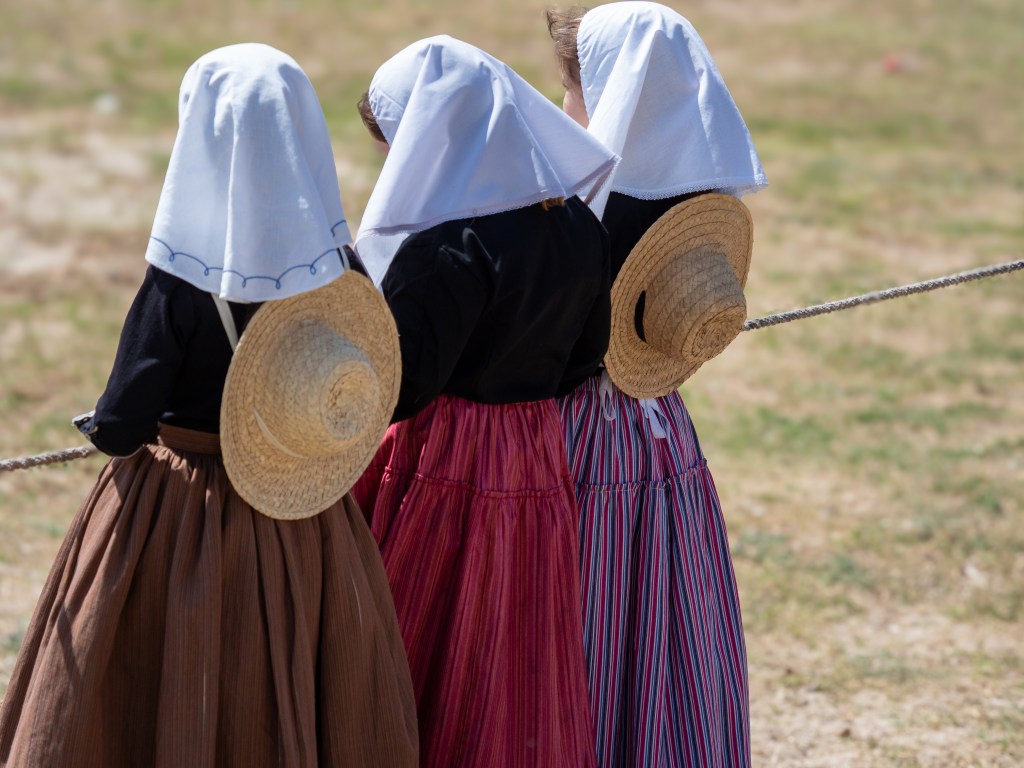
Firo – the re-enactment of the 1561 battle of the moors and Christians is held once a year in port Soller, on the north coast of Mallorca. The women played a big part in the defence of the town.
El Firo – the re-enactment of the 1561 battle of the Moors and Christians is held once a year in port Soller, on the north coast of Mallorca. This was when Algerian invaders landed on the beach in the Port of Soller and marched to Soller town to claim it for the Arabs. These girls were dressed as the Valiente Women. The valiant women of Soller were very cunning and this time were ready for the pirates as they sauntered into town. The path was covered in treacle and the women were ready with their catapults.
During the festival held in May there is a procession and the actual re-enactmant that starts in Por Soller and ends in the main town of Soller. It’s alight hearted and needless to say a very ‘merry’ occasion.
Firo – the re-enactment of the 1561 battle of the moors and Christians is held once a year in port Soller, on the north coast of Mallorca. The women played a big part in the defence of the town.
El Firo – the re-enactment of the 1561 battle of the Moors and Christians is held once a year in port Soller, on the north coast of Mallorca. This was when Algerian invaders landed on the beach in the Port of Soller and marched to Soller town to claim it for the Arabs. These girls were dressed as the Valiente Women. The valiant women of Soller were very cunning and this time were ready for the pirates as they sauntered into town. The path was covered in treacle and the women were ready with their catapults.
During the festival held in May there is a procession and the actual re-enactmant that starts in Por Soller and ends in the main town of Soller. It’s alight hearted and needless to say a very ‘merry’ occasion.
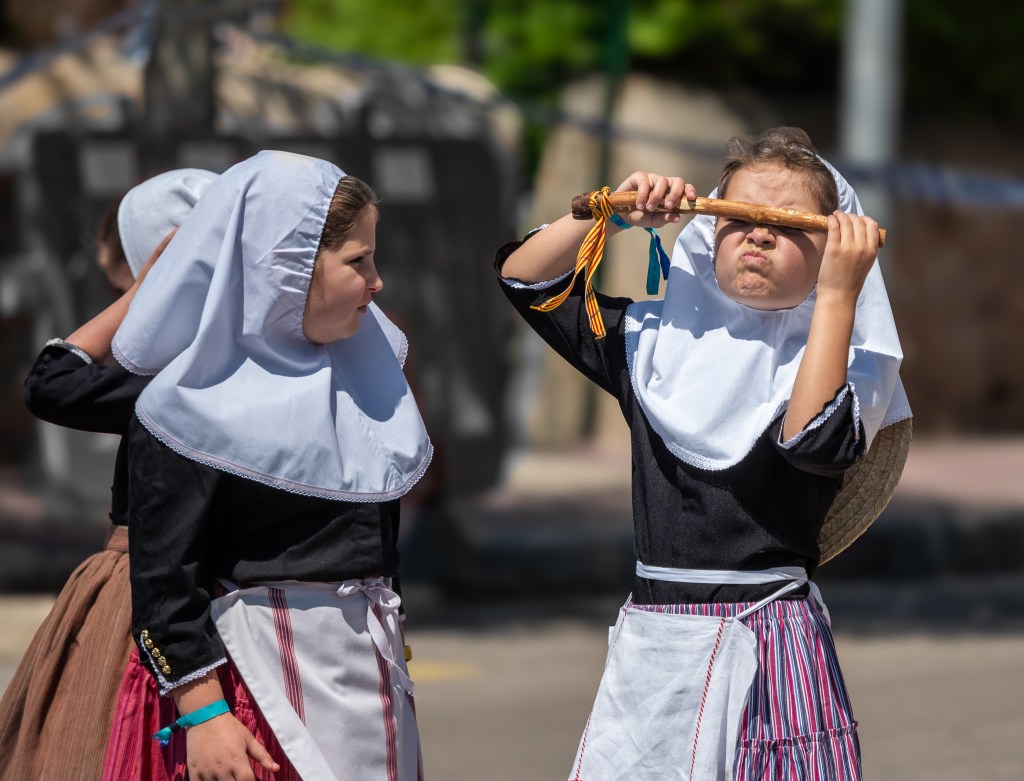
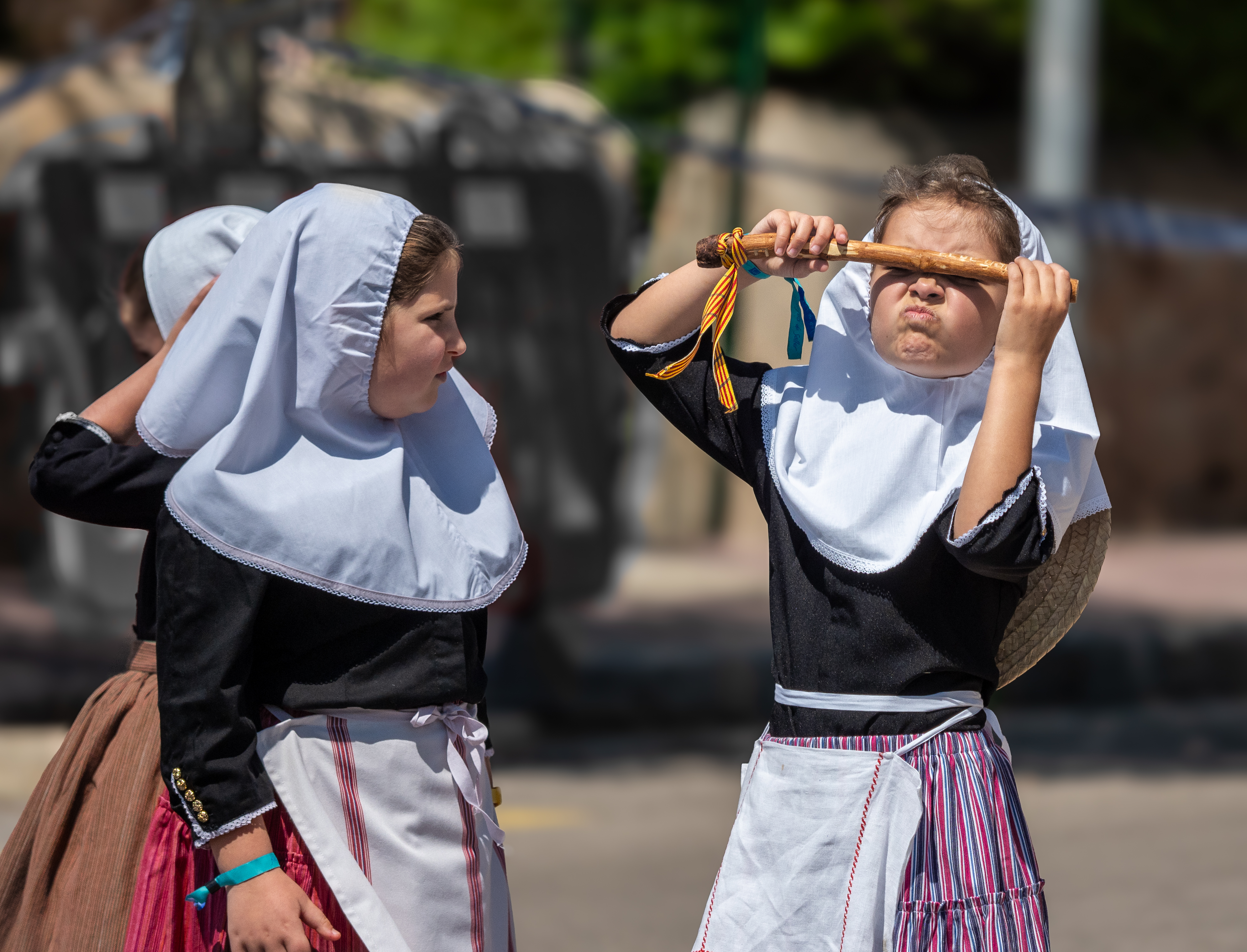
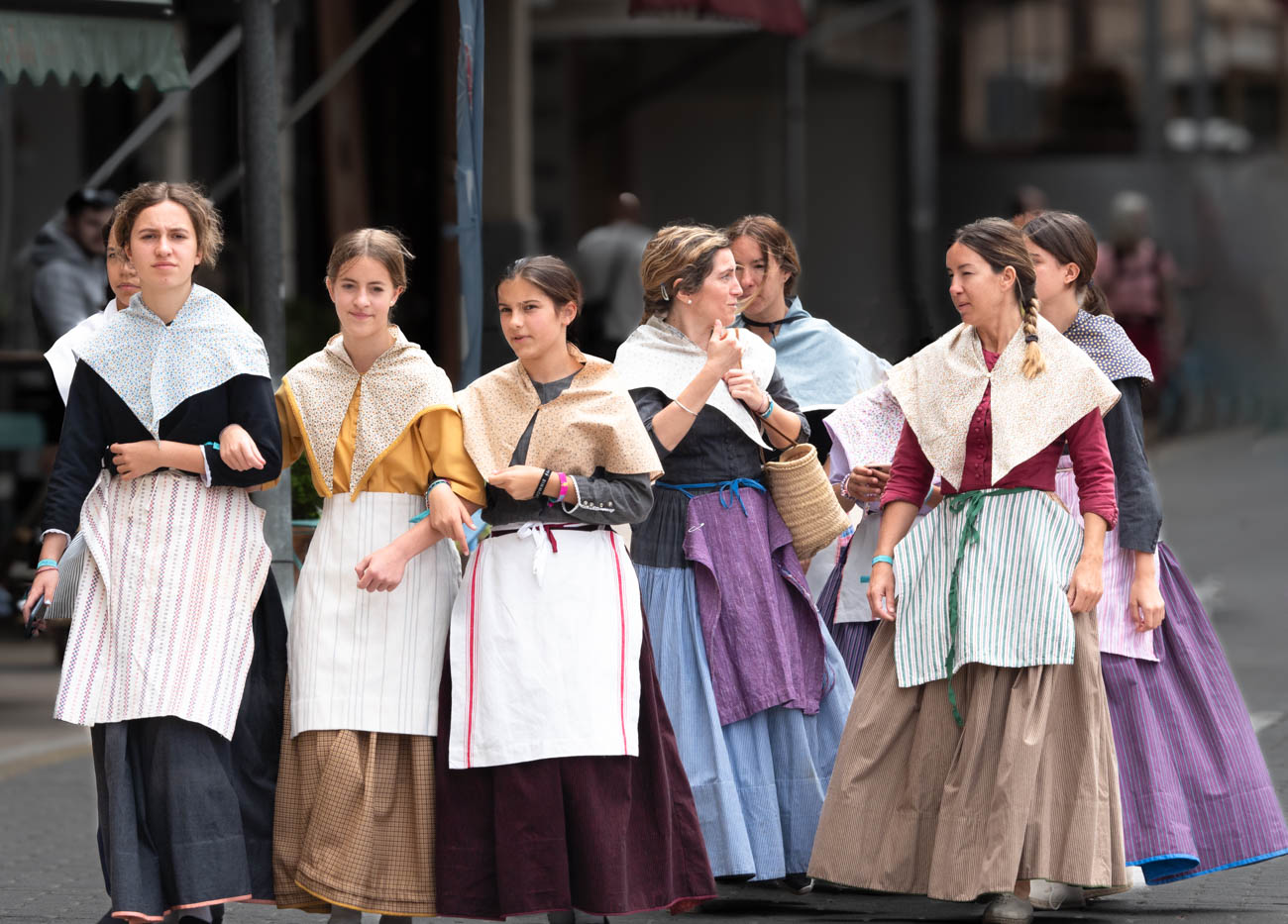
Firo – the re-enactment of the 1561 battle of the moors and Christians is held once a year in port Soller, on the north coast of Mallorca. The women played a big part in the defence of the town. These Girls were having a bit of fun on their own!
El Firo – the re-enactment of the 1561 battle of the Moors and Christians is held once a year in port Soller, on the north coast of Mallorca. This was when Algerian invaders landed on the beach in the Port of Soller and marched to Soller town to claim it for the Arabs. These girls were dressed as the Valiente Women. The valiant women of Soller were very cunning and this time were ready for the pirates as they sauntered into town. The path was covered in treacle and the women were ready with their catapults.
During the festival held in May there is a procession and the actual re-enactmant that starts in Por Soller and ends in the main town of Soller. It’s alight hearted and needless to say a very ‘merry’ occasion.
The pond at the Alcázar de Los Reyes Cristianos in Córdoba, Spain with a reflection of the statue of Christopher Columbus.
The Alcázar de Los Reyes Cristianos or Castle of the Christian Monarchs is refelection of the areas history. Roman and Visigoth ruins lie side by side with Arabic remains in this magnificent building, which was once the favourite residence of the different rulers of the city.
El Firo – the re-enactment of the 1561 battle of the Moors and Christians is held once a year in port Soller, on the north coast of Mallorca. This was when Algerian invaders landed on the beach in the Port of Soller and marched to Soller town to claim it for the Arabs. These girls were dressed as the Valiente Women. The valiant women of Soller were very cunning and this time were ready for the pirates as they sauntered into town. The path was covered in treacle and the women were ready with their catapults.
During the festival held in May there is a procession and the actual re-enactmant that starts in Por Soller and ends in the main town of Soller. It’s alight hearted and needless to say a very ‘merry’ occasion.
Granada is located in the province of Andalusia in southern Spain. It is at the foot of the picturesque Sierra Nevada Mountains. Granada has a deep Islamic history. Muslim forces took over from the Visigoths in 711 and ruled until well into the 15th century and built a large palace which overlooks the city.
The Alhambra is the most famous site of Granada. The palace and its gardens show the Islamic influence. The detailed arched doorways and tiled walls are typical of Muslim architecture. The gardens and reflecting pools show the Muslim influence. Besides being a historical city, Granada is a lot of fun. It is one of the hippest and festive cities in Andalusia, with a free-tapas culture, innovative bars, tiny flamenco holes and thumping club scene. There are some great festivals in Granada, like Semana Santa (Holy Week), where many streets are closed down to cars. You can walk around and see religious processions. Many parties are held in the street and flamenco dancing is seen everywhere.
Don’t forget to get your free magazine subscription from Zinio. To claim visit zinio choose a magazine title and send me your first and last name and email address and if you want, send me your website address via the contact page or email. For more info go to Zino competition.
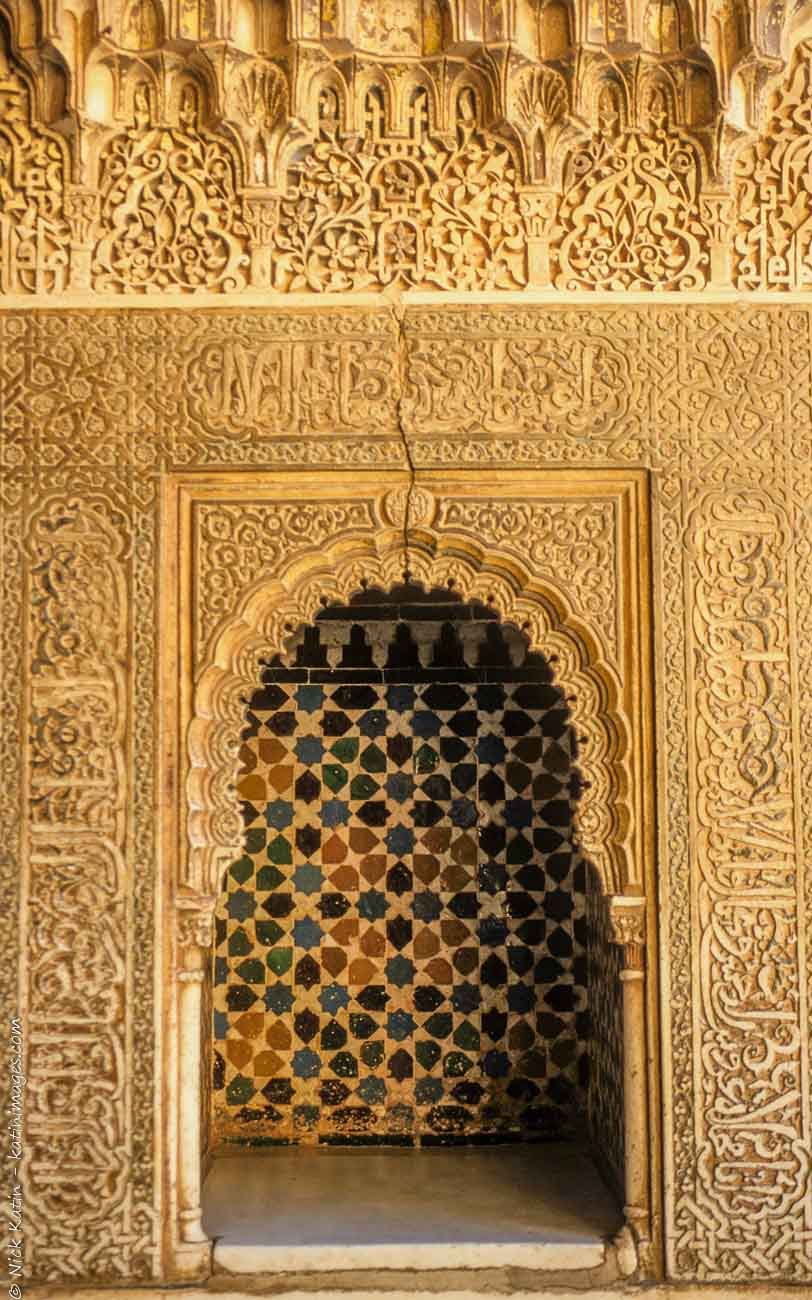
One of the beautifully crafted decorated door ways in the 13th century Alhambra Palace in Granada Spain
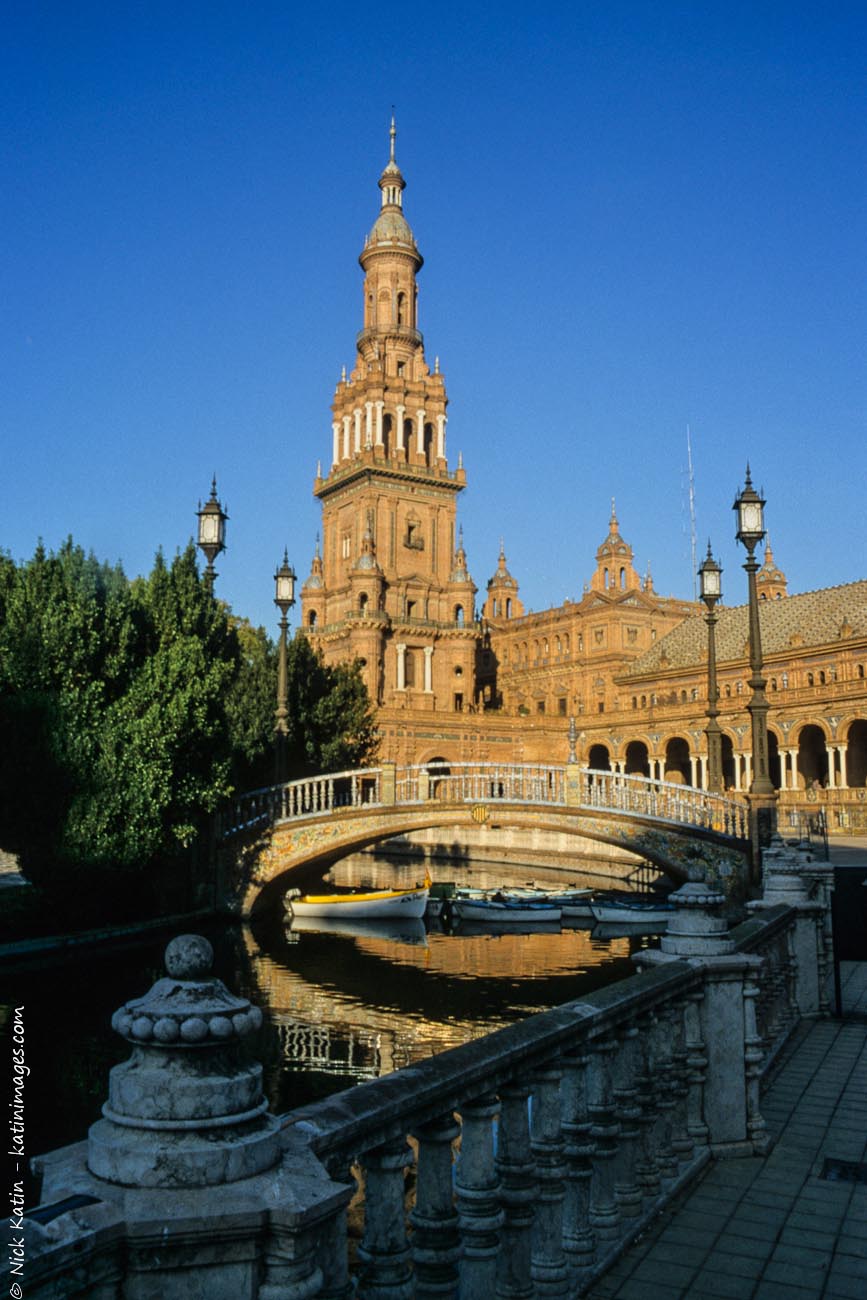
Built for the Spanish-American Exhibition of 1929, the Plaza de España is one of Seville’s top tourist attractions and why wouldn’t it be! With stunning architecture, inticate tiling and a calming semi circular lake, its just the place to go for a restful afternoon in the sun (provided it’s not too hot – Seville can have bitingly hot summer days).
One of it’s more modern claims to fame is that it has been used as a filming location. Scenes for the famous Lawrence of Arabia were shot here and the building was used as a location in the Star Wars movie series — Star Wars Episode I: The Phantom Menace (1999) and Star Wars Episode II: Attack of the Clones (2002).
I still have I have 10 free subscriptions from Zinio to give away. To enter visit zinio choose a magazine title and send me your first and last name and email address and if you want, send me your website address via the contact page or email. For more info go to Zino competition.
The Plaza de España, Spain Square, in English is a plaza located in the Parque de María Luisa, in Seville, Spain
I recently posted a reflection of one of the buildings from the Alhambra in Granada. Not only does this beautiful collection of buildings have historical significance but also architectural.
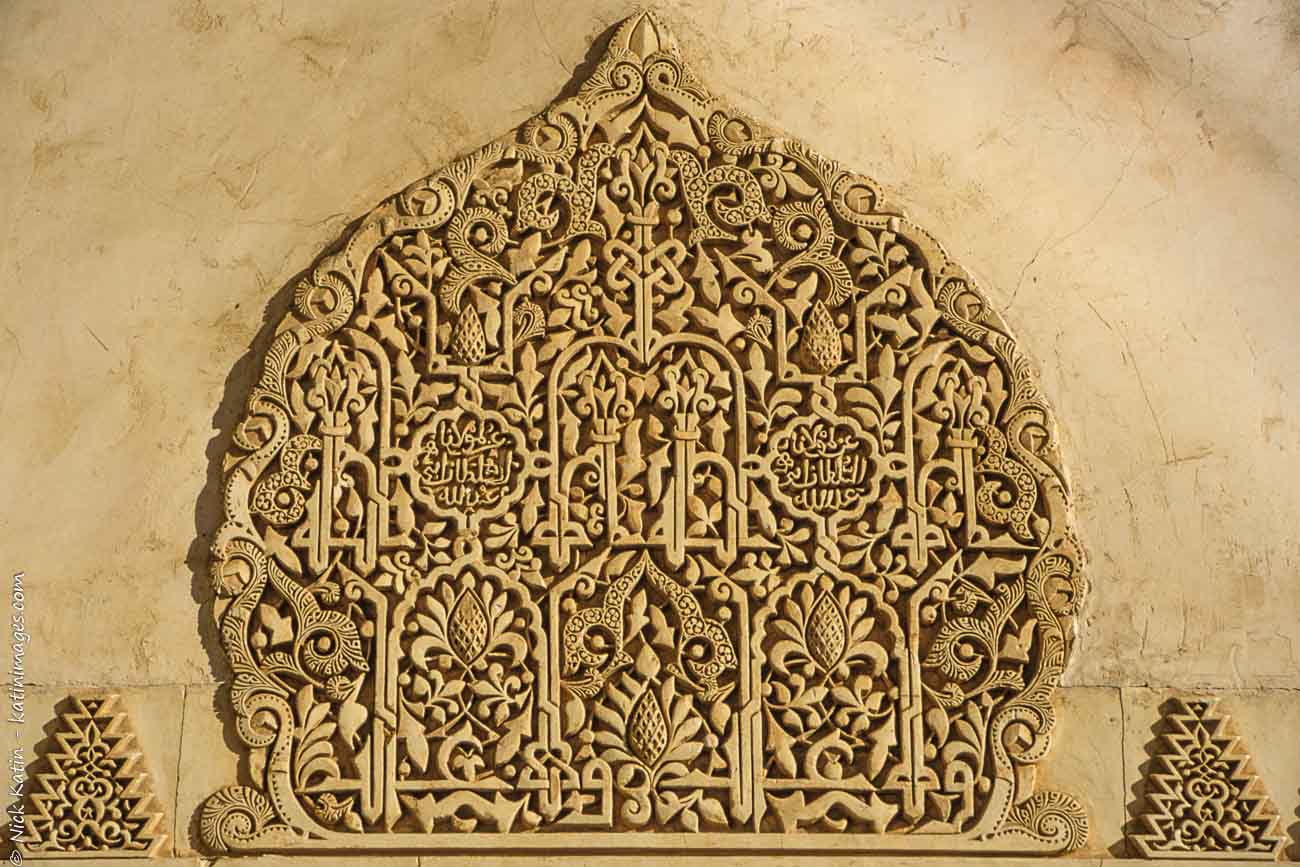
The decorations, like this ornamental relief, within the palaces were typical of Moorish dominion within Spain. Experts (not me) will tell you that this was from the last great period of Andalusian art in Granada.
From 19th-century until the present day, many buildings and portions of buildings worldwide have been inspired by the Alhambra. There’s even some ‘copycats’ in the USA and Portugal.
All I know is that if you visit, don’t just look at the buildings but have a close look at the small intricacies such as this.
One of the beautifully crafted decorations in the 13th century Alhambra Palace in Granada Spain
‘Sexy’ Seville in southern Spain is in, my humble opinion, one of the jewels of the Mediterranean countries.
It has culture oozing out of every building, colourful tapas bars with colourful patrons who live to the full, bull rings, festivals and a hot climate.
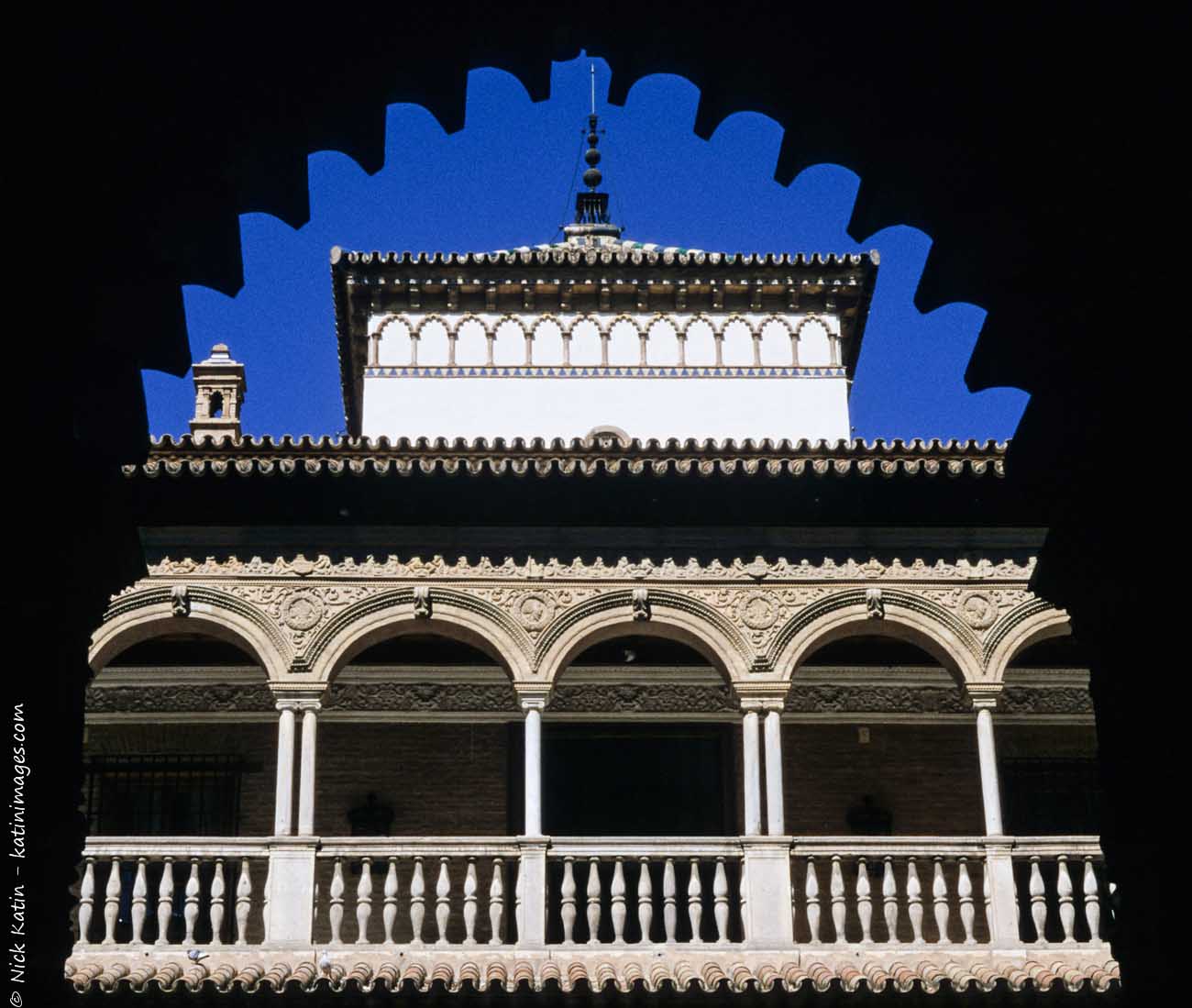
What is sometimes, understandably, overlooked, is it’s history. Like most of Southern Spain and in particular Andalusia it was occupied for some time by the Moors or Muslims from across the water. They built palaces or converted existing ones into forts. The Alcazar is one such palace originally built by the moors as a fort it, like the Alhambra in Granada has some beautiful buildings and carvings.
One of the beautifully crafted buidlings of the Alcazar in Seville, Spain
Salamanca in Central Spain is a little bit off the tourist route but well worth a visit.
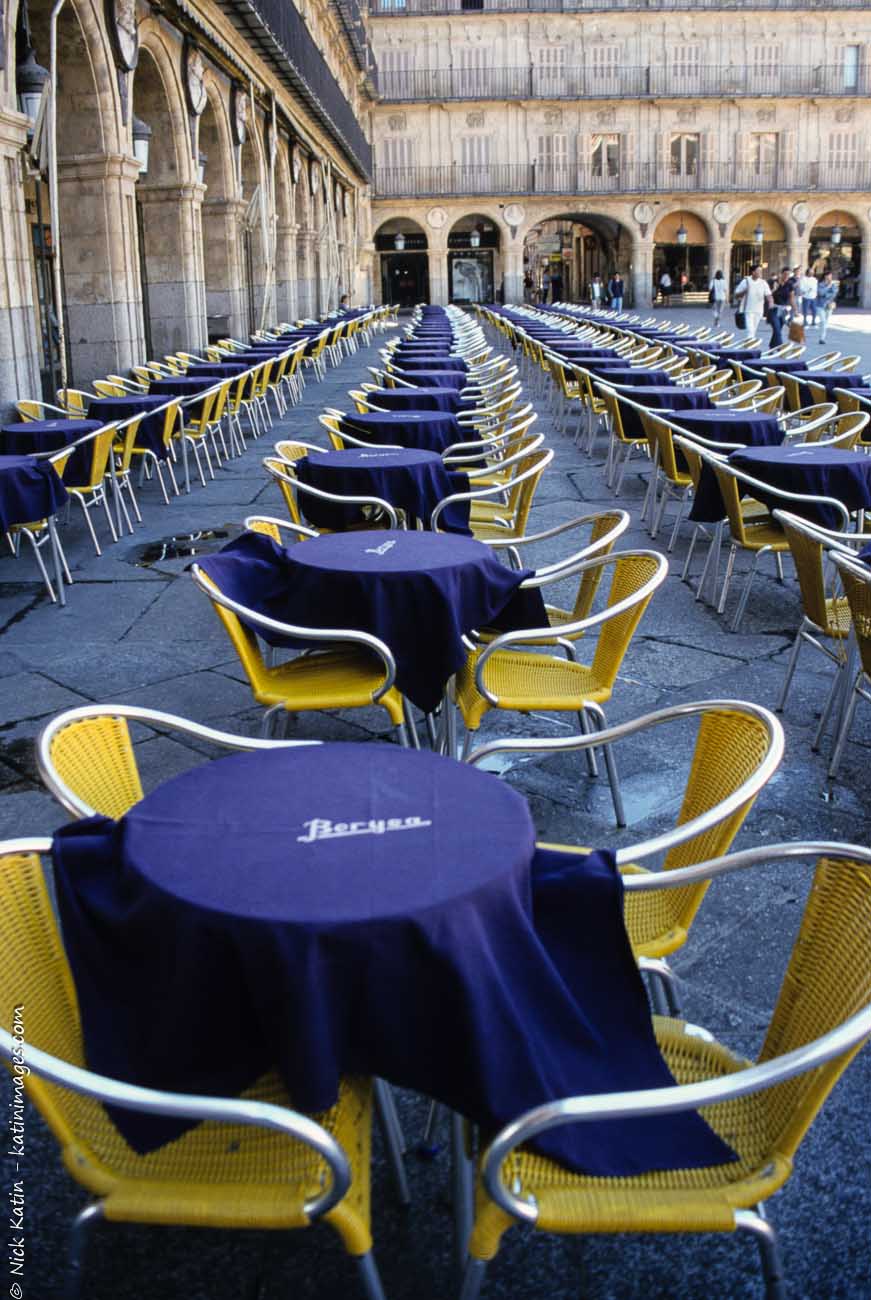
It’s pretty much a university town with architectural splendour and a lively party scene. (like everywhere else in Spain). Of course it has its fair share of restaurants. This is one is in Salamanca’s main square, the Plaza mayor, a very grand baroque space built in the 18th century.
Empty tables waiting for customers at a alfresco restaurant, in Salamanca’s Plaza Mayor in Spain
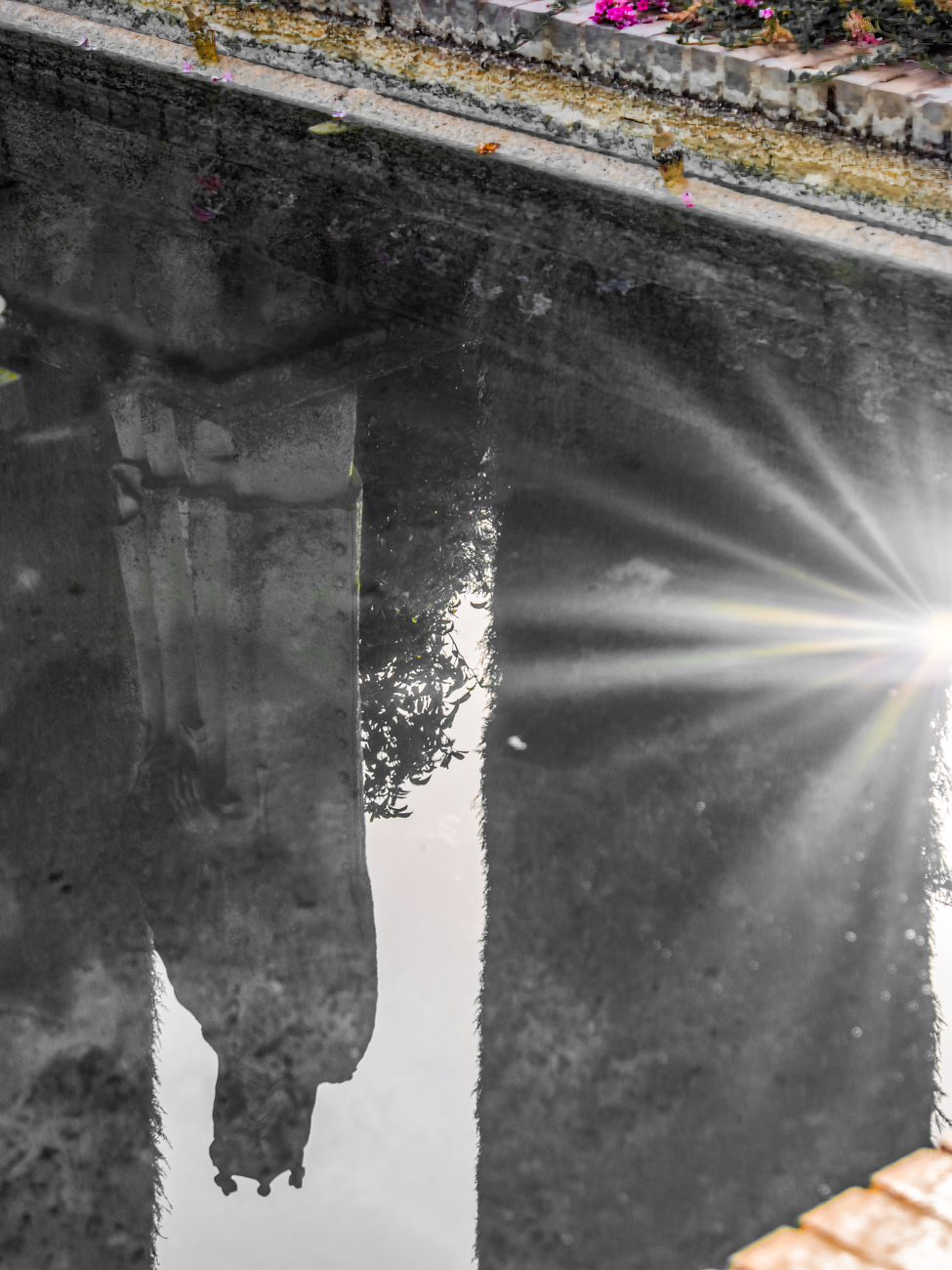
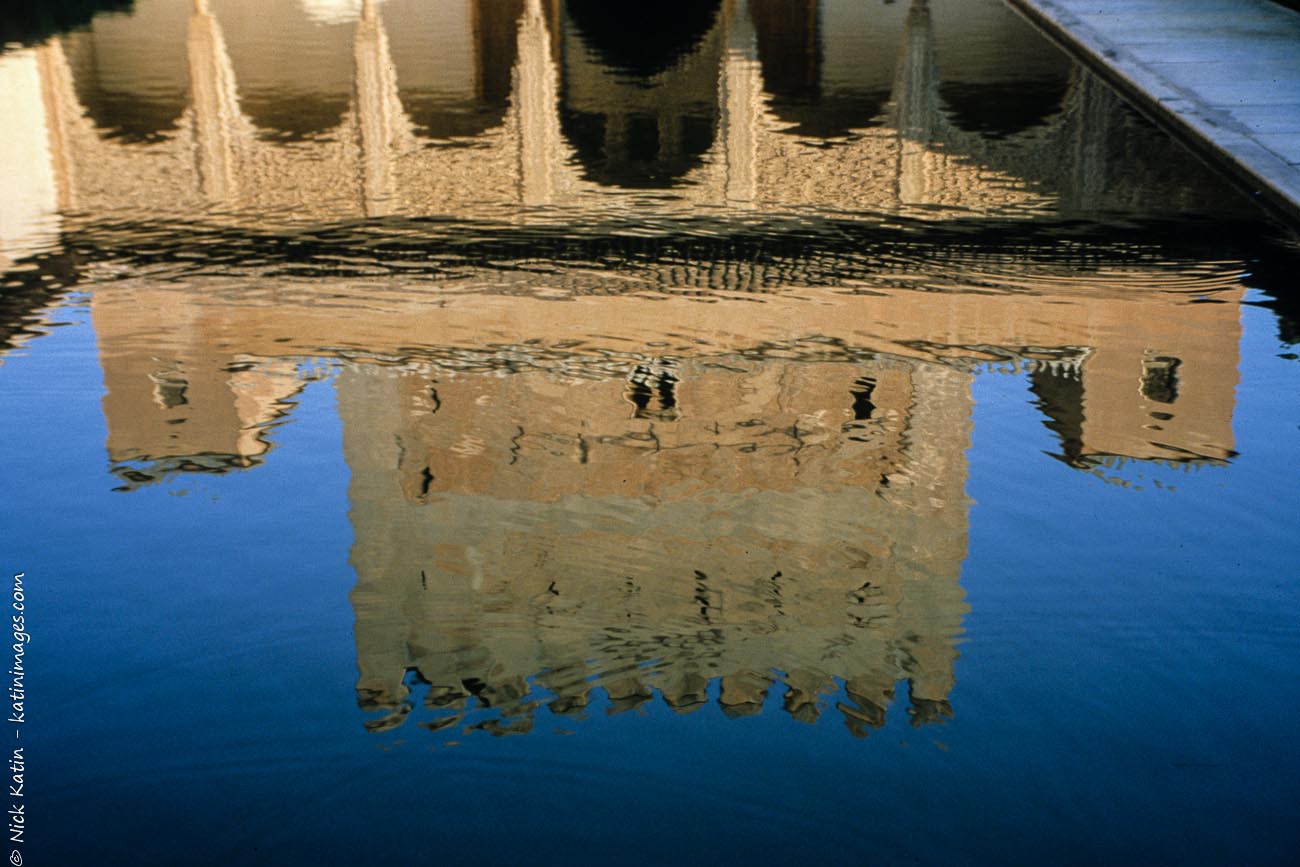
The 13th Century Alhambra in Granada in Spain is a absolute delight. The Islamic architecture is very intricate and stunning and a visit can wile away hours as you explore the different palaces. These same palaces were built for last Muslim emirs in Spain and the buildings are quadrangular in plan, with all the rooms opening on to a central court. Some, as shown below, have a small decorative reflective pool. The name Alhambra comes from the Arabic al-qala’a al-hamra (the Red Castle). Interestingly the first palace on the site was built by Samuel Ha-Nagid, the Jewish grand vizier of one of Granada’s Zirid sultans.
The reflection of one of the beautifully crafted decorated buildings in the 13th century Alhambra Palace in Granada Spain














 Katin Images Travel Photography