Katin Images Travel Photography

Travel Photos, Travel Photography Tips and Software

Category: Sales

  • Why you need good Photography to sell Wine.

    Why you need good Photography to sell Wine.

    Why you need good Photography to sell Wine.

    Do you produce wine but are not sure how to display it?

    Are you in marketing and are struggling for the best way to market your wines or the wines of your clients?

    When browsing the wine store for the evening’s bottle of wine how many labels do you recognise? One, two, three if you’re lucky?

    What about the corner liquor store or wine merchant, what do they push your way?
    Don’t get me wrong some wine shop assistants are excellent but most go with the wines they are familiar with and a lot are only familiar with the label, not what’s inside the bottle.

    If any of this sounds like you then read on.

    Because Photography is just not taken seriously enough by the vast number of wine producers!

    The wine industry is highly competitive and whilst you can have the best made wines from some of the world’s best vineyards, it doesn’t mean that it will sell.

    Like any product it’s not just the quality but increasingly image!

    Just look at how the wines of Bordeaux and Burgundy sell.

    What about Grange from Australia? Or Mondavi from California, Guigal from the Rhone Valley.

    Then there are regions,

    Sauvignon Blanc from Marlborough, Pinot Noir from Oregon and Central Otago.

    I could go on and on!

    The point is that these wines are all about image and in some cases prestige.

    I’m not here to educate you on how to position your brand, only you can do that but what I can tell you is that you need great images to help formulate your marketing strategy.

    Bottle of wine with glass at angle
    Bottle of wine with glass at angle

    OK how do you create a brand image that make people want to buy your product?

    Where are these images displayed?

    Well obviously, anywhere that sells wine but before that, the vast majority of potential customers will come across the image of your wine or winery somewhere online.

    And more and more its social media channels that wine consumers will see wine and winery images.

    Instagram, Snapchat and Pinterest are the most visual whilst Facebook, Google + and LinkedIn have both visuals and information and let’s not forget YouTube and Twitter and apps like Vivino.

    Then you have blogs, winery websites, reviewer’s websites, online magazines, etc. all of which, by the way, now need to be mobile friendly, so the online space is really where you need good images for consumers to share.

    What’s a good image or photo?

    Studies have proven that we as human beings remember things that are connected with our emotions whether it be curiosity, anger, sadness, happiness, laughter etc. so an image needs to be memorable.

    Think of one photograph you remember, maybe it was of friends, family, travel, or a photo you saw in a magazine or online somewhere, I’ll bet another 1000 words that it evoked some sort of emotion.
    That’s what I’m talking about!
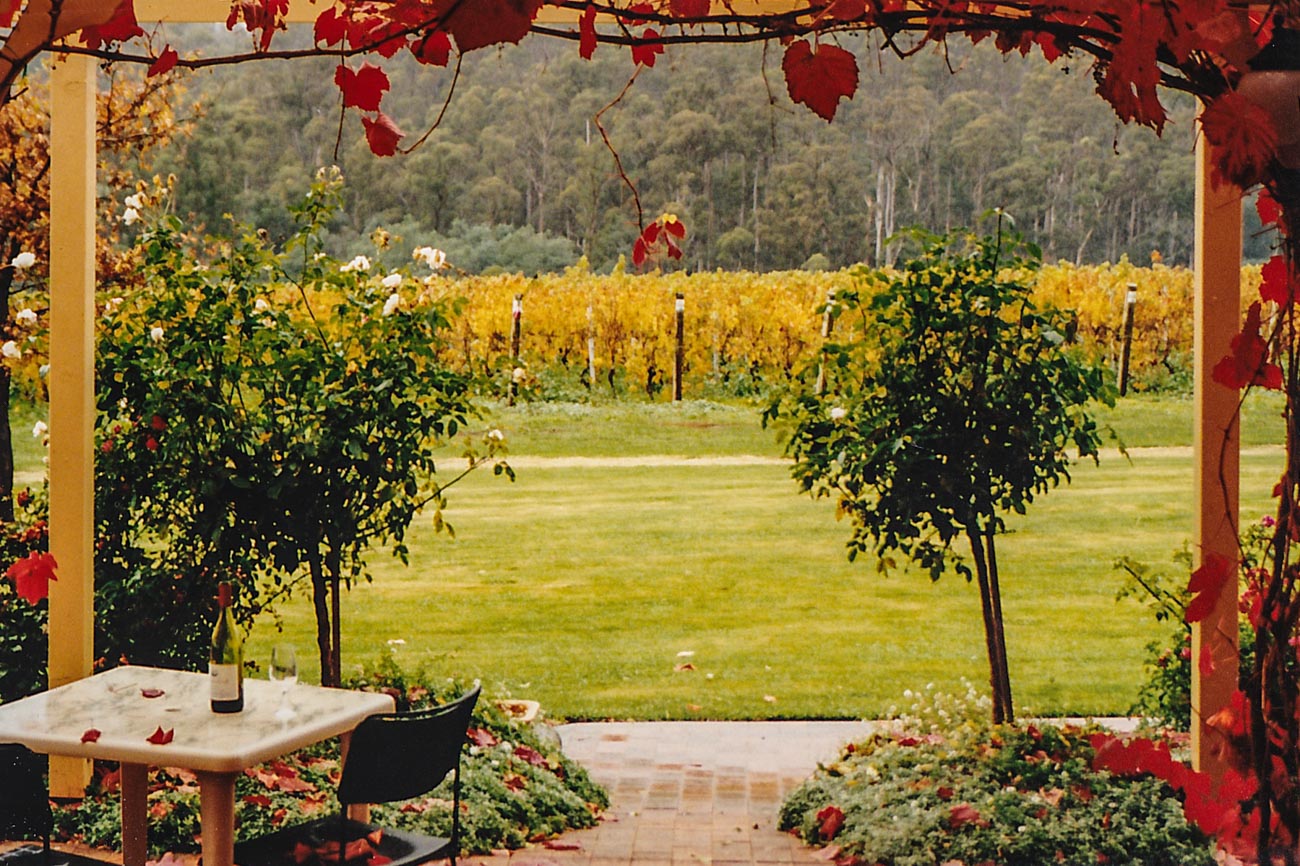
    Table and Vines in Winery
    Table and Vines in Winery

    What to do about it?

    You must produce visual content that helps you stand out.

    Have images that help evolve your brand and tell a visual story of who you are.

    The key to that is to see visual moments everywhere.
    Behind-the-scenes peeks are becoming popular with some of the big brands.
    For example, active photos that show real customers or employees doing real things — as opposed to staged shots or logos.

    Vine leaf
    Vine leaf

    Of course, someone still needs to push the shutter button and that can be by engaging a good photographer.

    Many organizations have photographers they contact in times of need — for events, product launches, etc. But that makes Photography a bit of an afterthought.  

    And will they be able to capture the essence of what you are about?
    The other option is to DIY.

    All you need is to start is good technique and a good eye, assuming that you have a camera. These things can be taught to anyone who is willing to learn and follow specific instructions.

    Don’t get me wrong this won’t get you to the levels of the greats, they spent years honing their craft, but you can quickly and easily get to the stage where your photos become the envy of your peers.


    Do you agree? Is Photography an afterthought for a lot of wine business? Feel free to add your tips and opinions below. I would really like to hear them.

    For some good examples of photography on some wine websites see http://www.timatkinphotography.com/

    http://www.vinography.com/archives/vinography_images/

    https://www.jordanwinery.com/

    https://www.burchfamilywines.com.au/trade/images.aspx


  • Here’s why it’s about Time you took your own Stock Photos.

    Here’s why it’s about Time you took your own Stock Photos.

    I Know, you’re happy using other people’s stock photos – And that’s fine.
    However, your business is unique and it deserves unique content to grow and scale.
    I’m not saying that you need great photos to be successful, you may have other advantages or skills that can offset that.
    But we are an image driven society and without originality a business will struggle to stand out from the crowd.
    You can read more on this topic here.
    By the way I’m not the only one to hold this opinion read these articles as well:

    The tyranny of stock photos

    Stock Photography Sucks! Let’s Do Something about It!

    11 Ways Photos Harm Ecommerce Conversions

    Say No to Stock Photography and Create Authentic Photos

    So let me ask you this:

    • Are you fed up with wasting your time searching for stock photos for your business?
    • Have you used a stock photo, only to see it being used elsewhere by another business, even a competitor?
    • Do you always find yourself saying “Oh if only I had a photo of X”?
    • Have you had a photo taken on your behalf that you submitted to your ad agency or printer only for them to charge you to rework or even retake it because they don’t think it’s up to scratch?
    • Have you paid a photographer to take some photos for your business only to be unhappy with the ‘finished article’?

    If you answered “yes” to even one of these questions, then read on.

    Because despite everything you read to the contrary you can learn to take some great photos consistently to impress and attract customers.

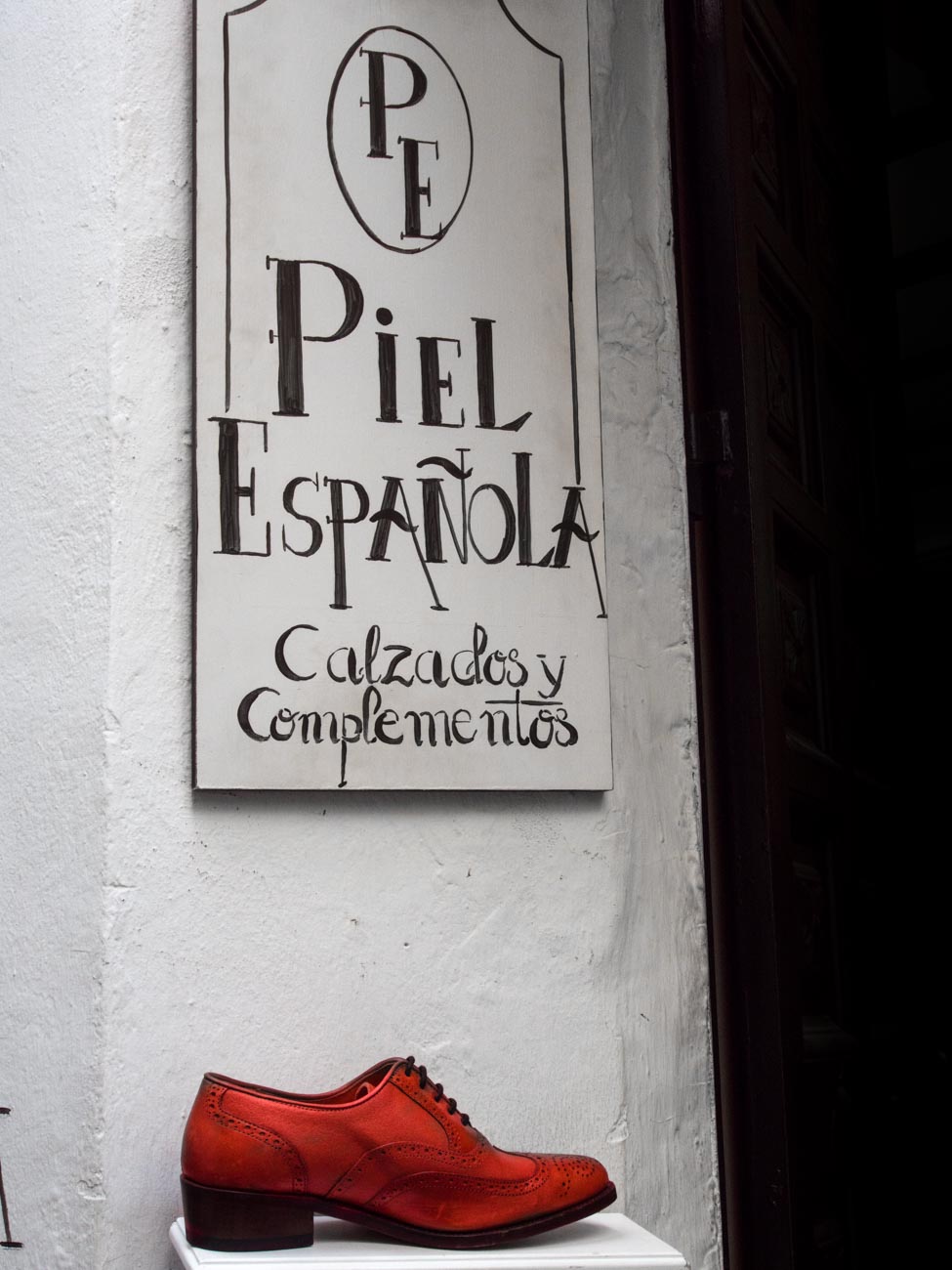
    Stock photo of spanish shoe shop

    So what’s the advantages:

    Well you can

    • Spend time creating your own and be in charge of your own destiny.

    Taking photos (and videos) for business marketing is different. Not harder or easier but different.

    The eye should be looking to make your product or service as attractive as possible sometimes in an obvious way, other times in a subliminal or subtle way.

    Stock photo of library in Melbourne

    • Make unique photos that you own the copyright to

    It always amazes me how little is understood about just the basics of copyright
    When a photographer conducts a shoot for any business (or wedding or portrait session or any other third party) they keep the copyright. What that can mean is that unless you have a watertight contract with them, that they are prepared to sign (and then the price will increase) they can resell that photo to another business or alternatively a stock agency who can then sell it on.

    Read more on this here

    • Take photos of what you think will help move your business forward

    As I said before you know your business and it’s not the same as other businesses. It’s unique and only you know the sort of photo that you want to represent your business.

    And then you will

    • Stop paying for services that delay your campaigns

    There are some great photographers out there who will no doubt give you exactly what you want. But they are expensive and often hard to book. Getting a less expensive job will save you money but it can cost you if the quality and/or service is substandard.

    • Stop settling for someone else’s interpretation on what photos you need.

    Photographers, stock agencies and marketing agencies are all just interpreting what they think you want.
    Earn yourself the freedom to choose what you want.

    Now I know some you will say:

    1 I don’t have time – well how much time do you spend on searching for stock photography now?
    More on this here.

    2 I don’t have the money to spend on photo education – Look I get that you want to run your business on the smell of an oily rag. I’m in business too.
    But sometimes you have to pay for something that’s going to take your business forward and will give you potentially a big ongoing return on investment.
    More on this here

    3 I don’t have a decent camera – Assuming you have a camera that works then you have a ‘decent’ camera.
    The idea that you need a certain quality of camera to take great photos is simply not true.
    Check out an article on this here.

    4 I can’t learn photography because ………. (fill in the blank) – Well there might be a reason that I can’t think of where this is true but if you can run a business or hold down a challenging job then you will be surprised how quickly and easily you can learn.

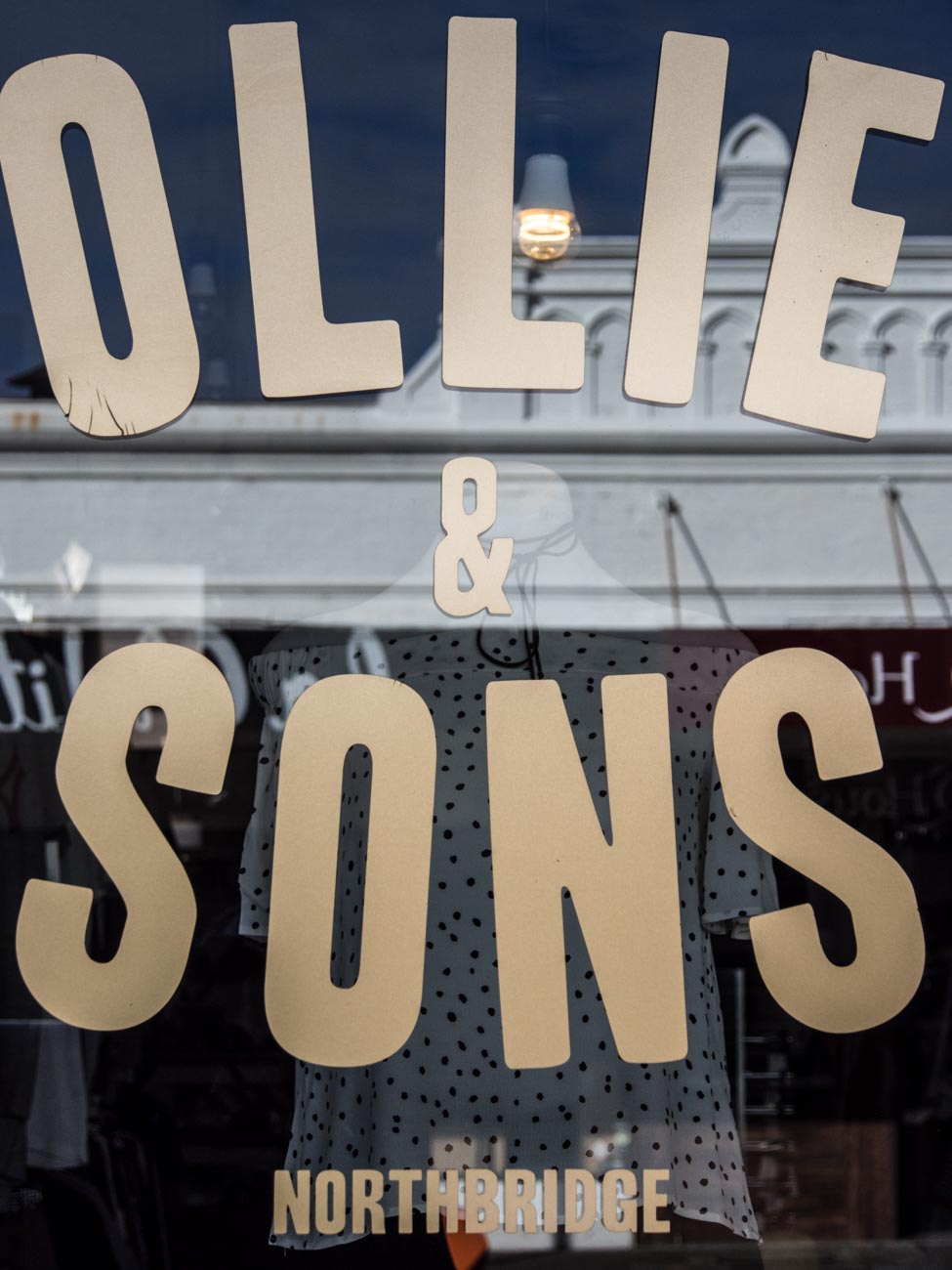
    Shop front

    To summarise

    You own or run a business and you want it to succeed.
    Well you can’t do that by buying, or downloading for free, photos that only vaguely represent what your business is about.
    You have a unique offering and therefore all your marketing needs to be unique and that includes photos.

    You can achieve this by taking your own photos and
    1 Save time and money on searching for photos.
    2 Save money by not having to pay for a photographer who may not give you want you need.

    Taking you own photo means learning the basics and building on that.

    Have I convinced you?

    If so, I’d like to suggest you sign up to, not only get notified of future updates, but also get some exclusive content that won’t be available on this site.
    If you’ve been here before and haven’t already signed up, then what are you waiting for?
    Either way you can sign up at these places and get a checklist or guide for your trouble: 

    Camera Features Guide

    Eleven easy ways to help you take your own stock photography

    Aperture Priority Checklist

    Product Photography Checklist

    Alternatively pop your email in the box below.

    Any questions then please contact me here and please say hello at these places:

    FacebookTwitterInstagramLinkedIn:

    And feel free to share this to your social media of choice


  • How to create the right stock photo background

    How to create the right stock photo background

    A few weeks ago, I posted Looking for stock photos? Here’s how to take your own.

    In this post, I listed Four Basic Elements of Stock photography and gave a brief description of each one.


    Well in the next few weeks I’m gonna expand on each one. Then you, as a business owner can learn to take your own stock photos. Whilst it’s not easy initially, it is doable for almost anyone.


    Even if you have no intention of taking your own, this is still a good guide to how good – nay great – stock images should be:


    The first of these basic elements of stock is one that most will not even think about but is arguably the most important for a great image.

    And that is – drumroll –


    Background


    In general, most backgrounds should be clear of any distractions and that means being ‘clean’ and simple.


    Good backgrounds can vary in form but their prime importance is to highlight the main subject and purpose of an image.


    A lot of backgrounds are bland, often either black or white. Some are blurred or out of focus.


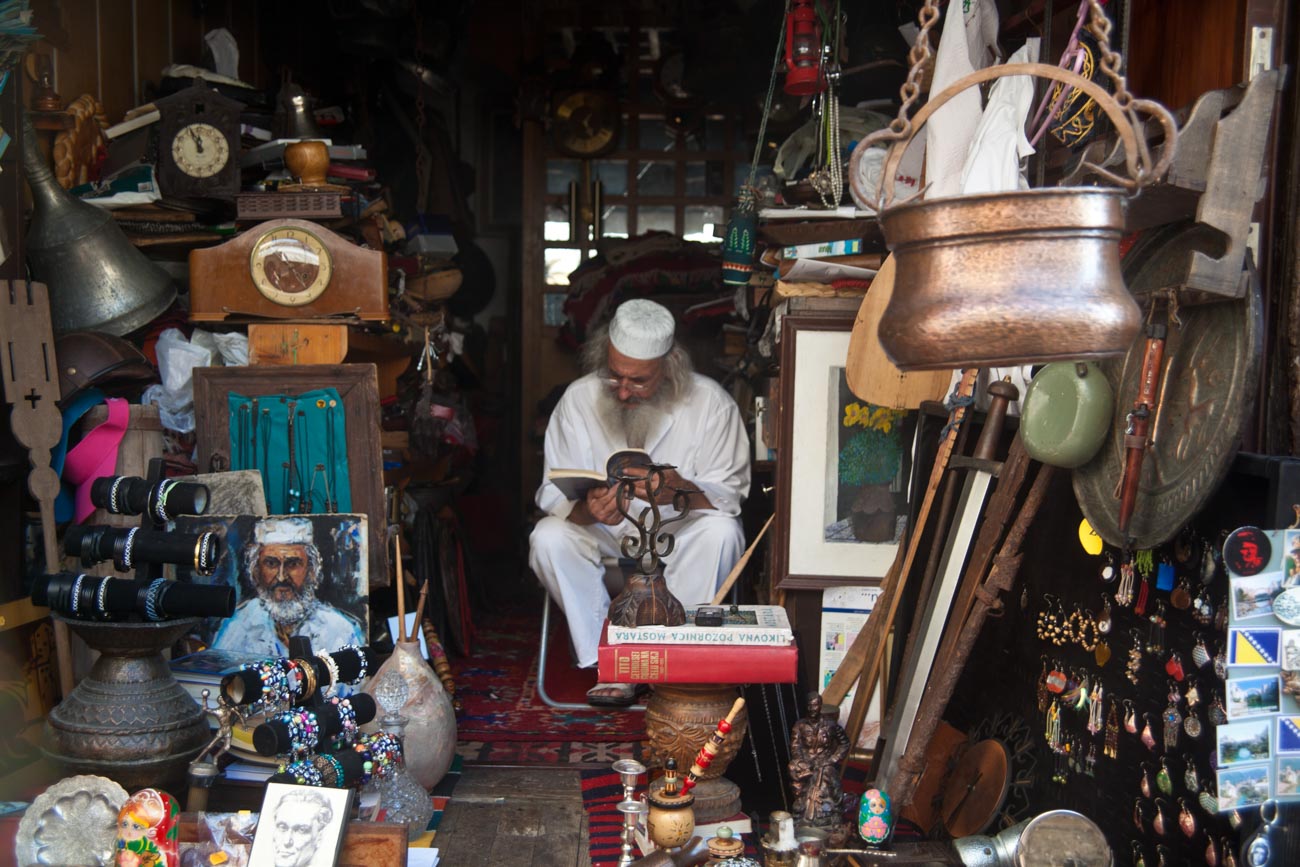
    But, if you look at this image below you can see that the background is full of distractions. That’s because the subject matter is not just the shop seller but the stuff and trinkets all over the shop.


    Taking the same scene with an out of focus background just wouldn’t be the same.


    Genres


    There are 100’s of genres of stock photos:


    There’s Abstract, Aerial, Architectural, Conceptual, Conservation, Cloudscape, Documentary, Ethnographic, Fashion, Fine-art, Fire, Glamour, High-speed, Landscape, Nature, Photojournalism, Portrait, Selfie, Social documentary, Sports, Still life, Street, Underwater, Wedding and Wildlife to name but a few.


    But rather than go through each one, we’ll pick out the most common types of background that a business owner will most likely need regardless of genres.


    Let’s jot down some examples;


    Staged backgrounds


    Most product shots use a white or black background. There are lots of ways of creating either.


    The simplest being the use of board like a matt board.

    Of course if you are a master of photoshop you can take an image of your product on any background that contrasts with the product itself.
    Then do a quick select and create layer to put onto another background.


    Another way is to position the product on a piece of glass with a black background so that it appears to be floating.
    How to create the right stock photo background


    Bokhe backgrounds


    The out of focus (it’s called bokhe) look is best with people shots so that the whole image looks more authentic.
    Why is that?
    Well if you look at another person your eyes will focus on them and something most of us don’t notice, make the background slightly out of focus.
    Slightly out of focus on an image doesn’t seem to have the same effect on the viewer as totally out of focus.

    So, the photographer is trying get, to quote Wikepedia’s definition of Bokeh, “an aesthetic quality of the blur produced in the out-of-focus parts of an image produced by a lens”.

    Not sure what all that means?

    Look at this image and read 10 Vital Facts about Camera Aperture.


    How to create the right stock photo background


    Other types of stock photos that use Bokhe are Abstract and Macro (e.g. flowers or small items like jewellry). A more left field genre that uses Bokhe is conceptual which is a type of photography that illustrates an idea.


    Busy backgrounds


    Most business photos usually have a slightly busy background to typify activity in the workplace and often include people as part of the scene.


    If you are looking to show an activity e.g. making coffee in a cafe then you can get away with a fairly busy background. That can work well, so long as it doesn’t have distracting elements like bright colours or some other activities that take the eyes away from the main subject.


    No background


    In my years of learning photography, and I’m still learning by the way, the phrase of fill the frame was used in stock photography.

    Filling the frame or zooming in, either by foot or by telescopic lens, to your subject matter is a great way of not having to worry too much about the background.

    Stock agencies have tons of pictures that have filled that frame, with categories such as textures and abstract.

    The benefits of these pictures is that sometimes you can also use them as a background which does mean a touch of post processing is required.


    In the coming weeks I will create a basic background checklist which will help remind you of some of the items that we have just covered.


    I cannot stress how important a good background is for a stunning image that will help you make more sales.


    So as I said at the beginning, even if you are not going to take your own it’s vital you pay careful attention to the background of any image you are looking to use.


    If you have any questions or comments about this post, please leave them in the comments section below.


    Or feel free to contact me directly via my contact page


    Sharing is caring as they say (although not sure who “they” are).


    If there’s some people you know who may enjoy this or any other post on this site, please share with them.


  • Could you be a Sales Rep?

    Could you be a Sales Rep?

    You are in sales!

    Yes, that’s right you are in sales.

    We are all in sales.

    Not a day goes past when you are not selling something – unless you are a hermit living in a cave in which case it’s unlikely you would be reading this anyway.

    We are often selling ideas, ourselves, actions, facts, arguments etc.

    But of course, sales to most people means selling something to someone who may or may not need or want it.

    I often hear from some of the most surprising people say that “I could never be in sales” or “that’s much to salesy for me”.

    Often these people are already in sales but just don’t consider themselves as sales people.

    But could they be a sales rep?

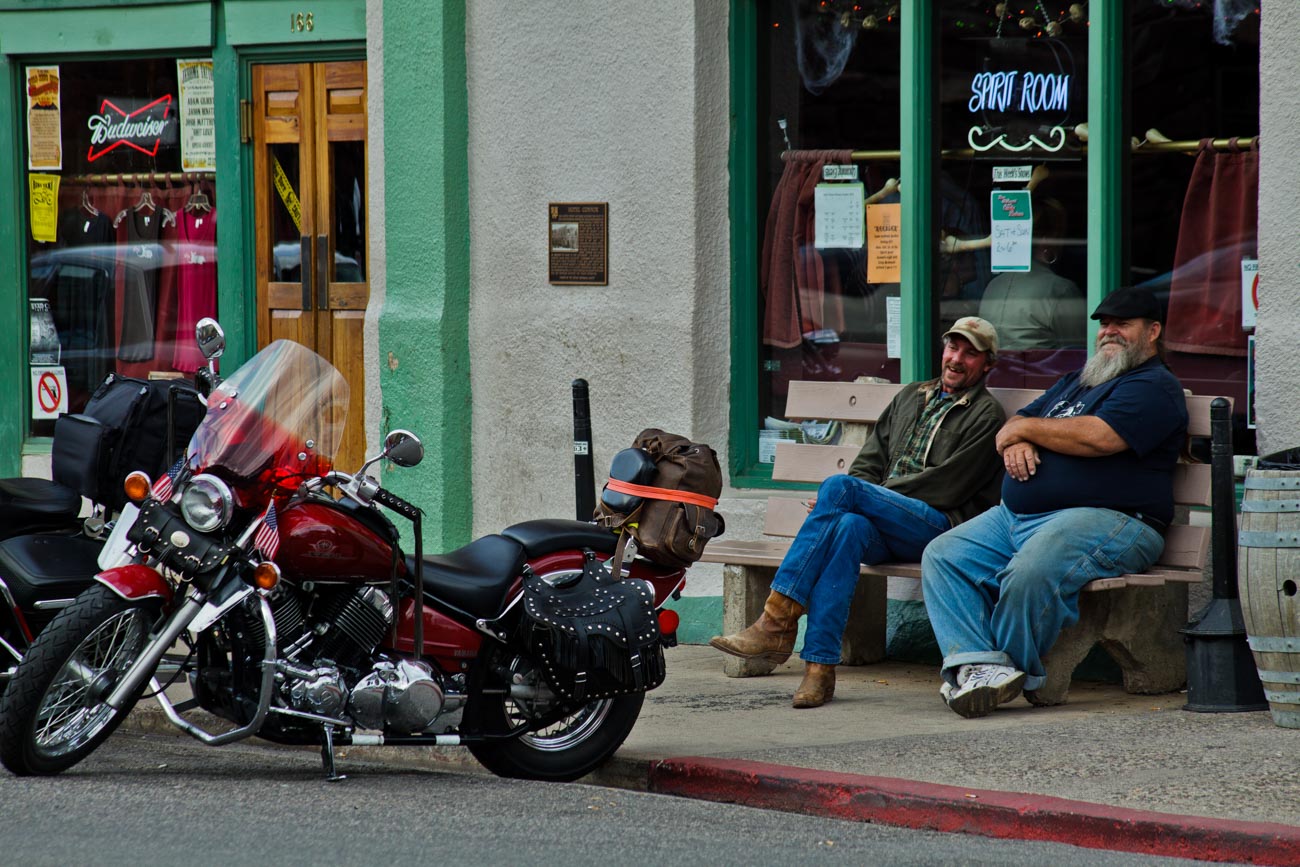
    Sales Meeting in Jerome, Arizona, USA

    Of course, we have some fancy titles for Sales representatives these days, Sales managers, Business development manager, Account managers, Sales engineer, Sales executive but in the main they are all sales reps with some specialties or a particular market niche.

    But to answer that, let me tell you my story.

    My career in sales started as a young National Service Manager Part of my job description was to go out and talk to some of customers about maintenance programs for our products. It was easy!
    After all we manufactured heating and hot water systems and most customers wouldn’t want it serviced by anyone else especially, as at that time, there really wasn’t anybody else.

    As I progressed up the food chain I employed sales people to do that job for me as I was too busy pushing paper around my desk.
    As these reps sold product as well, they were well rewarded and even though I was at that time one of the executive team they were earning much more than I was and they were getting pats on the back from the MD as well.

    It was at that time that I decided if I ever got the chance I would go into sales full time.

    That chance came quicker than I thought when I left the company to go travelling for a few months.
    On my return, I soon found out that specialist service managers were few and far between so I elected to go into sales as there appeared to be quite a few sales reps jobs around.

    In took 6 months to get a job as a sales rep.

    I applied for 100’s.

    I was either overqualified or lacked sales experience and networks or a combination of all three.

    When finally I cracked it, the reason was because of my experience in the construction industry not my individual sales potential.

    And it didn’t take long before I realised that being a sales rep was hard, really hard.

    You see the thing is that you are trying to get meetings with people who really don’t want to talk to you. Usually about products or services that they are not that interested in unless there is a big benefit to them.

    The one thing I learned is to leave your ego at home otherwise you wouldn’t last too long.

    Going to see people you didn’t know and present your case can be scary for a lot of people.

    I’ve heard of some reps who will sit in the customers car park for a few minutes and then decide to drive 20 k’s to see someone else rather than have to face that particular customer.

    As an example, I left this company after 18 months of building up the business to exceed budget (thought I’d bang my own gong) and went travelling for couple of years.

    On my return, the guy who took it over, had let it go.

    Why had he let it go and why wasn’t he fired?

    Well he got stage fright!

    He had worked in internal sales where everything is reactive and the only real customer contact was by phone, fax and email which came to him.

    So, when he had to go out and actually visit people face to face he couldn’t do it.

    Add the fact that he had to be proactive and he was well out of his comfort zone.

    Why wasn’t he sacked? Well the company I left was merging with another and he pretty much went under the radar.

    And that’s another thing that fazes people being proactive. We are naturally wired to be reactive and being proactive is not natural to most.

    Yet when as a sales rep you do get times when you have to be reactive. When orders come through, when you have to answer the phone, do quotes, answer email, chase up deliveries, etc. etc. It becomes almost a welcome break.

    But it’s also a trap!

    You see the most successful sales reps have schedules and rituals that they stick to.

    That might be making 10 client phone calls before 10 in the morning, visiting 3 clients per day, following up quotes, making appointments or writing reports (a big pain for most salespeople).

    I heard of stockbroker (yes, they are sales reps as well) in Vancouver who would make 120 calls a day religiously and measured that every morning by starting with 120 paper clips in one jar and would keep calling until he had moved them all to a second jar.

    That’s the sort of single mildness you need to be a successful sales rep.

    So, when these reactive events come along and they can often continue for days, focus is lost, the rituals go out of the window and then you have to refocus and get back into some sort of momentum.

    I can tell you that’s hard not just for me but for most other sales reps.

    So why is that?

    Well as I said earlier we are naturally wired to be reactive. 1000’s of years being reactive to our environment is how we have survived as a species.

    Being reactive is much more comfortable than being proactive (I’m being general here as there is the odd individual who is naturally proactive).

    The conundrum in sales is that these reactive events don’t happen unless you as the sales rep make them happen and that involves being proactive and being out there talking to people.

    So, when I get the odd comment from desk bound colleagues, friends or acquaintances that I have it easy. That all I have to do is drive around and talk to me over coffee, I reply, when you go to work your work comes to you.

    Another Sales rep waiting for coffee near one of London’s famous markets, Borough Markets.

    When I go to work I have to go and find it and if I don’t over a period of time, I’m out of a job.

    Of course, the other comment I get is about money.

    Just as I thought, before becoming a sales rep, that it’s not fair that salespeople earn too much, so I now get the odd similar comment.

    Yes, good sales rep earn more than nurses, teachers, emergency response personal and other worthy occupations and really successful salespeople will get paid more than Doctors and some Politicians (what’s the old saying? – pay peanuts and get monkeys).

    The fact is as I have learned a successful sales rep will always get a job and will always get paid well.

    I could never be nurse or paramedic but I imagine there are many nurses and paramedics who could never be a sales rep either.

    So could you be a Sales Rep? Or are you one? In which case do you agree?

    Write your comments below. I’d like to hear them.

    This is slight off topic from my normal marketing and image making posts but what the heck!

  • Why good photography is a great investment for any small business.

    Why good photography is a great investment for any small business.

    Why good photography is a great investment for any small business.

    *“Don’t let nobody take care of your business better than you

    In the game of marketing the big brands are winning hands down.
    They hire large marketing companies and/or specialist photographers to make their brands stand out in an increasingly crowded market.

    So does that mean that the small business like you can’t compete in the visual stakes?

    Of course not – let’s read on and find out why good photography is a great investment for any small business.

    The internet has levelled the playing field.
    Before the internet, for a small business to get its brand out to the marketplace would involve expensive marketing material or foot slogging. Then there was also a reliance on others such as distributors to market your brand as well the other brands it had in its stable.

    Don’t get me wrong these strategies still play a role.
    But the reach of the internet is so vast and the entry cost so small.
    And now you get instant feedback from targeted campaigns. 
    So for a you, without the marketing budget of some of the bigger brands, it’s a no brainer!

    Image Branding

    Wherever we look online, its images that catch our attention so we have to create a visual depiction of the brand we are offering.

    That’s where photography comes in.

    There are thousands of images of products, services and other related subjects. These are posted by the minute on to social media, websites, apps and online publications every day.
    In my humble opinion there are only a few that are memorable.

    The majority are taken and published by consumers, who have no vested interest in producing photos of any great quality.
    They are usually what could be called record images, that is a record of the wine drunk, the restaurant visited, the food eaten, the place visited etc.

    Those that are likely to have the most impact on potential consumers are are produced by reviewers and few other industry players. 

    Take Control!

    So don’t leave it to others to represent your brand. Take control! 

    So what’s a good image?

    To make a brand stand out the image has to be usually (sometimes you can get lucky) well planned and memorable.
    It’s that last word “memorable” that’s so important.

    Consumers will nowadays more than likely see a brand online before they see it physically.
    A memorable image will help them remember it when it comes time to purchase your product in a store or online.
    Composition, opportunity, technique and to a lesser extent, camera equipment play a part in getting the right ‘shot’.

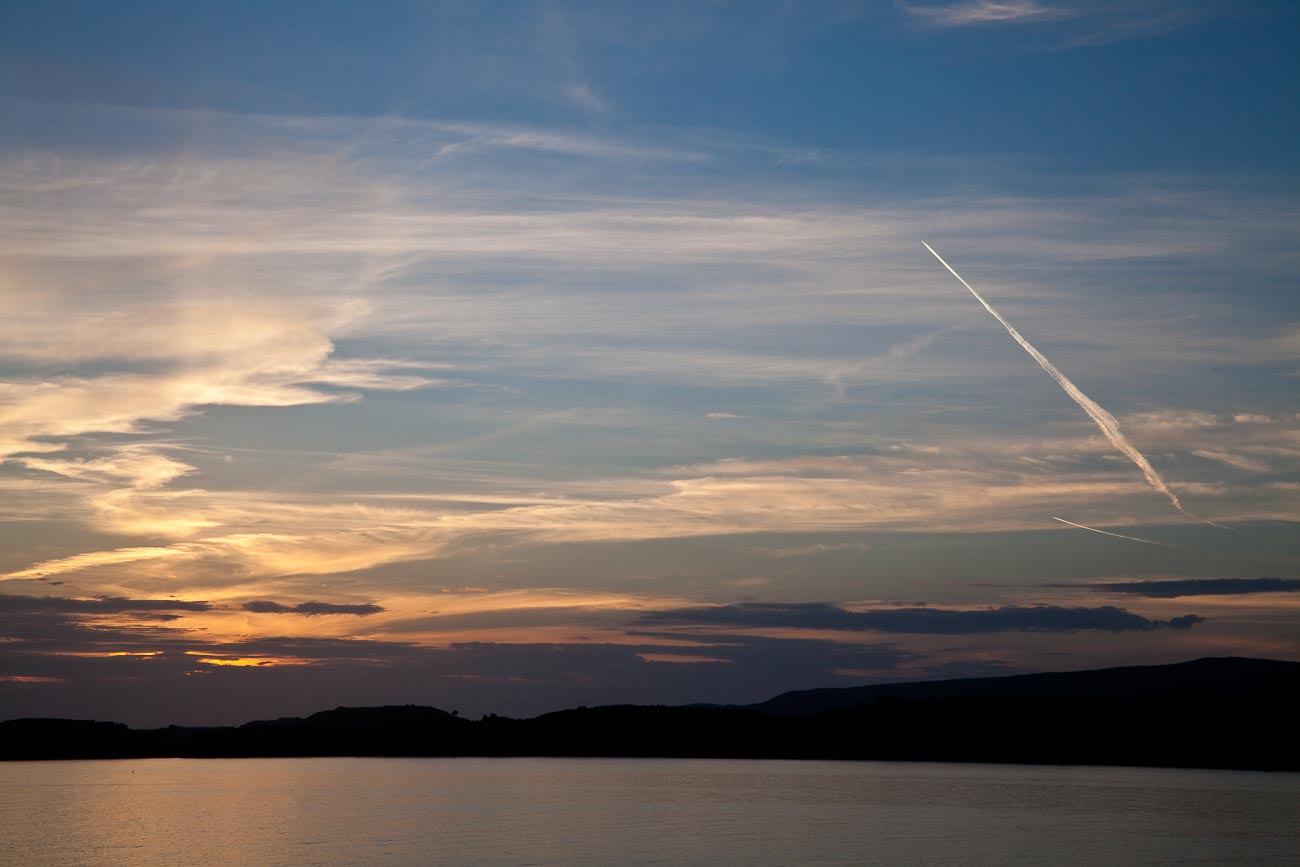
    Dusk from Lassi, Kefalonia looking across to Lixouri
    Dusk from Lassi, Kefalonia looking across to Lixouri. Click on the image to see a larger view and other options

    Other factors

    Of course image alone is not purely responsible for that, product design, good reviews, interesting stories and reputation all play a part.
    But you can have a terrific product and great reviews but if the image is poor and almost indistinguishable it’s not providing any value.

    So where should you put most of these images?

    Well by far social media is has become the place to display and share photos.
    So let’s take a look at the most popular and well known channels.
    These are not in order of importance, as each one has its own individuality:

    Instagram

    ig

    Instagram is a photo-editing mobile app that not only beautifully renders photos taken on Smartphones, it also has some powerful social sharing features.

    Last year Instagram was the fastest growing social network on the planet and is evolving to be an image based Facebook (who by the way own Instagram).

    Pinterest

    In the purely visual stakes we have Pinterest which is focused on sharing things that are visually pleasing (both photographically and in video).

    Images and videos are at the heart of the Pinterest experience.
    Because of the fact that Pinterest emphasises pictures over text, it’s extremely important to have high-quality photos.

    Facebook

    fb

    Then there is Facebook by far THE most popular website on earth.
    What’s more, the average Facebook user spends on average just under two hours per day on Facebook.
    The incredible viral nature of Facebook enables business’s to get in front of a huge audience

    High quality and eye catching images go along way on Facebook


    LinkedIn

    LinkedIn is the largest social network for business owners and professionals.

    LinkedIn doesn’t generally market to “the general public”.
    LinkedIn allows a business to target a different demographic of business owners and professionals.

    Google+

    The not so sexy Google+ is Google’s answer to Facebook.
    Whilst not quite as popular, it has two things going for it that other social media sites don’t.

    If you have a Google+ page, then you can connect it to Google My business listing (formerly known as Google Places or Google Local).

    What does that mean? Well guess who controls 80-90% of searches on the net? Yup, Google

    Because of the way that high quality images are displayed on Google+, it’s no coincidence that one of it’s most active users are from visual medium industries like Photographers and Graphic designers.

    Twitter

    twitter

    Twitter has in the past been considered almost a text message service.
    Since it introduced the display of images in streams (i.e. without having to click on the link) a couple of years ago that’s all changed.

    According to tests, tweets with images are 55% more likely to be shared or re-tweeted.

    There are others of course, YouTube and Qzone (China’s answer to Facebook), have a huge number of users.

    Other places

    It goes almost without saying that today a website, which can highlight some great images is essential.
    The cost of building a visually appealing website has dropped significantly over the last two or three years.
    In fact, those who are tech savvy build their own at very little expense.

    Uploading images to any of the social media sites and a website is now a simple process that anyone using a computer can do.

    Summary for why good photography is a great investment for any small business.

    So to recap: 
    The reality is that you as a small business need to ensure that the quality of your marketing images stand out.

    That’s not to say that word of mouth, good reviews and on the ground marketing don’t work anymore. It’s just that we have become an image sharing society and any business looking to grow would want their images shared.

    * James Brown, It’s A New Day

    Do you agree? Are images that important for your business? Feel free to add opinions below. I would really like to hear them.

    For more on this and other photography subjects why not sign up for my email and get a free “Camera Features Guide”.

    Just sign up below

    [mailerlite_form form_id=8]

    Dusk from Lassi, Kefalonia looking across to Lixouri
    Dusk from Lassi, Kefalonia looking across to Lixouri