The Algarve region in Southern Portugal is a popular tourist spot for tourists looking for sun sand and good times.
But it has a quieter side as well particularly near it’s main town of Faro which is as Portuguese as it gets in this area.
Even though the area is well know for its sandy beaches and breathtaking cliffs, I couldn’t resist getting a different view of its coastline.
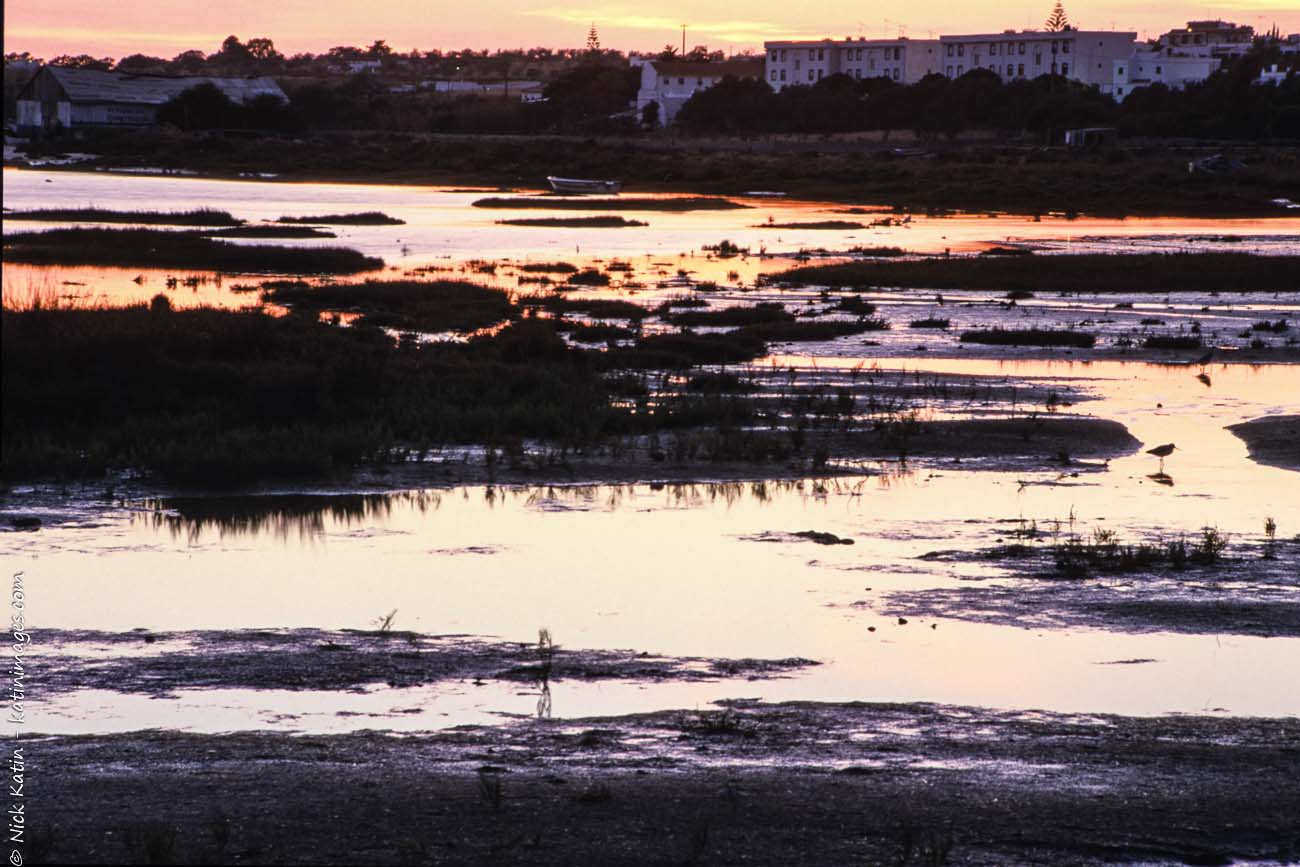
Coastal marshland at dusk near Faro in Southern Portugal
So let’s just recap on the tips 5-9: No 5 was a recap of the previous 4 which were briefly: 1. keep your camera on, 2. Turn off the flash, 3. Use auto ISO, 4. Avoid Camera shake by using the viewfinder if fitted or if not, by tucking those arms in.
So number 6: Select a tripod to suit your camera and lens and invest in a cable release or use the timer.
7. Don’t think that because someone has an expensive camera that they will create great images – it’s not the gear that makes great art but the person behind the camera.
8. Use RAW if you want great images but only if you are prepared to invest some time in front of the computer
9. Use JPEG if you don’t want to spend time in front of the camera, can’t afford big memory cards or need speed for quick successive burst shooting.
There are numerous other tips I could give but I’ll stop there and as from next week I will post my top 10 travel photography tips. However feel free to ask me a question on taking photos. I may not know the answer but I’ll probably know where to find it! Ciao
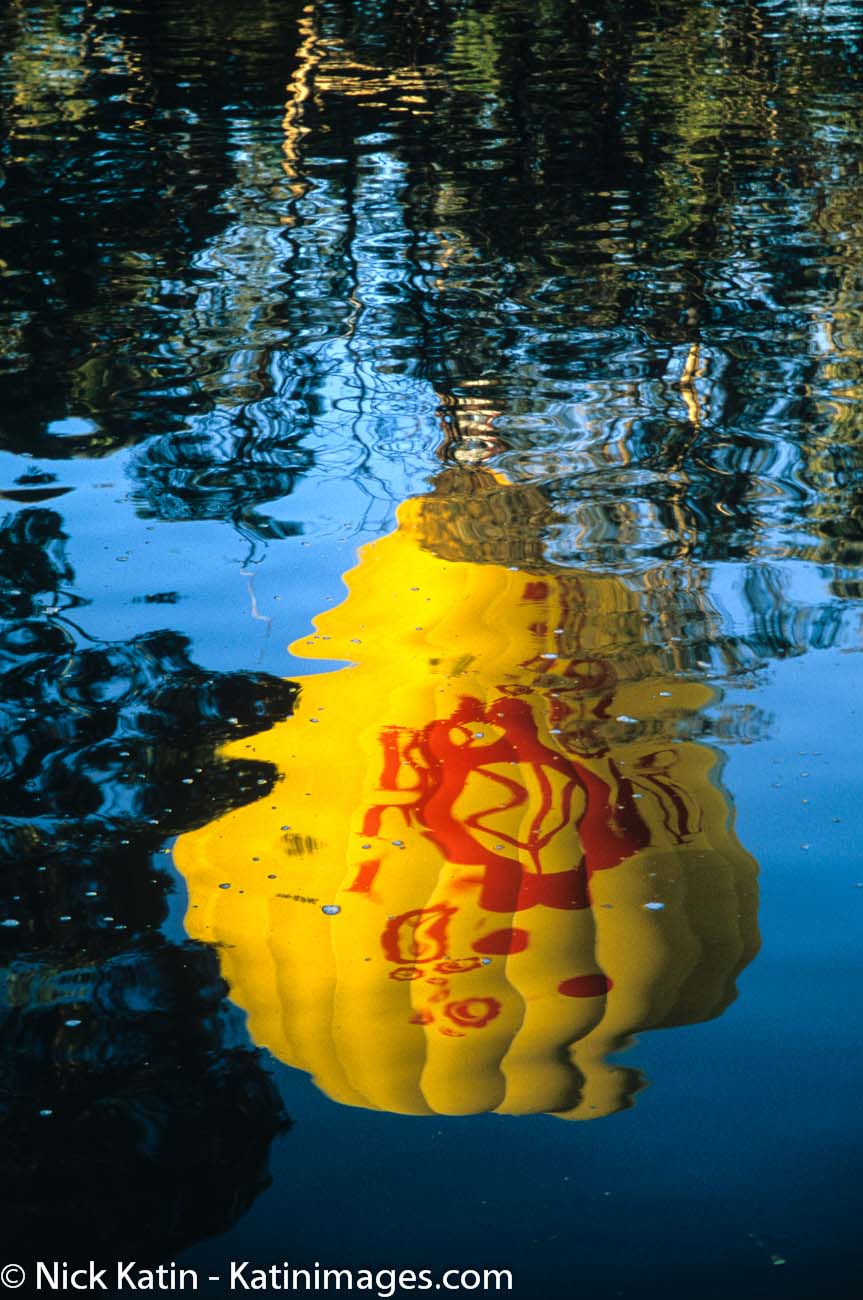
Yellow Balloon reflection on the Yarra river in Melbourne Australia
Want to put this on your wall or licence or share this photo email or contact us
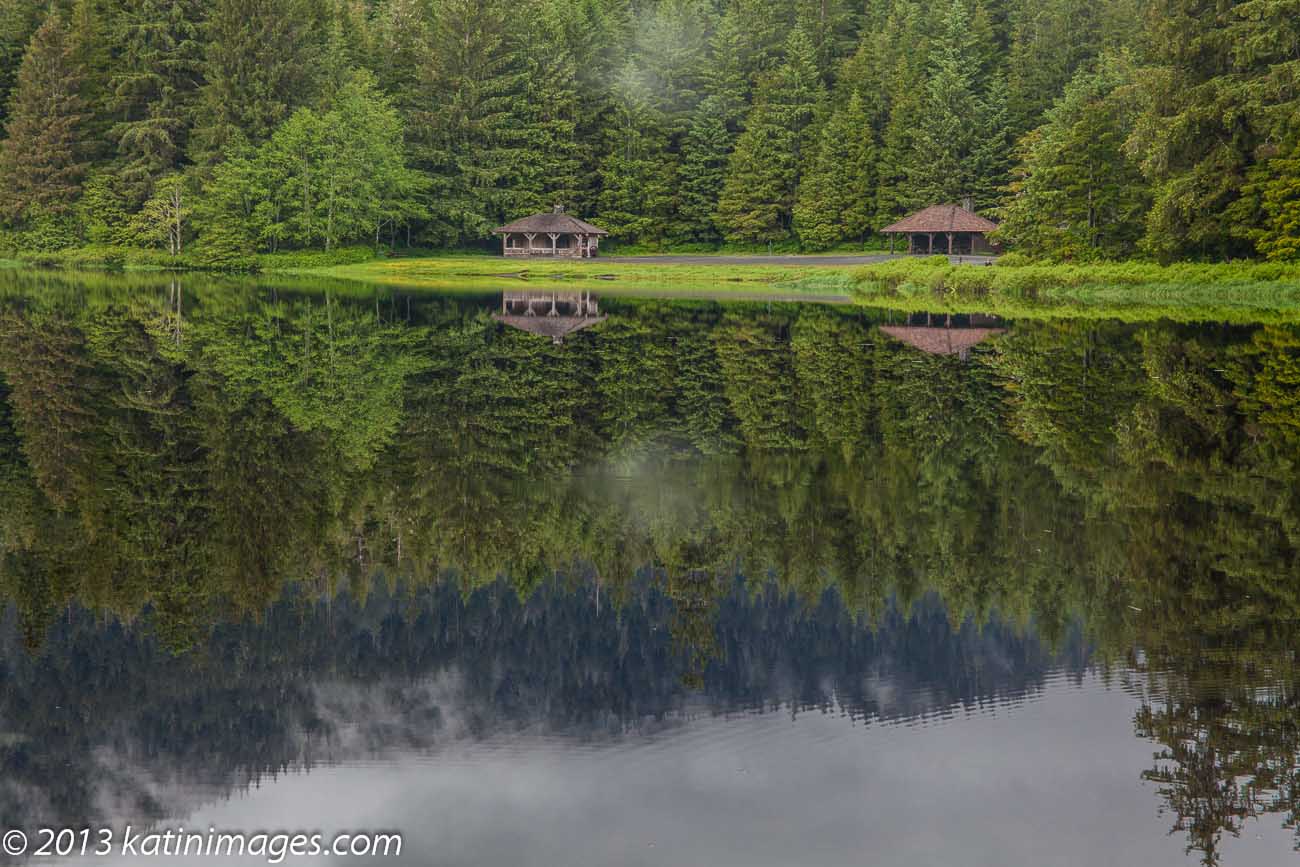
When we picked up a rental car in Ketchikan, the rental company owner wanted to take us out to this remote Lake about 18 kilometres out of town, insisting that it was one of Ketchikan’s hidden gems and great for a short walk. He was a bit of character and regaled us with his stories of his first time in Europe and other personal stories but once he finally left we discovered he was probably right. You can see from the ISO I used that the light was quite dim. 1/80 @ f16 73mm ISO 800
Ward lake near Ketchikan on the Alaska marine highway and inside passage.
Lake Ballard is long way from nowhere. Head north from Kalgoorlie in Western Australia’s goldfields and turn left after 150 k’s and eventually you hit Lake Ballard, a mostly dry salt lake. For a salt lake it looks much less like salt and more like red dirt. These sculptures were created by Anthony Gormley and originally only put there for the Perth International arts festival in 2003 but somehow they have remained as a tourist attraction. How many of you have spotted the Kangaroo hopping across?
Antony Gormley Sculptures on Lake Ballard, 200km north of Kalgoorlie in Western Australia
Firstly I have to say that despite having five tripods, I have a love/hate relationship with them! Its not just the carrying but the time taken to set up and get it positioned correctly and I’m quick! But it is worth it! There are lots of tripods on the market and they range from $10 to $’ooo’s and come in all sorts of shapes and sizes but ultimately you get what you pay for. Lightweight aluminium are fine for small compacts but they will vibrate in the wind. Carbon fibre are much more sturdy. Rule of thumb is buy one that has load capacity of your camera’s weight (preferably with the heaviest lens) plus 50%. Tripods used to come with the head fixed. Nowadays you can mix and match legs and heads. Talking of heads, I use a ball head but some like the tilt and pan which is probably better for video and action. Once on the tripod you have to remember that the act of your finger pushing the shutter button will make the camera vibrate, which kind of defeats the purpose of having it on tripod. Ideally you should use a shutter release cable but you can use the camera timer. Just set the timer for its shortest duration and away you go. Of course if the subject is moving then a cable is best so you can choose the moment and not wait 10 seconds. Ciao for now and go get a tripod!
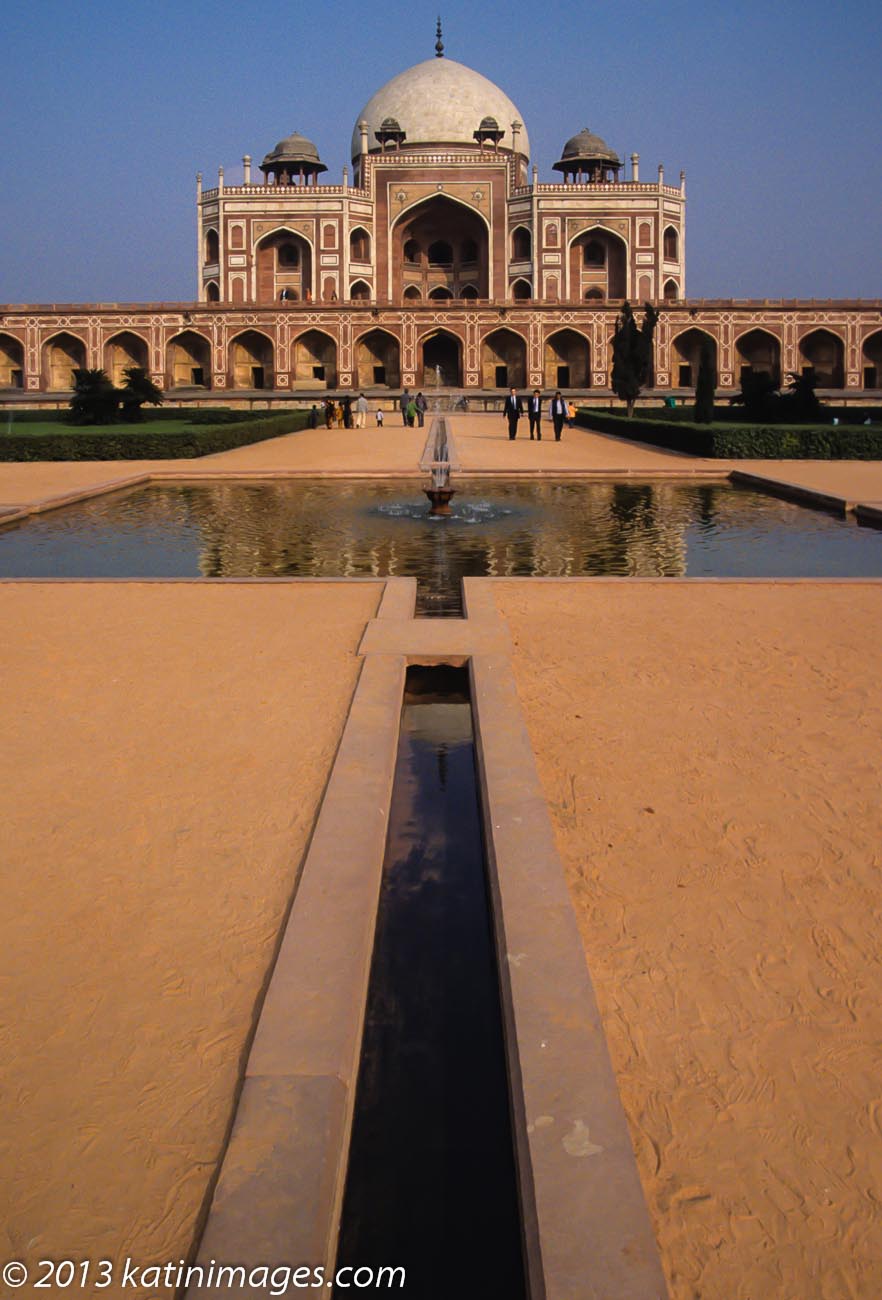
Humayun’s tomb. The tomb of the Mughal Emperor Humayun which dates back to the 16th century and is in Delhi, India
Tobuy a print of or licence or share this photo email or contact us
One of the great tourist activities in Alaska is going on a scenic fight. On the Alaska Panhandle (the bit that runs South east alongside the Canadian border) is the Misty Fjords National Monument, an area of, yes, you’ve guessed it Fjords. We flew from Ketchikan, the closest town, on a DeHavilland Otter seaplane. This one flew over the top and through the Fjords before landing on a lake and then back. The weather in Ketchikan was gloomy with drizzle and low cloud, so we were sceptical when the tour company told us that once you get away from the coast it would be clear. But they were right, well half right, there was still a bit of low cloud but it didn’t detract from clearly seeing some sensational scenery! 1/100 @ f8 75mm ISO 100
Flying above the Misty fjords near Ketchikan on the Alaska marine highway and inside passage.
Last year I travelled the inside passage on the Alaska marine highway. Not on a cruise ship but on the ferry from Bellingham, near Seattle, to Alaska. More on that in the future. Came back with a lot of images which I am slowly working my way through. The weather was at best, pretty awful to begin with but it made for some interesting skies and scenery. This one is an example. Its not as it appears at first glance, black and white. 1/125 @ f11 100mm ISO100
Camera shake! The enemy of a clear photo. Most people take pictures and look at them on the camera’s rear screen and think they are OK or even great. Its not until they download them and see them on their computer, laptop, tablet etc. do they realise they are a bit ‘fuzzy’ (soft is the technical term). That’s usually caused by camera shake. In other words the picture taker moved whilst taking the shot. My tip – if you have DSLR or micro 4/3 rds with a view finder, USE IT! Its much easier to hold the camera steady with the camera against your face than it is holding it at arm’s length. If you don’t have a view finder i.e. the majority of compacts and smartphones, then try to bring the arms back and tuck them into your sides. Obviously the other alternative is to use a tripod and I’ll talk about this on a future post. For now – Hold that camera still!!
Cameras need light and when there’s not enough of it the picture taker has a couple of options. A tripod is the preferable option and I’ll cover that in another tip. So lets talk about ISO. In the days of film you couldn’t change the ISO easily You had to change the film or using exposure compensation “push” or “pull” the film a couple of stops but you couldn’t change back again until you changed the film again. But now the ISO can be changed at a whim. All cameras, including compacts and smartphones these days, have an ISO setting. So there are two options. Have the ISO setting on auto which is fine for the majority of the time. But auto is usually set at a maximum of say 1600 which may not be high enough. Alternatively change the ISO setting to suit the conditions. E.g. in low light select a high ISO. However whilst the top end DSLR’s have amazing results from ridiculously high ISO’s there are some models where grain or noise becomes more pronounced the higher you go. So its worth taking a few images at various settings to see how your model performs at high ISO’s. Having said that grain does add mood to certain scenes. For now though, find that ISO setting!
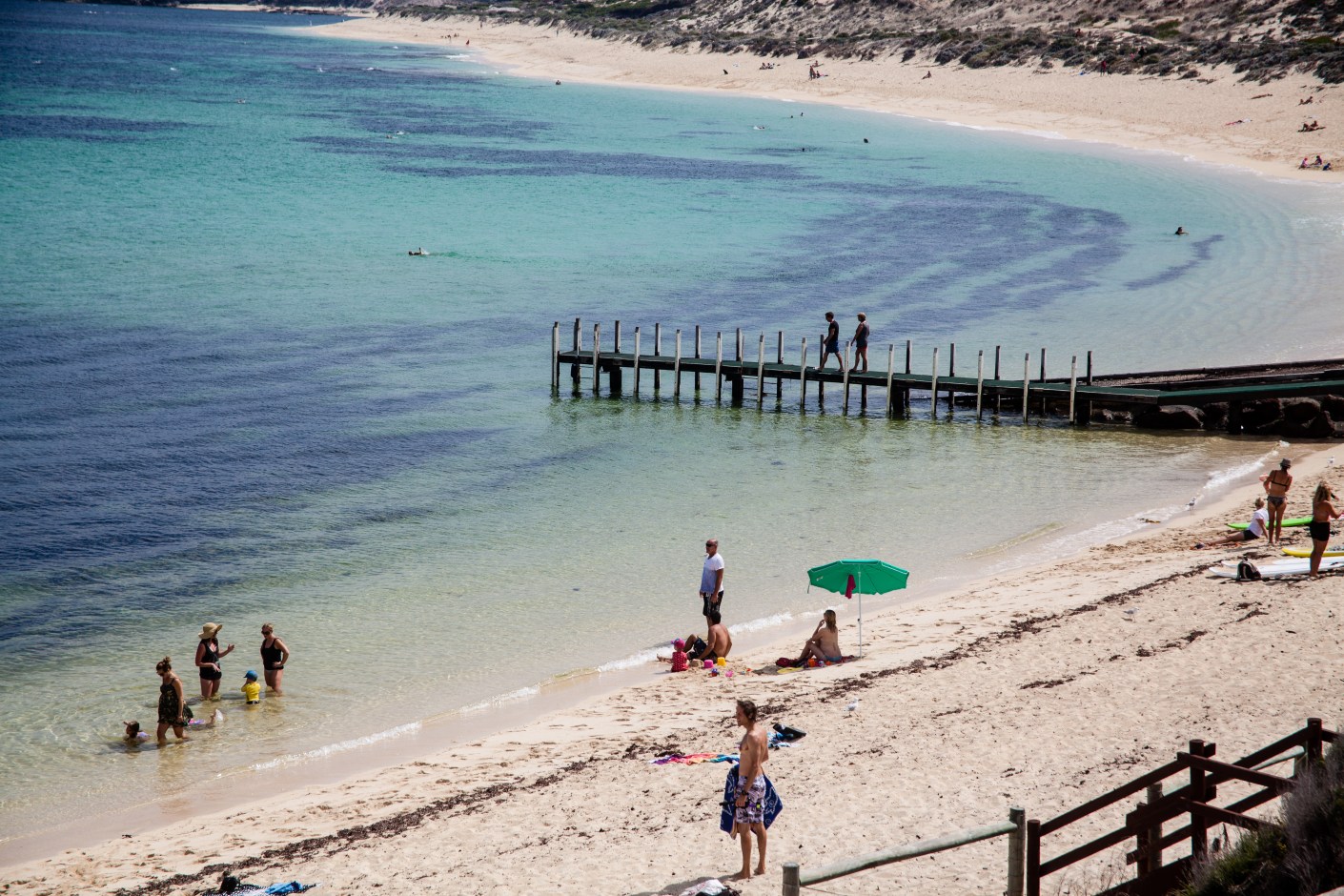
I’m off to Bali soon for a long weekend and some RnR. Its only three a bit hours by plane from Perth. I’m also intending to add to my growing Bali image collection. This one was taken at the hotel Seminyak in of course Seminyak. Seminyak is the most western town in Bali with a big population of Aussie ex pats, designer label shops and the best restaurants on the island. In fact its fast becoming a culinary paradise with an influx some excellent international chefs who now have interests there. 1/320 @ f9 42mm ISO100.
Merry Xmas to all you out there! I hope to bring you some different images and info next year.
For all of you in the snowy and cold parts of the northern hemisphere I’ll be somewhere like this on xmas day morning (and as its going to 38C (100F) for the next 7 days) probably every day for the rest of the week!
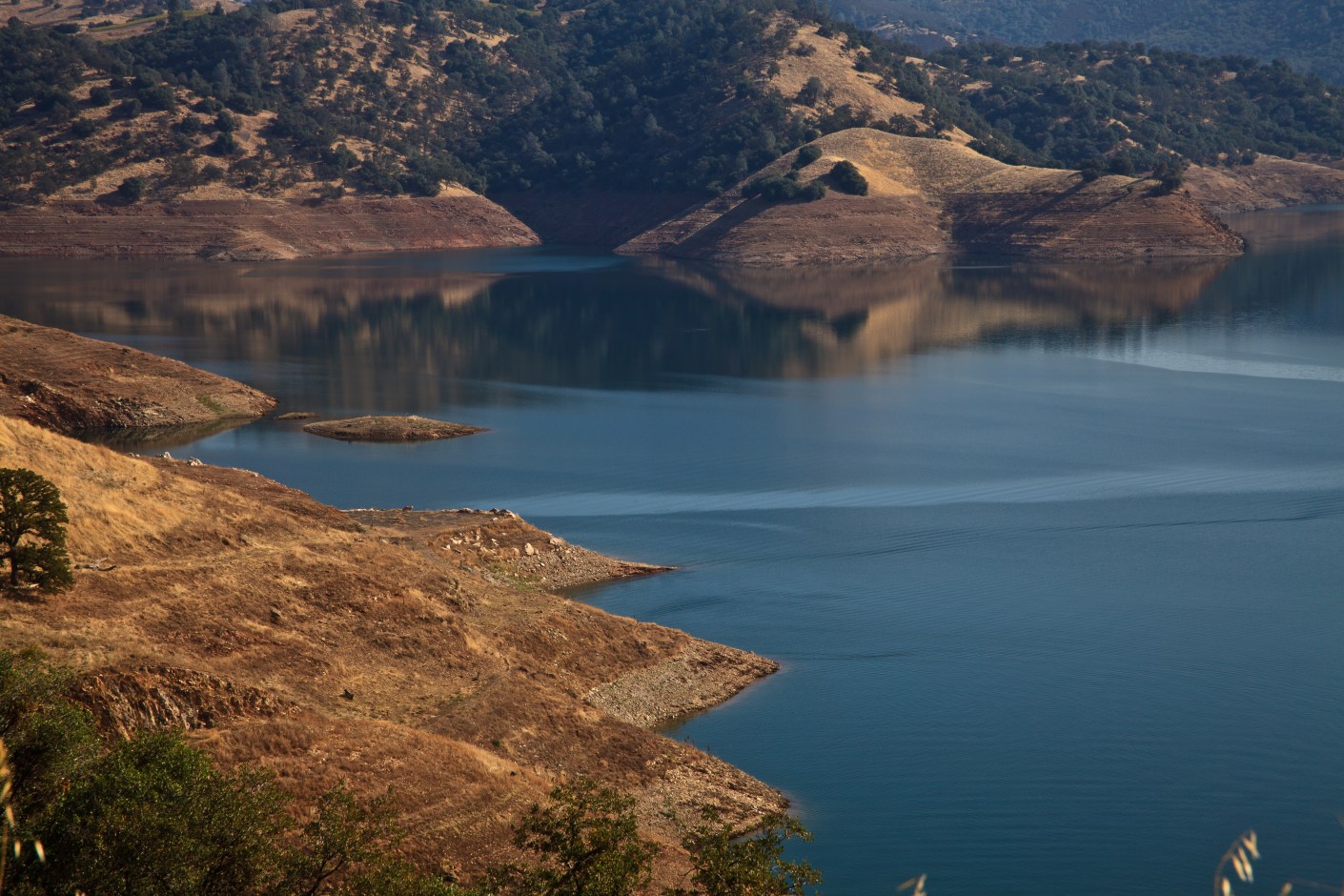
On the the Golden Chain highway that sort of runs from Sacramento south to Yosemite is an area of lakes and reservoirs. This particular patch of water is part of the very large Don Pedro reservoir that snakes close to the road so we were able to get a close look at it. As it was reasonably early in the morning I took a punt on leaving the polariser off so that I didn’t interfere too much with the reflections. 1/100 F16 85mm ISO100
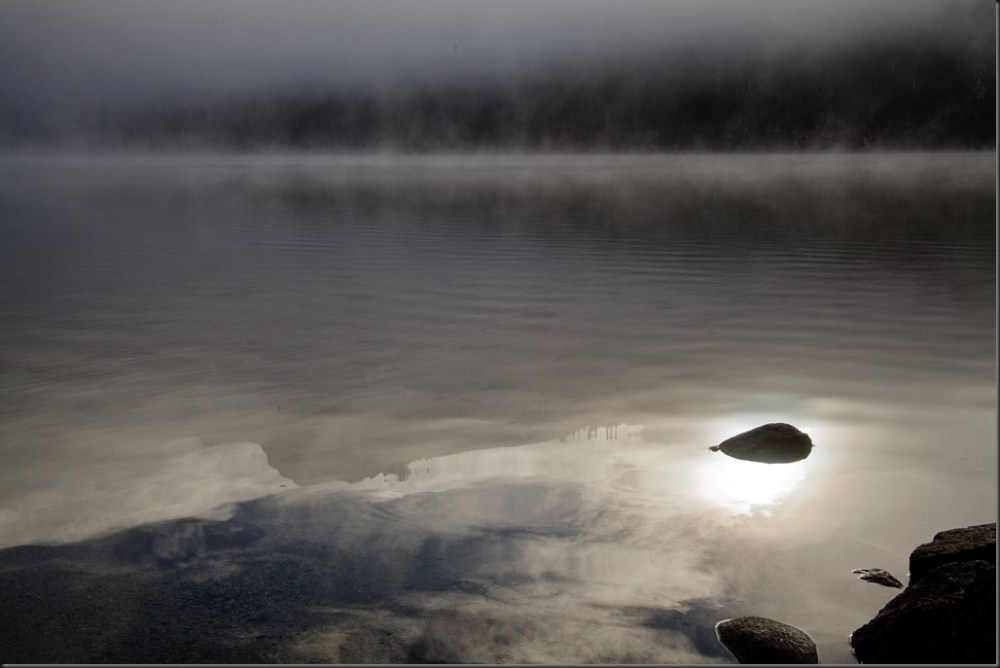
The only road out from the eastern side of Yosemite is, Highway 120. It climbs up to a height of over 3000 metres through the Tioga pass. Lake Ellery was one of two lakes near the roadside just before reaching the highest point. It was early morning and the fresh clear air made for good picture making.
If you look close enough you can see see the reflection of snow topped mountains in the foreground – beautiful!















 Katin Images Travel Photography