Katin Images Travel Photography

Travel Photos, Travel Photography Tips and Software

Tag: product photography

  • Why you need good Photography to sell Wine.

    Why you need good Photography to sell Wine.

    Why you need good Photography to sell Wine.

    Do you produce wine but are not sure how to display it?

    Are you in marketing and are struggling for the best way to market your wines or the wines of your clients?

    When browsing the wine store for the evening’s bottle of wine how many labels do you recognise? One, two, three if you’re lucky?

    What about the corner liquor store or wine merchant, what do they push your way?
    Don’t get me wrong some wine shop assistants are excellent but most go with the wines they are familiar with and a lot are only familiar with the label, not what’s inside the bottle.

    If any of this sounds like you then read on.

    Because Photography is just not taken seriously enough by the vast number of wine producers!

    The wine industry is highly competitive and whilst you can have the best made wines from some of the world’s best vineyards, it doesn’t mean that it will sell.

    Like any product it’s not just the quality but increasingly image!

    Just look at how the wines of Bordeaux and Burgundy sell.

    What about Grange from Australia? Or Mondavi from California, Guigal from the Rhone Valley.

    Then there are regions,

    Sauvignon Blanc from Marlborough, Pinot Noir from Oregon and Central Otago.

    I could go on and on!

    The point is that these wines are all about image and in some cases prestige.

    I’m not here to educate you on how to position your brand, only you can do that but what I can tell you is that you need great images to help formulate your marketing strategy.

    Bottle of wine with glass at angle
    Bottle of wine with glass at angle

    OK how do you create a brand image that make people want to buy your product?

    Where are these images displayed?

    Well obviously, anywhere that sells wine but before that, the vast majority of potential customers will come across the image of your wine or winery somewhere online.

    And more and more its social media channels that wine consumers will see wine and winery images.

    Instagram, Snapchat and Pinterest are the most visual whilst Facebook, Google + and LinkedIn have both visuals and information and let’s not forget YouTube and Twitter and apps like Vivino.

    Then you have blogs, winery websites, reviewer’s websites, online magazines, etc. all of which, by the way, now need to be mobile friendly, so the online space is really where you need good images for consumers to share.

    What’s a good image or photo?

    Studies have proven that we as human beings remember things that are connected with our emotions whether it be curiosity, anger, sadness, happiness, laughter etc. so an image needs to be memorable.

    Think of one photograph you remember, maybe it was of friends, family, travel, or a photo you saw in a magazine or online somewhere, I’ll bet another 1000 words that it evoked some sort of emotion.
    That’s what I’m talking about!
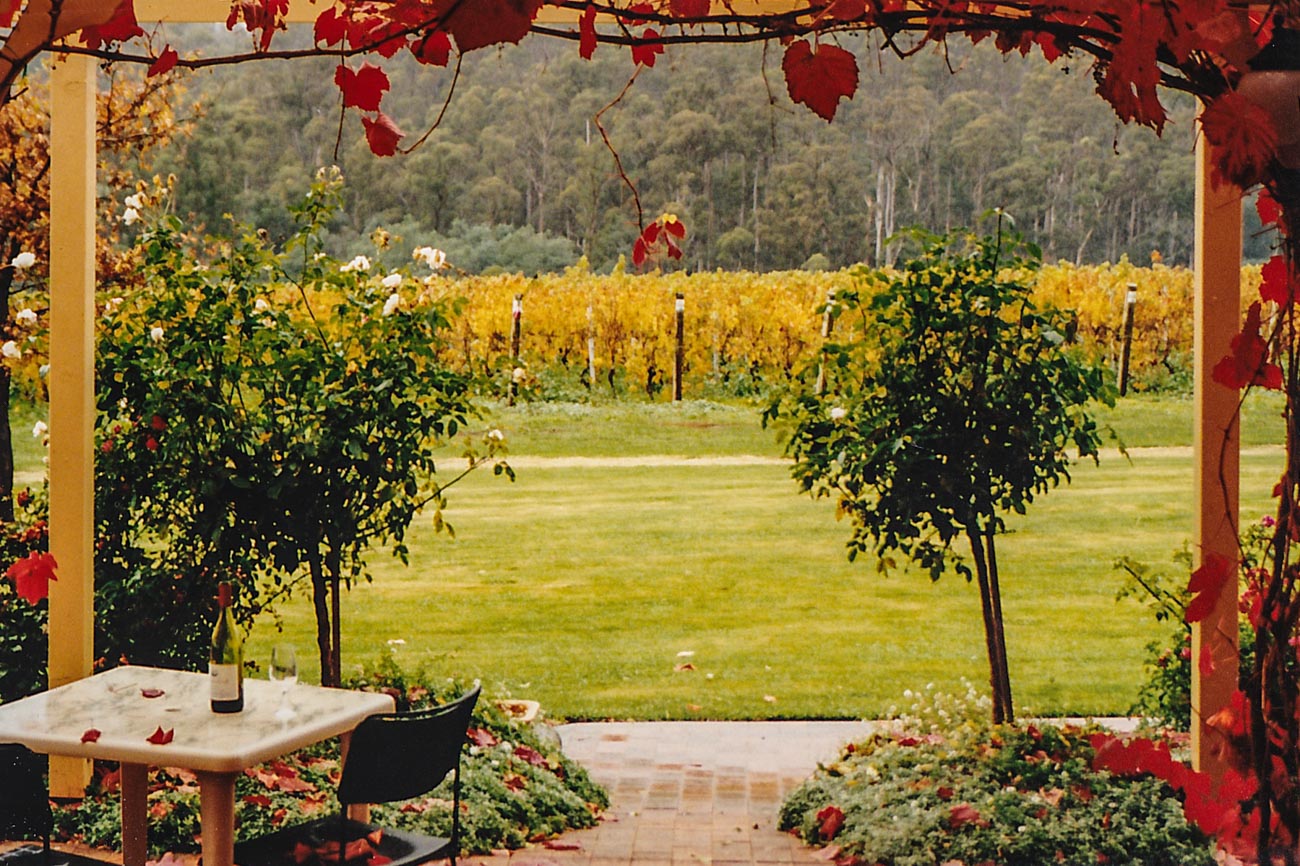
    Table and Vines in Winery
    Table and Vines in Winery

    What to do about it?

    You must produce visual content that helps you stand out.

    Have images that help evolve your brand and tell a visual story of who you are.

    The key to that is to see visual moments everywhere.
    Behind-the-scenes peeks are becoming popular with some of the big brands.
    For example, active photos that show real customers or employees doing real things — as opposed to staged shots or logos.

    Vine leaf
    Vine leaf

    Of course, someone still needs to push the shutter button and that can be by engaging a good photographer.

    Many organizations have photographers they contact in times of need — for events, product launches, etc. But that makes Photography a bit of an afterthought.  

    And will they be able to capture the essence of what you are about?
    The other option is to DIY.

    All you need is to start is good technique and a good eye, assuming that you have a camera. These things can be taught to anyone who is willing to learn and follow specific instructions.

    Don’t get me wrong this won’t get you to the levels of the greats, they spent years honing their craft, but you can quickly and easily get to the stage where your photos become the envy of your peers.


    Do you agree? Is Photography an afterthought for a lot of wine business? Feel free to add your tips and opinions below. I would really like to hear them.

    For some good examples of photography on some wine websites see http://www.timatkinphotography.com/

    http://www.vinography.com/archives/vinography_images/

    https://www.jordanwinery.com/

    https://www.burchfamilywines.com.au/trade/images.aspx


  • Buying a new camera? Then read this

    Buying a new camera? Then read this

    Once upon a time I had zero interest in photography but as we were going on the trip of a lifetime I figured I should get a ‘decent’ camera.

    I went to a local camera store and spoke to the guy there who had been to some of the places we were intending to visit.

    He came up with a camera and a lens and a couple of other bits like a couple of filters etc. and said this what you need and it’s going to
    cost you $1000.00.

    So, I bought it and got hooked on photography.

    Now was that the best camera for me?
    Could I have got a different camera cheaper but with same quality?

    Possibly.

    Now, granted this was pre-internet and digital cameras, so research was a lot more time consuming. New camera models didn’t get
    released every 6 months or so as they do today.

    But I trusted him and I guess it did the job.

    But 18 months later I had upgraded and had a top of the range camera and sold the original one at a second-hand photo market.

    So maybe it wasn’t the right one.


    What you shouldn’t do


    Since then I have bought many cameras and used them for various applications.

    In doing that I have developed a fairly simple set of questions to ask when buying a new camera.

    Let me go over what most will do when buying a camera.

    First, they spend hours trolling through reviews and checking places like Amazon or B & H for the best price. 

    Then they may go into a camera shop and screw the salesman into giving them the best internet price.

    Then they buy and off they go. 

    Alternatively, they buy online if they couldn’t get the deal they wanted at the bricks and mortar shop.

    What’s wrong with that?

    Well most people wouldn’t buy a car that way or even a TV.

    Buying it that way means that the camera ends up sitting on the shelf unused. And then they blame the camera manufacturer or
    salesperson for making the damn thing so complicated.

    You see everybody is different when it comes to comfort levels and abilities (and lots of other things as well, of course).

    How do you know it’s the right camera for you? If it’s sitting on your shelf unused it’s not the right camera!

    Buying a new camera? Then read this

    The Smartphone factor

    I know a lot of people have gone for the convenience of using their smartphone instead so the camera they originally bought is
    now redundant.

    Don’t get me wrong I’m not against smartphone cameras, I use mine all the time.

    But there are lots of applications that a smartphone won’t pass muster on. That’s a future post I think.


    What you should do


    Here’s my system

    1 Be clear on what you are going to use it for.

    Here’s some questions for you to answer:

    Q Do you want images with Bokeh (where the background is blurry but the subject is in focus)?

    A For best results get a full frame DSLR or Mirrorless (not many Mirrorless have full frame) with a ‘fast’ lens. What’s a fast lens?
    Well a lens that has a small f stop number of say F3.5

    You could also get crop sensor camera with an ‘fast’ lens but it needs have a low F stop number of at least 2.4

    Q When would you use it?

    A Taking product shots or maybe portraits of your employees or yourself


    Buying a new camera? Then read this


    Q Are you going to take action images

    A You will need a camera that has a high number of FPS (frames per second). Depending on the action 6FPS should do but you
    can go as low as 4FPS

    Q When would you use it?

    A For freezing motion or multiple shots of an action scene (see examples)

    Q Will you be taking workplace shots

    A The good news on this is almost any camera will give you images of people in the workplace. However, you may want to go for
    one that has a reasonably high MB (Mega Pixel) if you are using this for print publications.

    12Mb is the lowest you would go.

    Q When would you use it?

    A Taking groups of workers either in posed or casual situation depending on the sort of image you are trying to portray.

    Q Will you be taking Landscapes

    A You can take Landscape images with pretty much any camera including the smartphone. However, if you want good quality and
    flexibility then an interchangeable lens camera with a wide-angle lens that will go at least as wide as 24mm (in 36mm).

    You’ll also need a tripod.

    This is because to get a Landscape in focus you usually need a high F stop number. A high F stop number reduces the amount of
    light and therefore will increase the chances of camera shake blur.

    Q When would you use it?

    A Plenty of examples out there for using Landscape images.

    Wineries or Breweries in scenic areas. Restaurants, Accommodation etc. etc.

    Anything that needs a sense of place and a scenic backdrop


    Buying a new camera? Then read this


    2 How much can you afford?

    Pretty obvious I guess but worth mentioning anyway.

    No point taking out a loan or getting into debt over a camera.

    Especially if it’s your first one.

    After all you may decide that it’s not for you and it gets consigned to the shelf in your office with lots of other redundant tools.

    You can get a pretty decent mirrorless or even a DSLR camera for less than a $1000 including lens.

    3 Try before you buy

    This is the most important factor. Your comfort level with any device will determine how much you use it and what you will get out of it.

    Go into a camera shop and test drive cameras within your budget that will give you the features you want, decide on the most
    comfortable and buy it.

    Does the grip feel good?
    Is it easy to turn to portrait or vertical mode?
    Does the weight seem too heavy, too light or just right?
    If it has a viewfinder, does that fit comfortably against your eye?
    Can you see anything trough it?
    Is the rear screen easy to see? How easy is it to see when you are holding it?
    How easy is it to adjust the dials and access the menu/s?

    Now I know some of you will try before you buy in the shop and then jump on the web and buy from the cheapest online outlet.

    But just remember you wouldn’t be able to test drive it if the shop didn’t exist.

    By all means shop around online but a least give the shop an opportunity to match it or get into the ball park.

    So to summarise do yourself a favour and ask these 3 questions before you decide which camera to buy:

    1 Be clear on what you are going to use it for.

    2 How much can you afford?

    3 Try before you buy

    As an example there is no point getting an expensive DSLR that will give you those ‘bokeh’ shots (where the background is all blurry)
    if that’s not how you are going to use it.
    You’re just wasting your money.

    Likewise, no point in getting a small compact or smartphone if you do want that ‘bokeh’ because you’re not going to like the results.

    There are other questions that could be asked but let’s not confuse the issue too much.

    If you want to know more then go to these posts:

    The essential feature to have on your camera

    4 features you must have on your camera

    8 features to have on your camera

    The 6 features you don’t need on your camera

    You can get these all in a PDF by going to Camera Features Guide

    From a stock photography point of view then this post may also be worth reading:

    A Basic Stock Photography Equipment List

    Be really interested in any comments you have. Just drop them in the section below.


  • How to make the subject in your stock photos stand out

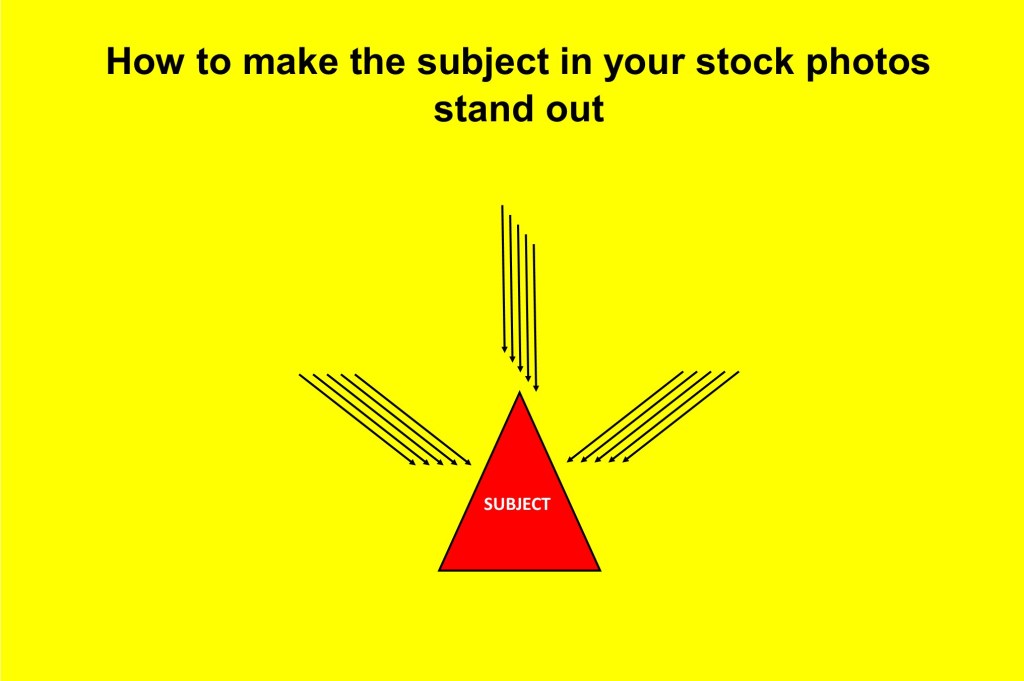
    How to make the subject in your stock photos stand out

    In a recent post, Looking for stock photos? Here’s how to take your own, I listed the Four Basic Elements of Stock photography:

    1 Background

    2 People (Model/S)

    3 Subject

    4 Involvement

    I covered Background in How to create the right stock photo background

    I also covered people in How to put People in your Stock Photos

    Now this where you will learn how to make the subject in your stock photos stand out.

    There are 5 points that need to be considered and the first of these is:

    Style

    So, you are shooting your own stock photos. What’s your style going to be?

    As the marketing guru that you are, you may try to have two styles. One for the actual business you are marketing and the other photographically, i.e. your point of view, how you see the world.

    Be careful on both of these, having two styles can be in conflict.

    If you are a business owner that is looking to get your product or service out there, then choose that as your main style.

    Otherwise the photographer in you may get in the way. Remember why you are doing this. Don’t lose sight of the fact that you are seeking to create a piece of art that is going to help your business. Not a piece of art for the sake of creation.

    Of course, everyone’s style is different.

    Let’s say we have 2 photographers taking pictures of China as a travel destination.

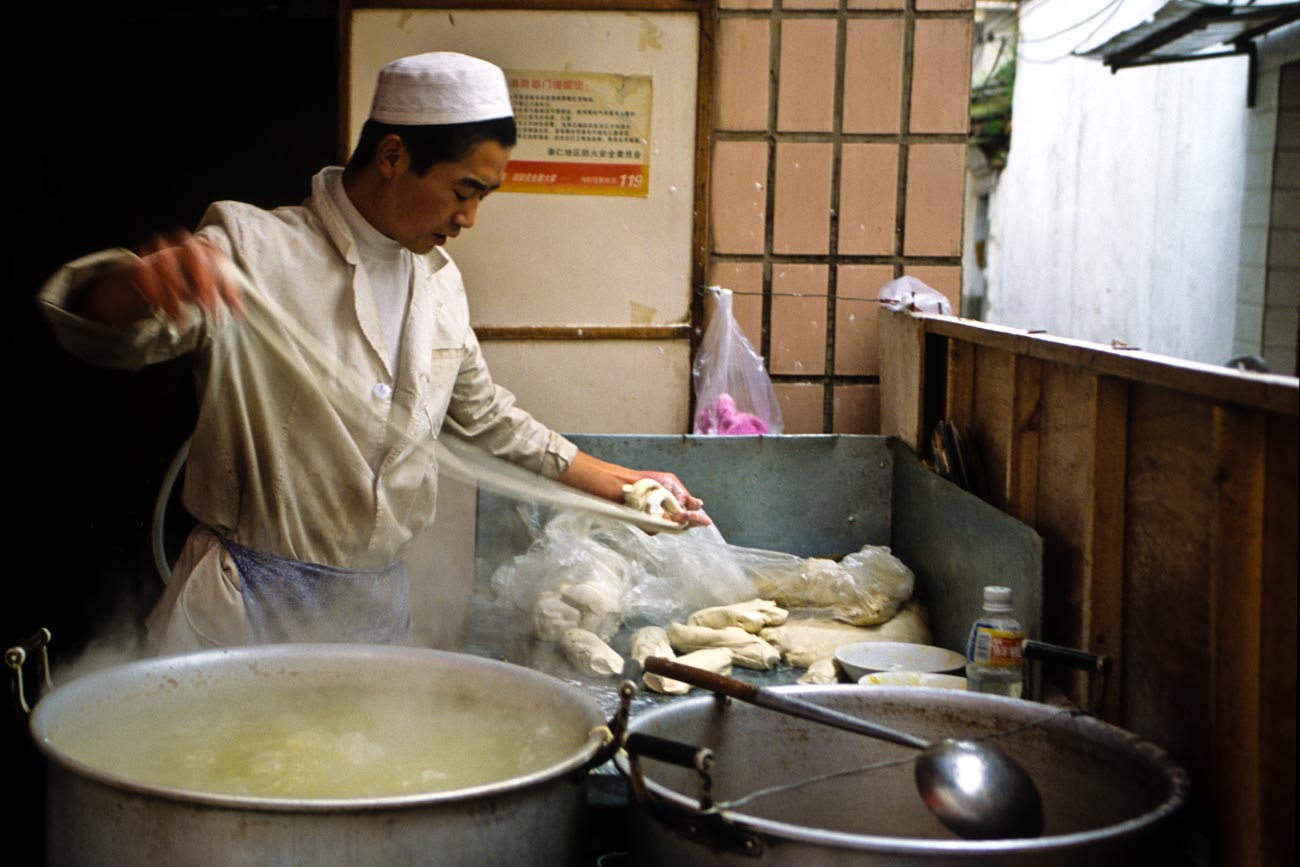
    One takes pictures that tell stories of how people live in China. Their photos give information and understanding of the Chinese culture.

    The other photographer chooses to make China look attractive and appealing to visitors and tourists alike.

    How to make the subject in your stock photos stand out
    At a small restaurant in the Flowers and Birds Market on Jingxing Street in Kunming capital of the Yunnan province of China.


    As you can see each of these photographers has a different way of looking at the same subject. That’s their style

    Concept

    A concept is the idea or emotion that the photo represents. Your concept may be to depict how easy it is to use your service or even how to use your service. Or it may be how beautiful and attractive your product is. By product that can mean anything from a piece of jewellery to a travel destination.

    Some common concepts can be:

    Achievement, Teamwork, Competition, Values, Trust, Stability or Tradition plus many more.

    Symbol

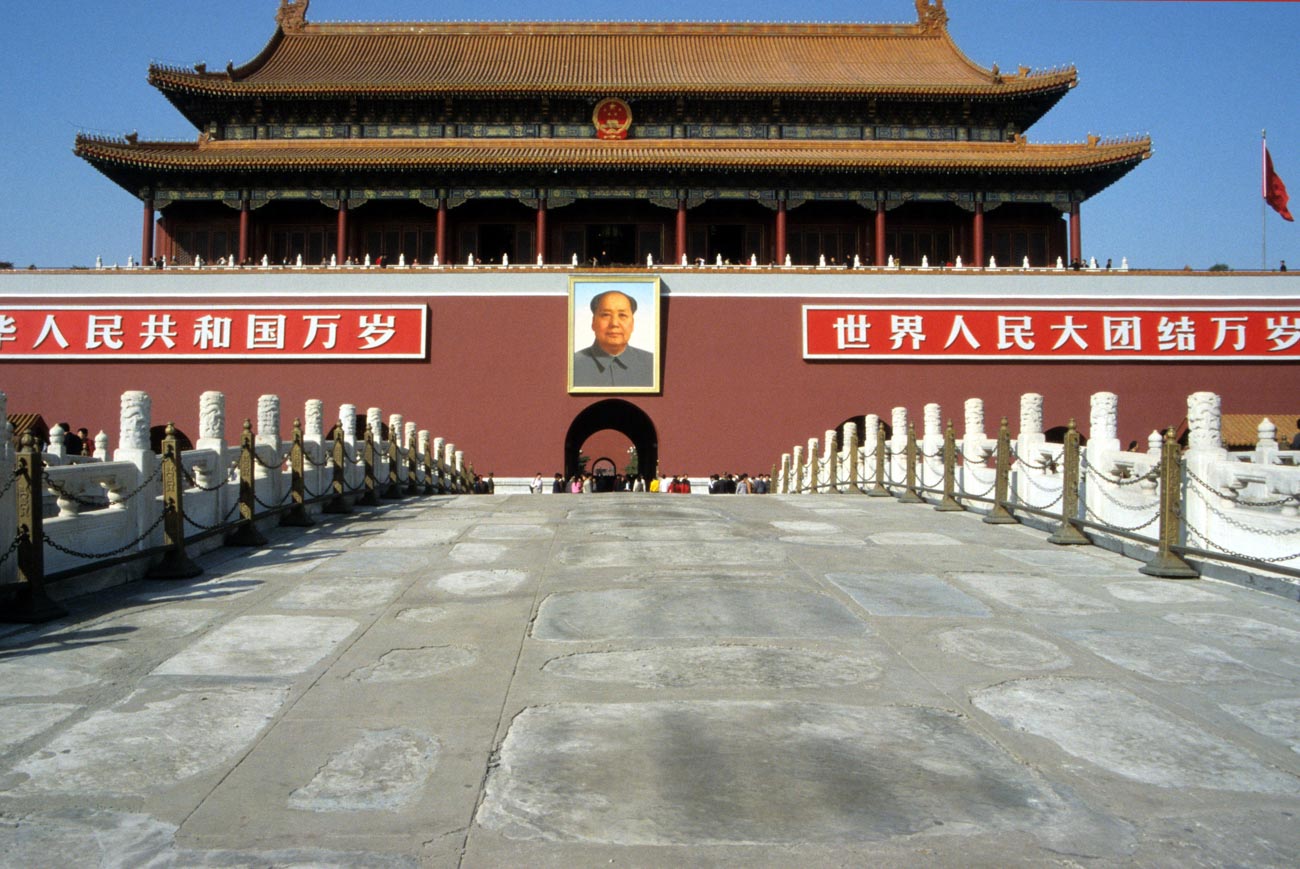
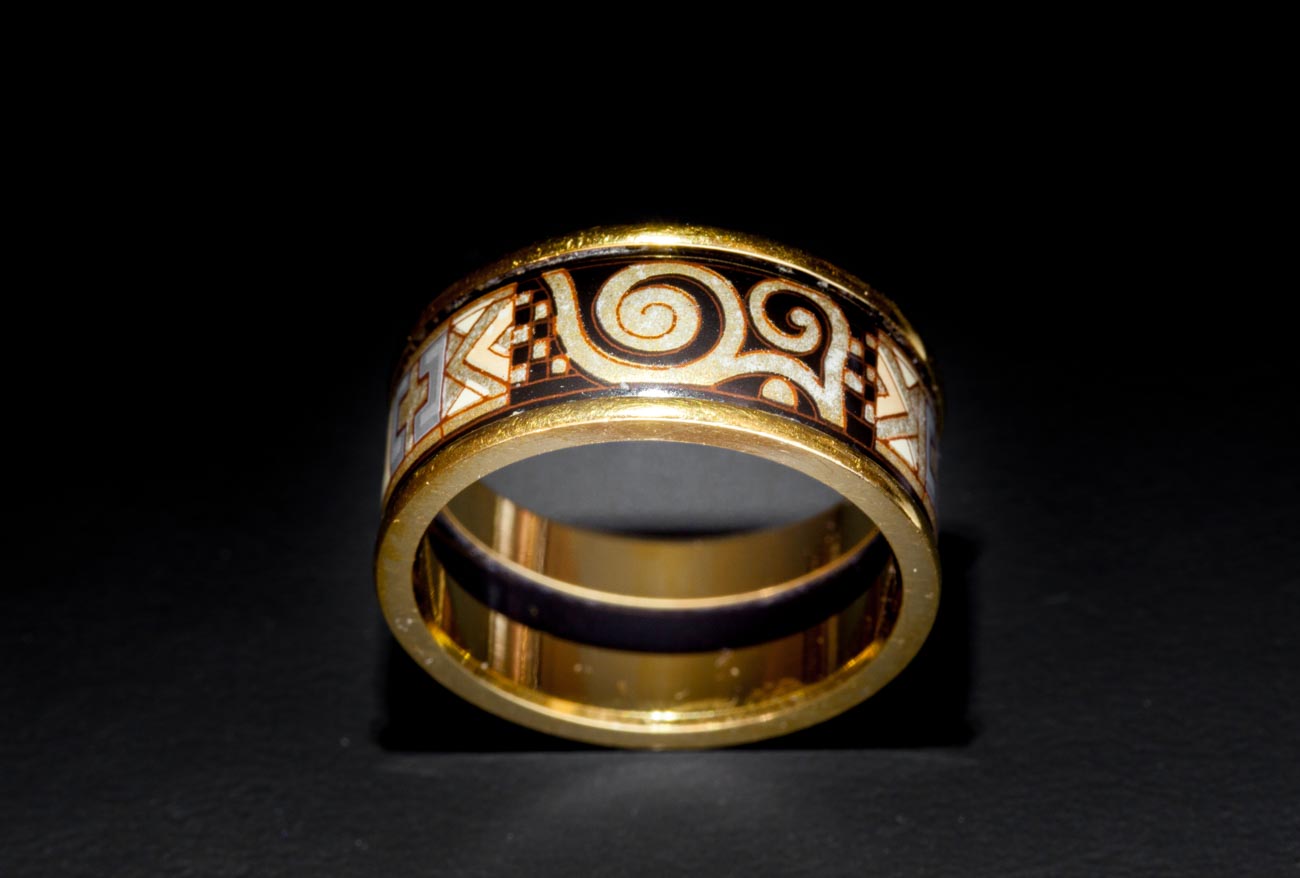
    The symbol is how the concept idea or emotion is portrayed. Painters and Sculpturers have been using symbols for centuries. Have a think about the best symbol to use to get across your message. In the China example above you could incorporate some of China’s main tourist attractions or monuments as a symbol. Or if you had a piece of Jewelry then how it looks on your model would be a possible symbol

    How to make the subject in your stock photos stand out
    Tiananmen Square – Gate of Heavenly Peace

    Often symbols are less obvious. Like some of these:

    Sports may mean business competition or pushing to the limit

    Shaking hands may mean cooperation, partnership, trust or honour

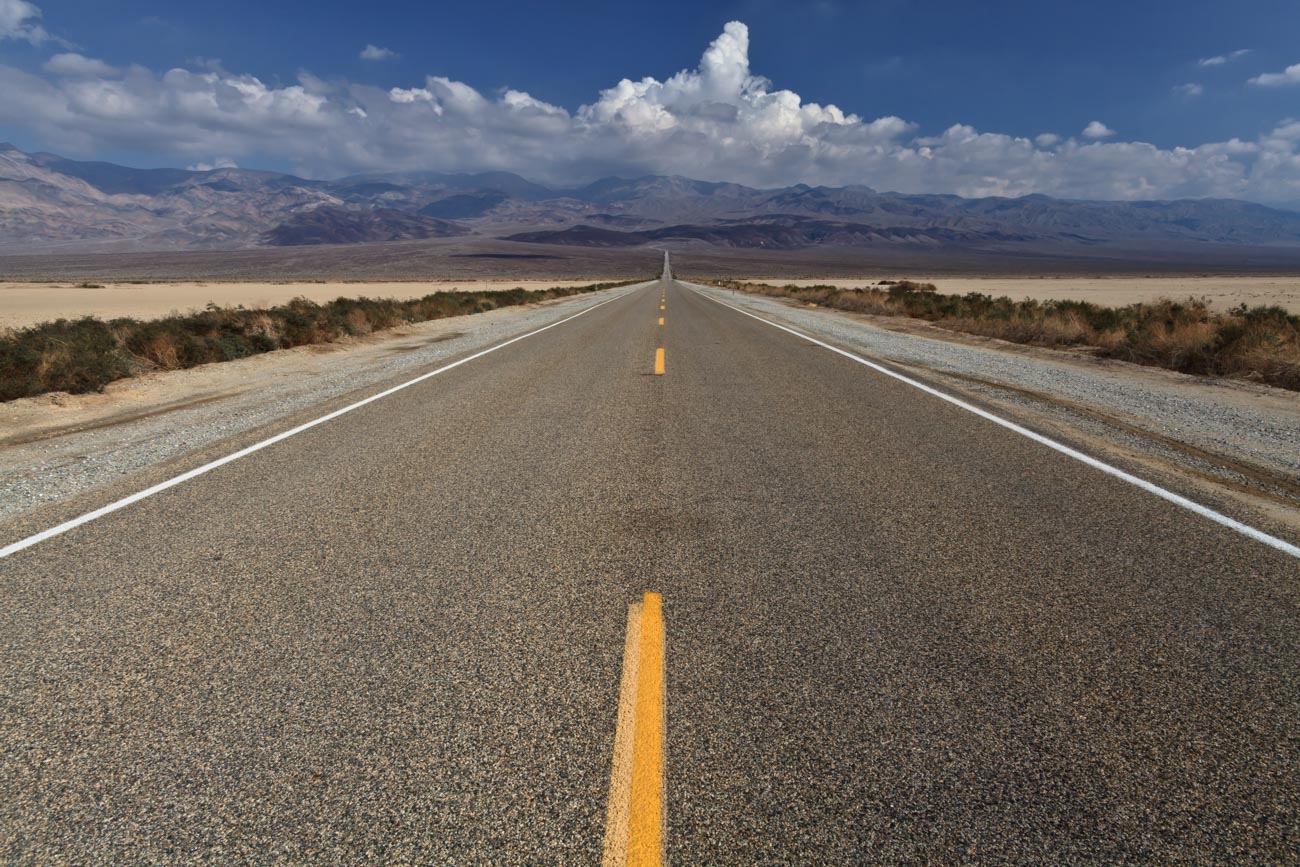
    A road may mean straight & narrow, mystery, adventure or even the unknown

    How to make the subject in your stock photos stand out
    Death Valley NP California, USA

    Subject matter

    For you the subject matter is pretty much what you are looking to sell. That’s right sell. If you don’t show the product or service that you want someone to buy then you’re wasting your time. Ever watched an ad and wondered what the hell that was about? Sometimes that’s a deliberate ploy by the marketing company to capture your curiosity. More often than not it doesn’t work that well. I go back to the old KISS principle. Keep It Simple Stupid! You have less than a second to get your point across. Don’t waste it on some abstract idea that no one understands.

    Central theme

    All these items come together to give you your theme and the theme as I said in the previous paragraph should be bloody obvious. But (always a but) there nothing wrong in conveying a them that can interpreted in several different ways. It shows that the photos is interesting and can hold the viewer just a little bit longer to take in the full extent of your marketing message.

    Conclusion

    So in conclusion it’s important to think about these factors in a stock photo:

    1 Style

    What’s your style?

    2 Concept

    What’s the idea or emotion you want portrayed

    3 Symbol

    Once you have decided on the concept what symbol are you going to use to portray it

    4 Subject matter

    What are you selling? Make sure it doesn’t get lost in the story.

    5 Central theme

    Make the theme interesting so it holds your viewer longer than the nano-second we all seem to give an image to reveal itself.


    Thank you for reading this article. If you know anyone who would enjoy it or find this useful please share. They’ll thank you for it.

    And now that you have got this far, keep scrolling down and subscribe to my newsletter where you will get info not found elsewhere. I’ll even give a guide for your trouble.

    You can share your stock photos and ask questions in the comments below. Just be open to different opinions.


  • Make sure your Product Image speaks for itself with this Photography Checklist

    Make sure your Product Image speaks for itself with this Photography Checklist

    So, you think that you’ve taken some great photos of your product. 

    Who wouldn’t want to buy your products with them looking like that.
     
    You’ve looked at your competitor’s best photos. Worked out how you can improve on those with some great composition and processing.
     
    The lighting was perfect, the colour is great and you’ve got that sort of blur going on in the background.
     
    You’ve posted them onto your website, facebook and Instagram and sent a link to Twitter.
     
    You’ve nailed it!
     
    All you have to do now is wait for the orders to come.
     
    But will they?
     
    You see we live in a world of images and instant gratification.
     
    And the problem is that you can never completely get it right.
    Not for everyone, not for your potential customers and not even for you, if you’re honest.
     
    The old saying “you can please some of the people some of the time but you can please all the people all the time” rings true in this case.
     
    The trouble is if you don’t please some of the people then you don’t make sales.
     
    So, you must aim to please as many as you can.

    Make sure your product image speaks for itself with this photography checklist

    But first things first let’s go back to those great photos and check again;
     
    This is a check list of what to look for in a product image:
     
    1 Composition
     
    How many times have you seen a photo and thought that there is something not quite right?
     
    Usually it’s the composition.
     
    The photos that have moved you will be because of their great composition.
     
    Look and study the photos that you have hanging up in your workplace or home. You choose them because you like them and because they have a strong composition.
     
    By using angles and lines, foreground subjects and colour where they exist, you can create a strong and imaginative composition of a photo.
     
    Have you got the right angle?
     
    If applicable, can you see the label?
     
    Does it show what the product does?
     
    2 Story
     
    Do your images tell a story?
     
    A story could be, as an example, showing how a piece of jewellery is worn or giving a sense of scale.
    I recently looked online for some earrings for my wife and I choose the ones that had images of them on a model.
    And that’s because I could see the size and the way they look when hanging.
     
    3 What’s in the frame?
     
    Are there unwanted elements in the photo?
     
    What about the product positioning against the background?
     
    We’ve all seen (and taken) those holiday snaps with the leaning tower of Pisa appearing to grow out the subject’s head.
     
    Can you see anything in the background or foreground that might be distracting?

    Make sure your product image speaks for itself with this photography checklist

    4 Light
     
    Is the light on the product side lit or front lit? Either way is it lighting the part of the product that reflects the ‘best side’.
     
    Have you looked at the image on different monitors, tablets and mobiles?
    You will be surprised at how the brightness and contrast vary depending on the medium you are viewing.
     
    5 Clarity
     
    Does the image look crisp and clear?
     
    Blow up the image on the largest screen you have. See if there is any sign of unintended blur.
     
    It may be around the edges of your subject.
    Or is it at the front of your subject? e.g. If it were a portrait would the nose be ever so slightly out of focus.
     
    6 Post processing
     
    Does the colour look real or is it over or under saturated?
     
    Has it got the “WOW’ factor?
     
    Nothing wrong with either but it’s what lends itself to the product.
    If it doesn’t look real it may not convey the right message.

    Make sure your product image speaks for itself with this photography checklist
     
    That’s just for starters! You could go deep in reviewing your images.
     
    Remember that you have to put yourself in your customers shoes. Ask yourself “based on the image and the copy with it would I buy that?”
    If you feel you can not answer this without bias then ask someone else to review it and answer that question.
     
    Post links to your images in the comments below if you want some feedback from me or other readers.
    Want to keep this article? You can get an accompanying checklist from here or the box below.
    While you are at it why not share this article with someone who could benefit.
    And don’t to forget to subscribe in the top bar for more ways in which I can help you sell more.