Katin Images Travel Photography

Travel Photos, Travel Photography Tips and Software

Tag: Photography for Business Owners

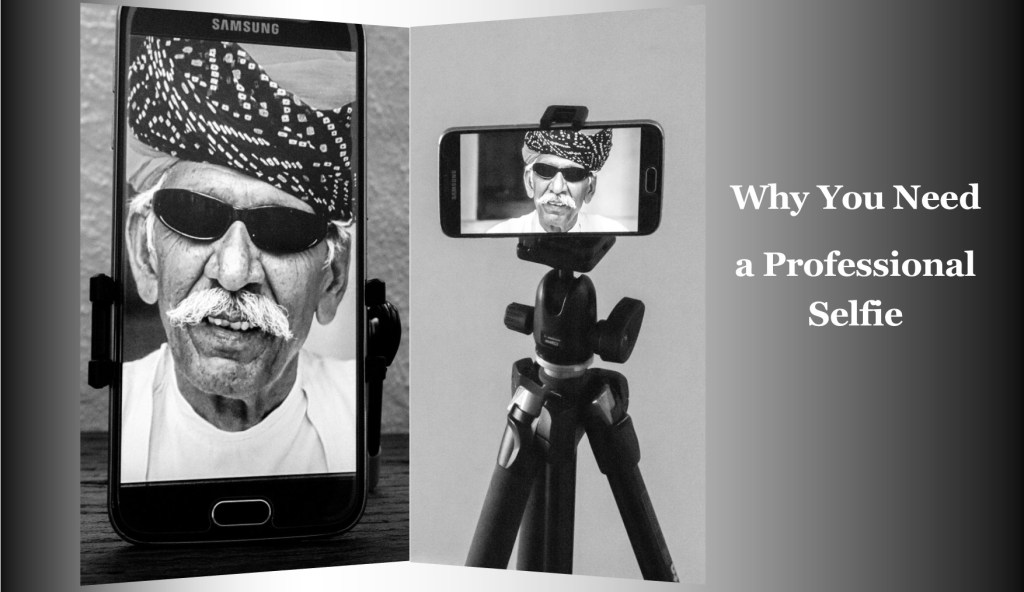
  • Why You Need a Professional Selfie.

    Why You Need a Professional Selfie.

    We all know that a picture paints a thousand words. And we know that images are important to our marketing, particularly our online presence.

    Why is it then that often the one image that we should have, is missing or at best average?

    Which image is that? The SELFIE or as it used to be known as, the self-portrait.

    When I visit a website I usually go straight to the about or start here page.
    It often surprises me how many about pages make no mention of the people behind them.
    For whatever reason they have no human images.

    In my many years of sales and marking there has been one truism people buy from People.
    Usually people they like but most certainly people they trust and know something about.

    There has been a lot of testing and research that confirms a human face on about page increases trust.

    When you have trust, the more likely visitors are to stick around and consume your content and/or buy your stuff!

    The about (or start here) and contact pages are the usually the most visited pages on a website.

    2-people-buy-from-people

    So if you don’t have a picture and some sort of bio you are telling visitors to your site that you are anonymous.
    We as human beings tend not trust anonymous.

    Sure sites like Amazon or Microsoft are anonymous but they have multimillion marketing budgets that go a long way to overcoming their anonymous disadvantage.

    So make sure you have a picture of yourself and your key personnel on your website.

    So the first 2 steps to think about are:

    1. What sort of self-portrait do you think represents your brand?

    A financial adviser or lawyer may want a more conservative head shot. Or they may want a full length portrait with business like clothes like a jacket and trousers.

    A social media site may wish to convey a trendy relaxed image.
    So it may decide that, rather than have a headshot, an image of its employees being active may be better.

    A tradesperson my want to have an image of themselves in working gear with a tool as a prop.

    Self portrait

    Real estate agents tend to want half body (torso and head) shots.

    Maybe you want black and white or sepia (a reddish brown hue that resembles the effect of aging in old photographs) as a point of difference.

    2. What are you using it for?

    Well as I said earlier the priority should be the about page of your website.
    If you have a team then make sure they too are on that page which could easily be a separate page underneath the main about page.

    Social media profiles are also pretty important. They show the human touch and are more likely to attract engagement

    You may also wish to use it for some printed marketing material like flyers and business cards.

    If you have been featured in publications, then a great head shot.
    Most publications, primarily due to the cost, are moving away from using a photographer.
    So having your own portfolio of self-portraits can be very useful

    Maybe you’re thinking really big and looking to get your face on a billboard.

    Whatever you are using it for make sure you take plenty of images, trying different poses and maybe different locations.

    And by the way, there’s no rule that says you have to use the same images across the all platforms and marketing material.
    You may want to convey a different image on your social media accounts than say, your business card.

    Why you are at, why not stick a ‘selfie’ on your contact page. It makes it feel more personal.

    So you can’t really take too many!

    So what do you have? Do you have good ‘selfies’?

    Where have you posted and used them?

    Please leave the answers in the comments below

  • Here’s why it’s about Time you took your own Stock Photos.

    Here’s why it’s about Time you took your own Stock Photos.

    I Know, you’re happy using other people’s stock photos – And that’s fine.
    However, your business is unique and it deserves unique content to grow and scale.
    I’m not saying that you need great photos to be successful, you may have other advantages or skills that can offset that.
    But we are an image driven society and without originality a business will struggle to stand out from the crowd.
    You can read more on this topic here.
    By the way I’m not the only one to hold this opinion read these articles as well:

    The tyranny of stock photos

    Stock Photography Sucks! Let’s Do Something about It!

    11 Ways Photos Harm Ecommerce Conversions

    Say No to Stock Photography and Create Authentic Photos

    So let me ask you this:

    • Are you fed up with wasting your time searching for stock photos for your business?
    • Have you used a stock photo, only to see it being used elsewhere by another business, even a competitor?
    • Do you always find yourself saying “Oh if only I had a photo of X”?
    • Have you had a photo taken on your behalf that you submitted to your ad agency or printer only for them to charge you to rework or even retake it because they don’t think it’s up to scratch?
    • Have you paid a photographer to take some photos for your business only to be unhappy with the ‘finished article’?

    If you answered “yes” to even one of these questions, then read on.

    Because despite everything you read to the contrary you can learn to take some great photos consistently to impress and attract customers.

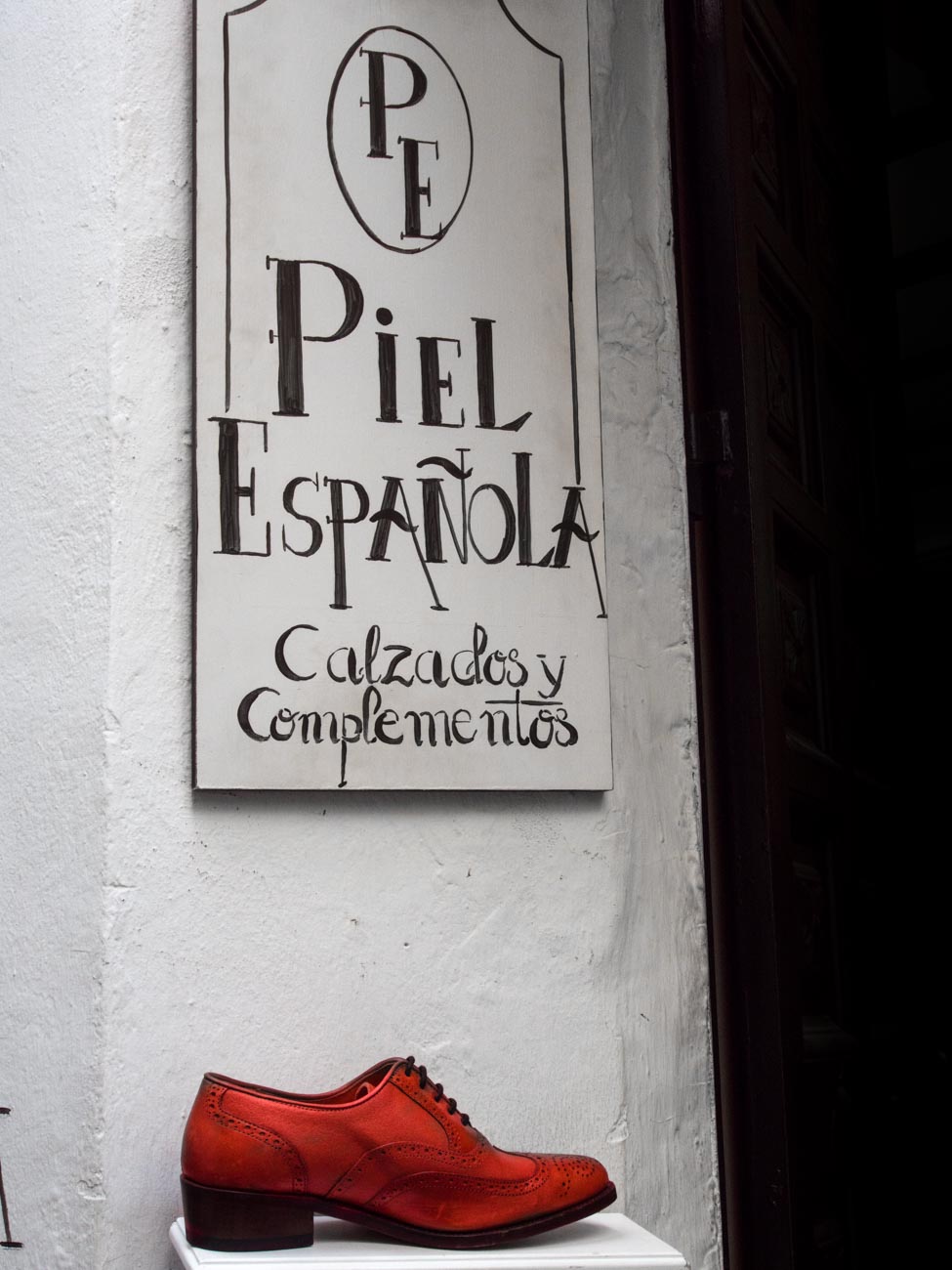
    Stock photo of spanish shoe shop

    So what’s the advantages:

    Well you can

    • Spend time creating your own and be in charge of your own destiny.

    Taking photos (and videos) for business marketing is different. Not harder or easier but different.

    The eye should be looking to make your product or service as attractive as possible sometimes in an obvious way, other times in a subliminal or subtle way.

    Stock photo of library in Melbourne

    • Make unique photos that you own the copyright to

    It always amazes me how little is understood about just the basics of copyright
    When a photographer conducts a shoot for any business (or wedding or portrait session or any other third party) they keep the copyright. What that can mean is that unless you have a watertight contract with them, that they are prepared to sign (and then the price will increase) they can resell that photo to another business or alternatively a stock agency who can then sell it on.

    Read more on this here

    • Take photos of what you think will help move your business forward

    As I said before you know your business and it’s not the same as other businesses. It’s unique and only you know the sort of photo that you want to represent your business.

    And then you will

    • Stop paying for services that delay your campaigns

    There are some great photographers out there who will no doubt give you exactly what you want. But they are expensive and often hard to book. Getting a less expensive job will save you money but it can cost you if the quality and/or service is substandard.

    • Stop settling for someone else’s interpretation on what photos you need.

    Photographers, stock agencies and marketing agencies are all just interpreting what they think you want.
    Earn yourself the freedom to choose what you want.

    Now I know some you will say:

    1 I don’t have time – well how much time do you spend on searching for stock photography now?
    More on this here.

    2 I don’t have the money to spend on photo education – Look I get that you want to run your business on the smell of an oily rag. I’m in business too.
    But sometimes you have to pay for something that’s going to take your business forward and will give you potentially a big ongoing return on investment.
    More on this here

    3 I don’t have a decent camera – Assuming you have a camera that works then you have a ‘decent’ camera.
    The idea that you need a certain quality of camera to take great photos is simply not true.
    Check out an article on this here.

    4 I can’t learn photography because ………. (fill in the blank) – Well there might be a reason that I can’t think of where this is true but if you can run a business or hold down a challenging job then you will be surprised how quickly and easily you can learn.

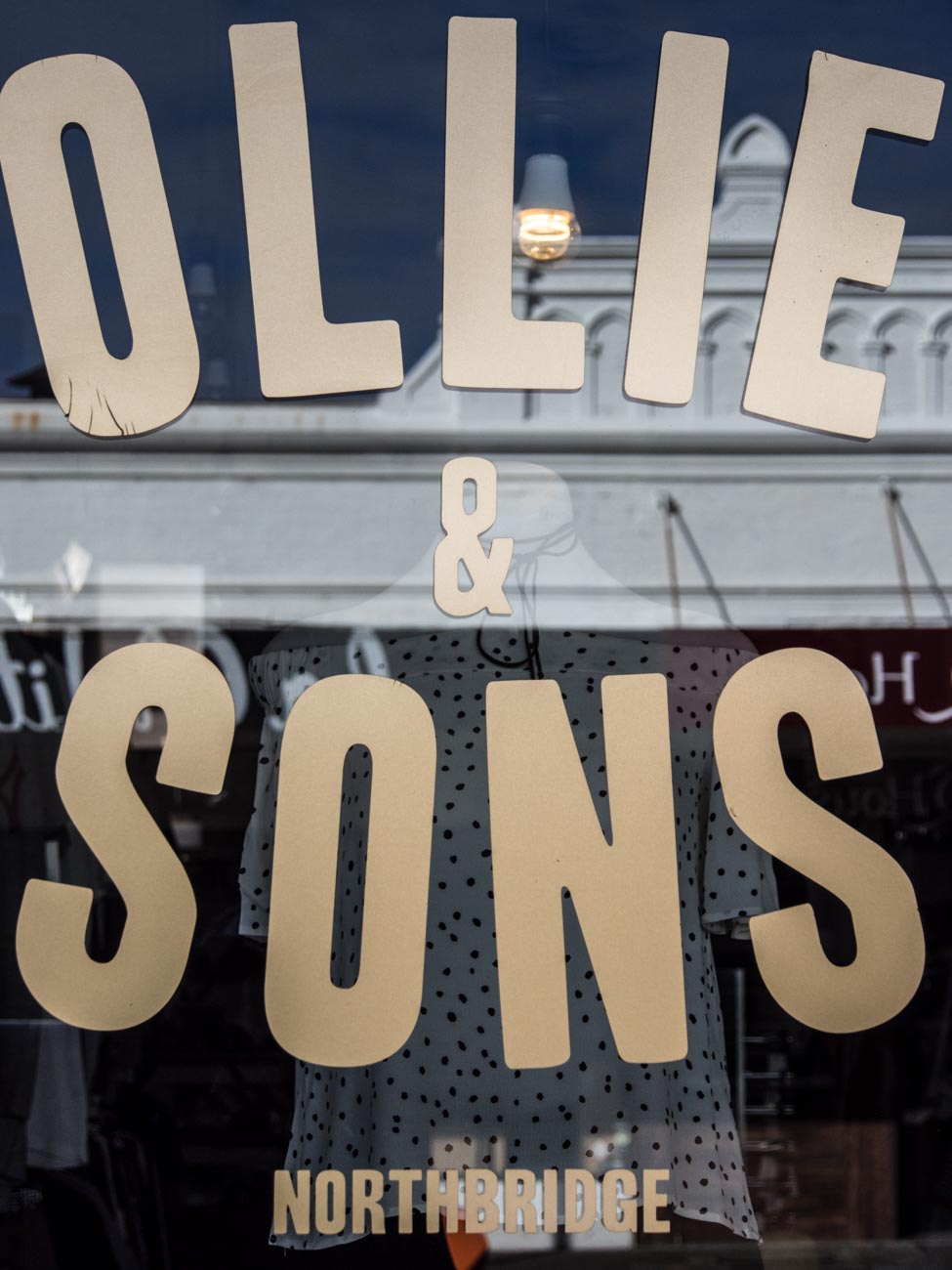
    Shop front

    To summarise

    You own or run a business and you want it to succeed.
    Well you can’t do that by buying, or downloading for free, photos that only vaguely represent what your business is about.
    You have a unique offering and therefore all your marketing needs to be unique and that includes photos.

    You can achieve this by taking your own photos and
    1 Save time and money on searching for photos.
    2 Save money by not having to pay for a photographer who may not give you want you need.

    Taking you own photo means learning the basics and building on that.

    Have I convinced you?

    If so, I’d like to suggest you sign up to, not only get notified of future updates, but also get some exclusive content that won’t be available on this site.
    If you’ve been here before and haven’t already signed up, then what are you waiting for?
    Either way you can sign up at these places and get a checklist or guide for your trouble: 

    Camera Features Guide

    Eleven easy ways to help you take your own stock photography

    Aperture Priority Checklist

    Product Photography Checklist

    Alternatively pop your email in the box below.

    Any questions then please contact me here and please say hello at these places:

    FacebookTwitterInstagramLinkedIn:

    And feel free to share this to your social media of choice


  • Make sure your Product Image speaks for itself with this Photography Checklist

    Make sure your Product Image speaks for itself with this Photography Checklist

    So, you think that you’ve taken some great photos of your product. 

    Who wouldn’t want to buy your products with them looking like that.
     
    You’ve looked at your competitor’s best photos. Worked out how you can improve on those with some great composition and processing.
     
    The lighting was perfect, the colour is great and you’ve got that sort of blur going on in the background.
     
    You’ve posted them onto your website, facebook and Instagram and sent a link to Twitter.
     
    You’ve nailed it!
     
    All you have to do now is wait for the orders to come.
     
    But will they?
     
    You see we live in a world of images and instant gratification.
     
    And the problem is that you can never completely get it right.
    Not for everyone, not for your potential customers and not even for you, if you’re honest.
     
    The old saying “you can please some of the people some of the time but you can please all the people all the time” rings true in this case.
     
    The trouble is if you don’t please some of the people then you don’t make sales.
     
    So, you must aim to please as many as you can.

    Make sure your product image speaks for itself with this photography checklist

    But first things first let’s go back to those great photos and check again;
     
    This is a check list of what to look for in a product image:
     
    1 Composition
     
    How many times have you seen a photo and thought that there is something not quite right?
     
    Usually it’s the composition.
     
    The photos that have moved you will be because of their great composition.
     
    Look and study the photos that you have hanging up in your workplace or home. You choose them because you like them and because they have a strong composition.
     
    By using angles and lines, foreground subjects and colour where they exist, you can create a strong and imaginative composition of a photo.
     
    Have you got the right angle?
     
    If applicable, can you see the label?
     
    Does it show what the product does?
     
    2 Story
     
    Do your images tell a story?
     
    A story could be, as an example, showing how a piece of jewellery is worn or giving a sense of scale.
    I recently looked online for some earrings for my wife and I choose the ones that had images of them on a model.
    And that’s because I could see the size and the way they look when hanging.
     
    3 What’s in the frame?
     
    Are there unwanted elements in the photo?
     
    What about the product positioning against the background?
     
    We’ve all seen (and taken) those holiday snaps with the leaning tower of Pisa appearing to grow out the subject’s head.
     
    Can you see anything in the background or foreground that might be distracting?

    Make sure your product image speaks for itself with this photography checklist

    4 Light
     
    Is the light on the product side lit or front lit? Either way is it lighting the part of the product that reflects the ‘best side’.
     
    Have you looked at the image on different monitors, tablets and mobiles?
    You will be surprised at how the brightness and contrast vary depending on the medium you are viewing.
     
    5 Clarity
     
    Does the image look crisp and clear?
     
    Blow up the image on the largest screen you have. See if there is any sign of unintended blur.
     
    It may be around the edges of your subject.
    Or is it at the front of your subject? e.g. If it were a portrait would the nose be ever so slightly out of focus.
     
    6 Post processing
     
    Does the colour look real or is it over or under saturated?
     
    Has it got the “WOW’ factor?
     
    Nothing wrong with either but it’s what lends itself to the product.
    If it doesn’t look real it may not convey the right message.

    Make sure your product image speaks for itself with this photography checklist
     
    That’s just for starters! You could go deep in reviewing your images.
     
    Remember that you have to put yourself in your customers shoes. Ask yourself “based on the image and the copy with it would I buy that?”
    If you feel you can not answer this without bias then ask someone else to review it and answer that question.
     
    Post links to your images in the comments below if you want some feedback from me or other readers.
    Want to keep this article? You can get an accompanying checklist from here or the box below.
    While you are at it why not share this article with someone who could benefit.
    And don’t to forget to subscribe in the top bar for more ways in which I can help you sell more.


  • Why the use of Still and Video images is the most Valuable Marketing Strategy of 2018

    Why the use of Still and Video images is the most Valuable Marketing Strategy of 2018

    Once upon a time there was a world without colour.

    This world, which we will call Blanc Noir only had black and white.
    The population saw everything in black and white and hence everything they had was either black or white (pretty obvious, really what sort of story is this anyway??).

    One day a visitor from another world called Couleur (I’ve a bit of a soft spot for French) came along and wore clothes that were red and yellow. 

    The visitor couldn’t understand why the inhabitants of Blanc Noir didn’t wear anything but black and white when all about them was colour.

    The trees the sky, grass, only man made objects were in black and white.

    The inhabitants on the other hand saw his clothes as black (red) and White (yellow).

    One day something strange happened this stranger had a camera that took pictures in colour. 

    As he took more pictures and showed everyone what he took in the rear screen of the camera, they noticed that there was something strange going on, everything in the camera was in colour!

    As they looked around they realised that in fact that all natural world was in colour, it was only themselves and the buildings and vehicles that were in black and white.

    Imagine seeing this for the first time how did you think they reacted?

    How would you react?

    Of course they immediately took steps to colourise everything.


    Why the use of Still and Video images are the most valuable marketing strategy of 2017

    Which was great for all the business’s on Couleur as they had plenty of colour products. 

    But not so good for the business’s on Blanc Noir as everything they had was black and white.

    This year 2016 has been the start of something special. It’s been a year when some clever small businesses like the businesses on Couleur have realised that their strongest ally in their marketing is images and video.

    Our world is changing and the growth of technology to help create visual content is now easier than ever and will continue to get even easier for the foreseeable future.

    Of course those that don’t take steps to take advantage of this will be like those businesses on Blanc Noir.

    The world of visual content is about to take over from world of words.

    Why is this?

    Well for one thing our lives are so busy that we only give marketing material a nano-second to get our attention and images are our first impression of the message.

    If we like it, we will hang around and read the written content and even look to buy the product or service.

    Or, if we don’t like it then we move on.

    That’s why Facebook has been ramping up its image and video posting platform, why Instagram and Snapchat are so popular and why Twitter has also beefed up its image posting platform. 

    They all realise that if content is king then it’s visuals are all powerful.

    You know, it’s no wonder that this has happened.
    Our TV screens have become bigger. I bought one a few months ago which is 60”! 60” is huge! The TV we had before was 42” and probably the one before that was 30”.

    Movie screen sizes have increased almost to the point that we have to exercise our peripheral vision to see the whole screen.

    Our mobile phones have got bigger, so much so that they’ve almost taken over from tablets.

    We have screens on cameras, watches, fridges, printers, security equipment, automobiles, cooking appliances and much more.

    Giant LED screens in public places assault our visual senses.

    So visual content is everywhere and that’s what we as consumers look for.

    Now, don’t get me wrong here! Written content is still important.
    As the saying goes a picture may paint a thousand words but you may need another thousand words to tell the whole story.

    Today visual content is a no-brainer for any business looking to market their product or service.

    Why the use of Still and Video images are the most valuable marketing strategy of 2017

    Not just visual content but good visual content.

    So what about your experience with visual content?

    What’s the number one obstacle stopping you from creating images or video for your marketing?

    I’d really like to know. So please leave your answers in the comments below. 

    For more like this subscribe to my newsletter below and get a free guide “Eleven Easy Ways to Improve your Marketing Photography”.

  • How to get ahead of your competition? Get good images

    How to get ahead of your competition? Get good images

    As a photographer and someone who has been involved in sales and marketing as a profession, I shake my head at the way some business’s view the use of images in marketing.

    Because image is everything!!

    I’ll say that again; “image is everything!!”

    It’s no longer about what your product is, it’s now about what the product looks like and represents, and that means image.

    To be fair I have seen some amazing imagery from some companies but in there are a lot that are pretty average.

    Let’s take the wine industry (I’m a pretty sad wine enthusiast)
    An out of focus, dimly lit picture of a bottle plonked on a dining table is just not going to encourage anyone to buy.
    With some care given to background, lighting and props, the final image can reflect a sense of place, lifestyle and even culture and give a much needed professional feel to a website, for example, which all helps to sell wine.Card Farm Pinot Noir

    Recently I attended a wine tasting that had little or no imagery available for the wines on tasting. The tasting was at a liquor store and was run by a distributor and the winemaker for this particular winery, yet amazingly the bottles were only seen when poured from.
    Nowhere on the literature were there photographs of the winery, wines or anything else that may leave a lasting impression.
    Unless I have my tasting notes or price list with me I wouldn’t recognise these wines were I to go into any other liquor store today.

    Sadly, I find that this is the norm

    There are 4 reasons why a business doesn’t invest in their marketing images

    1. Cost
    2. Time
    3. Lack of knowledge.
    4. Attitude that it ‘doesn’t matter’.

    The first two, cost and time are understandable but lack of knowledge, with some motivation, is easily remedied.
    There are plenty of resources both online and off line that can help the budget conscious business learn how to take good photographs.

    However for anyone who thinks it doesn’t matter then think again!
    Images are the new language. As at May 2014 (the last accurate report) 1.8 billion images were uploaded every day which is 30% higher than 2013!
    It is now estimated that we will have exceeded the 2 billion per day by the beginning of this year.
    In fact some estimators are saying that the number of images uploaded this year alone is more than the total of all previous years.

    No longer are purchasing decisions based on sales copy alone.

    Images are attracting attention and it’s never going to change back.

    So you’ve got to get your potential customers attention and that’s where striking images that grab comes in.

    What you shouldn’t do

    If I produced wine, (I did think about it once but it seemed much less enjoyable than drinking it) I would want to control the image of all facets of my operation from the product to the winery to the location.
    I hear of wineries having competitions to find the best image, usually on Facebook or Flickr, so that they can use it for marketing. Some may say that is a certain degree of control.
    However I would challenge that view as the vast majority of photos generated won’t provide the image that is best suited to that particular winery, even if it’s a good image.
    When you consider the effort and time to organise the competition and the cost of providing the prize, usually a case of wine, surely that energy would be better spent producing an image that conveys what the winery would like to show the world, rather settle for possibly the best of a bad bunch!

    Celebrities now days are going to great lengths to protect and control their image, some of it a bit too zealously see An Open Response to Taylor Swift’s Rant Against Apple. They understand the power that the image now has and its potential to affect either positively or negatively their business and consequently their earnings.

    What you should you do

    Well in the above wine tasting example, some great images of the winery and its location.
    At the beginning of the tasting they showed a YouTube video of the winemaker being interviewed and part of the footage was some amazing scenery next to the winery.
    Images of that scenery (a desert landscape next to the Pyrenees in Spain) could have been on a cover for the tasting notes or large prints on pull up banners or posters could have been placed or hung around the room.
    Then they could also have had some inventive and colourful images of the bottle and its label on the tasting notes.
    And that’s just to start with.

    Here’s 5 things to look for in your marketing images right now

    1. The biggest one is do they represent how you think your business should appear to others.
    2. Are they sharp i.e. no sign of unintended blurriness?
    3. Do they blow up to a reasonable size?
    4. Does it have impact?
    5. Is it memorable?
    6. Is your product clear and concise?

    Conclusion

    It’s your business and your product that are being represented.

    No amount of text will compensate for a poor first impression

    So just start by critiquing your images regardless of who created them.

    So if I could leave you one simple message it’s this:

    “A photograph shouldn’t be just a picture, it should be a philosophy”

    So what do you think? Anything I’ve missed?

    Please leave your comments below


  • Why You Need a Professional Selfie.

    Why You Need a Professional Selfie.

    Why You Need a Professional Selfie.

    We all know that a picture paints a thousand words.
    And we know that images are important to our marketing, particularly our online presence.

    Why is it then that often the one image that we should have, is missing or at best average?

    Which image is that? The SELFIE or as it used to be known as, the self-portrait.

    So why do you need a professional Selfie?

    When I visit a website I usually go straight to the about or start here page.
    It often surprises me how many about pages make no mention of the people behind them.
    For whatever reason they have no human images.

    In my many years of sales and marking there has been one truism: “People buy from People”.
    Usually people they like but most certainly people they trust and know something about.

    The human face

    There has been a lot of testing and research that confirms a human face on about page increases trust.

    When you have trust, the more likely visitors are to stick around and consume your content and/or buy your stuff!

    The about (or start here) and contact pages are the usually the most visited pages on a website.

    So if you don’t have a picture and some sort of bio you are telling visitors to your site that you are anonymous.


    why you need a professional selfie

    We as human beings tend not trust anonymous.

    Sure sites like Amazon or Microsoft are anonymous but they have multimillion marketing budgets that go a long way to overcoming their anonymous disadvantage.

    So make sure you have a professional selfie of yourself and your key personnel on your website.

    So the first 2 steps to think when taking a professional selfie are:

    1. What sort of self-portrait do you think represents your brand?

    A financial adviser or lawyer may want a more conservative head shot. Or they may want a full length portrait with business like clothes like a jacket and trousers.

    A social media site may wish to convey a trendy relaxed image.
    So it may decide that, rather than have a headshot, an image of its employees being active may be better.

    A tradesperson my want to have an image of themselves in working gear with a tool as a prop.

    Real estate agents tend to want half body (torso and head) shots.

    why you need a professional selfie

    Maybe you want black and white or sepia (a reddish brown hue that resembles the effect of aging in old photographs, the photograph not the subject!) as a point of difference.

    2. What are you using it for?

    Well as I said earlier the priority should be the about page of your website.
    If you have a team then make sure they too are on that page which could easily be a separate page underneath the main about page.

    Social media profiles are also pretty important. They show the human touch and are more likely to attract engagement

    You may also wish to use it for some printed marketing material like flyers and business cards.

    If you have been featured in publications, then a great head shot.
    Most publications, primarily due to the cost, are moving away from using a photographer.
    So having your own portfolio of self-portraits can be very useful

    Maybe you’re thinking really big and looking to get your face on a billboard.

    Whatever you are using it for make sure you take plenty of images, trying different poses and maybe different locations.

    And by the way, there’s no rule that says you have to use the same images across the all platforms and marketing material.
    You may want to convey a different image on your social media accounts than say, your business card.

    Why you are at, why not stick a ‘selfie’ on your contact page. It makes it feel more personal.

    So you can’t really take too many!

    Summary for why you need a professional selfie

    People buy from people, so make sure your brand shows you and/or your people.

    Take plenty of different professional selfie’s.

    Use them for not only your website but for other publications and social media.

    Check out some portraits in this gallery

    So what do you have? Do you have good ‘selfies’?

    Where have you posted and used them?

    Please leave the answers in the comments below

    While you are at it why not subscribe and get a free e-book to help you take better photos.
    The principles in this e-book apply not only to travel photography but to all types of photography. 

    [mailerlite_form form_id=7]

  • Why good photography is a great investment for any small business.

    Why good photography is a great investment for any small business.

    Why good photography is a great investment for any small business.

    *“Don’t let nobody take care of your business better than you

    In the game of marketing the big brands are winning hands down.
    They hire large marketing companies and/or specialist photographers to make their brands stand out in an increasingly crowded market.

    So does that mean that the small business like you can’t compete in the visual stakes?

    Of course not – let’s read on and find out why good photography is a great investment for any small business.

    The internet has levelled the playing field.
    Before the internet, for a small business to get its brand out to the marketplace would involve expensive marketing material or foot slogging. Then there was also a reliance on others such as distributors to market your brand as well the other brands it had in its stable.

    Don’t get me wrong these strategies still play a role.
    But the reach of the internet is so vast and the entry cost so small.
    And now you get instant feedback from targeted campaigns. 
    So for a you, without the marketing budget of some of the bigger brands, it’s a no brainer!

    Image Branding

    Wherever we look online, its images that catch our attention so we have to create a visual depiction of the brand we are offering.

    That’s where photography comes in.

    There are thousands of images of products, services and other related subjects. These are posted by the minute on to social media, websites, apps and online publications every day.
    In my humble opinion there are only a few that are memorable.

    The majority are taken and published by consumers, who have no vested interest in producing photos of any great quality.
    They are usually what could be called record images, that is a record of the wine drunk, the restaurant visited, the food eaten, the place visited etc.

    Those that are likely to have the most impact on potential consumers are are produced by reviewers and few other industry players. 

    Take Control!

    So don’t leave it to others to represent your brand. Take control! 

    So what’s a good image?

    To make a brand stand out the image has to be usually (sometimes you can get lucky) well planned and memorable.
    It’s that last word “memorable” that’s so important.

    Consumers will nowadays more than likely see a brand online before they see it physically.
    A memorable image will help them remember it when it comes time to purchase your product in a store or online.
    Composition, opportunity, technique and to a lesser extent, camera equipment play a part in getting the right ‘shot’.

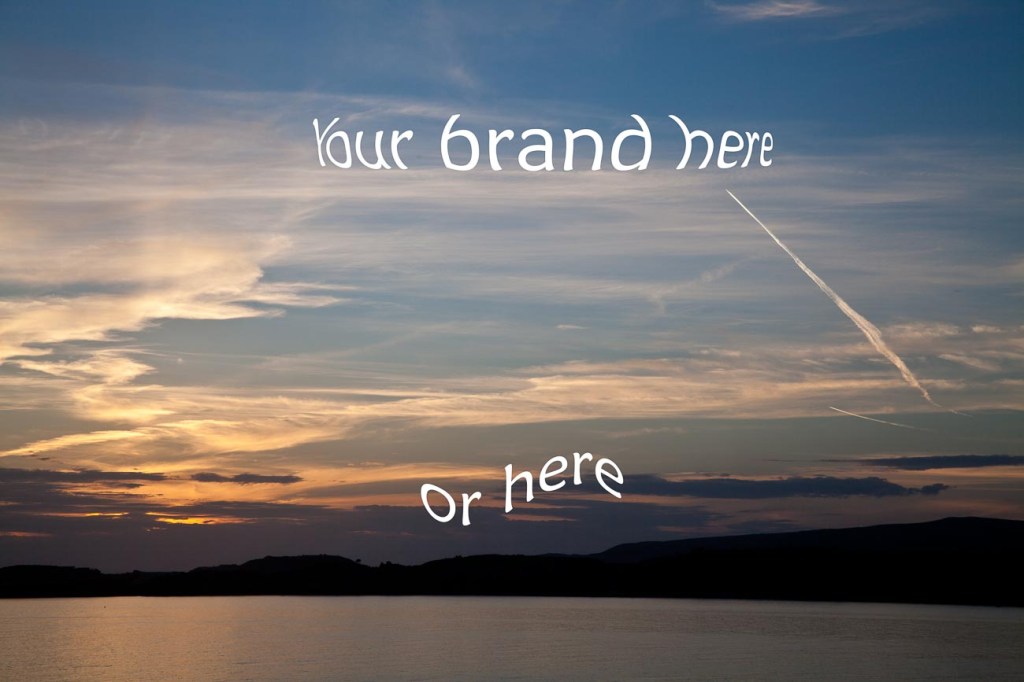
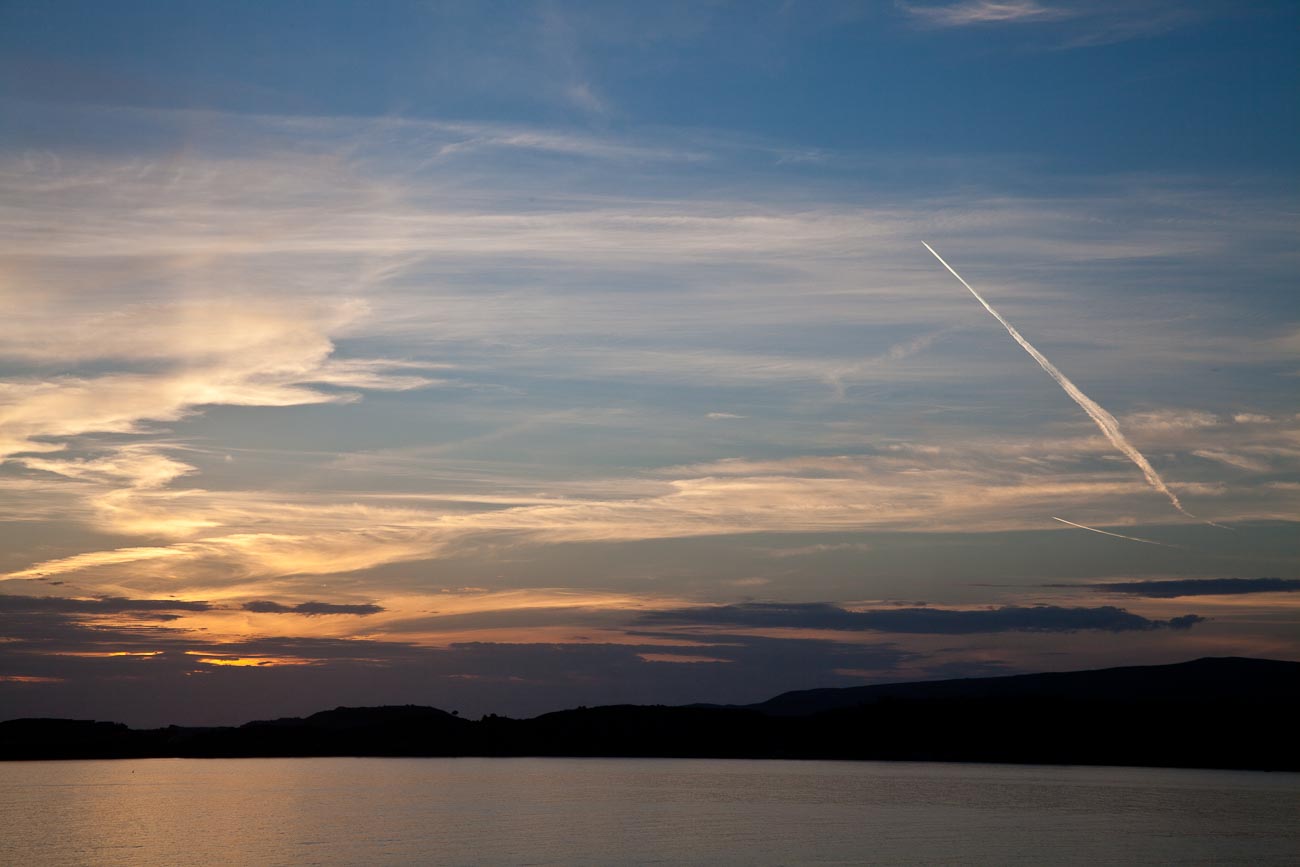
    Dusk from Lassi, Kefalonia looking across to Lixouri
    Dusk from Lassi, Kefalonia looking across to Lixouri. Click on the image to see a larger view and other options

    Other factors

    Of course image alone is not purely responsible for that, product design, good reviews, interesting stories and reputation all play a part.
    But you can have a terrific product and great reviews but if the image is poor and almost indistinguishable it’s not providing any value.

    So where should you put most of these images?

    Well by far social media is has become the place to display and share photos.
    So let’s take a look at the most popular and well known channels.
    These are not in order of importance, as each one has its own individuality:

    Instagram

    ig

    Instagram is a photo-editing mobile app that not only beautifully renders photos taken on Smartphones, it also has some powerful social sharing features.

    Last year Instagram was the fastest growing social network on the planet and is evolving to be an image based Facebook (who by the way own Instagram).

    Pinterest

    In the purely visual stakes we have Pinterest which is focused on sharing things that are visually pleasing (both photographically and in video).

    Images and videos are at the heart of the Pinterest experience.
    Because of the fact that Pinterest emphasises pictures over text, it’s extremely important to have high-quality photos.

    Facebook

    fb

    Then there is Facebook by far THE most popular website on earth.
    What’s more, the average Facebook user spends on average just under two hours per day on Facebook.
    The incredible viral nature of Facebook enables business’s to get in front of a huge audience

    High quality and eye catching images go along way on Facebook


    LinkedIn

    LinkedIn is the largest social network for business owners and professionals.

    LinkedIn doesn’t generally market to “the general public”.
    LinkedIn allows a business to target a different demographic of business owners and professionals.

    Google+

    The not so sexy Google+ is Google’s answer to Facebook.
    Whilst not quite as popular, it has two things going for it that other social media sites don’t.

    If you have a Google+ page, then you can connect it to Google My business listing (formerly known as Google Places or Google Local).

    What does that mean? Well guess who controls 80-90% of searches on the net? Yup, Google

    Because of the way that high quality images are displayed on Google+, it’s no coincidence that one of it’s most active users are from visual medium industries like Photographers and Graphic designers.

    Twitter

    twitter

    Twitter has in the past been considered almost a text message service.
    Since it introduced the display of images in streams (i.e. without having to click on the link) a couple of years ago that’s all changed.

    According to tests, tweets with images are 55% more likely to be shared or re-tweeted.

    There are others of course, YouTube and Qzone (China’s answer to Facebook), have a huge number of users.

    Other places

    It goes almost without saying that today a website, which can highlight some great images is essential.
    The cost of building a visually appealing website has dropped significantly over the last two or three years.
    In fact, those who are tech savvy build their own at very little expense.

    Uploading images to any of the social media sites and a website is now a simple process that anyone using a computer can do.

    Summary for why good photography is a great investment for any small business.

    So to recap: 
    The reality is that you as a small business need to ensure that the quality of your marketing images stand out.

    That’s not to say that word of mouth, good reviews and on the ground marketing don’t work anymore. It’s just that we have become an image sharing society and any business looking to grow would want their images shared.

    * James Brown, It’s A New Day

    Do you agree? Are images that important for your business? Feel free to add opinions below. I would really like to hear them.

    For more on this and other photography subjects why not sign up for my email and get a free “Camera Features Guide”.

    Just sign up below

    [mailerlite_form form_id=8]

    Dusk from Lassi, Kefalonia looking across to Lixouri
    Dusk from Lassi, Kefalonia looking across to Lixouri