Hoodos of Bryce Canyon Limited Edition No 1 Click on the image for a larger view
Hoodos of Bryce Canyon Limited Edition No 1
These rocky structures are called hoodoos. The name is derived from Hoodoo spirituality, in which certain natural forms are said to possess certain powers, Bryce Canyon NP, Utah, USA
All photos have had the same amount of post processing to show a specific style. Why Limited Editions? Well the number of images chosen from my visit last year (2022) is 15. Each image is only available for purchase 15 times and a separate certificate of authenticity will be provided to the purchaser. To order a print drop me a line for a price list at katinns@katinimages.com
In the previous post, “Introduction to Travel Photography,” I touched on the fact that there are several different types of travel photography. In this article we cover the different types and genres and how they apply to your future travels
So, let’s go into more detail.
The best way I find, is to break it down into destinations. By doing that you are preplanning what skills you need to learn or refresh for your upcoming or future trip.
Let’s take an easy one. Europe
What do we travel to Europe for?
These are a few reasons:
History Food Landmarks Landscapes Activities Sporting Activities Language Drink
So each of these reasons will correlate to a different type of travel photography.
Let’s take history:
Interior shots of museums, Churches, Palaces and galleries are a few examples. To get some good shots you would need to get comfortable shooting in low light. By learning how to do this and how your equipment will perform will enhance your photography.
Another genre for History would be architectural. Shooting some of the worlds’ most impressive buildings like Saint Peter’s at the Vatican are a must if you are travelling to Rome.
Then of course there are battlefields from different wars over the ages. From Gallipoli to the Battle of Hastings to the trenches of World War I in Belgium. Most of these would be landscapes.
We now have the theory behind using destinations to think about different types of travel photography.
Destinations and different types of Travel Photography:
Europe
Landscapes, Architectural, Interior, Festivals, Lifestyle, Food and Drink, Street
North America
Landscapes, Architectural, Lifestyle, Nature, Wildlife, Street, Food and Drink, Wilderness
Cowboy on bench In Santa Fe’s plaza, New Mexico, USA
Asia
Street, Food and Drink, History, Landscapes
South America
Landscapes, Architectural, Lifestyle, Nature, Wildlife, Street, Food and Drink, Wilderness
Antarctica
Wilderness, Landscapes
Africa
Wildlife, Landscapes, Street, Food and Drink, Wilderness
Australia and New Zealand
Nature, Landscapes, Street, Food and Drink, Lifestyle, Wilderness. Wilderness could be considered a part of Landscape. Yet there are some specific challenges that need to be considered when you are out in the remote areas.
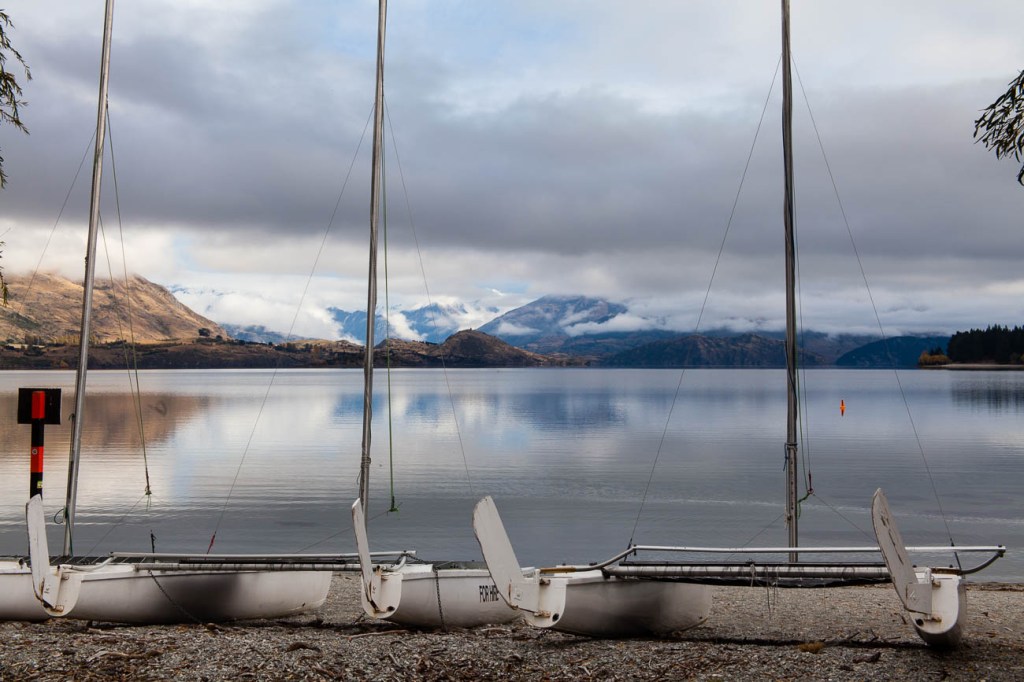
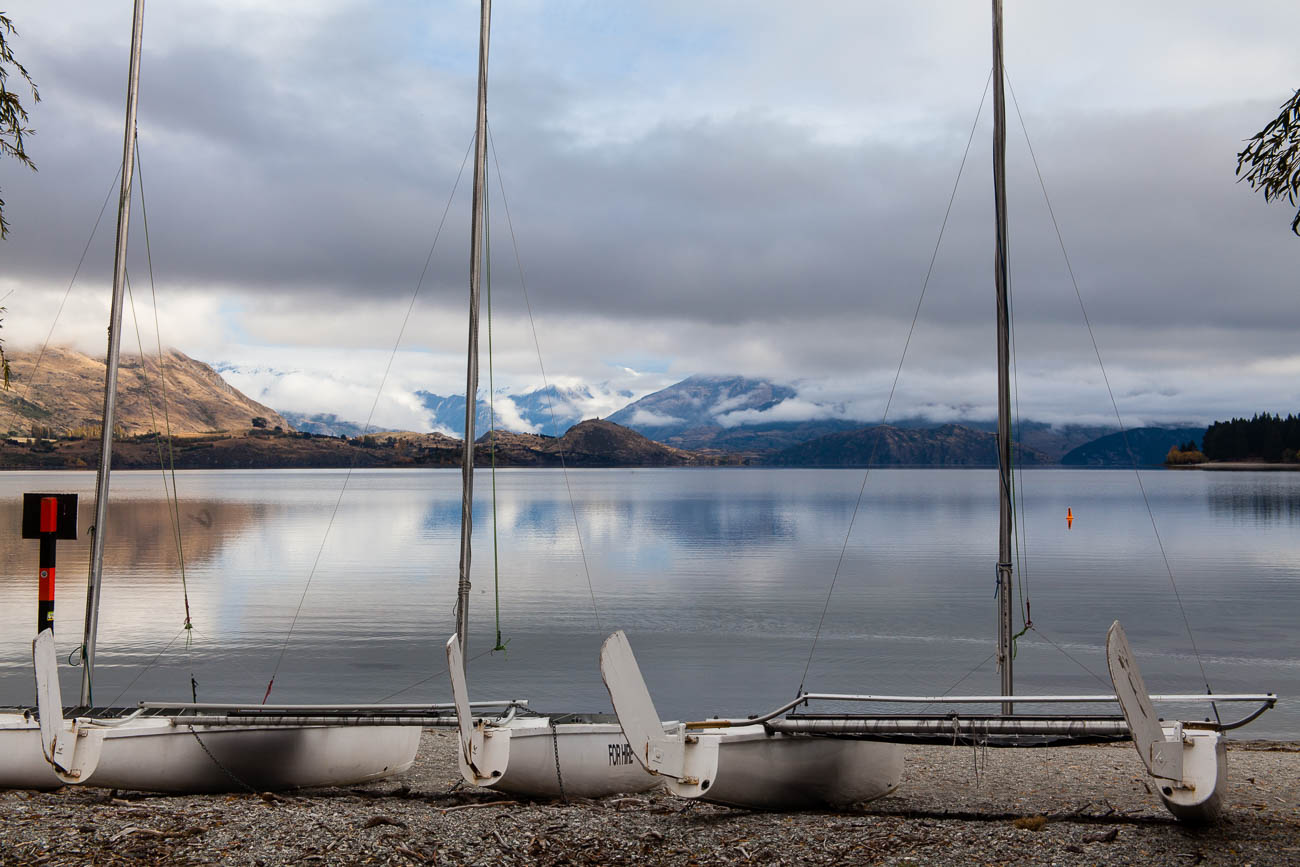
Lake Wanaka New Zealand
I’ll go into more detail in future posts.
But the trick is to look at the destination and then decide what sort of images are available and what you would like to take.
For instance, if you were travelling to France, you may decide that you don’t want to take photos of the landscape as you are only going to be in a couple of cities like Paris and Lyon. But even in cities there can be opportunities to take landscape photos e.g. Jardin des plantes des Paris – the Botanical Gardens of Paris
Choosing what to shoot
As you can see there are many different types of travel photography. But what if you want to choose a few main ones? Which ones should you choose?
Well if you go back to the list you can see a few that reoccur. Landscape, Architectural and Street are three that would set up any budding travel photographer with the building blocks to improve and learn new skills.
It also depends on interests. If you are an outdoors sort of person and you intend spending time at travel destinations with wild open spaces then you may wish to concentrate on Landscape, Wildlife and Wilderness.
Genres
Breaking down these different types of travel photography into subjects is also useful:
Landscape Mountains, Snow, Ice and Glaciers, Deserts, Coastal, Forests, Water,
Wilderness Similar subjects to Landscapes. As I mentioned before, it’s not so much about the subjects but more about the logistics and specific challenges i.e. Extreme temperatures, Remoteness etc.
Street Portraits, Daily Life, Streetscapes, Local Interactions, Traffic and Transport, Street Art
Architectural Interiors, Building detail, Urban Landmarks, Skylines
Nature Flowers, Forests, Lakes, Rivers, Weather, Sun and Moon
I could break down these genres and destinations even more but I don’t want your eyes glazing over. Just as you would plan your travel or holiday experience you also need to plan your photography beforehand. Working out what photos you will have the opportunity to take and which ones you want to take, will not only help you enjoy your experience but also bring home some ‘awesome’ photos.
Summary
So you can see that there are lots of different types of travel photography. These can be classified as genres but also working out what types of photos you will be taking at your destination plays a big part. Some of these genres e.g. Wilderness also have other challenges not necessarily related to the act of taking a photo.
Research and Planning is essential
But remember, if this feels too overpowering you can always just select some or one area to specialise in to begin with.
According to Wikipedia the definition of Travel Photography “is a genre of photography that may involve the documentation of an area’s landscape, people, cultures, customs and history. The Photographic Society of America defines a travel photo as an image that expresses the feeling of a time and place, portrays a land, its people, or a culture in its natural state, and has no geographical limitations. There are other definitions but those two pretty much nail it.
History
Travel Photography, unlike most other genres is a later addition to Photography. When Photography was first invented in the early 1800’s few people travelled and for the next few generations any who did were only the wealthy ones. The major pioneers in travel photography were explorers who wanted to visually document their experiences whilst exploring. But you had to be keen as they had to carry the bulky equipment. Not only was the camera equipment itself heavy but, as the frames needed to be developed almost immediately, the photographer needed to have a darkroom and enough chemicals for a small laboratory. Of course that all changed when Kodak invented a camera that used a roll of film and then introduced the Kodak Brownie. Almost immediately photography was a lot more accessible and therefore popular with explorers and traveller alike. But it wasn’t until colour film was introduced that travel Photography became a mass media. Even then not everyone had a camera or if they did they didn’t use it whilst travelling. Digital photography changed all that. And then Smartphones come along. Now anyone who steps outside their door takes pictures.
We have millions of images of exotic and not so exotic locations being circulated by social media and other forms of communication.
The Travel Experience.
It wasn’t until I went travelling that I took an interest in Photography. It was to be a 7-month trip around the world and I felt that we needed to document, as well as we could, our experiences. So it was I had 2 very different skills to learn, how to travel and how to take photos of my experiences. It was a challenge, but it was one that I learnt so much from. That’s the beauty of Travel Photography. Yet, there are times when you must forget all the techniques and the technical stuff and be in the moment of the experience. Knowing when to take that shot or not is a skill in itself.
That too me is what Travel photography is all about.
Genres
Of course, when you travel there are lots of subjects that you will want to take photos of:
Landscapes, People, Festivals, Entertainment, Urban, Food and Drink and Wildlife are the most popular.
Landscape
Landscape Photography is taking images of usually the area in front of you. That can be a mountain range, a field of flowers, the desert, pretty much anything that is of a natural beauty. Some manmade objects e.g. a lakeside house or a sailing boat can help with context.
Reservoir close to Yosemite NP, California, USA in an area of lakes and reservoirs.
People
Always a difficult one to get right. People move, blink, frown and often, whether posed or not, can assume unflattering positions. Taking portraits in different cultures are a great way to get to know locals and customs. We are all fascinated by the daily life of those in other countries. Travel Photography gives you the option to capture that.
Festivals
The Colour and movement of some of the world’s most famous and not so famous festivals can make great photos. Even the local fete can offer some interesting character or scene shots
Entertainment
Shopping in the market, Music and Theatre performances are two events that come to mind when taking photos in the field of entertainment. But there is also sporting events like a game of footy or nightlife. The latter being particular challenging due to the lack of light.
Urban
What is urban? Good question! I guess it’s Street Scenes, Street Art, Sky Lines, Architecture, both inside and outside and even Light Shows.
Food and Drink
There are many food and drink situations. You may want to take some photos of where you are, what you are doing, eating or drinking. In a restaurant, a winery, in a field or at the market. Food and Drink is quite a diverse genre. But it can also be the most creative and satisfying, especially if you are having a great experience at the same time.
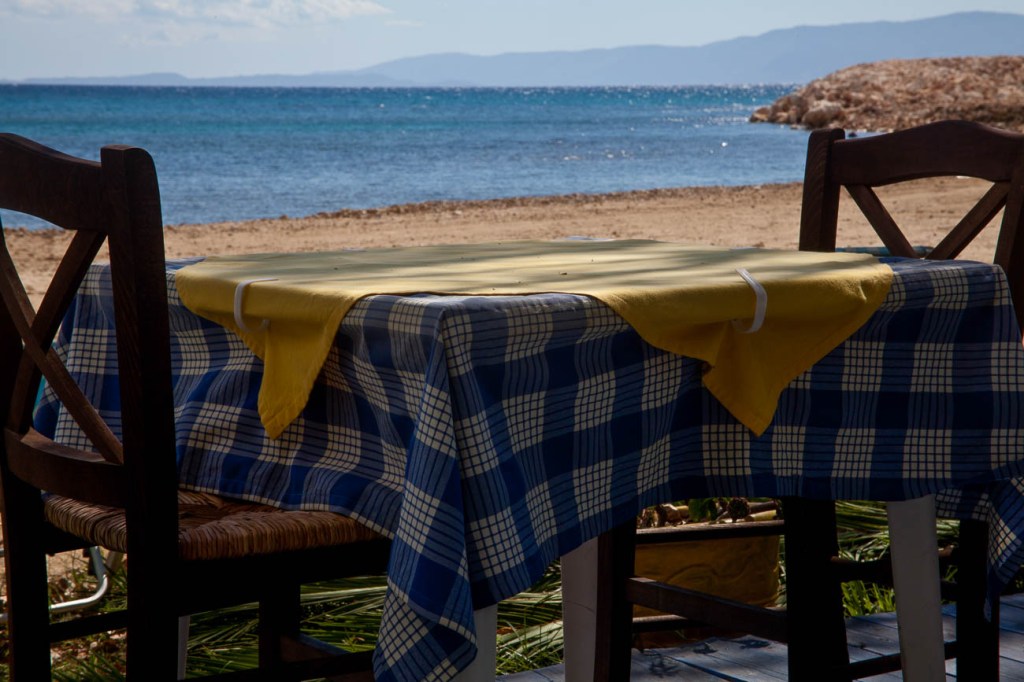
Table on the beach. Kefalonia. Greece
Wildlife
Who doesn’t want to capture that great shot of a Lion or Leopard in the wild somewhere in Africa. But there is more to it than the big 5 (the big 5 is Lion, Leopards, Rhino, Hippo and Elephant). Even going to a Zoo or Sanctuary can provide some great photographic opportunities. There are various types of environment for grabbing a shot or 2 of wildlife. Marine, Forests, National Parks even the Urban Environment can have wildlife. But be wary of two things, firstly your safety is paramount, don’t be that person who steps outside the car in a Lion park. Secondly, wildlife photography is challenging. There are photographers who have devoted their lives to taking great wildlife shots. They will spend days even weeks waiting for that ‘one’ shot.
Mother Nature
Travelling over time means you will experience all types of weather which can make it difficult to use your camera equipment. Rain, Heat, Cold, Snow, Dust they are a few extreme weather extremes that we all will experience in our travels. But even though taking photos in such conditions will take you out of your comfort conditions, often it will be well worth it. So, don’t run for cover (unless of course your life is in danger) embrace the challenge.
Copyright
By copyright I don’t mean your copyright. More and more their famous landmarks (and People) want to control their image. For example, under French law it is illegal to take photos of the Eiffel Tower’s light show at night. Of course, we’re not all going to check on every possible landmark but it’s worth a quick google on a big-ticket item.
Photography Techniques
So you now you know the sort of experiences that you will want to document visually, how do you do it successfully? Well firstly, you will never stop learning! I’ve been shooting for 22 years and I’m still learning. That’s not to say you can’t learn to take good even great pictures straight away on your travels. It takes time to know what to do in certain situations and as you have seen there are many genres that make up Travel Photography. I hope that this will motivate you to read more from this site and support some of the manufacturers or service providers that I recommend to help you.
Additional skills
Of course, it’s not all about techniques and composition. If you want to take Travel Photography seriously you need to also be prepared some of the time to: Plan but be flexible Be reasonable fit, so that you have the energy to walk for hours at a time Be Patient enough to wait for the right moment to get that shot. Develop good social skills so that you can converse with many people, often in a language which you can’t speak Be creative Be open to sharing. After all it’s no good taking photos if no one is going to see them!
In Summary
This introduction to Travel Photography should give you a taste of what’s involved in improving your travel or holiday experiences. You can see that gaining the skills that allow you to take good or, indeed, great photos will help expand your travels and give other people pleasure. Travel Photography is about the gear, the composition and being creative But it’s also about being in a place that’s not your home, adding depth to your experience and bringing home great photos that will live with your memories for a very long time!
Just click on any of the above images to view a larger version and for other options
I’ve written before briefly about my love of wine. See Willamette Valley. So more in that theme.
I’ve been to some of the most famous wine regions in the world and none more so than the Napa Valley in Northern California. Well known for it’s Cabernet Sauvignon and Chardies (Chardonnay), it’s also got a few runs on the board for other varietals such as Pinot Noir and Zinfandel.
But really it’s a show-piece for Californian wine with some of the big blockbuster wineries located there with all the bells and whistles like wine tours, tastings, restaurants, art galleries and just about anything else you can think of. This is the Hollywood of wine and well worth spending time whether you love wine or just have a passing interest.
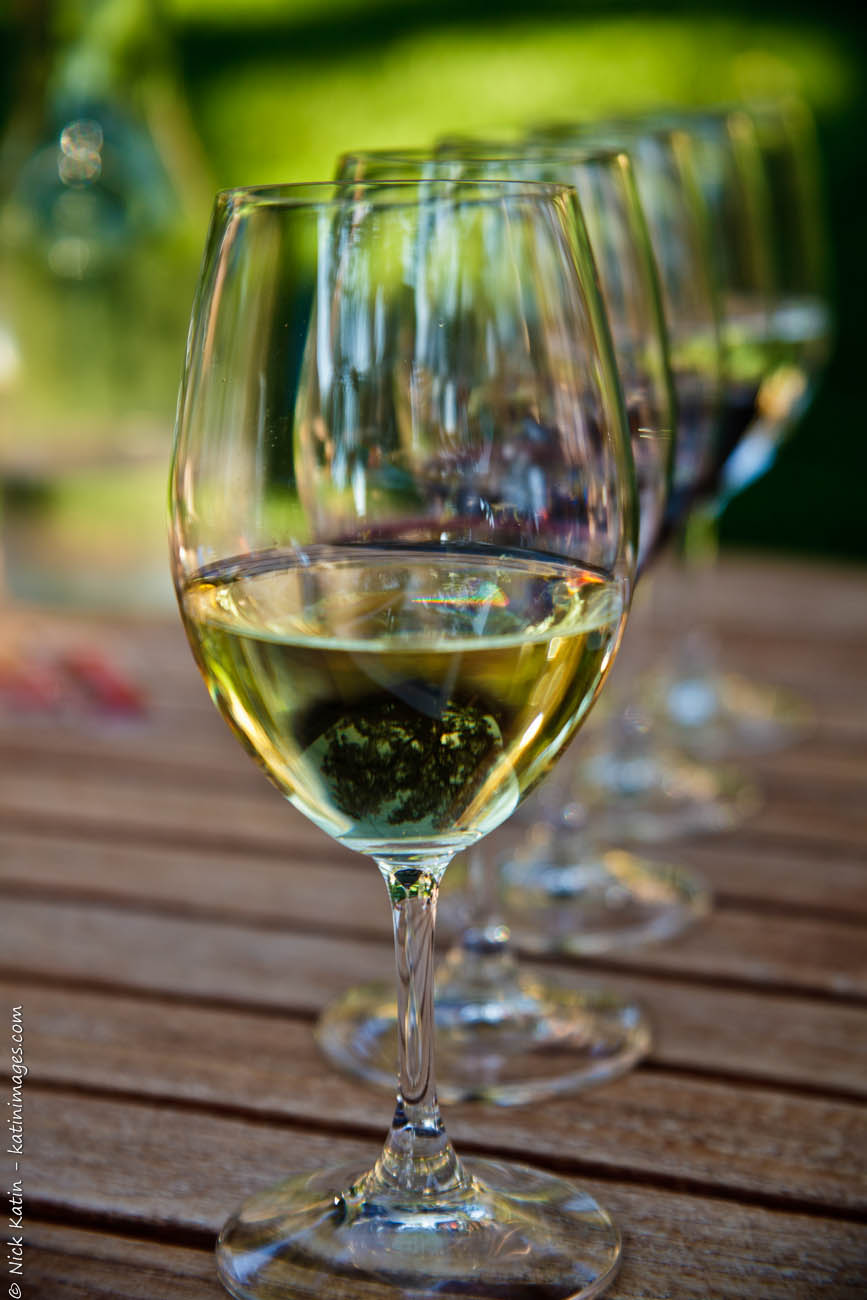
Wine tasting glasses at Beringer winery in the Napa Valley
To see a larger image or to see purchase options click on the image
Prior to visiting Alaska I had seen plenty of glaciers but always in mountain regions. I had never seen a Glacier that flowed out to water.
About 72 km’s from Juneau is Tracy Arm fjord. 48 km long and with one-fifth of it’s area covered in ice as well as, during the summer, it has a considerable amount of floating ice ranging from hand-sized to pieces as large as a three-story building.
This ice comes from the twin Sawyer Glaciers which are about 500 metres across and ‘calves’ off chunks of ice as tall as the aforementioned three story building.
For more pictures of Tracy Arm go to Alaska
The Sawyer Glacier at the end of Tracy Arm on the Gastineau Channel, Alaska
To see a larger image or to see purchase options click on the image
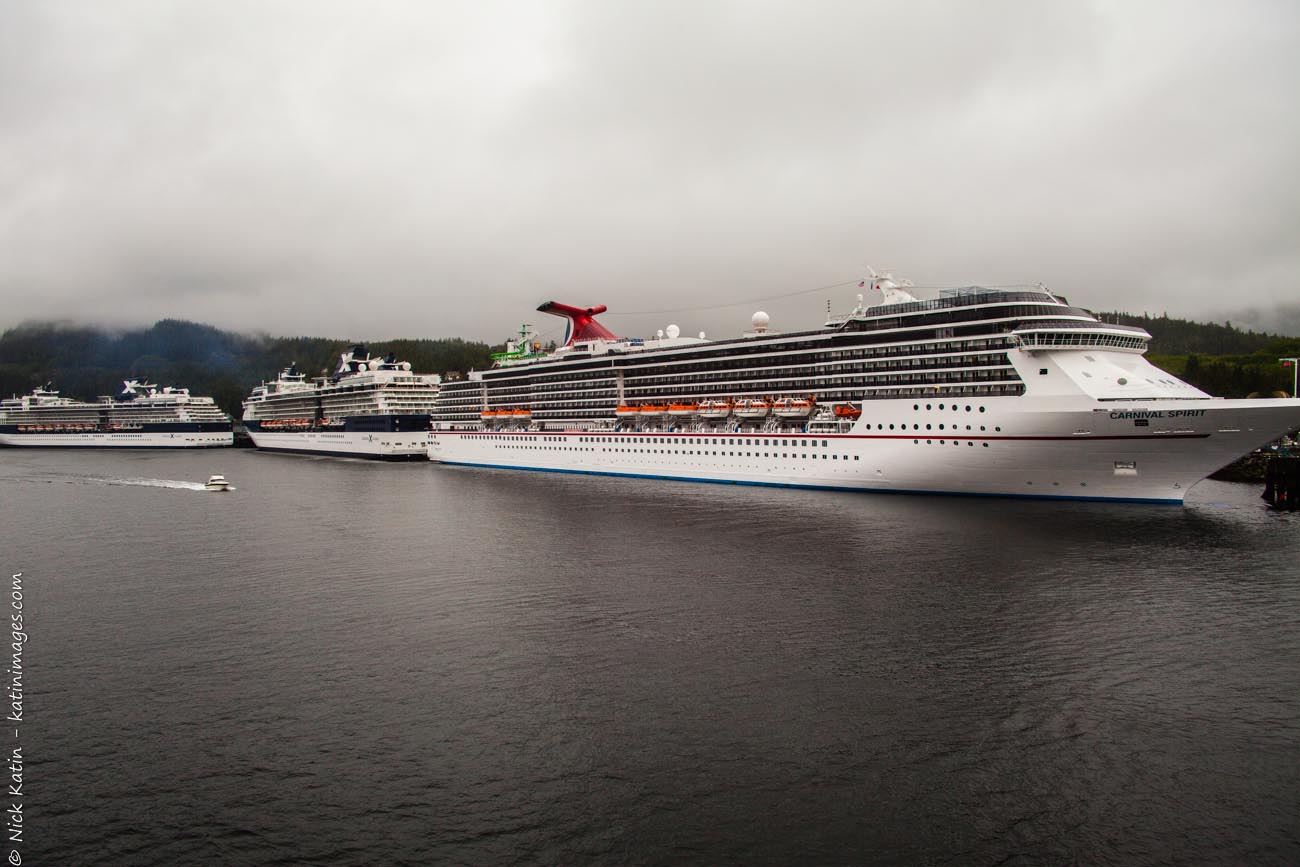
Far from being a one horse town, Ketchikan is a six cruise ship town. These mammoth floating hotels dock at the port right at the heart of the town. Ship visitors stroll down the gang ways straight into souvenir shops, restaurants, bars, and tourist attraction vendors.
Apart from people watching, at least when the cruise ships are there, there is actually much to see within walking distance of the Ketchikan cruise ship docks, including the shops along quaint and picturesque Creek Street, with its historic buildings overhanging a crystal-clear, salmon-filled stream.
Set amongst the lush Tongass rainforest, surrounded by magnificent peaks, waterfalls, and glaciers, there’s a fair bit for the nature lover as well, assuming they have longer to spend there than the average cruise ship stay of five or six hours.
Once these people movers have moved on, the town is very quiet and the shops close all most immediately!
Docked Cruiseships at Ketchikan on the Alaska marine highway and inside passage.
To see a larger image or to see purchase options click on the image
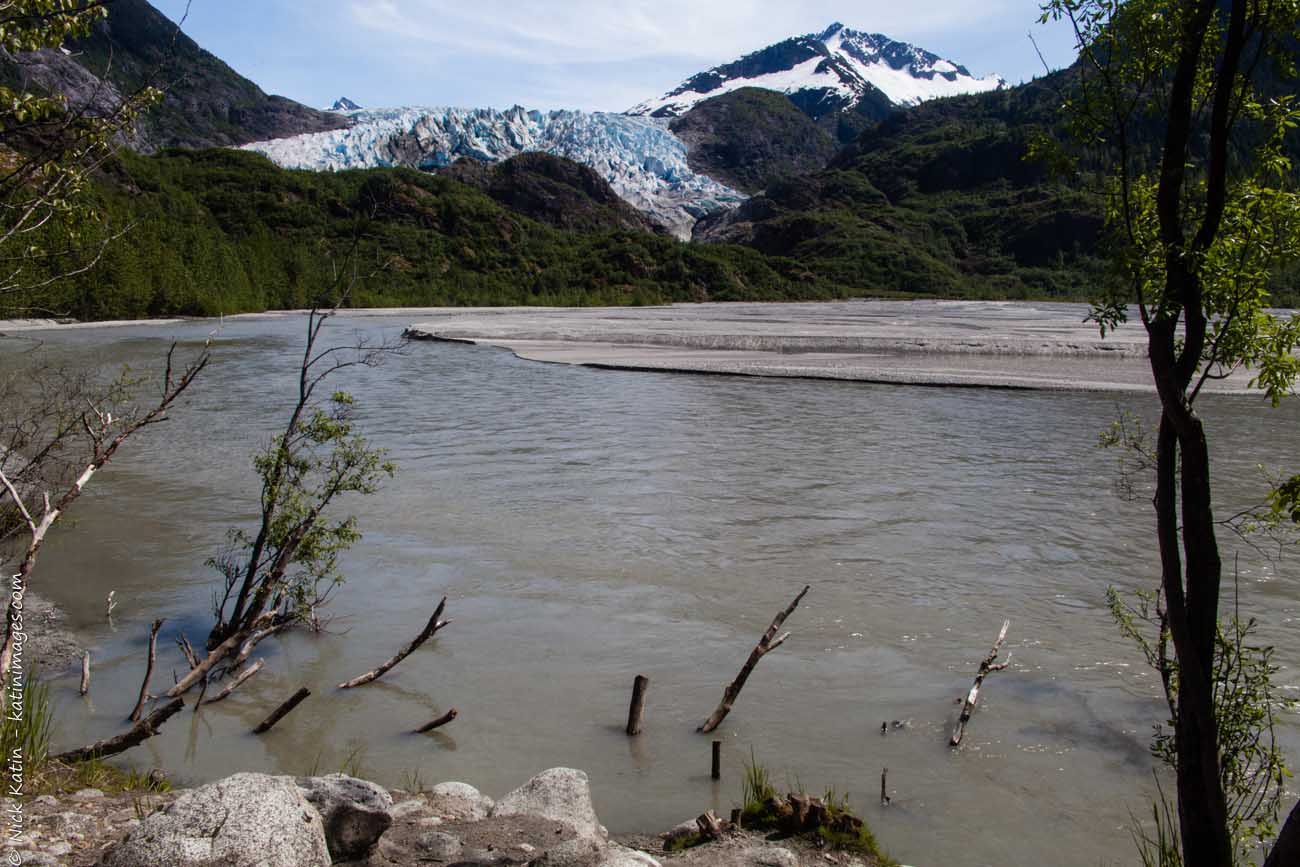
The capital of Alaska, Juneau, is a beautiful small city set on a salt water channel and surrounded by magnificent alpine peaks. It’s is a nature lovers paradise, with great shops, restaurants, and the only glacier, the Mendenhall, within the municipal limits of any city. The Herbert Glacier is about a 5 hour round trip by foot (about half the time by bike) along the obviously named Herbert glacier trail. The trail starts around 40 km or 25 miles from Juneau, .The glacier is part of the Juneau Icefield, which contains the the glaciers Eagle,Taku and the famousimpressive previously, mentioned Mendenhall. It has the appearance of being in the middle of nowhere and it is relatively speaking. But this is Alaska and that means adventurers, locals and tourists are everywhere during it’s short summer. Well worth the effort to visit!
Herbert Glacier near Juneau, Alaska. A small Glacier that’s part of the Juneau Icefield
To see a larger image or to see purchase options click on the image
Despite it’s more famous neighbour to the north having a reputation of the best coffee in North America, Portland coffee shops are not so bad either.
When I mean coffee I mean espresso, not the stuff that’s so common in the USA, that sometimes tastes like it was made last week.
So if you go to Portland and want to taste some good coffee then do your own tour of some of the most popular local Portland coffee shops.
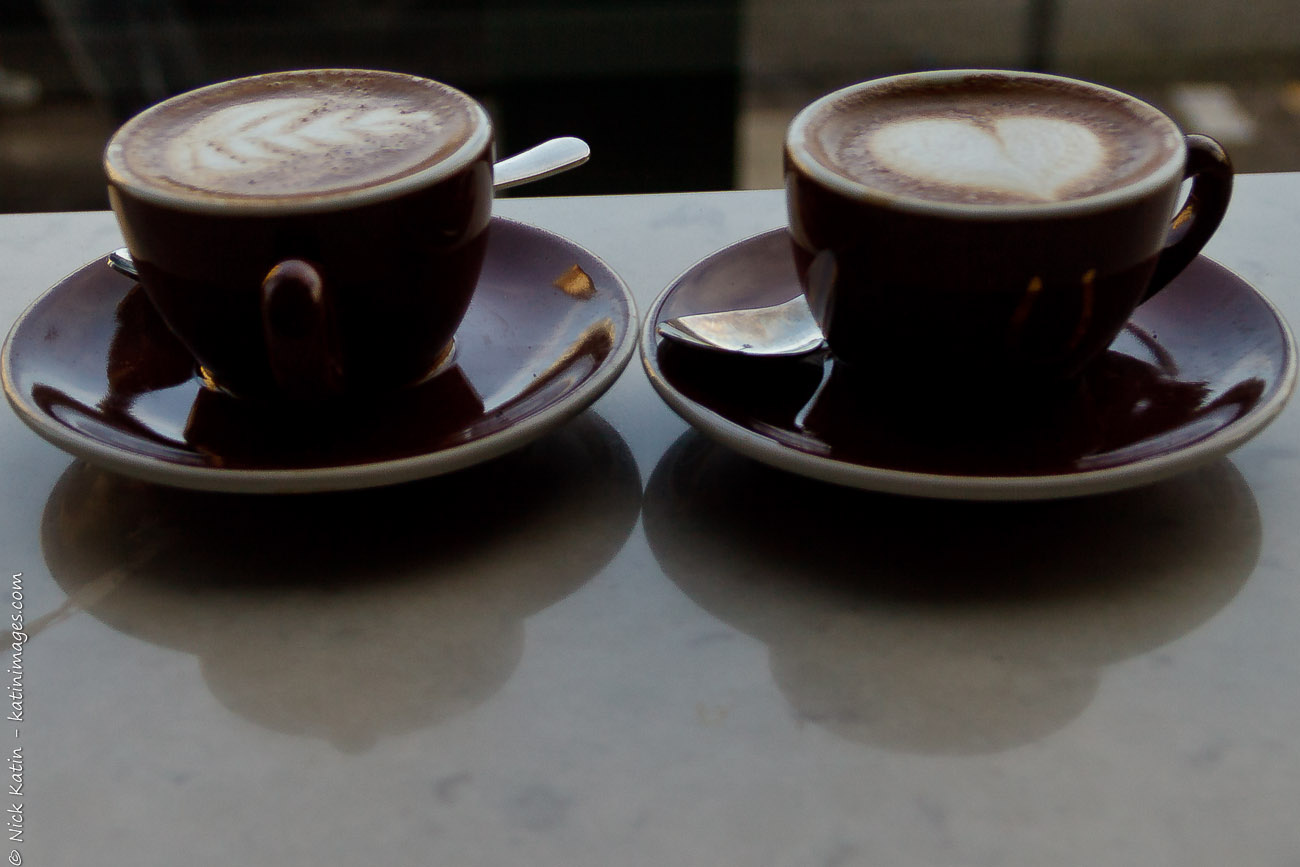
Each Portland coffee house is unique and worth a visit while pouring over a magazine or local paper, or just people watching. Try Stumptown (where this photo was taken), Barista, The Albina Press, Fresh Pot, and the Red e Cafe, just to name a few.
Milk art coffee Stumptown coffee house, Portland, Oregon, USA
To see a larger image or to see purchase options click on the image
I have recently been looking at Zinio a digital magazine service. They have what looks to be thousands of digital magazines at low prices. I looked at the travel and photography sections and they have publications such as Lonely Planet, Conde Nast, AFAR, Photo Plus and Shutterbug.
Now they have this new Z-Pass – YOU CAN READ WHAT YOU WANT WITH Z-PASS ON ANY DEVICE, GET 3 MAGAZINES FOR $5/MONTH WITH NO COMMITMENT AND YOU CAN TRY IT FOR 1 MONTH FREE
see Z-Pass for more info:
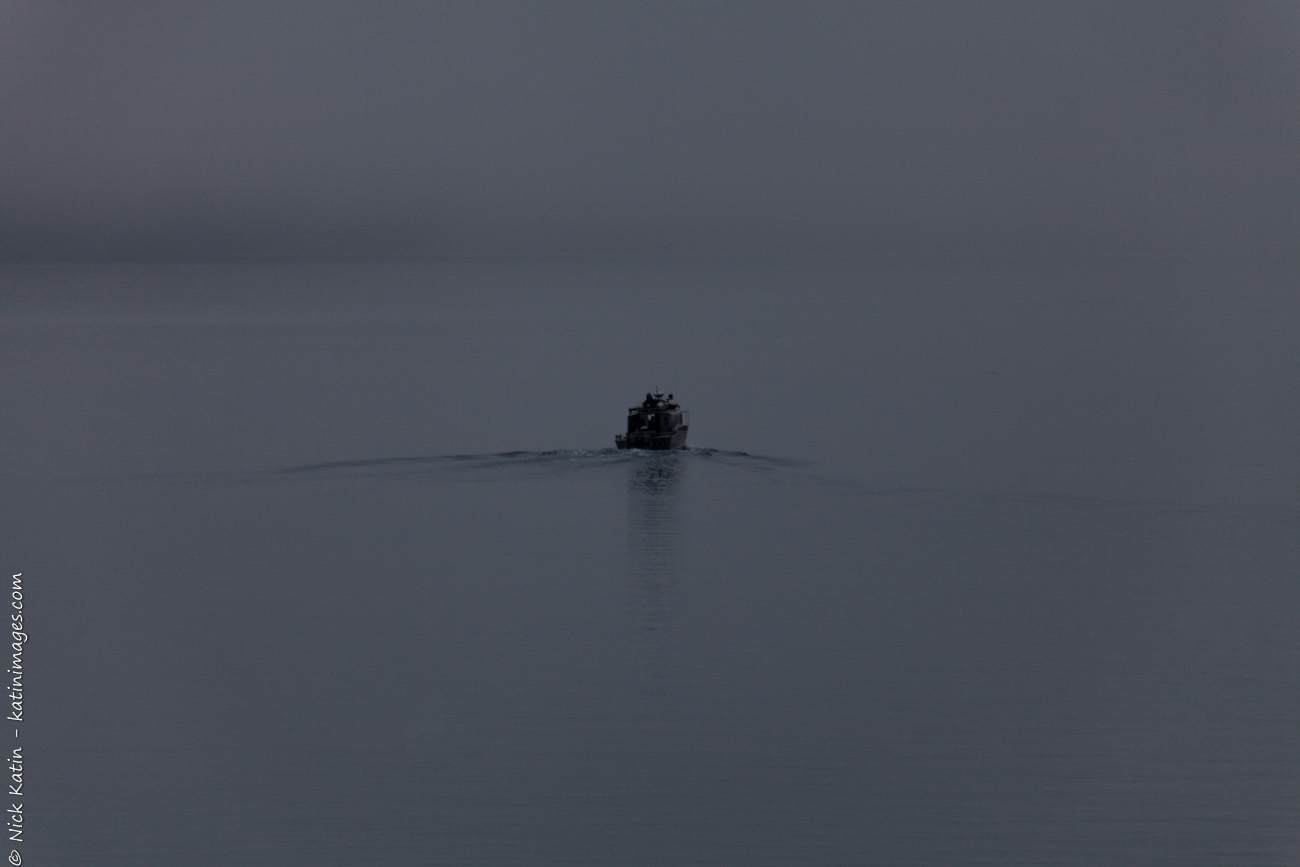
To entice you to visit the site I have 10 free subscriptions to give away. To enter visit zinio choose a magazine title and send me your first and last name and email address and if you want send me your website address via the contact page or email. Just tell me whether the image below was taken in summer or winter.
The first 10 correct entries will win a subscription of their choice.
Local fishing boat heading through fog to sea from Whittier, Alaska, USA
To see a larger image or to see purchase options click on the image
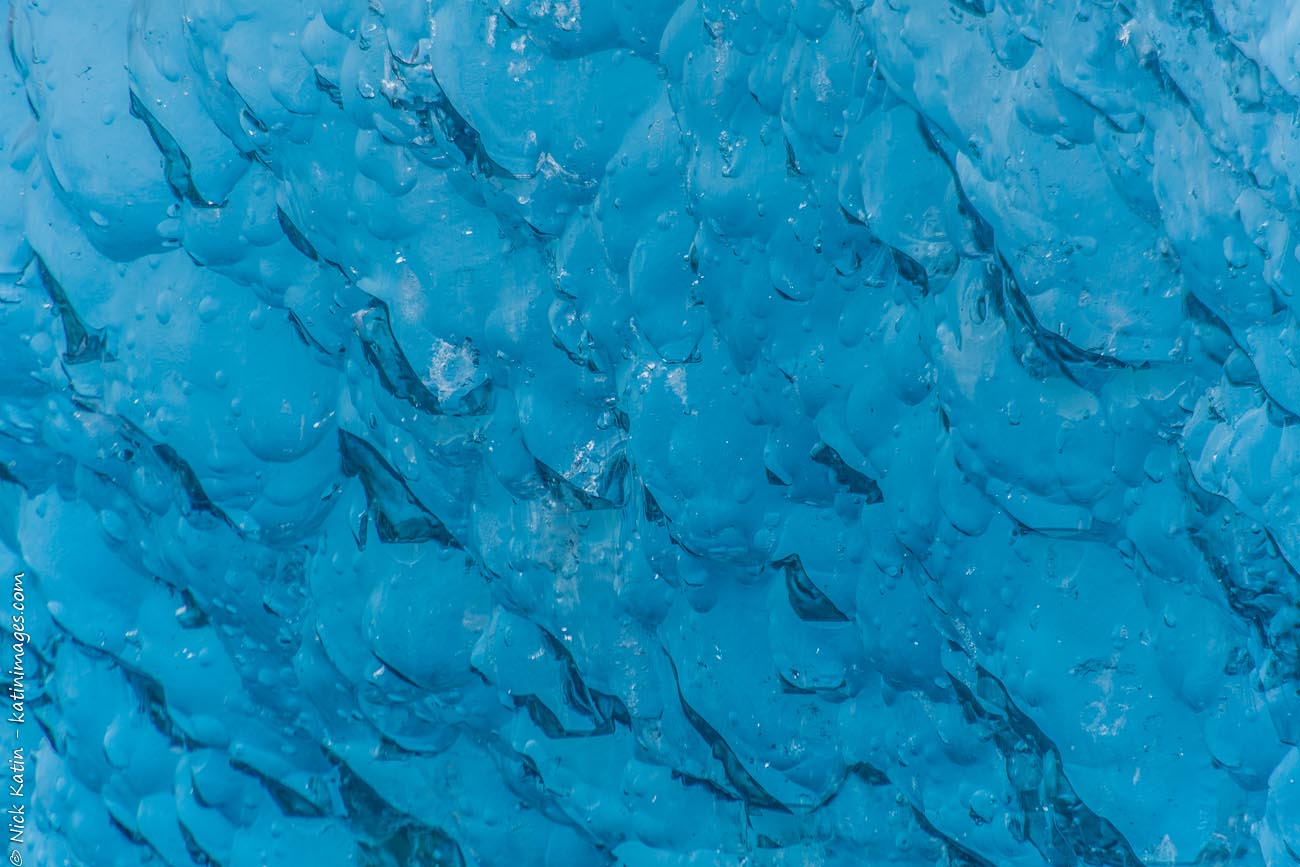
Ice calving is the breaking off of big chunks of ice at the edge of a glacier. It is the sudden release and breaking away of a mass of ice and often makes a huge cracking noise.
This is a close up of floating piece of ice that had only moments before come away from the huge Sawyer glacier found at the end of Tracy Arm located off the Gastineau Channel south of Alaska’s capital Juneau
Whilst I had seen Glaciers before in the mountains to see one at the water’s edge and changing in front of my won eyes was pretty amazing!
New ice after Calving at the Sawyer Glacier in Tracy Arm on the Gastineau Channel, Alaska
To see a larger image or to see purchase options click on the image.
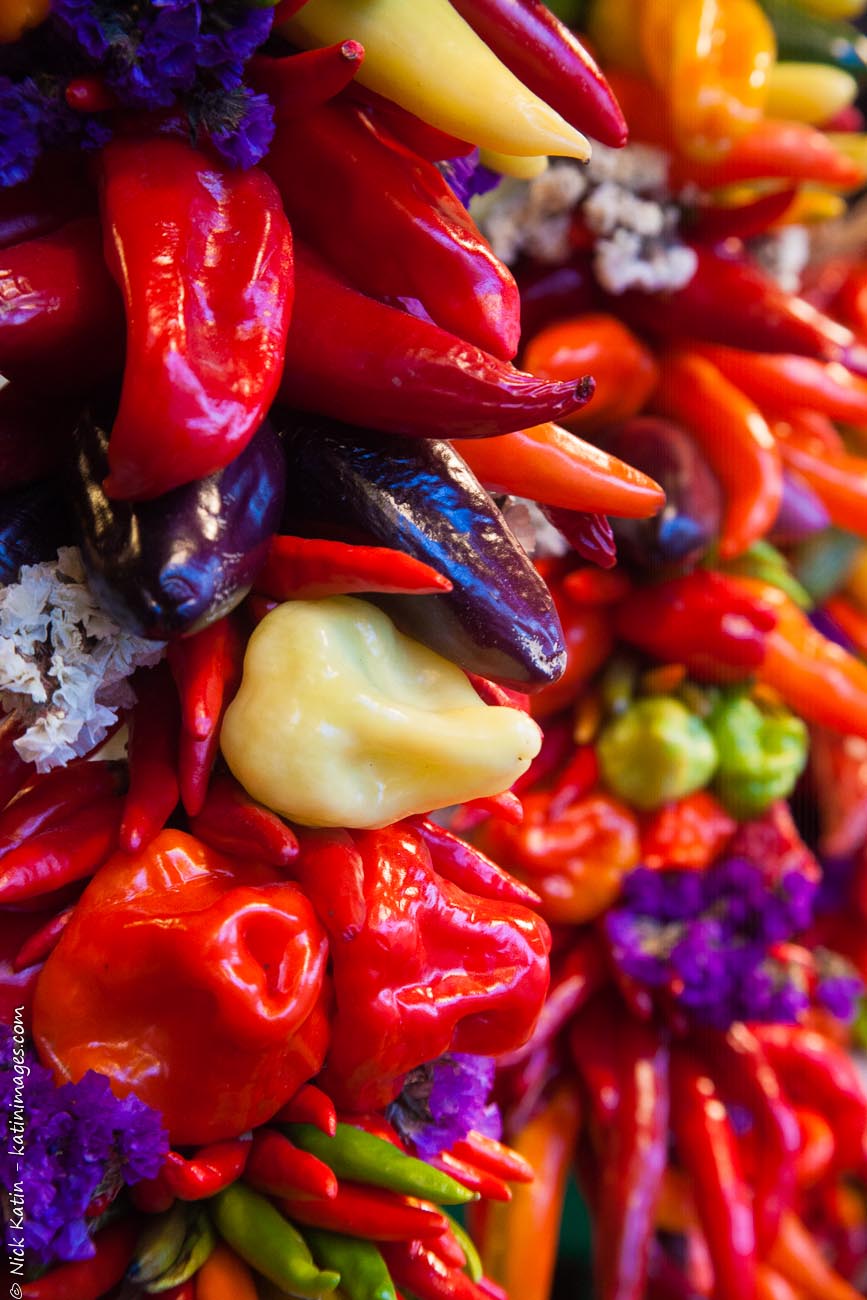
I love Seattle. It’s arguably the food capital of the USA and has one of the greatest markets outside Europe in Pike place, home of the great theatre of fish throwing. Aside from that it has great produce and is a joy to wander and taste the morsels on offer. Seattle is also famous for coffee, of course, Boeing and Microsoft. A little know fact is that is the best place on the planet to have a heart attack due to the number of Defibrillators it has strategically placed in and around the city. The fact it has a couple of international manufacturers who make them in Seattle would certainly have something to do with it, wouldn’t you think?
Hanging chillies in Pike Place markets in Seattle, Washington, USA
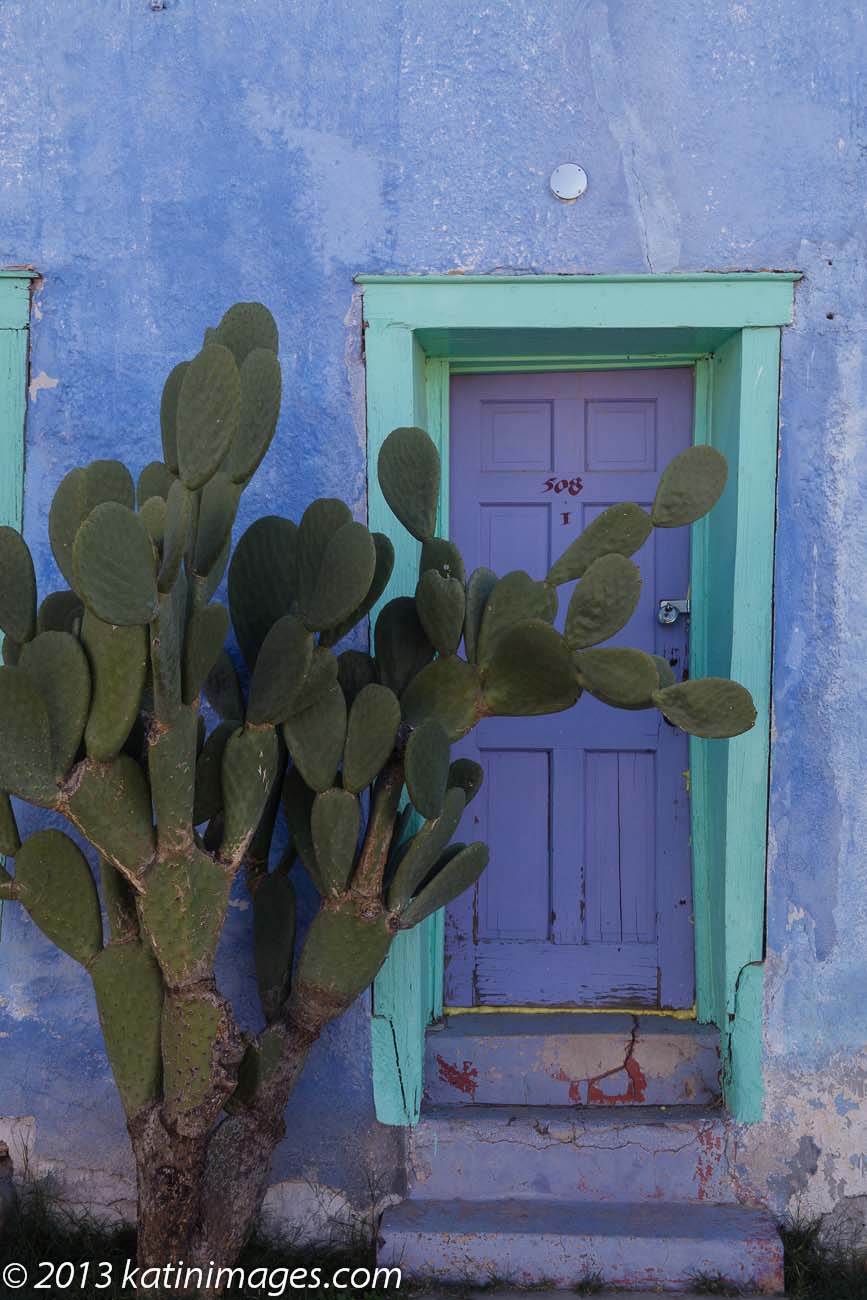
Here’s another door (I like doors). This time from the historic El Presido district of Tucson, Arizona. Named after the Presidio de San Augustín del Tucson and now mainly residential, its actually one of the USA’s oldest continually inhabited areas. The buildings are adobe and brick buildings in the Spanish-Mexican and Anglo-American architectural styles. It was very very quiet the afternoon I was there. I felt like I was in ghost town except of course a lot of the buildings and homes had been lovingly restored. Great for architectural photography but not so good for people pictures. Oh well you can’t have everything! Notice the big padlock on the door. 1/100 @ f8 37mm ISO 100
Cactus and door in the Presido historic district, Tucson, Arizona, USA



















 Katin Images Travel Photography